Chile
Chile country guide

Things to do in Chile

The driest desert on earth at one end, glaciers and granite towers at the other, and 4,300km of country in between that is never more than 350km wide.

€14
Dorm bed, from
4,300km
North to south
€6
A menú lunch
0mm
Rain in parts of the Atacama, for decades

A country shaped like a ribbon

Chile is 4,300km long and averages 180km wide, pinned between the Andes and the Pacific. That geography gives it the driest desert in the world in the north, Mediterranean vineyards in the middle, lakes and volcanoes below that, and Patagonian ice at the bottom.

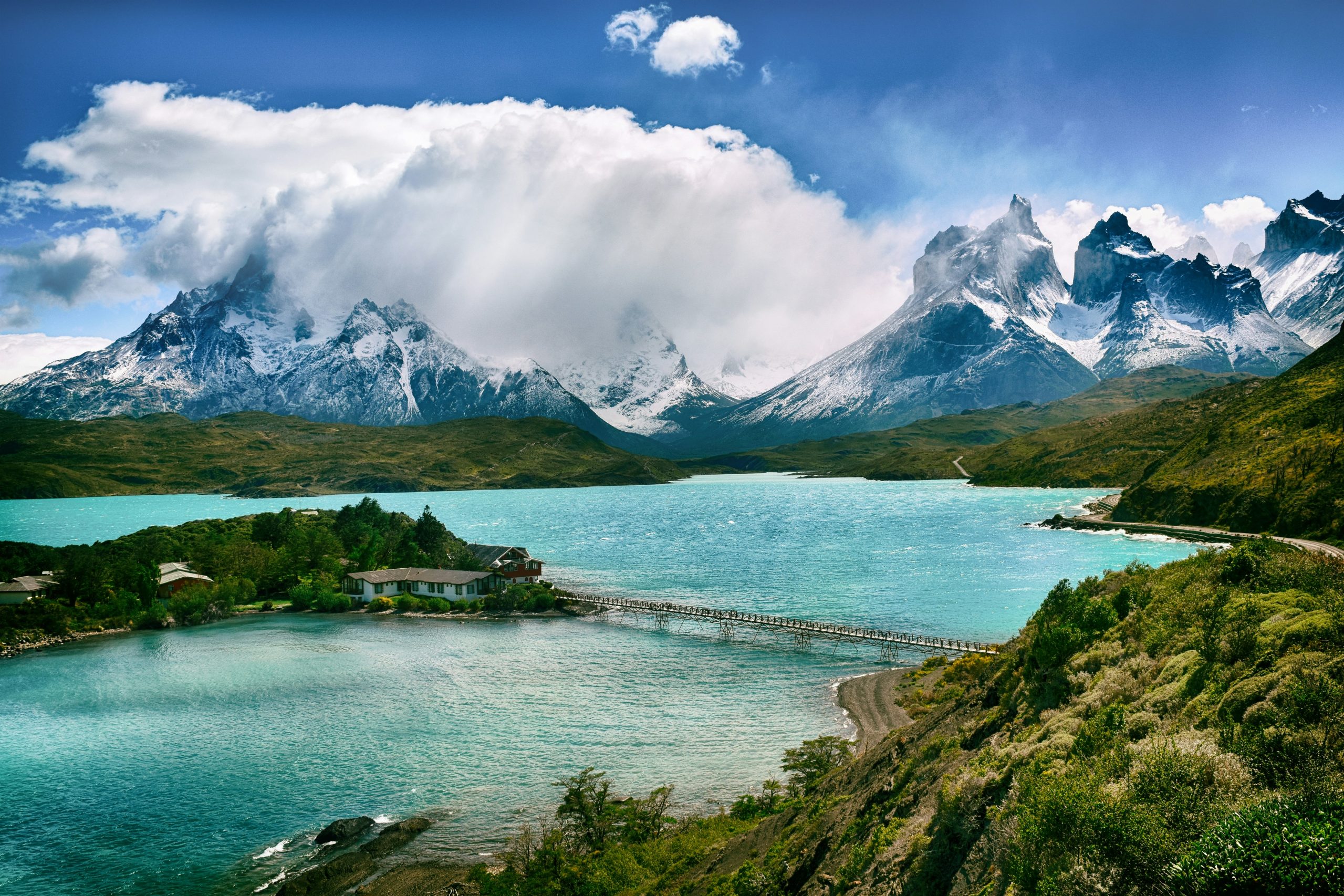
Most trips pick two ends. San Pedro de Atacama in the north does salt flats, geysers and some of the clearest night skies anywhere. Torres del Paine in the south is the continent's most famous trek, done as the W in four or five days or the full circuit in eight.

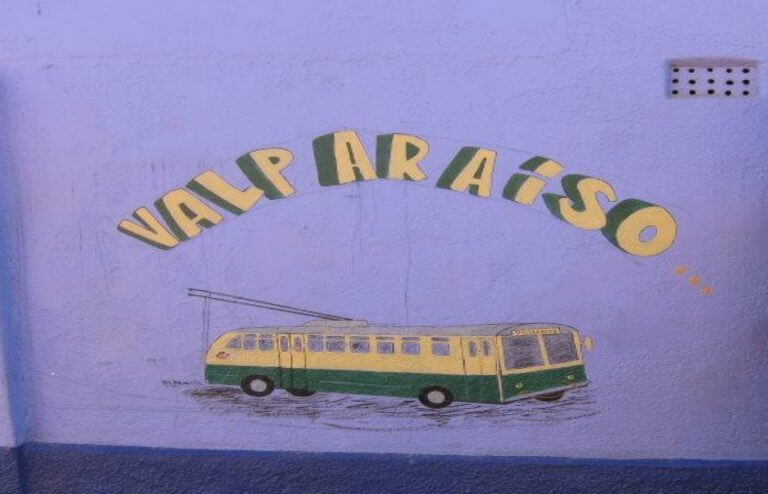
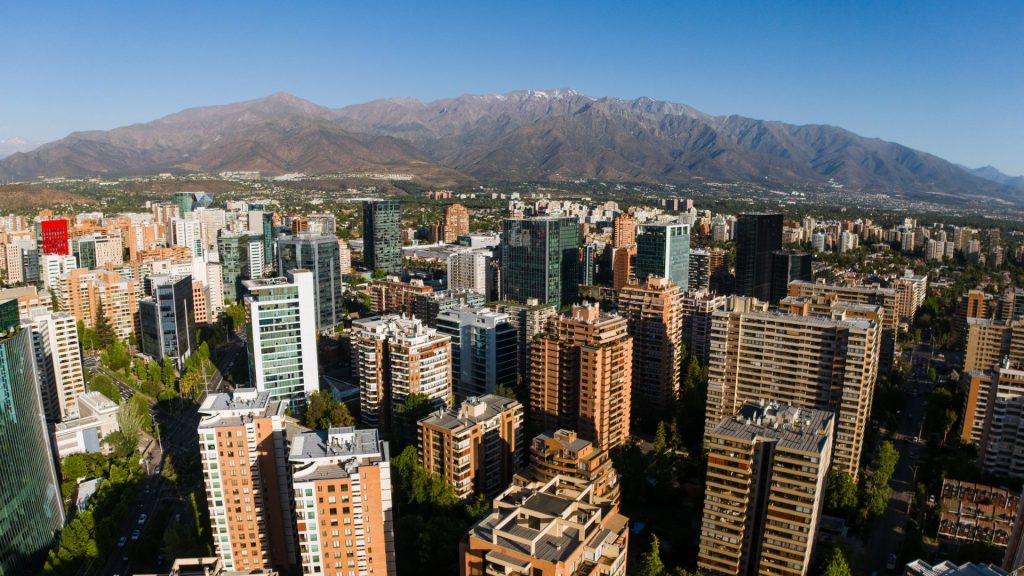
Santiago sits in the middle with the Andes visible from the street, and Valparaíso an hour away is a hillside port of murals and funiculars. Chile is more expensive than its neighbours and better organised than all of them, which is a trade most travellers accept.

Where to go

Flying is the only sensible way to cover the length. Buses are excellent for regional legs.

Santiago

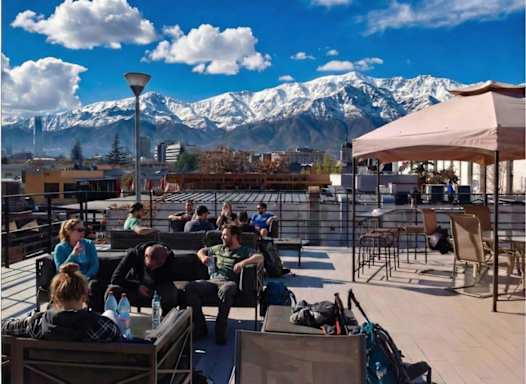
Santiago

39 hostels · dorms from €15

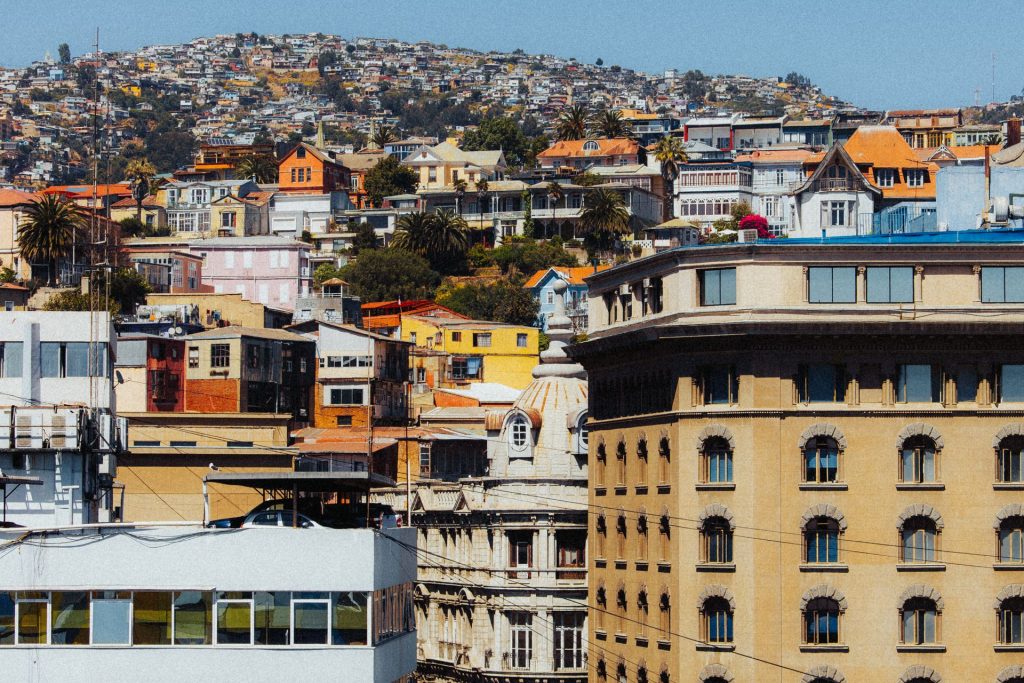
The capital, with the Andes above it and ski resorts an hour away in winter.

So much is always happening in Santiago! And getting around via the Metro is both cheap and easy! However if you are up for a quick walk be sure to visit Barrio Italia!

A traveller, on Hostelworld
The Santiago guide
Valparaíso

Valparaíso

26 hostels

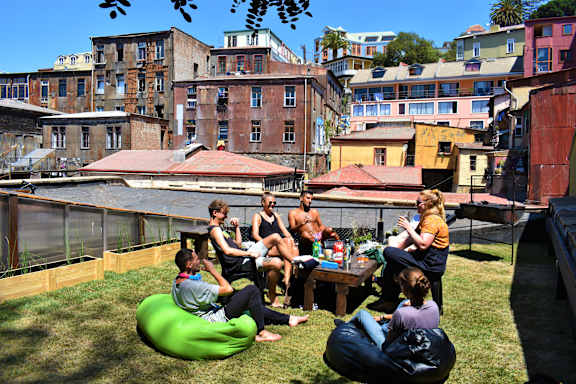
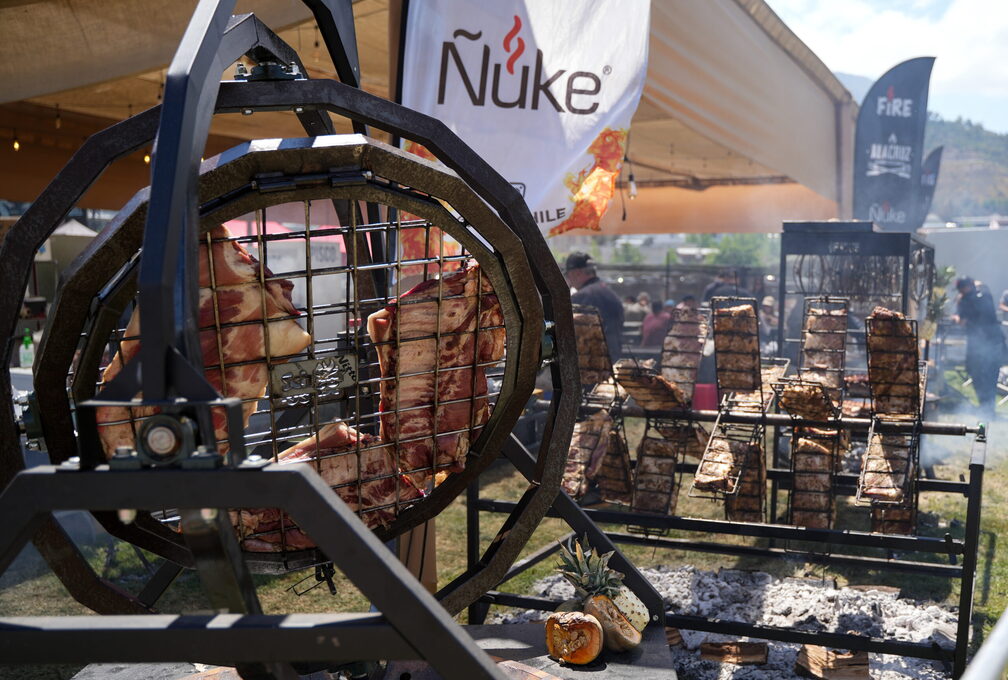
A hillside port of murals, funiculars and faded grandeur. An hour and a half from Santiago.

I have come to Valparaiso several times. It the prettiest city in the world. Absolutely magic!

A traveller, on Hostelworld
The Valparaíso guide
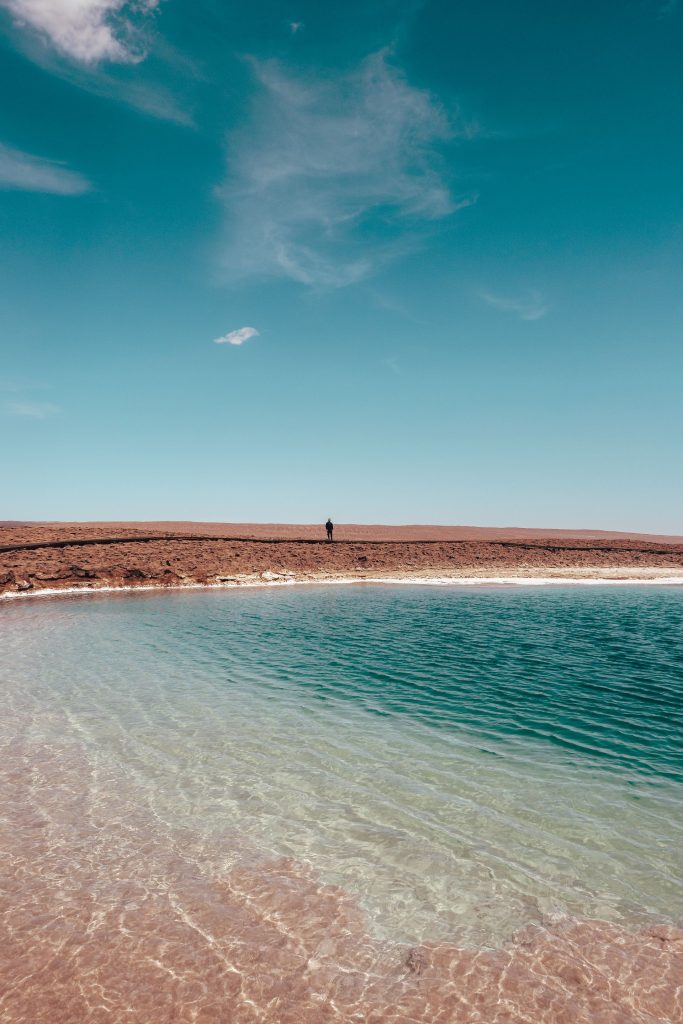
San Pedro de Atacama

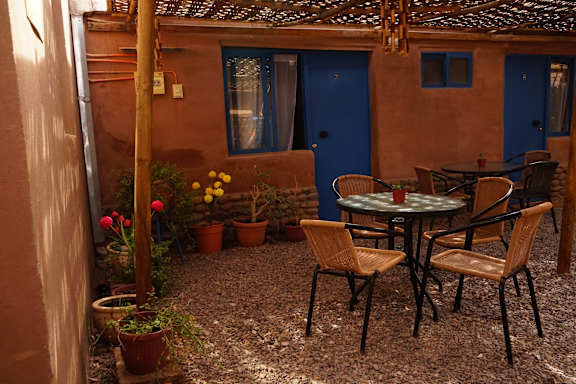
San Pedro de Atacama

29 hostels · dorms from €9

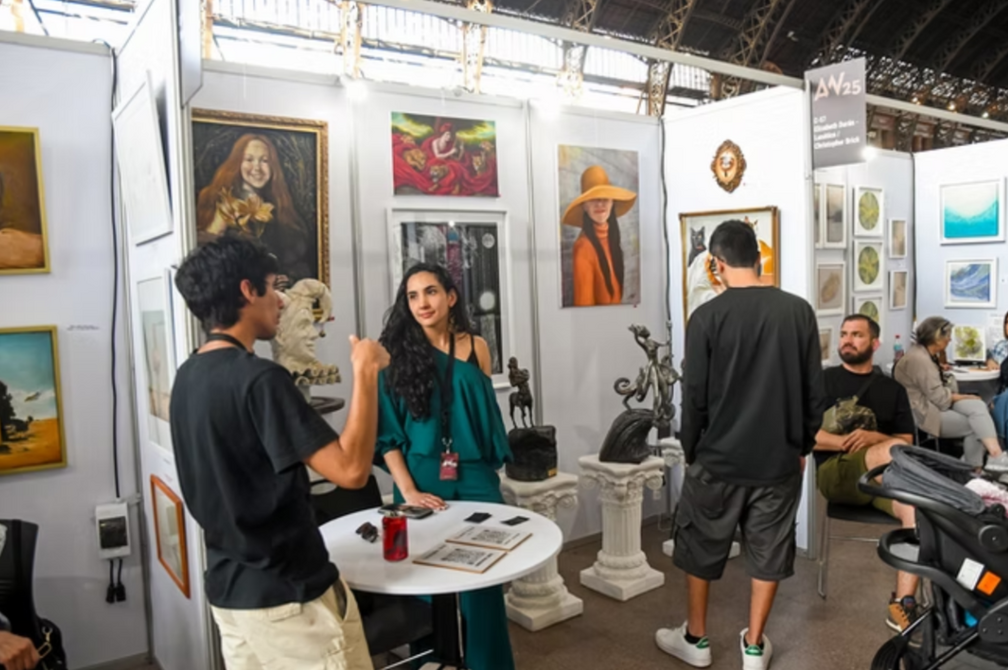
The driest desert on earth: salt flats, geysers, lagoons and world-class stargazing.

San Pedro is a magical little town, and the Atacama desert a stunning place with lots to see and do. Visit this place!

A traveller, on Hostelworld
The San Pedro de Atacama guide
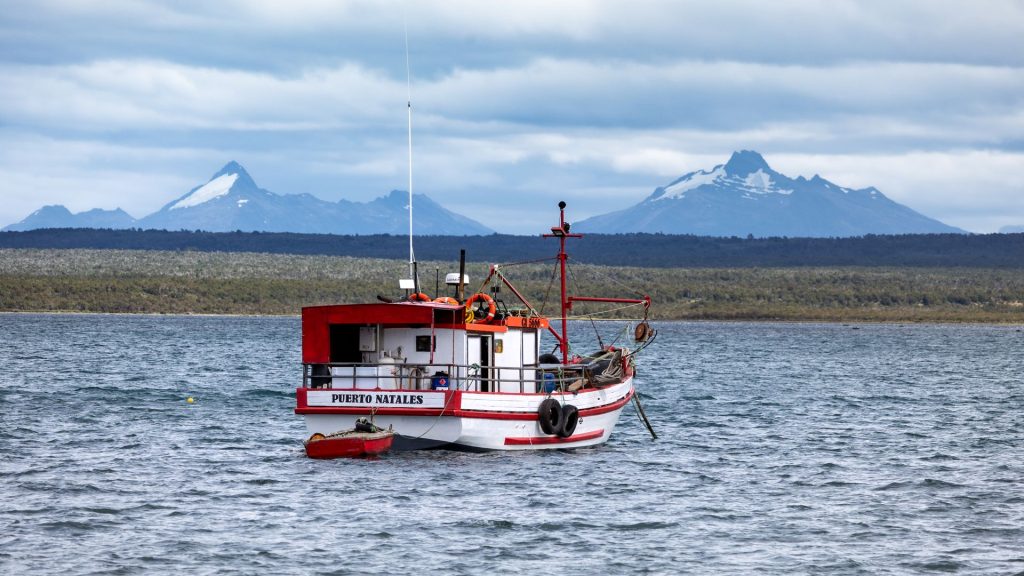
Puerto Natales

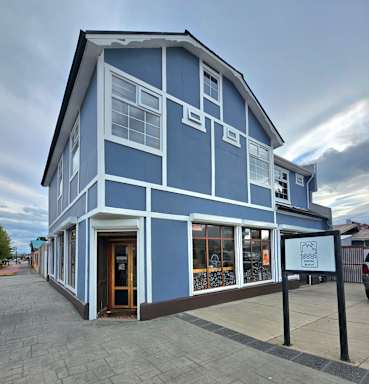
Puerto Natales

29 hostels · dorms from €11

The gateway to Torres del Paine, where every trek is provisioned and every bed is booked.

I hadn't expected much from the town, but we found great food, coffee, and shopping. The street dogs are all very cute and lazy sleeping on the sidewalk. The town is quiet, safe, and the shop keepers are all very helpful.

A traveller, on Hostelworld

The Puerto Natales guide
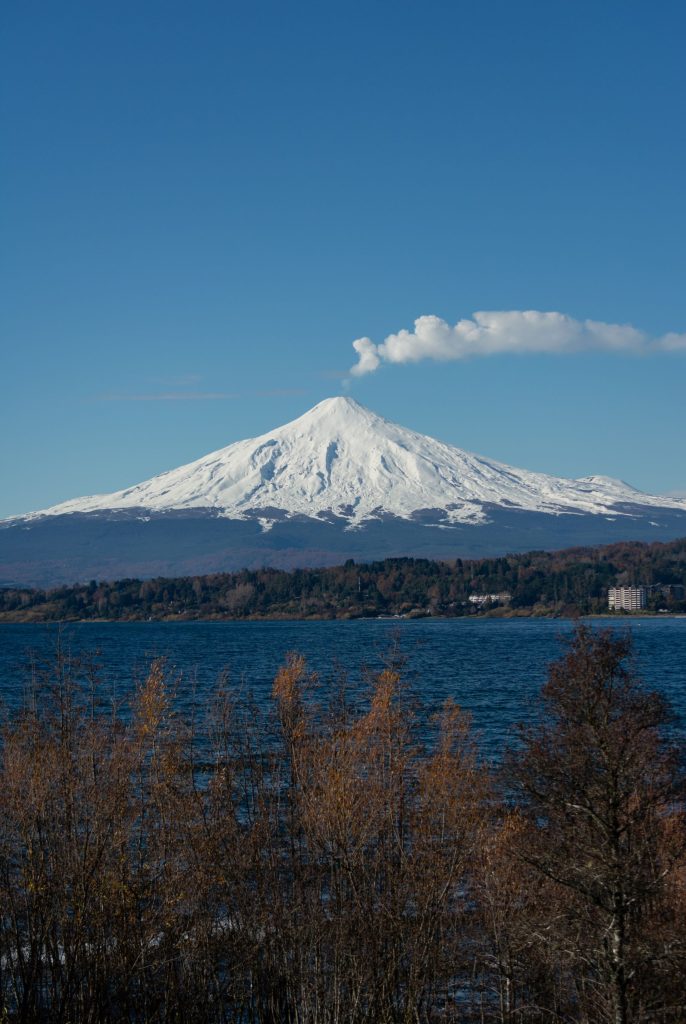
Pucón

Pucón

16 hostels

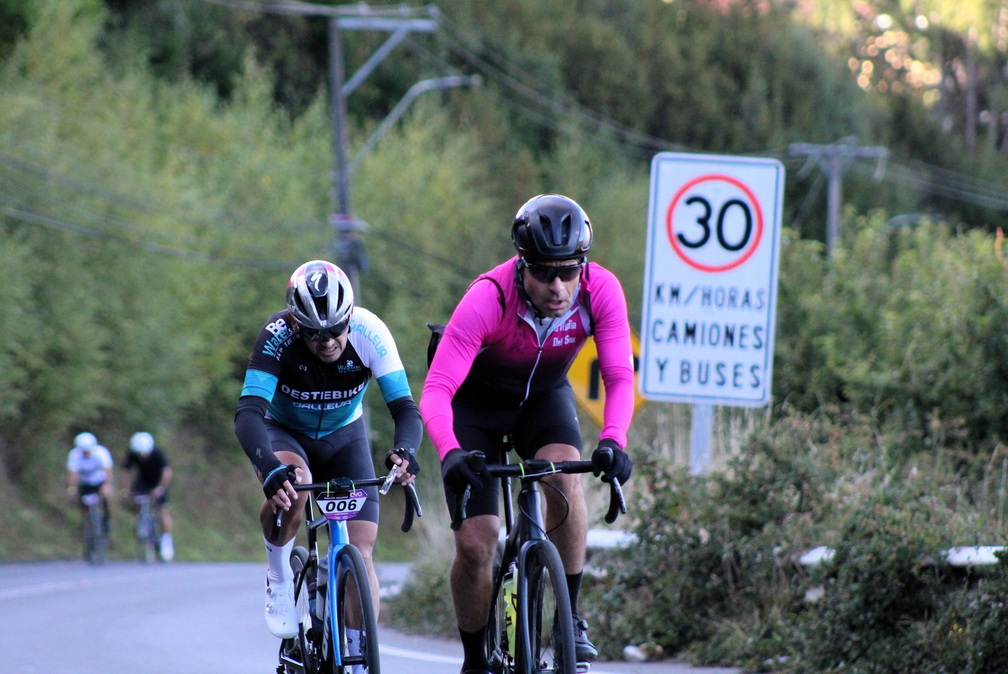
Lakes, hot springs and an active volcano you can climb in a day.

I went for a day in late May and it was fantastic. I didn’t need to use public transport as everything is within walking distance. Good shops, restaurants, and activities available. Would love to come back in the spring.

A traveller, on Hostelworld
The Pucón guide
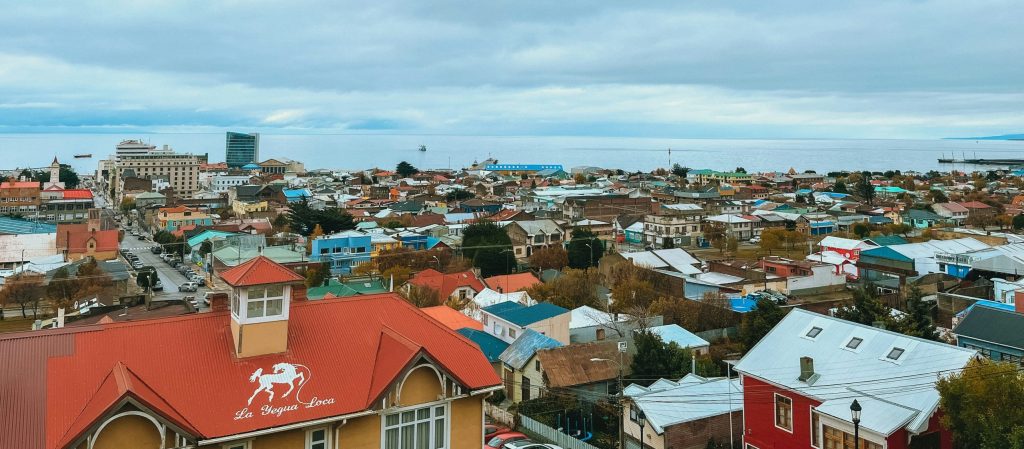
Punta Arenas

Punta Arenas

13 hostels

The southern city on the Magellan Strait, and the jumping-off point for Antarctica.

There is such great wildlife at Punta Arenas so it’s worth spending 4-5 days here rather than just pass through to Torres del Paine or Ushuaia. 60,000 penguin colony / yes you will see lots of penguins! Viewing condors really close Whale watching and glaciers Also a great walking tour and the food is fabulous / king crab snd of course lamb. Everyone is super friendly and English is widely spoken . Such a wonderful, laid back city.

A traveller, on Hostelworld
The Punta Arenas guide
Puerto Varas

Puerto Varas

9 hostels

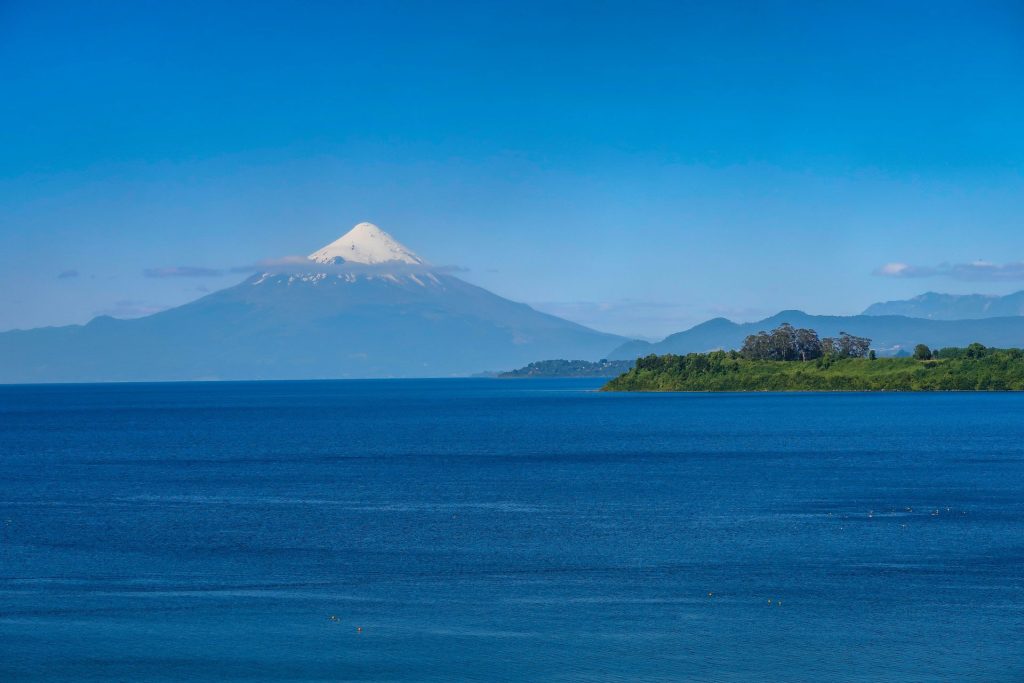
A lakeside town facing the Osorno volcano, and the best base for Chile's Lake District.

The Puerto Varas guide
Castro

Castro

4 hostels

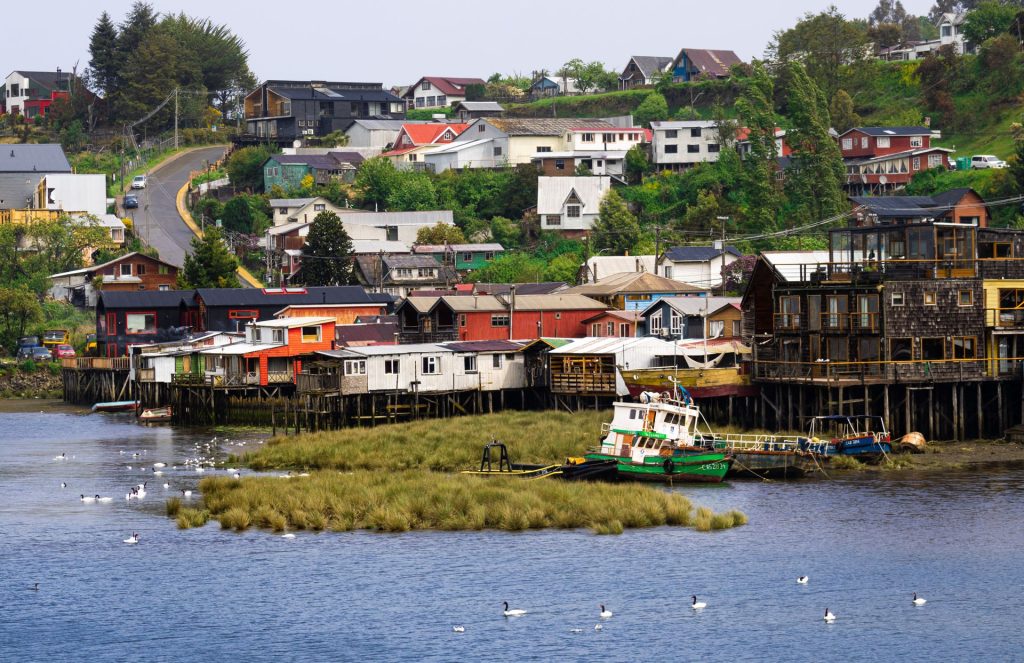
The capital of Chiloé: stilt houses, UNESCO wooden churches and an island culture of its own.

The Castro guide
La Serena

La Serena

7 hostels

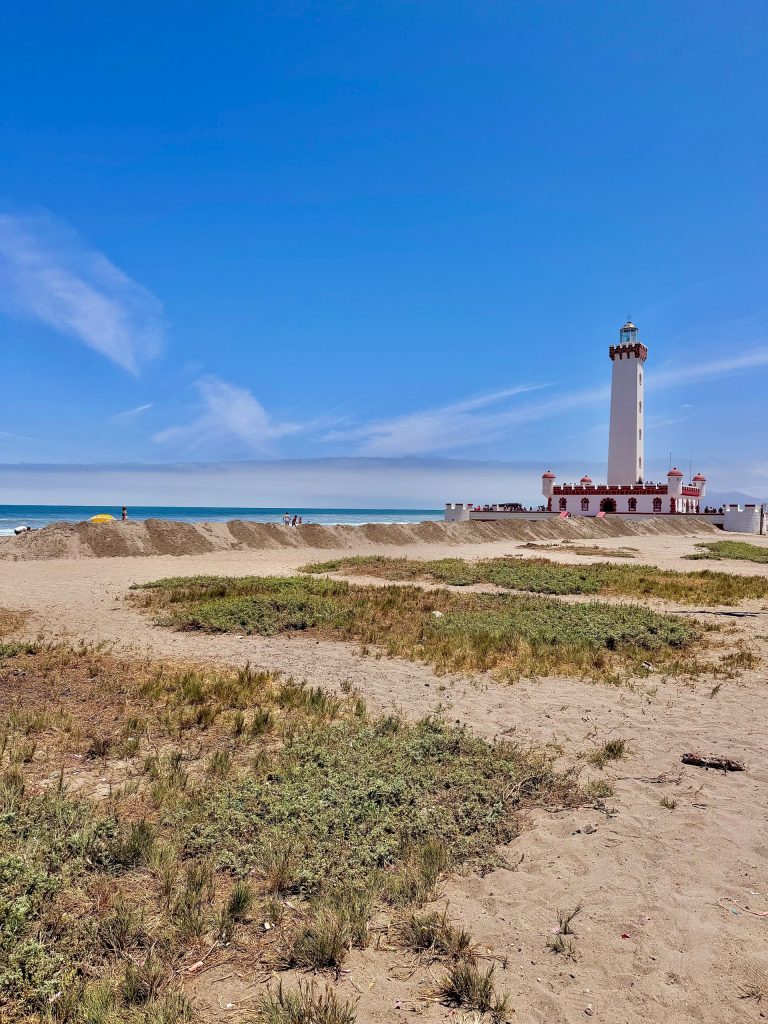
A colonial beach city and the gateway to the Elqui Valley, for pisco and some of the clearest skies on earth.

The La Serena guide
Easter Island

Easter Island

5 hostels

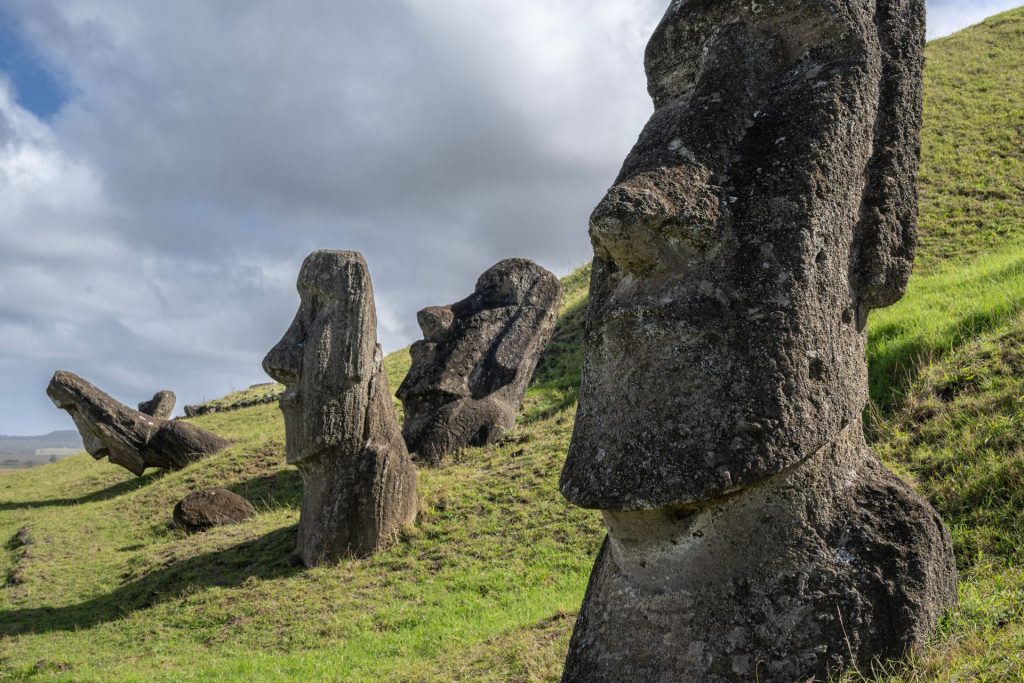
Rapa Nui and its moai, on a tiny volcanic island five hours from Santiago.

I love the mystery of the island and the happy people. They are so happy to show you their culture. It’s a safe and relaxing place, you can walk pretty much everywhere around town. Little bonus for dog lovers, dogs are everywhere and they’re also so friendly!

A traveller, on Hostelworld
The Easter Island guide

What kind of trip is this?

Chile is a trekking and landscape country, with a wine region and two good cities attached.

Adventure in Chile

Torres del Paine, volcanoes and the Atacama.

What to do

  • Trek the W in Torres del Paine
  • Climb Villarrica volcano
  • Sandboard in the Atacama

Spots to visit

  • Torres del Paine
  • Villarrica
  • Valle de la Luna

Best cities for it

Things to do

Things to do in Chile

Torres del Paine is the headline. The W trek takes four to five days between refugios and campsites, the full O circuit takes eight, and both require booking accommodation months in advance — the park limits numbers and turning up without reservations means being turned away. Puerto Natales is where everyone provisions.

San Pedro de Atacama is the other pole: the Valle de la Luna at sunset, the El Tatio geysers at dawn at 4,300 metres, altiplano lagoons with flamingos, and stargazing tours that use the clearest skies on the planet.

In the middle, Valparaíso is a day of climbing hills between murals and riding century-old funiculars, and the Casablanca valley between it and Santiago does wine. Pucón has a volcano you can summit in a day with crampons and a guide.

Food and drink

Eating in Chile

Chilean food is less celebrated than Peruvian or Argentine and quietly good. The menú at lunch — soup or salad, a main and often a dessert — is €6 to €10 and is what everyone eats.

Seafood is the strength, given 4,300km of coast: machas, congrio, centolla crab in the far south, and ceviche that Chile and Peru argue about. Mercado Central in Santiago is the place to try it.

Completos are hot dogs buried under avocado, tomato and mayonnaise, and they are a national institution. Pastel de choclo, a corn and beef pie, is the homely dish. Chilean wine is excellent and cheap — a good bottle is €5 to €10 — and pisco is claimed here as firmly as in Peru.

Nightlife

Going out in Chile

Santiago's nightlife is in Bellavista and Barrio Italia, with Bellavista the louder student end and Barrio Italia the bars and restaurants. It starts late, though not quite as late as Buenos Aires.

Valparaíso has the more interesting scene: bars in old hillside buildings, live music, and a bohemian crowd. Weekends there are better than in the capital.

Terremoto — sweet wine with pineapple ice cream — is the drink to try once and regret. Beer is €2 to €4, pisco sours €4 to €7. In San Pedro and Patagonia, nightlife is a bar or two attached to hostels, because everyone is up at five for something.

Getting around

Getting around Chile

The country is too long to bus end to end: Santiago to Punta Arenas is over 3,000km. LATAM, Sky and JetSmart fly the length for €50 to €150, and booking ahead is what keeps that low.

Buses are excellent for regional travel, with cama seats on overnight routes, and Santiago to Valparaíso is ninety minutes for a few euros.

Torres del Paine requires a bus from Puerto Natales and, inside the park, a catamaran and shuttles that need booking in season. Hiring a car makes sense for the Lake District and the Carretera Austral, which is one of the great road trips in South America and needs two weeks on its own.

Costs

What Chile costs

Chile is the most expensive country in South America and the gap is real. Dorms start around €14, a menú lunch is €6 to €10, and a beer is €2 to €4.

Patagonia and San Pedro are more expensive again — both are remote, seasonal and have captive markets. Torres del Paine refugios cost €60 to €120 a night with meals, camping is cheaper, and the park entry fee is separate.

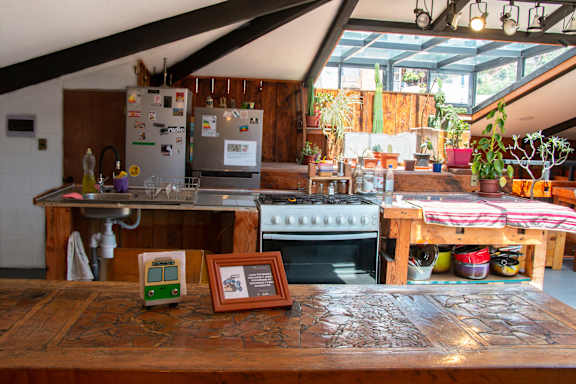
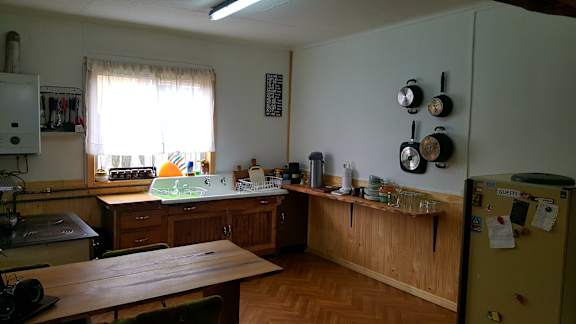
A day in the cities is €35 to €55; in Patagonia in season, closer to €70 to €100. Cooking in hostel kitchens and camping are what make a long Chilean trip affordable.

Safety

Staying safe in Chile

Chile is among the safer countries on the continent, though street crime in Santiago and Valparaíso has risen in recent years and is now the most common complaint from travellers. Phone snatching and bag theft happen in central Santiago, around Valparaíso's tourist hills and on public transport.

The usual approach applies: phones out of sight, apps rather than street taxis, and nothing valuable on display in Valparaíso, which is beautiful and has a genuine theft problem.

Outdoors, the risks are altitude in the Atacama — El Tatio is at 4,300 metres and reached before dawn — and Patagonian weather, where wind and rapid changes catch people out on the W trek. Chile is also seismically very active, and earthquakes are a normal part of life with a well-drilled response.

Entry and documents

Entry and documents

Most European, UK, US, Canadian and Australian citizens enter visa-free for 90 days. You receive a tourist card on arrival which you must keep — losing it causes delays on departure.

Passports need to be valid for the stay.

Chile has unusually strict agricultural customs. Bringing in fruit, seeds, nuts, honey, meat or plant material carries substantial fines even when accidental, and the checks at airports and land borders are thorough. Declare everything, and eat or bin anything before you land.

When to go

Southern hemisphere seasons, and Patagonia sets the calendar: November to March. The Atacama works year-round and Santiago is best in spring and autumn.

30°
Jan
Peak. Patagonia at its busiest and everything booked
29°
Feb
Still peak, and Chileans on holiday too
27°
Mar
Excellent. Harvest in the wine valleys, quieter trails
23°
Apr
Autumn. Patagonia services winding down
19°
May
Cool and wet in the centre. Atacama unaffected
15°
Jun
Winter. Ski season above Santiago begins
15°
Jul
Skiing, and the Atacama is cold but clear
17°
Aug
Still winter. Cheapest month in the centre
19°
Sep
Spring, and Fiestas Patrias mid-month
22°
Oct
Excellent. Patagonia reopening and quiet
26°
Nov
The best month for Patagonia. Long days, fewer people
28°
Dec
Summer starts and prices climb
Bar height is temperature. Colour is how busy it gets: quiet busy peak

Average highs for Santiago. The Atacama is dry year-round with freezing nights at altitude, and Patagonia has its own calendar — most Torres del Paine services run October to April only.

What your trip will cost

Pick how you travel and how long for. Per night, for one person. Patagonia runs well above these figures.

Torres del Paine refugios at €60–120 a night with meals, park fees and domestic flights at €50–150 sit outside these figures.

—
  • Beds—
  • Food and drink—
  • Getting around—
  • Doing things—
What's on

What is on while you are there

Fiestas Patrias in September is the biggest week of the Chilean year.

Chile travel questions

The ones we get asked most.

How far ahead do I book Torres del Paine?
Months. The park caps numbers and requires proof of booked accommodation — refugios and campsites on the W and O circuits sell out well in advance, and turning up without reservations means being turned away at the entrance.
How long do you need in Chile?
Three weeks for the Atacama and Patagonia with Santiago and Valparaíso in between. The country is 4,300km long, so domestic flights are unavoidable and eat into any shorter plan.
Is Chile expensive?
The most expensive country in South America. Dorms from €14, a menú lunch at €6 to €10, and a day around €35 to €55 in the cities. Patagonia and San Pedro run €70 to €100 a day.
When should I visit Patagonia?
November to March, with November and March the sweet spots for fewer people. Most Torres del Paine services run October to April only, and the wind is severe even in midsummer.
Is San Pedro de Atacama worth it?
Yes. The Valle de la Luna at sunset, El Tatio geysers at dawn at 4,300 metres, altiplano lagoons and the clearest night skies on the planet. Acclimatise there before the high-altitude trips.
Is Chile safe?
Among the safer countries on the continent, though street crime in Santiago and Valparaíso has risen and is the most common traveller complaint. Keep phones out of sight, use ride apps, and carry little in Valparaíso.
What are the customs rules?
Unusually strict. No fruit, seeds, nuts, honey, meat or plant material, with substantial fines even for accidental breaches, and checks are thorough at airports and land borders. Declare or bin everything.

Say yes to hostels, meet the world

Compare hostels across Chile — live prices, real reviews and free cancellation on most bookings. Then meet the people already there in the app.

Get the App. QRGet the App.
Get the App. QR  Get the App.
Scroll to Top