Bellavista
Nightlife, street artThe bohemian barrio below Cerro San Cristóbal, with bars, clubs and Neruda's La Chascona.
3 hostels · from €11

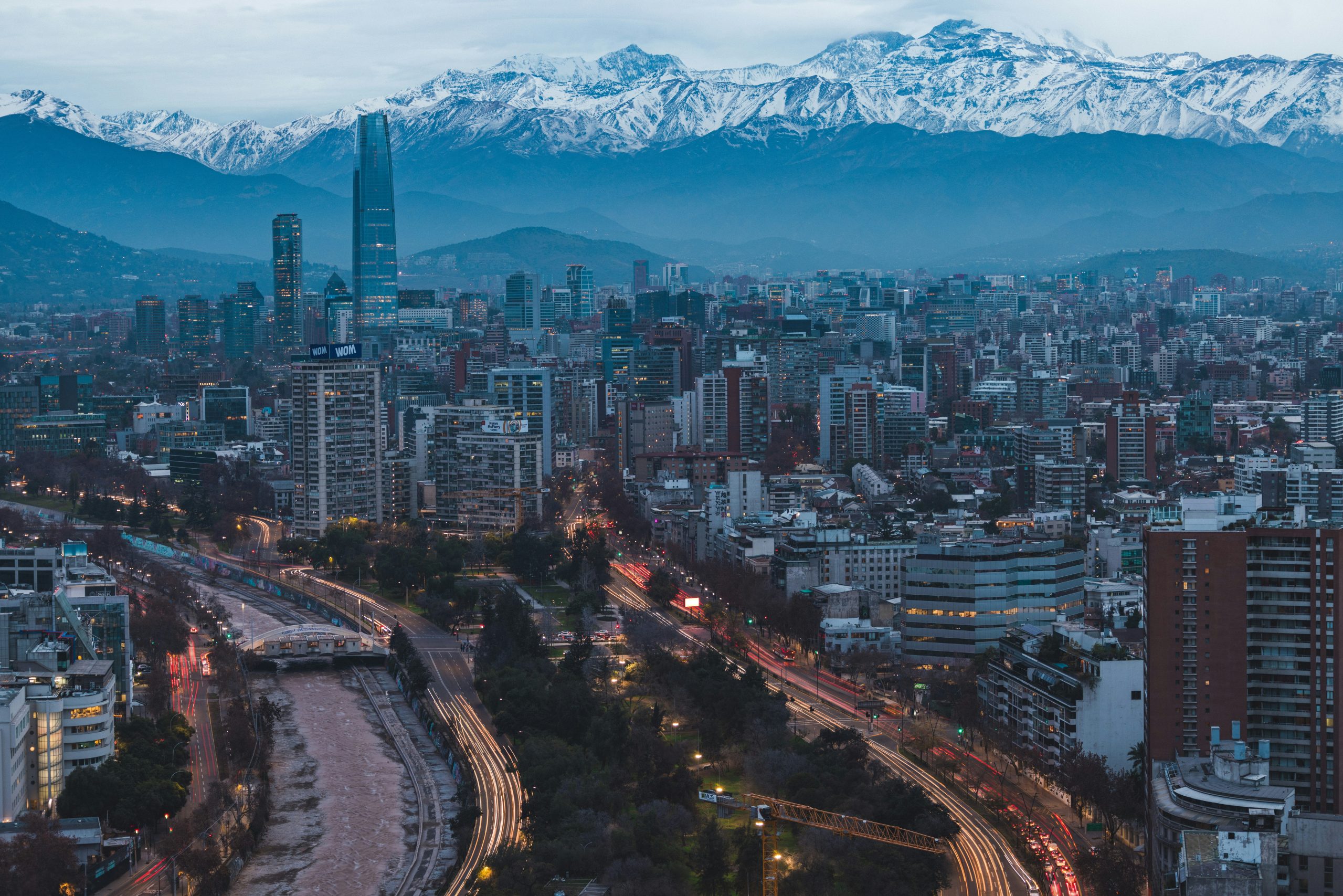
A modern capital with the snow-capped Andes at the end of its streets, wine valleys an hour away and ski slopes closer than that in winter. The hub of any trip to Chile.
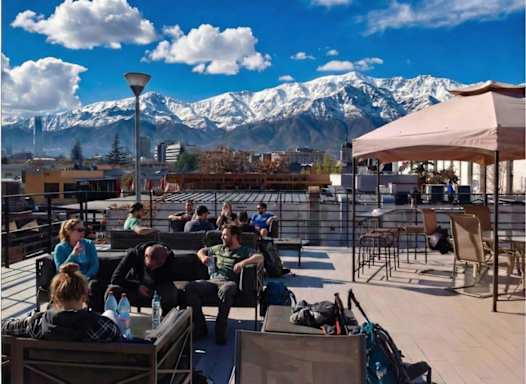
Santiago sits in a wide valley in the middle of Chile, with the Andes rising steeply to the east and the coastal hills to the west. On clear days, especially after rain in winter, the mountains look close enough to touch. Most of Chile's flights pass through here, so almost every trip starts or ends in the capital.
The city is a mix of old and new. The historic centre around the Plaza de Armas has colonial churches, the La Moneda presidential palace and busy markets, while the neighbourhoods east of the centre, Providencia, Las Condes and Vitacura, are leafy, modern and full of cafés. In between, Bellavista and Lastarria are where the city goes out, with bars, street art and restaurants.
Give Santiago three days for the city itself: the centre, the hills of San Cristóbal and Santa Lucía, the museums and the markets. Add a day for Valparaíso, a day in the wine valleys and, in winter, a day skiing in the Andes. The city is safe by South American standards, but street theft has risen, so keep your phone out of sight.
Bellavista and Lastarria are the favourites for nightlife and atmosphere. Providencia is calmer and well connected, and Barrio Brasil is the budget option near the centre.
The bohemian barrio below Cerro San Cristóbal, with bars, clubs and Neruda's La Chascona.
Cobbled streets of cafés, wine bars and cinemas, next to Cerro Santa Lucía.
Leafy and residential, with good metro links, restaurants and bars.
An old neighbourhood west of the centre, with mansions, hostels and local bars. Take care at night.
A neighbourhood of antique shops, galleries and restaurants south-east of the centre.
Orange labels are neighbourhoods, dots are the 12 top-rated hostels. Map data from OpenStreetMap contributors.
Start in the centre. The Plaza de Armas has the cathedral and the old post office, the La Moneda palace is where Salvador Allende died during the 1973 coup, and the Museo Chileno de Arte Precolombino has one of the best collections of pre-Columbian art in the Americas. The Museo de la Memoria y los Derechos Humanos tells the story of the dictatorship, and is free and deeply moving.
Then head up. A funicular and a cable car climb Cerro San Cristóbal, the hill in the middle of the city, for views across Santiago to the Andes, best at sunset. Cerro Santa Lucía, closer to the centre, is a short climb through gardens and stairways. In Bellavista, La Chascona, one of Pablo Neruda's three houses, is full of the poet's collections.
Eat at the Mercado Central for seafood and La Vega for fruit and cheap lunches, and wander Lastarria and Barrio Italia for cafés, design shops and street art. Football fans can catch a match of Colo-Colo or Universidad de Chile.
Many of Santiago's best museums are free, including the Museo de la Memoria and, on some days, the national museums. Free walking tours leave from the Plaza de Armas daily and are a good introduction to the city.
Walking up Cerro San Cristóbal or Cerro Santa Lucía costs nothing if you skip the funicular, and the views are the same. The street art in Bellavista and Barrio Yungay, and the markets of La Vega and the Mercado Central, are free to explore.
The Parque Forestal along the river is lovely for a walk, and on weekends the city's parks fill with families and street performers.
Chilean food is hearty and seafood-rich. Try a completo, a hot dog loaded with avocado, tomato and mayonnaise, at least once, and empanadas de pino, filled with beef, onion, egg and olive. Pastel de choclo, a sweetcorn and meat bake, is the comfort dish, and seafood stews like paila marina are served at the Mercado Central.
At lunch, many restaurants offer a menú del día, a set lunch of a starter, a main and a drink, the best value meal in the city. La Vega market has cheap counters for lunch among the stalls.
Chile's wine is excellent, and Santiago is the gateway to the wine valleys. Pisco sour is the national cocktail (a point of pride shared with Peru), and the terremoto, a sweet mix of pipeño wine and pineapple ice cream, is a local tradition.
Bellavista is Santiago's nightlife hub, with bars, live music and clubs packed into the streets below Cerro San Cristóbal, especially on Pío Nono and around Constitución. Lastarria, across the river, has cocktail bars and wine bars in a more relaxed setting.
Providencia and Barrio Italia have craft beer and quieter bars, while the big clubs are spread across the city. Nights start late, around 11, and go on until the early morning.
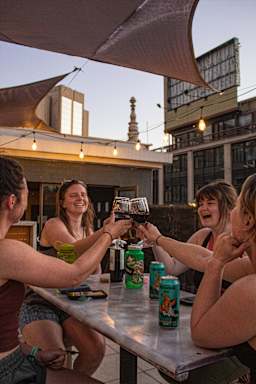
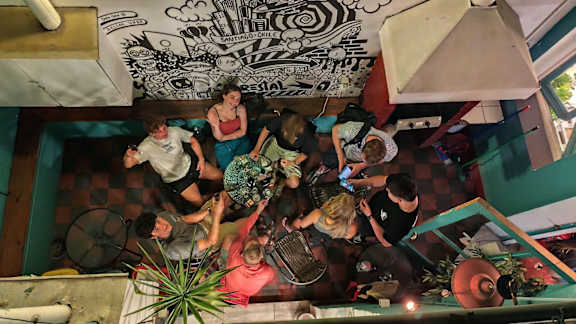
Hostel bars in Bellavista and Barrio Brasil are easy places to meet people. Use ride-hailing apps to get home.
The metro is fast, clean and the easiest way around, with lines covering the centre, Providencia and Las Condes. You pay with a rechargeable Bip! card, which also works on city buses. Ride-hailing apps are widely used and good value, especially at night.
Arturo Merino Benítez airport is around 20km north-west of the centre. Airport buses run to metro stations in the centre in around 30 to 40 minutes, and shared or private transfers and apps are easy to book.
Long-distance buses leave from several terminals near the Universidad de Santiago and Pajaritos metro stations, with frequent services to Valparaíso, around an hour and a half away, and to the south.
Chile is the most expensive country in South America, and Santiago reflects it, though it is still cheaper than most of Western Europe. Dorm beds start around €9, with the well-rated ones in Bellavista and Providencia from €14 to €24.
A menú del día costs €6 to €10, a coffee €2 to €3 and a beer €3 to €5. Metro journeys cost around €1, and many museums are free.
Cards are accepted almost everywhere, including small shops. Prices are in Chilean pesos, and some hotels quote in US dollars; hostels charge in pesos.
Santiago is safer than most South American capitals, but street crime has risen in recent years. Phone snatching and pickpocketing are the most common problems, especially in the centre, around the Plaza de Armas, on the metro and in Bellavista at night.
Keep your phone away on the street, carry a bag in front of you, and use apps at night. A common trick is the mustard or bird-dropping scam, where someone stains your clothes and an accomplice offers to help while taking your bag.
Protests sometimes take place around Plaza Baquedano (Plaza Italia) and the centre; avoid them. In an emergency, call 133 for police or 131 for an ambulance.
Coast, wine and mountains, all within a couple of hours.
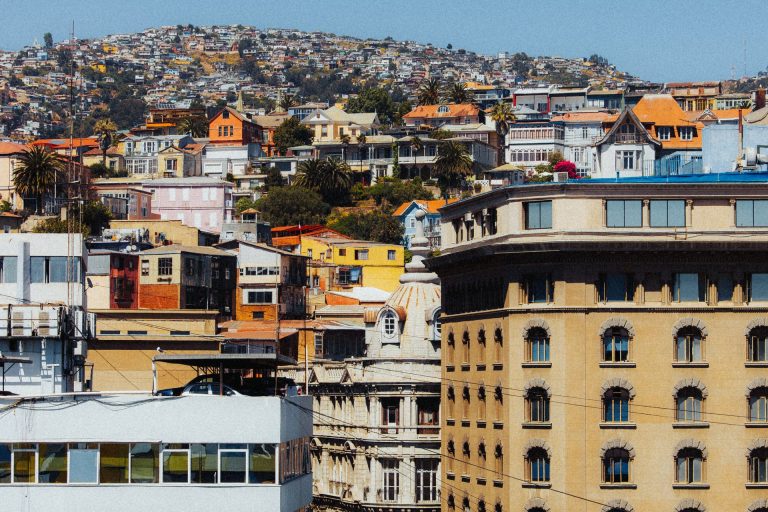
The hillside port of murals and funiculars, and the beach city next door.
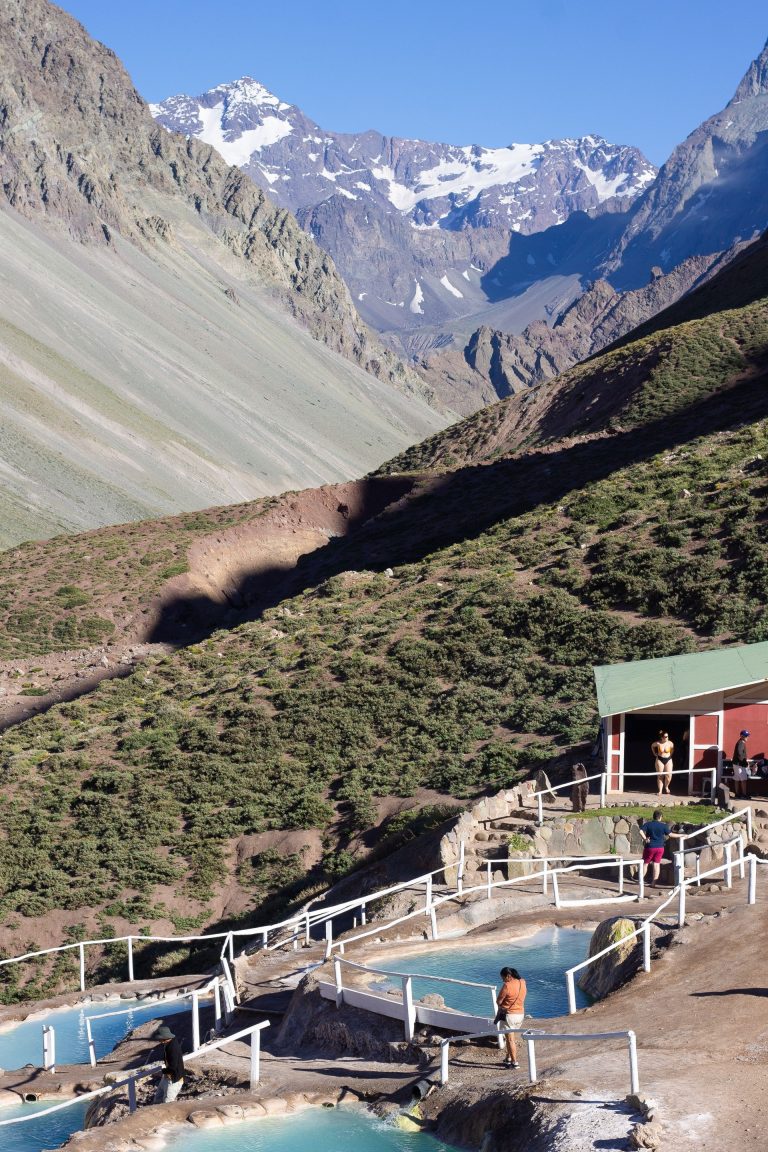
A canyon in the Andes with hiking, hot springs and the Embalse El Yeso reservoir.
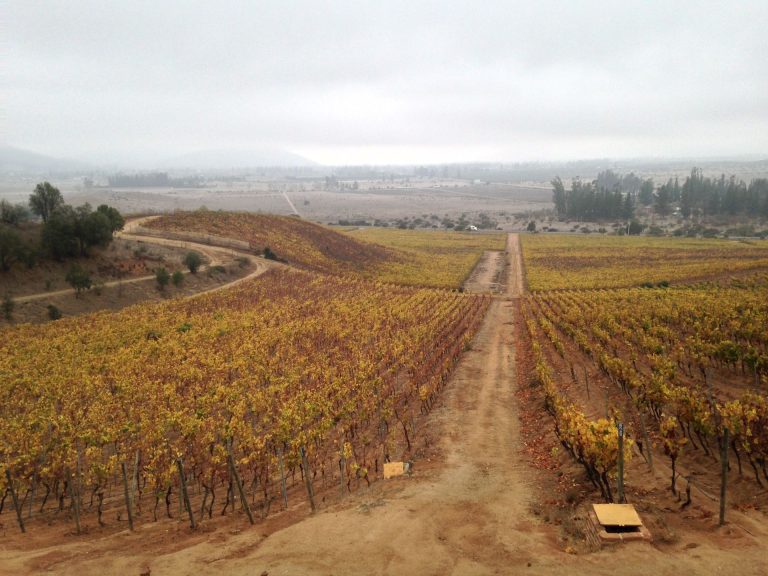
Wine tastings close to the city.
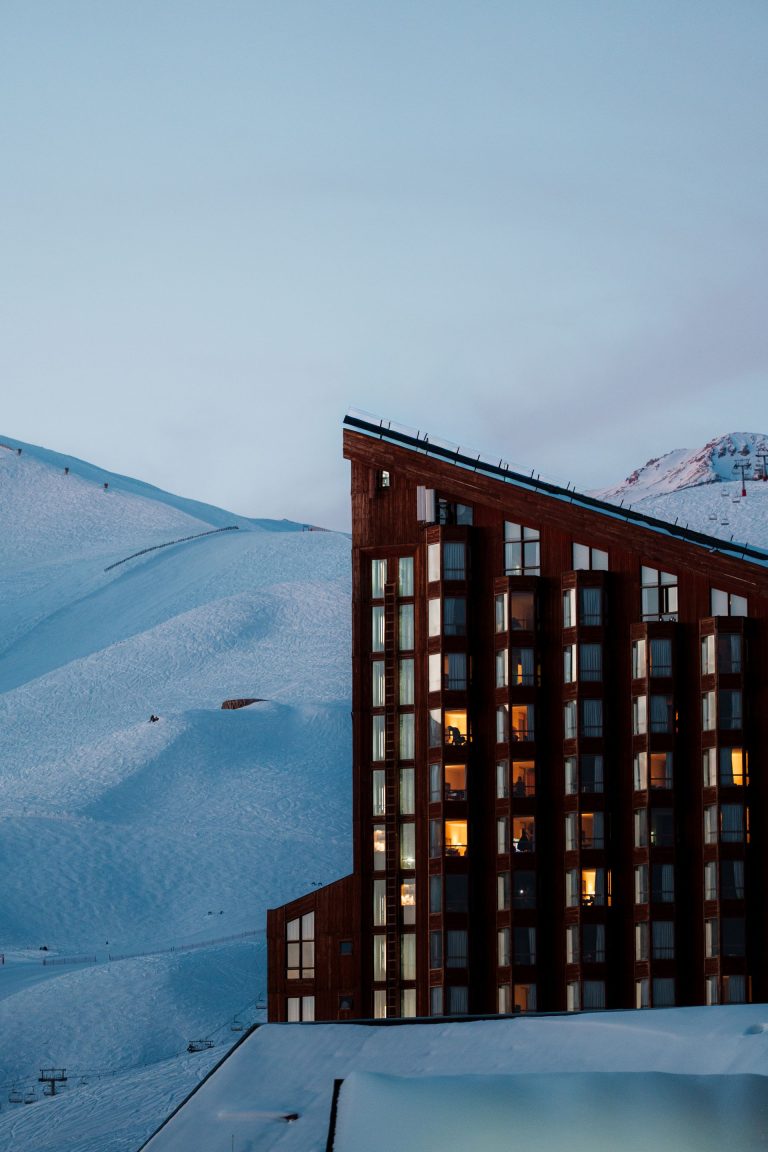
Ski resorts high in the Andes, roughly June to September.
Independence week, music festivals and the ski season.
Independence days with fondas, cueca dancing, empanadas and chicha.
The Chilean edition of the music festival.
Andean skiing within reach of the city.
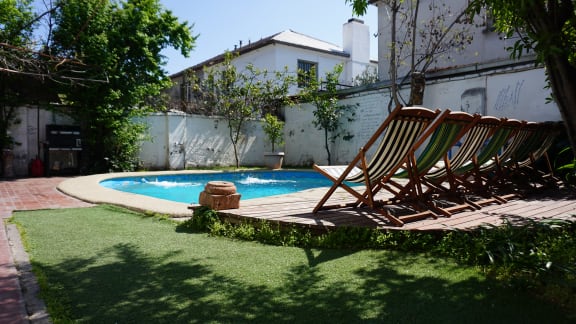
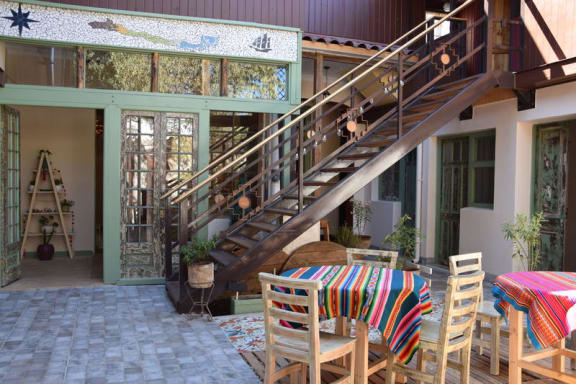
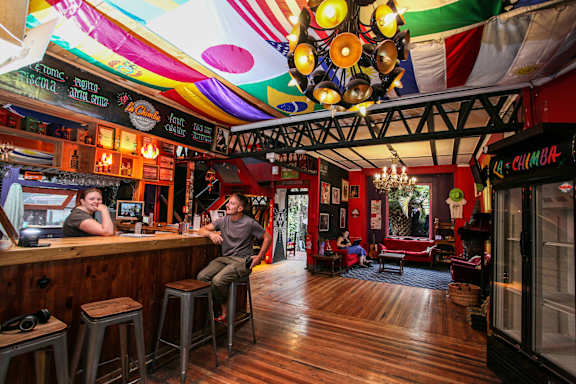
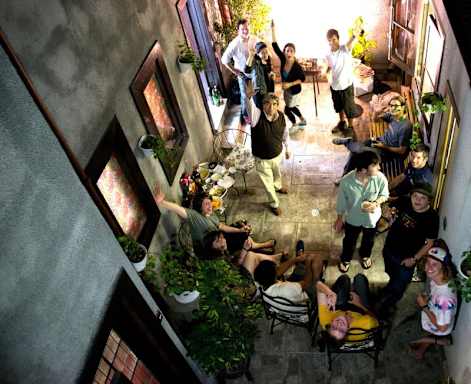
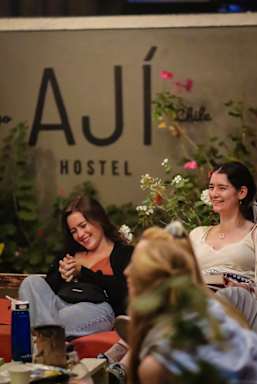
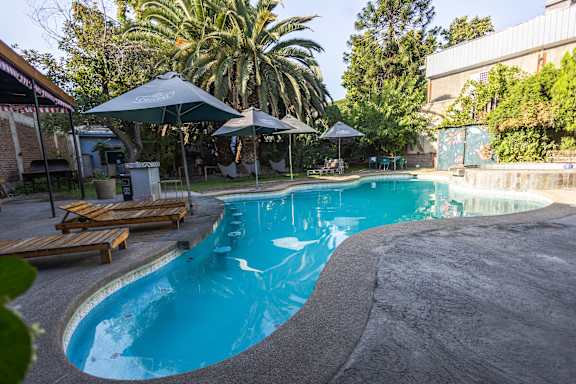
The highest-rated hostels in Santiago, straight from Hostelworld. Prices and availability are live on each property page.
Santiago has a Mediterranean climate. Spring (September to November) and autumn (March to May) are the best times; summer is hot and dry, and winter is cool, with the clearest Andes views after rain and skiing nearby.
Average highs, rounded. Winter smog can be heavy on still days.
Per night, for one person, based on Santiago prices.
Treat these as a guide. Wine tours and skiing cost extra.
The ones we get asked most.

Compare hostels across Santiago: live prices, real reviews and free cancellation on most bookings. Then meet the people already there in the app.

 Get the App.



 Get the App.