Palermo Soho
Going out, cafés, first-timersCobbled streets, independent shops, leafy plazas and the city's densest cluster of bars and restaurants. Lively until late, especially at weekends.

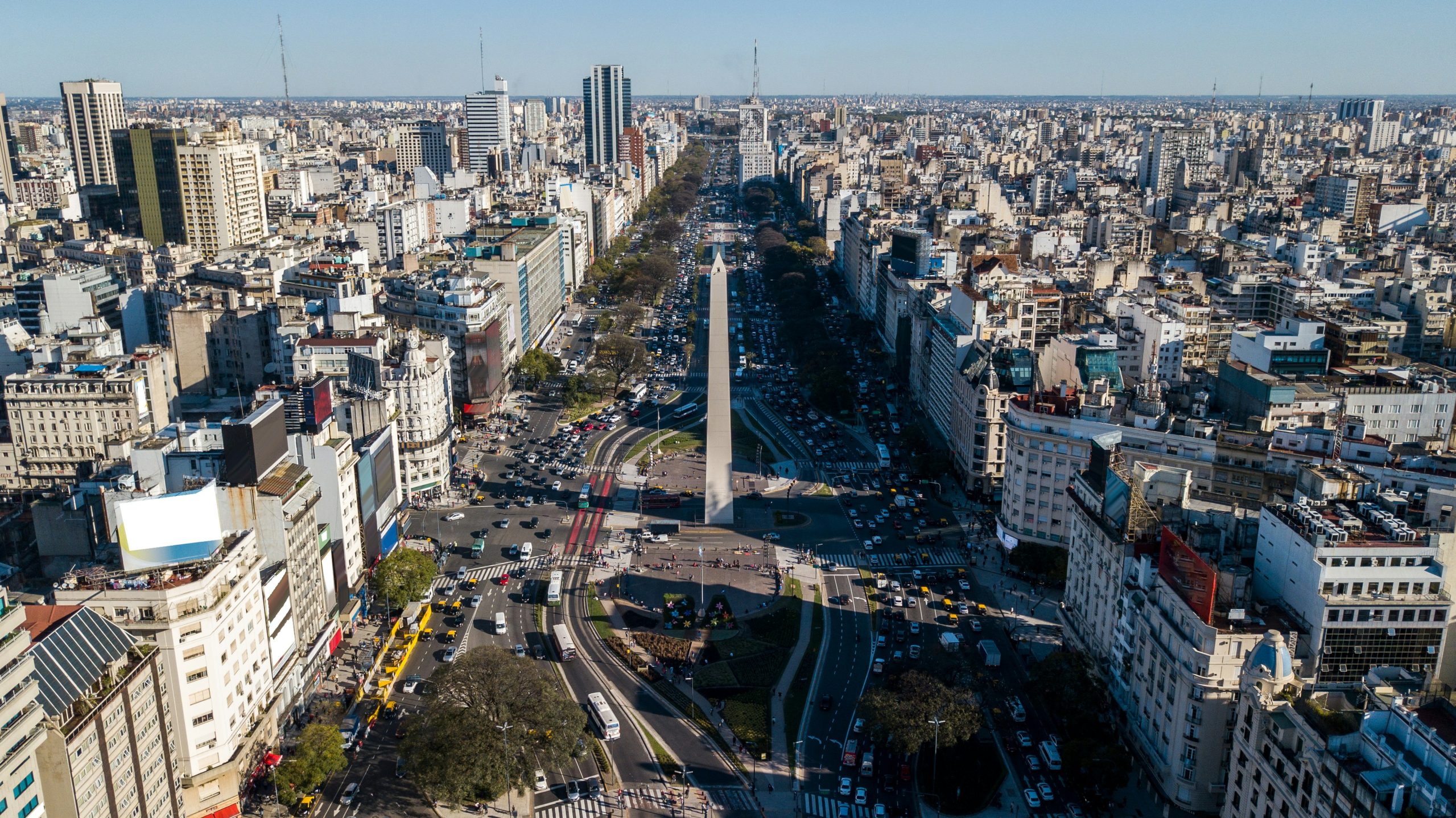
Steak at midnight, tango in a neighbourhood dance hall, a Sunday market that takes over a whole street. Buenos Aires keeps late hours, and five days barely scratches it.
Buenos Aires is enormous, but the parts you will spend time in fit into a strip along the river: San Telmo and the old centre in the south, Recoleta and Palermo to the north, with the grand avenues of the Microcentro in between. The subte and the buses link it all, and most visitors end up walking far more than they planned, because each barrio looks and feels different from the last.
The city's rhythm is the first thing to adjust to. Lunch is at two, dinner rarely before nine thirty, bars fill after midnight and clubs open their doors around two. Fight it and you will eat alone in empty restaurants. Go with it and the city makes sense: long, slow evenings, coffee and medialunas the next morning, and a siesta in between if you need one.
Give it five days at least. That is enough for the big sights, a milonga, the San Telmo market on a Sunday, a football match or a day across the river in Uruguay. Many travellers stay for weeks, and the city rewards it: Spanish classes, tango lessons and a neighbourhood café that knows your order are all part of the appeal.
Most travellers split between Palermo for going out and San Telmo for old-city atmosphere. The Microcentro is handy for a night or two, quiet after office hours, and Recoleta is the calm, elegant option.
Cobbled streets, independent shops, leafy plazas and the city's densest cluster of bars and restaurants. Lively until late, especially at weekends.
Across the train tracks from Soho, with many of the city's best restaurants and some of its bigger clubs. A little calmer by day.
The wider barrio around the parks, the botanical garden and the zoo, with easy subte links to the centre.
The oldest barrio: colonial houses, antique shops, tango bars and the Sunday market. Characterful and good value, but keep an eye on your phone.
Grand Parisian-style buildings, the famous cemetery and museums. Safe and quiet, with fewer hostels and higher prices.
The Microcentro and Congreso: Plaza de Mayo, Avenida de Mayo and the Obelisco on your doorstep. Busy by day, quiet at night.
Around the long-distance bus terminal and train stations. Convenient for arrivals and departures; walk with care around the terminal at night.
A traditional working-class barrio with old cafés and tango heritage, away from the visitor trail and a short subte ride from the centre.
Orange labels are neighbourhoods, dots are the 12 top-rated hostels. Map data from OpenStreetMap contributors.
Start with the classics. Recoleta Cemetery is a city of marble mausoleums where Eva Perón is buried, and the Teatro Colón runs guided tours of one of the world's great opera houses. Plaza de Mayo, the Casa Rosada and the cathedral sit together at the end of Avenida de Mayo, and El Ateneo Grand Splendid, a bookshop inside a former theatre, is worth a detour on the way to Recoleta.
Then go and see how people live. San Telmo's Sunday market fills Calle Defensa with antiques, buskers and tango on the plaza. Palermo is parks by day and bars by night, with the Japanese Garden, the rose garden and MALBA, the city's best modern art museum, all within walking distance.
For the real thing, go to a milonga, a neighbourhood dance hall where locals of all ages dance tango until the early hours. Most offer a beginners' class first. And if football matters to you, a Boca Juniors or River Plate match is an experience you will not forget, though for visitors it usually means booking through an official tour package.
A surprising amount of Buenos Aires is free. Free walking tours run daily from the centre and Recoleta and are the fastest way to get your bearings, tip included. The Reserva Ecológica Costanera Sur, a wetland reserve right next to the skyscrapers of Puerto Madero, has free walking and cycling trails and birdlife you would not expect in a capital.
San Telmo's Sunday market costs nothing to wander, and nor do the street murals of La Boca's Caminito by day. Many museums have a free or cheaper day each week, and the Palermo parks, the Floralis Genérica sculpture and the riverside walk at Puerto Madero are open to all.
The best free show in town might be a summer evening in a plaza, when free tango, folk music or outdoor cinema turns up without any announcement.
The parrilla is the heart of it: a grill restaurant where beef is cooked slowly over wood and charcoal. Order bife de chorizo (sirloin) or ojo de bife (ribeye), add provoleta, a salad and a glass of malbec, and expect the steak to be enormous. The famous names are full of visitors and priced to match. A neighbourhood parrilla with a laminated menu is often just as good for a fraction of the bill.
Beyond beef, the city's Italian roots show everywhere. Buenos Aires pizza is thick, cheesy and eaten standing at the counter in old Avenida Corrientes pizzerias, and the ice cream is some of the best in the world. Empanadas, choripán from a street grill, and coffee with medialunas at a café are the daily fuel.
At lunchtime, look for the menú ejecutivo: a set lunch with a main, a drink and sometimes dessert, the best value meal in the city. Dinner starts late, so a merienda of coffee and pastries around six is how locals bridge the gap.
Nothing happens early. Pre-drinks run until after midnight, bars fill from one, and clubs, called boliches, open around two and run until seven or eight. Arriving at a club at midnight means having the dance floor to yourself and the bar staff.
Palermo is the centre of it all. Palermo Soho has cocktail bars, craft beer and speakeasies hidden behind flower shops, while Palermo Hollywood leans towards restaurants and bigger clubs. San Telmo is more bohemian, with old bars and live music. Fernet and Coke is the drink everyone tries once; vermouth on tap is the drink locals have been rediscovering.
For something different, catch a live show of La Bomba de Tiempo, a percussion group whose weekly gigs are a local institution, or spend a night at a milonga watching couples dance tango until dawn. Hostels in Palermo and San Telmo run bar crawls most nights, which is the easy way in if you arrive solo.
Get a SUBE card as soon as you arrive. It works on the subte, the city buses (colectivos) and the suburban trains, and you can buy and top it up at subte stations and many kiosks. A subte journey costs around €1 and buses less than that, and fares are cheaper with a card than without.
The subte is quick for north to south trips, but the colectivos go everywhere, run all night and are how most locals travel. Download a journey planner app, as the paper map is a lost cause. Taxis are black and yellow and metered, and ride-hailing apps work across the city.
From Ezeiza, the international airport 35km out, Tienda León buses run around the clock to the centre, taking about an hour. Bus line 8 is the cheapest option, but slow and best avoided with big bags. Aeroparque, the domestic airport, is next to Palermo and a short bus or taxi ride from anywhere central.
Argentina has had years of high inflation and big swings in the exchange rate, so prices change fast and any figure here needs checking before you go. Broadly, Buenos Aires is no longer the bargain it was a few years ago, but it is still good value next to Europe.
Dorm beds start around €9 and the well-rated hostels sit between €12 and €20. A steak at a local parrilla is still affordable, coffee and a medialuna come in at a few euros, and a menú ejecutivo lunch is the cheapest proper meal. Transport is cheap, especially with a SUBE card.
Cards are accepted widely, and paying by foreign card has often given a rate close to the best available. Check current advice on exchange before you travel, as the rules have changed many times, and keep some cash for markets, small cafés and tips.
Buenos Aires is generally safe to explore, including at night in busy areas like Palermo and Recoleta. The main risk is petty theft: phone snatching from café tables and bus windows, and pickpockets on crowded subte lines and in San Telmo's Sunday market.
Keep your phone in your pocket on the street, especially in San Telmo, the Microcentro and around Constitución and Retiro stations. La Boca's Caminito is fine by day, but stay on the tourist streets and leave before dark. The classic scam is the mustard trick: someone squirts something on your clothes and a helpful stranger offers to clean it while another empties your bag.
In an emergency call 911. The tourist police (Policía Turística) can help in English and handle reports for insurance.
All doable in a day, though Colonia is lovely for a night too.
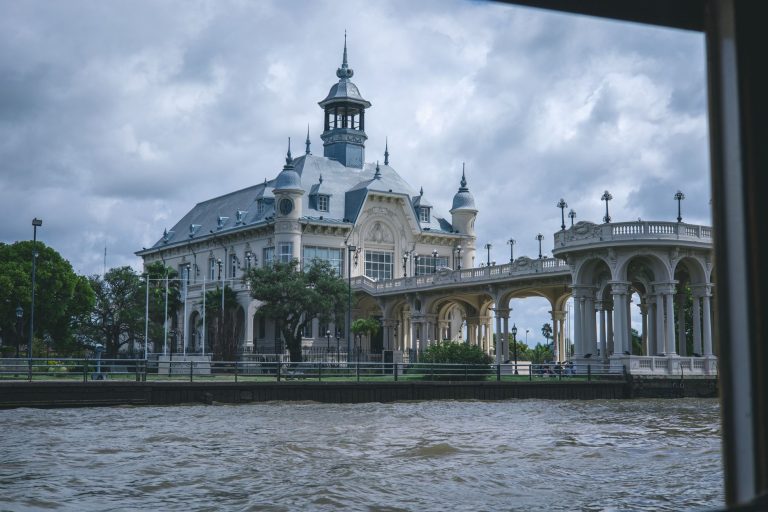
A maze of river islands, wooden houses and boat trips, with a big fruit market at the port.
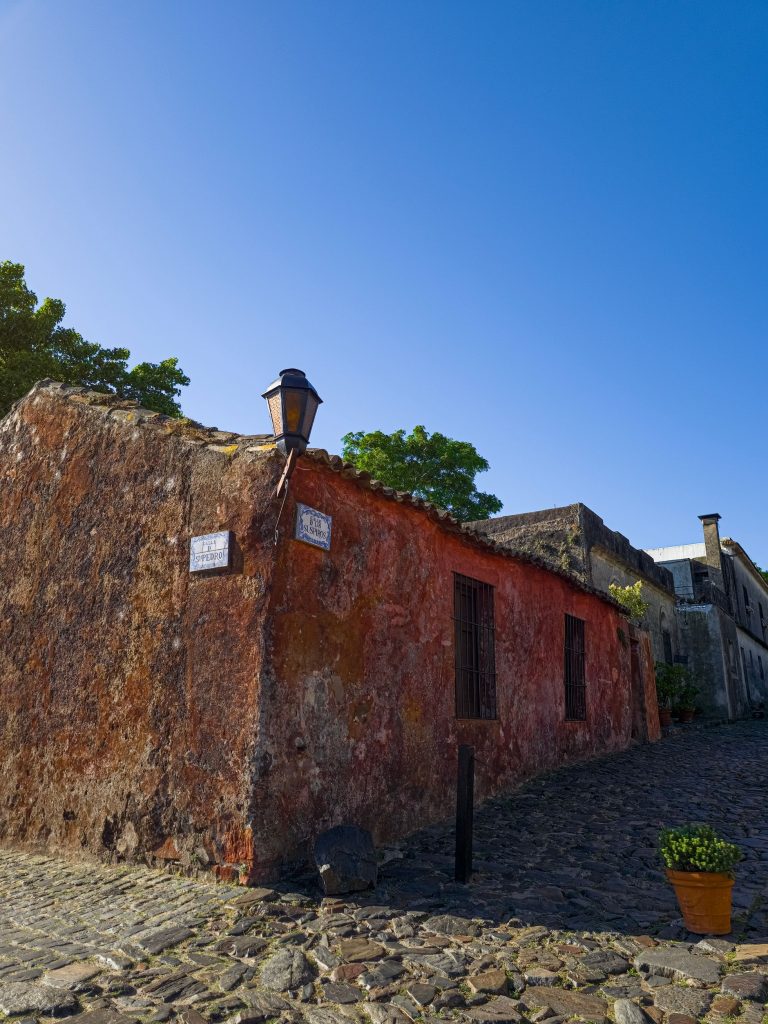
A cobbled colonial town on the river, a UNESCO site and a different country.
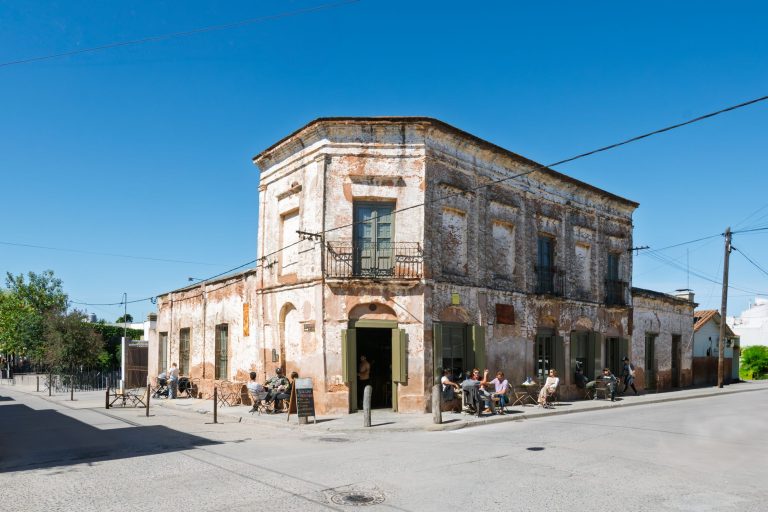
Gaucho country: silversmiths, estancias and the November Día de la Tradición festival.
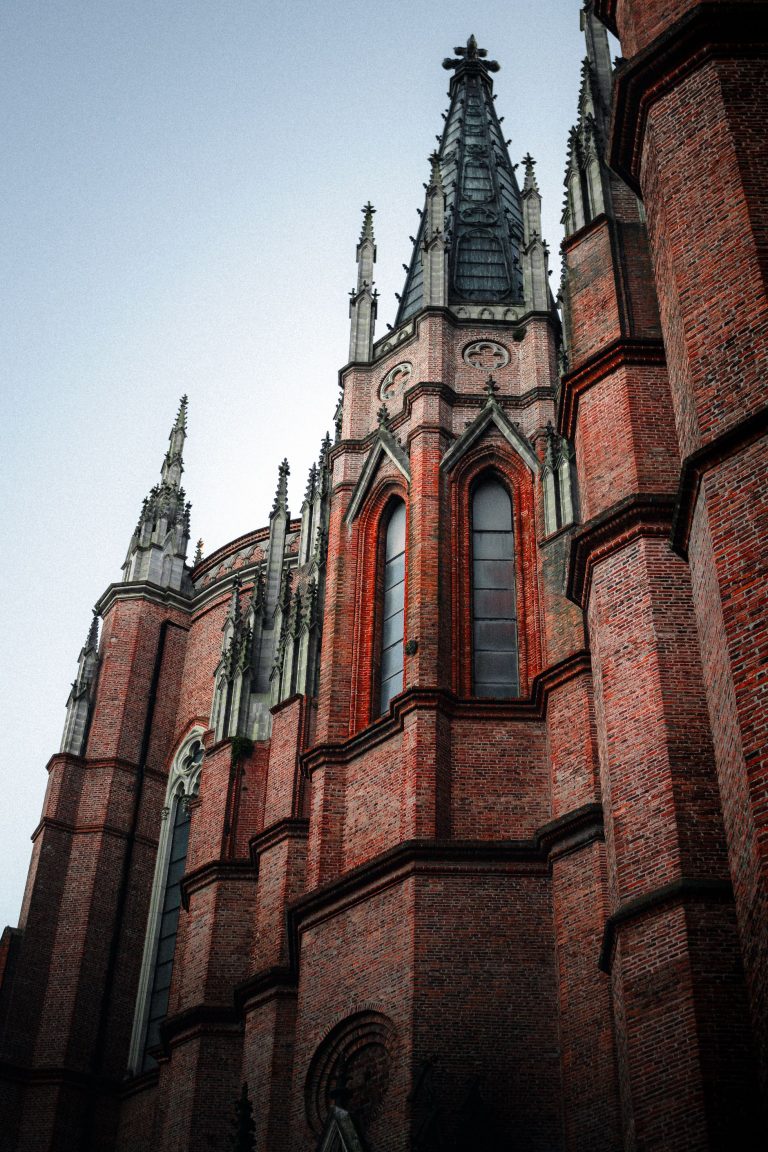
A planned city with a huge neo-Gothic cathedral and a well-known natural history museum.
The city's calendar is packed, from tango championships to stadium-sized music festivals.
 Staff pick
Creamfields Argentina is a leading electronic music festival held in Buenos Aires, drawing over 65,000 fans for two days of unforgettable performances. With multiple…
 Staff pick
Experience the vibrant music scene of Buenos Aires at Primavera Sound, where top international and local artists come together for an unforgettable music festival.…
 Staff pick
Gran Fondo Argentina in Buenos Aires invites cyclists of all ages and abilities to experience a unique race on closed city highways, offering a…
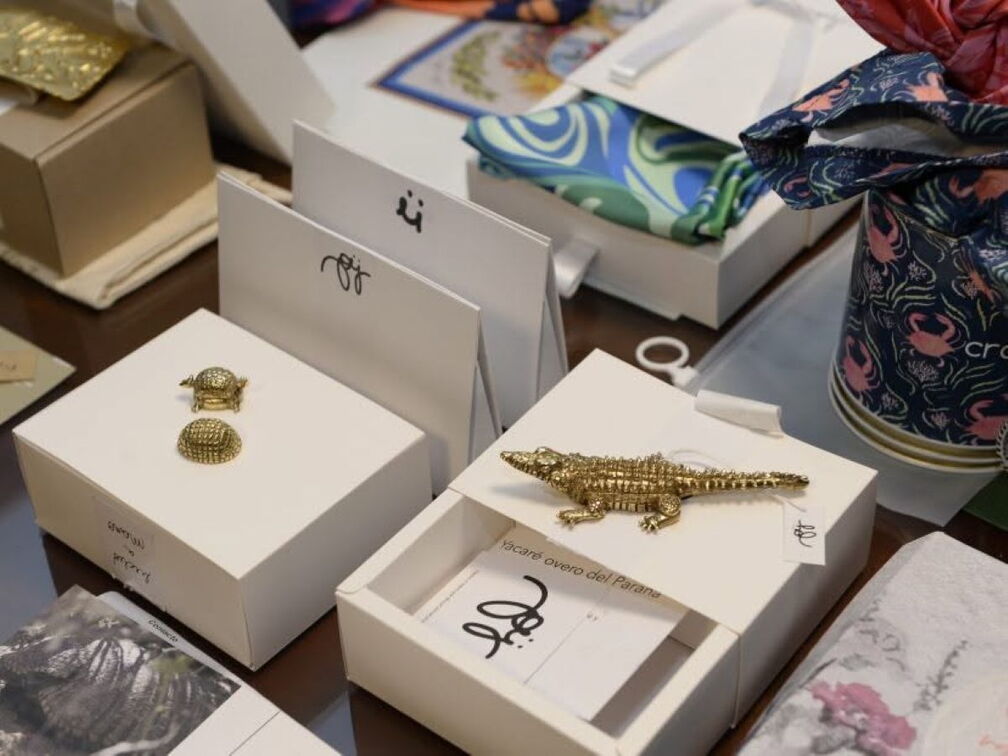
Puro Diseño Fair gathers top designers and creative minds from Argentina and Latin America in one place. You will find a vibrant marketplace with…

The Feria Sin TACC is a gluten-free gastronomic festival held in Buenos Aires. You will find a market with 30 stalls offering gluten-free products…
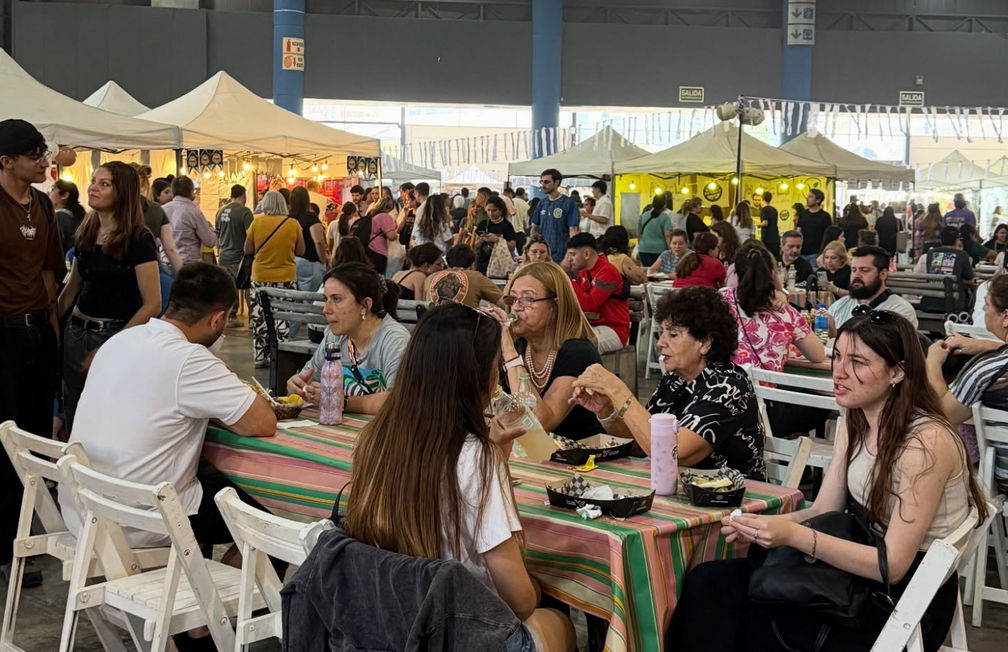
Gluten Free Fair 2026 brings together top brands, producers, and ventures in the gluten-free sector. You can explore the latest products, enjoy tastings, and…

Bad Gyal brings her Más Cara World Tour 2026 to the Movistar Arena in Argentina for the first time on October 14. You'll experience…
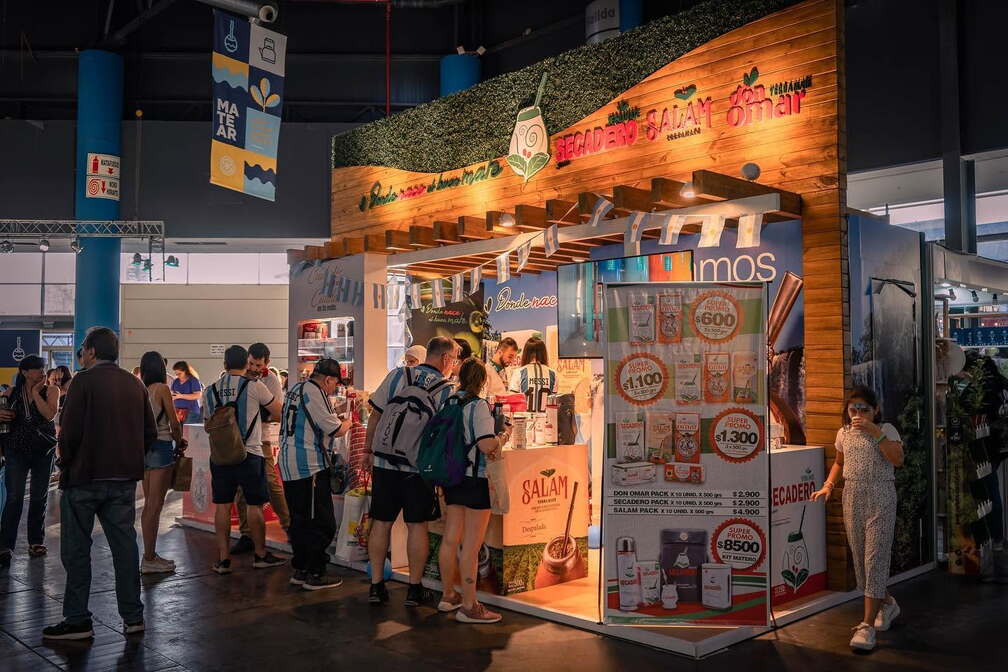
Matear 2026 celebrates the rich tradition of mate, a cultural symbol in Argentina. You can explore stands from leading yerba mate brands, enjoy tastings,…
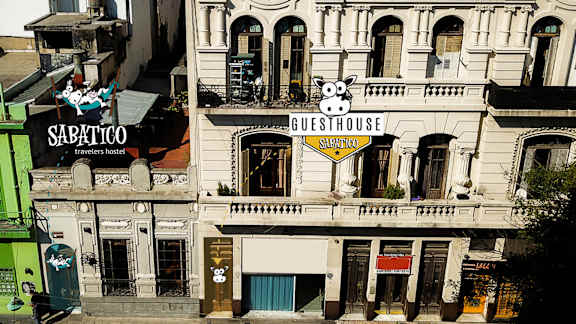
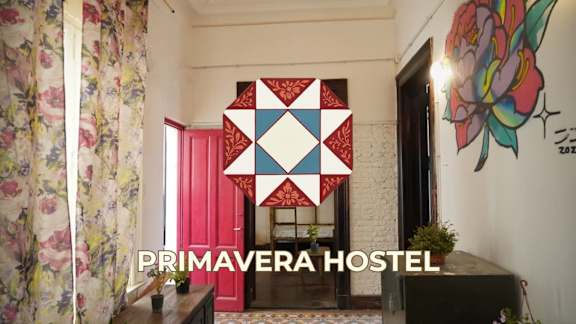
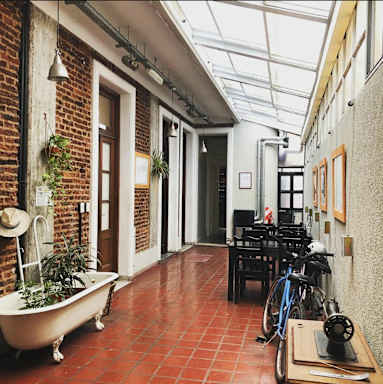
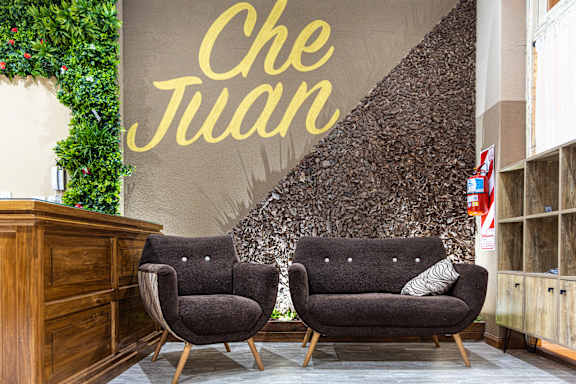
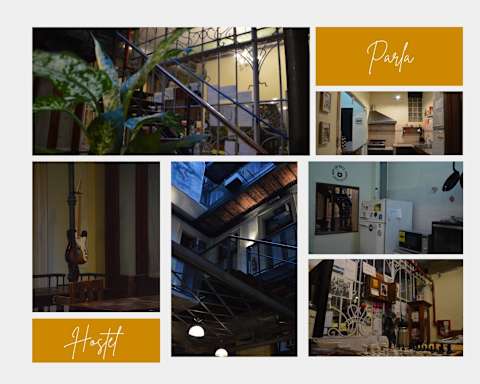
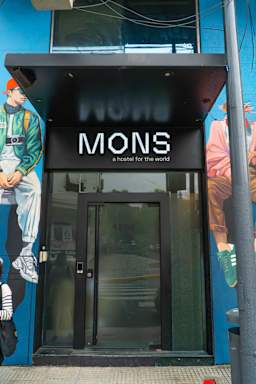
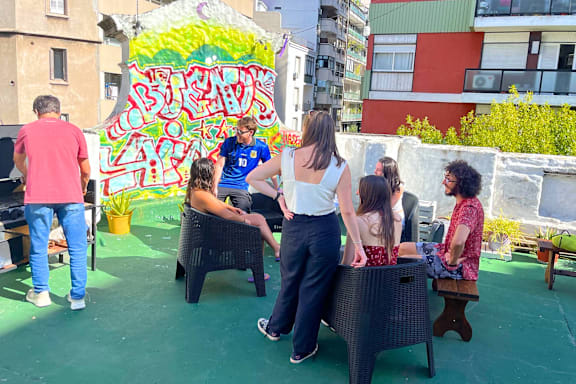
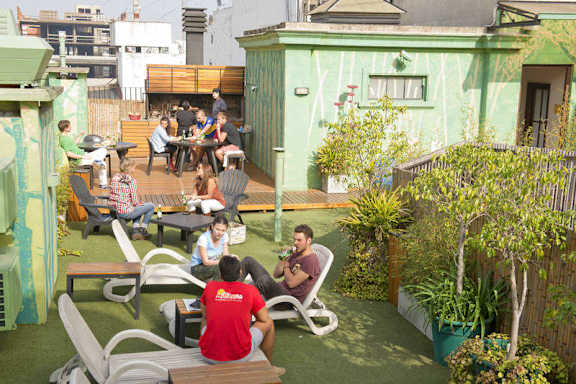
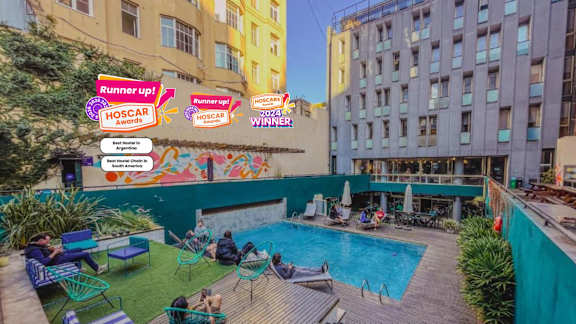
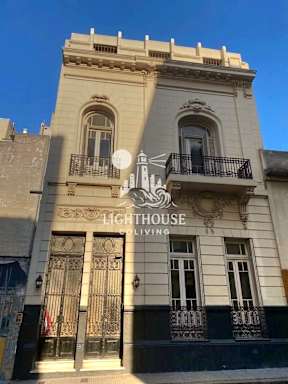
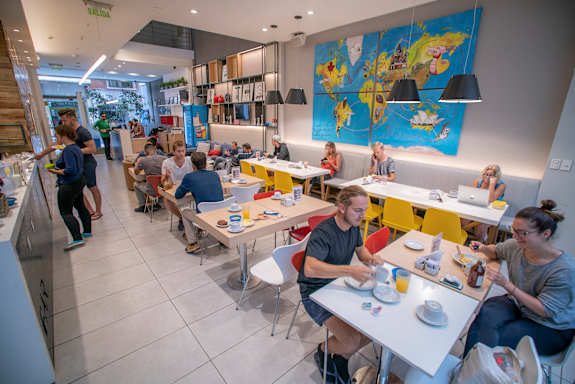
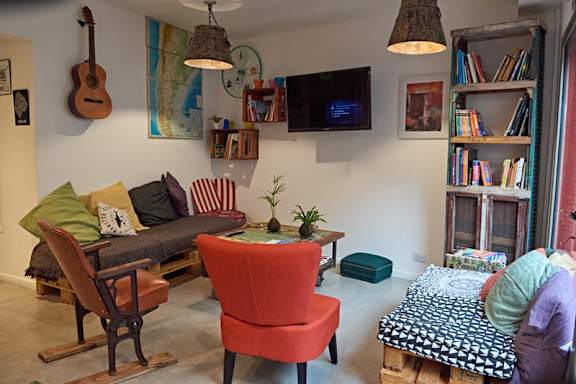
The highest-rated hostels in Buenos Aires, straight from Hostelworld. Prices and availability are live on each property page.
 Sustainable
 Sustainable
Spring (October and November) and autumn (March to May) are the best times: warm days, jacaranda or autumn colour, and everything open.
Average highs, rounded. January is hot and humid and many locals leave the city for the coast.
Per night, for one person, based on Buenos Aires prices.
Prices move fast with inflation, so treat these as a guide. Excludes flights, football tickets and day trips to Uruguay.
The ones we get asked most.

Compare hostels across Buenos Aires: live prices, real reviews and free cancellation on most bookings. Then meet the people already there in the app.

 Get the App.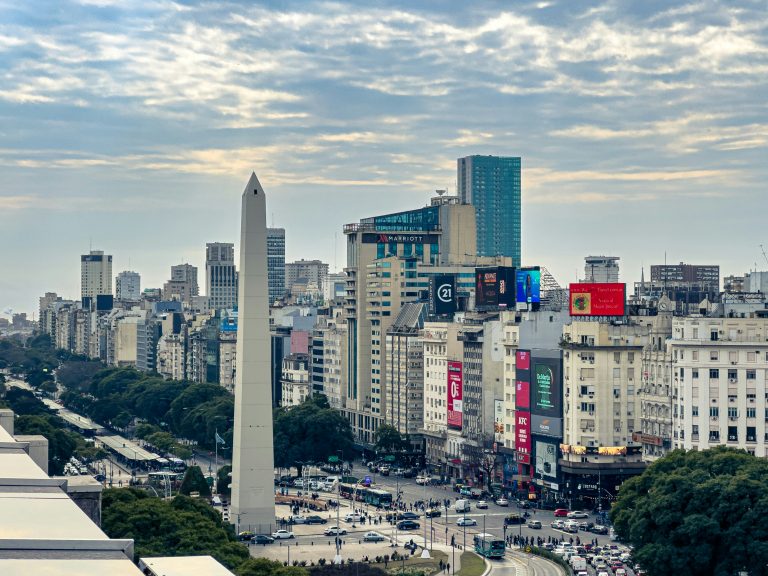




 Get the App.