Argentina
Argentina country guide

Things to do in Argentina

Patagonia at one end, subtropical falls at the other, and a capital that eats at eleven and dances until six. Cheap for visitors, expensive for Argentines, and unlike anywhere else on the continent.

€10
Dorm bed, from
3,700km
North to south
€6
A steak dinner with wine
6,961m
Aconcagua

Long, thin, and mostly empty at the ends

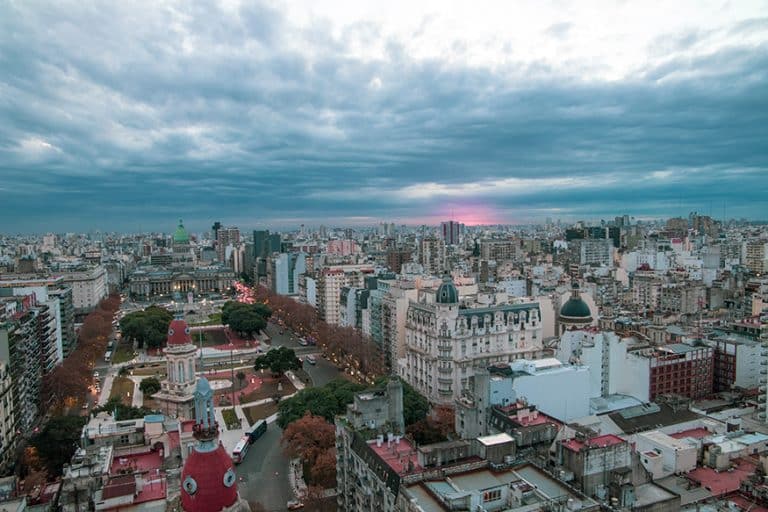
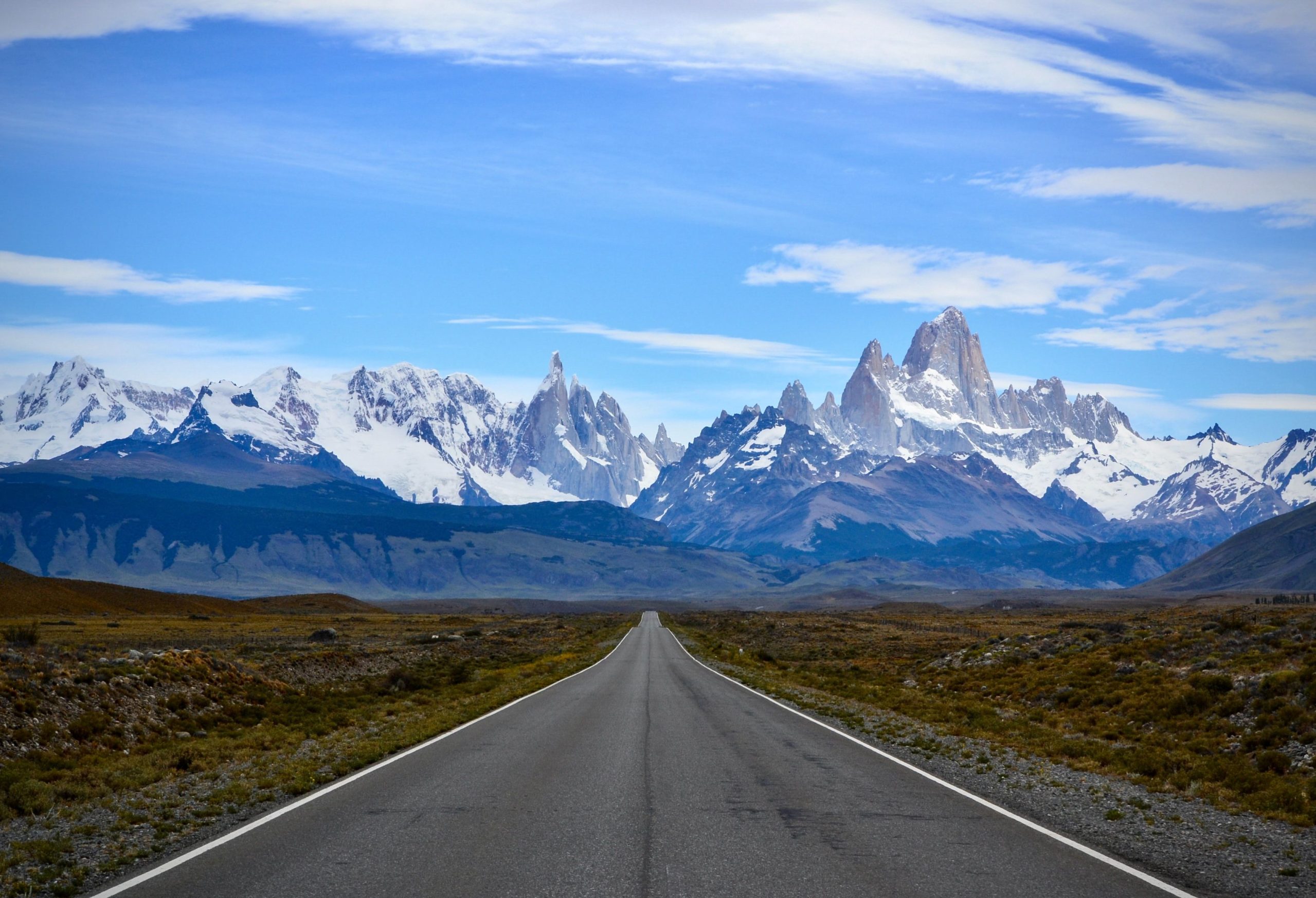
Argentina runs 3,700km from the subtropics to the edge of Antarctica, and the two ends have nothing in common. The Iguaçu falls in the north sit in jungle; El Chaltén in the south sits under granite towers with glaciers behind them. Buenos Aires is in the middle and is the most European city in South America.

Patagonia is what most people come for and it is an undertaking: El Chaltén for trekking, El Calafate for the Perito Moreno glacier, Bariloche for lakes and mountains, and Ushuaia at the bottom of the world. Distances there are enormous and buses take a day at a time.

Mendoza on the Chilean border does wine at the foot of the Andes, and Salta in the northwest has desert, colour and a culture closer to Bolivia than Buenos Aires.

Three weeks covers Buenos Aires, Patagonia and one more region. A month does it justice.

Where to go

Domestic flights are the only sensible way to cross the country. Buses are excellent but very long.

Buenos Aires

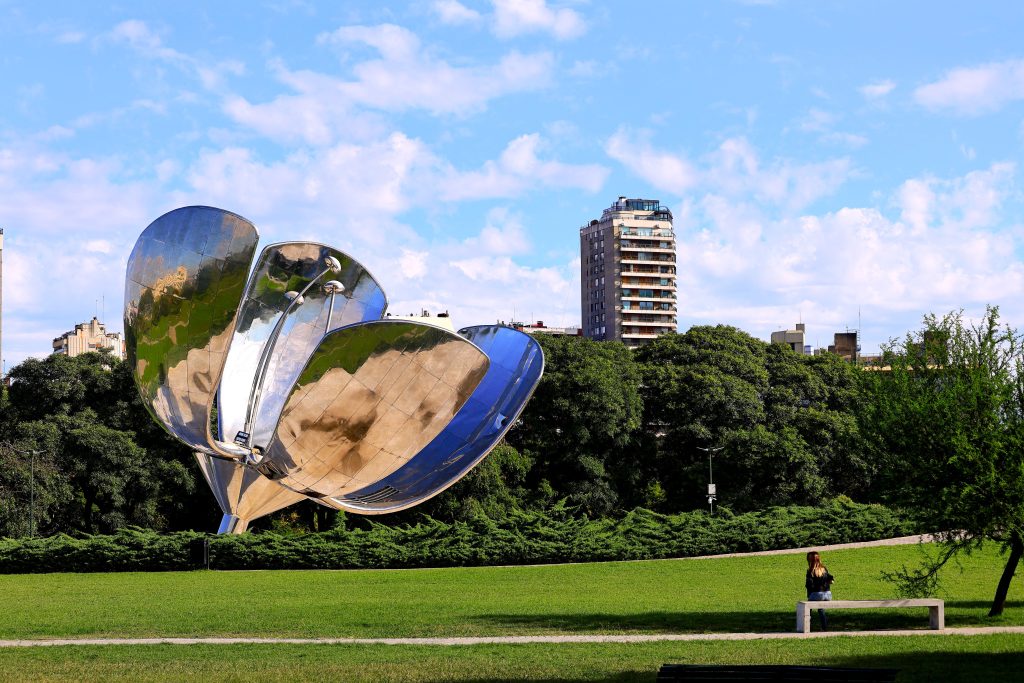
Buenos Aires

53 hostels · dorms from €13

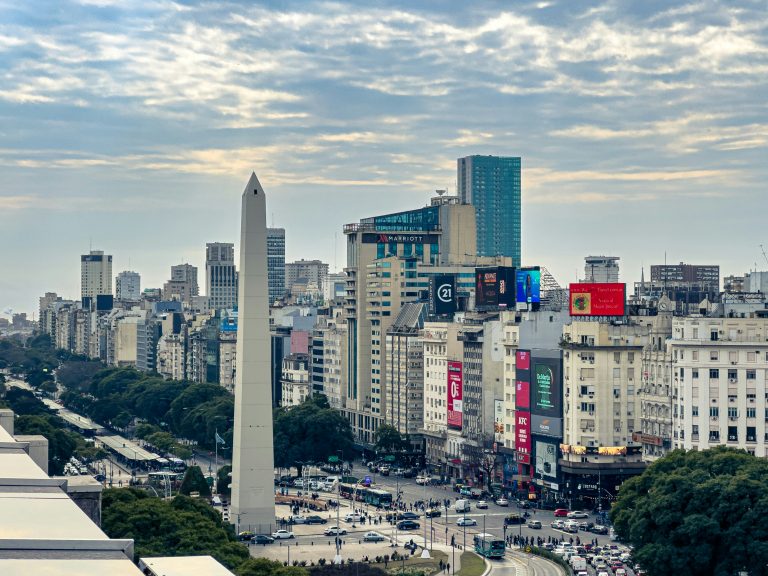
The most European city on the continent: steak, tango, bookshops and a nightlife that starts at two.

Wonderful city, i spent 2.5 weeks here and always had things to do.

A traveller, on Hostelworld
The Buenos Aires guide
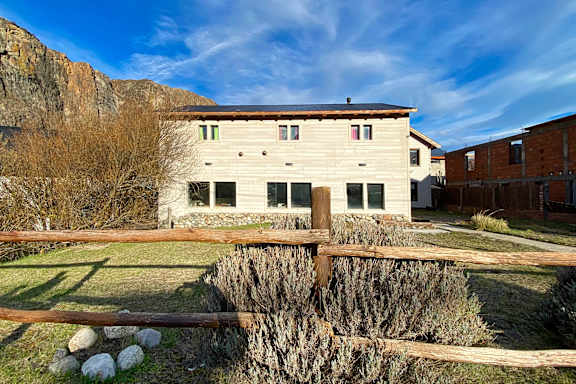
El Chaltén

El Chaltén

27 hostels

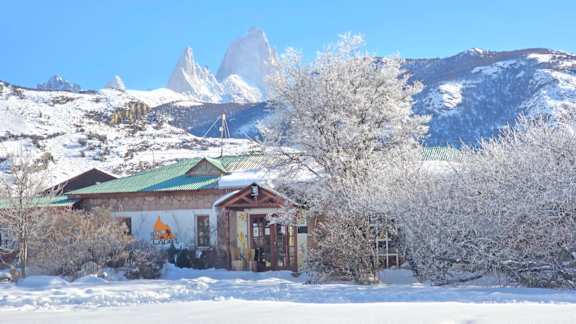
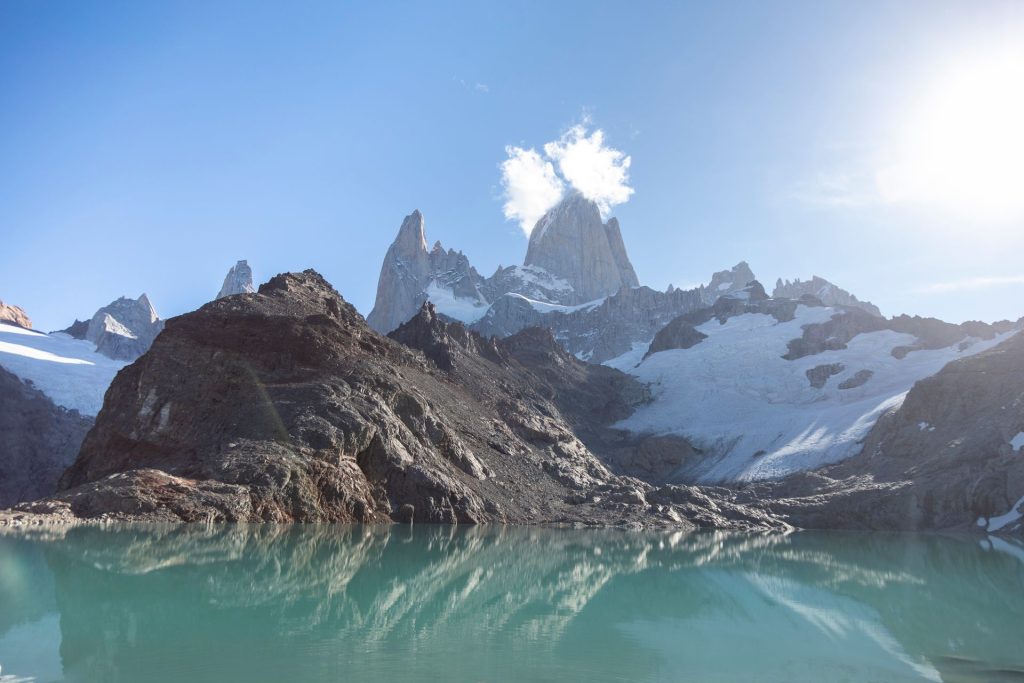
The trekking capital of Argentine Patagonia, under Fitz Roy, with free trails from the village.

Fantastic place, great cafes and vibes overall. Of course the hiking is top notch. Visit Glacier Hamuel!

A traveller, on Hostelworld
The El Chaltén guide
El Calafate

El Calafate

26 hostels · dorms from €0

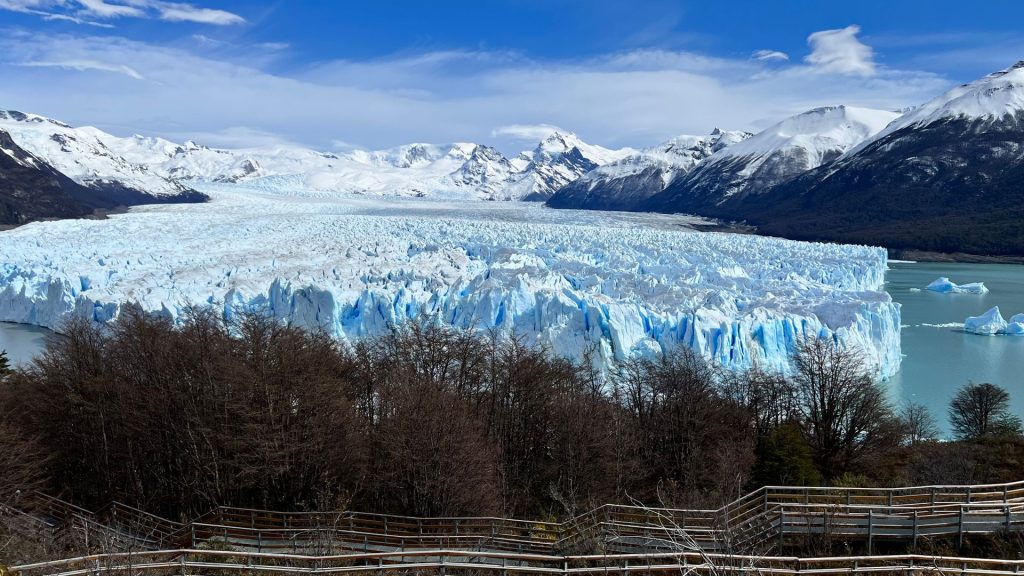
The base for the Perito Moreno glacier, which calves into a lake while you watch.

Really nice and beautiful city. People tell you to stay there 2 days max - I was there a week and I didn’t want to leave.

A traveller, on Hostelworld
The El Calafate guide
Mendoza

Mendoza

26 hostels

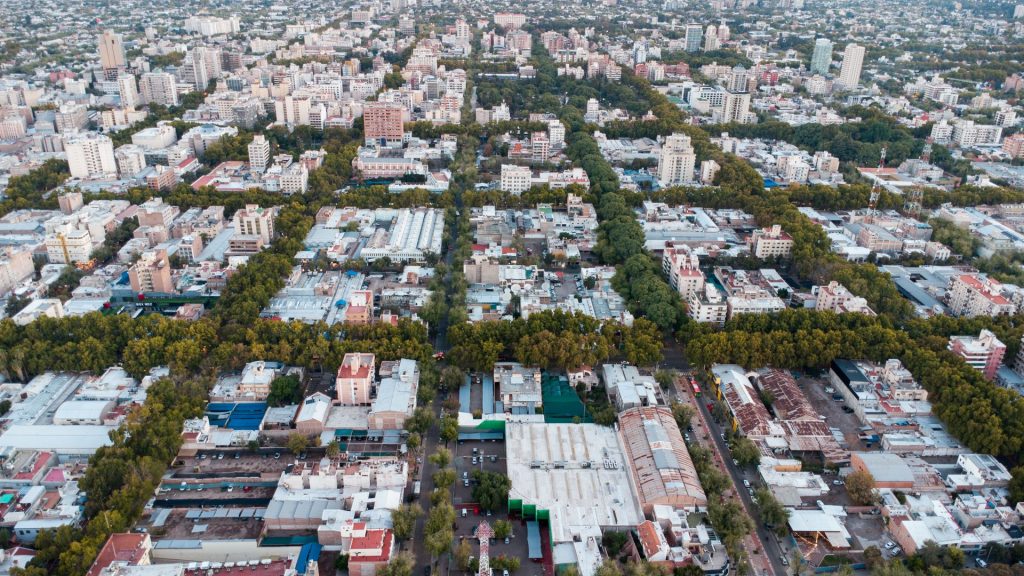
Wine country at the foot of the Andes, with Aconcagua nearby and cycling between vineyards.

Beautiful city. Food, nature, wine, bars, cafés, plazas are high points. Buses are pretty good.

A traveller, on Hostelworld
The Mendoza guide
Bariloche

Bariloche

39 hostels · dorms from €0

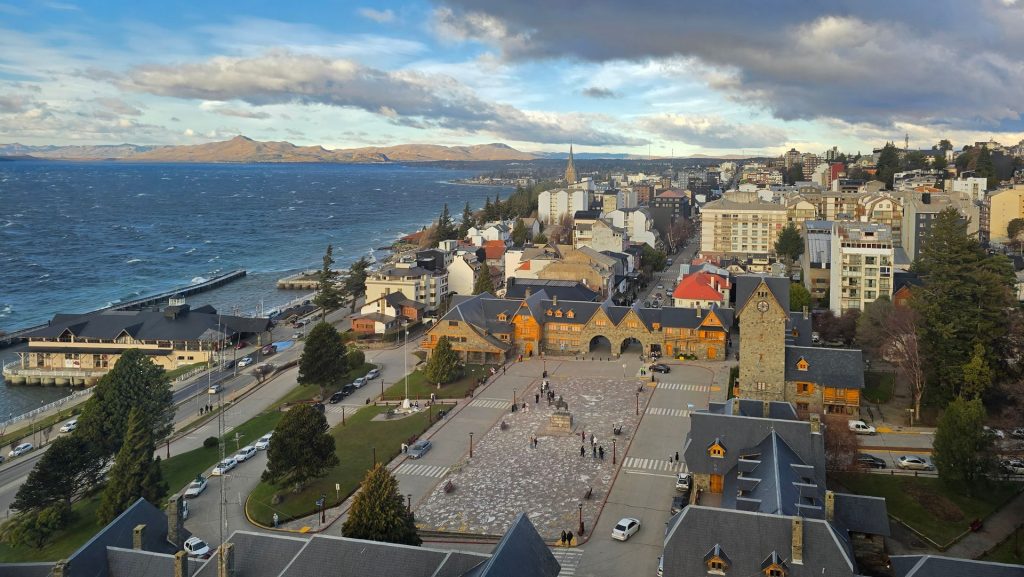
Lakes, mountains and chocolate in the northern Patagonian Andes. Ski in winter.

Bariloche is Argentina’s ultimate escape for travelers seeking nature over city noise. Nestled between the Andes and the massive Nahuel Huapi Lake, it’s the perfect base for adventure. Getting around is easy, giving you quick access to stunning spots. Don’t miss Circuito Chico: stop by the famous Patagonia Brewery for world-class views, or explore the charming Colonia Suiza. As the gateway to the legendary 7 Lakes Route, Bariloche is where your Patagonian journey truly begins!

A traveller, on Hostelworld

The Bariloche guide
Salta

Salta

20 hostels

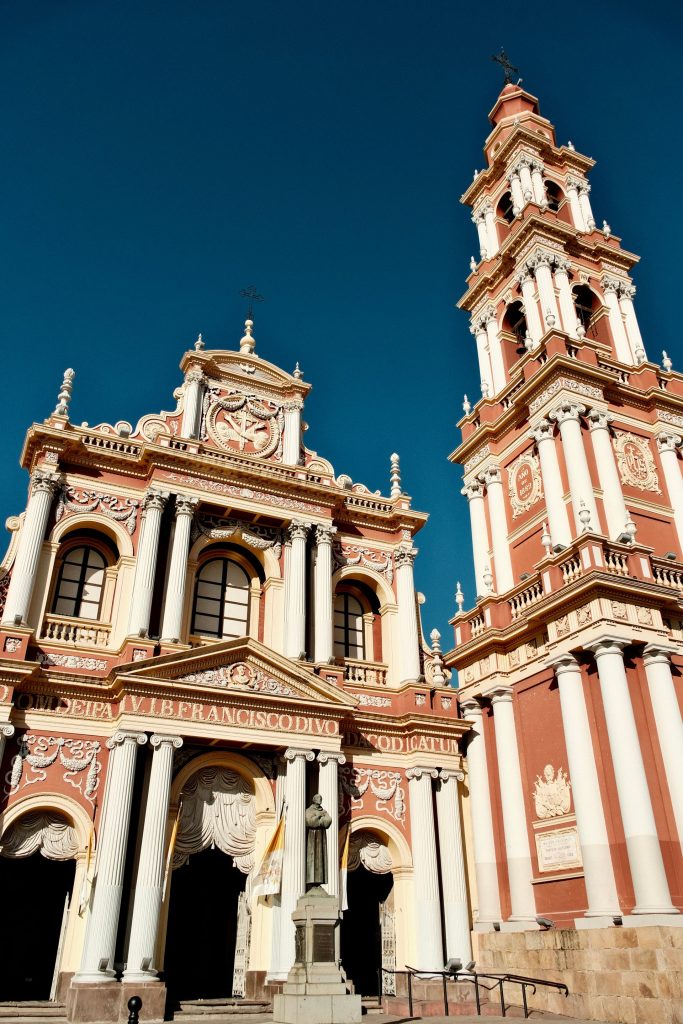
The northwest: desert, colours, Andean culture and the road to the Salinas Grandes salt flats.

The Salta guide

What kind of trip is this?

Argentina is trekking, steak and wine, and the distances mean picking two regions rather than five.

Adventure in Argentina

Patagonia, which is the reason most people come.

What to do

  • Trek to Laguna de los Tres
  • Walk on the Perito Moreno glacier
  • Climb near Aconcagua

Spots to visit

  • El Chaltén
  • Perito Moreno
  • Tierra del Fuego

Best cities for it

Things to do

Things to do in Argentina

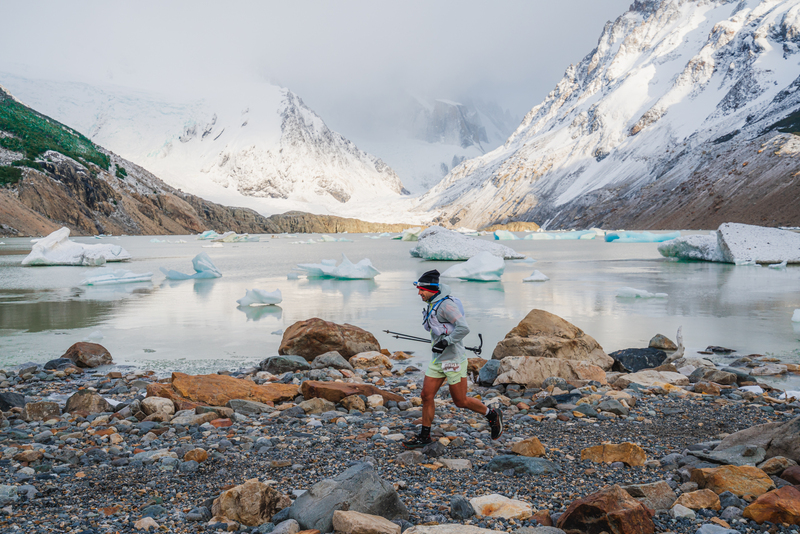
El Chaltén is the best trekking base in South America and it is free: trails to Laguna de los Tres beneath Fitz Roy and Laguna Torre start from the village itself, need no guide or permit, and are day walks rather than expeditions.

Perito Moreno near El Calafate is one of the few advancing glaciers in the world and calves into the lake with a noise you feel. Walkways face it directly, and ice trekking on the surface is bookable.

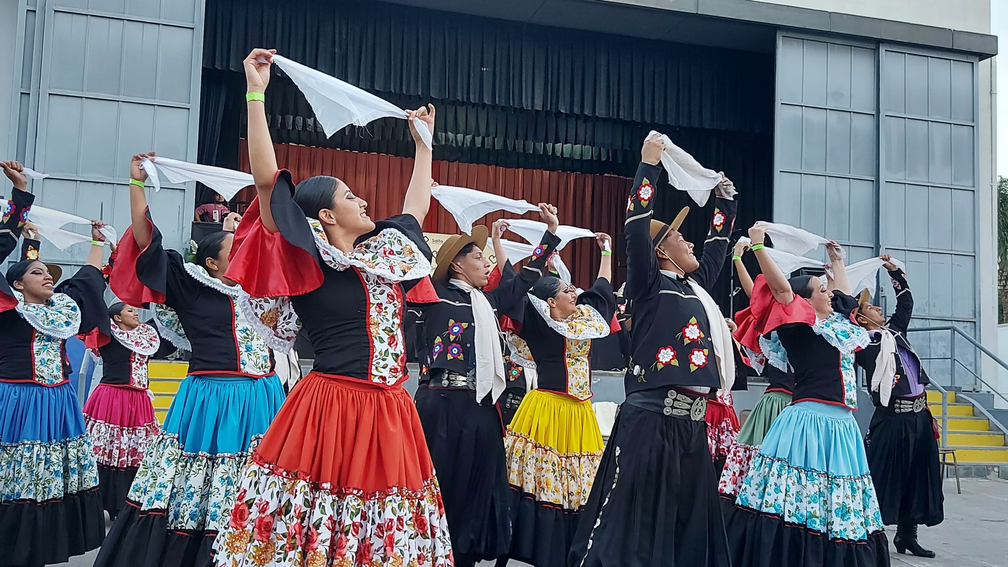
In Buenos Aires, tango is the thing people get wrong — the dinner shows are for tourists, and a milonga, where locals actually dance, costs a few euros and is far better. San Telmo's Sunday market, Recoleta cemetery and Palermo's bars fill the rest.

Iguaçu falls in the north are shared with Brazil and worth seeing from both sides.

Food and drink

Eating in Argentina

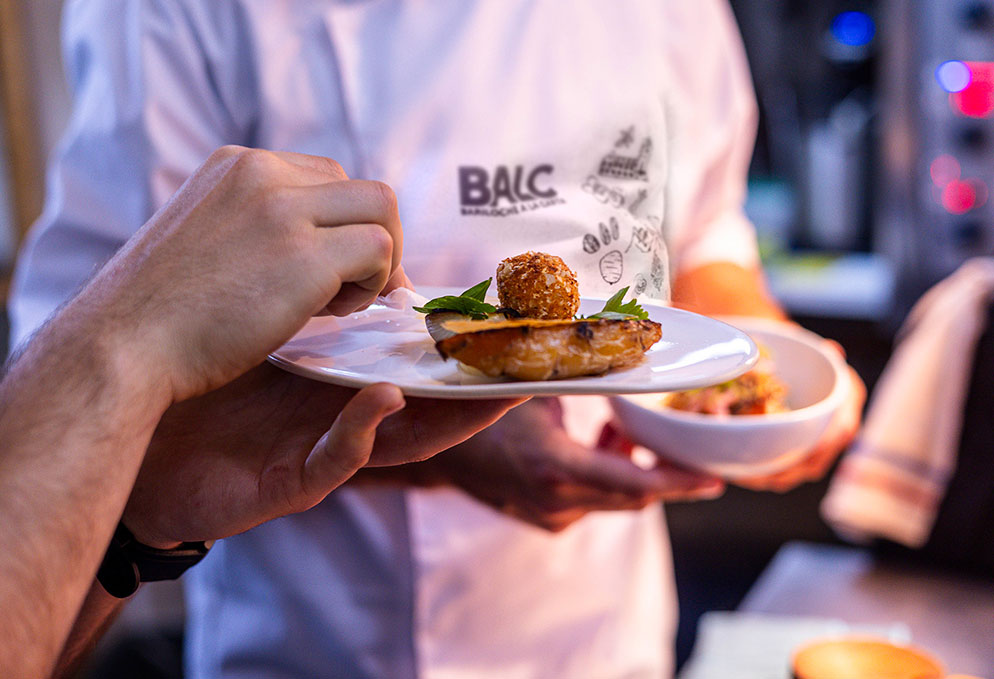
Beef is the national obsession and the parrilla is the format: a grill restaurant where you order a cut, it arrives cooked over wood, and the portion defeats most people. A steak with a glass of malbec runs €6 to €15 depending on the city.

Empanadas differ by province and cost under a euro each. Milanesa, breaded and fried, is the everyday cheap meal, and Argentine pizza — thick, enormously cheesy, from Italian immigration — is its own tradition.

Dulce de leche is in everything, the ice cream is genuinely world class thanks to the same Italian heritage, and mate, the shared herbal drink passed around a group, is a social ritual rather than a beverage. Being offered it is a compliment; wiping the straw is an insult.

Nightlife

Going out in Argentina

Buenos Aires runs on a schedule that surprises everyone. Dinner is at ten, bars fill at one, clubs open at two and nobody arrives before three, and it ends around breakfast. Turning up to a boliche at midnight means an empty room.

Palermo is the main bar district, split into Soho and Hollywood, with San Telmo more bohemian and Costanera holding the big clubs.

Wine is very cheap and very good — a decent malbec is €3 to €6 in a shop and €8 to €15 in a restaurant. Fernet with Coke is the national mixed drink and an acquired taste. For tango, find a milonga rather than a show.

Getting around

Getting around Argentina

Distances are the defining problem. Buenos Aires to El Calafate is 2,700km — three and a half hours by air or over thirty by bus. Aerolíneas Argentinas, Flybondi and JetSmart fly the routes, and booking ahead keeps fares at €50 to €120.

Buses are genuinely excellent for the medium legs: cama and semi-cama seats recline almost flat, and Buenos Aires to Mendoza or Bariloche overnight is comfortable.

In Patagonia, distances between towns are long and services infrequent — El Calafate to El Chaltén is three hours and runs a few times a day. Book ahead in January and February. In Buenos Aires, the Subte and buses need a SUBE card, and Uber and Cabify both operate.

Costs

What Argentina costs

Argentina has had severe inflation for years, which makes any price figure unreliable within months. What has stayed true is that it is cheap for visitors holding euros and painful for Argentines earning pesos.

Broadly: dorms from around €10, a parrilla steak dinner €6 to €15, a good bottle of malbec €3 to €6 in a shop. A day comes to €30 to €50.

Patagonia is the exception and costs considerably more than the rest of the country — El Chaltén and El Calafate are remote, seasonal and priced accordingly, with dorms at €20 to €35 in peak season. Historically there was a parallel exchange rate that rewarded bringing cash dollars, though the position has shifted repeatedly, so check current advice rather than relying on older guidance.

Safety

Staying safe in Argentina

Argentina is one of the safer countries on the continent for travellers, and Buenos Aires is comfortable in the central and northern neighbourhoods, including late at night when the city is still busy.

Petty theft is the main issue: bag snatching in San Telmo and La Boca, distraction thefts on the Subte, and phone grabs in the street. La Boca in particular is fine on the tourist street in daylight and not somewhere to wander beyond it.

In Patagonia, the risks are weather and remoteness. Wind in El Chaltén regularly reaches speeds that knock people over, weather changes within an hour, and trails cross exposed ground with no shelter. Check forecasts, register longer walks at the park office, and carry more layers than the day suggests.

Entry and documents

Entry and documents

Most European, UK, US, Canadian and Australian citizens enter visa-free for 90 days, extendable once at a migration office.

Passports need to be valid for the stay, and proof of onward travel may be requested.

The practical thing to research is money rather than paperwork. Argentina has operated multiple exchange rates in recent years, with a significant gap between official and parallel, and the rules for card payments and cash have changed repeatedly. Check the current situation shortly before travelling, because it materially affects what your trip costs.

When to go

Southern hemisphere seasons, and Patagonia decides the calendar: it is only comfortably accessible from October to April.

30°
Jan
Peak summer. Patagonia at its busiest, Buenos Aires hot and emptying
29°
Feb
Still peak. Book Patagonia ahead
26°
Mar
Excellent. Harvest in Mendoza and quieter trails
23°
Apr
Autumn colour in Patagonia. Services thinning
19°
May
Patagonia closing down. Buenos Aires cool and pleasant
16°
Jun
Winter. Ski season at Bariloche begins
15°
Jul
Ski season, and school holidays. Patagonia largely shut
17°
Aug
Still winter. Cheapest month in Buenos Aires
19°
Sep
Spring. Patagonia reopening late in the month
22°
Oct
Excellent. Patagonia opens, and it is quiet
25°
Nov
The best month for Patagonia. Long days, fewer people
28°
Dec
Summer starts and prices climb towards January
Bar height is temperature. Colour is how busy it gets: quiet busy peak

Average highs for Buenos Aires. Patagonia is an entirely different climate — El Chaltén is cold and extremely windy even in January, and most services there close from May to September.

What your trip will cost

Pick how you travel and how long for. Per night, for one person. Patagonia runs well above these figures.

Inflation has been severe, so treat these as indicative. Patagonia costs considerably more, and domestic flights run €50–120 a leg.

—
  • Beds—
  • Food and drink—
  • Getting around—
  • Doing things—
What's on

What is on while you are there

The wine harvest and the tango championship are the two worth timing a trip around.

Argentina travel questions

The ones we get asked most.

How long do you need in Argentina?
Three weeks minimum for Buenos Aires, Patagonia and one more region. The country runs 3,700km from subtropics to the edge of Antarctica, so domestic flights are unavoidable and distances eat days.
When can I visit Patagonia?
October to April. Most services in El Chaltén and El Calafate close from May to September, and November is the sweet spot — long days, open trails and fewer people than January.
Is Argentina cheap?
Cheap for visitors holding euros, though years of severe inflation make any figure unreliable. Broadly: dorms from €10, a steak dinner with wine at €6 to €15, and a day around €30 to €50. Patagonia costs considerably more.
What is the exchange rate situation?
Argentina has operated multiple rates with a significant gap between official and parallel, and the rules for cash and card payments have changed repeatedly. Research the current position shortly before you travel — it materially affects what your trip costs.
Where should I see tango?
A milonga, where locals actually dance, for a few euros. The dinner shows in Buenos Aires are aimed squarely at tourists and cost twenty times as much for something less interesting.
Do I need a guide for trekking in El Chaltén?
No, and that is what makes it the best trekking base in South America. Trails to Laguna de los Tres and Laguna Torre start from the village, are free, need no permit and are day walks.
Why does everyone eat so late?
Because that is the schedule. Dinner is at ten, bars fill at one and clubs open at two. Turning up anywhere at what feels like a normal hour means an empty room.

Say yes to hostels, meet the world

Compare hostels across Argentina — live prices, real reviews and free cancellation on most bookings. Then meet the people already there in the app.

Get the App. QRGet the App.
Get the App. QR  Get the App.
Scroll to Top