North end
Early starts, Fitz Roy hikesClosest to the Laguna de los Tres trailhead, so you can be on the trail in minutes before dawn. Quieter at night.

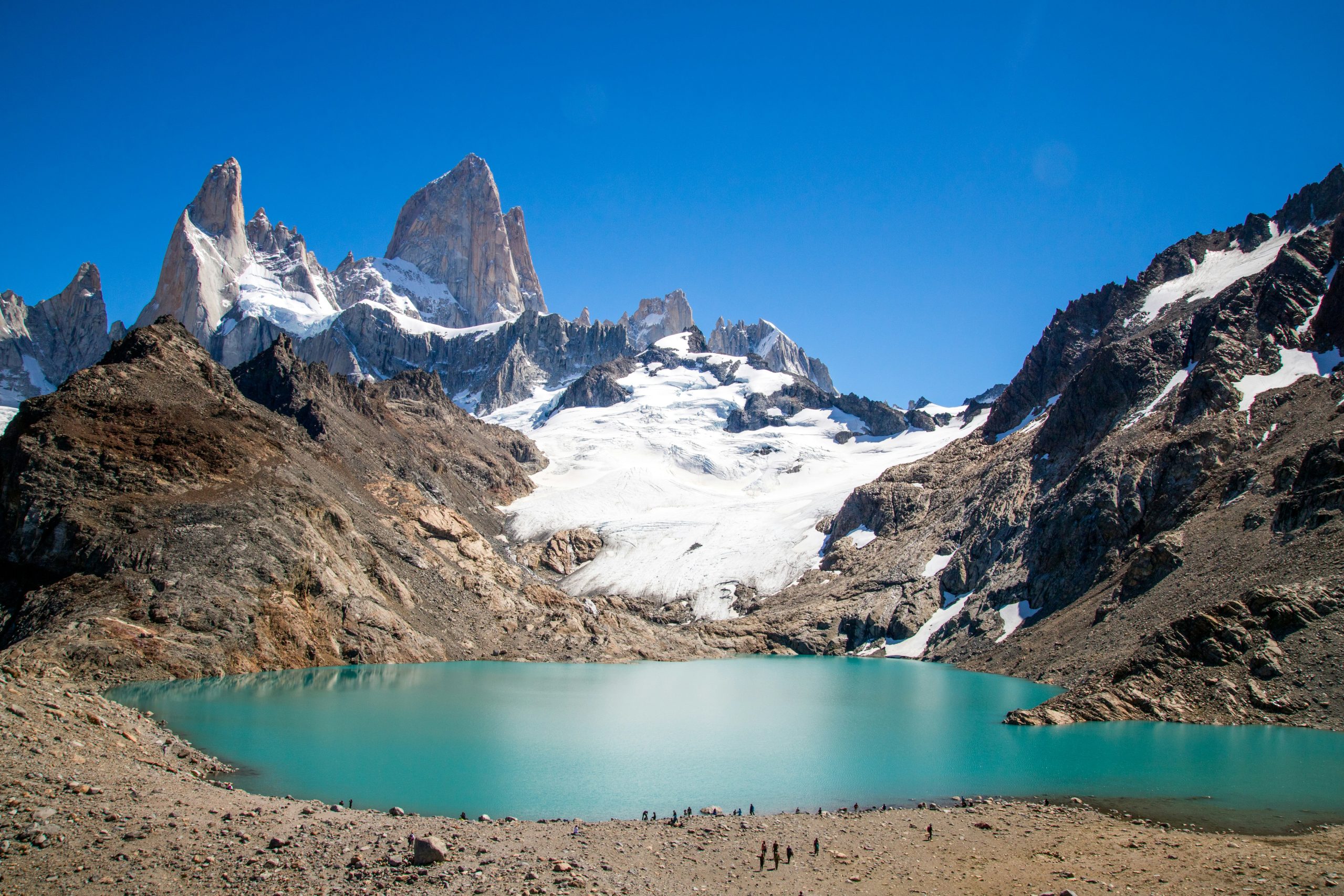
A one-street mountain village under the granite spires of Fitz Roy, where the trails start at the end of the road. Argentina's trekking capital, and the reason many people come to Patagonia at all.
El Chaltén was only founded in 1985, and it still feels like a frontier town built for hikers. Everything sits along one main street, Avenida San Martín, and the best trails in Argentine Patagonia start on its edges: Laguna de los Tres under Fitz Roy, Laguna Torre under Cerro Torre, and shorter walks to viewpoints over the valley. No car, no tour and no guide needed.
The village sits at the edge of Los Glaciares National Park, and since 2024 the trails have needed a park ticket for foreign visitors, bought online from Parques Nacionales and checked at the trail entrances. It is the main cost of hiking here. In return you get well-marked paths, campsites inside the park (booked ahead, with a fee), and some of the most dramatic mountain scenery in South America.
Plan on three or four days at least, because the weather decides everything. Fitz Roy can hide in cloud for days, then appear in perfect light at sunrise. Give yourself spare days and you will not leave without seeing it. Most services open from October to April; outside that, many hostels and restaurants close and buses thin out.
El Chaltén is barely a kilometre long, so you can walk everywhere. The real choice is which end: the north end for the Fitz Roy trailhead, the centre for food and supplies, or the south end near the bus terminal.
Closest to the Laguna de los Tres trailhead, so you can be on the trail in minutes before dawn. Quieter at night.
Along the main street, with the supermarkets, bakeries, breweries and tour offices all within a few minutes' walk.
Near the bus terminal, the visitor centre and the short viewpoint walks. Easy for late arrivals and early buses out.
Orange labels are neighbourhoods, dots are the 10 top-rated hostels. Map data from OpenStreetMap contributors.
The big hike is Laguna de los Tres: about 24km return and eight hours or so, with a brutal final hour up loose rock to a glacial lake right under Fitz Roy. Start before dawn for the sunrise glow on the peaks, or split it in two with a night at Camping Poincenot. Laguna Torre is gentler, around 18km return, and ends at a lake with icebergs drifting under Cerro Torre.
For shorter days, Mirador de los Cóndores is a short climb with a view over the whole village, and Loma del Pliegue Tumbado is a long day out to a ridge with both Fitz Roy and Cerro Torre in one view. Chorrillo del Salto is an easy walk to a waterfall.
Beyond hiking, there are boat trips on Lago del Desierto to the north, ice trekking on the Viedma glacier, rock climbing and kayaking. Check in at the national park visitor centre at the entrance to town for trail conditions and the weather.
The park ticket covers the trails, but plenty of the best of El Chaltén needs no ticket at all. The view of Fitz Roy from the road into town is one of the most photographed in Patagonia, and the national park visitor centre has free exhibitions on the park's wildlife and climbing history.
The village itself is good for an easy day: a coffee in a bakery, a craft beer in a brewery, and the light on the peaks from the end of the main street at sunset. For the views without the trails, the riverside paths at the edge of the village are free to wander.
If the weather closes in, swap trail stories in your hostel's common room. In El Chaltén, that is where the next day's hiking partners are found.
Everything in El Chaltén arrives by truck along a long road, so food costs more than in the rest of Argentina. The good news is that a remote village of hikers does hearty food well: Patagonian lamb, stews, pizza and big burgers, with plenty of craft beer brewed in town.
For trail days, stock up at the small supermarkets on the main street: bread, cheese, salami and chocolate for the hike, and pasta for the hostel kitchen. Prices are higher than in El Calafate, so some travellers bring supplies from there. Bakeries open early for trail breakfasts and empanadas to go.
After a long hike, a cold beer at a local brewery is close to compulsory. Dinner starts later than in the rest of Patagonia but earlier than in Buenos Aires, as most people have an early start the next day.
Nightlife here means a brewery and an early night. Most people are up before dawn to catch the sunrise at Laguna de los Tres, so evenings are about a beer, a big meal and comparing blisters rather than clubs.
The village has a handful of breweries and pubs along the main street, some with live music at weekends in high season. Hostel common rooms and kitchens are the real social hubs, and the best place to find someone to hike with tomorrow.
On a clear night, walk to the edge of the village. With almost no light pollution, the stars over the mountains are a show of their own.
You will not need transport in the village. It is small enough to walk end to end in fifteen minutes, and the main trailheads start from its edges.
Getting here is by bus from El Calafate, about three hours north along the Ruta 40 and one of the most scenic rides in Patagonia, with several departures a day in season. El Calafate has the nearest airport. Day visitors arriving without a registered booking in town now pay a small tourist fee at the entrance; regular bus tickets and guests with a booked bed are covered.
For trails further out, shuttles run north to Lago del Desierto and to the Hostería El Pilar and Río Eléctrico trailheads, letting you hike back to town through the park. Book buses ahead in January and February.
El Chaltén is one of the pricier places in Argentina. Dorm beds run from about €12 to €35 in season, and food and supplies cost more than elsewhere because everything is trucked in.
The main fixed cost is the national park ticket for foreigners, which covers the trail portals into the park. It is set in pesos, rose in June 2026 to ARS 50,000 (around €28 at the time of writing) and changes often, so check the Parques Nacionales website before you arrive and buy it online.
Bring cash as a backup. Card payment is common, but the village's ATMs can run dry in peak season and connections drop when the internet does.
Crime is rare in El Chaltén. The risks here are the mountains and the weather. Patagonian wind can be strong enough to knock you off your feet, especially on exposed ridges, and conditions change in minutes even in midsummer.
Carry layers, a waterproof, food and plenty of water on every hike, start early, and turn back if the wind or cloud builds on the last climb to Laguna de los Tres. Tell your hostel where you are going. Rangers at the visitor centre post daily forecasts and trail conditions.
In an emergency call 911, but phone signal is patchy beyond the village. Take an offline map and do not rely on your phone.
Most are a shuttle ride away, and some combine with a hike back into town.
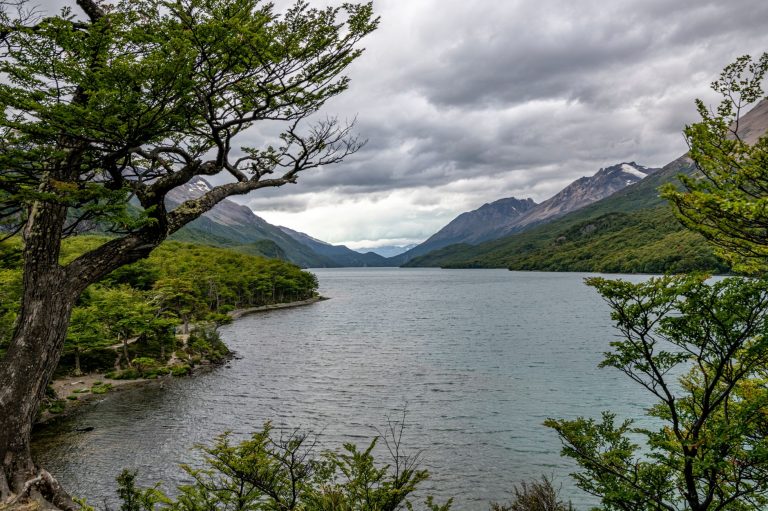
A long, forest-lined lake on the border with Chile, with glacier views and quiet trails.
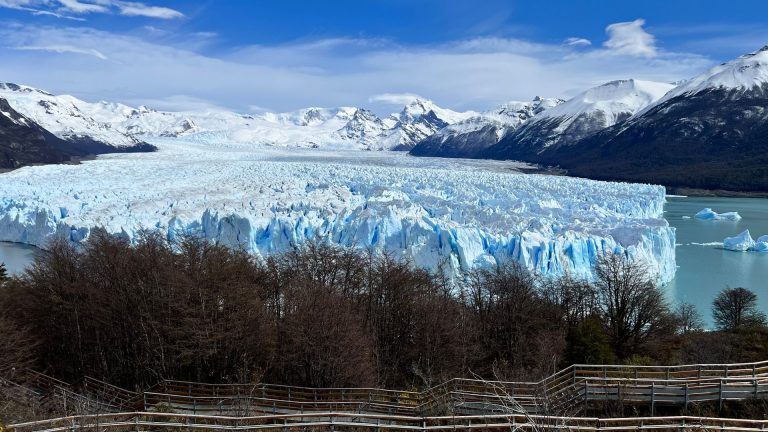
Combine your trip with the most famous glacier in Patagonia.
A small calendar, built around the village's anniversary and mountain races.
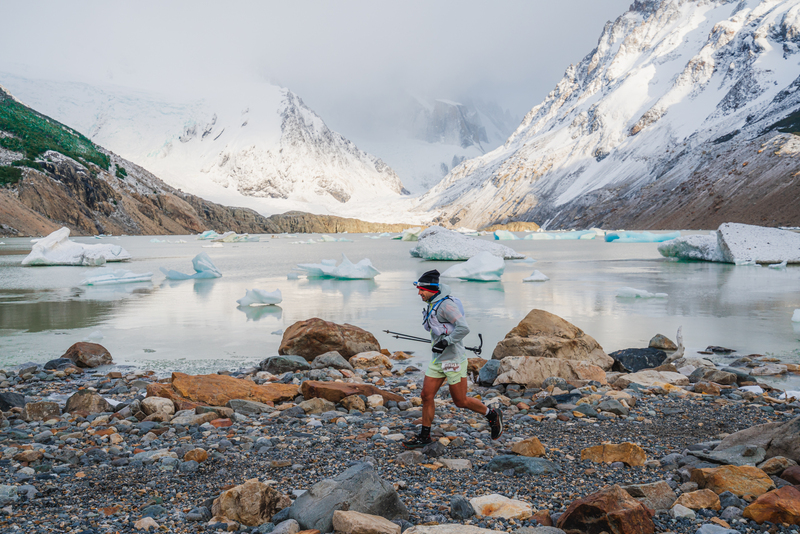 Staff pick
Ultra Fitz Roy invites trail runners to immerse themselves in the breathtaking wilderness of Patagonia, Argentina. Set in El Chaltén, known as the National…
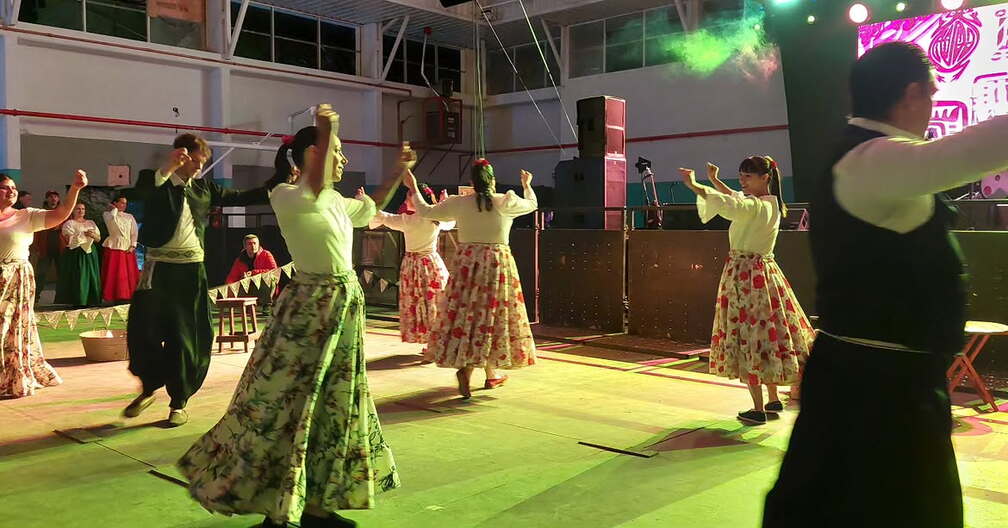
El Chaltén celebrates its 41st anniversary with a weekend of live music, local food, and community spirit at the Municipal Gymnasium. Saturday night spotlights…
The highest-rated hostels in El Chaltén, live from Hostelworld. Book early for January and February, when beds sell out.
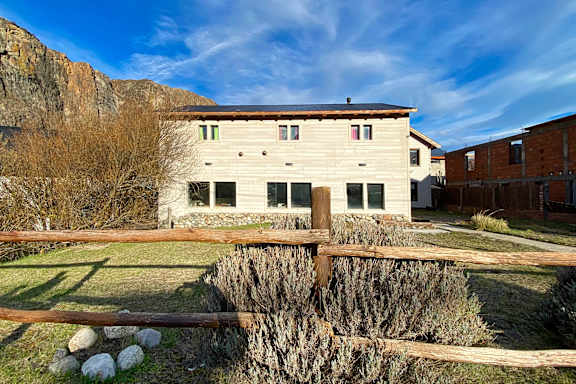
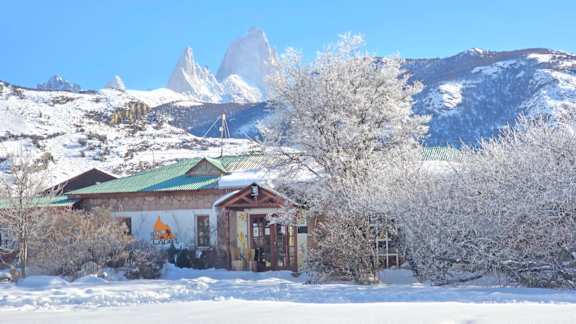
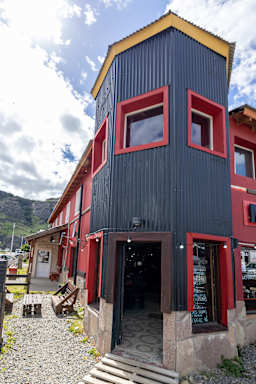
El Chaltén is a summer town. Most services run from October to April, and November and March are the sweet spots: open trails and fewer people.
Average highs, rounded. Nights are cold all year, and wind is the bigger factor than temperature.
Per night, for one person, in El Chaltén's high season.
Prices are higher than elsewhere in Argentina and change with inflation. Excludes the park ticket, the bus from El Calafate and glacier tours.
The ones we get asked most.

Compare hostels in El Chaltén: live prices, real reviews and free cancellation on most bookings. Then find your hiking crew in the app.

 Get the App.



 Get the App.