City centre
First visits, transport, valueAround Plaza Independencia and the four smaller plazas. Walkable, central and home to most hostels.

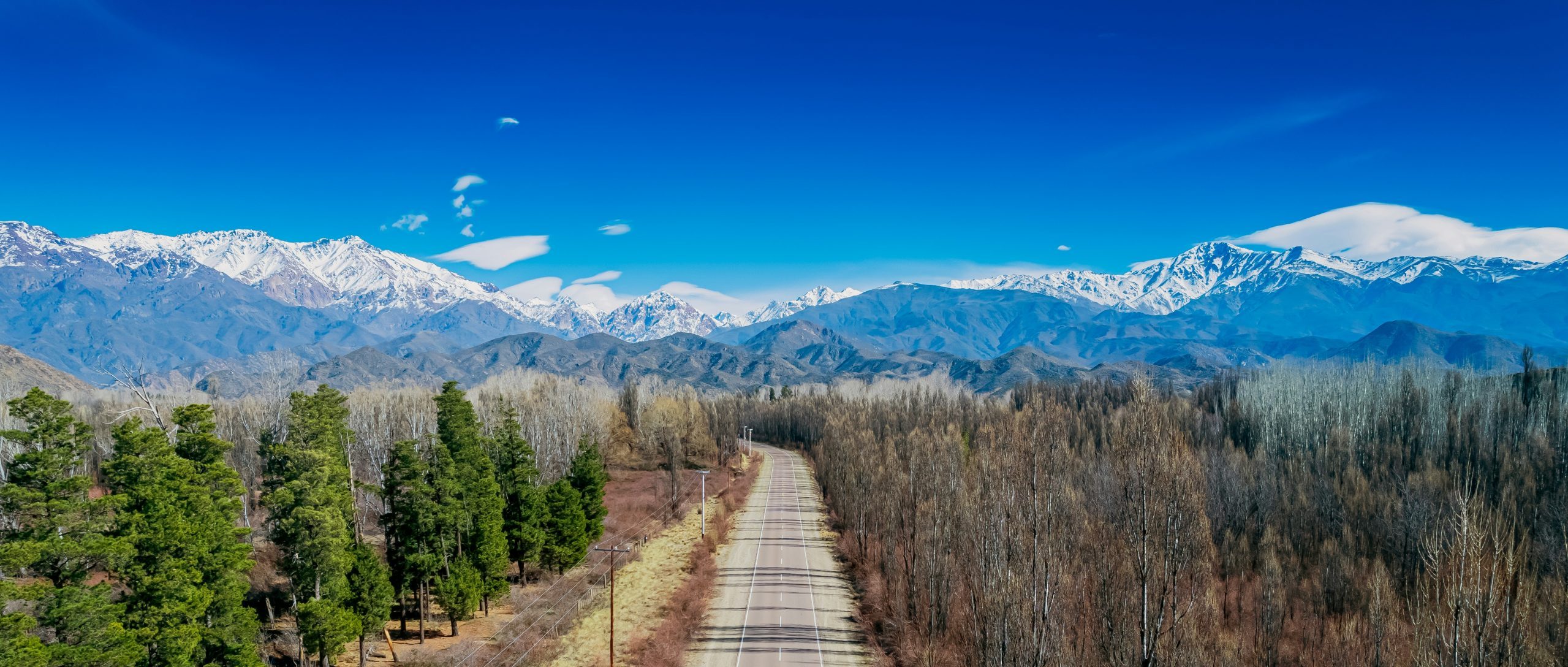
Malbec country at the foot of the Andes. Cycle between vineyards, raft a glacial river, and see the highest mountain outside Asia, then come back to a leafy city of plazas and long, late dinners.
Mendoza sits in a desert, but you would never guess it from the streets. Snowmelt from the Andes runs through a network of open irrigation channels, the acequias, that line every pavement and water the plane trees overhead, turning the city into a tunnel of shade. Five plazas form its heart, with Plaza Independencia in the middle and four smaller squares around it, each with its own character.
The city was rebuilt after an earthquake in 1861 with wide streets and low buildings, which is why it feels so open and calm. Life follows the sun: shops close for a long siesta in the afternoon, and the streets fill again in the evening as cafés and bars spread onto the pavements.
Most people come for the wine. Argentina's biggest wine region surrounds the city, from the easy cycling routes of Maipú to the high-altitude vineyards of the Uco Valley. Add a day in the mountains on the road towards Aconcagua and Chile, a morning rafting on the Mendoza river, and you can easily fill four or five days.
Most travellers stay in the city centre, which is compact and walkable. The wine areas of Maipú and Chacras de Coria are an option for a slower, greener stay.
Around Plaza Independencia and the four smaller plazas. Walkable, central and home to most hostels.
The bar street west of the centre, lively from Thursday to Saturday. Stay nearby if you want nightlife on your doorstep.
The leafy streets at the park gates. Calm, residential and a short walk to the bars.
A green village in Luján de Cuyo, south of the city, surrounded by bodegas. Peaceful, but you will need transport.
The wine area south-east of the city, with flat cycling routes between bodegas. Stay a night to start early.
Orange labels are neighbourhoods, dots are the 9 top-rated hostels. Map data from OpenStreetMap contributors.
The classic Mendoza day is bike and wine in Maipú, just south-east of the city. Rental shops hand you a bike and a map, and you pedal between wineries, olive oil producers and a liqueur maker on flat roads. Book tastings ahead in high season, pace yourself, and remember you have to cycle back.
For more serious wine, Luján de Cuyo is home to many of the big malbec names, and the Uco Valley, about an hour and a half south, has striking high-altitude wineries with the Andes behind the vines. Both are easiest on a tour or with a driver.
The mountains are the other half of Mendoza. The road west towards Chile passes the Potrerillos reservoir, the old spa at Puente del Inca and the entrance to Aconcagua Provincial Park, where a short walk to Laguna Horcones gives you a view of the 6,961m summit. Rafting on the Mendoza river, horse riding and the Cacheuta hot springs complete the picture.
Parque General San Martín is the city's great green space, a vast park just west of the centre, with a rowing lake, rose gardens and a road that winds up Cerro de la Gloria to a monument to the Army of the Andes and a view over the city. It is free and a lovely morning walk or bike ride.
The five plazas are worth a slow loop. Plaza España is covered in Spanish tiles, Plaza Independencia hosts a craft market at weekends, and the ruins of the old colonial city around the Área Fundacional tell the story of the 1861 earthquake.
In the evening, simply walking the tree-lined streets, especially Avenida Arístides Villanueva and the pedestrian Paseo Sarmiento, is a free show of Mendoza's outdoor café life.
Wine is the obvious draw, and malbec is king, though Mendoza does excellent cabernet franc, bonarda and torrontés too. Many wineries serve long tasting lunches paired with their wines, which are a highlight of any trip and worth booking ahead.
In the city, asado and the parrilla are as central as anywhere in Argentina, and Mendoza adds its own touches: chivito (goat) grilled over wood, empanadas mendocinas with olives and egg, and plenty of local olive oil. Sopaipillas, fried dough eaten with mate, are a favourite snack in winter.
For a cheap night in, a good bottle from a city wine shop costs a few euros, and supermarkets stock local wine at prices that will surprise you. Remember the siesta: many restaurants close between lunch and around eight in the evening.
Mendoza's nights centre on Avenida Arístides Villanueva, a few blocks west of the centre, where bars and cafés spill onto the pavements and stay busy until late, especially from Thursday to Saturday.
The city is more about wine bars, craft beer and long dinners than big clubs, though there are boliches for those who want them, mostly out towards the suburbs. As elsewhere in Argentina, things start late: dinner after nine, bars after midnight.
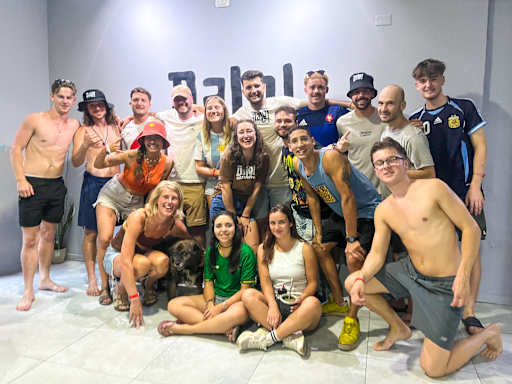
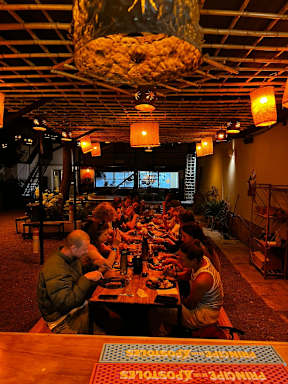
Hostels in Mendoza are famously sociable, with wine nights and asados that are often the easiest way to meet people. Many also organise bike and wine trips together, which turn into nights out of their own.
The centre is flat, shady and easy to walk. City buses and the Metrotranvía light rail cover the wider area, including Maipú. You can pay with a SUBE card, and since 2025 also with a contactless bank card or phone.
For wineries in Luján de Cuyo and the Uco Valley, and for the mountains, tours or a hired car make life far easier, as public transport is limited. Hiring a car between a few people for a day on the road towards Aconcagua is popular and good value.
Mendoza's airport is about 8km north-east of the centre. The long-distance bus terminal is just east of the centre, with services across Argentina and over the Andes to Santiago in Chile, around seven hours via the Cristo Redentor pass, which can close after heavy snow in winter.
Mendoza is good value by Argentine standards. Dorm beds run from about €8 to €15 in well-rated hostels, food is cheaper than in Buenos Aires, and a good bottle of malbec from a shop costs a few euros.
The costs that add up are the wine experiences. Tastings in Maipú are modest, but premium tastings, winery lunches and Uco Valley tours can quickly cost more than your bed for several nights. Mountain tours and rafting are fairly priced, and sharing a hire car keeps the Aconcagua trip cheap.
Prices are set in pesos and move with inflation, so check them before you travel. Cards are widely accepted, but carry some cash for small bodegas and bike rental shops.
Mendoza is a relaxed, safe city by South American standards. Petty theft does happen, mostly bag and phone snatching in quieter streets at night and around the bus terminal, so keep valuables out of sight and take a taxi late at night.
Watch your step: the acequias, the open irrigation channels along the pavements, are deep enough to twist an ankle, especially after a winery day. The sun is strong and the air is dry, so drink plenty of water, more so when wine is involved.
In the mountains, the altitude rises quickly on the road to Aconcagua, so take it slowly. In an emergency, call 911.
Wine to the south, mountains to the west. Do at least one of each.
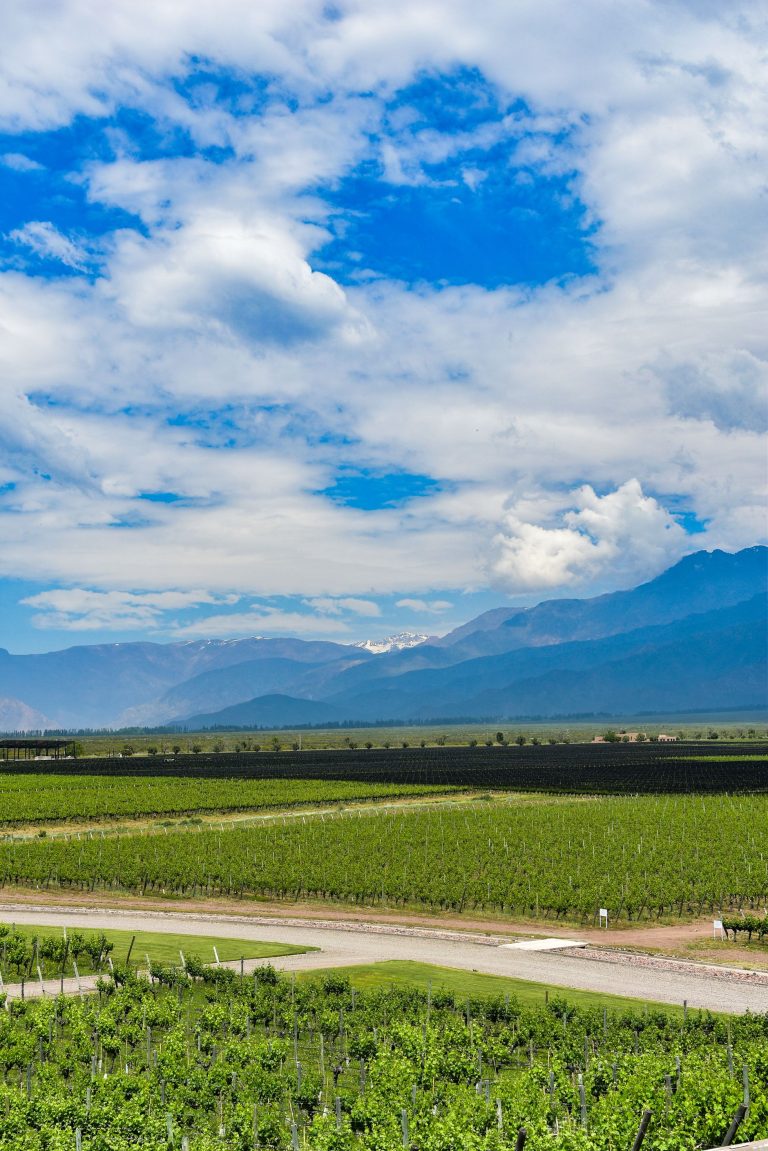
High-altitude vineyards and striking wineries with the Andes behind.
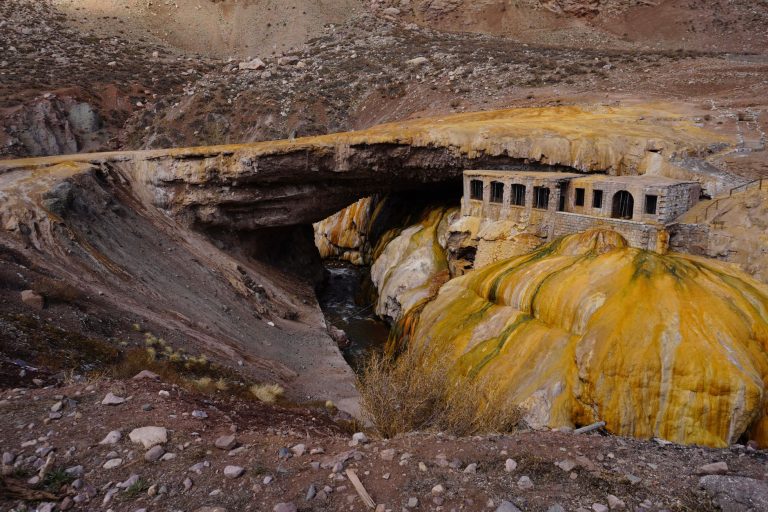
A natural stone bridge, an abandoned spa and a view of the highest mountain in the Americas.
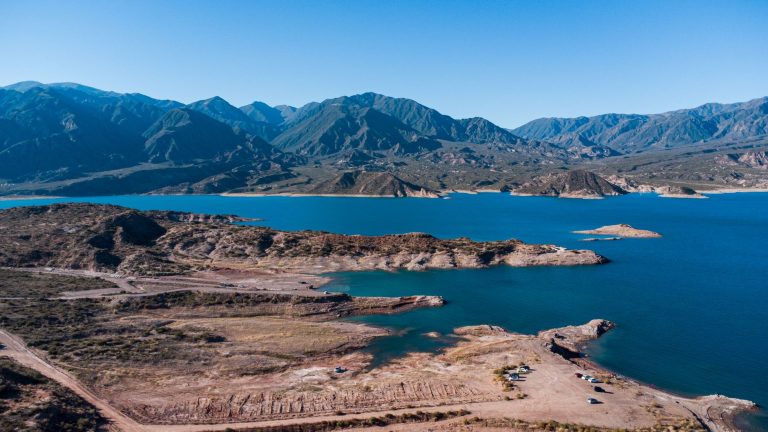
Rafting on the Mendoza river, a turquoise reservoir and hot springs.
The wine harvest dominates the calendar, with the Vendimia festival its high point.
 Staff pick
The Christ the Redeemer Andean Integration Binational Games bring together under-18 athletes from Argentina and Chile for a unique sports competition that has fostered…

Homer El Mero Mero will perform at Malvinas Argentinas Stadium in Mendoza. The concert blends Latin, Hip-Hop/Rap, and Cumbia genres, offering a vibrant musical…

La Renga is performing live in Mendoza at the Teatro Griego Frank Romero Day. You can choose between Campo and Popular sectors for seating,…
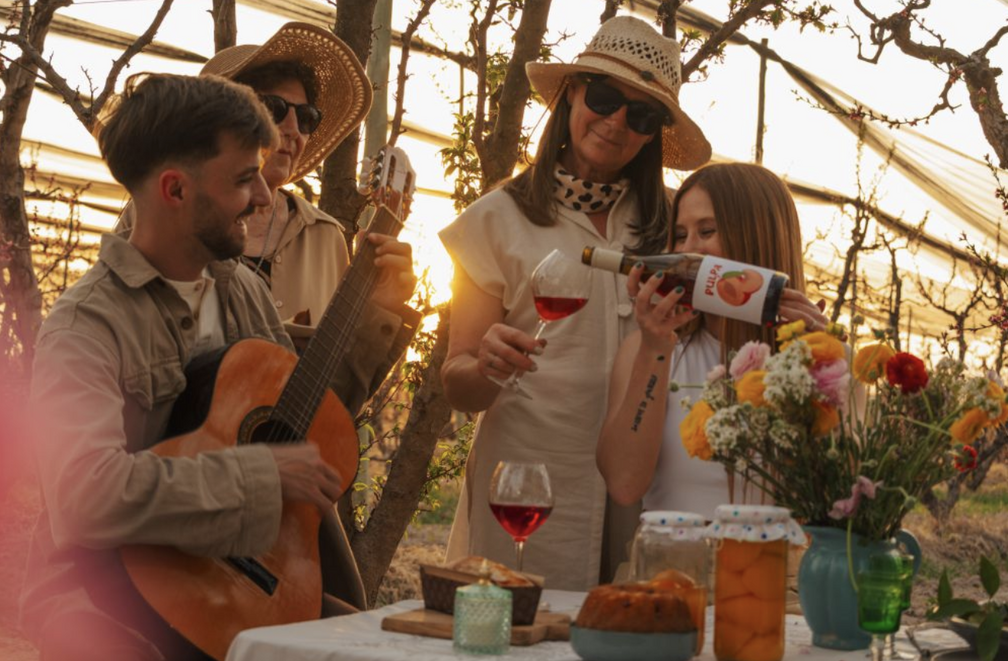
Festival Pulpa is a cultural and food-focused event in Mendoza centered on the peach as a symbol of the region’s agricultural and culinary identity.…
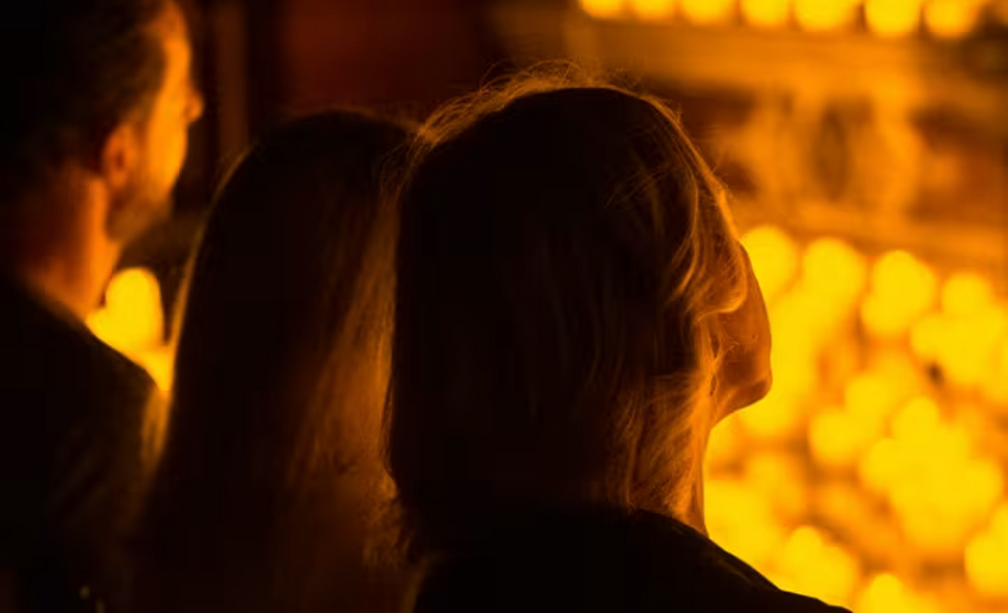
Candlelight: The Four Seasons of Vivaldi brings a magical musical experience to Mendoza with live performances by a string quartet under candlelight. The concert…
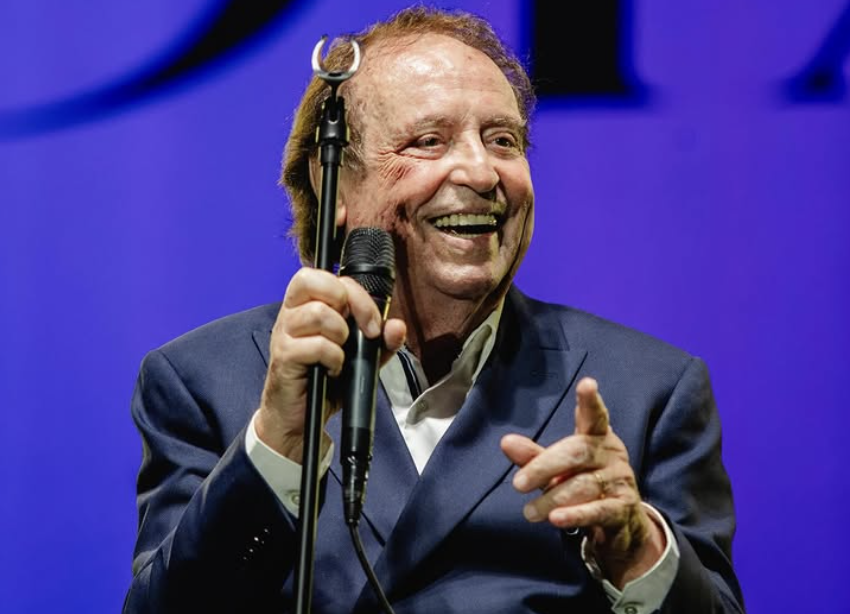
Dyango will perform a recital at Gran Rex in Mendoza on October 18, 2026. The event starts at 8 PM, offering a chance to…

Natalie Perez brings her show CASA to Teatro Mendoza for an evening of music and performance. The event takes place on Friday, October 23,…

Marcela Morelo will perform at Teatro Mendoza in Mendoza on October 24, 2026. The concert starts at 21:30, offering a chance to enjoy her…
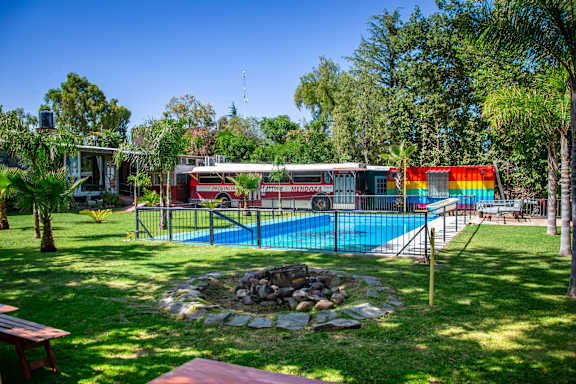
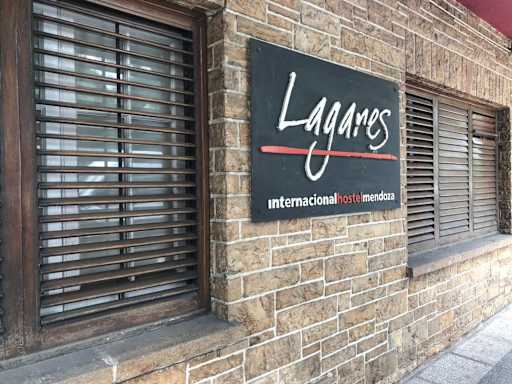
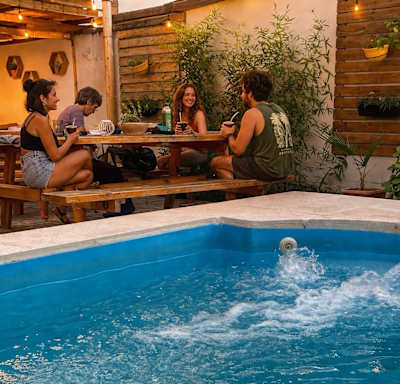
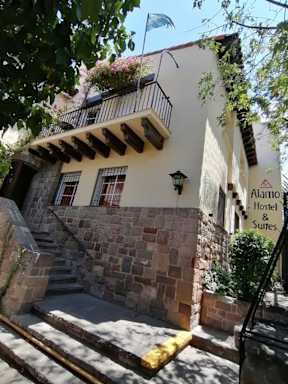
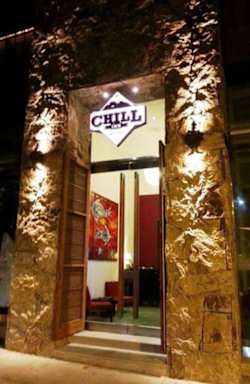
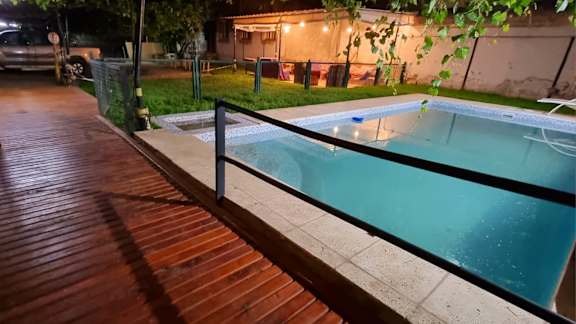
The highest-rated hostels in Mendoza, straight from Hostelworld. Prices and availability are live on each property page.

Mendoza has around 300 sunny days a year. Late February to April brings the grape harvest and the Vendimia festival; autumn colours the vines gold.
Average highs, rounded. Summer days are hot, but nights are cool, and winter days are often sunny.
Per night, for one person, based on Mendoza prices.
Prices move with inflation, so treat these as a guide. Premium tastings and Uco Valley tours cost extra.
The ones we get asked most.

Compare hostels in Mendoza: live prices, real reviews and free cancellation on most bookings. Then find someone to share a bike and a bottle with in the app.

 Get the App.



 Get the App.