El Centro
First visits, sightseeingThe colonial grid around Plaza 9 de Julio, with the cathedral, museums and most hostels within a few blocks.

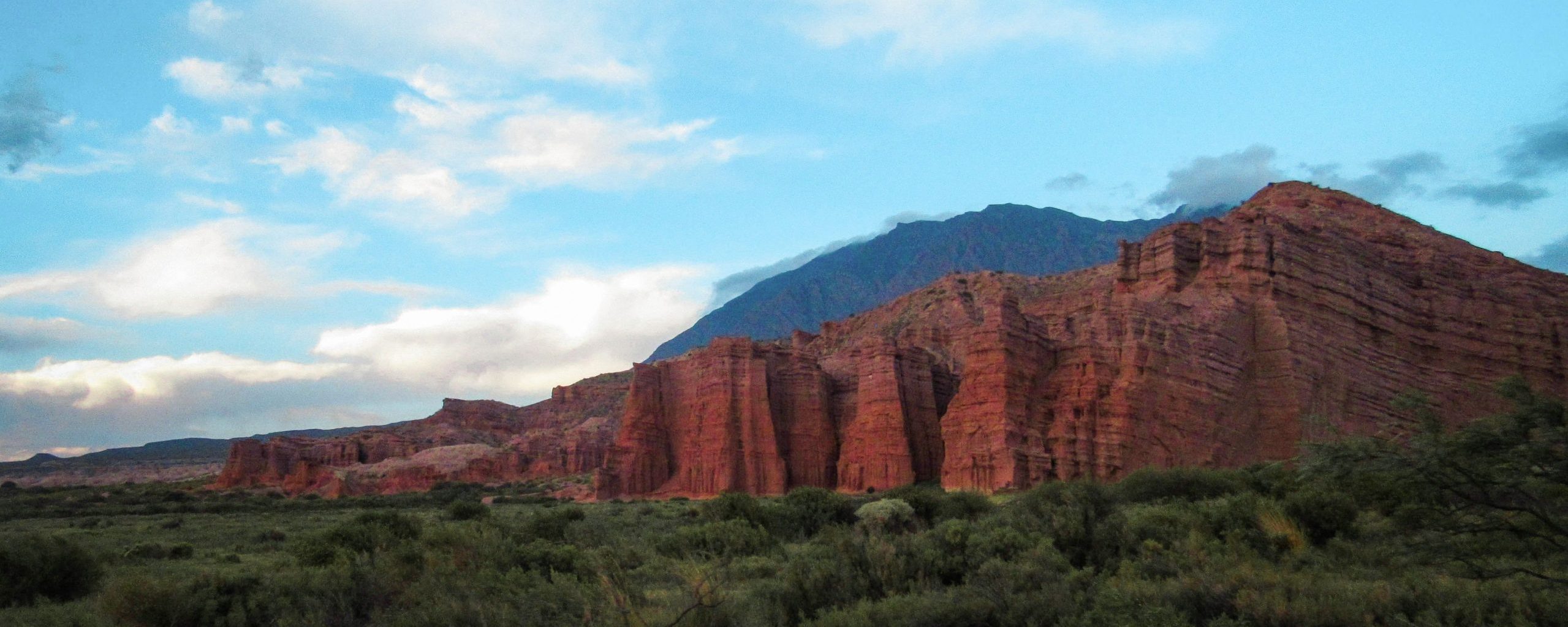
Colonial churches, folk music until dawn and the best empanadas in Argentina, with red canyons, salt flats and seven-coloured mountains a road trip away.
Argentines call it Salta la linda, Salta the beautiful, and the old centre lives up to it. Whitewashed colonial buildings, wooden balconies and the deep red and gold façade of the Iglesia San Francisco surround Plaza 9 de Julio, where the city gathers in the evening. At 1,150m in a green valley, it has warm days for much of the year and a pace that feels a world away from Buenos Aires.
The north-west is Argentina's most Andean region. Indigenous culture, Spanish colonial history and gaucho traditions all meet here, and you hear it in the music: Salta is the home of Argentine folk, and the peñas, where bands and audiences sing together over wine and empanadas, are an essential night out.
Salta is also the base for some of the country's most spectacular landscapes. The wine town of Cafayate and its red rock canyon, the coloured hills of the Quebrada de Humahuaca in neighbouring Jujuy and the white expanse of the Salinas Grandes are all within reach. Give it four or five days, or longer with a hire car.
Almost everything worth seeing in the city is within a few blocks of Plaza 9 de Julio, so stay central. Calle Balcarce suits night owls; the streets towards Cerro San Bernardo are quieter.
The colonial grid around Plaza 9 de Julio, with the cathedral, museums and most hostels within a few blocks.
North of the centre, lined with peñas, bars and clubs. Lively and loud at weekends.
The leafy streets at the foot of Cerro San Bernardo, a calm walk from the plaza.
Around the park, the cable car station and the long-distance bus terminal. Handy for departures.
Orange labels are neighbourhoods, dots are the 5 top-rated hostels. Map data from OpenStreetMap contributors.
Start at Plaza 9 de Julio, with the pink cathedral and the colonial Cabildo on its sides, and walk a block to the Iglesia San Francisco, whose red, white and gold tower is the city's symbol. The MAAM, the Museum of High Mountain Archaeology on the plaza, displays artefacts and one of the three Inca children found preserved near the summit of the Llullaillaco volcano. It is a moving and memorable visit.
Then go up. A cable car climbs Cerro San Bernardo from Parque San Martín, or you can walk the steps to the top for views across the city and valley. In the evening, head to a peña on Calle Balcarce for live folk music.
Salta is a base for road trips, and many travellers hire a car with others to explore. The classic tours run to Cafayate through the Quebrada de las Conchas, to Cachi over the Cuesta del Obispo, and north to Purmamarca, Humahuaca and the Salinas Grandes. The Tren a las Nubes, a bus-and-train trip to a viaduct at 4,220m, is the region's most famous excursion.
The colonial centre is the best free thing in Salta. Walk the streets around Plaza 9 de Julio in the early evening, step into the cathedral and the San Francisco church, and sit on a bench as the city comes out to stroll.
The climb up Cerro San Bernardo is free if you walk it rather than take the cable car. It is around a thousand steps, so go early in the morning before the heat, and reward yourself with the view.
At weekends, the craft market and the street stalls around the centre are good for browsing ponchos and woven textiles, and many peñas have no cover charge if you eat or drink there.
Salta is famous for its empanadas, and every Argentine has an opinion on why the salteña is the best. They are small, baked or fried, and filled with juicy beef, potato and spring onion, eaten by hand and leaning forward so the juice does not run down your arm. A dozen is a normal order.
The region's Andean cooking is just as good: locro, a thick stew of maize, beans and meat; humitas, sweetcorn steamed in its husk; and tamales. Llama appears on menus too. Wash it down with a torrontés, the fragrant white wine from Cafayate's high vineyards, among the highest in the world.
The Mercado San Miguel is the place for a cheap lunch among the locals, and the peñas serve food alongside the music.
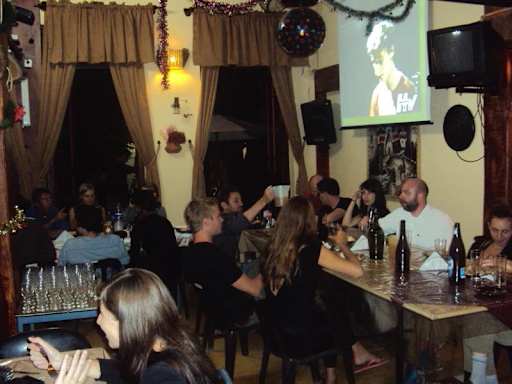
Nights in Salta mean peñas. These folk music venues serve wine, empanadas and locro while bands play zambas and chacareras, and as the night goes on the audience joins in, singing, clapping and dancing with handkerchiefs. Calle Balcarce, north of the centre, is lined with them, and it is busiest from Thursday to Saturday.
Balcarce also has bars and a few clubs, which fill late in the usual Argentine way. In the centre, bars around Plaza 9 de Julio are good for a quieter drink.
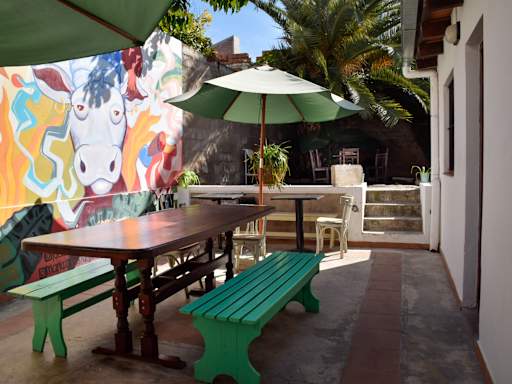
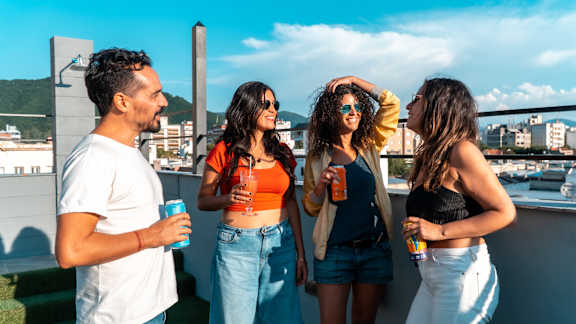
Hostels in Salta are sociable, with asados and group trips to the peñas, which is the best way to go if you are travelling alone.
The centre is compact and easy to walk. City buses, run by SAETA, use their own rechargeable card or a QR payment app, and taxis are cheap and plentiful for anything further.
The airport is about 10km south-west of the centre, around 20 minutes by taxi. The long-distance bus terminal is a short walk east of the centre, near Parque San Martín, with services to Cafayate, Jujuy, Purmamarca, Tucumán and over the Andes to San Pedro de Atacama in Chile.
For the region, a hire car shared between a few people is the most flexible option. Roads like the Ruta 40 between Cachi and Cafayate are partly gravel, so allow time. The alternative is day tours, which cover all the main routes from the city.
Salta is one of the cheapest places to travel in Argentina. Dorm beds run from about €9 to €13 in well-rated hostels, and a dozen empanadas or a bowl of locro costs very little.
The costs come with getting out into the region. Day tours to Cafayate, Cachi or the Quebrada de Humahuaca are fairly priced, and a shared hire car can work out cheaper. The Tren a las Nubes is the big splurge: in May 2026 the trip cost ARS 218,000 for foreigners, around €120 at the time of writing.
Prices are set in pesos and move with inflation, so check them close to your trip. Cards are accepted in most places in the centre, but keep cash for markets, peñas and small towns.
Salta is a calm and friendly city, and serious crime against travellers is rare. Take the usual care with phones and bags in busy places like the bus terminal and markets, and use a taxi late at night when leaving Calle Balcarce.
Altitude is the main thing to plan for. The city is at a comfortable 1,150m, but day trips climb fast: the Salinas Grandes sit at around 3,450m and the Tren a las Nubes reaches 4,220m. Take it slowly, drink water, and try coca tea, which is sold locally for altitude.
The sun is strong at altitude, and summer storms can bring landslides that close mountain roads, so check conditions before road trips. In an emergency, call 911.
The landscapes of the north-west are the reason to come. Most are long days, or better with a night away.
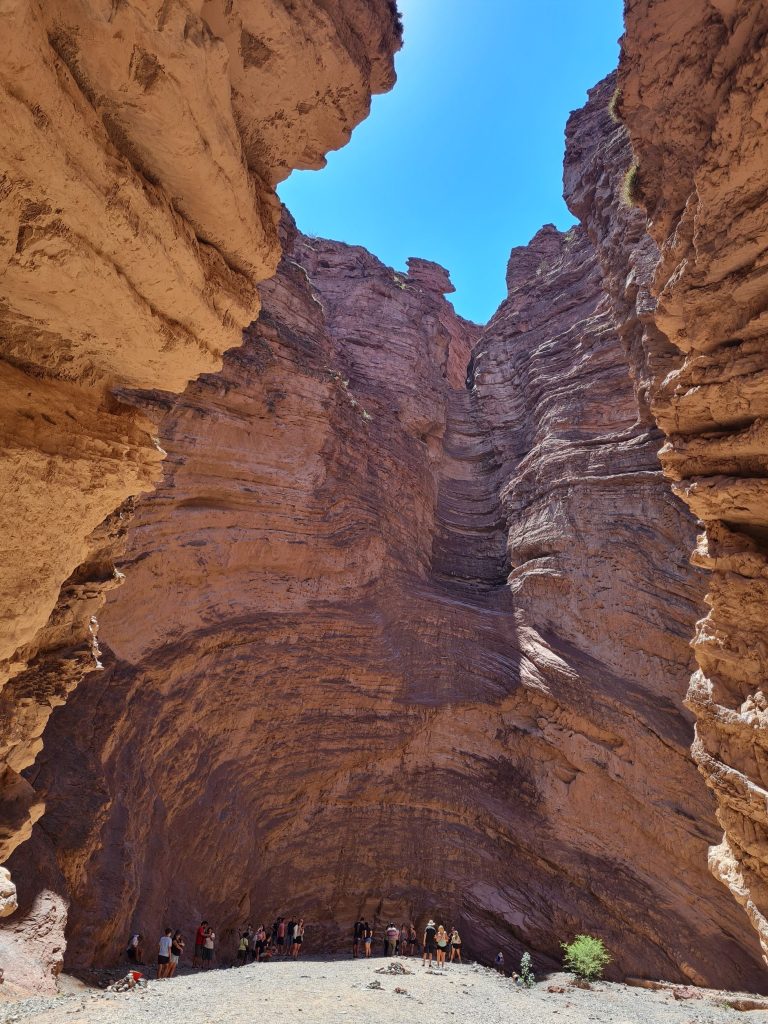
Red rock canyons, then a relaxed wine town known for torrontés.
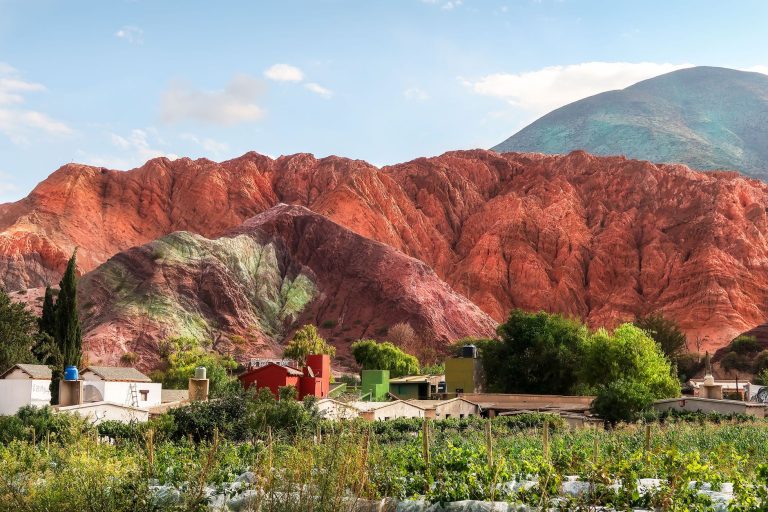
The Hill of Seven Colours, then a vast white salt flat at around 3,450m.
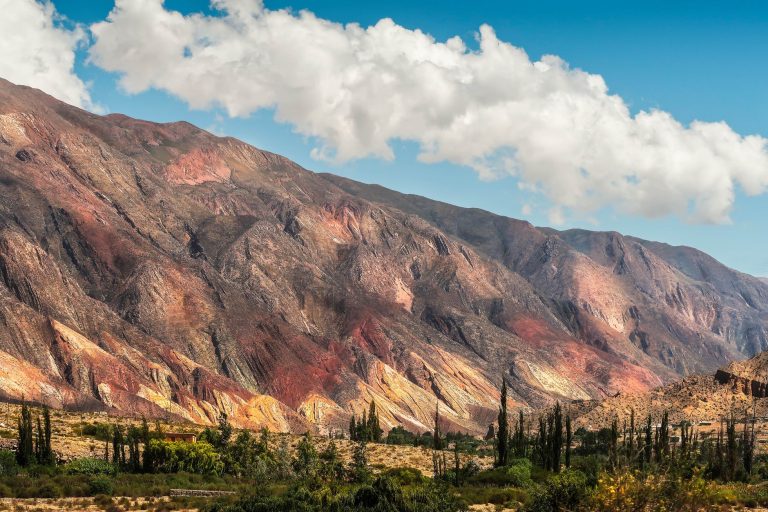
A UNESCO-listed valley of coloured mountains and adobe villages.
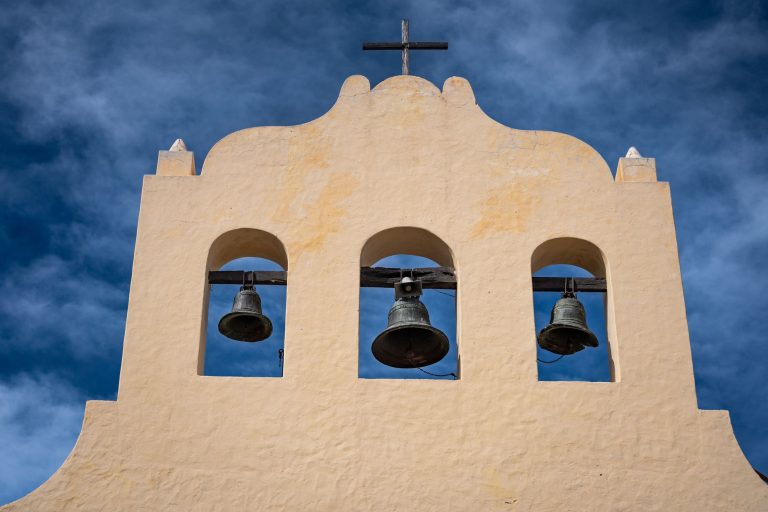
A whitewashed village, giant cacti in Los Cardones National Park, and Andean peaks.
Folk festivals, carnival and one of Argentina's biggest religious celebrations.
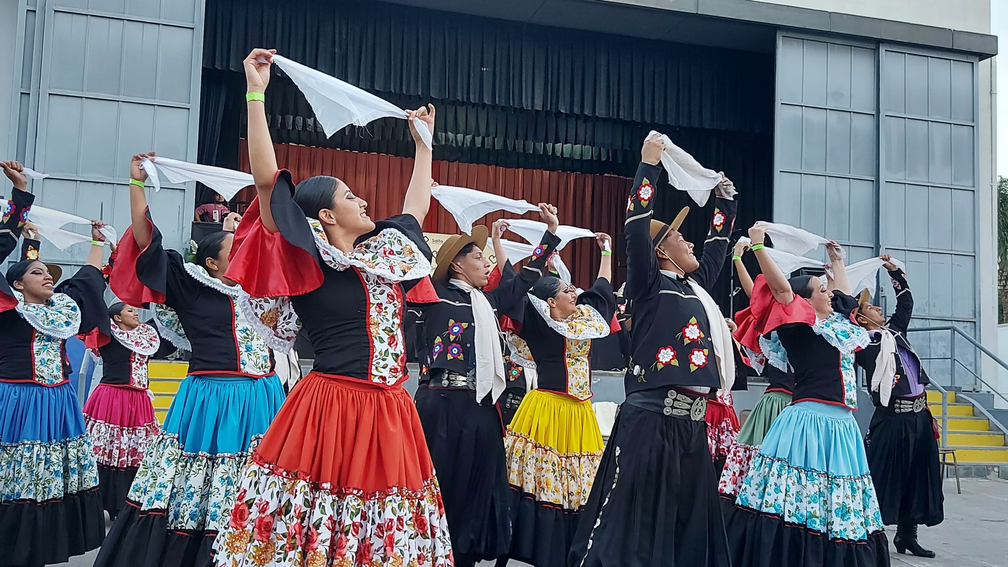 Staff pick
Pre Cosquín Salta is a key qualifying event for the renowned Cosquín National Folklore Festival. Local musicians and dancers compete for the chance to…
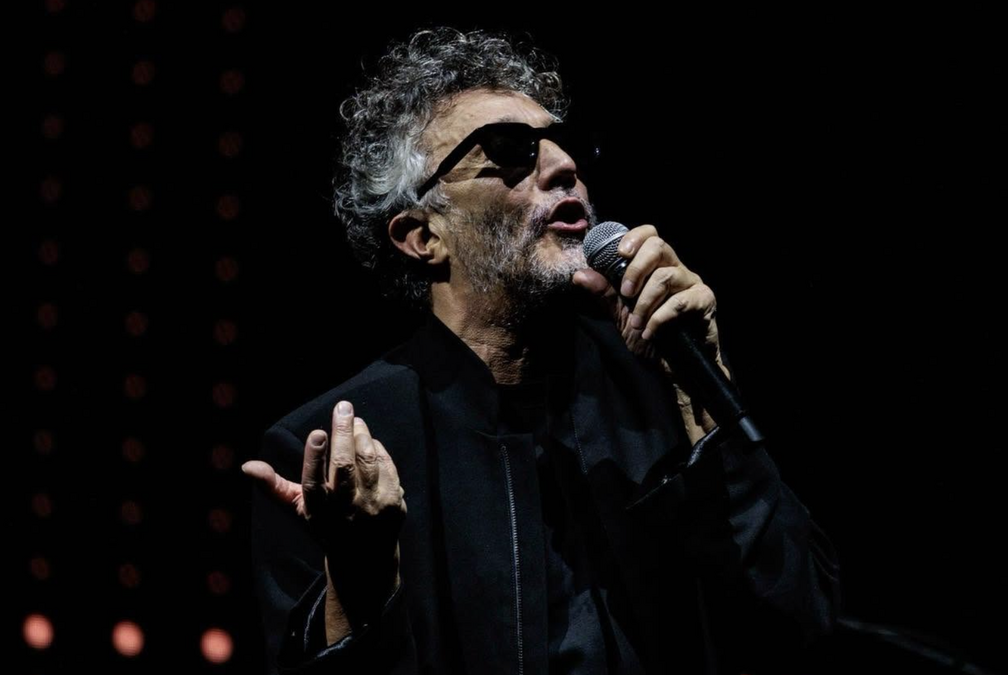
Fito Páez brings decades of Argentine rock history to the Provincial Theater of Salta, carrying with him a catalog that spans thirty albums and…
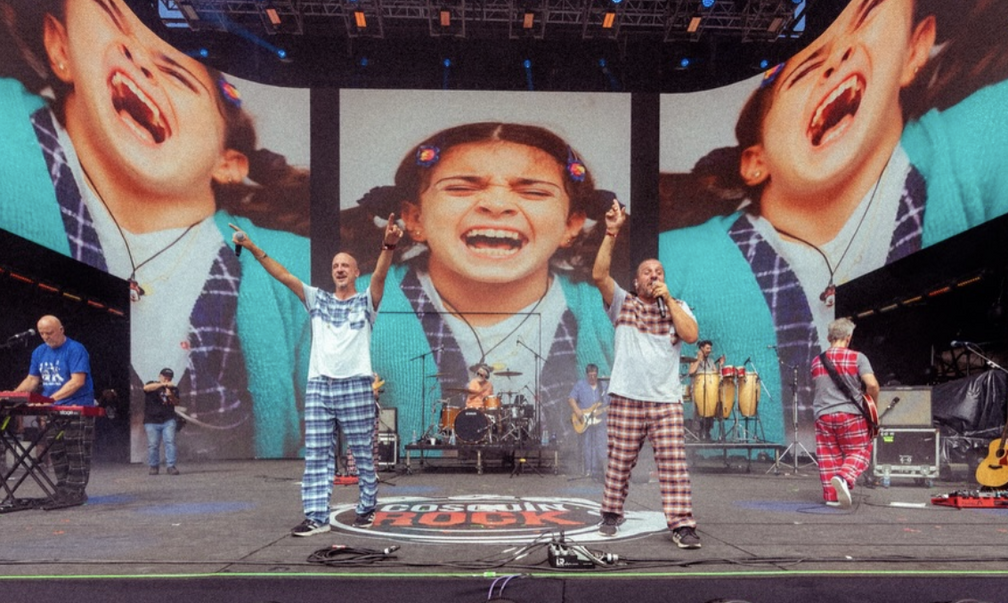
Bersuit is performing live in Salta at La Roka venue. The event opens its doors at 21:00 with the concert starting at 22:00 on…
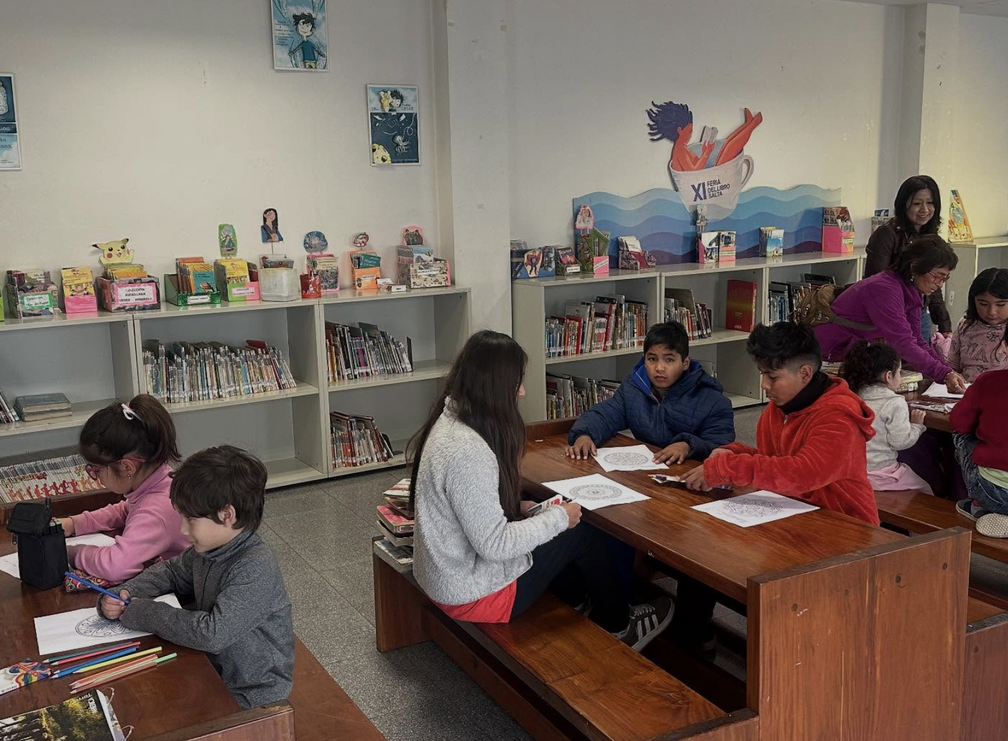
A workshop for kids that blends art, theater, music, and play with emotional education, running at the Provincial Library of Salta Capital from August…
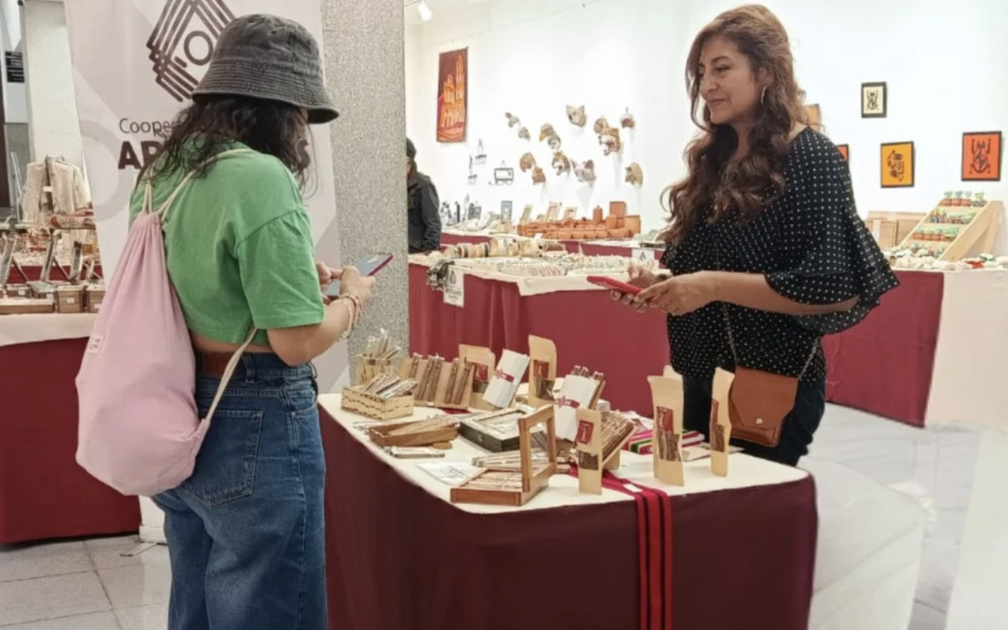
Regional artisan associations gather at the Casa de la Cultura to showcase handcrafted pieces rooted in Salta's traditions. You'll find textiles, ceramics, woodwork, leather…

Ke Personajes brings their energetic blend of tropical cumbia and rock to Salta, with frontman Emanuel Noir's passionate vocals leading the charge. The band…

Psychologist and communicator Sofía Calvo brings her direct, empathetic style back to the stage in this intimate live experience. She blends humor with reflection,…
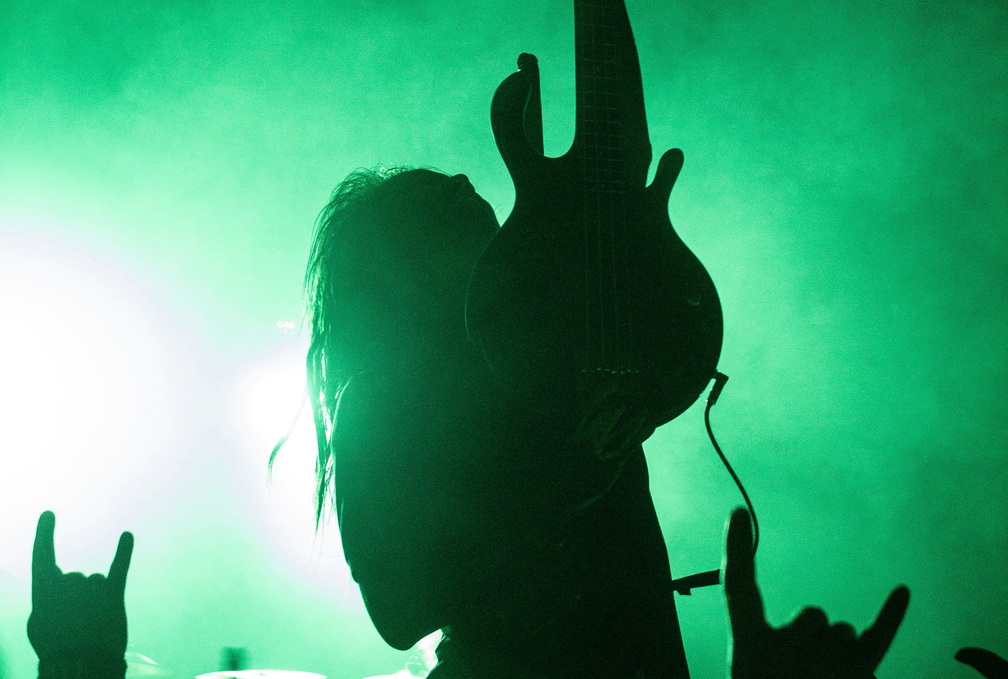
Flema brings their legendary Buenos Aires punk sound to El Teatrino, celebrating 30 years of their influential album Nunca seré policía with a full…
The highest-rated hostels in Salta, straight from Hostelworld. Prices and availability are live on each property page.
April to November is dry and sunny, with warm days and cool nights. December to March is the rainy season, green but stormy, with some roads affected.
Average highs, rounded. Winter nights get cold, especially at altitude.
Per night, for one person, based on Salta prices. Doing things includes a share of day tours.
Prices move with inflation, so treat these as a guide. The Tren a las Nubes costs extra.
The ones we get asked most.

Compare hostels in Salta: live prices, real reviews and free cancellation on most bookings. Then find people to share a road trip with in the app.

 Get the App.




 Get the App.