Centro and San Francisco
First visits, budget, backpackersAround Plaza San Francisco and Calle Sagárnaga, with most hostels, the witches' market and the main sights on your doorstep. Busy and noisy.

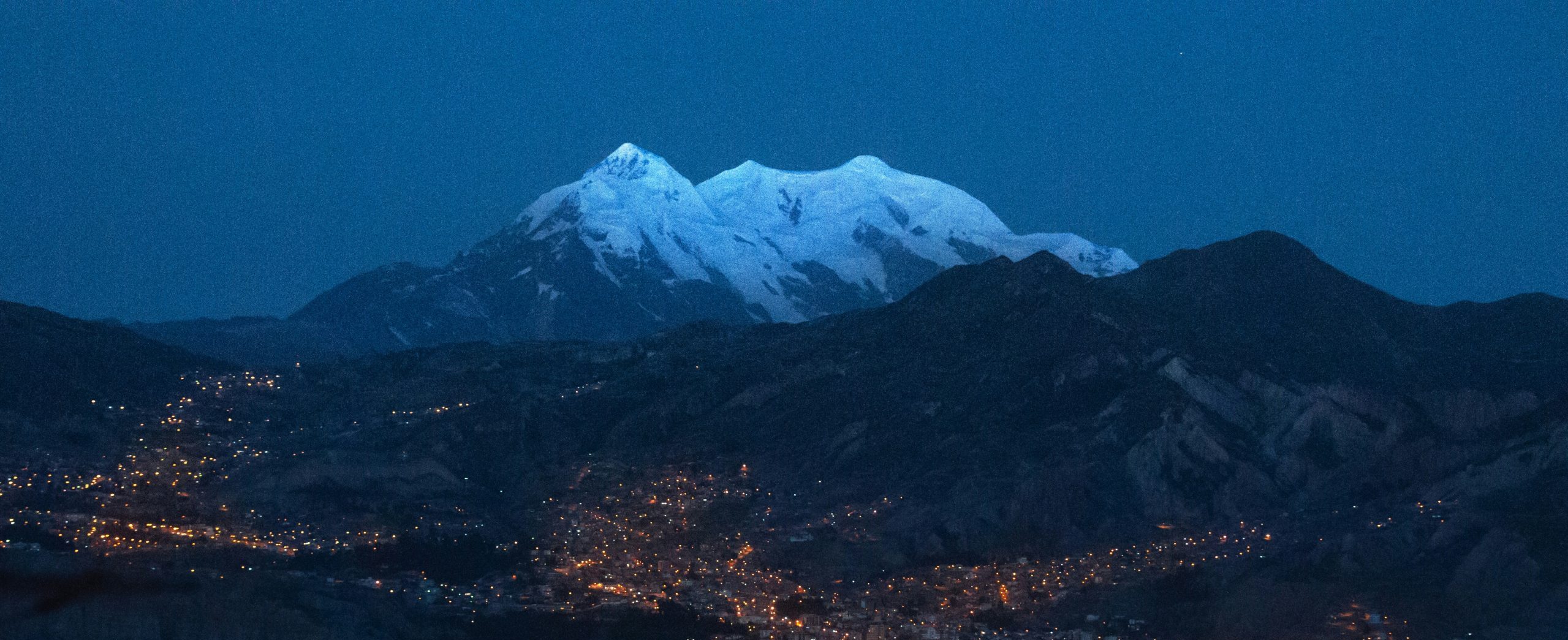
A city poured into a canyon at 3,640 metres, with snow-capped Illimani on the skyline and cable cars for buses. Breathless in every sense, and unlike anywhere else on the continent.
La Paz fills a deep bowl in the altiplano. The city centre sits at the bottom, around 3,640 metres, the brick neighbourhoods climb the slopes on every side, and El Alto spreads across the plateau at the top, more than 4,000 metres up. Linking it all is Mi Teleférico, a network of cable car lines that works as everyday public transport and gives you the best views in the city for the price of a bus ticket.
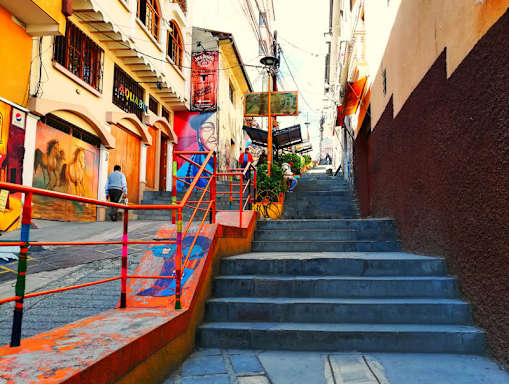
It is a city of markets and contrasts. Aymara women in bowler hats and layered skirts run stalls on steep streets, the witches' market sells dried llama foetuses next to souvenir jumpers, and the leafy, lower-lying Zona Sur has cafés that would not look out of place in any South American capital. Bolivia's government sits here, though Sucre is the constitutional capital.
Take the altitude seriously. Most people feel it on arrival, so plan two easy days before anything strenuous. After that, give La Paz four or five days: enough for the city, the Death Road, Tiwanaku and a day at Lake Titicaca or in the mountains.
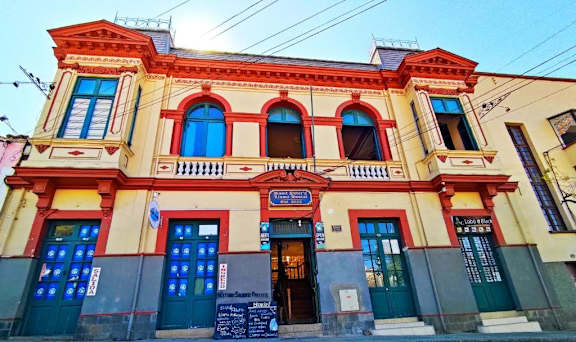
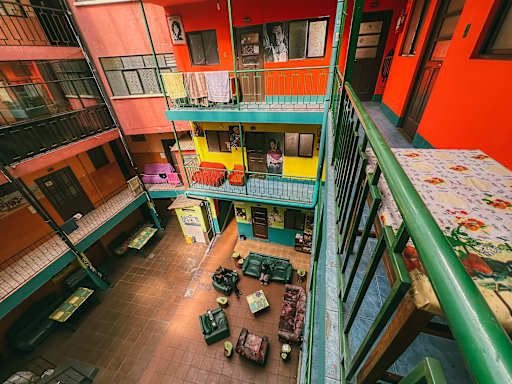
Most hostels are in the centre, around Plaza San Francisco and Calle Sagárnaga. Sopocachi is the calmer, more local alternative, a short walk or taxi away.
Around Plaza San Francisco and Calle Sagárnaga, with most hostels, the witches' market and the main sights on your doorstep. Busy and noisy.
A leafy, bohemian district south of the centre with bars, peñas and some of the city's best restaurants. Calmer than the centre.
A residential district east of the centre around the national stadium, linked by cable car. Few travellers, local prices.
Lower and warmer, with upmarket cafés and shopping around Calacoto. Fewer hostels, but easier on the lungs.
Orange labels are neighbourhoods, dots are the 8 top-rated hostels. Map data from OpenStreetMap contributors.
Ride Mi Teleférico first. The cable car lines climb from the centre to El Alto and drop to the Zona Sur, and a loop of a few lines gives you the whole city in an afternoon. The Red and Yellow lines to El Alto have the most dramatic views, especially at sunset.
In the centre, the witches' market on Calle Linares and the streets around Sagárnaga sell herbs, amulets and offerings for Pachamama alongside alpaca and souvenirs. The San Francisco church, Plaza Murillo with the presidential palace and the colonial Calle Jaén with its small museums are all within walking distance. Valle de la Luna, a maze of eroded clay spires, is a short ride south.
Two things draw people from all over the world: the Death Road, a mountain bike descent of around 64km from 4,650 metres to the edge of the jungle, and the cholitas wrestling in El Alto, staged lucha libre where women in traditional dress throw each other around the ring. Huayna Potosí, at 6,088m, is one of the most accessible high peaks in the world for climbers with a guide.
Walking La Paz is free and exhausting. Plaza Murillo, the cathedral and the colonial buildings of Calle Jaén are best seen on foot, and the streets of the witches' market cost nothing to browse.
Free walking tours leave from the centre most days and are an easy introduction to the city's history, politics and markets, tip included. The viewpoints are free too: Killi Killi in the east gives you the whole city with Illimani behind, and the Parque Urbano Central is a green escape in the middle of town.
On Thursdays and Sundays, the 16 de Julio market in El Alto is one of the largest street markets in South America, and wandering it costs only the cable car ride up.
The day starts with a salteña, a baked pastry filled with a soupy stew of meat, potato and olives, eaten mid-morning and best nibbled from the top so the juice stays inside. Api, a hot purple corn drink, with a buñuelo or a pastel is the cold-morning alternative.
Lunch is the main meal, and the almuerzo, a set menu of soup, a main and a drink, costs a few euros in local restaurants and markets. The Mercado Lanza and Mercado Rodríguez are good for cheap meals among locals. Try chairo, a hearty altiplano soup, sajta de pollo and anticuchos, grilled heart skewers sold from street stalls at night.
La Paz also has a growing modern food scene built on Bolivian ingredients, led by restaurants in Sopocachi and the Zona Sur. Drink coca tea for the altitude, singani in a chuflay for the evening, and take it easy on alcohol for your first few days.
La Paz has the best nightlife in Bolivia, though the altitude changes the rules: alcohol hits harder at 3,640 metres and hangovers are worse, so pace yourself, especially in your first days.
Sopocachi is the bohemian district, with bars, live music and peñas where folk bands play, and it is where locals go out. The party hostels in the centre run their own bars and big nights, and are the easy starting point if you are travelling solo.
For something different, catch a peña for Andean music and dance, or go to the cholitas wrestling in El Alto for an afternoon of lucha libre before a night out. Prices are low, with a beer for a euro or two.
Mi Teleférico is the best way around: cable car lines connect the centre with El Alto, Sopocachi, Miraflores and the Zona Sur, rides cost a few bolivianos, and you skip the traffic entirely. Minibuses and trufis cover the rest, with destinations painted on the windscreen, and are very cheap once you get the hang of them.
Use radio taxis or ride-hailing apps rather than hailing cars in the street, especially at night. El Alto airport sits on the plateau above the city, around 30 to 40 minutes from the centre by taxi or airport minibus.
The main bus terminal is a short walk north of the centre, with buses to Sucre, Uyuni, Potosí, Cochabamba and Copacabana. Buses to Copacabana and Tiwanaku also leave from the cemetery area. Road blockades can close routes at short notice, so check before long journeys.
La Paz is one of the cheapest capitals in South America. Dorm beds start around €7 and the well-rated hostels sit around €9 to €14. An almuerzo costs a few euros, a salteña less than one, and a cable car ride a fraction of that.
The big extras are the adventures. The Death Road with a reliable operator costs around €60 to €100, a guided climb of Huayna Potosí several times that, and day trips to Tiwanaku or Chacaltaya fall somewhere in between.
Bolivia went through a currency crisis, and in July 2026 the exchange rate was reformed, with a parallel market still running alongside it. Rates and the best way to pay can change quickly, so check current advice before you travel, carry cash in small notes, and keep some euros or dollars as a backup.
Altitude is the first risk. Take two easy days on arrival, drink plenty of water and coca tea, skip alcohol at first and see a doctor if headaches or breathlessness get worse.
Crime is mostly opportunistic: bag snatching and pickpockets in markets, crowded minibuses and the bus terminal. The fake police scam is the one to know, where someone claiming to be an officer asks to see your passport or search your bag; real police do not do this in the street. Express kidnappings have targeted people in unlicensed taxis, so always use radio taxis or apps.
Protests and blockades are a regular part of life in La Paz and can close roads and parts of the centre around Plaza Murillo. Avoid them rather than watching. In an emergency, call 110 for police or 118 for an ambulance.
Ruins, mountains and the world's most famous bike ride, all within a few hours.
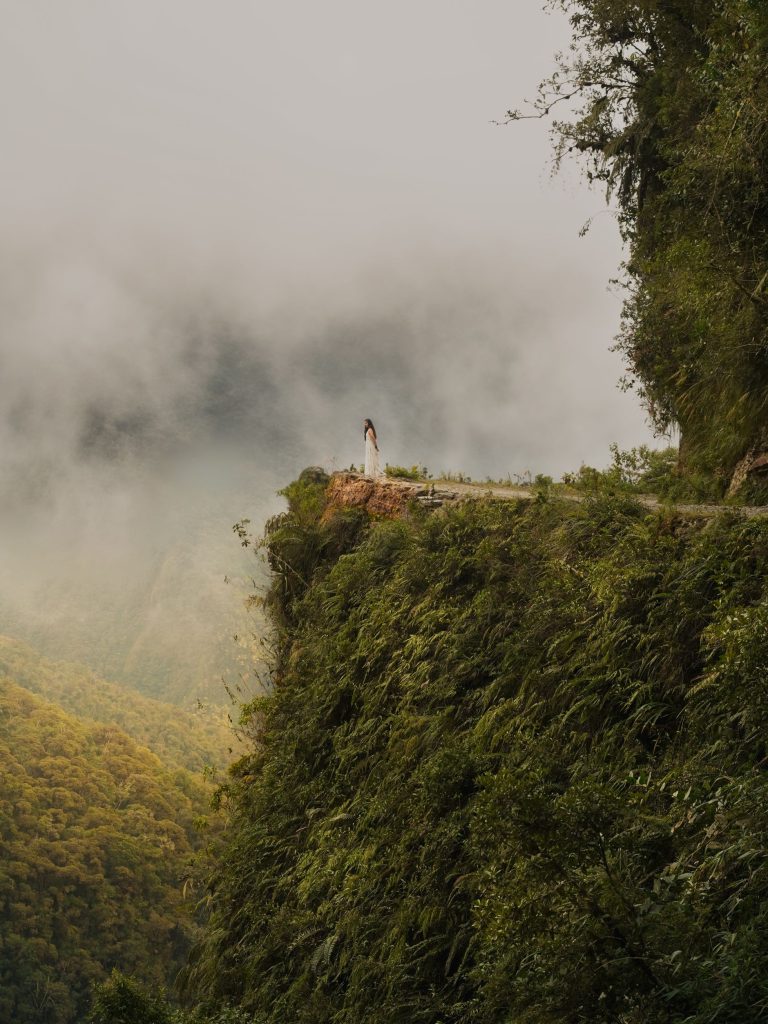
A 64km bike descent from 4,650m to the edge of the Yungas jungle.
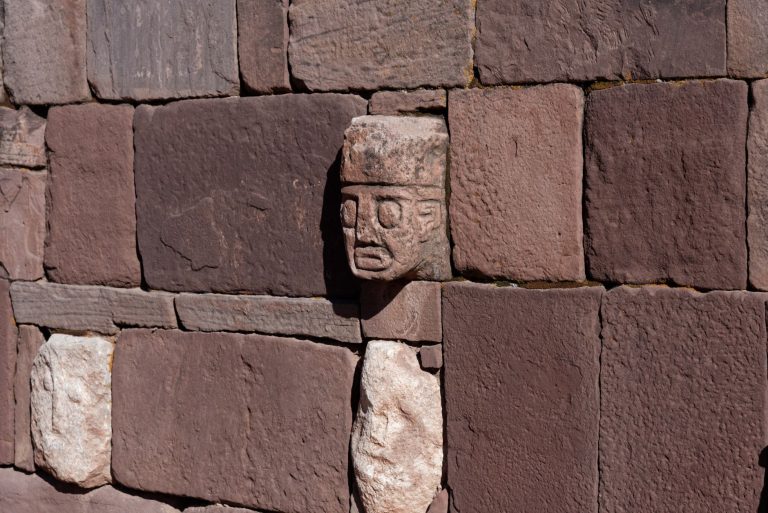
Ruins of a pre-Inca civilisation, with stone gateways and a museum.
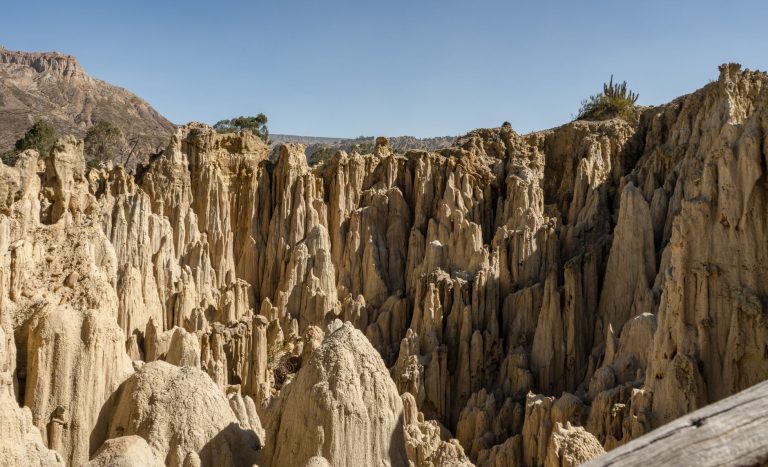
A former ski slope above 5,000m with views of the Cordillera Real, then eroded clay spires near the city.
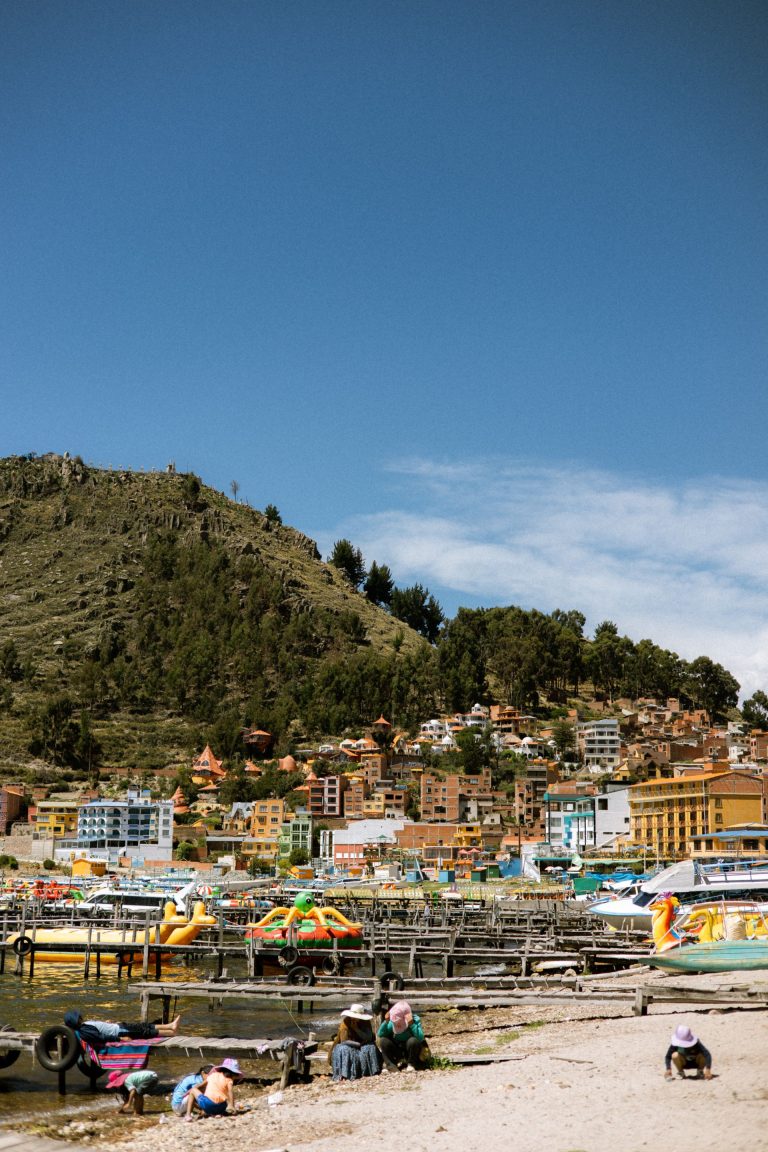
The lake town and Isla del Sol. Better as an overnight trip.
La Paz has a packed calendar of festivals, parades and Andean celebrations.

Reggaeton stars Blessd and Wisin are sharing the stage in La Paz for Pura Vibra Festival at Hernando Siles Stadium, Bolivia's largest stadium with…

Camila brings their beloved Latin pop sound to La Paz's open-air theater for a November concert. The Mexican trio, known for romantic ballads that…

Carlos Ballarta presents Naco Ladino, a show packed with intelligent and irreverent humor. The performance delivers sharp truths told in a unique style only…

The KEN-Y Enamorado concert has been rescheduled to October 17, 2026, due to the country's situation. Tickets purchased for the original date remain valid…

Los Prisioneros, one of Latin rock's most influential bands, headlines this major rock gathering in La Paz. The Chilean legends will bring their generation-defining…
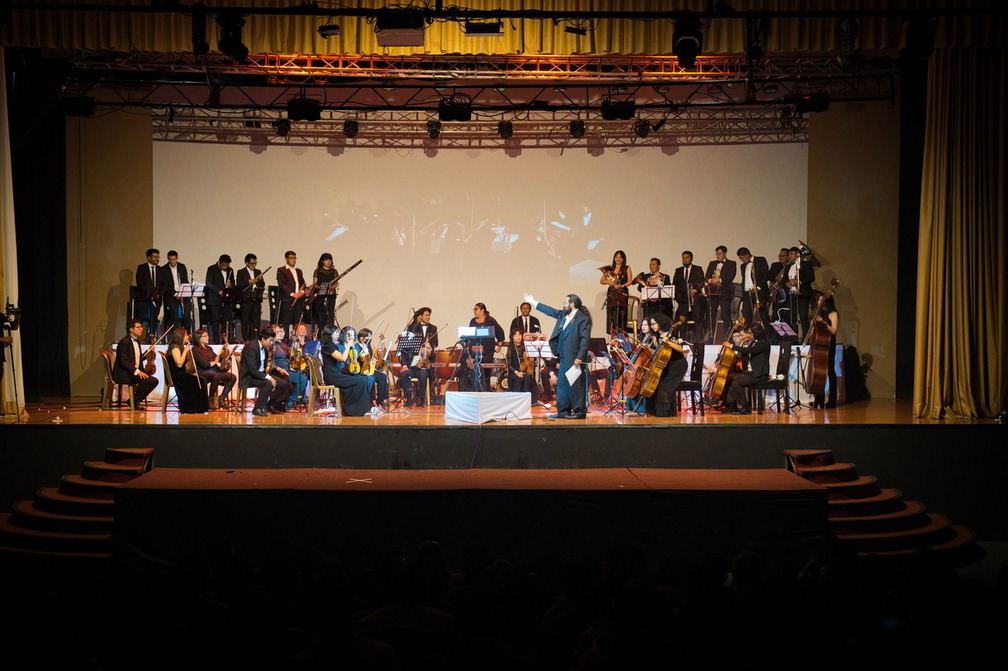
Experience a special Halloween-themed symphonic concert with Sinfónica Chuquiago. The event takes place at Campo Ferial Chuquiago Marka, offering a variety of seating options…

Ricardo Montaner brings his beloved romantic ballads to La Paz, and demand for this concert is already running high. The Venezuelan-Argentine singer has built…

Chukuta Challenge 2026 invites you to experience the spirit of La Paz through a unique running event. The race offers 5km and 10km distances,…
The highest-rated hostels in La Paz, straight from Hostelworld. Prices and availability are live on each property page.

May to October is the dry season, with clear blue skies and freezing nights. November to March is wetter, with afternoon rain, but greener and quieter.
Average highs, rounded. Temperatures barely change through the year at this altitude, but nights near freezing are the norm from May to August.
Per night, for one person, based on La Paz prices.
Treat these as a guide, as prices and exchange rates have moved a lot. The Death Road and mountain climbs cost extra.
The ones we get asked most.

Compare hostels across La Paz: live prices, real reviews and free cancellation on most bookings. Then meet the people already there in the app.

 Get the App.



 Get the App.