Getsemaní
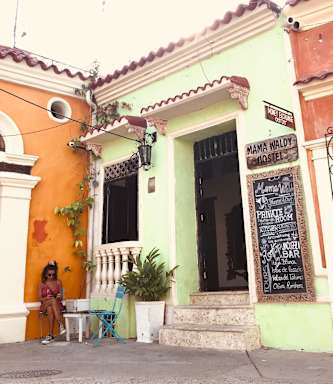
Backpackers, nightlife, budgetThe barrio just outside the walls, with street art, most of the hostels, cheap food and the Plaza de la Trinidad at night.

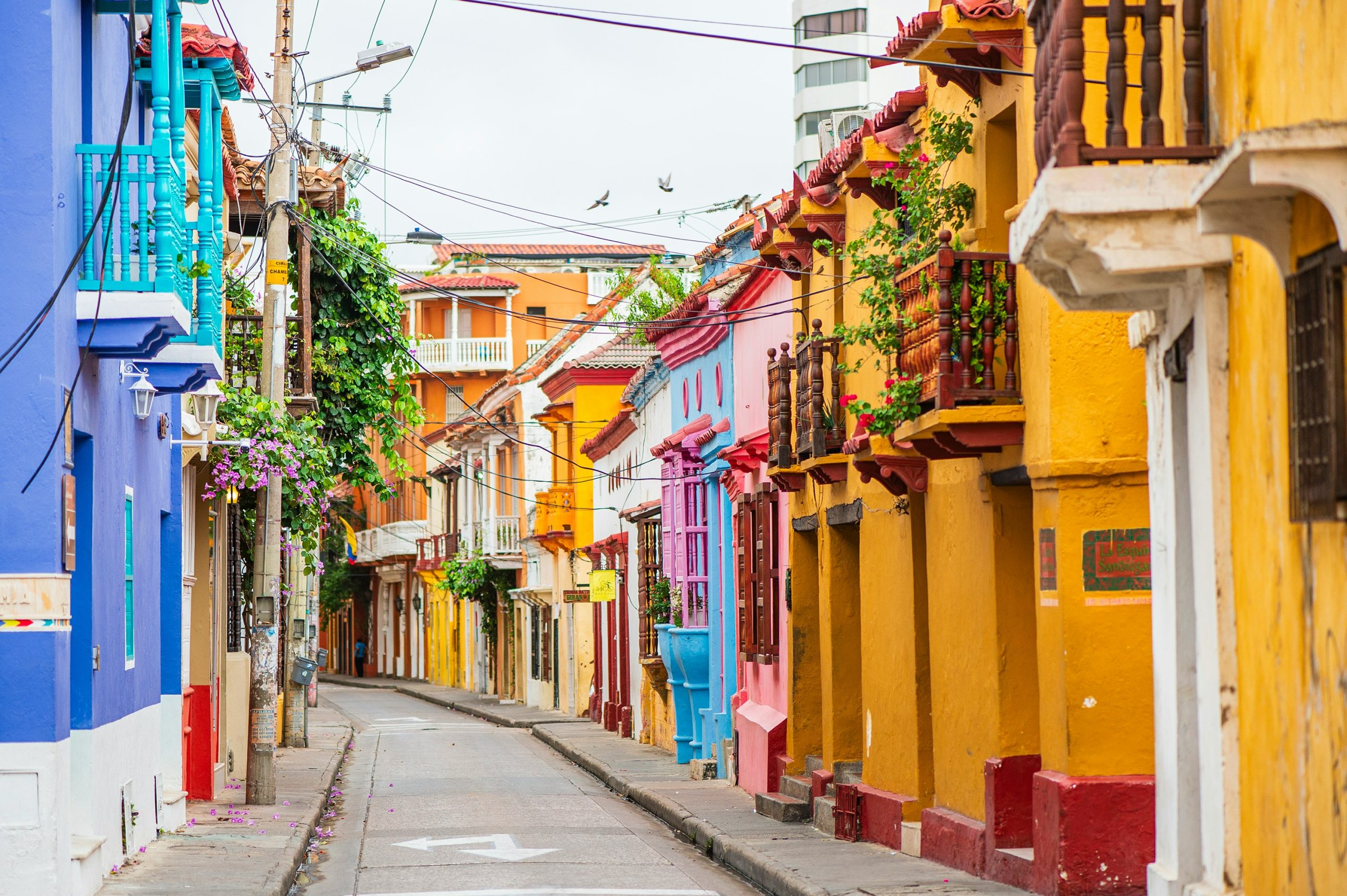
A walled Caribbean city of colonial balconies, bougainvillea and heat, with island beaches offshore and the best street life on the coast. Beautiful, busy and priced for it.
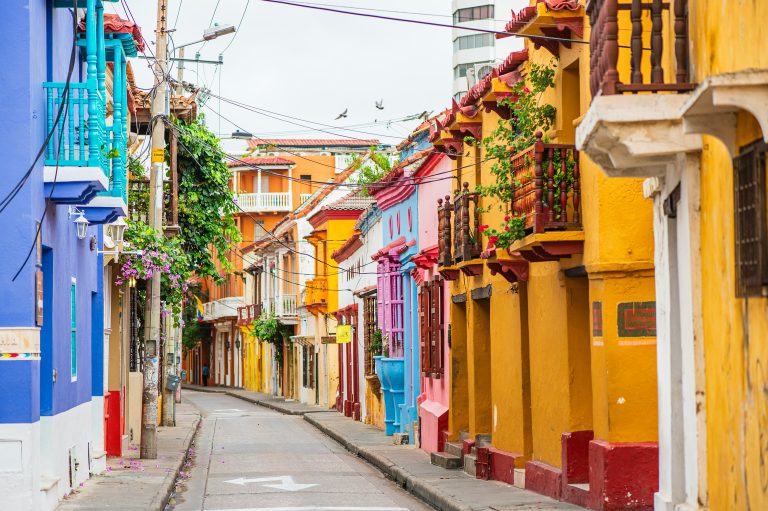
Cartagena de Indias was one of the most important ports of the Spanish empire, and the walls built to protect it from pirates still surround the old town. Inside, the streets are lined with colonial houses painted in bright colours, wooden balconies covered in flowers, churches and shady plazas. The old town and its fortifications are a UNESCO World Heritage Site.
Just outside the walls, Getsemaní was once a working-class barrio and is now the backpacker heart of the city, with street art, hostels, cheap food and the busiest square at night, the Plaza de la Trinidad. Bocagrande, the peninsula of high-rise hotels to the south, has the city beaches, but most people take a boat to the islands for better sand and clearer water.
Give Cartagena three or four days: two for the old town, the castle and Getsemaní, one for the Rosario Islands or Playa Blanca, and one for the mud volcano or the town of San Basilio de Palenque. It is hot and humid all year, so explore early and late, and rest in the middle of the day.
Getsemaní has the hostels and the best atmosphere. The walled Centro and San Diego are beautiful but pricier, and Bocagrande is for the beach and high-rise hotels.
The barrio just outside the walls, with street art, most of the hostels, cheap food and the Plaza de la Trinidad at night.
The walled old town, with colonial streets, plazas and balconies. Beautiful, busy and expensive.
The northern part of the walled city, a little calmer, with small plazas and boutique stays.
A peninsula of hotels and apartments with the city beaches. Convenient for the sea, short on character.
Orange labels are neighbourhoods, dots are the 12 top-rated hostels. Map data from OpenStreetMap contributors.
Walk the walled city early in the morning, before the heat. The Plaza de Santo Domingo has Botero's reclining woman, the Torre del Reloj is the main gateway, and the Palacio de la Inquisición tells the darker side of colonial history. Walk along the top of the walls at sunset, when the whole city comes out.
The Castillo de San Felipe de Barajas, on a hill just outside the old town, is the biggest Spanish fortress in the Americas, with tunnels you can explore. In Getsemaní, the street art and the evening crowds in the Plaza de la Trinidad are the highlights, and the Cerro de la Popa monastery gives views across the whole city.
For beaches, take a boat to the Rosario Islands, a national park of coral islands about an hour away, or go to Playa Blanca on Barú, which is beautiful but crowded with vendors. The Totumo mud volcano, about an hour away, lets you float in warm mud and wash off in a lagoon.
Walking the old town and the walls costs nothing, and the plazas, churches from outside and colourful streets are the main attraction. Free walking tours leave from the old town most days; tip the guide.
Getsemaní's street art and the evening atmosphere in the Plaza de la Trinidad are free, with street performers and food stalls.
The city beaches in Bocagrande are free, though not the best on the coast, and watching the sunset from the walls is the best free thing to do in Cartagena.
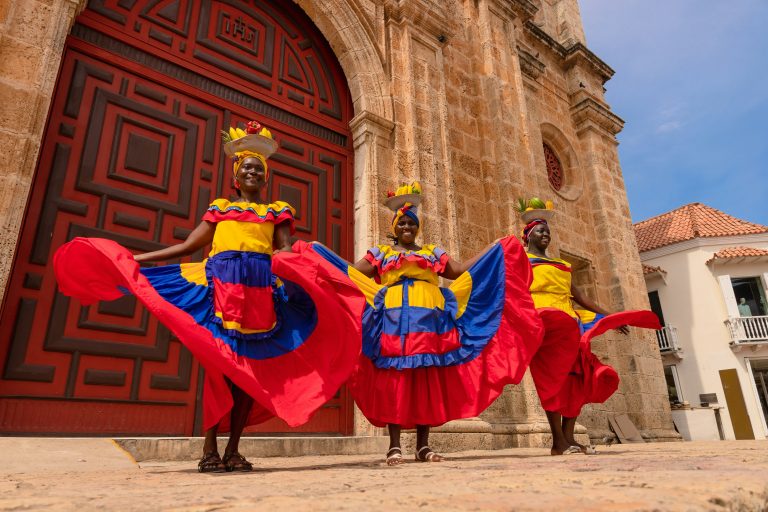
Caribbean food is built on fish, coconut and plantain. Try fried fish with coconut rice and patacones, ceviche from street carts, and arepas de huevo, fried corn arepas with an egg inside, at breakfast. The palenqueras, women in colourful dresses from San Basilio de Palenque, sell sweets made with coconut and tropical fruit.
The old town has some of the most expensive restaurants in Colombia. For cheaper food, eat in Getsemaní, where street stalls in the Plaza de la Trinidad and local restaurants serve menús del día at a fraction of the price.
Fresh juices, limonada de coco and cold beer are the way to beat the heat.
Getsemaní is the centre of backpacker nightlife, with salsa bars, hostel bars and crowds in the Plaza de la Trinidad. Café Havana is the most famous salsa bar in the city, with live bands and a packed dance floor.
In the old town, rooftop bars have views over the domes and the sea, and the walls are a popular place for a drink at sunset. Chivas, party buses with live music, tour the city at night.
Nights go late and the city is busy until early morning. Be careful with offers of drugs and with strangers, and use ride apps or official taxis.
The old town, Getsemaní and San Diego are all walkable. Taxis are cheap but often do not use meters, so agree the price before getting in, or use ride apps. The TransCaribe bus system covers the main roads.
Rafael Núñez airport is just a few kilometres from the old town, around 15 minutes by taxi. There are direct flights from Bogotá, Medellín and some international cities.
Boats to the Rosario Islands leave from the Muelle de la Bodeguita in the morning. Buses go to Santa Marta in around four or five hours, and shuttle vans are quicker.
Cartagena is the most expensive city in Colombia, roughly double the rest of the country. Dorm beds start around €12, with the well-rated ones in Getsemaní more like €15 to €25.
Eat in Getsemaní and at street stalls to save, and avoid the old town restaurants if you are on a budget. Island trips are the main extra, and prices vary a lot, so compare.
Beach vendors and street sellers will charge tourist prices. Always agree the price before you accept anything, including massages, drinks or a plate of fish on the beach.
The tourist areas of Cartagena are generally safe, with a heavy police presence, but petty theft happens. Keep your phone hidden and your bag close, especially at night and on the beaches.
The biggest annoyance is the hustling. Vendors, touts and beach sellers are persistent, and some use tricks like putting a bracelet on your wrist or giving a massage and then demanding payment. Say no firmly and agree any price in advance.
You will be offered drugs, especially in Getsemaní. Say no: set-ups by sellers working with fake or corrupt police are reported, and drug and sex tourism are illegal and harmful. Never leave your drink unattended. In an emergency, call 123.
Literature, film and the November independence celebrations.
 Staff pick
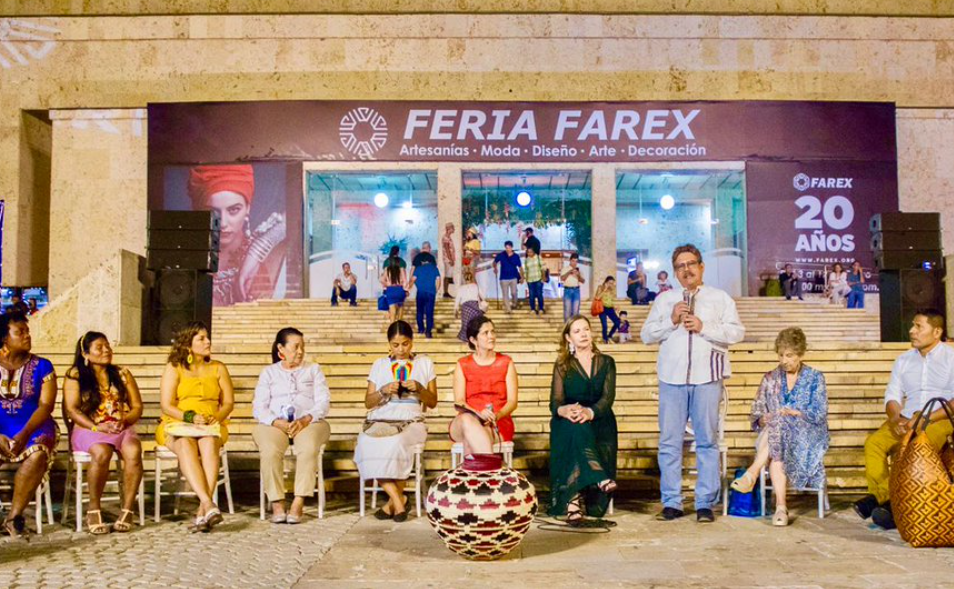
FAREX in Cartagena de Indias brings together 250 carefully selected exhibitors, showcasing the finest in Colombian and international creative arts, crafts, and design. Visitors…
 Staff pick
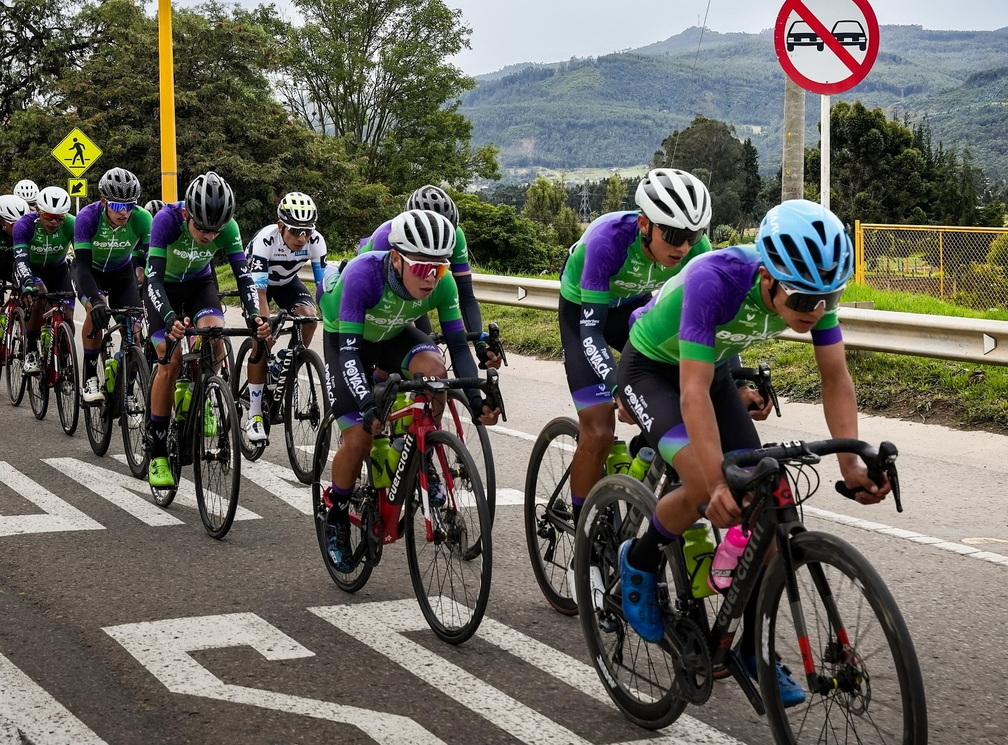
Gran Fondo Nairo Fest brings together cycling enthusiasts and sports lovers in Cartagena, Colombia, for a dynamic festival led by renowned cyclist Nairo Quintana.…
 Staff pick
Cartagena Independence Day in Cartagena, Colombia, is a lively celebration honoring the city’s historic break from Spanish rule. The festivities fill the Centro Histórico…
 Staff pick
Buena Vida Beach Festival in Punta Canoa, Cartagena, is the Caribbean’s premier electronic music celebration, drawing attendees from 12 countries. Since its founding in…
 Staff pick
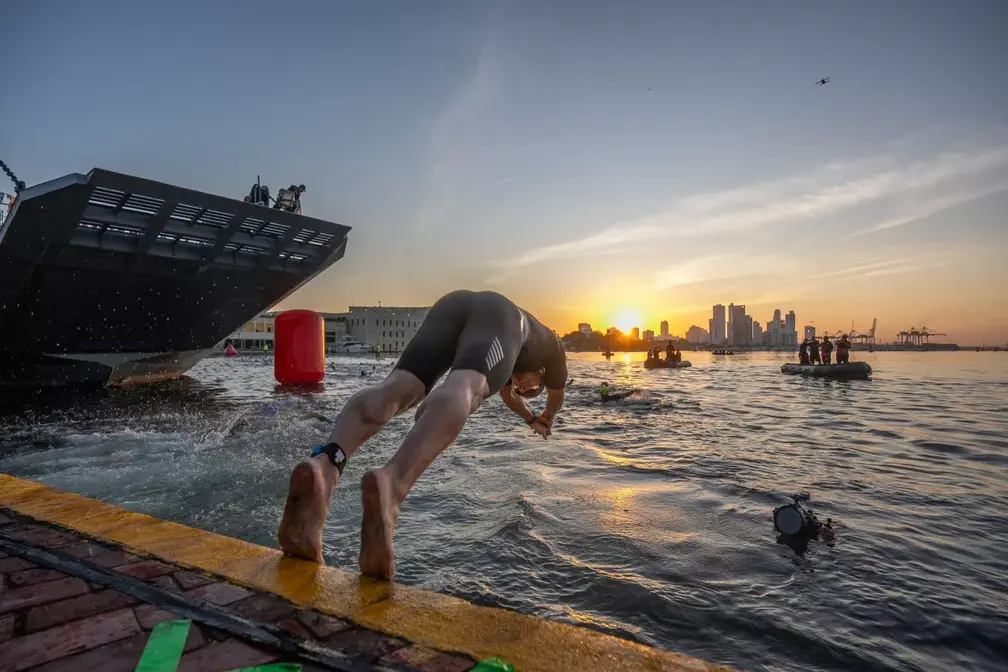
IRONMAN 70.3 Cartagena invites athletes to test their limits in the heart of Cartagena, Colombia, surrounded by the beauty of the Caribbean coast. Participants…
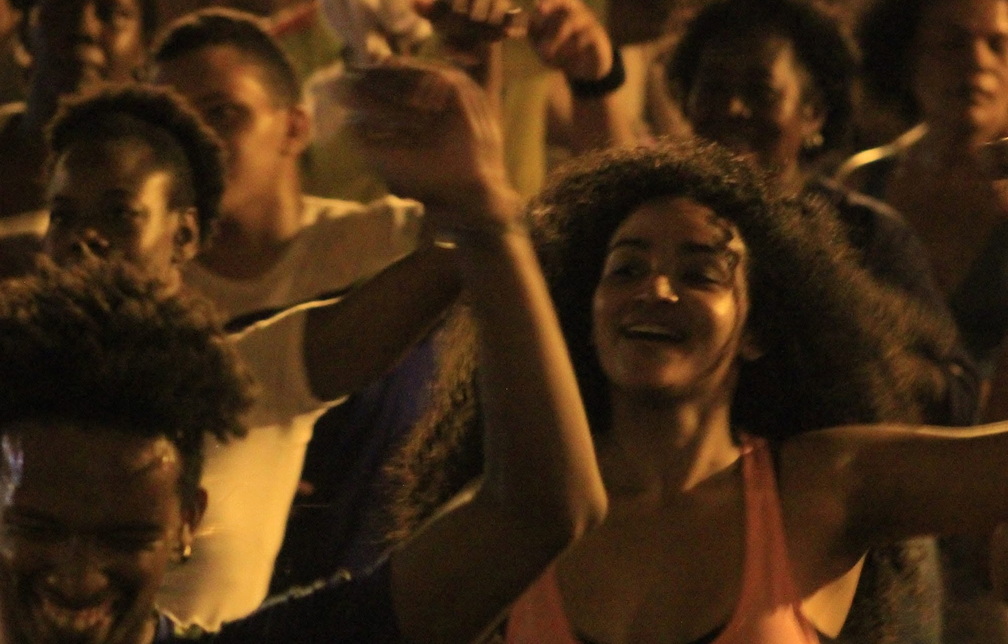
Every Sunday night, Plaza Trinidad fills with an open-air Zumba session that draws the whole neighborhood — kids with impressive coordination, locals of all…

Quiebra-Canto draws locals and visitors alike to its Centro Histórico location for weekly salsa dancing in one of Cartagena's cultural hotspots. The evening runs…
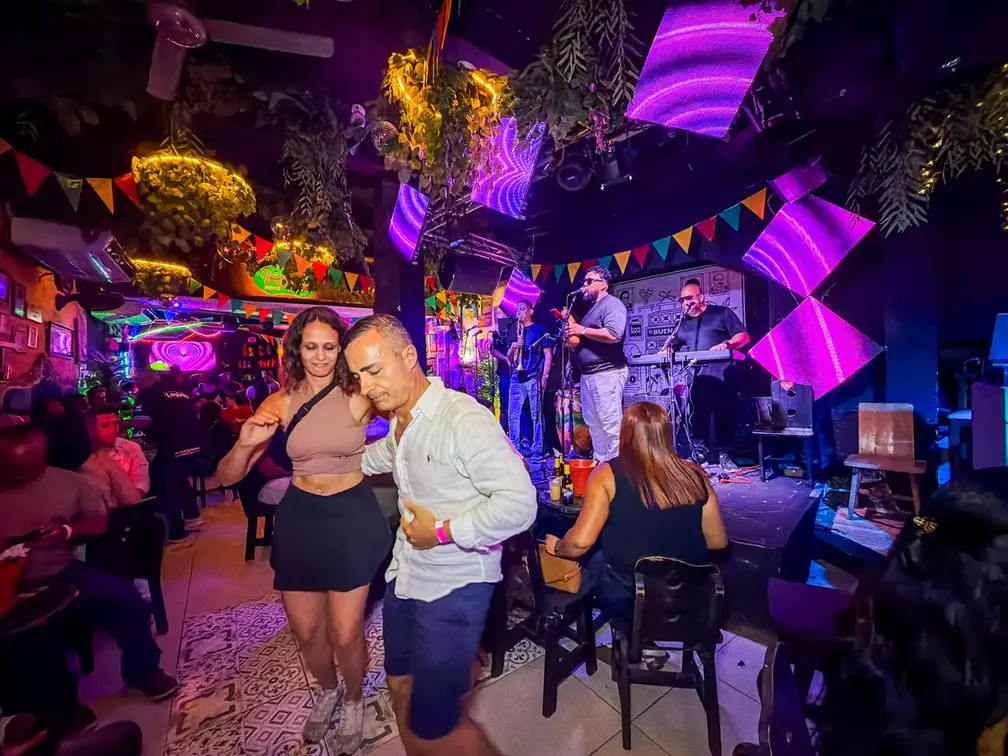
Vuelta Bajero hosts weekly salsa nights every Friday and Saturday, drawing dedicated dancers and curious visitors into Cartagena's salsero culture. The venue rotates between…
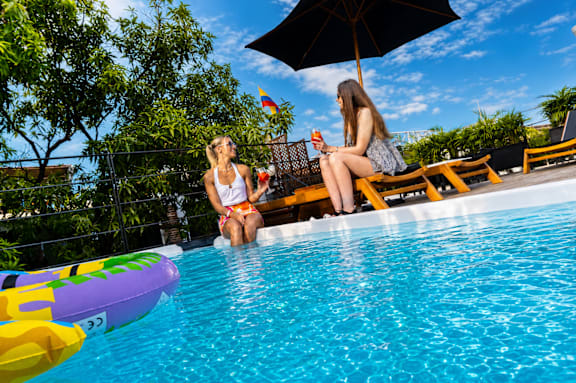
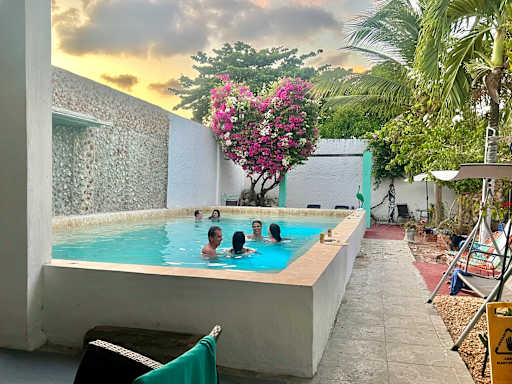
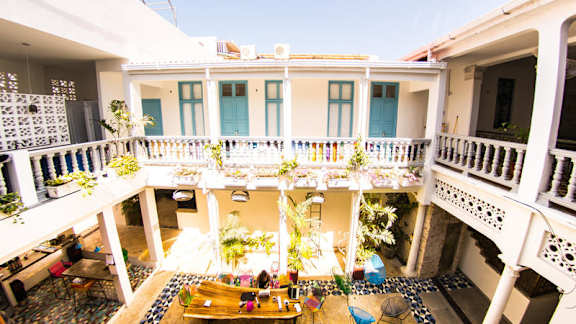
The highest-rated hostels in Cartagena, straight from Hostelworld. Prices and availability are live on each property page.
 Sustainable
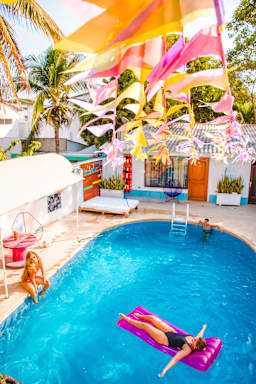

Cartagena is hot all year. December to April is the dry season, with a sea breeze. September to November is the rainiest. Late December and January are the busiest and most expensive.
Average highs, rounded. It feels hotter with the humidity.
Per night, for one person, based on Cartagena prices.
Treat these as a guide. Island trips and old-town restaurants cost extra.
The ones we get asked most.

Compare hostels in Cartagena: live prices, real reviews and free cancellation on most bookings. Then meet the people already there in the app.

 Get the App.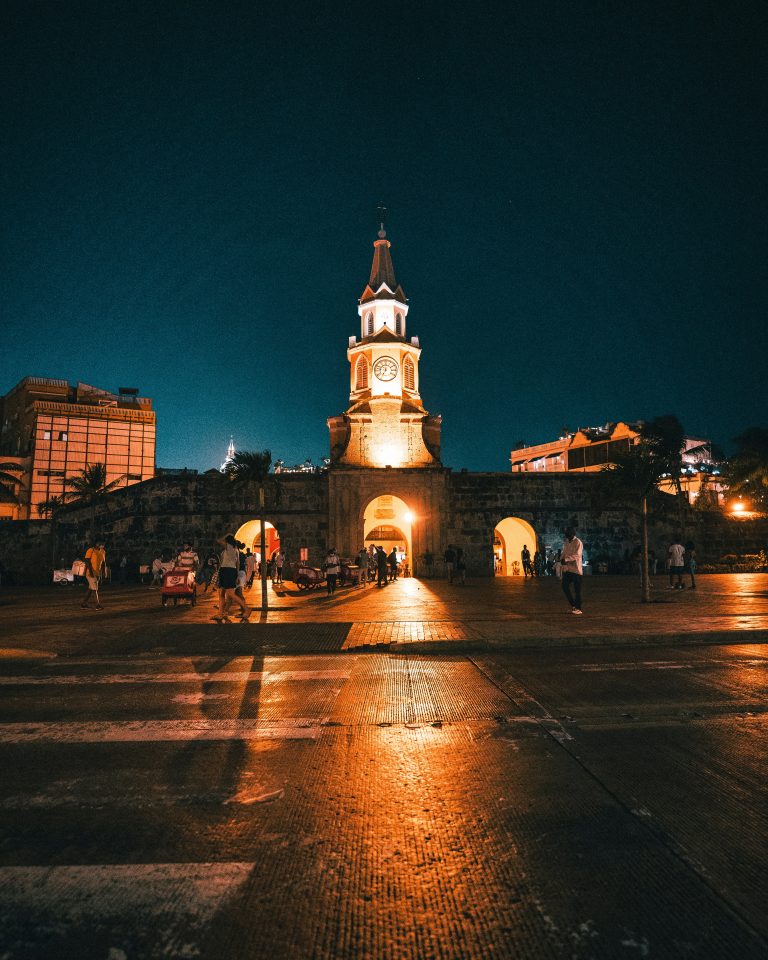




 Get the App.