Uruguay
Uruguay country guide

Things to do in Uruguay

The quietest country in South America: 660km of Atlantic coast, a capital with no rush in it, and the most progressive laws on the continent. Small, safe and easy.

€16
Dorm bed, from
660km
Of coastline
3.4m
People, and 12m cattle
€8
A parrilla lunch

Small, calm and quietly different

Uruguay is the second smallest country in South America and behaves nothing like its neighbours. It is stable, safe, secular and socially liberal — the first country in the world to legalise cannabis nationally — and it has a pace that people either find restful or dull within three days.

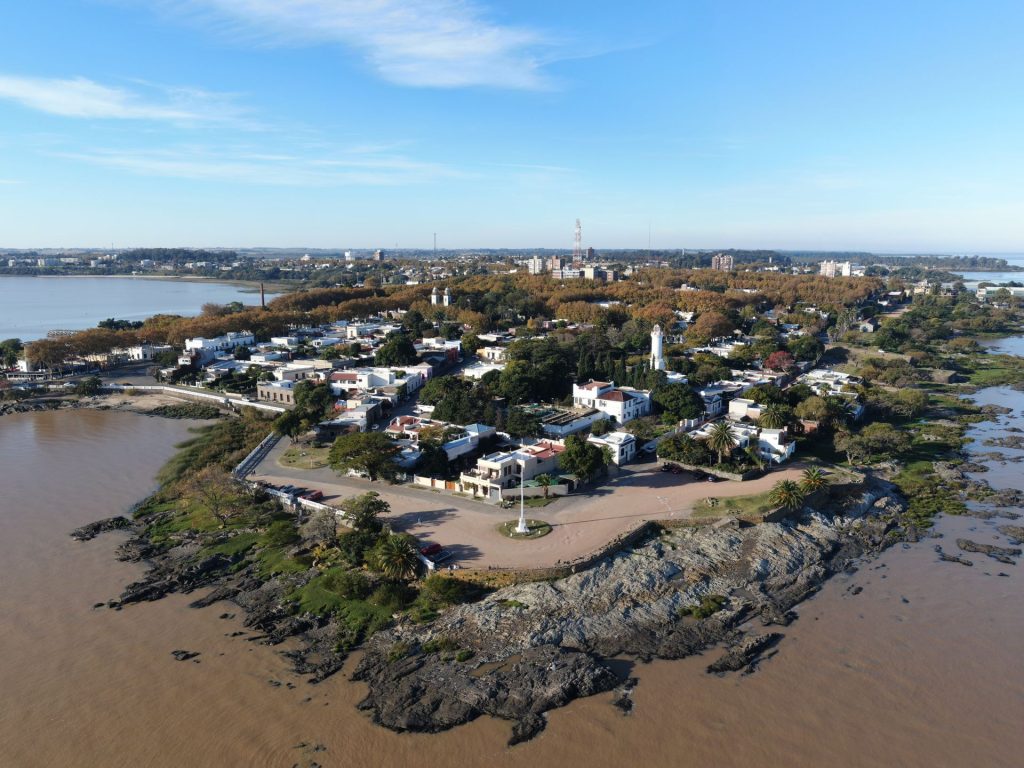
Montevideo is a low-key capital with a long riverfront promenade, a covered market of parrilla grills, and a tango tradition it shares with Buenos Aires. Colonia del Sacramento, an hour by ferry from Argentina, is a cobbled Portuguese smuggling port and a UNESCO site.

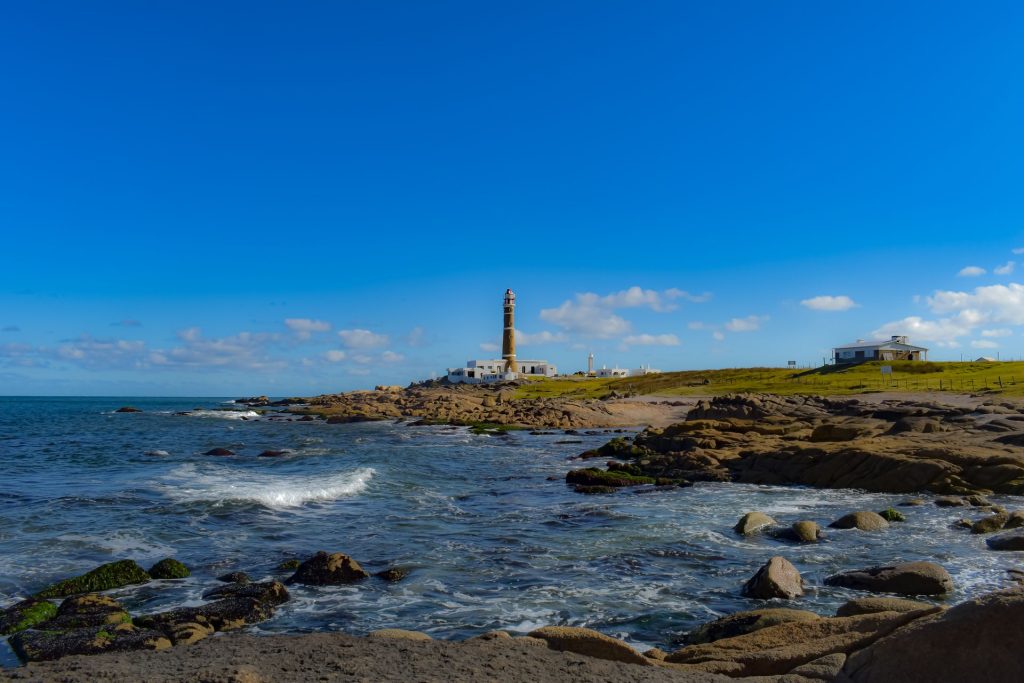
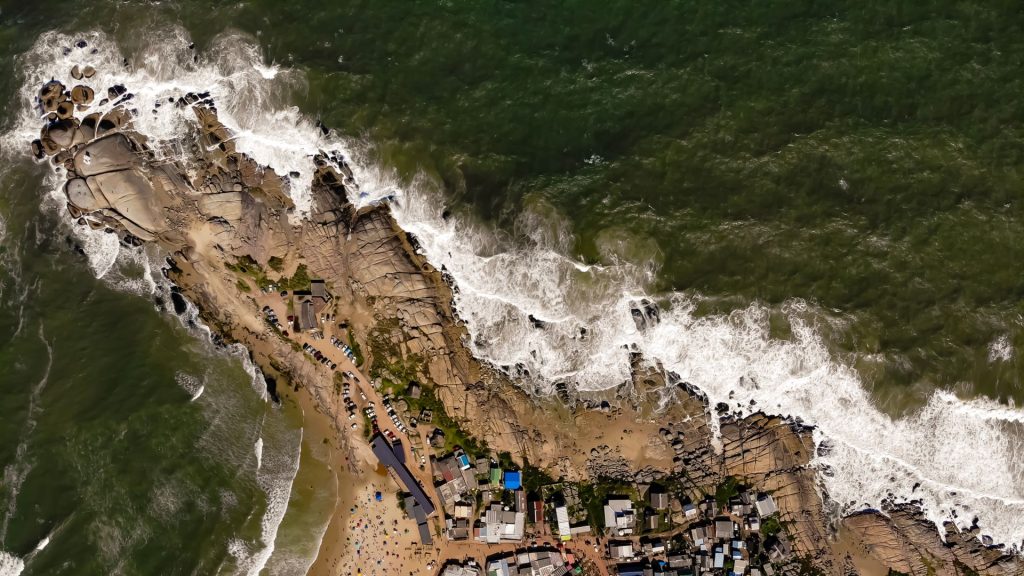
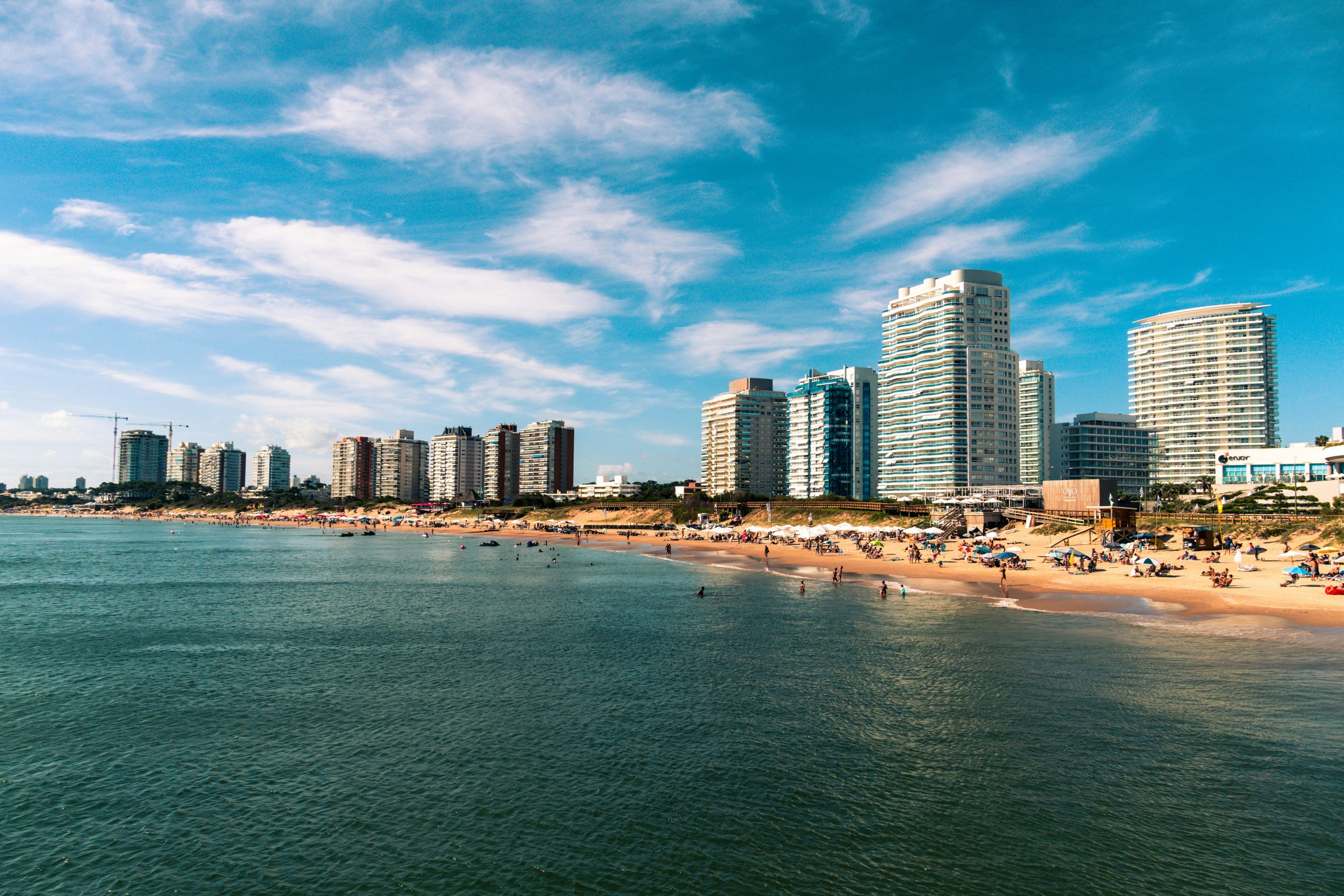
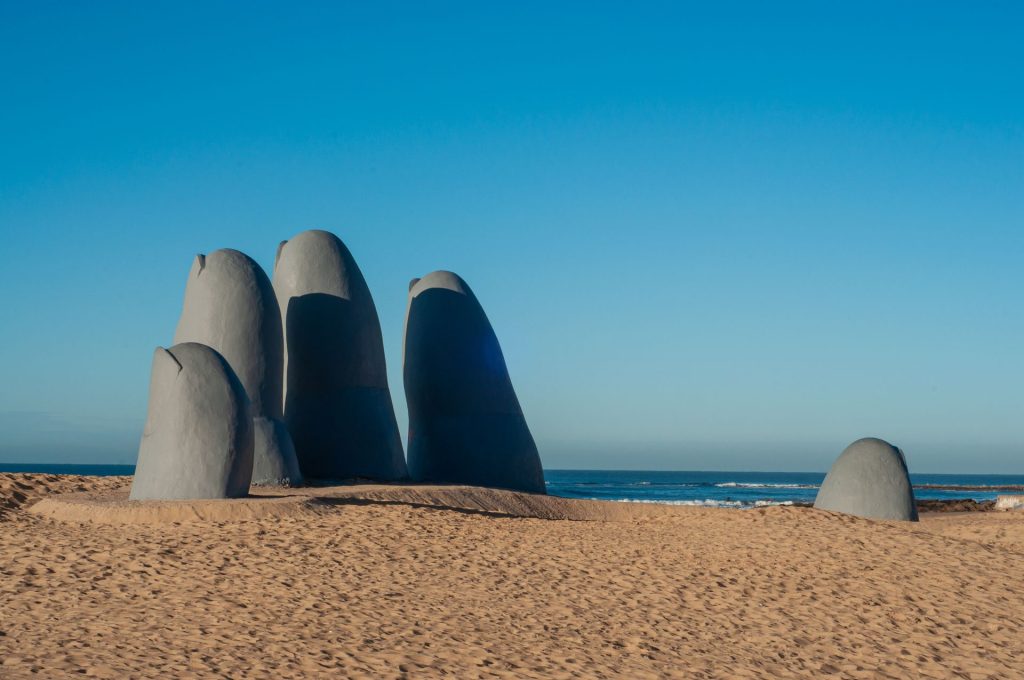
The coast is the reason to stay. Punta del Este is the glossy end, Cabo Polonio has no roads or mains electricity and is reached by dune truck, and Punta del Diablo is a fishing village turned surf town. Everything east of Montevideo is best in January and asleep the rest of the year.

A week covers it comfortably.

Where to go

The country is small and buses cover it well. Nothing is more than five hours from Montevideo.

Montevideo

Montevideo

13 hostels · dorms from €12

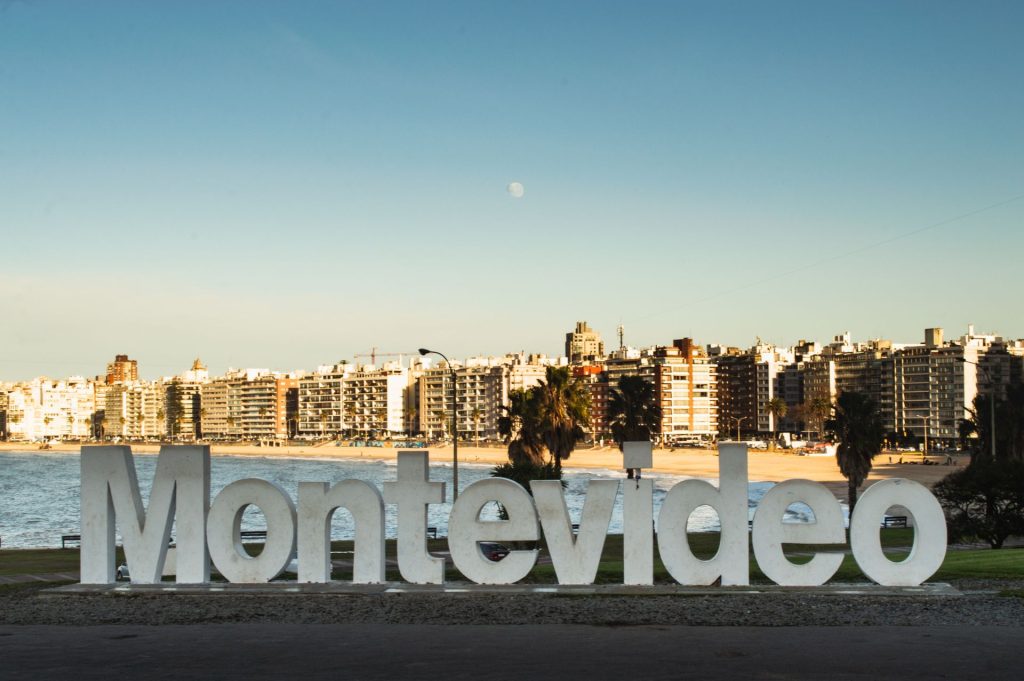
The capital: a riverfront promenade, the Mercado del Puerto grills, and no hurry anywhere.

From the rambla to the old city, I enjoyed Uruguay and Montevideo. Lots of museums and historic sites and statues. The food is somewhat basic, but good. I enjoyed the Tannat wine and the plethora of breweries around the city.

A traveller, on Hostelworld
The Montevideo guide
Punta del Este

Punta del Este

10 hostels · dorms from €7

The glossy beach resort, packed in January and near-empty the rest of the year.

The Punta del Este guide
Colonia del Sacramento

Colonia del Sacramento

3 hostels · dorms from €14

A cobbled Portuguese port on the river, UNESCO-listed, an hour from Buenos Aires by ferry.

The Colonia del Sacramento guide
Cabo Polonio

Cabo Polonio

3 hostels · dorms from €10

No roads, no mains electricity, reached by dune truck. Sea lions and stars.

The Cabo Polonio guide
Punta del Diablo

Punta del Diablo

3 hostels · dorms from €9

A fishing village turned surf and backpacker town near the Brazilian border.

The Punta del Diablo guide

What kind of trip is this?

Uruguay is a beach and small-city country, and it does calm better than it does spectacle.

Beach in Uruguay

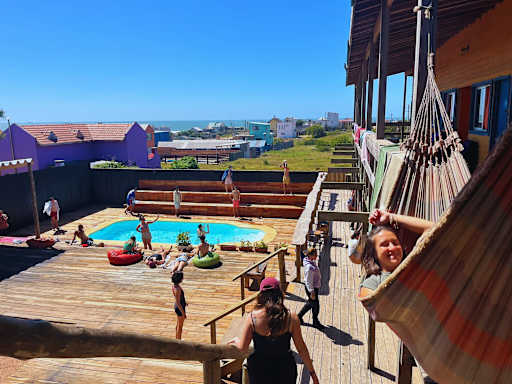
Six hundred kilometres of Atlantic, busy for six weeks a year.

What to do

  • Cabo Polonio by dune truck
  • Surf at Punta del Diablo
  • A January day in Punta del Este

Spots to visit

  • Cabo Polonio
  • Punta del Diablo
  • José Ignacio

Best cities for it

Things to do

Things to do in Uruguay

Montevideo is a walking city. The Rambla runs more than twenty kilometres along the water and is where the whole city goes at sunset with a flask of mate. The Mercado del Puerto is a covered market of parrilla grills where lunch is a slab of beef and a glass of medio y medio.

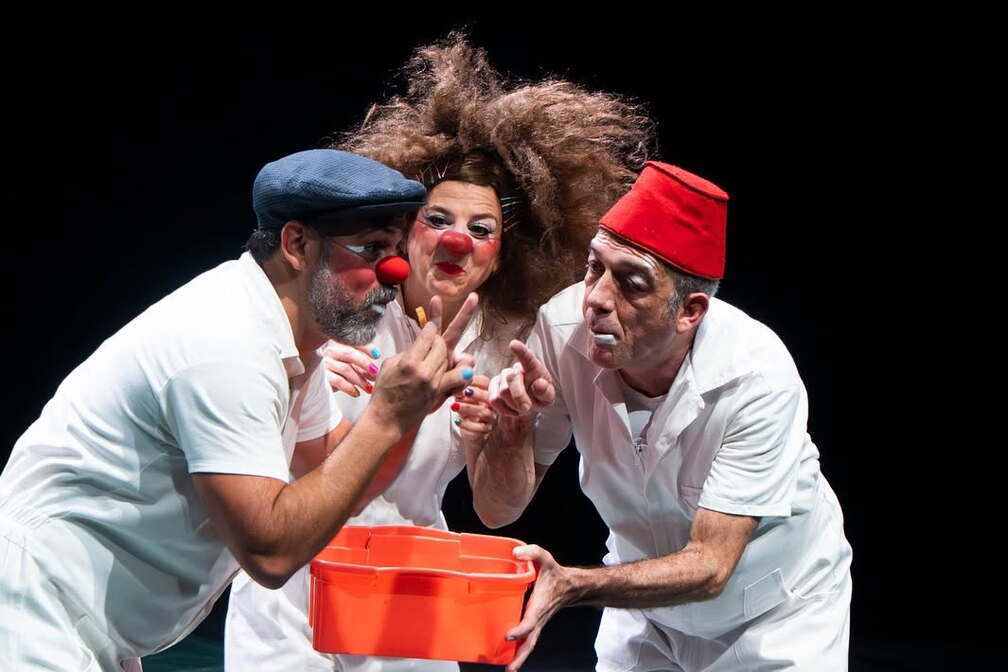
Candombe, the Afro-Uruguayan drumming tradition, spills into the streets of Barrio Sur and Palermo on Sunday evenings as rehearsal for Carnival — which at forty days is the longest in the world.

On the coast, Cabo Polonio is the standout: a village in the dunes with no road access, reached by a truck across the sand, with no mains electricity, a sea lion colony and some of the darkest skies in the country. Colonia del Sacramento is an easy day from Montevideo or a stop on the ferry from Buenos Aires.

Food and drink

Eating in Uruguay

Uruguay eats more beef per person than almost anywhere and the parrilla is the format. An asado is the social version, a parrillada the restaurant one, and lunch at the Mercado del Puerto is the classic.

The chivito is the national sandwich and it is enormous: steak, ham, cheese, bacon, egg, olives and salad in a roll, for €8 to €14.

Mate is the national habit rather than a drink — people carry a gourd and a thermos under one arm everywhere, all day. It is not usually served in cafés because everyone brings their own. Tannat is the signature red wine, and the country argues with Argentina about who invented dulce de leche.

Nightlife

Going out in Uruguay

Montevideo runs on the same late schedule as Buenos Aires — dinner at ten, bars after midnight — with Ciudad Vieja and Parque Rodó holding most of it. It is smaller and calmer than the Argentine version, which is either the appeal or the complaint.

In January the coast takes over entirely. Punta del Este has clubs that draw international names for six weeks, Punta del Diablo has beach bars and bonfires, and both revert to near-silence in March.

Cannabis is legal for residents through pharmacies and cannabis clubs, but not for tourists — buying it is still illegal for visitors, which catches people out. Beer is €2 to €4, and Uruguayan wine is cheap and good.

Getting around

Getting around Uruguay

Buses do everything and they are comfortable and frequent. Montevideo to Punta del Este is two hours, to Colonia two and a half, and to Punta del Diablo about four and a half. COT and Copsa are the main operators and tickets are bought at the terminal or online.

The Buquebus ferry links Montevideo and Colonia with Buenos Aires — Colonia to Buenos Aires takes an hour and is the fastest way between the two countries.

For Cabo Polonio, you leave your vehicle at the park entrance and take a 4x4 truck across the dunes, which is the only access. A hire car is useful for the coast in summer and unnecessary otherwise.

Costs

What Uruguay costs

Uruguay is the most expensive of its immediate neighbours and cheap by European standards. Dorms start around €16, a parrilla lunch is €8 to €15, and a beer is €2 to €4.

A day comes to €35 to €55. Punta del Este in January is the exception across the board — it is where Argentina and Brazil holiday, and prices reflect that for about six weeks.

One useful quirk: foreign visitors paying by card in restaurants receive an automatic VAT rebate, which takes a chunk off the bill. Pay by card rather than cash when eating out.

Safety

Staying safe in Uruguay

Uruguay is among the safest countries in South America and travellers report few problems. Montevideo has petty theft in Ciudad Vieja and around the port, particularly after dark, and some outer neighbourhoods are best avoided at night, but the level is closer to southern Europe than to Brazil.

Ordinary precautions are enough: phones out of sight in the centre at night, and taxis or apps rather than walking home late.

The Atlantic is the real hazard. Currents on the ocean beaches are strong, lifeguards operate only in high season, and drownings happen most summers. Swim where others are swimming and where there are flags.

Entry and documents

Entry and documents

Most European, UK, US, Canadian and Australian citizens enter visa-free for 90 days.

Passports need to be valid for the stay. Arriving by ferry from Buenos Aires, immigration for both countries is handled in one place before boarding, which makes it one of the smoothest border crossings anywhere.

Uruguay requires proof of onward travel occasionally, and the VAT rebate for foreign card payments applies automatically in restaurants and some accommodation.

When to go

Southern hemisphere seasons, and the coast has a very short season. January and February are when the country is awake; the rest of the year the beach towns close.

28°
Jan
Peak. The coast is full and prices are at their highest
28°
Feb
Still peak, and Carnival runs for forty days from late January
26°
Mar
Coast emptying fast. Good weather and much better value
22°
Apr
Autumn. Montevideo pleasant, coastal towns closing
18°
May
Cool and quiet. Cities only
15°
Jun
Winter. Grey and damp
14°
Jul
Coldest month. Very quiet
15°
Aug
Still winter. Whale watching begins on the coast
17°
Sep
Spring. Whales off the coast through November
20°
Oct
Pleasant and quiet. Good for cities
23°
Nov
Warming, and the coast starting to reopen
26°
Dec
Summer arrives and prices climb towards January
Bar height is temperature. Colour is how busy it gets: quiet busy peak

Average highs for Montevideo. The coastal season is genuinely short — many businesses in Punta del Diablo and Cabo Polonio open only from December to March.

What your trip will cost

Pick how you travel and how long for. Per night, for one person, outside January on the coast.

Punta del Este in January runs well above these figures. The VAT rebate on foreign card payments takes a useful chunk off restaurant bills.

—
  • Beds—
  • Food and drink—
  • Getting around—
  • Doing things—
What's on

What is on while you are there

Uruguay has the longest carnival in the world, at forty days.

Uruguay travel questions

The ones we get asked most.

How long do you need in Uruguay?
A week covers Montevideo, Colonia and a stretch of coast. Two weeks in January if you want to work along the beach towns properly, which is the only time most of them are open.
Is Uruguay expensive?
The most expensive of its immediate neighbours, and cheap by European standards. Dorms from €16, a parrilla lunch at €8 to €15, and a day around €35 to €55. Punta del Este in January is a different market entirely.
Can tourists buy cannabis in Uruguay?
No. Uruguay legalised it nationally in 2013 but only for residents, through pharmacies and registered clubs. Buying as a visitor is still illegal, which catches a lot of people out.
What is Cabo Polonio?
A village in the dunes with no road access, no mains electricity and a sea lion colony, reached by 4x4 truck across the sand from the park entrance. It has some of the darkest skies in the country.
When is the best time to visit?
January and February for the coast, when the beach towns are open and the country is awake. March is the sweet spot — good weather, far fewer people and much lower prices. Winter is for Montevideo only.
Is there really a tax rebate?
Yes. Foreign visitors paying by card in restaurants receive an automatic VAT rebate, which takes a noticeable amount off the bill. Pay by card rather than cash when eating out.
Is Uruguay safe?
Among the safest countries in South America, closer to southern Europe than to its larger neighbours. Ordinary caution in Ciudad Vieja after dark, and respect the Atlantic — currents are strong and lifeguards only work in high season.

Say yes to hostels, meet the world

Compare hostels across Uruguay — live prices, real reviews and free cancellation on most bookings. Then meet the people already there in the app.

Get the App. QRGet the App.
Get the App. QR  Get the App.
Scroll to Top