Historic centre
Convenient, sightsThe streets around the Plaza de Armas, with most sights, restaurants and clubs. Busy and noisy.

The old Inca capital at 3,400 metres: colonial churches on Inca walls, the Sacred Valley on the doorstep and the gateway to Machu Picchu. The busiest backpacker city in South America.
Cusco was the capital of the Inca empire, which at its height stretched from Ecuador to Chile. The Spanish built their churches and mansions on top of the Inca temples and palaces, and the result is a city where colonial balconies rest on perfectly fitted Inca stone walls. The historic centre is a UNESCO World Heritage Site, and almost every trip to Peru passes through it.
At around 3,400 metres, the altitude hits most people on arrival. Take the first day or two slowly before any hiking. Once you have adjusted, the city is a joy to explore: the Plaza de Armas, the cathedral and the Qorikancha temple, the steep streets of San Blas, the San Pedro market and the ruins of Sacsayhuamán above the city.
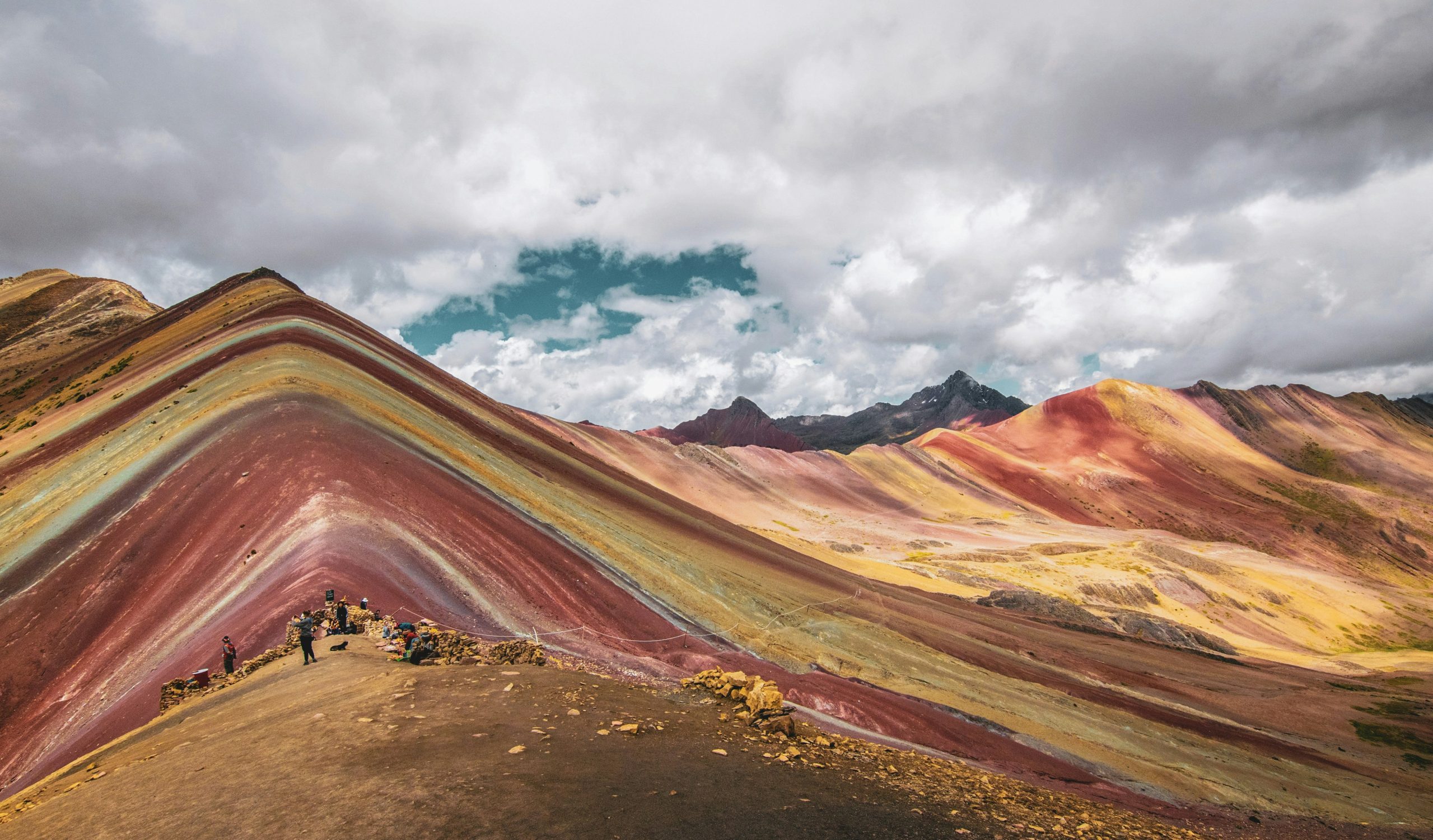
Give Cusco and the area at least five days: two for the city, one or two for the Sacred Valley and one or two for Machu Picchu, plus more for a trek such as the Inca Trail or Salkantay, or a day at Rainbow Mountain. Book Machu Picchu tickets, and Inca Trail permits, well before you arrive.
Stay in or near the historic centre. San Blas is hilly but charming, San Pedro is cheap and local, and the streets around the Plaza de Armas are convenient but busy.
The streets around the Plaza de Armas, with most sights, restaurants and clubs. Busy and noisy.
The artisans' quarter uphill from the Plaza, with steep streets, workshops and quieter nights.
The area around the San Pedro market and the train station, cheaper and more local.
Orange labels are neighbourhoods, dots are the 12 top-rated hostels. Map data from OpenStreetMap contributors.
Start in the Plaza de Armas, with the cathedral and the Iglesia de la Compañía. The Qorikancha, the Inca Temple of the Sun, has the finest Inca stonework in the city, with a Dominican convent built on top. Walk the narrow Hatun Rumiyoc street to see the twelve-angled stone, and climb to San Blas for workshops, cafés and views.
Above the city, Sacsayhuamán is a fortress of huge zigzag walls, and the nearby sites of Q'enqo, Puka Pukara and Tambomachay can be walked in a half day. The boleto turístico, a combined ticket valid for several days, covers these and many Sacred Valley sites, so buy it early.
The Sacred Valley has the Inca terraces and market at Pisac, the fortress town of Ollantaytambo, the circular terraces of Moray and the salt pans of Maras. Machu Picchu is reached by train from Ollantaytambo or Cusco to Aguas Calientes, then a bus or a steep walk up. Rainbow Mountain and Humantay Lake are popular day trips, both at very high altitude.
Walking the historic centre costs nothing: the Plaza de Armas, the Inca walls along Hatun Rumiyoc and Loreto, and the streets of San Blas are the best free sights in the city. Free walking tours leave from the Plaza de Armas daily; tip the guide.
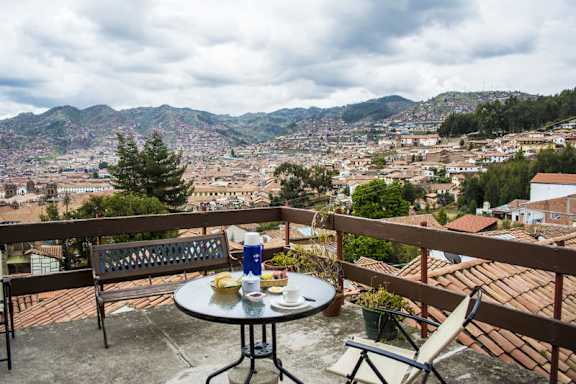
The San Pedro market is free to explore, and the viewpoint at San Cristóbal church, above the Plaza, has great views over the rooftops.
Many of the churches charge entry, and the main Inca sites need the boleto turístico.
Cusco has some of the best food in the Andes. Try lomo saltado, a stir-fry of beef, tomato and chips, rocoto relleno, a stuffed spicy pepper, and cuy, roast guinea pig, a highland speciality. Chicharrón, fried pork, is a Sunday favourite.
The San Pedro market has cheap set lunches, juices blended to order and stalls of bread and cheese. A menú in a local restaurant costs a few euros, while the centre has excellent restaurants for a splurge.
Coca tea helps with the altitude, and chicha morada, a sweet purple corn drink, is everywhere. Try a pisco sour once.
Cusco has the liveliest backpacker nightlife in Peru. Clubs around the Plaza de Armas hand out free drink vouchers and stay open late, and party hostels run their own bars and nights.
San Blas has quieter bars with live music, and craft beer bars are scattered around the centre.
Go easy on alcohol in your first days at altitude, never leave a drink unattended and take an official taxi or app home.
The historic centre is walkable, though steep. Taxis and ride apps are cheap for longer trips.
Alejandro Velasco Astete airport is close to the city, around 15 to 20 minutes from the centre, with flights to Lima, Arequipa and other cities. Buses go to Puno in around seven hours and to Arequipa in around ten.
Colectivos to the Sacred Valley leave from the city. For Machu Picchu, trains run from Ollantaytambo, or from near Cusco, to Aguas Calientes, and are expensive. The budget route is a van to Hidroeléctrica and a walk of around two to three hours along the tracks.
Cusco itself is good value. Dorm beds start around €8, with well-rated hostels from €10 to €18. A menú costs €3 to €5.
Machu Picchu is where the money goes. A standard foreign adult ticket costs around €40, the bus up and down from Aguas Calientes around €20, and the train €60 to €120 return. Treks such as the Inca Trail and Salkantay cost hundreds more. The boleto turístico for the city and valley sites is extra.
Use ATMs inside banks, and carry soles in cash for markets, colectivos and small shops.
Cusco is generally safe, but petty theft is common: watch your bag in markets, restaurants and on night buses. Use official taxis or apps, especially at night.
Altitude is the main risk. Most people feel breathless, tired or have headaches at first. Rest for a day or two, drink water and coca tea, avoid alcohol, and do not start a trek on arrival. If symptoms get worse, go down and see a doctor.
Book treks only with licensed operators; the Inca Trail legally requires one. Protests and road blockades have closed routes to Machu Picchu at short notice before, so leave buffer days. In an emergency, call 105 for police or 106 for an ambulance.
The Sacred Valley, the lost city and the high mountains.
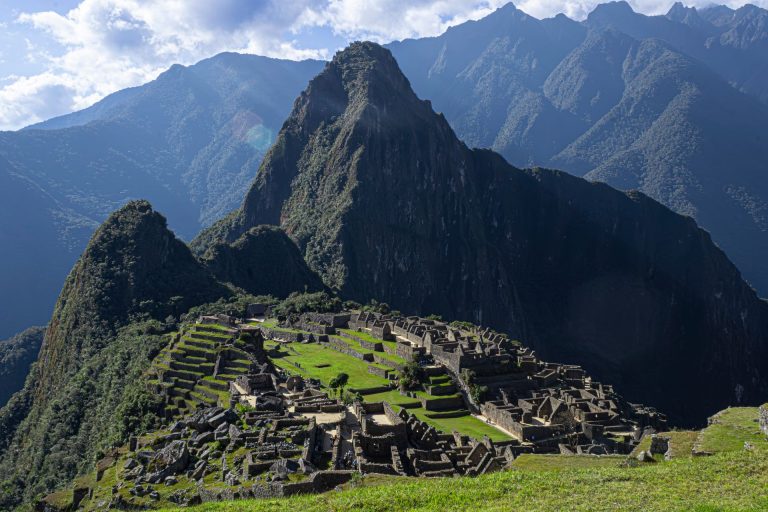
The Inca citadel in the cloud forest. Book tickets ahead.
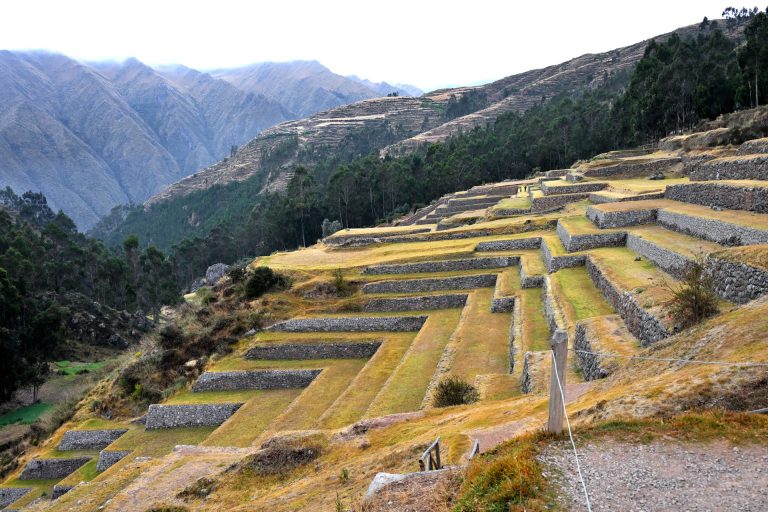
Pisac, Ollantaytambo, Moray and the Maras salt pans.
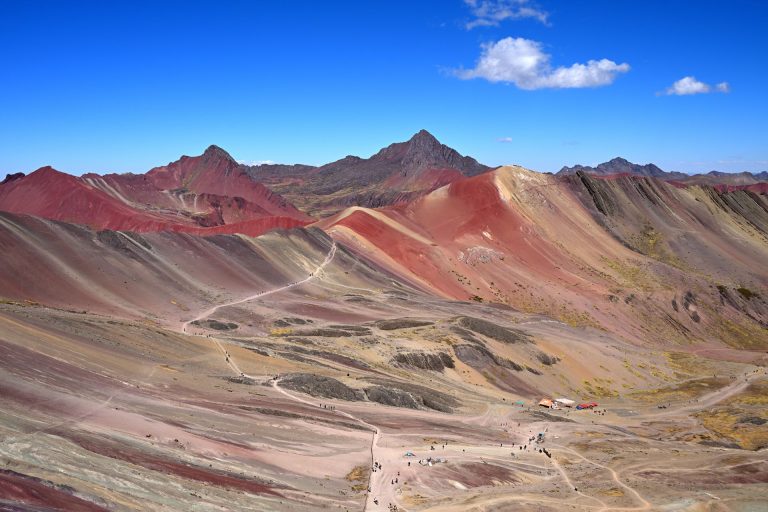
Striped mountains at over 5,000 metres. Acclimatise first.
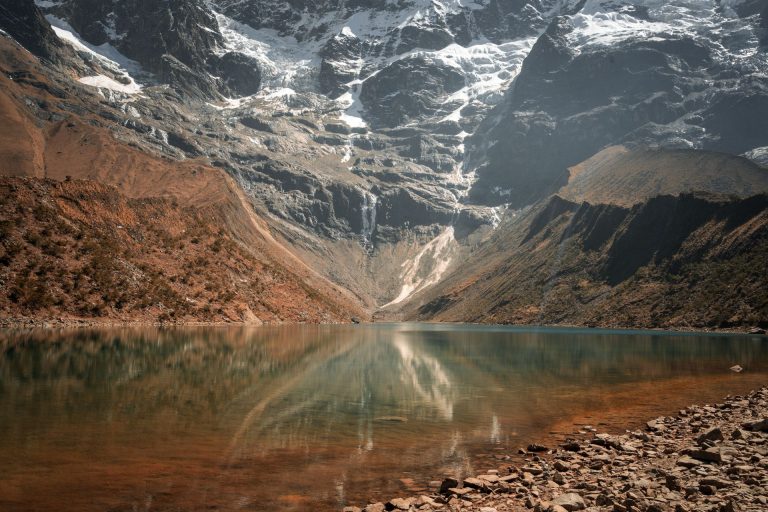
A turquoise lake below a glacier, at around 4,200 metres.
Inca festivals, processions and the busiest week of the year.
The Inca festival of the sun, recreated above the city. Cusco fills for a week.
Saints from the city's churches are carried through the streets.
A huge Christmas market of crafts and nativity figures.
The trail closes every February for maintenance. Other treks stay open.
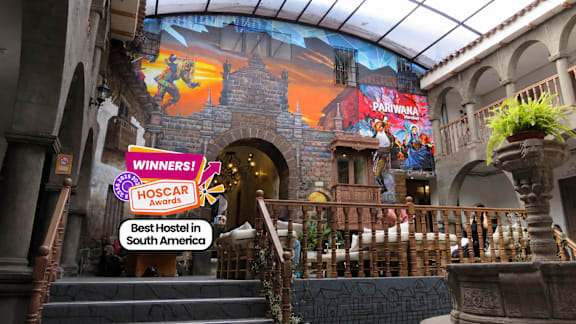
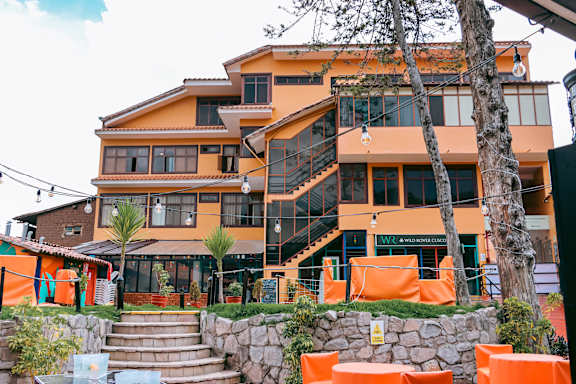
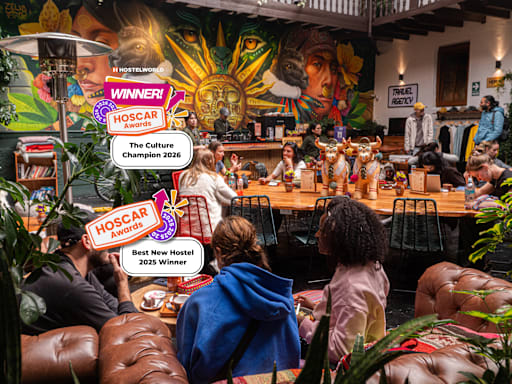
The highest-rated hostels in Cusco, straight from Hostelworld. Prices and availability are live on each property page.
May to September is the dry season, with sunny days and freezing nights, the best for treks and Machu Picchu. November to March is wet and green, and the Inca Trail closes every February.
Average highs, rounded. Nights drop close to freezing in winter.
Per night, for one person, based on Cusco prices.
Treat these as a guide. Machu Picchu, trains and treks cost extra.
The ones we get asked most.

Compare hostels in Cusco: live prices, real reviews and free cancellation on most bookings. Then meet the people already there in the app.

 Get the App.




 Get the App.