
Port of Spain
Trinidad's capital: carnival headquarters, panyards, street food and a serious food scene.


The biggest carnival in the Caribbean, the birthplace of steelpan and calypso, and a second island that is everything the first one is not.
Trinidad and Tobago are one country and two very different places. Trinidad is industrial, diverse and culturally dense: the birthplace of steelpan, calypso and soca, with an Indo-Trinidadian and Afro-Trinidadian population that shapes the food, the music and the calendar. Tobago is small, quiet and Caribbean in the way people picture it: reefs, beaches and a rainforest reserve.
Carnival is the reason to time a trip. Trinidad's is the largest in the Caribbean and among the biggest in the world, running to J'ouvert before dawn on the Monday and two days of mas bands through Port of Spain. The whole island works towards it for months.
Outside carnival, Trinidad is more about birdwatching, turtle nesting and food than beaches. Tobago is where you go for the water.
Ten days covers both islands.
A ferry and short flights link the two islands. Maxi taxis cover Trinidad cheaply.
Trinidad's capital: carnival headquarters, panyards, street food and a serious food scene.
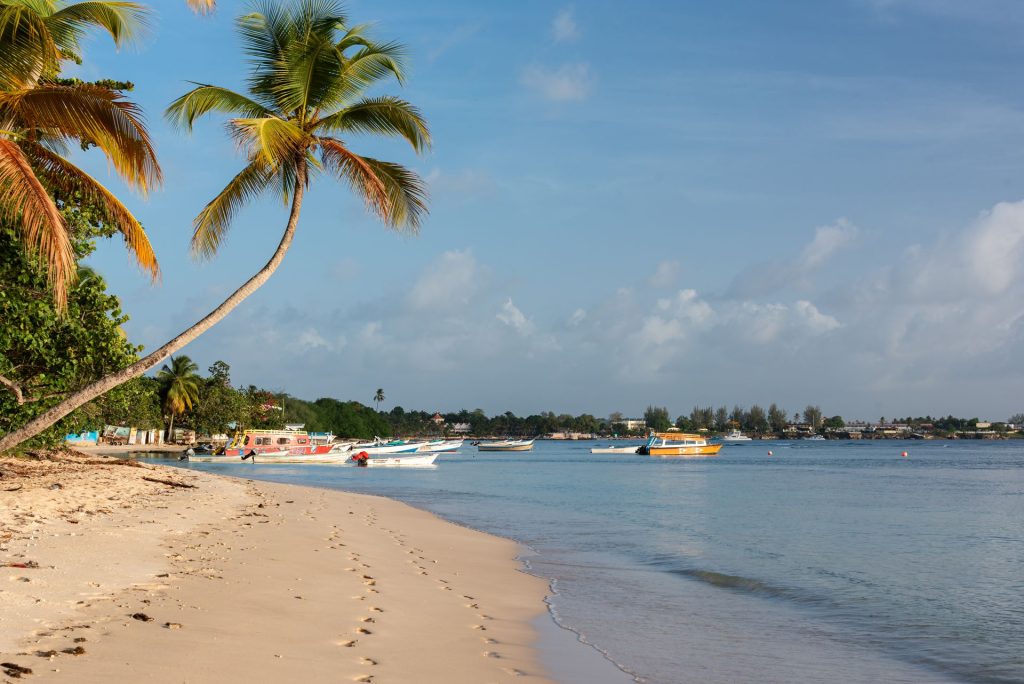
Tobago's main tourist area, near the airport, with beaches and reef trips.
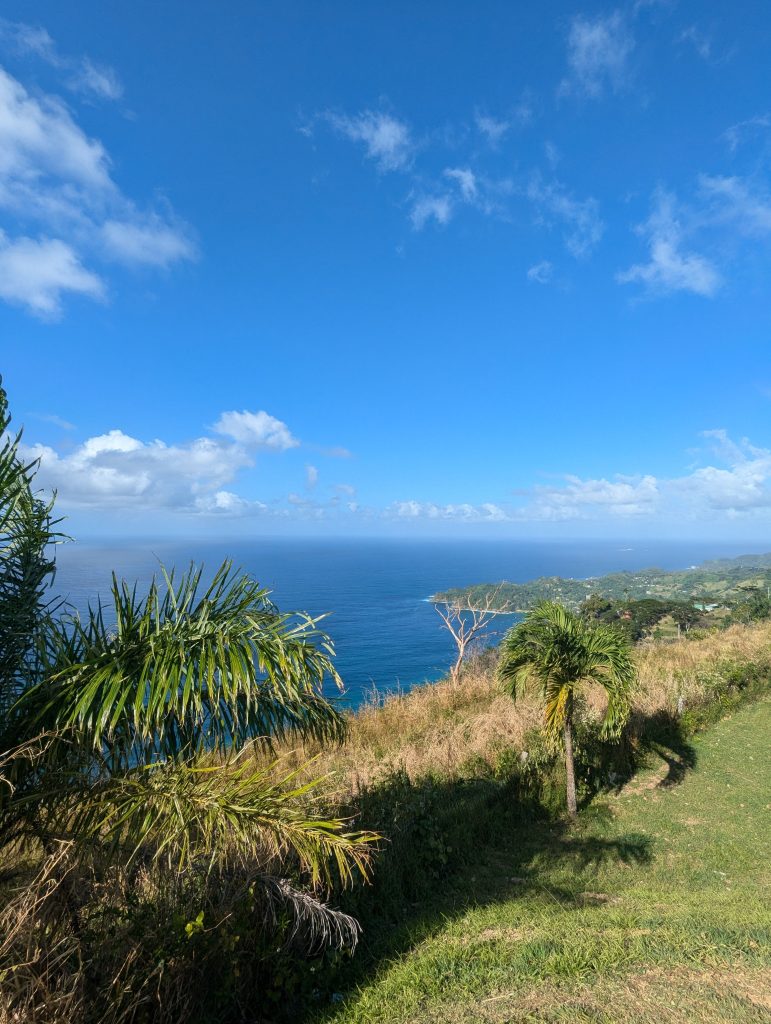
A quiet Tobago fishing village with a bay, guesthouses and no resorts.
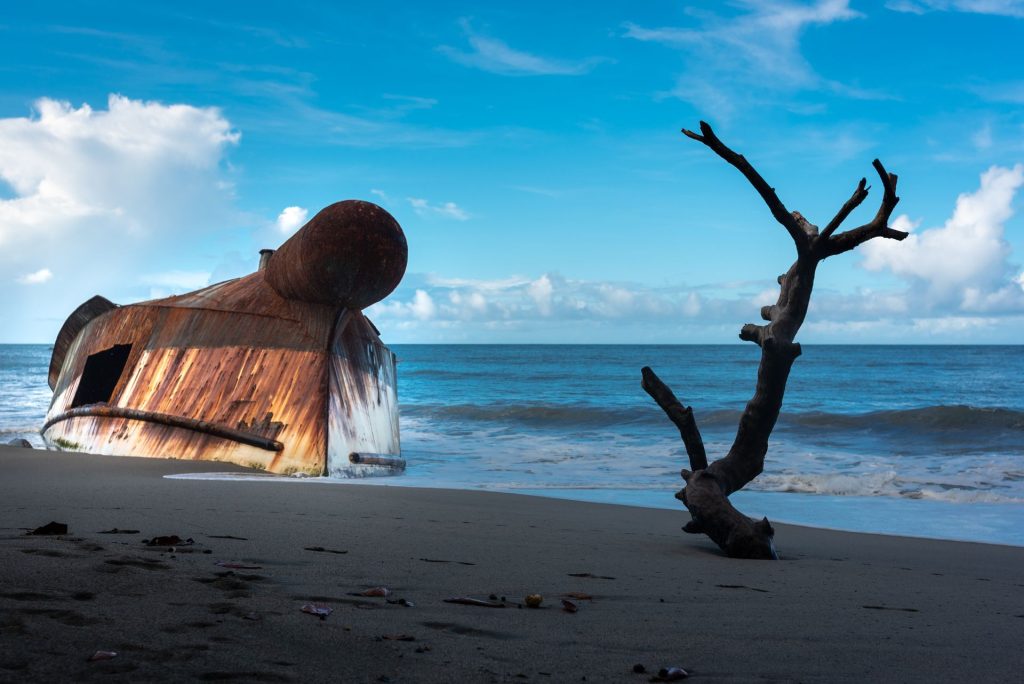
A remote north-coast village where leatherback turtles nest in huge numbers from March to August.
Trinidad is culture and food, Tobago is beaches and reef, and carnival is its own category.
Steelpan, calypso, soca and the biggest carnival in the Caribbean.
Tobago, mostly. Trinidad has a few good ones.
Doubles, roti and the best street food in the Caribbean.
Birdwatching, turtles and a rainforest reserve.
Soca, fetes and Sunday School in Buccoo.
Reasonable, except during carnival.
Carnival is the headline and needs planning a year out for accommodation. The build-up runs for weeks with fetes and panyard rehearsals, J'ouvert starts before dawn on the Monday with oil, mud and paint, and the mas bands parade in full costume on Monday and Tuesday. Joining a band means buying a costume package months ahead.
Outside carnival season, panyards still rehearse and visitors can turn up and listen; steelpan was invented here and hearing a full orchestra practise is free.
Caroni Swamp at dusk is the natural highlight of Trinidad: flat-bottomed boats through mangroves while thousands of scarlet ibis come in to roost. Leatherback turtles nest at Matura and Grande Rivière from March to August.
On Tobago, the Main Ridge Forest Reserve is the oldest protected rainforest in the western hemisphere, and Buccoo Reef and Nylon Pool are the snorkelling.
Trinidad has the best street food in the Caribbean, and doubles are the proof: two pieces of fried bara bread around curried chickpeas with pepper sauce and chutney, eaten for breakfast, costing €1 to €2. Ordering involves specifying how much pepper, and the answer "slight" is a safe start.
Bake and shark at Maracas Bay is the beach classic: fried shark in fried bread with a counter of sauces you assemble yourself.
The Indo-Trinidadian influence runs deep: roti, doubles, curry crab and dumpling in Tobago, and pholourie as a snack.
Carnival season brings its own food culture, with vendors operating through the night. Angostura bitters and Carib beer are the local drinks, and rum punch is taken seriously.
Carnival season from January turns the country into a rolling series of fetes, large outdoor parties with soca acts, many all-inclusive with food and drink covered, running weekly and building towards carnival itself.
Outside that season, Ariapita Avenue in Port of Spain is the bar and restaurant strip, busy from Thursday.
In Tobago, Sunday School at Buccoo is the institution: a weekly street party that starts with a steelband in the evening and turns into a sound system night, running since the 1970s and open to everyone.
Carib and Stag are the beers at €2 to €4, and rum punch is the drink. Soca is the soundtrack and the volume is not negotiable.
Between the islands, the inter-island ferry from Port of Spain to Scarborough takes about three and a half hours and costs very little, though it books out and can be rough. Caribbean Airlines flies the route in twenty minutes for a similar price to a taxi ride.
On Trinidad, maxi taxis (colour-coded minibuses by route) cover the island cheaply, and route taxis run shorter hops. Both are how most people travel.
Tobago has buses and route taxis, though hiring a car is the practical option for reaching Castara and the northern villages.
Driving is on the left. Port of Spain traffic is heavy at rush hour, and the road to Maracas Bay over the northern range is winding and worth taking slowly.
Outside carnival the country is reasonable. Guesthouse rooms start around €23 to €50, doubles cost €1 to €2, a local meal is €5 to €10, and maxi taxis cost very little.
A day comes to €40 to €75.
Carnival is an entirely different calculation. Accommodation in Port of Spain multiplies several times over and books a year ahead, fetes cost €50 to €125 each, and a costume package to play mas with a band runs €380 to €1,000.
Cards work in cities and tourist areas. Carry cash for maxi taxis, street food and smaller places, and note that ATMs can be scarce outside the main towns in Tobago.
Trinidad has a significant violent crime rate and several governments advise care, with specific warnings for parts of Port of Spain including Laventille, Beetham and Sea Lots, and for the east of the capital after dark. A state of emergency has been declared more than once in recent years in response to gang violence, so check the current position before booking.
Tobago is considerably calmer, though petty theft and occasional robberies happen.
The practical rules are to avoid walking in Port of Spain at night, use arranged transport rather than street taxis after dark, ask locally which areas to avoid, and keep valuables out of sight.
During carnival, the crowds are enormous and pickpocketing is common; carry as little as possible and go with people you know.
Rip currents on Trinidad's north coast, including Maracas, are strong and drownings happen.
Most European, UK, US and Canadian citizens enter visa-free for up to 90 days, with the period granted at the officer's discretion.
Passports need six months' validity, and proof of onward travel and accommodation is commonly requested, more so here than in much of the Caribbean.
If you are coming for carnival, book accommodation before flights. The dates move with Lent, falling in February or March, and Port of Spain fills completely a year in advance.
January to May is the dry season, and carnival falls inside it. The islands sit south of the main hurricane belt, which is a real advantage.
Average highs for Port of Spain, which barely change. The islands sit south of the main hurricane belt and are rarely hit directly, which makes September and October safer here than almost anywhere else in the Caribbean.
Pick how you travel and how long for. Per night, for one person, in euro equivalents of TT dollars. Carnival is not covered by these figures.
Carnival changes everything: accommodation multiplies, fetes run €50–125 each and a mas costume is €380–1,000.
Carnival is the year here, and the country counts towards it from January.
The biggest carnival in the Caribbean. J'ouvert before dawn, then two days of mas bands. Book a year ahead.
The national steelband competition, building through the carnival season.
A weekly street party running since the 1970s: steelband, then sound system.
A national public holiday, with deyas lit across the country.
Two weeks of village performances, food and traditional ceremonies.
Leatherback turtles nesting on the north coast beaches.
What is bookable here, live from Hostelworld. Guesthouses are the norm, and carnival accommodation in Port of Spain needs booking a year out.
The ones we get asked most.

Compare places to stay across Trinidad and Tobago: live prices, real reviews and free cancellation on most bookings. Then meet the people already there in the app.

 Get the App.




 Get the App.