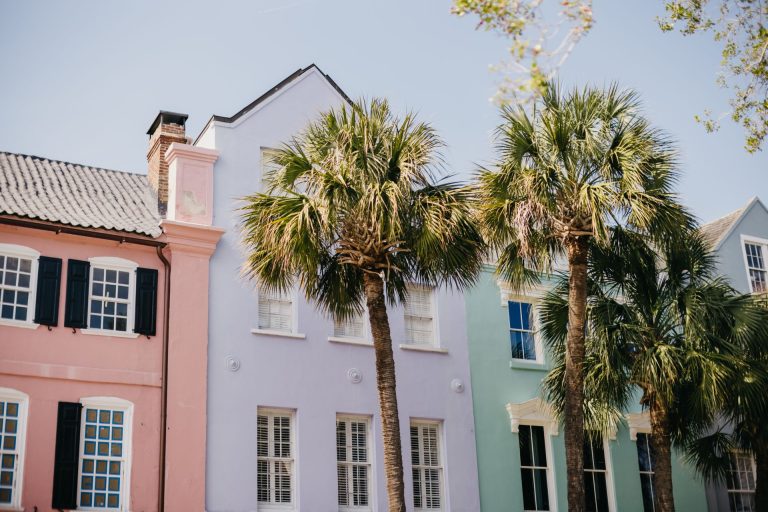
Charleston
1 hostel · dorms from $42
One of the most beautiful cities in the USA.
Points of interest
- Rainbow Row
- The Battery
- Fort Sumter
- International African American Museum

Charleston's pastel houses, cobbled streets and Lowcountry food, Gullah Geechee culture, the beaches of Myrtle Beach and the sea islands, Greenville's waterfall park and the old-growth forest of Congaree.
South Carolina runs from the Blue Ridge foothills down to the Lowcountry, a coastal landscape of marshes, tidal creeks and barrier islands. It is a state of beaches, golf, Southern food and deep history.
Charleston is the highlight, one of the most beautiful and best-preserved cities in the USA, with pastel houses on Rainbow Row, church steeples, gas-lit lanes and a nationally famous food scene. It is also a place to learn about difficult history: much of the city's wealth was built on slavery, told at the International African American Museum and at historic plantations. Fort Sumter, in the harbour, is where the American Civil War began. The Gullah Geechee people of the sea islands keep a distinct language and culture.
Along the coast, Myrtle Beach is a big, lively resort, while Folly Beach and the sea islands are quieter. Inland, Greenville has a waterfall in its downtown park, and Congaree National Park protects one of the tallest old-growth hardwood forests in the USA. Give South Carolina four or five days. Spring and autumn are best.
Charleston for the Lowcountry, Myrtle Beach for the beach, and Greenville for the north-west.
One of the most beautiful cities in the USA.
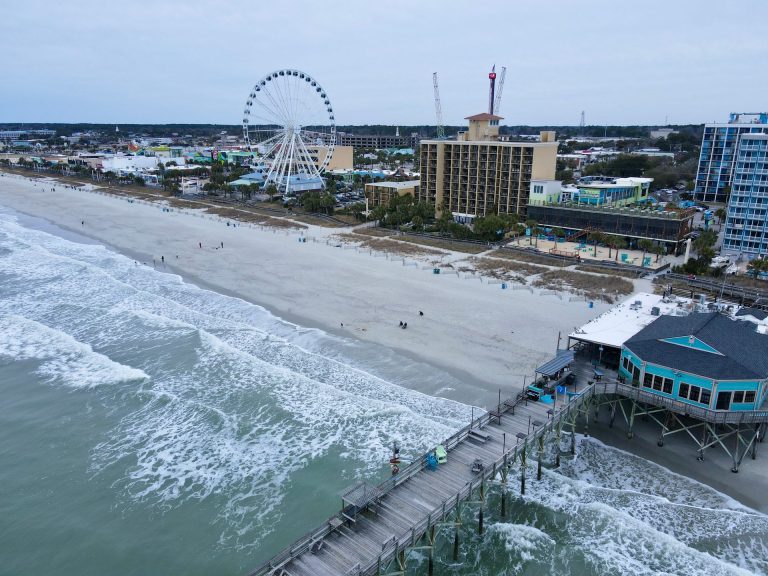
A big, lively beach resort.
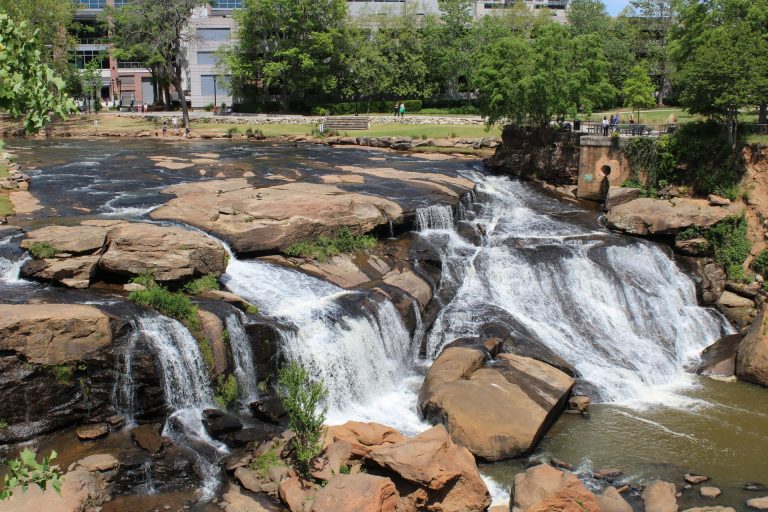
A small city with a waterfall downtown.
The Lowcountry and Charleston on the coast, Myrtle Beach in the north-east, Columbia in the middle and mountains in the north-west.
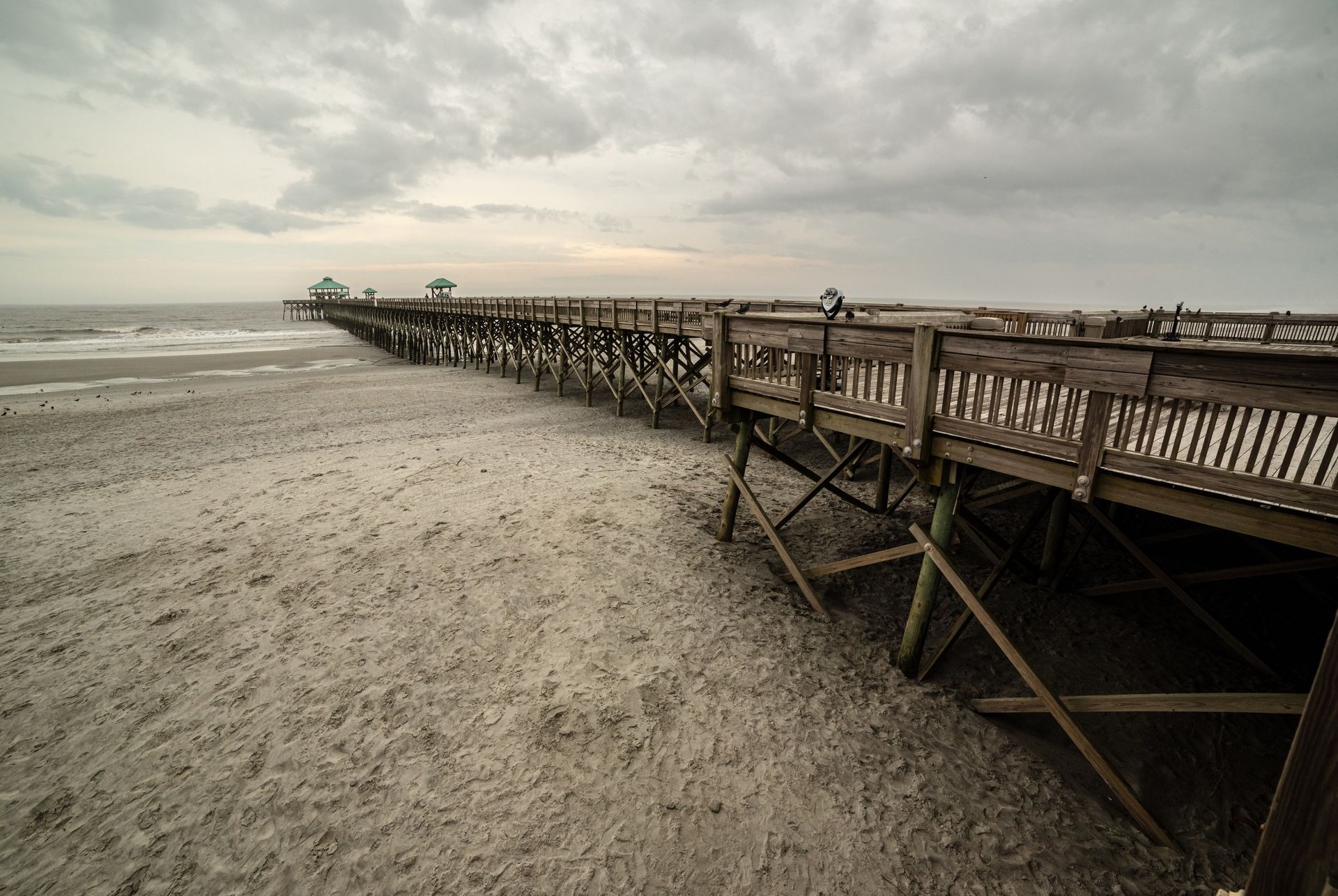
Charleston, Folly Beach and the islands.
Myrtle Beach and the north coast.
The southern sea islands.
The capital and the old-growth forest.
Greenville and the Blue Ridge foothills.
In Charleston, walk the historic district, from Rainbow Row to the Battery and the old City Market. Take the ferry to Fort Sumter, and visit the International African American Museum on the site of a former slave-trading wharf. Visit a plantation that tells the story of the enslaved people who lived there, such as McLeod Plantation, and walk the Angel Oak, a huge live oak on Johns Island.
Spend a day at Folly Beach or Sullivan's Island, and learn about Gullah Geechee culture on the sea islands. Further up the coast, Myrtle Beach has a long beach, a boardwalk and amusement parks.
Inland, walk the boardwalk trail through Congaree National Park, and in Greenville, see the waterfalls of Falls Park on the Reedy and the curved Liberty Bridge. In the north-west, hike to waterfalls in the Blue Ridge foothills.
Charleston's historic district, the Battery, Waterfront Park and its pineapple fountain are free. The Angel Oak is free to visit.
Congaree National Park has no entry fee, and Falls Park in Greenville is free. Most beaches are free, though parking costs money.
The Fort Sumter ferry and the plantations charge entry.
Charleston is one of the best food cities in the USA. Try shrimp and grits, she-crab soup, Lowcountry boil, a mix of shrimp, sausage, corn and potatoes, and Gullah dishes such as red rice and okra soup. Hoppin' John, rice and black-eyed peas, is a Lowcountry classic.
South Carolina barbecue often comes with a yellow mustard sauce. Boiled peanuts are sold at roadside stands, and sweet tea is everywhere.
Tip 18 to 22 per cent in restaurants.
Charleston has rooftop bars, cocktail bars and breweries, especially on King Street and Upper King. Myrtle Beach has big clubs, bars and live shows.
Greenville's Main Street is lively at weekends.
Bars close at 2am in Charleston.
Charleston, Myrtle Beach, Greenville and Columbia have airports. Amtrak runs along the coast through Charleston, and from Greenville to Atlanta and Charlotte.
Charleston's historic district is best on foot or by bike, with a free downtown shuttle, DASH.
A car is needed for the beaches, plantations and the rest of the state.
Charleston is one of the more expensive cities in the South, especially at weekends and in spring. Myrtle Beach and inland areas are good value.
Sales tax is 6 per cent statewide, plus local taxes, reaching around 9 per cent in Charleston. Tip 18 to 22 per cent in restaurants.
Plantations and the Fort Sumter ferry charge entry.
South Carolina is generally safe for visitors. Charleston's historic district is busy and fine; take normal care at night.
Hurricane season runs from June to November; follow local warnings and evacuation routes on the coast. Rip currents are a danger on Atlantic beaches.
Summers are hot and humid, with biting insects in the marshes, and alligators live in freshwater ponds. In an emergency, call 911.
Arts festivals, food and spring gardens.
 Staff pick
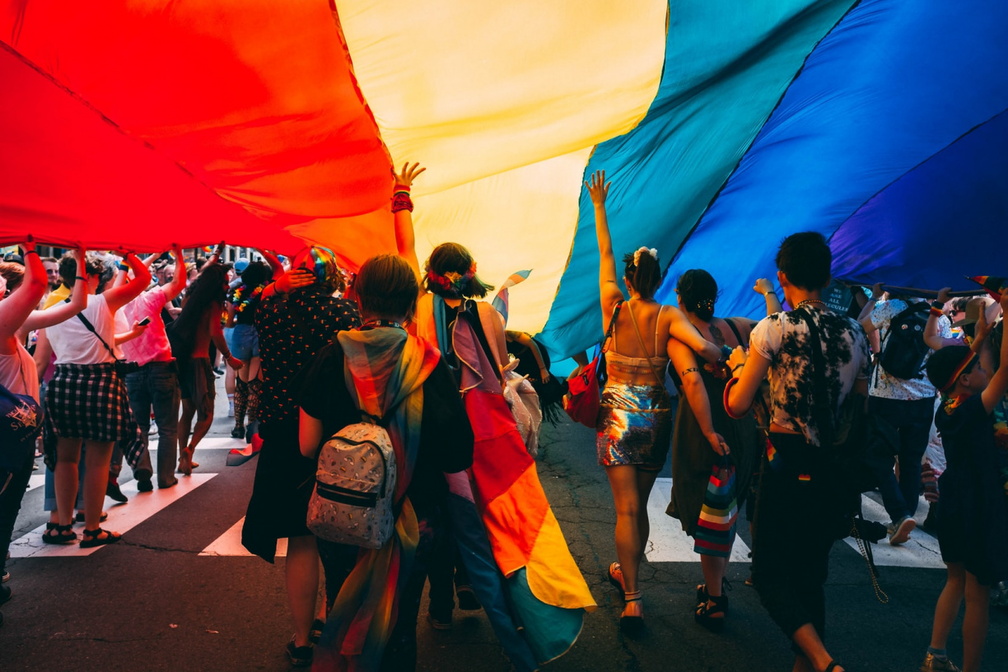
Charleston Pride Week fills the city with energy, celebration, and community as it honors and uplifts the LGBTQ+ community through a lively series of…
 Staff pick
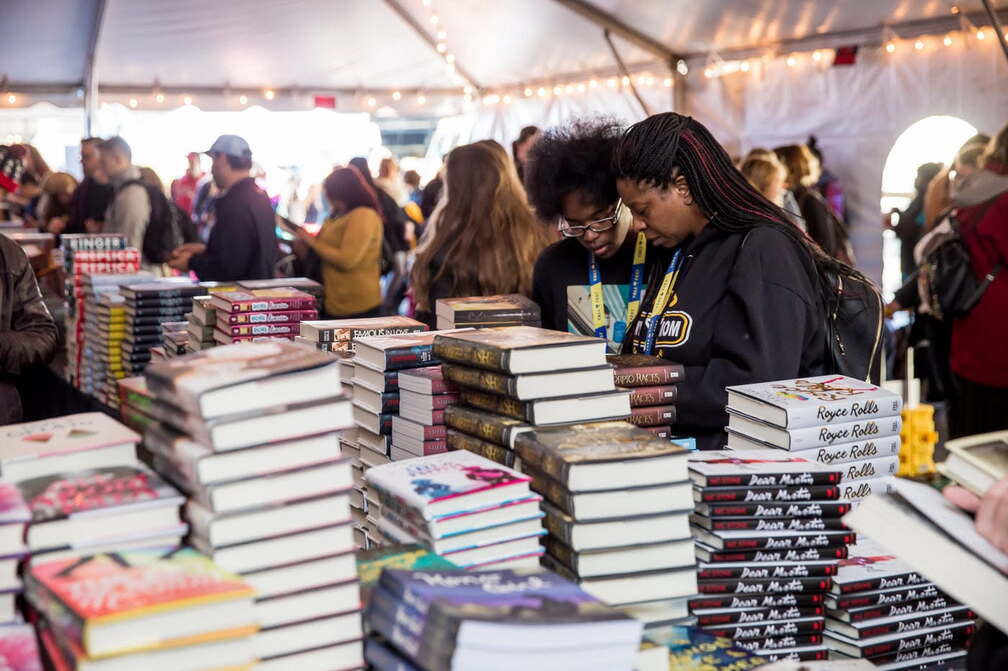
YALLFest brings together young adult and middle grade readers and writers in Charleston for one of the largest kidlit festivals in the country. Co-founded…
 Staff pick
Journey is an iconic American rock band formed in 1973, known for their powerful ballads and energetic rock anthems. The band achieved massive success…
 Staff pick
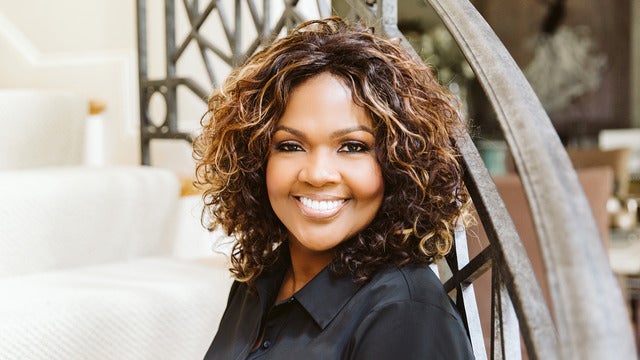
Cece Winans is a Grammy Award-winning gospel singer and songwriter from Detroit, Michigan. She is a leader in the contemporary gospel music genre, and…
 Staff pick
Thousands of RV shoppers from across the Carolinas and Georgia gather here each fall to see what's new in the towable RV world. You…
 Staff pick
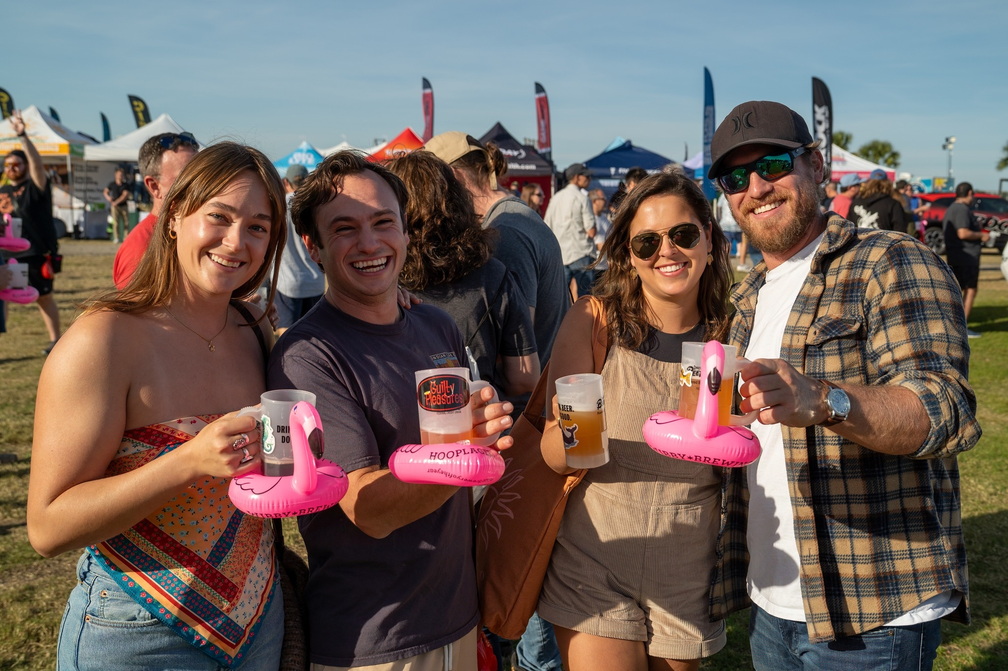
Charleston Beer Fest brings together craft beer lovers at Riverfront Park in North Charleston, South Carolina, for a lively celebration featuring an impressive lineup…
 Staff pick
Prepare for a weekend of exhilarating fun at the 9th Annual Grand Strand Kite Festival. Expect a family-friendly atmosphere filled with vibrant kites, beachside…
 Staff pick
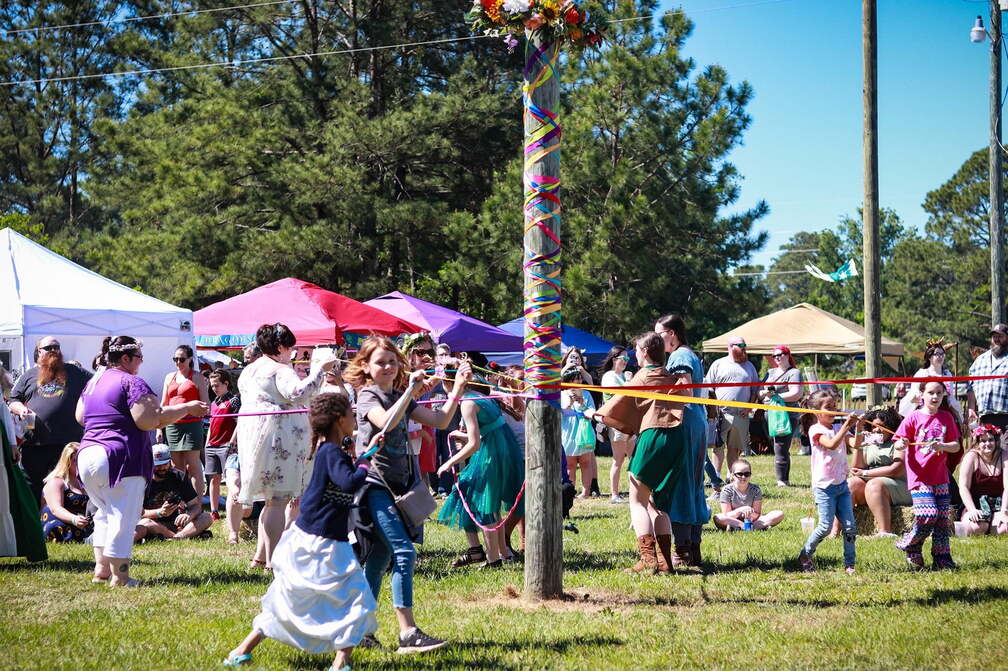
The Mythical and Medieval Fest is a Renaissance-themed charity event supporting Caleb's Dragonfly Dreams, a non-profit providing positive activities for children in group homes…
The highest-rated hostels in South Carolina, straight from Hostelworld. Prices and availability are live on each property page.
March to May and October to November are the best times, warm and pleasant, with azaleas in spring. Summers are hot and humid, and hurricane season runs from June to November.
Average highs for Charleston, rounded.
Per night, for one person, based on Charleston prices.
Treat these as a guide. Spring weekends cost more.
The ones we get asked most.

Compare hostels in South Carolina: live prices, real reviews and free cancellation on most bookings. Then meet the people already there in the app.

 Get the App.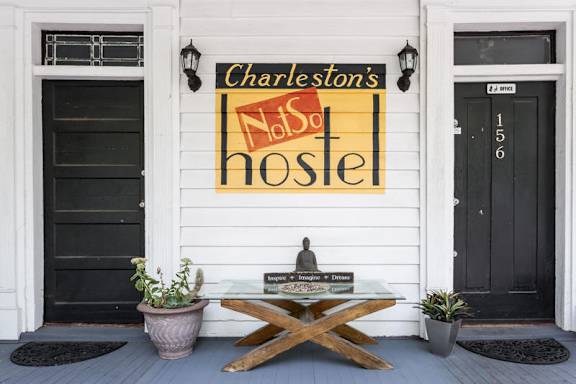




 Get the App.