Santa Elena
Hostels, food, toursThe main town.

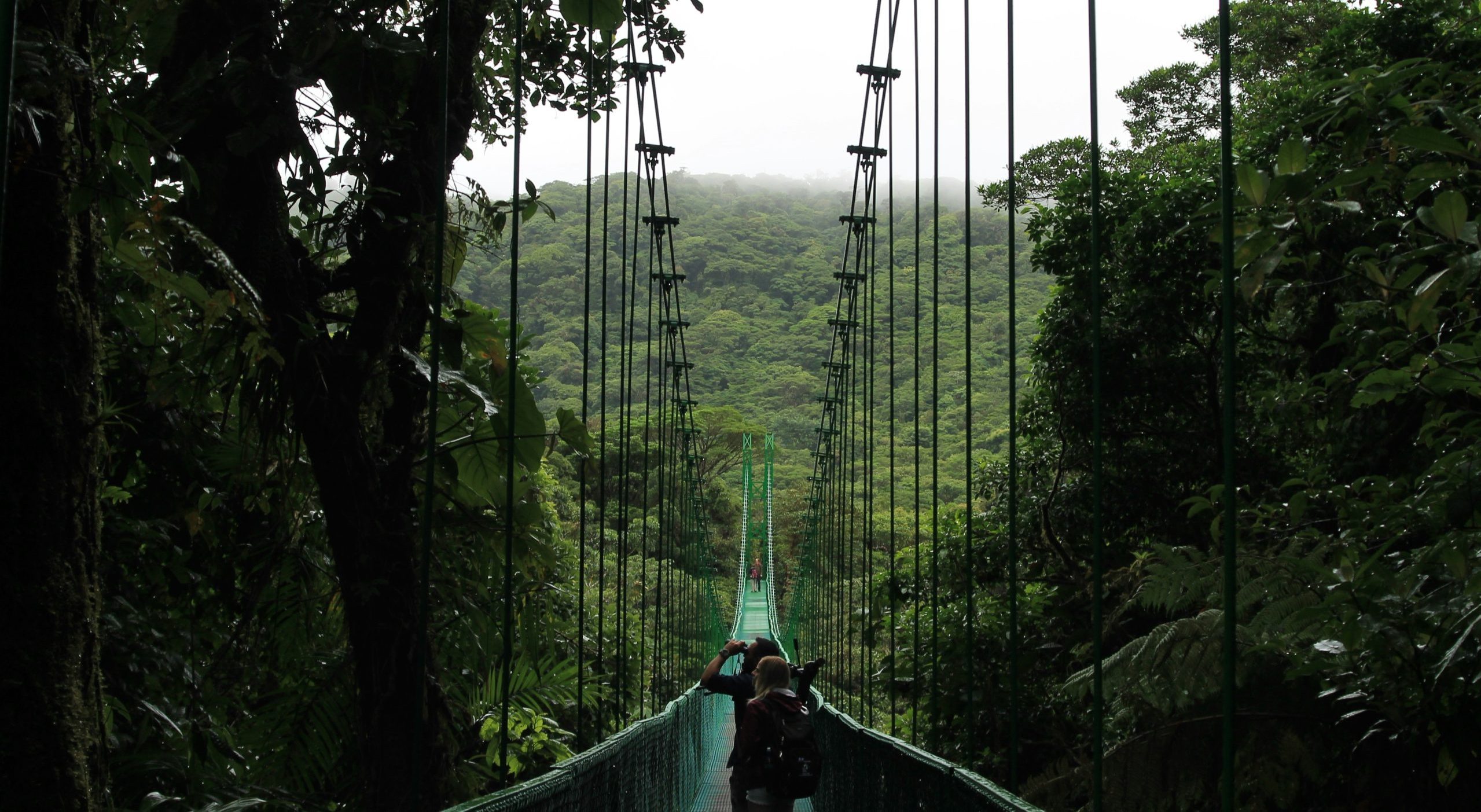
Cloud forest high in the Tilarán mountains: hanging bridges and canopy walkways, some of the longest zip lines in Costa Rica, night walks for tarantulas and sloths, coffee farms and, with luck, a resplendent quetzal.
Monteverde is a mountain area at around 1,400 metres, known for its cloud forest, a misty, moss-covered rainforest kept wet by clouds blowing across the Continental Divide. It is one of the richest places for wildlife in Costa Rica, with hundreds of bird species, including the resplendent quetzal, as well as sloths, monkeys, frogs and orchids.
The area was settled in the 1950s by American Quakers, who set aside land to protect the forest, and it now has several reserves. The main town, Santa Elena, has hostels, restaurants and tour offices, and a cooler, fresher climate than the lowlands, so bring a jacket.
Monteverde is the place for canopy adventures: hanging bridges, long zip lines and a Tarzan swing. Night walks reveal a different forest, full of insects, frogs and sleeping birds. Give it two or three days, usually combined with La Fortuna.
Santa Elena for hostels, food and tours, or the road towards the reserve for quiet lodges in the forest.
The main town.
Lodges between town and the reserve.
Orange labels are neighbourhoods, dots are the 12 top-rated hostels. Map data from OpenStreetMap contributors.
Walk the trails of the Monteverde Cloud Forest Reserve or the quieter Santa Elena Reserve, ideally with a guide early in the morning, when birds are most active. Look for the resplendent quetzal, especially from February to May.
Cross the hanging bridges at parks such as Selvatura or Sky Adventures, and fly through the canopy on long zip lines. Take a guided night walk to see tarantulas, frogs, sloths and sleeping birds.
Visit a coffee, chocolate and sugar cane farm, and see hummingbirds up close at the feeders of the Hummingbird Gallery.
Walking around Santa Elena and the roads between the reserves costs nothing, and you can often see birds and coatis along the way. Some cafes have hummingbird feeders you can watch from.
The ficus tree near town, a hollow strangler fig you can climb inside, is free to visit.
The reserves and tours charge entry.
Sodas in Santa Elena serve casados for €5 to €9. The area produces excellent coffee and cheese, and has good bakeries.
Cooler weather makes hot chocolate popular.
Restaurant bills add 13 per cent tax and a 10 per cent service charge, so check whether menu prices include them; an extra tip is optional.
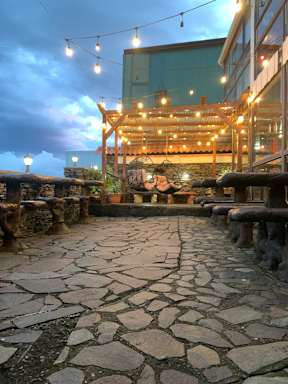
Nightlife is quiet: a few bars and hostel gatherings in Santa Elena. Most people do night walks instead.
Evenings are cool, so bring layers.
Imperial beer costs €2 to €4.
Shuttles run to Monteverde from San José, La Fortuna and the Pacific coast, for €40 to €70. Public buses from San José take around four to five hours. The jeep-boat-jeep transfer links Monteverde with La Fortuna in about three hours.
The road up is winding but now paved for most of the way.
Tours include pick-ups from Santa Elena, and local buses run to the reserve.
Dorm beds start at around €14 to €22 a night. Casados cost €5 to €9.
The main costs are the reserves, around €20 to €25 entry, plus guides, and canopy tours, €45 to €75. Night walks cost about €25 to €35.
US dollars are accepted everywhere alongside colones.
Monteverde is very safe. Trails are muddy and slippery, so wear good shoes.
Go zip lining with established operators and follow the safety briefing.
Do not touch wildlife on night walks; some snakes, frogs and insects are venomous. In an emergency, call 911.
Reserves, farms and the volcano.
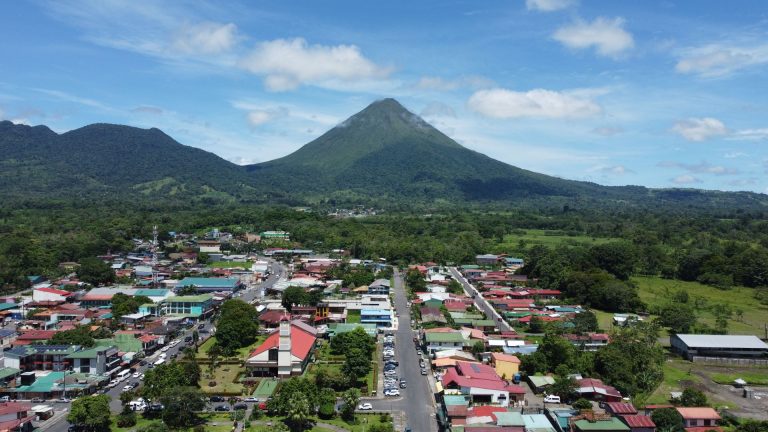
The volcano and hot springs.
Quetzal season and green season.
The best time to see the resplendent quetzal.
Mist, rain and fewer people.
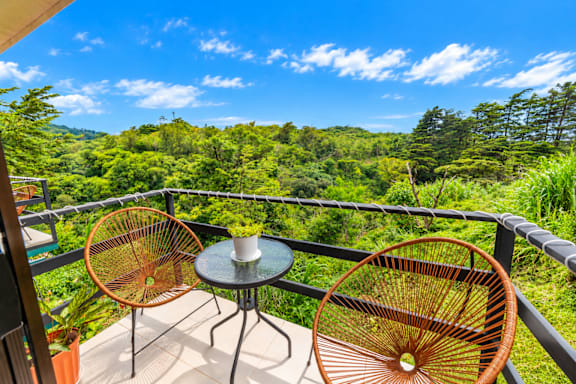
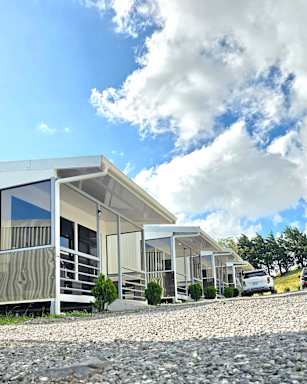
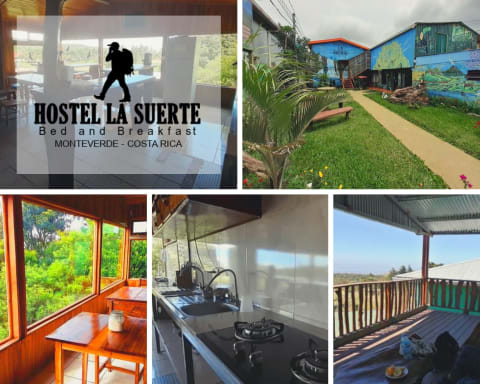
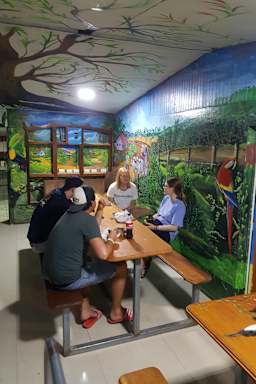
The highest-rated hostels in Monteverde, live from Hostelworld. Prices and availability are live on each property page.
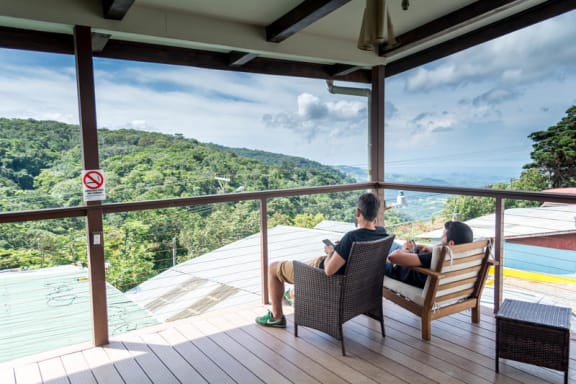
December to April is drier, with quetzals easiest to see from February to May. The green season brings rain and mist, which makes the cloud forest even more atmospheric. It is cool all year.
Average highs, rounded. Much cooler than the coasts.
Per night, for one person, based on Monteverde prices.
Treat these as a guide. Reserves and tours cost extra.
The ones we get asked most.

Compare hostels across Costa Rica: live prices, real reviews and free cancellation on most bookings. Then meet the people already there in the app.

 Get the App.



 Get the App.