Barrio Escalante
Food, nightlifeRestaurants and bars east of the centre.

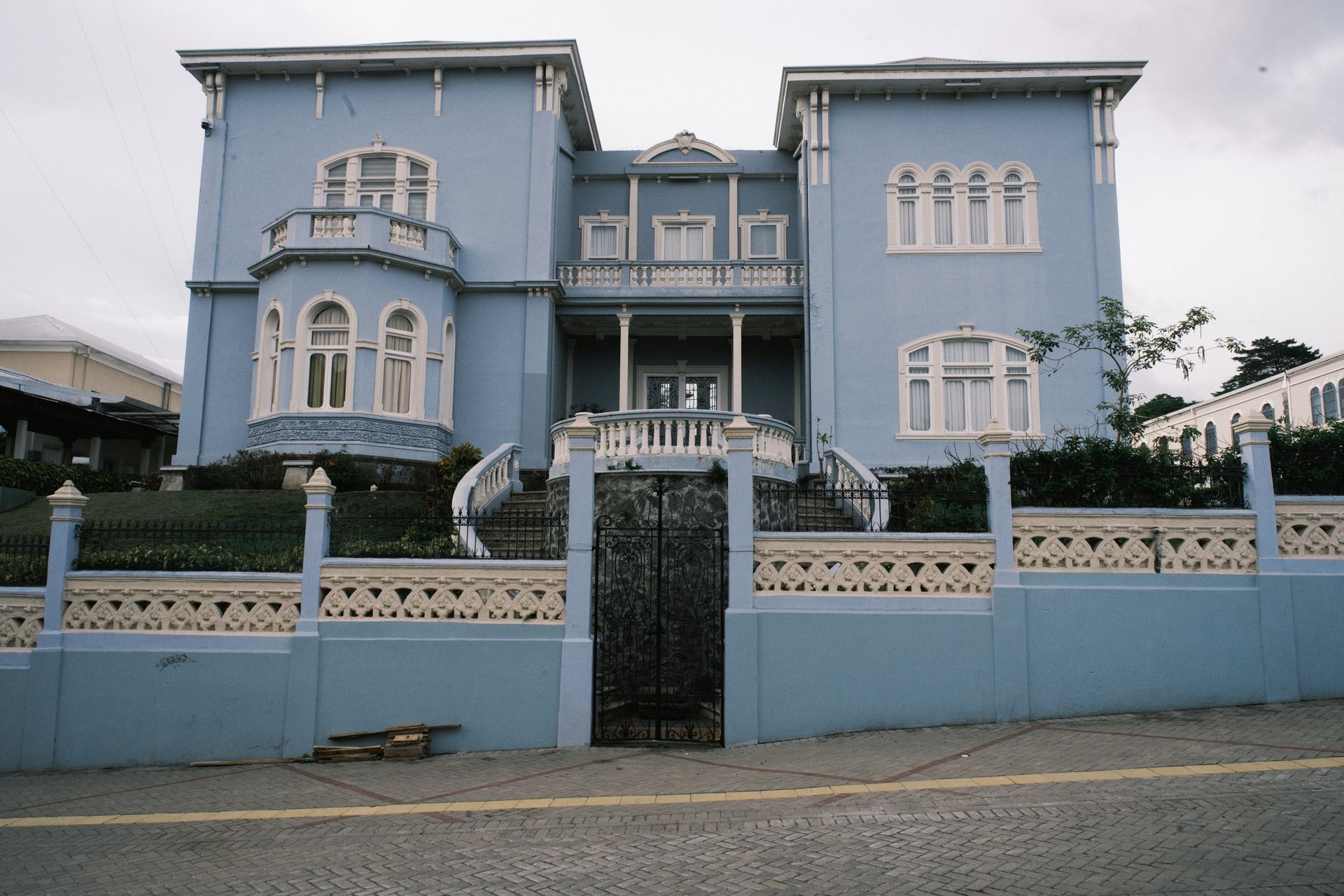
Costa Rica's capital and transport hub, worth more than a transit night: the gold and Jade museums, the Teatro Nacional, the Mercado Central, Barrio Escalante's food scene, and day trips to volcanoes and coffee farms.
San José is the capital and largest city of Costa Rica, set in the Central Valley at around 1,150 metres, with a mild climate all year. Most visitors only pass through on the way to the coasts and volcanoes, but the city rewards a day or two.
The centre has the Teatro Nacional, a grand 19th-century theatre paid for by coffee exports, the Museo del Oro Precolombino, with its gold pieces, the Museo del Jade, and the Museo Nacional, in a former army barracks still marked by bullet holes from the 1948 civil war, after which Costa Rica abolished its army. The Mercado Central is the place for cheap casados and local life.
Barrio Escalante has the city's best restaurants, craft beer and cafes, and Barrio Amón has colonial mansions and street art. From San José, day trips go to Poás and Irazú volcanoes, coffee farms and white-water rafting. Give it one or two days.
Barrio Escalante for food and nightlife, Barrio Amón for historic streets, or near the airport for early flights.
Restaurants and bars east of the centre.
Colonial mansions north of the centre.
Alajuela, close to the airport.
Orange labels are neighbourhoods, dots are the 12 top-rated hostels. Map data from OpenStreetMap contributors.
Tour the Teatro Nacional, visit the Museo del Oro Precolombino beneath the Plaza de la Cultura, and see the Museo del Jade and the Museo Nacional. Eat a casado at the Mercado Central, and walk the pedestrian Avenida Central.
Explore Barrio Amón's colonial mansions and murals, and spend an evening in Barrio Escalante's restaurants and craft beer bars. Relax in Parque La Sabana.
Take day trips to Poás Volcano, booked online in advance, and Irazú Volcano, visit a coffee farm, or go rafting on the Pacuare River, one of the best rafting rivers in the world.
Walking the centre, Avenida Central, Barrio Amón and Parque La Sabana costs nothing. The Mercado Central is free to explore.
Some museums have free days for residents only; check before going.
Street art in Barrio Amón and Barrio Escalante is free.
San José is the cheapest place to eat well in Costa Rica. The Mercado Central has sodas serving casados, olla de carne stew and chifrijo for €4 to €8. Barrio Escalante has the country's best restaurants, at higher prices.
Costa Rican coffee is excellent, and the city has many specialty cafes.
Restaurant bills add 13 per cent tax and a 10 per cent service charge, so check whether menu prices include them; an extra tip is optional.
San José has a real local nightlife that few visitors see. Barrio Escalante has craft beer bars and cocktail bars, Barrio La California has dance bars and live music, and San Pedro, near the university, is busy with students.
Take taxis or ride-hailing at night.
Imperial beer costs €2 to €4.
Juan Santamaría International Airport is about 20 to 40 minutes from the centre, depending on traffic, by taxi or bus. Official taxis are red; ride-hailing apps also work.
Buses to the rest of the country leave from several terminals, not one central station, so check which one your bus uses.
The centre is walkable by day, but traffic is heavy.
San José is cheaper than the beach towns. Dorm beds start at around €12 to €20 a night. Casados at the Mercado Central cost €4 to €8.
Day trips to volcanoes and rafting cost extra.
US dollars are accepted widely alongside colones.
San José has more crime than the rest of the country. Pickpocketing and bag snatching happen in the centre, especially around bus terminals such as the Coca-Cola area. Avoid walking at night in the centre, and take taxis.
Keep valuables hidden, and do not leave anything in cars.
In an emergency, call 911.
Festivals, holidays and the dry season.
A night parade of lights.
A parade of painted oxcarts.
Lantern parades on the evening before.
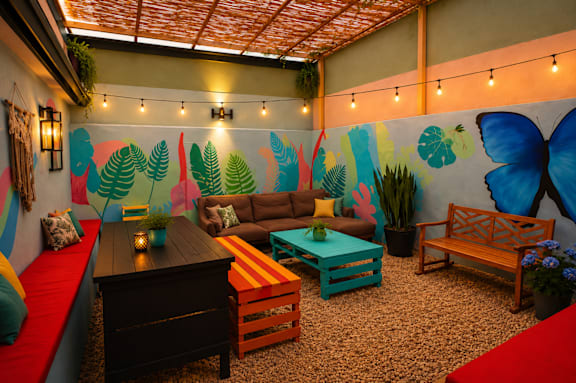
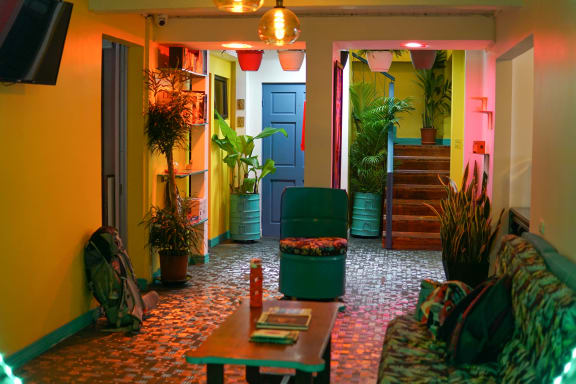
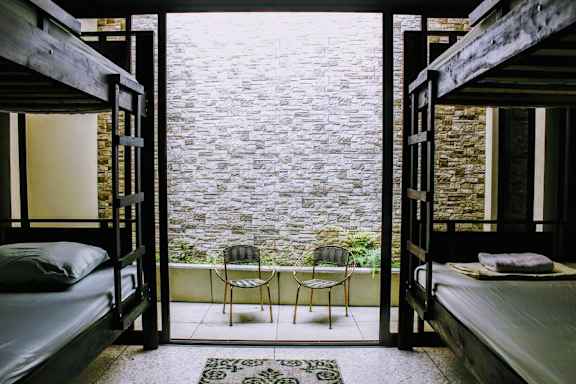
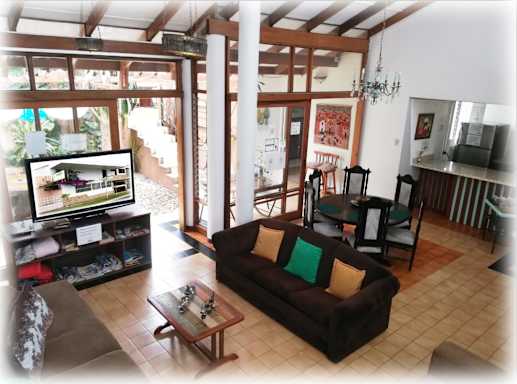
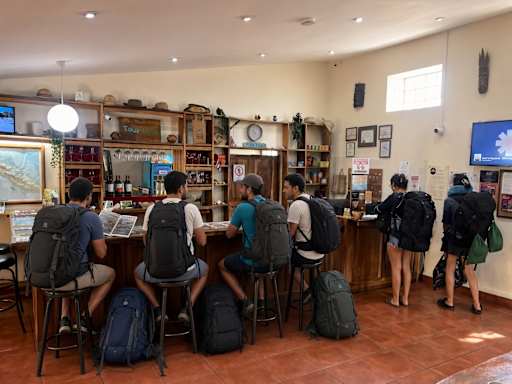
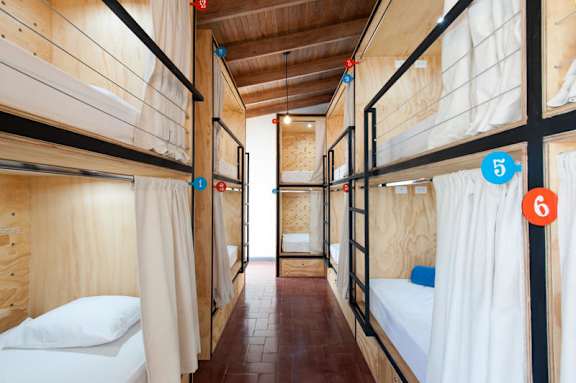
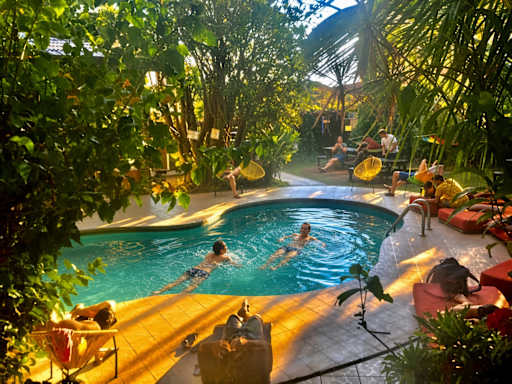
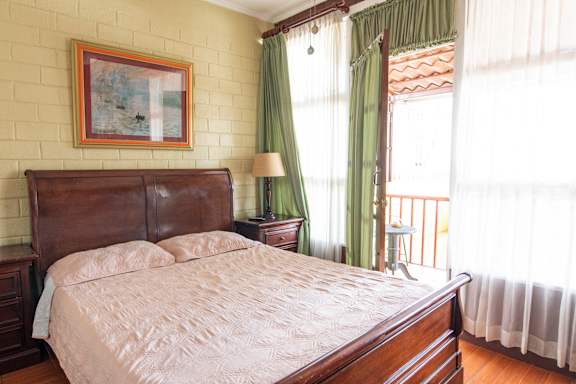
The highest-rated hostels in San José, live from Hostelworld. Prices and availability are live on each property page.
December to April is the dry season. The green season, from May to November, brings afternoon rain. San José has a mild climate all year.
Average highs for San José, rounded. Mild all year.
Per night, for one person, based on San José prices.
Treat these as a guide. Day trips cost extra.
The ones we get asked most.

Compare hostels across Costa Rica: live prices, real reviews and free cancellation on most bookings. Then meet the people already there in the app.

 Get the App.



 Get the App.