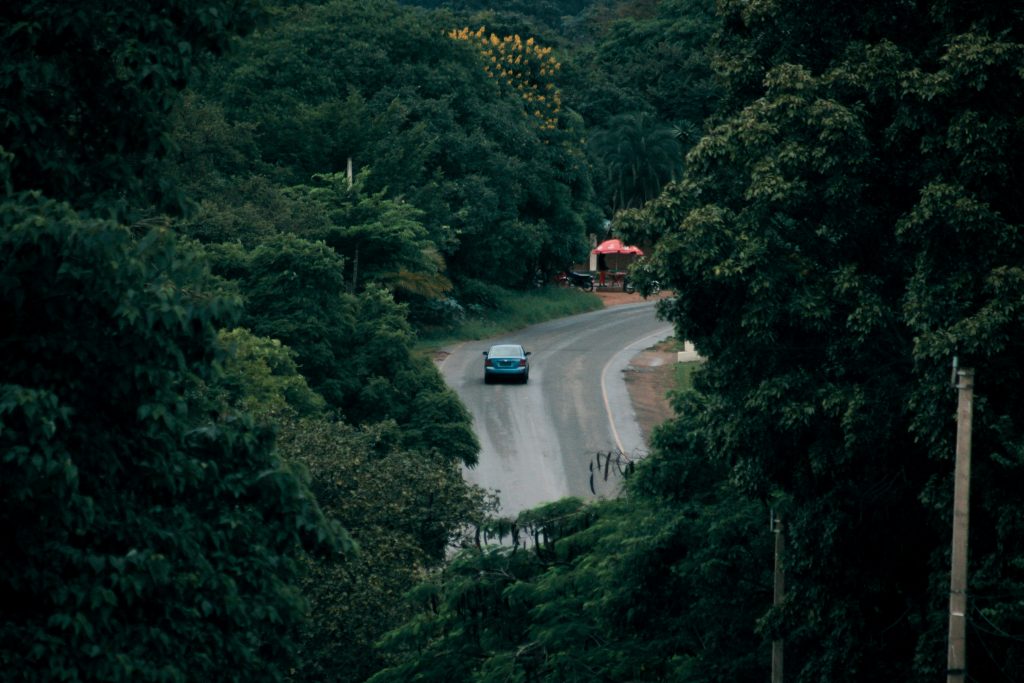
Lilongwe
2 hostels
The capital and transport hub, with a wildlife centre and craft markets.

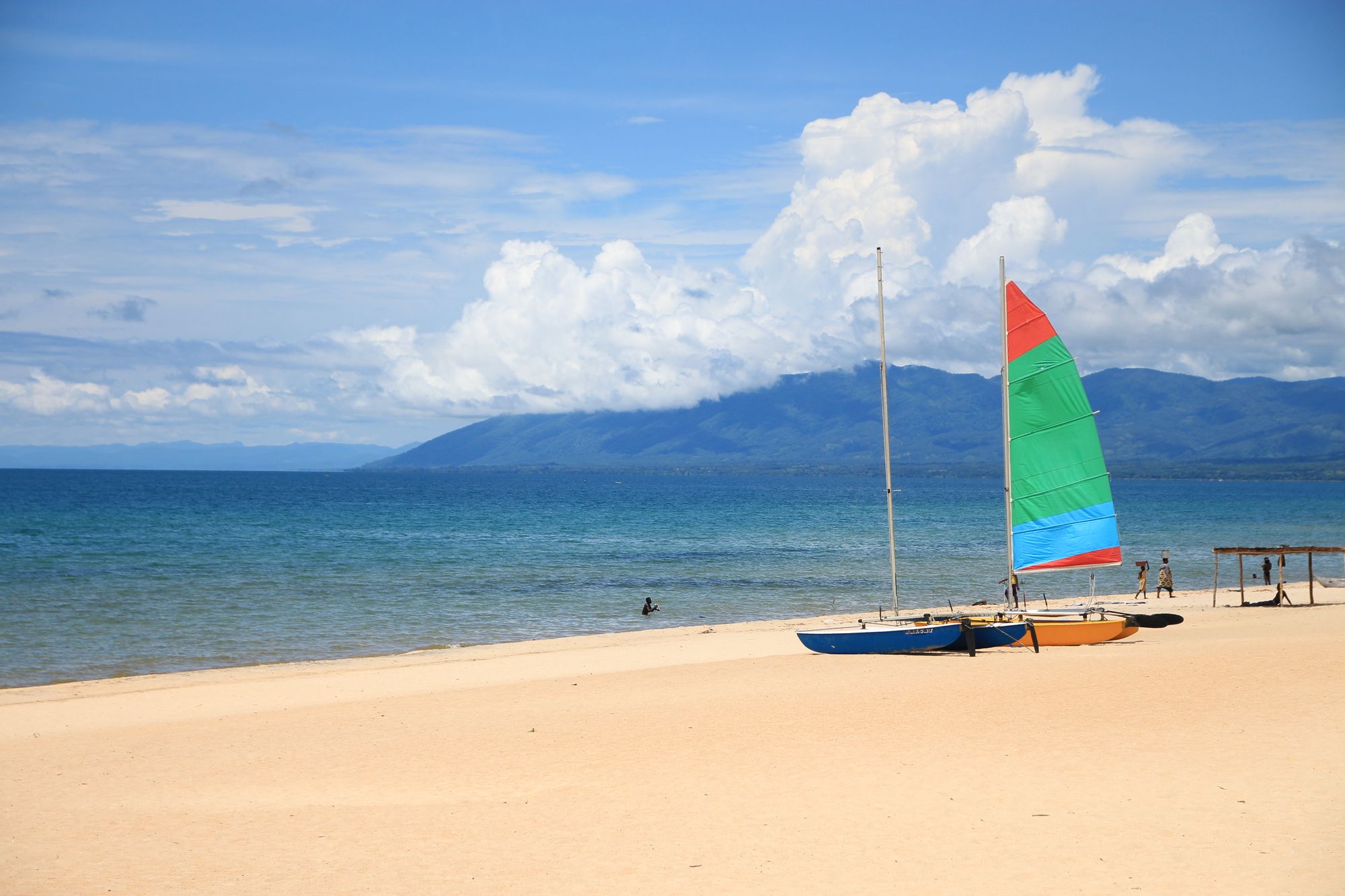
Malawi is small, friendly and built around one huge lake. Lake Malawi stretches for nearly 600 km, with sandy beaches, clear water full of colourful cichlid fish and backpacker lodges from Cape Maclear to Nkhata Bay. Add mountains, safari parks and a slow ferry, and it's one of Africa's most relaxed overland stops.
Malawi is a narrow, landlocked country in south-east Africa, wrapped around the western shore of Lake Malawi. The lake fills about a fifth of the country and is one of the largest in Africa, with more species of fish than any other lake in the world, mostly colourful cichlids.
The country calls itself "the warm heart of Africa", and its people are known for their friendliness. It is also one of the poorest countries in the world, which shapes travel here: roads are basic, power cuts and fuel shortages are common, and things move slowly.
For backpackers, the lake is the main draw. Cape Maclear, in the south, sits inside Lake Malawi National Park, a UNESCO World Heritage site, with snorkelling, kayaking and island camping. Nkhata Bay, in the north, is a lively lakeside village with cliff jumping, diving and lodges on rocky coves. The MV Ilala ferry, which has sailed the lake since 1951, links the shore to Likoma and Chizumulu islands.
Away from the lake, Liwonde and Majete national parks have elephants, hippos and, in Majete, the Big Five. Mount Mulanje and the Zomba Plateau offer hiking, and the Nyika Plateau has rolling grasslands and zebras.
Lilongwe, the capital, is mainly a transport hub. Most travellers pass through on the way between Zambia, Tanzania and Mozambique.
Two to three weeks lets you travel the lake from north to south, with a safari and a hike.
Most trips follow Lake Malawi, from Nkhata Bay in the north to Cape Maclear in the south, with time in the parks and mountains. These are the stops that earn their place, with live hostel counts and dorm prices from Hostelworld.
The capital and transport hub, with a wildlife centre and craft markets.
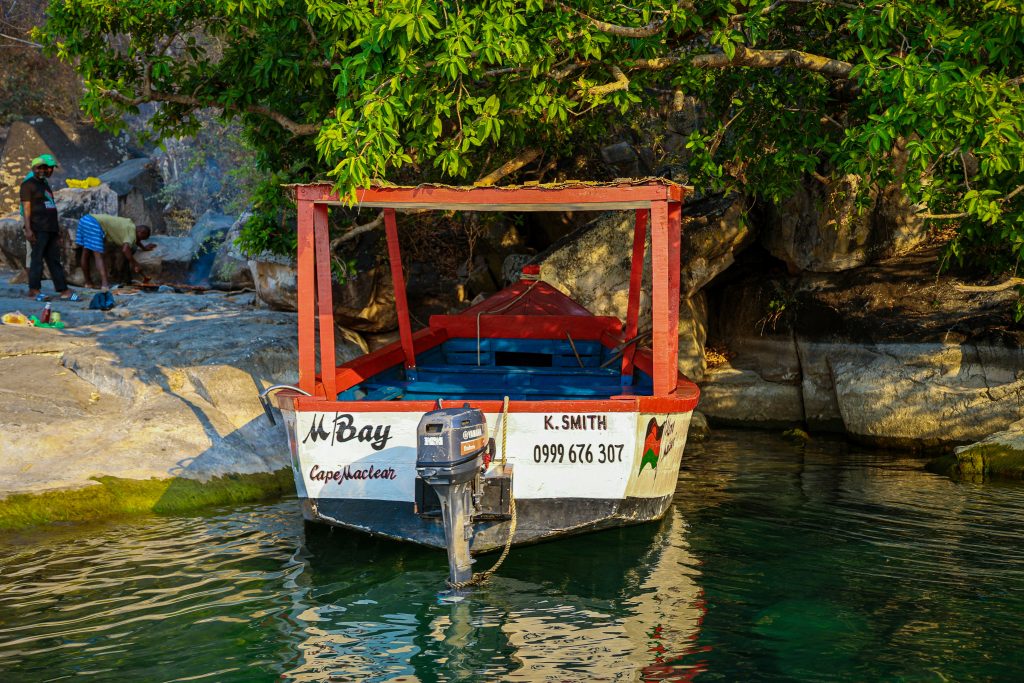
Lakeside village in Lake Malawi National Park, for snorkelling, kayaking and islands.
Malawi is compact but slow to travel. Choose one or two of these and build your route around them.
Snorkel with cichlids, kayak to islands and camp on the shore of Lake Malawi.
Ride the old MV Ilala up the lake, stopping at Likoma Island and Nkhata Bay.
Take a boat safari in Liwonde and look for the Big Five in Majete.
Hike Mount Mulanje's peaks, the Zomba Plateau and the Nyika grasslands.
Watch traditional dances at Kumbali, browse craft markets and eat chambo and nsima.
Try chambo, nsima and usipa, and a Malawi gin and tonic by the lake.
Lake Malawi is the heart of any trip. At Cape Maclear, in Lake Malawi National Park, you can snorkel among hundreds of colourful cichlids, kayak to Thumbi and Mumbo islands, and watch fish eagles swoop at sunset. Nkhata Bay, in the north, has rocky coves for snorkelling, diving and cliff jumping, and a lively backpacker scene.
The MV Ilala ferry runs once a week along the lake, calling at Monkey Bay, Likoma Island, Nkhata Bay and Chilumba. It's slow and timetables are unreliable, but it's one of Africa's classic journeys. Likoma Island has an enormous Anglican cathedral and quiet beaches.
Liwonde National Park, on the Shire River, is the best place in Malawi for boat safaris among hippos, crocodiles and elephants. Majete Wildlife Reserve, in the south, has the Big Five after a major restoration project.
Mount Mulanje, in the south-east, is a huge granite massif with Sapitwa, the highest peak in south-central Africa, and multi-day hikes between mountain huts. The Zomba Plateau has forest walks, waterfalls and views.
In the north, the Nyika Plateau is a high grassland with zebras, antelope and orchids, and Livingstonia is a historic mission town on the escarpment with views over the lake.
Lilongwe has a wildlife centre, craft markets and the Kumbali Cultural Centre for traditional dancing.
Nsima, a stiff maize porridge, is Malawi's staple and is eaten with almost every meal. You roll it into a ball with your right hand and dip it into relish: beans, greens, meat stew or fish.
Chambo, a tilapia fish from Lake Malawi, is the national dish, usually grilled or fried and served with nsima or chips. Usipa, small dried fish from the lake, is a common, cheap relish.
Mandasi, fried dough balls, are a popular breakfast, and roasted maize and chips are sold on the roadside.
Lodges and cafés serve burgers, pizzas and curries, and the lake lodges often cook fresh fish.
Carlsberg is brewed in Malawi, with "greens" the classic, and Kuche Kuche is the local lager. Malawi Gin is a famous local spirit, often drunk with tonic. Chibuku is a traditional maize beer.
Drink bottled or treated water, especially at the lake.
Malawi's nightlife centres on the backpacker lodges, where evenings mean sundowners on the lake, bonfires on the beach and the occasional party.
Nkhata Bay has the liveliest scene, with lodge bars and local bars in the village. Cape Maclear is quieter, with beach bars and music at weekends.
Lilongwe and Blantyre have bars and clubs, but don't walk at night. Arrange transport home in advance.
Lake of Stars, Malawi's best-known music festival, is held on the lake shore, usually in September or October, with Malawian and international artists.
Watch out for drink spiking and methanol-contaminated alcohol, which the UK warns about.
Coaches link the main towns, such as Lilongwe, Blantyre and Mzuzu, and are more reliable than minibuses. Minibuses and pick-up trucks, called matolas, cover shorter routes and the lakeshore. The UK warns they are often overloaded and in poor condition.
From Lilongwe, minibuses go to Monkey Bay, then pick-ups go on to Cape Maclear. Allow a full day. Minibuses from Mzuzu go to Nkhata Bay in about an hour and a half.
The MV Ilala ferry sails Lake Malawi once a week between Monkey Bay and Chilumba, stopping at Likoma Island and Nkhata Bay, among others. It's slow, and its schedule is unreliable.
Domestic flights link Lilongwe and Blantyre.
Fuel shortages are frequent, and roads are dangerous at night, with potholes, animals and unlit vehicles. Travel in daylight.
Malawi borders Zambia, Tanzania and Mozambique. Buses run from Lilongwe to Lusaka and to Dar es Salaam.
Malawi uses the kwacha (MWK). In October 2026, €1 is about MWK 1,937 at the official rate. Foreign currency is in short supply, and a parallel market offers different rates, so check locally.
ATMs work in the main towns, and Visa and Mastercard are accepted at some banks' ATMs, larger hotels and supermarkets. Carry cash for minibuses, markets and the lake, where ATMs are rare.
Malawi is one of the cheapest countries in the region. Hostelworld lists dorm beds from about US$6 to US$12, and camping at lake lodges costs less.
A plate of nsima and relish or chambo costs a few euros at local restaurants, and lodge meals around €5 to €10.
Activities are good value. Lake Malawi National Park charges about US$10 for hikes, and boat trips and snorkelling from lodges are cheap. Safaris in Liwonde and Majete cost more.
On a budget, allow around €20 to €35 a day.
Malawi is generally safe, and most visits are trouble-free. Most thefts from tourists happen around bus stations in towns, so keep valuables close there. Break-ins have increased in Lilongwe, Blantyre and Limbe.
Don't walk alone at night in cities, and arrange transport in advance. Watch out for drink spiking and methanol-contaminated alcohol.
At the lake, bilharzia is a risk in some areas, particularly around Cape Maclear. Ask a doctor about a test and treatment after swimming. Malaria is present all year, so take precautions.
Roads are dangerous after dark. Minibuses are often overloaded, and coaches are safer.
Same-sex sexual activity is illegal and can lead to prison. Drug penalties are severe, including for cannabis. Buying ivory or uncut gemstones is illegal.
Carry a copy of your passport and visa, as police may ask for ID. Fuel shortages, power cuts and cyclones and floods from November to April can disrupt travel.
The UK government says British visitors need a visa for Malawi. You can get one on arrival, paid in US dollars cash: US$50 for a single entry, US$150 for a six-month multiple entry and US$250 for a year. E-visas are available on the Malawi Immigration website.
Rules differ by nationality, and some passports can enter visa-free, so check what applies to you before you travel.
Your passport must be valid for at least six months after you arrive.
All arriving passengers must complete a Traveller Health Check form, by QR code on arrival or online in advance.
You need a yellow fever certificate only if you are arriving from a country with yellow fever risk.
Carry a copy of your passport and visa at all times.
The dry season from May to October is the best time to visit, with sunny days and good wildlife viewing. May to August is cooler, and September and October are hot. The rains run from November to April, when roads can flood.
Temperatures are average daily highs in Lilongwe (weather2travel climate data). The lakeshore is a few degrees warmer. Crowd levels are our own rough estimate.
Pick a travel style and the number of nights to see a rough total. Figures are per person per day in euros, based on hostels or lodge camping, local food, minibuses and a mix of activities.
Rough figures for 2026, converted from kwacha and US dollar prices. Safaris and hikes with guides cost more.
National holidays and the Lake of Stars festival shape the Malawian calendar.
Public holiday.
Public holiday.
Public holiday marking independence in 1964.
Music festival on the lake, with Malawian and international artists.
Public holiday.
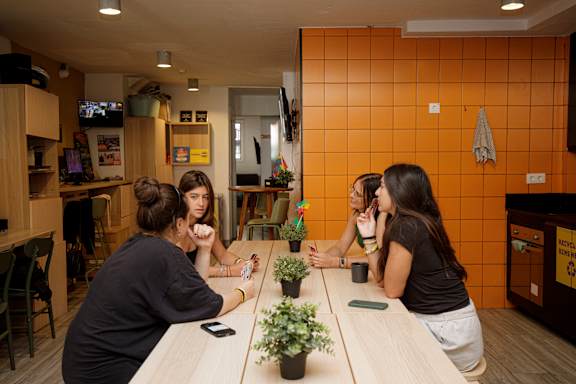
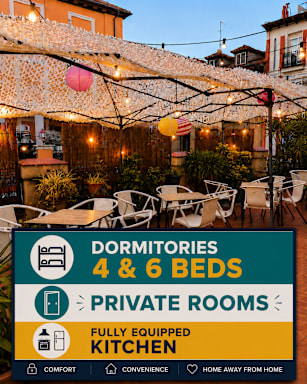
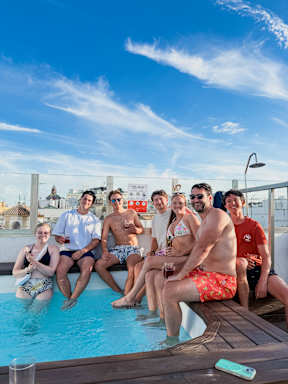
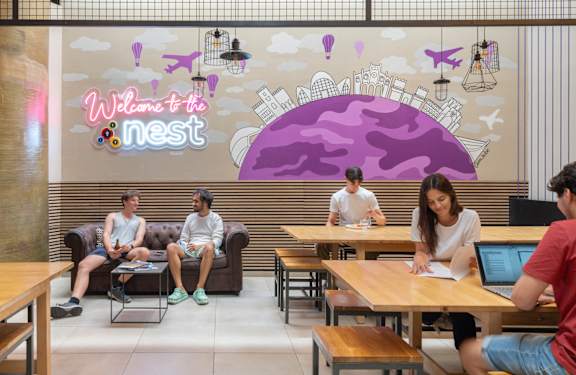
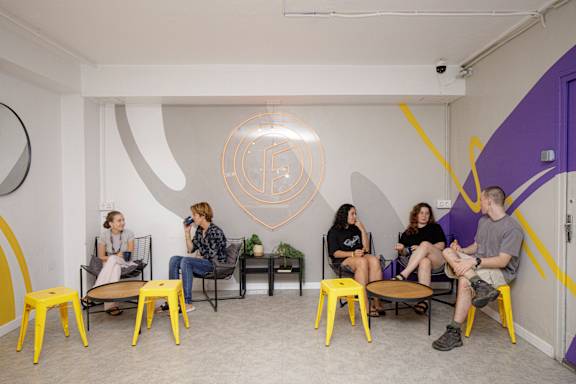
Malawi's hostels are mostly small and friendly, in Lilongwe and along the lake. These are the best-rated right now, with live prices.
Visa, price and timetable details were checked in October 2026. Rules change, so confirm with official sources before you travel.

Compare Malawi hostels: live prices, real reviews and free cancellation on most bookings. Then meet the people already there in the app.

 Get the App.

 Get the App.