Johannesburg
South Africa city guide

Johannesburg Travel Guide

Joburg is where South Africa's story is told most powerfully, from the Apartheid Museum and the cells of Constitution Hill to a bike ride down Vilakazi Street in Soweto. It rewards a bit of planning: choose your neighbourhood well, ride the Gautrain and Uber rather than walk between areas, and you'll find galleries, rooftop bars and some very good weekend markets.

11
Hostels in the city
8.3
Average, from 3,593 reviews
1,750 m
Altitude, so pack a jumper for winter nights
15 min
Gautrain from the airport to Sandton
€13
Apartheid Museum entry

Gold, grit and a lot of history

Johannesburg exists because of gold. Prospectors found the Witwatersrand reef in 1886, and a mining camp turned into the country's economic capital within a few decades. The city sits on the Highveld at around 1,750 metres, which is why winters are dry and sunny with cold nights, and summer afternoons often end in a loud thunderstorm. Locals call it Joburg, Jozi or eGoli, the place of gold.

Plenty of backpackers land at OR Tambo and leave the same day for Kruger, Cape Town or Durban. That's a mistake. This is where the history of apartheid and the struggle against it is told best: the Apartheid Museum, the prison blocks of Constitution Hill, the Hector Pieterson Memorial and the Mandela House in Soweto. It's also a creative city, with gallery strips in Rosebank, street art in Maboneng, a student scene in Braamfontein and a food and music culture that sets the tone for the rest of the country.

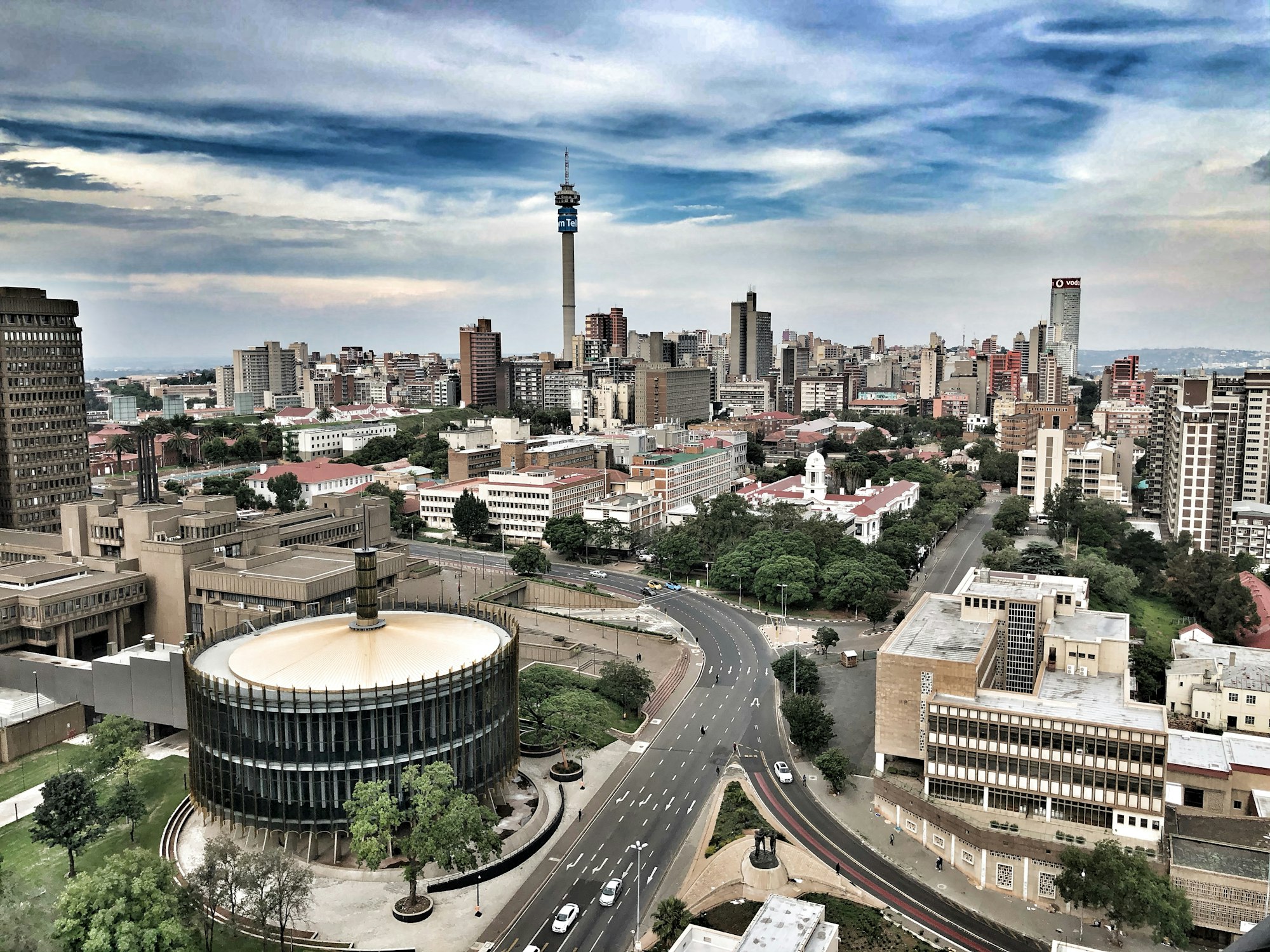
Now the honest part. Joburg has a serious crime problem, and it doesn't work like a European capital where you wander from one district to the next on foot. Distances are big, public transport beyond the Gautrain is hard for visitors to use, and the CBD is not somewhere to walk around after dark. The way people travel here is neighbourhood to neighbourhood by Uber or Bolt, then on foot inside areas that are busy and well kept, mostly in daylight.

Travel like that and it's a rewarding stop. Three days covers the museums, Soweto and a market or two. Give it four or five if you want a day at the Cradle of Humankind fossil sites or a game drive in Pilanesberg, which has the Big Five about three hours' drive away.

Where you sleep shapes the trip. Maboneng and Braamfontein put you close to the inner-city sights and nightlife, but you need to stay switched on. Melville and Rosebank are calmer, with cafés and bars you can reach on foot during the day. Soweto is the choice if you want to stay somewhere local, and Sandton is safe and handy for the airport train but short on character.

Pick your patch: Joburg's neighbourhoods

Johannesburg is a string of separate neighbourhoods rather than one walkable centre, so where you stay decides how your evenings go. These are the areas most backpackers choose between, from the arty inner city to the leafy northern suburbs and Soweto.

Maboneng

Street art, weekend crowds, budget beds

A few blocks of converted warehouses on the eastern edge of the CBD, with murals, cafés, rooftop bars and galleries along Fox Street. Liveliest at weekends. Use Uber to get in and out and don't walk to or from the CBD.

Braamfontein

Students, nightlife, Constitution Hill

The neighbourhood next to Wits University, with a Saturday market, bars and rooftops around Juta and De Korte streets, and Constitution Hill on its doorstep. Busy by day, patchy at night.

Melville

Bars, cafés, a relaxed base

Low-rise, slightly bohemian suburb north-west of the centre. 7th Street is the strip of bars and restaurants. Fine on foot during the day; take an Uber at night, even for short hops.

Rosebank

First-timers, galleries, the Gautrain

A mall, a Gautrain station and the Keyes Art Mile gallery strip in one compact area. One of the easier parts of the city to walk around in daylight, and a short train ride from Sandton and the airport.

Sandton

Short stopovers, easy airport access

The financial district of glass towers, Nelson Mandela Square and Sandton City mall. Safe and well policed and 15 minutes from OR Tambo on the Gautrain, but pricey and short on atmosphere.

Soweto (Orlando West)

History, a local stay

Vilakazi Street, the Mandela House and the Hector Pieterson Memorial are all here. Staying at a Soweto backpackers, with guided walks and bike tours from the door, is the best way to see it properly.

Orange labels are neighbourhoods, dots are the 4 top-rated hostels. Map data from OpenStreetMap contributors.

Things to do

The history you need to see in person

Start with the Apartheid Museum in Ormonde, next to Gold Reef City. At the door you're given a ticket marked "white" or "non-white" at random and sent through separate entrances, and the exhibition builds from there through forced removals, the 1976 uprising and the 1994 election. The museum suggests two hours for a brief visit; most people need closer to three. It's open Tuesday to Sunday, 9:00 to 17:00, and costs R240 (about €13) for international visitors with the audio tour, or R190 (€10) with a student card.

Constitution Hill in Braamfontein is the other essential. The Old Fort briefly held Nelson Mandela in 1962. Number Four was the prison block for Black men from 1904 to 1983 and is kept largely as it was, with isolation cells and video testimonies; Mahatma Gandhi was also held here. The Women's Gaol tells the stories of women activists, and the Constitutional Court shares the site, with its public art collection and public hearings. Entry starts from about R85 (€5). Take the guided tour, because the stories are what make it.

Then go to Soweto. Vilakazi Street in Orlando West is often described as the only street in the world where two Nobel Peace Prize winners lived, Nelson Mandela and Desmond Tutu. The Mandela House museum and the Hector Pieterson Memorial and Museum, which marks the student uprising of 16 June 1976, are a short walk apart. Go with a local guide: Lebo's Soweto Backpackers runs two-hour, half-day and full-day bike tours that take in Vilakazi Street, the Hector Pieterson site, churches and a stop for home-brewed beer. Orlando Towers, the painted cooling towers of an old power station, is where people bungee jump.

Back in the northern half of the city, Rosebank's Keyes Art Mile is a run of commercial galleries, and Victoria Yards in Lorentzville is a converted industrial yard full of artists' studios and makers, busiest on the first Sunday of the month. Maboneng is the place for street art and a weekend browse.

One planning tip: the Apartheid Museum and Soweto are on the same side of the city, so put them on the same day, and pair Constitution Hill with an afternoon in Braamfontein.

Free things

Joburg on a zero budget

Free things take more effort in a city where you pay to get everywhere, but once you're in the right neighbourhood there's plenty that costs nothing. Walking Maboneng's streets for the murals is the obvious one. Go on a weekend morning when it's busy, stick to the blocks around Fox Street, and don't drift towards the CBD.

Joburgers spend weekends outdoors when the weather is good. Zoo Lake in Parkview is the classic picnic spot, with families, joggers and the odd drumming circle on a Sunday. The Johannesburg Botanical Gardens at Emmarentia and The Wilds in Houghton, a hillside park of indigenous plants, are good for a slower afternoon. Go in daylight and in company, and keep your phone out of sight in quieter corners.

Gallery hopping is free. The commercial galleries along the Keyes Art Mile in Rosebank don't charge entry, and on the first Thursday of the month galleries and creative spaces across the city open late, which turns into a casual night out. At Constitution Hill you can sit in on a public hearing at the Constitutional Court when it's in session, and the building itself is worth seeing for its art.

Markets cost nothing to wander, even if you'll probably end up buying lunch: the Saturday market in Braamfontein and the Sunday market at Rosebank Mall on the first two Sundays of the month are the easiest to reach.

If you're in town in October, the jacaranda trees turn whole streets of the northern suburbs purple. It's a free show, and nearby Pretoria is even more famous for it.

Food and drink

Kota, shisa nyama and market Saturdays

Joburg eats meat, and the classic way to do it is shisa nyama. You choose your raw meat at a butchery counter, it's grilled over coals, and it comes with pap (stiff maize porridge) and chakalaka, a spicy vegetable relish. Chaf Pozi, at the foot of the Orlando Towers in Soweto, is the well-known place for it. Weekends get busy and loud, which is half the point.

The kota is the township's street food: a quarter loaf of white bread hollowed out and stuffed with chips, polony, atchar, cheese and often a sausage or an egg. It's cheap, enormous and sold from takeaways across Soweto and the inner city. On Vilakazi Street, Sakhumzi is the best-known sit-down spot for local dishes, and it's used to tour groups, so it's an easy first taste.

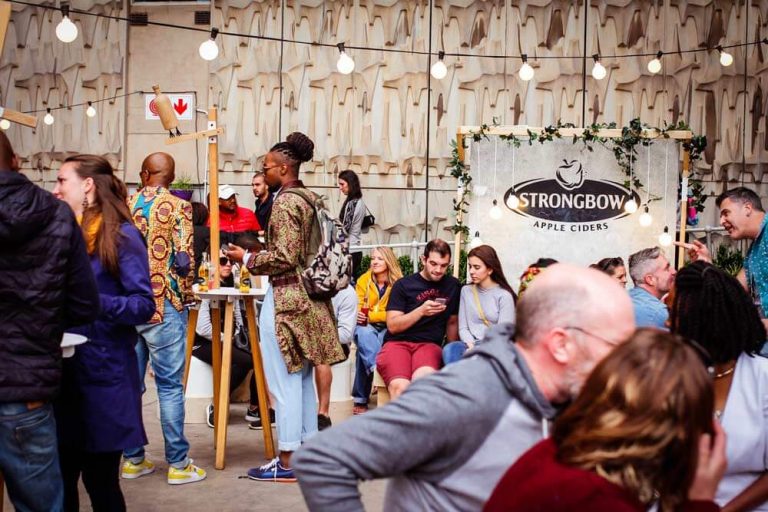
Markets are where the city's food scene shows off. Braamfontein's Saturday market brings together street food, coffee and craft beer in a crowd of students and young professionals, and Victoria Yards and the Rosebank Sunday market have food stalls too. If you're cooking at the hostel, Checkers, Pick n Pay and Woolworths supermarkets are everywhere, and a braai with your dorm mates is a very South African evening.

Joburg's mix of communities shows up on the plate. Fordsburg, around the Oriental Plaza, is the place for Indian food, curries and samoosas. Derrick Avenue in Cyrildene is the city's Chinatown; go by day and by Uber. For a calmer evening, 4th Avenue in Parkhurst is lined with restaurants and pavement tables, and the coffee in Maboneng and Braamfontein holds its own with any European city.

Eating out is cheap by European standards, especially if you stick to local food. Wine is good value, and South African craft beer is worth trying.

Nightlife

Rooftops, 7th Street and Sunday sessions

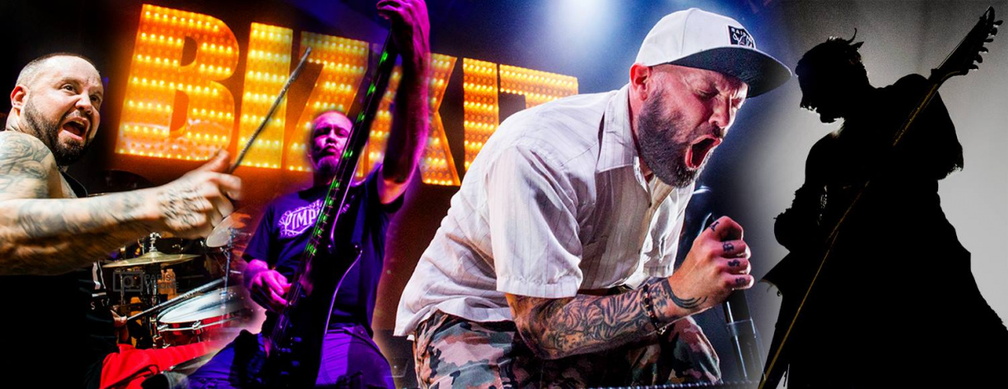
Joburg goes out hard, but it goes out in pockets, and you move between them by car. Braamfontein is the student-heavy option, with bars and rooftops around Juta and De Korte streets, DJs most weekends and cheaper drinks than the northern suburbs. It's busiest Thursday to Saturday.

Melville's 7th Street is the old-school bar strip: pubs, cocktail bars and restaurants with tables on the pavement, all on one street. It's the easiest place for a low-key night of bar-hopping without needing a ride between each stop. Maboneng is more of a weekend thing, with rooftop bars and DJ sets around Fox Street that start in the afternoon.

The sound you'll hear everywhere is amapiano, the house music style that came out of Gauteng's townships and spread around the world. The best way to hear it is a Sunday afternoon session at a Soweto shisa nyama, where the braai and the DJ run for hours. Go with locals or a hostel group rather than on your own.

Rosebank and Sandton are the polished end of the city: hotel rooftops, cocktail bars and clubs with door policies and higher prices. They're the easiest areas for a first night out if you're nervous about the city, and the Gautrain links them until the evening.

A few rules that locals follow too. Take an Uber or Bolt door to door after dark, even for a few hundred metres. Book it from inside the venue and check the number plate before you get in. Keep your phone away on the street, watch your drink, and agree how everyone is getting home before you go out.

Getting around

Gautrain, Uber and not much walking

From OR Tambo, the Gautrain is the easiest and safest way into town. The airport train reaches Sandton in about 15 minutes. The fare from the airport to Sandton is R228 (around €12), and to Rosebank or Park Station it's R240 (€13), changing at Sandton. Those are the fares set in June 2025, which Gautrain froze for 2026. Trains run roughly 05:30 to 20:30 on the airport line, so check the timetable if you land late. You can tap through the gates with a contactless Visa or Mastercard, or buy a Gautrain Card at the station.

Uber and Bolt both work at the airport. Expect roughly R250 to R450 (€14 to €24) to Sandton and a little more to Rosebank or the CBD, and allow 30 to 60 minutes, longer at rush hour. The terminals are big, so follow the pickup instructions in the app. If you'd rather take a metered taxi, use the signposted official desk and ignore anyone touting for business in arrivals.

In town, Uber and Bolt are how almost everyone gets around. Book through the app, wait inside rather than on the street, and check the registration and driver before you get in. The FCDO notes that tensions between e-hailing and metered taxi drivers have turned violent around Gautrain stations and airports, so if there's a strike, use a pre-booked transfer instead.

The Gautrain is great for the north–south corridor: Park Station, Rosebank, Sandton, Midrand and Pretoria. Rosebank to Sandton costs R30 to R38 (€2). Feeder buses run from most stations. Don't walk to or from stations after dark.

Minibus taxis carry most of the city's commuters, and there are city buses and the Rea Vaya rapid bus lines, but they're hard for visitors to use and not where to start. The City Sightseeing hop-on hop-off bus, which starts at Constitution Hill, is a simple way to link up the inner-city sights in daylight.

Costs

What Joburg really costs

South Africa uses the rand (R), and in October 2026 €1 bought roughly R18.50. Rates move, so check before you go. Cards are accepted almost everywhere, including by Uber and Bolt, and contactless is normal. Keep some cash for markets, tips, car guards and petrol attendants.

Beds are cheap. Dorms on Hostelworld in Johannesburg start at roughly €9 and go up to about €19 a night, and many hostels have private rooms not much more than a cheap hotel in Europe. Food is good value too, especially local food, markets and supermarket shopping for the hostel kitchen.

Transport is where Joburg costs more than you'd expect. You'll ride rather than walk, so a day with three or four Uber trips adds up, and the airport transfer is either R228 (€12) by Gautrain to Sandton or R250 to R450 (€14 to €24) by Uber.

The big sights are reasonable. The Apartheid Museum is R240 (€13) or R190 for students, Constitution Hill starts at about R85 (€5), and Sterkfontein Caves and the Maropeng visitor centre at the Cradle of Humankind are R150 (€8) each. The big spend is a safari: a shared-vehicle day trip to Pilanesberg costs roughly R1,800 to R3,250 (€97 to €175), usually including park fees.

Tip 10 to 15% in restaurants, check whether service has already been added, and give car guards R5 to R10 when you get back to the car. Use ATMs inside malls rather than on the street, and shield your PIN. If you're heading on to Kruger or Cape Town, Joburg is a good place to stock up and sort a local SIM or eSIM before you go.

Safety

Staying safe in Joburg, honestly

Johannesburg has a high crime rate, and pretending otherwise doesn't help anyone. The UK Foreign Office says violent crime can happen anywhere, including tourist areas and transport hubs, and is more likely after dark. Most visitors still have a trouble-free trip, and the way to do that is to travel the way locals do: by car between neighbourhoods, on foot only in busy areas, and not out wandering at night.

Your arrival is the first thing to get right. The FCDO warns that criminals have followed people from OR Tambo to their accommodation and robbed them. Take the Gautrain, use Uber from the app's pickup point, or arrange a transfer with your hostel. Keep valuables out of sight and don't flash cash or phones in arrivals.

Know which areas to avoid. The CBD and Hillbrow are not places to walk around after dark, and you shouldn't walk between the CBD and Maboneng at any time. Maboneng and Braamfontein are fine in daylight when they're busy, and Melville, Rosebank and Sandton are easier, but use Uber at night everywhere. Visit Soweto with a local guide or stay at a Soweto backpackers. The FCDO also advises against walking to or from Gautrain stations after dark.

Day to day, keep your phone in your pocket on the street, use ATMs inside malls, cover your PIN and refuse help from strangers at cash machines. In a car, keep bags out of sight and windows up at traffic lights, because smash-and-grab theft is common. Protests can turn violent quickly, so steer clear. Power cuts can switch off traffic lights, ATMs and security lighting, so carry a power bank and a torch.

If you are robbed, hand things over and don't resist. Police are on 10111 and ambulances on 10177, or 112 from a mobile.

Day trips from Johannesburg

Some of Gauteng's best days out are just beyond the city: fossil caves that changed what we know about human origins, a Big Five reserve inside an old volcano, and the capital up the road. Most need a car or a tour, as public transport doesn't reach them.

Cradle of Humankind

About 1 hour · Hire car, Uber or tour

UNESCO-listed fossil sites about 40 km north-west of the city. Go underground at Sterkfontein Caves, where the Mrs Ples and Little Foot fossils were found, then visit the Maropeng visitor centre. R150 (€8) each; the caves are closed on Mondays.

Pilanesberg National Park

About 3 hours · Tour or hire car

A malaria-free Big Five reserve set inside an ancient volcanic crater, about 170 km away. Leave before dawn for the best game viewing. Shared day tours cost roughly €97 to €175 including park fees.

Pretoria

About 45 minutes · Gautrain or Uber

South Africa's administrative capital, at the end of the Gautrain line. See the Union Buildings and their gardens, Church Square and the Voortrekker Monument, and come in October when the jacarandas flower.

Soweto

About 25 minutes · Guided or bike tour

If you're staying north, give Soweto a full day rather than a quick drive-through: Vilakazi Street, the Hector Pieterson Memorial, Orlando Towers and a long shisa nyama lunch.

What's on

What's on in Joburg

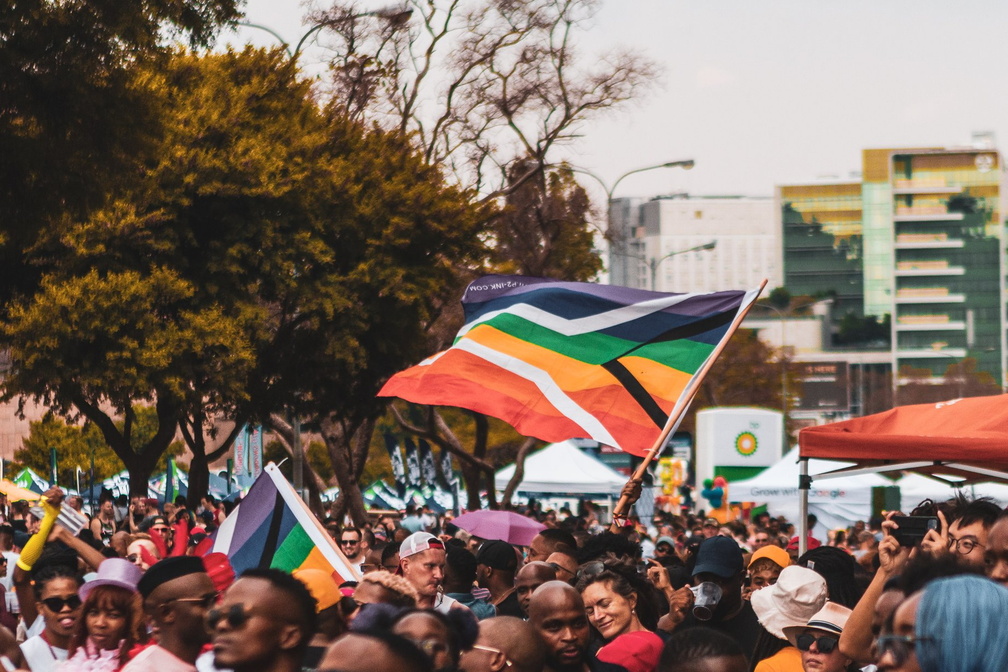
Johannesburg's calendar is strongest from September to November, when the art fair, jazz, Pride and the jacarandas all land within a few weeks of each other.

When to go to Johannesburg

Joburg's seasons are the opposite of Europe's, and the altitude keeps it from getting too hot. Summer (November to March) is green, warm and wet, with rain arriving as short afternoon thunderstorms. Winter (June to August) is dry and sunny with days around 17 to 20°C but nights close to freezing, and many hostels have no central heating. The sweet spots are April to May and September to October, when it's dry, warm and the city's arts calendar is busiest.

26°
Jan
Wet season, afternoon storms
26°
Feb
Warm and green, storms continue
25°
Mar
Rain easing off
22°
Apr
Dry, clear and mild
20°
May
Sunny days, cold nights
17°
Jun
Winter; Youth Day on 16 June
18°
Jul
Coldest nights, driest month
20°
Aug
Dry and dusty, warming up
23°
Sep
Art fair and Joy of Jazz
24°
Oct
Jacarandas and Pride; first storms
25°
Nov
Soweto Marathon; rains return
26°
Dec
Locals head to the coast
Bar height is temperature. Colour is how busy it gets: quiet busy peak

Average daytime highs from Weather2Travel's Johannesburg climate data. Crowd scores are our own rough guide to how busy the sights, hostels and events feel, not official figures.

Your daily budget for Joburg

Pick how you travel and how many nights you're staying to get a rough total. Transport is higher than in most cities, because you'll ride rather than walk.

Rough daily costs per person in euros at around R18.50 to €1, based on Hostelworld dorm prices, the attraction prices on this page and typical Uber fares. Safari day trips are not included.

—
  • Beds—
  • Food and drink—
  • Getting around—
  • Doing things—

Johannesburg FAQs

Prices and transport details checked October 2026.

Is Johannesburg safe for backpackers?
It's safe enough if you travel the way locals do. Crime is high, so use Uber or Bolt between neighbourhoods, avoid the CBD and Hillbrow after dark, keep your phone out of sight and use ATMs inside malls. Most visitors who follow those habits have no problems.
How do I get from OR Tambo airport to the city?
The Gautrain reaches Sandton in about 15 minutes for R228 (around €12), and Rosebank or Park Station for R240 with a change at Sandton. Uber or Bolt to Sandton costs roughly R250 to R450 and takes 30 to 60 minutes. Avoid unofficial taxi touts in arrivals.
How many days do I need in Johannesburg?
Three days covers the Apartheid Museum, Constitution Hill, Soweto and a market. Add a day or two for the Cradle of Humankind or a game drive in Pilanesberg.
Where is the best area to stay in Johannesburg?
Melville and Rosebank are calm and good for a first visit, Maboneng and Braamfontein suit people who want the inner-city scene, and Soweto is the pick for a local stay. Sandton is safe and handy for the airport train but lacks atmosphere.
Can I visit Soweto on my own?
You can, but a local guide makes the visit far better and safer. Bike or walking tours from Orlando West cover Vilakazi Street, the Mandela House and the Hector Pieterson Memorial, or you can stay overnight at a Soweto backpackers.
How much does the Apartheid Museum cost?
International visitors pay R240 (about €13) with the audio tour, and students R190. It's open Tuesday to Sunday from 9:00 to 17:00. Allow two to three hours.
Is Uber safe in Johannesburg?
Uber and Bolt are the normal way to get around. Book only through the app, wait indoors, and check the number plate and driver before getting in. If metered taxi drivers are striking, use a pre-booked transfer.
What is the best time to visit Johannesburg?
April to May and September to October are dry and warm. Summer brings afternoon thunderstorms, and winter days are sunny but nights get close to freezing.
Can I see the Big Five on a day trip from Johannesburg?
Yes. Pilanesberg National Park is about three hours away, malaria-free and home to the Big Five. Shared day tours cost roughly €97 to €175 including park fees.

Say yes to hostels, meet the world

Compare Johannesburg hostels — live prices, real reviews and free cancellation on most bookings. Then meet the people already there in the app.

Get the App. QRGet the App.
Get the App. QR  Get the App.
Scroll to Top