Town centre
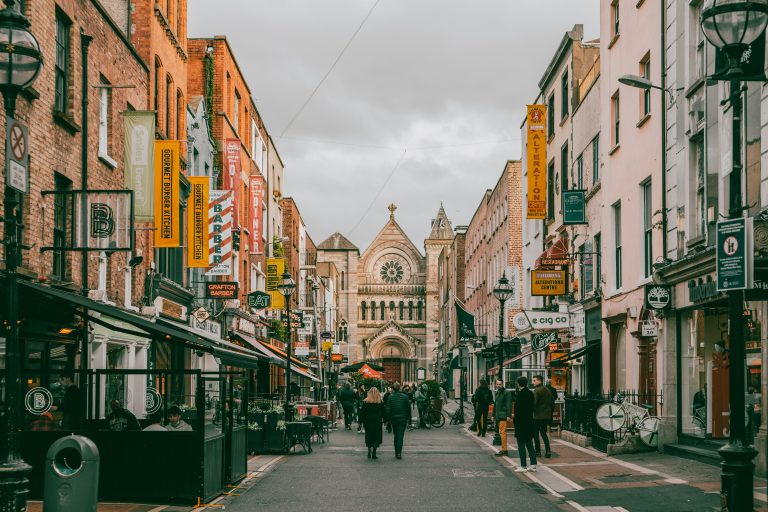
First-timers and social travellersA few streets of shops, cafés, activity agents and craft markets, walking distance from the falls.

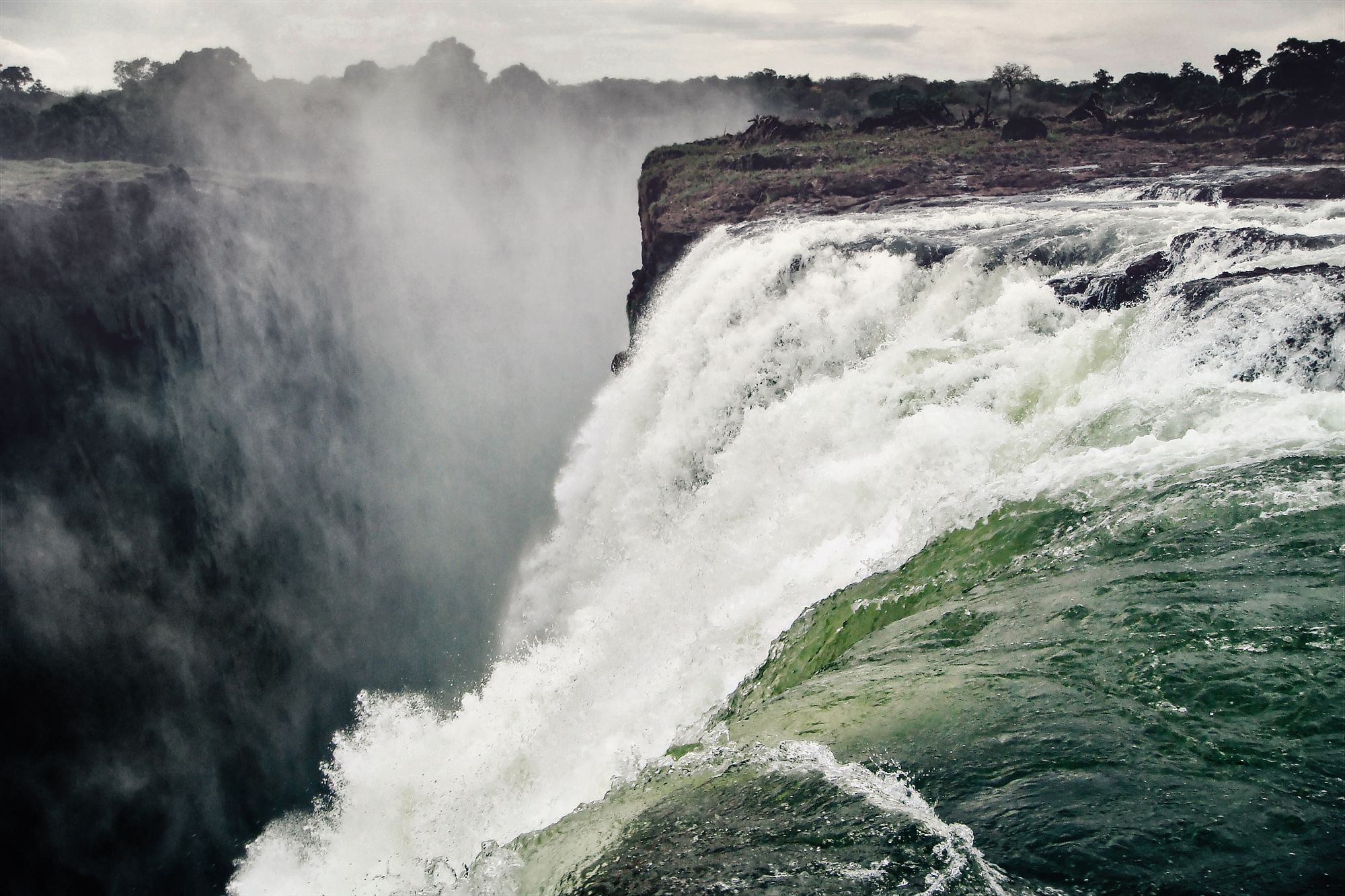
Victoria Falls is a small, friendly town built around one of the world's great natural wonders. Walk the rainforest path through the spray, bungee off the bridge, raft the Zambezi's rapids and sip a sundowner on the river. It's also the easiest base for Zambia and Botswana's Chobe. Stay at least three nights.
Victoria Falls is the Zimbabwean town on the south bank of the Zambezi, right next to the falls themselves, known locally as Mosi-oa-Tunya, "the smoke that thunders". The falls stretch for about 1.7 km and drop more than 100 m into a narrow gorge, and on a full day the spray can be seen from far away.
About three-quarters of the falls' width can be seen from the Zimbabwean side, where a path through the rainforest runs along the edge of the gorge past a series of viewpoints. Across the gorge is Zambia, linked by the Victoria Falls Bridge, which you can walk across.
The town is small, safe-feeling and built for visitors. Its centre is a few streets of shops, cafés, activity agents and craft markets, a short walk from the falls. Around it are lodges, hostels and the Zambezi National Park, and wildlife wanders through: elephants, warthogs and baboons are regular visitors, so don't walk around after dark.
Victoria Falls is the adventure capital of southern Africa. You can bungee from the bridge, swing over the gorge, raft some of the world's best commercial rapids, fly over the falls in a helicopter or take a slow sunset cruise on the upper river.
It is also a crossroads. Livingstone, in Zambia, is just over the bridge, and Kasane, the gateway to Chobe National Park in Botswana, is about an hour away. With a KAZA visa, you can visit both easily. Three or four nights is a good stay.
Most backpackers stay in or near the town centre, a short walk from the falls. Lodges along Zambezi Drive and upriver are quieter, and Chinotimba is the local suburb with the cheapest rooms.
A few streets of shops, cafés, activity agents and craft markets, walking distance from the falls.
The area around the Rainforest entrance and the historic Victoria Falls Hotel.
Lodges along the river towards the Zambezi National Park, with wildlife on the doorstep.
The local suburb south of the centre, with markets, eateries and cheaper rooms.
Orange labels are neighbourhoods, dots are the 5 top-rated hostels. Map data from OpenStreetMap contributors.
Start with the falls. The Victoria Falls Rainforest, the national park on the Zimbabwean side, has a path along the edge of the gorge with viewpoints over the Devil's Cataract, Main Falls and Rainbow Falls. International visitors pay US$58 at the main gate (from February 2026), and it is open from about 6am to 6pm. In the high-water months, from about February to June, you will be soaked, so bring a raincoat or hire one at the gate. Moonlight viewings are offered around the full moon.
Next, walk to the Victoria Falls Bridge, built in 1905, which links Zimbabwe and Zambia over the gorge. You need a free gate pass from the Zimbabwe border post to walk onto the bridge without leaving the country. From here, the bungee jump drops about 111 m towards the river, for about US$160, and there are gorge swings, zip lines and bridge tours.
White-water rafting through the Batoka Gorge below the falls is one of the world's great rafting trips, with big Grade 4 and 5 rapids. A full day costs about US$140 to US$175. The best rafting is in the low-water months, roughly August to December, when all the rapids are runnable.
For a calmer view, take a sunset cruise on the upper Zambezi (about US$55 to US$80), with hippos, elephants on the banks and drinks on board, or a helicopter "Flight of Angels" over the falls (from about US$180).
Around town, visit the Big Tree, a huge baobab on Zambezi Drive, and the Zambezi National Park for game drives just upstream.
Across the bridge, Livingstone on the Zambian side has Devil's Pool, a natural pool on the lip of the falls open from about August to January.
The falls are expensive, but some things here cost nothing. With a free gate pass from the Zimbabwe border post, you can walk onto the Victoria Falls Bridge and see the gorge, the falls in the distance and the bungee jumpers.
Walk out along Zambezi Drive to the Big Tree, a giant baobab said to be over 1,000 years old, in daylight and with care, as wild animals use the road.
Browse the craft markets in town for stone carvings, wooden animals and baskets. Bargaining is expected, and you can often trade.
Watch the sunset over the Zambezi from a riverside spot or a lodge terrace for the price of a drink.
In the high-water months, you can see the spray rising above the trees from all over town, and hear the roar from the town centre.
Victoria Falls is a tourist town, so food is mainly in restaurants, lodges and cafés aimed at visitors. Expect steaks, game meat such as kudu, impala and crocodile, burgers, pizzas and international dishes, with restaurant mains costing around US$10 to US$20.
For local food, small eateries and the market in Chinotimba serve sadza, a stiff maize porridge, with beef or chicken stew and greens, for a few dollars.
A classic splurge is a boma dinner, an outdoor buffet of grilled game meat and local dishes with drumming, dancing and a chance to taste mopane worms.
High tea on the terrace of the historic Victoria Falls Hotel, with a view of the bridge, is another popular treat.
Zambezi and Castle are the local beers. Drink bottled water, and carry small US notes, as change is often in short supply.
Nights in Victoria Falls start with a sundowner, either on a sunset cruise on the Zambezi or on a terrace overlooking the river or a waterhole.
After dark, the social life centres on hostel bars and a handful of restaurants and bars in town, some with live music. Rafting days often end with a lively evening, swapping stories over a beer.
The biggest party of the year is the Vic Falls Carnival around New Year, with three days of music and events.
Don't walk around town after dark. Elephants, buffalo and other animals wander through, and muggings can happen. Take a taxi, even for short distances, and ask your hostel to arrange it.
Victoria Falls Airport is about 20 km south of town, with flights from Harare, Johannesburg and other regional cities. Taxis and lodge transfers take about 20 minutes; arrange one in advance.
By road, buses run from Bulawayo in about six hours, and on to Harare. The overnight train from Bulawayo, reintroduced in October 2025, arrives on Saturday mornings and returns on Sundays at 7pm, with economy seats from about US$9.
Around town, the centre and the falls are within walking distance in daylight. Taxis are cheap and the safest option after dark. Many hostels run shuttles to the falls and activity pick-ups.
To visit Zambia, walk or take a taxi to the Zimbabwe border post, cross the bridge, and continue to the Zambian border, about 1 km away. Livingstone is another 10 km, by taxi or minibus. With a KAZA visa, you can cross back and forth freely.
For Chobe National Park in Botswana, Kasane is about an hour away via the Kazungula border. Many hostels and agents sell day trips, including transfers and border formalities.
Victoria Falls is one of the more expensive places in southern Africa, mainly because of the activities. Everything is priced in US dollars.
Hostelworld lists dorm beds from about US$15 to US$33 a night, and some hostels have private rooms from around US$25.
Food costs from a few dollars at local eateries to US$10 to US$20 for a restaurant main.
The falls cost US$58 for international visitors. Activities are where the money goes: bungee about US$160, full-day rafting US$140 to US$175, sunset cruises US$55 to US$80 and helicopter flights from about US$180. A Chobe day trip also costs over US$100.
Taxis around town are cheap. The KAZA visa costs US$50 if you want to visit Zambia and Botswana.
Bring plenty of small US notes. Cards work in many lodges and activity agents, but card machines can fail and change is scarce. On a budget, without activities, you will spend about US$40 to US$60 a day.
Victoria Falls is one of the safest places to visit in Zimbabwe, but there are a few things to know.
Wildlife is the biggest risk. Elephants, buffalo, hippos and other animals wander through town and along Zambezi Drive, especially at dawn and dusk. Don't walk after dark, keep your distance from animals, and never get between a hippo and the water.
The UK reports muggings and pickpocketing in Zimbabwe's towns after dark, so take taxis at night and keep valuables out of sight. Some street sellers and money changers can be pushy, so politely decline, and only change money at licensed dealers.
Adventure activities carry real risks. Choose established, licensed operators, listen to safety briefings, and make sure your travel insurance covers bungee, rafting and other activities.
At the falls, stay behind barriers: the edges are slippery and unfenced in places.
Don't photograph the border posts or police, and carry your passport when crossing the bridge.
Victoria Falls is the best base for three countries: the Zambian side of the falls in Livingstone, a day safari in Botswana's Chobe and Hwange National Park to the south.
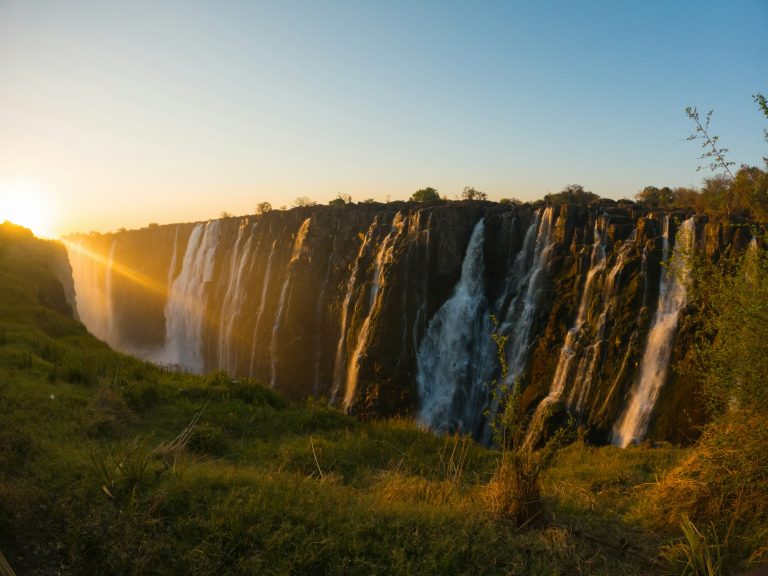
See the falls from the Zambian side, swim in Devil's Pool (about August to January) and explore Livingstone.
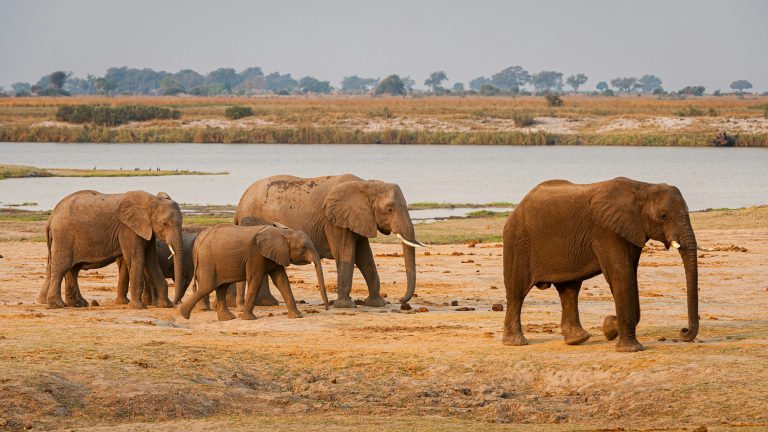
River cruise and game drive among some of Africa's biggest elephant herds.
Riverside park just upstream from town, with elephants, buffalo and antelope.
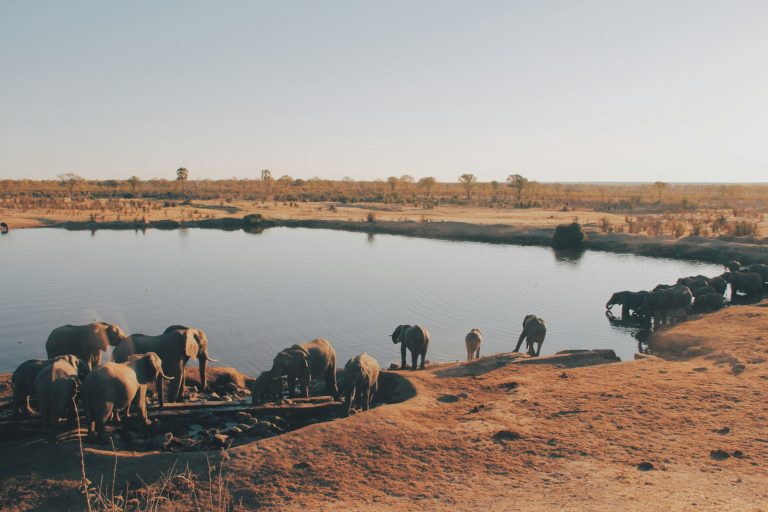
Zimbabwe's biggest park, famous for its elephants. Better as an overnight.
Victoria Falls' biggest event is the Vic Falls Carnival at New Year. The rest of the year follows the water levels and the safari season.
Public holiday, during peak flow at the falls.
Marathon and shorter races across the bridge and through town.
Public holidays.
Three-day New Year festival with music, parties and a river cruise.
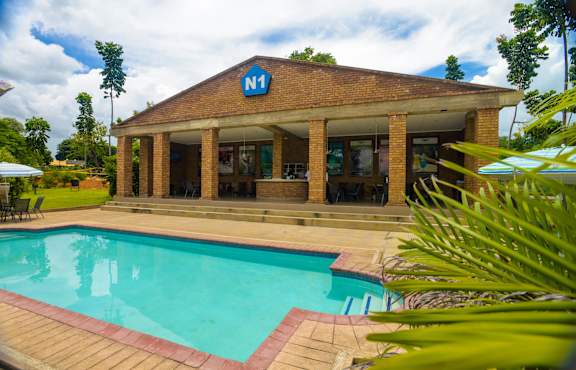
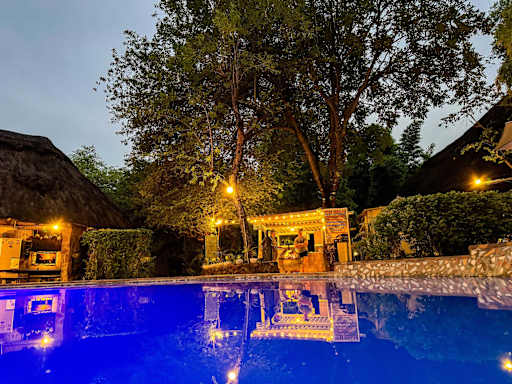
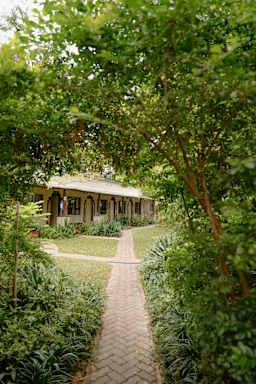
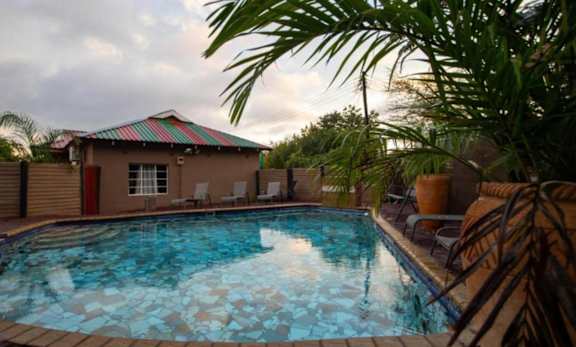
Victoria Falls has some of the best-known backpacker hostels in southern Africa, with pools, bars, campsites and activity desks. Most are a short walk or shuttle from the falls.
Rated 8.8 from over 550 reviews, run by experienced travellers, with a pool, a bar and an activity desk. About 2 km from the centre.
Rated 7.9 from over 360 reviews, a brightly coloured hostel with a busy bar, five minutes' walk from town.
Rated 9.9 from 12 reviews, close to the centre and about 2 km from the falls, with a pool and campsite.
The falls are fullest from about February to June, when the spray is huge and you will get soaked. From August to December the water drops, views are clearer, rafting is best and Devil's Pool opens on the Zambian side. June to October is dry and best for safaris.
Average daily highs from weather2travel's Victoria Falls climate data. Water levels vary by year with the rains upstream. Crowd levels are our rough guide.
Pick a style and a number of nights for a rough total, per person, in US dollars. Big activities are not included.
Estimates in US dollars. Beds are based on Hostelworld's listed prices for Victoria Falls in October 2026; doing includes falls entry spread over a few days. Bungee, rafting and helicopter flights are extra.
Prices and timetables change. Check before you travel.

Compare Victoria Falls hostels: live prices, real reviews and free cancellation on most bookings. Then meet the people already there in the app.

 Get the App.
 Get the App.