

“We don’t believe a hostel can solve people’s problems, but we do believe it can create an environment where people feel supported, find inspiration and discover new possibilities.”
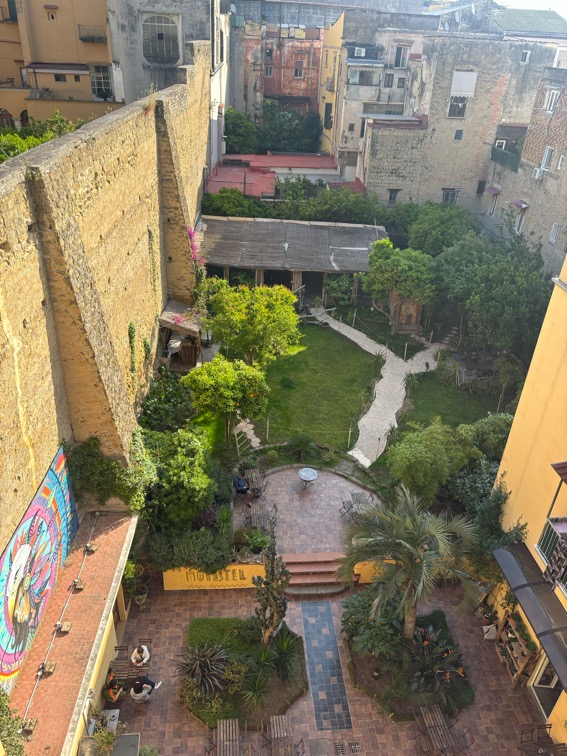
Hidden in a lively central neighbourhood of Naples, in southern Italy, Hopestel Secret Garden was born from a shared dream of two young Neapolitan entrepreneurs. After travelling the world, they wanted to bring a piece of those experiences back home.
They began turning that dream into a reality during the Covid-19 pandemic, creating a space where people could feel at home, surrounded by nature, creativity, and an international community.
To learn more about the hostel’s philosophy of hope, connection, and wellbeing, we spoke with Amelia Morsillo, Owner of Hopestel Secret Garden, who shared the team’s story.
A secret garden in the urban jungle
“We believe travelling isn’t just about discovering new destinations. It’s also about discovering ourselves, stepping outside our comfort zones and creating meaningful connections with people we might never have met otherwise.”
From day one, Amelia explains, the team wanted the hostel to be more than just a place to stay: an oasis in the middle of Naples, where travellers could slow down, connect and look after themselves while travelling.
“Naples is an incredibly vibrant city, full of energy, contrasts and life, and we wanted to create a place where travellers could experience all that intensity while also having somewhere peaceful to return to.”
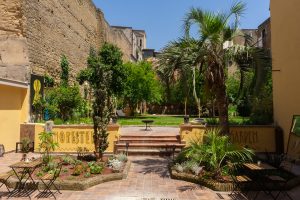
Enter the Secret Garden. Tucked away behind the buildings of the historic centre, it’s a green space where the noise of the city gives way to nature, conversation and relaxation.
Taking care of your mind, body and soul
“For us, mental health awareness starts with recognising that every traveller arrives with a different story, personality and emotional state.”
Travel can be an exciting adventure into the unknown, but it can also be incredibly overwhelming, particularly for someone travelling alone for the first time.
That’s why the team focuses on building a space, “where people feel welcomed without pressure, where they can connect with others but also enjoy their personal space.”
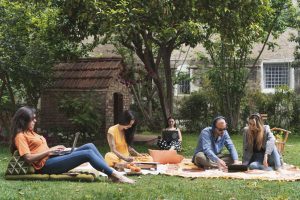
The garden plays a large part in this, giving guests and residents a calm place to unwind. Yoga classes, creative workshops and social events then offer easy ways to meet people, without the pressure of having to start a conversation with a stranger.
For guests who feel nervous or lonely at first, Amelia says the hospitality team plays a key role. “A warm welcome, a genuine conversation, or simply introducing guests to an activity can make a difference. We aim to make social interaction accessible without ever making it compulsory. Some people are ready to join a group immediately; others need more time. And both are perfectly fine.”
A story that stays with you
When asked about a story that has stayed with the team, Amelia shared one about a guest who arrived in Naples during a particularly difficult period in her personal and professional life.
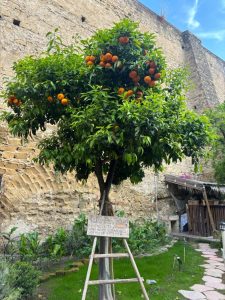
During her stay, she joined a women’s circle in the hostel’s Secret Garden, a gathering where women could share their experiences and support one another. That evening, she found the courage to talk about what she was going through, and formed close bonds with the other women there, including a yoga teacher who later organised a retreat at Hopestel.
She returned for the retreat, taking time to focus on herself and her wellbeing. Through the retreat and the friendships she made there, she was able to rediscover her inner strength and see her life from a new perspective. She went home feeling more confident about making important changes, and she returned to Hopestel many times since, telling the team how much that first evening in the garden meant to her.
Amelia reflects on this: “Knowing that a simple gathering in our garden, and the connections made within our community, could have such a meaningful impact on someone’s life was an incredibly rewarding experience for us, both personally and professionally.”
Seeing the world anew, one year on
Last year, Hostelworld presented Seeing the world anew, a short film created with BBC StoryWorks exploring how hostels in Naples are creating communities for solo travellers and empowering them to make new connections. Hopestel was both the traveller’s home and the backdrop for many of the film’s scenes.
“For us, the film beautifully captured something we strongly believe in: sometimes a new environment, an unexpected conversation, or a shared experience is enough to make someone see the world, and even themselves, a little differently.”
So, what’s changed, one year on? Not a lot, and that’s the point. This year the team welcomed hostel industry leaders from around the world to the Hostelworld Conference in Naples, a beautiful full-circle moment for Amelia and the team.
“We hope that everyone who visited Hopestel experienced the atmosphere we try to create every day – somewhere welcoming, relaxed and genuinely connected. More importantly, we hope the conference inspires conversations about how hostels can continue evolving beyond accommodation, becoming spaces that support people, communities and the environment.”
Sustainability that looks after people too
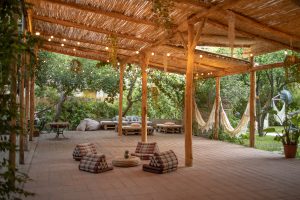
For Hopestel, sustainability has always been about the people as much as the planet. As Amelia explains: “A sustainable hostel shouldn’t just minimise its negative environmental impact; it should also create a positive impact on the people and community around it.”
Since the beginning, that thinking has influenced how the hostel was designed, how it runs day to day, and the experiences it offers guests.
“Instead of furnishing the hostel entirely with new products, we embraced creative reuse, using repurposed materials and giving objects a second life.”
In practice, that looks like:
🚫 No single-use plastics, and no products sold in plastic packaging
♻️ Waste separation, renewable energy, and rainwater collection
🍷 Local wines and beers at the bar, supporting regional producers and cutting transport emissions
🥐 Breakfast only on request, to avoid the food waste of a traditional buffet
🧴 Cleaning products bought in bulk
Buying in bulk might sound like a small decision, but Amelia explains why it matters: “In a hospitality business, where cleaning is essential, and the consumption of these products can be significant, we believe this simple choice can make a real difference in reducing packaging waste.”
Sustainability also shapes the experiences the hostel hosts throughout the year:
🛍️ Upcycling and pop-up markets to showcase handmade, recycled, vintage and second-hand products
🎨 Local artists, yoga teachers, sustainable businesses and independent producers are welcomed into the space
🌱 Workshops on conscious living and creativity, including fermentation, plus cultural events
Giving locals and travellers a chance to meet, exchange ideas and discover different perspectives.
For guests, the aim is to make it easy, comfortable and enjoyable, and it often becomes a conversation starter. “We believe sustainability should feel like a natural part of the experience rather than a set of rules.”
The garden plays its part too. Residents can work, study or relax there, and the team loves the idea “that someone living in Naples can come to our garden with their laptop or a book and end up sharing a conversation with someone from the other side of the world.”
“We believe these interactions can have a positive impact on wellbeing, even when they are not specifically designed as mental health initiatives.”
Challenges, lessons and advice
One of the biggest challenges of running an independent hostel is balancing the hostel’s social and environmental values with the economic realities of running a hospitality business.
“Sustainable solutions are not always the easiest or most affordable options, especially when you’re a small independent business.”
The lessons learned:
🧭 Sustainability is a process, not a destination
💚 It’s about making better decisions consistently, and recognising that there is always more to do
🫶 The people behind a project matter just as much as the space: “A beautiful garden and sustainable furniture help create an atmosphere, but it’s the team and the relationships we build that truly bring our values to life.”
For hostel owners looking to become more sustainable but unsure where to start, Amelia’s advice is practical: “Start with what you already have. Sustainability doesn’t necessarily begin with a large investment.”
🪑 Reusing materials
♻️ Reducing waste
🧺 Choosing local suppliers
🏘️ Building stronger relationships with your neighbourhood
She also recommends involving your team, as these initiatives work best when everyone understands and believes in them, and thinking about how your hostel can support the wellbeing of guests, staff and the local community. “Small, consistent actions can have a meaningful impact over time.”
Most importantly: “Sustainability should be authentic to your identity, not simply a marketing message.”
Looking ahead
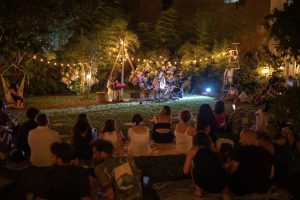
Amelia is optimistic about what hostels can offer. “We believe hostels have an extraordinary opportunity to make travel more inclusive, accessible and emotionally rewarding.”
For many solo travellers, a hostel is the first place where they meet someone in a new city, and that first interaction can shape the whole trip.
Amelia’s one ask of the travel industry: “As an industry, we could do more to recognise mental wellbeing as an essential part of the guest experience, rather than an additional amenity.”
That includes looking after the people who work in hostels. “Hospitality is built on human interaction, and teams need to feel supported themselves if we want them to create positive experiences for others.”
And if Hopestel could share one message about solo travel, new perspectives, and mental health awareness?
“You can travel alone without feeling alone.”
As Amelia’s puts it, “At Hopestel, we believe that travel is at its best when it creates space for both connection with others and connection with ourselves. That’s the spirit we hope every guest carries with them long after leaving Naples.”
If you’re visiting Naples, here are a few of Amelia’s local recommendations:
🍕 Explore beyond the usual landmarks
Wander the Pignasecca market, discover small local shops, try traditional street food and explore the Montesanto neighbourhood. Rather than rushing from one famous landmark to another, enjoy the everyday rhythm of Naples.
🛶 Support local favourites
Go kayaking along the Posillipo coastline. Local operators run rentals and guided tours to hidden coves and sea caves, a low-impact way to reconnect with nature.
🤝 Travel responsibly and respectfully
Naples is a living city, not just a tourist destination. Respect the neighbourhoods and the people who live there, support independent local businesses and be mindful of waste and noise, particularly in residential areas.
From Amelia and the Hopestel team: “Above all, we believe that wellbeing isn’t about being happy or social all the time. It’s about feeling comfortable, safe, respected and free to be yourself.”
If things ever feel hard while you’re travelling, remember that friends, family and healthcare professionals are there to help. Solo, but never alone 🧡

 Get the App.
Comments