Town centre
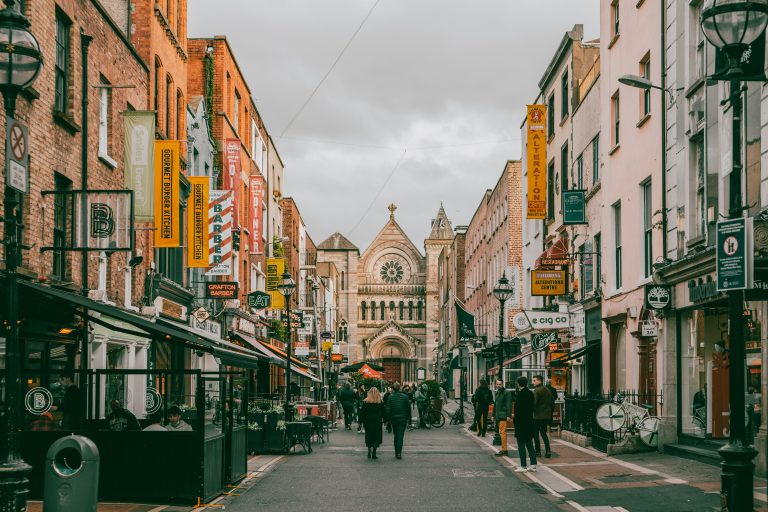
Guesthouses and the pierPastel streets, restaurants, bars and the fishing pier.

Santa Maria is the beach town at the southern tip of Sal, with miles of white sand, turquoise water and steady trade winds that make it one of the world's best places to kitesurf. Float in the salt crater at Pedra de Lume, wade with lemon sharks at Shark Bay and watch the fishermen land tuna on the old pier.
Sal is one of Cape Verde's flat, dry eastern islands, and its international airport makes it the main arrival point for most visitors. Santa Maria, on its southern tip, is the island's beach town and the centre of its tourism.
The town has a small, walkable centre of pastel houses, cafés and shops, and a wooden pier where fishermen land tuna, wahoo and other fish every day, cleaned and sold right there. Along the coast either side are big resort hotels and a long, wide beach of white sand and turquoise water.
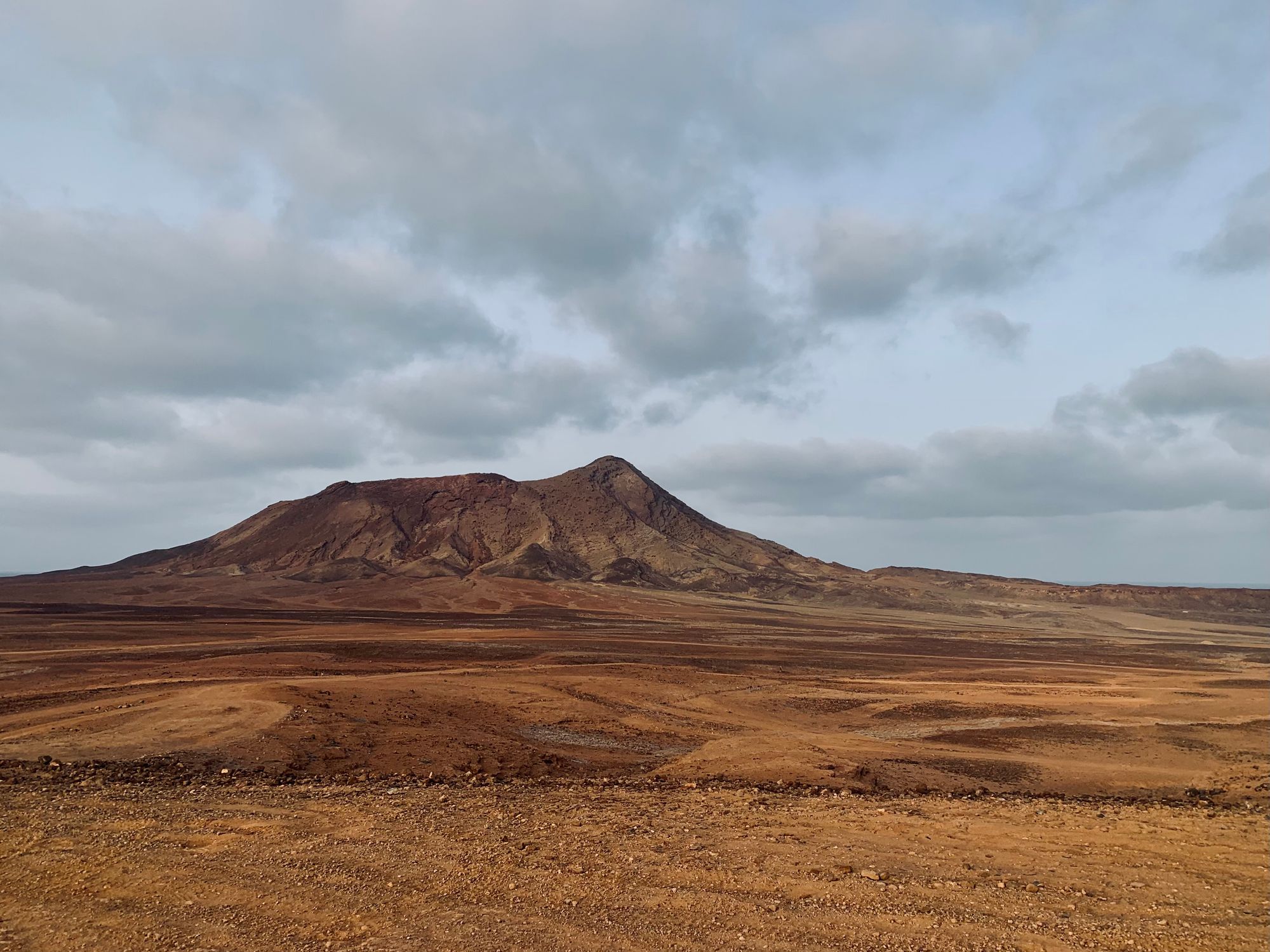
Sal's landscape is stark: flat, rocky desert with a few volcanic hills. Its name comes from the salt that was once mined here, and the old salt pans of Pedra de Lume, in a volcanic crater, are now a place to float in the super-salty water.
The island is famous for wind and water sports. Kite Beach and Ponta Preta, near Santa Maria, attract kitesurfers and windsurfers from around the world, especially from November to May.
Santa Maria is more expensive and more touristy than the rest of Cape Verde, but it's also easy, safe and sunny, with good beach bars and seafood.
Three to four nights is enough for the beach, a kitesurfing lesson and a tour of the island, before flying on to São Vicente or Santiago.
Stay in the town centre for guesthouses, restaurants and the pier, or near Kite Beach for kitesurfing. Espargos, the island's main town, is near the airport and cheaper.
Pastel streets, restaurants, bars and the fishing pier.
Windy beach east of town with kitesurf schools.
Famous wave spot west of town.
The island's capital, near the airport.
Map data from OpenStreetMap contributors.
The beach is the main attraction: a long stretch of white sand with calm, clear water on the town side and bigger waves further along. Watch the flags, as currents can be strong.
The pier in the centre of town is where fishermen land tuna, wahoo and other fish every morning and afternoon, cleaning them on the spot. It's lively and a great place to watch.
Kitesurfing and windsurfing are world class. Kite Beach, east of town, has steady side-shore winds, and Ponta Preta, to the west, is famous for wave riding. Schools offer lessons and equipment hire for beginners and experts. The best wind is from about November to May.
Pedra de Lume, in the north-east of the island, is an old salt mine in a volcanic crater, where you can float effortlessly in the salt lake. There's an entry fee.
Shark Bay, on the east coast, lets you wade in shallow water among young lemon sharks.
Buracona, on the west coast, has natural rock pools and the Blue Eye, a cave pool that lights up bright blue when the sun shines in, around midday.
Espargos, the island's capital, has a viewpoint over the island and a local market.
Diving and snorkelling are possible, with wrecks and reefs off the coast.
The beach is public and free, and you can walk along it for miles.
Watch the fishermen land and clean their catch on the pier, especially in the late morning.
Watch the kitesurfers at Kite Beach and Ponta Preta.
Wander the colourful streets of the town centre.
Watch the sunset from the pier or the beach.
Use aluguers rather than tours to reach Espargos and the rest of the island cheaply.
Fresh fish is the highlight in Santa Maria. Tuna, wahoo and other fish come straight from the pier and are grilled in the restaurants and beach bars. Some places will cook fish you've bought on the pier.
Cachupa, the national stew of maize and beans, is served in local cafés, and cachupa refogada makes a filling breakfast.
Pastéis, fried pastries filled with tuna, and Portuguese-style pastries are cheap snacks.
Restaurants in the centre serve everything from Cape Verdean dishes to pizza and international food, with meals around €10 to €20. Local cafés away from the beach are cheaper.
Grogue and pontche are the local spirits, and Strela the local beer. Drink bottled water.
Santa Maria has the liveliest tourist nightlife in Cape Verde. Beach bars, cocktail bars and a few clubs line the centre, busiest in the high season.
Many restaurants and bars have live Cape Verdean music, including morna and funaná, in the evenings.
Sunset drinks on the pier or the beach are a ritual.
Use authorised taxis at night, and avoid unlit beaches and isolated areas after dark.
Amílcar Cabral International Airport is near Espargos, about 15 km north of Santa Maria, with flights from Europe and inter-island flights to São Vicente, Santiago and Boa Vista. Taxis to Santa Maria are quick and easy, and aluguers run along the main road.
Aluguers, shared minibuses, run between Santa Maria and Espargos throughout the day, cheap and cash only.
In town, everything is walkable. Use authorised taxis, which on Sal are blue and yellow.
To see the island, join a tour or hire a car, scooter or quad. Helmets are required on scooters and quads, and medical facilities are basic, so take care.
Inter-island flights with Bestfly link Sal to São Vicente (for Mindelo and Santo Antão) and Santiago. Book ahead, as they can sell out.
Santa Maria is the most expensive place in Cape Verde for travellers. Hostelworld has no listings in Santa Maria right now, so budget travellers stay in guesthouses and apartments in the town centre or in Espargos.
Meals at local cafés cost a few euros, and restaurants on the beach around €10 to €20.
Kitesurfing lessons and island tours are the big costs. Pedra de Lume has an entry fee.
Aluguers to Espargos are cheap, and taxis from the airport cost more.
Euros are widely accepted, and ATMs are common.
On a budget, allow around €50 to €70 a day.
Santa Maria is generally safe, but the UK says pickpocketing, bag-snatching and muggings occur on Sal. Use hotel safes, keep belongings in sight and avoid unlit or isolated areas and beaches with limited visibility after dark.
The sea has very strong currents and undertow. Swim only at beaches with a lifeguard, and follow the flags: red means no entry, yellow means wade but don't swim, and green means safe to swim.
Kitesurf and windsurf with a reputable school, and check your insurance covers water sports.
Use authorised blue and yellow taxis. Quad biking is risky, and helmets are required.
Saharan dust storms can disrupt flights between December and February.
Sal is small, so you can see the whole island in a day by tour, car or aluguer.
Float in the salt lake inside a volcanic crater.
Wade among young lemon sharks in shallow water.
Rock pools and a cave pool that glows blue around midday.
The island's capital, with a viewpoint and market.
Santa Maria's calendar follows the kitesurf season, Carnival and national holidays.
Parades and parties, smaller than Mindelo's.
Public holiday.
Loggerhead turtles nest; join a guided, responsible tour.
Strongest trade winds.
Santa Maria is warm and sunny all year, with highs of 25°C to 30°C and very little rain. November to May has the strongest winds for kitesurfing. August to October is hottest, with calmer seas.
Average daily highs from weather2travel's Santa Maria climate data. Crowd levels are our rough guide; European winter holidays are busiest.
Pick a style and a number of nights for a rough total, per person, in euros.
Estimates in euros, converted from escudos. Sleeping is based on guesthouse prices, since Hostelworld has no listings here; doing excludes kitesurf courses.
Prices and timetables change. Check before you travel.

Compare Santa Maria hostels: live prices, real reviews and free cancellation on most bookings. Then meet the people already there in the app.

 Get the App.

 Get the App.