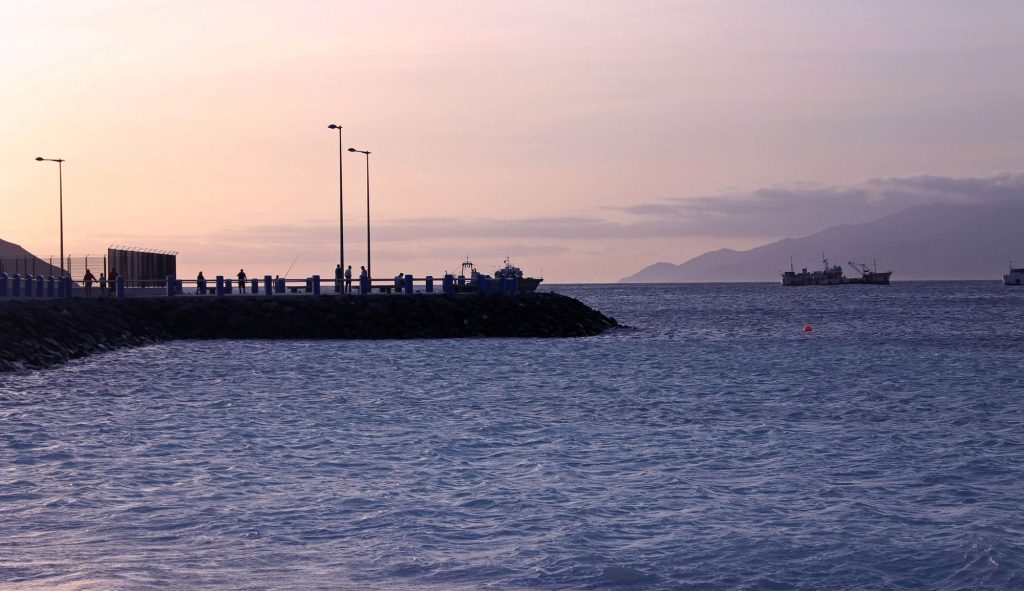
Mindelo
2 hostels
Cultural capital on São Vicente, with live music, Carnival and the ferry to Santo Antão.

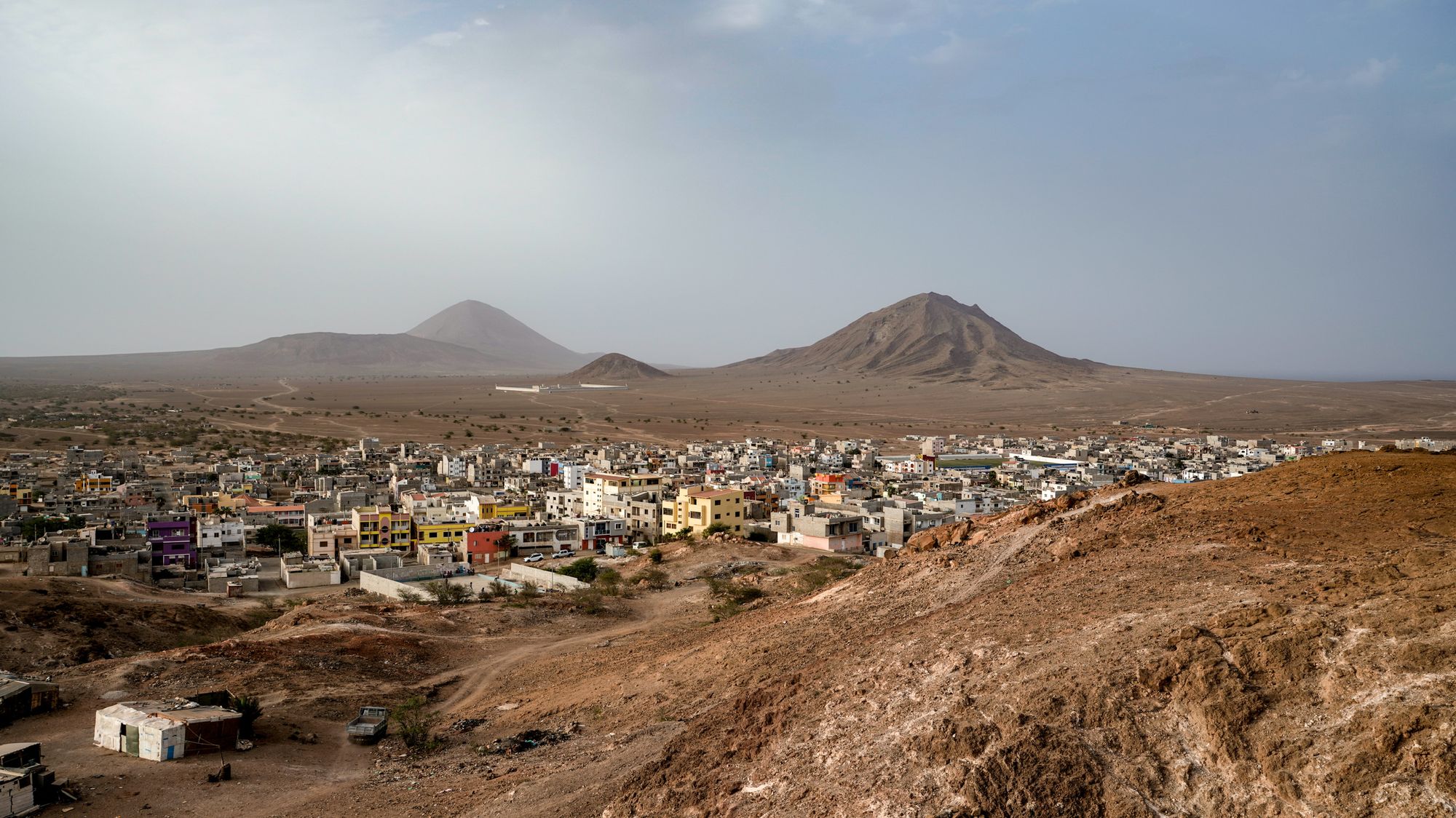
Cape Verde is ten volcanic islands in the Atlantic, each with its own character: morna music and Carnival in Mindelo, dramatic hikes on green Santo Antão, kitesurfing and white sand on Sal, and a live volcano on Fogo. It's safe, easy-going and Portuguese-flavoured, with a slow island rhythm known as morabeza.
Cape Verde, or Cabo Verde, is an archipelago about 570 km off the coast of Senegal. Its ten main islands are volcanic, and they're surprisingly varied: some are flat, sandy and desert-like, others mountainous and green, with deep valleys and terraced fields.
The islands were uninhabited until the Portuguese arrived in the 15th century, and Cape Verdean culture grew from a mix of Portuguese and West African roots. Portuguese is the official language, but people speak Kriolu (Cape Verdean Creole) day to day. Music is everywhere, from the melancholy morna made famous by Cesária Évora to the faster funaná and coladeira.
For travellers, the islands split roughly into three groups. Sal and Boa Vista, in the east, are flat and sandy, with long beaches, resorts and kitesurfing. São Vicente and Santo Antão, in the north-west, combine Mindelo's music and nightlife with some of the best hiking in Africa. Santiago, with the capital Praia, and Fogo, with its active volcano, are in the south.
Cape Verde is one of the most stable and safe countries in Africa. Prices are higher than in mainland West Africa, especially on Sal and Boa Vista, and getting between islands takes planning, with ferries that can be unreliable and inter-island flights that can sell out.
Ten days to two weeks lets you combine two or three islands, such as Sal, São Vicente and Santo Antão.
Most trips combine a beach island with São Vicente and Santo Antão, or add Santiago and Fogo. These are the stops that earn their place, with live hostel counts and dorm prices from Hostelworld.
Cultural capital on São Vicente, with live music, Carnival and the ferry to Santo Antão.
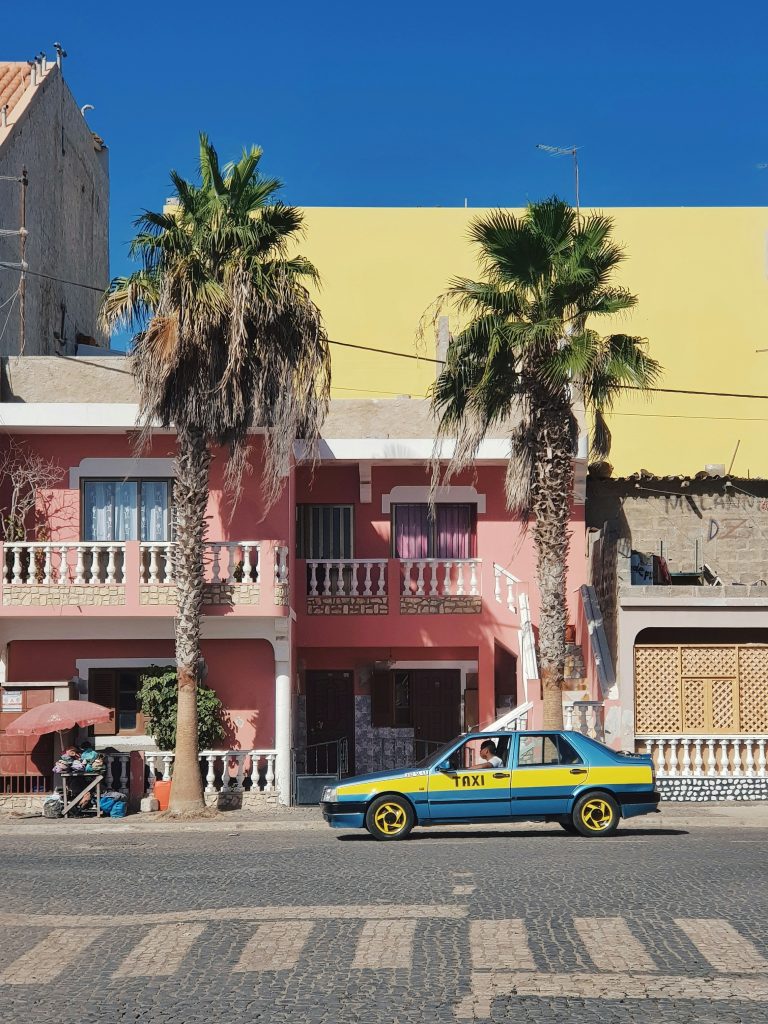
Beach town on Sal, with a long white beach and world-class kitesurfing.
Each island is different, so pick the kind of trip you want and choose two or three islands to match.
Walk Santo Antão's green valleys and coastal paths, and climb Pico do Fogo.
Hear live morna in Mindelo's bars and dance at Carnival or the Baía das Gatas festival.
Kitesurf on Sal, float in the Pedra de Lume salt crater and see lemon sharks at Shark Bay.
Visit Cidade Velha, the first colonial town in the tropics, and the Tarrafal museum.
Combine a beach island, Mindelo and Santo Antão by plane and ferry.
Eat cachupa for breakfast, try fresh tuna and visit a grogue distillery on Santo Antão.
Mindelo, on São Vicente, is Cape Verde's cultural capital. Its colonial streets, harbour and bars are full of live music, from morna to funaná, and its Carnival, in February or March, is the biggest in the country. Monte Verde, the island's highest point, has views over the bay, and Baía das Gatas hosts a famous music festival in August.
Santo Antão, an hour by ferry from Mindelo, is a hiker's paradise: green valleys, jagged peaks, terraced fields of sugar cane and coastal paths to cliff-top villages. The walk from the Cova crater down into the Paul valley and the coastal path from Ponta do Sol to Fontainhas and Cruzinha are classics.
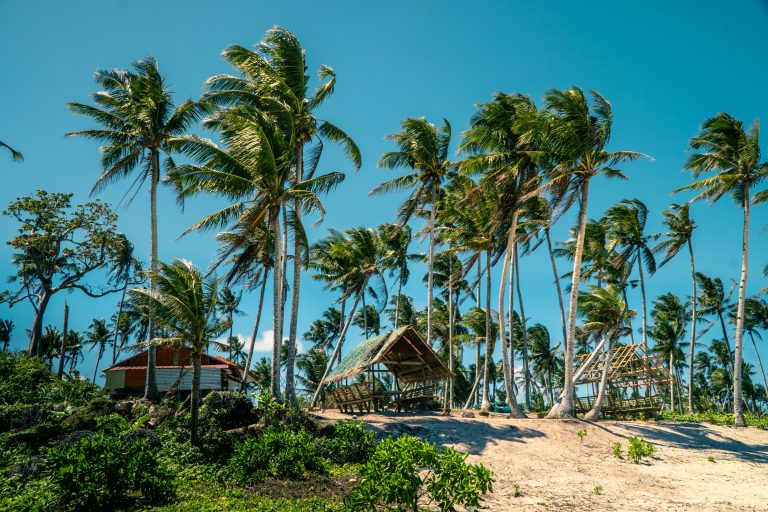
Sal is the main beach island, with the long white beach of Santa Maria, world-class kitesurfing and windsurfing, the salt crater of Pedra de Lume, where you can float in the salt lake, and lemon sharks in the shallows of Shark Bay.
Boa Vista has huge dunes and empty beaches, and loggerhead turtles nest on its beaches in summer.
On Santiago, Praia is the capital, and Cidade Velha, the first European colonial town in the tropics, is a UNESCO World Heritage site. Tarrafal, in the north, has a calm beach and a former political prison, now a museum.
Fogo is dominated by Pico do Fogo, an active volcano that last erupted in 2014. You can climb it, and visit the villages in the crater, which produce wine.
Cachupa is Cape Verde's national dish, a slow-cooked stew of maize, beans and vegetables, often with fish, pork or sausage. Fried leftover cachupa with an egg, cachupa refogada, is the classic breakfast.
Seafood is excellent: fresh tuna, wahoo, octopus and lobster are common, and grilled fish is cheap at local restaurants.
Pastéis (fried pastries filled with tuna) and bread rolls are popular snacks, and the Portuguese influence shows in the cafés and pastries.
Grogue, a strong sugarcane rum made mainly on Santo Antão, is the national spirit, and pontche is a sweeter rum liqueur mixed with honey or lime. Strela is the local lager, and Fogo produces wine in its volcanic crater.
A local meal costs a few euros, more on Sal and Boa Vista. Drink bottled water.
Music is at the heart of Cape Verdean nightlife. In Mindelo, bars and restaurants have live morna, coladeira and funaná most nights, and the town is the best place in the country for a night out.
Mindelo's Carnival, in February or March, and the Baía das Gatas Festival, in August, are the biggest parties of the year.
Santa Maria, on Sal, has beach bars and clubs aimed at tourists, especially in the high season.
Praia has bars, live music and clubs, busiest at weekends.
Use taxis at night, and keep valuables out of sight in busy areas.
Getting between islands takes planning. Inter-island flights, mainly with Bestfly, connect Sal, Boa Vista, São Vicente, Santiago and Fogo, but can sell out days or weeks ahead, so book early.
CV Interilhas runs the ferries. The busiest and most reliable route is Mindelo to Porto Novo on Santo Antão, about an hour, with two sailings a day. Other routes, especially to Fogo and Brava, are often disrupted, and sea conditions can be rough, so check schedules and have a back-up plan.
On each island, aluguers, shared minibuses and pick-ups, run between towns and leave when full. They're cheap and cash only. Taxis are common in towns; on Sal and Boa Vista, use authorised taxis, which are blue and yellow.
Santo Antão has no airport, so you reach it by ferry from Mindelo.
Hiring a car or quad bike is possible on some islands, but helmets are required on scooters and quads, and medical facilities are basic.
Cape Verde uses the escudo (CVE), fixed at 110.265 to the euro, so €1 is about CVE 110. Euros are widely accepted on Sal and Boa Vista, but change may come in escudos.
ATMs in larger towns accept Visa and Mastercard, and cards work in bigger hotels and restaurants.
Cape Verde is more expensive than mainland West Africa. Hostelworld lists a handful of hostels, with dorm beds from about US$16 to US$22, mainly in Praia, Tarrafal and Mindelo. Guesthouses, called residenciais or pensões, are the other budget option.
A plate of cachupa costs a couple of euros at a local café, and a restaurant meal around €8 to €15, more on Sal and Boa Vista.
The ferry from Mindelo to Santo Antão costs about €7, and aluguers a few euros. Inter-island flights are the big expense.
On a budget, allow around €40 to €60 a day.
Cape Verde is one of the safest countries in Africa, but petty crime happens. The UK says pickpocketing, bag-snatching, burglary and muggings occur, especially in Praia and on Sal and Boa Vista. Use hotel safes, keep belongings in sight and avoid unlit or isolated areas and beaches after dark.
The sea is the biggest danger. Tides and currents are very strong, with a powerful undertow. Only swim at beaches with a lifeguard on duty, and follow the flags: red means no entry, yellow means wade but don't swim, and green means safe to swim.
Sea travel can be disrupted by rough conditions, especially to Fogo and Brava.
Use authorised taxis, and be aware that intercity buses can be dangerous because of poor driving. Quad biking is risky, and medical facilities are basic.
Drug penalties are severe. The rainy season, from mid-August to mid-October, can bring floods and landslides, and Saharan dust can disrupt flights between December and February.
UK visitors can enter Cape Verde without a visa for up to 30 days, as can EU citizens and many other nationalities. Check the rules for your passport before you travel.
You must pre-register on the EASE platform (ease.gov.cv) at least five days before arrival and pay the airport security fee (TSA) online, then bring proof of confirmation. From 1 July 2026, travellers who haven't pre-registered pay double the fee at border control. Tour operators may do this for you.
Your passport must be valid for at least six months after you arrive.
You need a yellow fever certificate if arriving from a country with yellow fever risk.
Declare anything that may be prohibited or subject to duty.
Cape Verde is warm and dry all year, with highs of 22°C to 30°C, depending on the island. November to June is the most popular time, with steady winds for kitesurfing on Sal. August to October is hottest and has occasional heavy rain.
Temperatures are average daily highs in Santa Maria, Sal (weather2travel climate data). São Vicente and Santo Antão are a few degrees cooler. Crowd levels are our own rough estimate.
Pick a travel style and the number of nights to see a rough total. Figures are per person per day in euros, based on hostels or guesthouses, local food, aluguers and a mix of activities.
Rough figures for 2026, converted from escudos (fixed at 110.265 to €1). Inter-island flights and kitesurfing add to these.
Carnival, music festivals and saints' days shape the Cape Verdean calendar.
The biggest Carnival in Cape Verde, with parades and costumes.
Saint's day celebrations with drums and dancing.
Public holiday marking independence in 1975.
Big beach music festival near Mindelo.
Loggerhead turtles nest on the beaches.
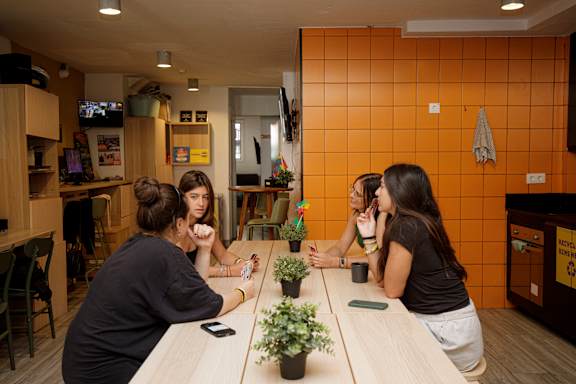
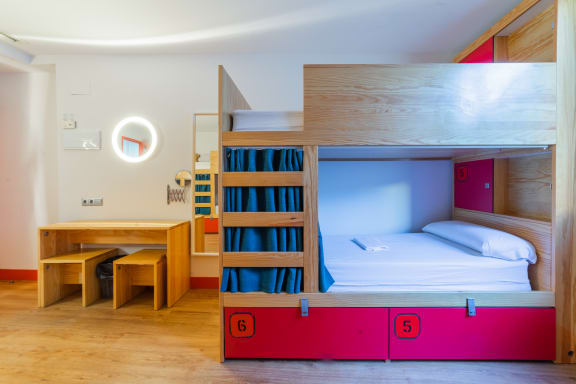
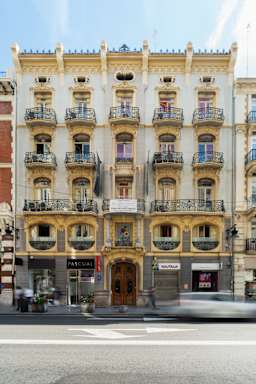
Cape Verde has a handful of hostels, mainly in Praia, Tarrafal and Mindelo. These are the best-rated right now, with live prices.




Visa, price and timetable details were checked in October 2026. Rules change, so confirm with official sources before you travel.

Compare Cape Verde hostels: live prices, real reviews and free cancellation on most bookings. Then meet the people already there in the app.

 Get the App.

 Get the App.