Baixa
Daytime sightseeingHistoric downtown with the railway station, fortress and Mercado Central. Avoid at night.

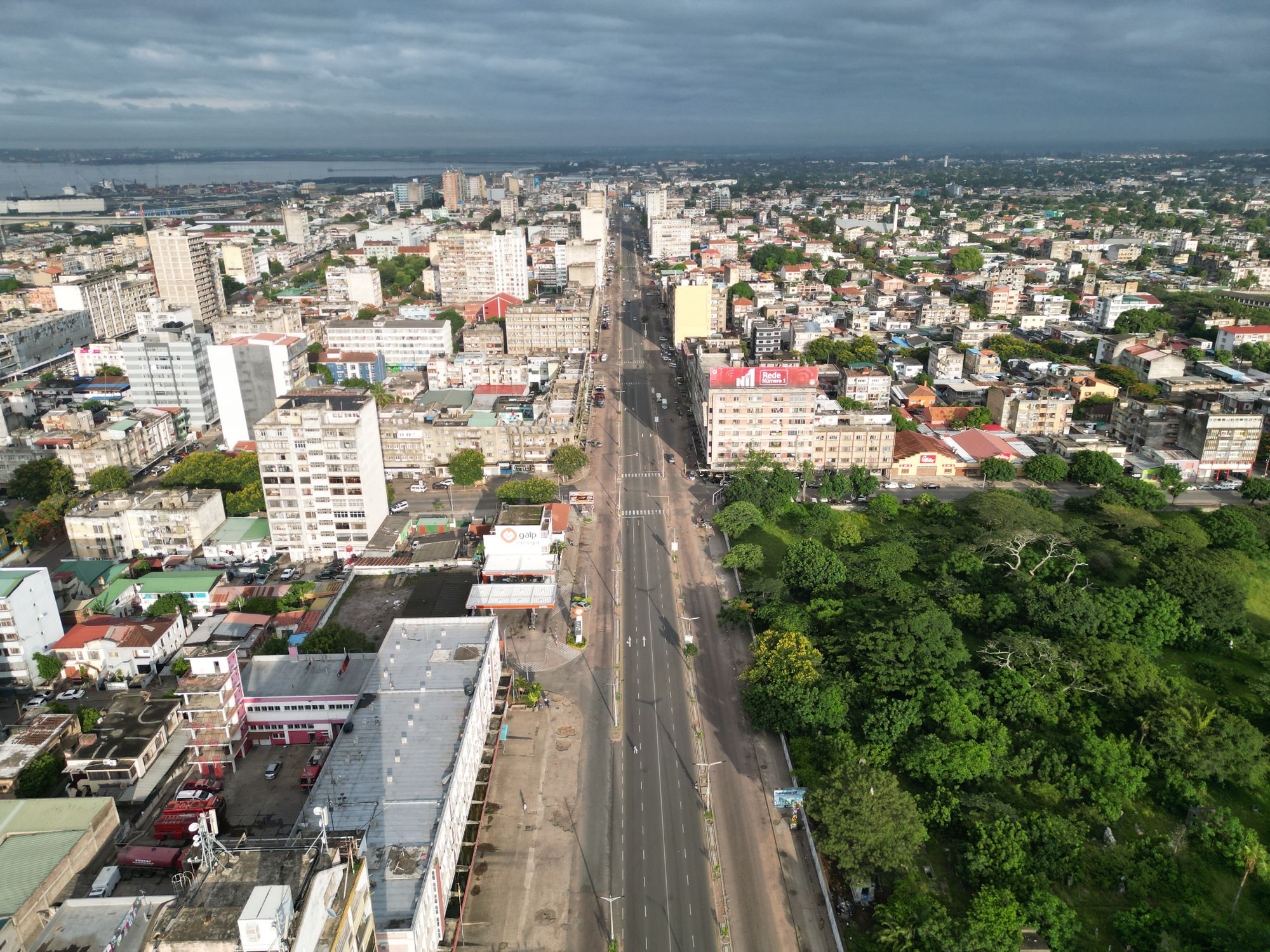
Maputo is one of Africa's most likeable capitals: wide avenues lined with jacarandas and flame trees, art deco and modernist buildings, Portuguese bakeries and a seafront made for sunset drinks. Spend a couple of days eating prawns at the fish market, exploring the Baixa and catching live music before heading up the coast.
Maputo sits on a wide bay in the far south of Mozambique, about 120 km from the South African border. Known as Lourenço Marques under Portuguese rule, it became the capital in 1898 and was renamed after independence in 1975.
The city is laid out on a grid of broad avenues, many named after revolutionary leaders, such as Avenida Karl Marx and Avenida Mao Tse Tung. The Baixa, the old downtown near the port, has the domed railway station, the old fortress, the Mercado Central and faded colonial buildings. Uphill, Polana and Sommerschield are leafy, wealthier neighbourhoods with embassies, restaurants and the grand Polana Serena Hotel.
The Marginal, the seafront road, runs north along the bay to Costa do Sol, with bars, restaurants and the fish market. Across the bay, a long suspension bridge, opened in 2018, links the city to Catembe.
Maputo's culture is a mix of African, Portuguese and Indian influences. It has a strong music scene, from marrabenta to jazz, a lively arts scene and a café culture that recalls Lisbon.
Street crime is a real issue, so the city needs more care than the beach towns, especially at night.
Two days is enough for most travellers: one for the Baixa and the markets, and one for the fish market, the seafront and a ferry to Catembe or Inhaca island.
Stay in Polana or Sommerschield for leafy streets, restaurants and safer evenings, or near the Marginal for the seafront. The Baixa is for daytime sightseeing.
Historic downtown with the railway station, fortress and Mercado Central. Avoid at night.
Leafy upper town with embassies, cafés and guesthouses.
The bay road with the fish market, bars and beach restaurants.
Across the bay by bridge or ferry, with seafood restaurants and city views.
Map data from OpenStreetMap contributors.
Start in the Baixa, the historic downtown. The Maputo railway station, completed in 1916, is one of the most beautiful in Africa, with a green copper dome and wrought-iron details. The Fortaleza, a Portuguese fortress dating from the 18th century, has a small museum and quiet courtyard.
The Mercado Central, the central market, sells fruit, vegetables, spices, fish and baskets. The Casa de Ferro, a prefabricated iron house nearby, is a curious relic of the colonial era.
The Natural History Museum, in a striking Manueline-style building, has a collection of elephant foetuses and wildlife displays, and the National Art Museum shows Mozambican painting and sculpture, including works by Malangatana.
The Mercado do Peixe, the fish market near the Marginal, is the place for seafood. Choose prawns, fish or crab at the stalls, then have them cooked at the small restaurants behind.
FEIMA, the crafts and food market in Parque dos Continuadores, is good for carvings, capulana fabric, paintings and lunch.
For a change of pace, take the ferry or drive across the bridge to Catembe for views back to the city, or take a boat to Inhaca Island for beaches, snorkelling and seafood.
The Mafalala neighbourhood, once home to writers and independence leaders, has walking tours exploring its history and music.
Maputo is a city to walk by day. Wander the Baixa to see the railway station, the art deco and modernist buildings and the busy streets around the Mercado Central.
The railway station is free to look around, and its platforms with old steam engines are photogenic.
Walk or jog along the Marginal, the seafront promenade, for bay views and sunsets. Locals gather here at weekends.
The Jardim Tunduru, a botanical garden in the centre, is a shady escape.
Browse FEIMA and the Mercado Central for free, and watch the traders at work.
Look out for the street art and murals around the city, and the jacaranda blossom in October and November.
Maputo is a great food city. Seafood is the highlight: grilled prawns with piri-piri, garlic and lemon, crab curry, and fish fresh from the bay. The fish market is the best place to try it.
Frango à piri-piri, spicy grilled chicken, is a classic, and matapa, cassava leaves cooked with peanuts and coconut milk, is a must.
The Portuguese influence is everywhere. Pastelarias serve coffee, custard tarts and pão (bread rolls), and pregos (steak rolls) and rissóis (shrimp pastries) make a quick lunch.
Small cafés and market stalls serve cheap meals of rice or xima with stew. Restaurants in Polana and along the Marginal cost more.
2M and Laurentina are the local beers, and R&R (rum and raspberry soda) is a local favourite. Drink bottled water.
Maputo has the best nightlife in Mozambique. Live music is a highlight, with marrabenta, jazz and Afro-house in bars and cultural centres. The Franco-Mozambican Cultural Centre hosts concerts and events, and the railway station sometimes holds live music at weekends.
Bars along the Marginal and in Polana fill up from Thursday to Saturday, and clubs keep going until dawn.
The Feira Popular, in the Baixa, is a compound of bars and restaurants that gets busy at night.
Always take a taxi at night, arranged by your accommodation or the venue. Don't walk around the Baixa or quiet streets after dark, and keep your phone out of sight.
Maputo International Airport is a few kilometres north of the centre, with flights from Johannesburg, Lisbon, Nairobi and across Mozambique. Taxis cost around MZN 500 to the centre; agree the fare first.
Buses run from Maputo north along the EN1 to Inhambane (for Tofo), Vilanculos and beyond. They leave very early, often before dawn, and Inhambane takes most of a day. Some hostels and companies run shuttles to Tofo.
To South Africa, buses run to Johannesburg via the Ressano Garcia border, and there's a train to the border.
In town, taxis are the safest choice, especially at night. Many don't have meters, so agree the price first. Tuk-tuks are popular for short hops and sightseeing. Chapas (minibuses) are cheap, but crowded and best avoided.
Ferries cross the bay to Catembe, and boats go to Inhaca Island on certain days.
Carry your passport at all times; police don't accept copies.
Maputo is more expensive than the beach towns, especially for accommodation. Hostelworld lists no hostel dorms in Maputo right now, so expect to pay more for a guesthouse or budget hotel.
Food can be cheap. Market stalls and small cafés serve meals for a few euros, and street snacks like cashews and bhajia cost very little. A seafood meal at the fish market or a restaurant costs around €10 to €20.
Taxis are the main extra cost; a short ride around town is a few euros.
Museums have small entry fees, and markets are free to browse.
ATMs are common. Use ones inside banks, by day. Carry cash, as cards don't always work.
On a budget, allow around €40 to €60 a day.
The UK says street crime is common in Maputo, sometimes involving knives or guns. Avoid walking alone, especially at night or in quiet areas, and keep phones, cash and jewellery out of sight.
Use ATMs inside banks, by day. Carjacking happens, so keep doors locked and windows up in vehicles.
Criminal kidnapping for ransom has occurred, mainly in Maputo, usually targeting business owners.
Carry your passport at all times; police don't accept copies. If a police officer asks for a fine, ask for a written fine to pay at a police station.
Protests can start quickly and turn violent. Avoid gatherings and keep up with local news.
Don't photograph government buildings, police, the military or the presidential palace.
Take a taxi at night, arranged by your accommodation or the venue.
Maputo is a good base for the bay's islands and beaches, and the start of the coast road north.
Beaches, snorkelling and seafood across the bay.
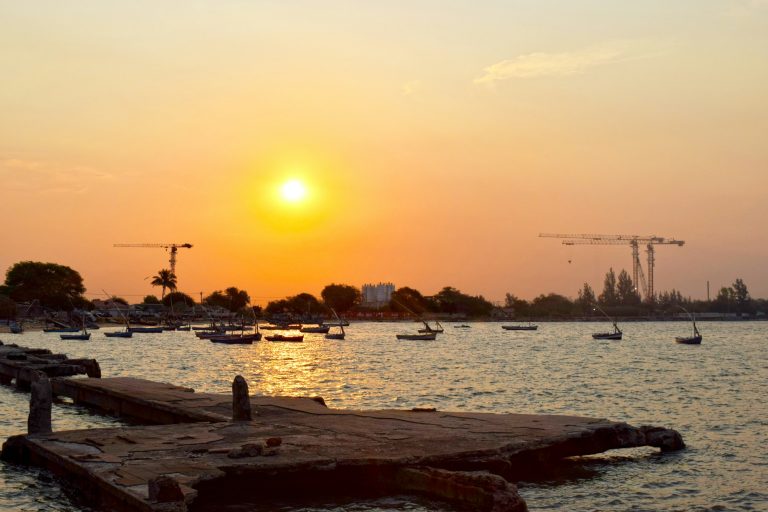
Seafood restaurants and views back to the city.
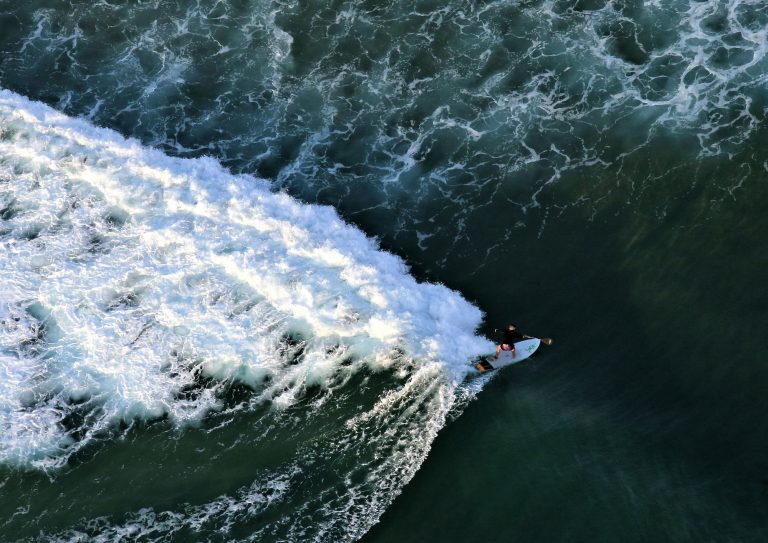
Beach town near South Africa, with dolphins and diving.
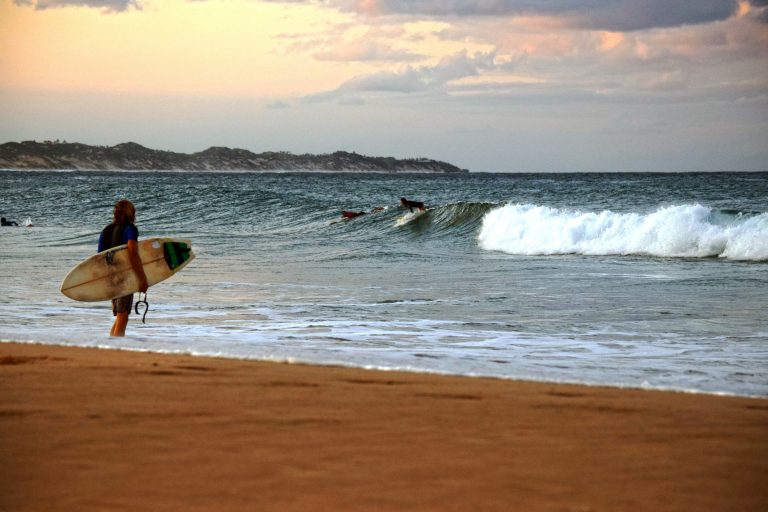
Whale sharks and diving. Covered in the Tofo hub.
Maputo's calendar includes the national holidays and the city's live music scene.
Public holiday.
Public holiday marking independence in 1975.
Public holiday.
Purple blossom along the city's avenues.
Maputo is warm all year, with highs of 25°C to 31°C. May to October is dry and pleasant, while November to April is hot, humid and rainy. Jacarandas bloom in October and November.
Average daily highs from weather2travel's Maputo climate data. Crowd levels are our rough guide.
Pick a style and a number of nights for a rough total, per person, in euros.
Estimates in euros, converted from meticais. Sleeping is based on guesthouse prices, since Hostelworld has no dorms in Maputo right now.
Prices and timetables change. Check before you travel.

Compare Maputo hostels: live prices, real reviews and free cancellation on most bookings. Then meet the people already there in the app.

 Get the App.

 Get the App.