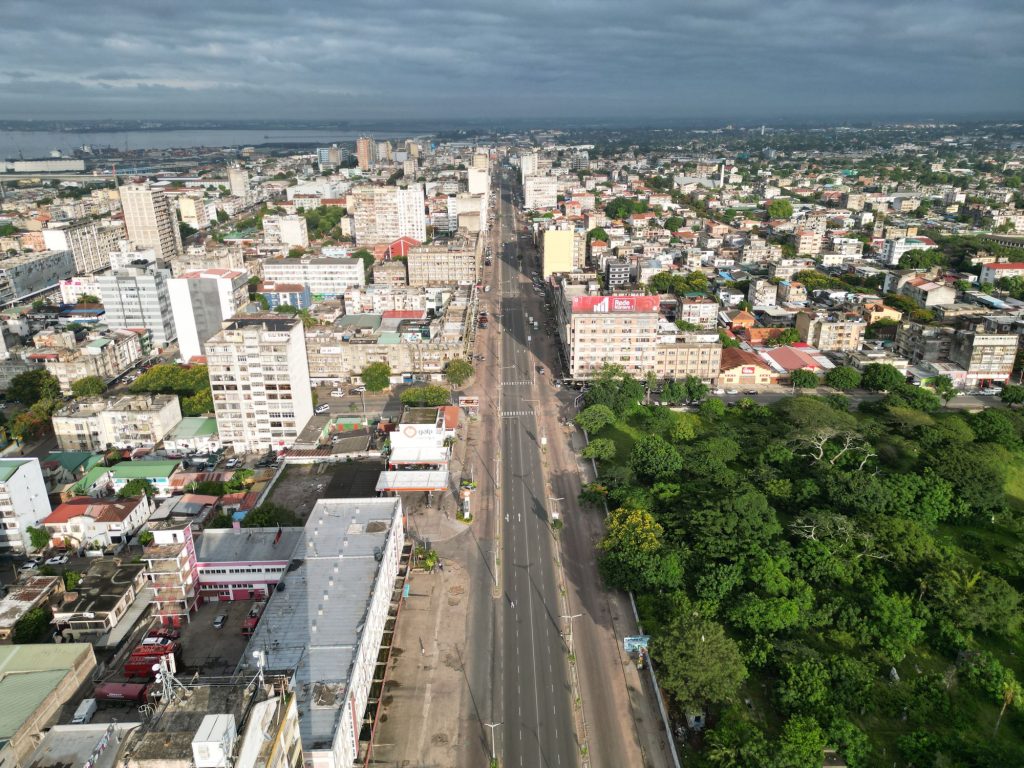
Maputo
1 hostel
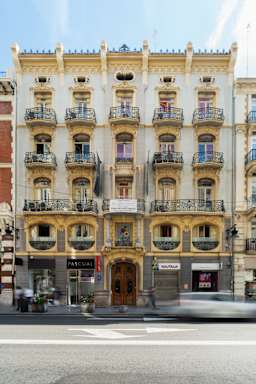
The capital, with art deco streets, the fish market, live music and Portuguese cafés.

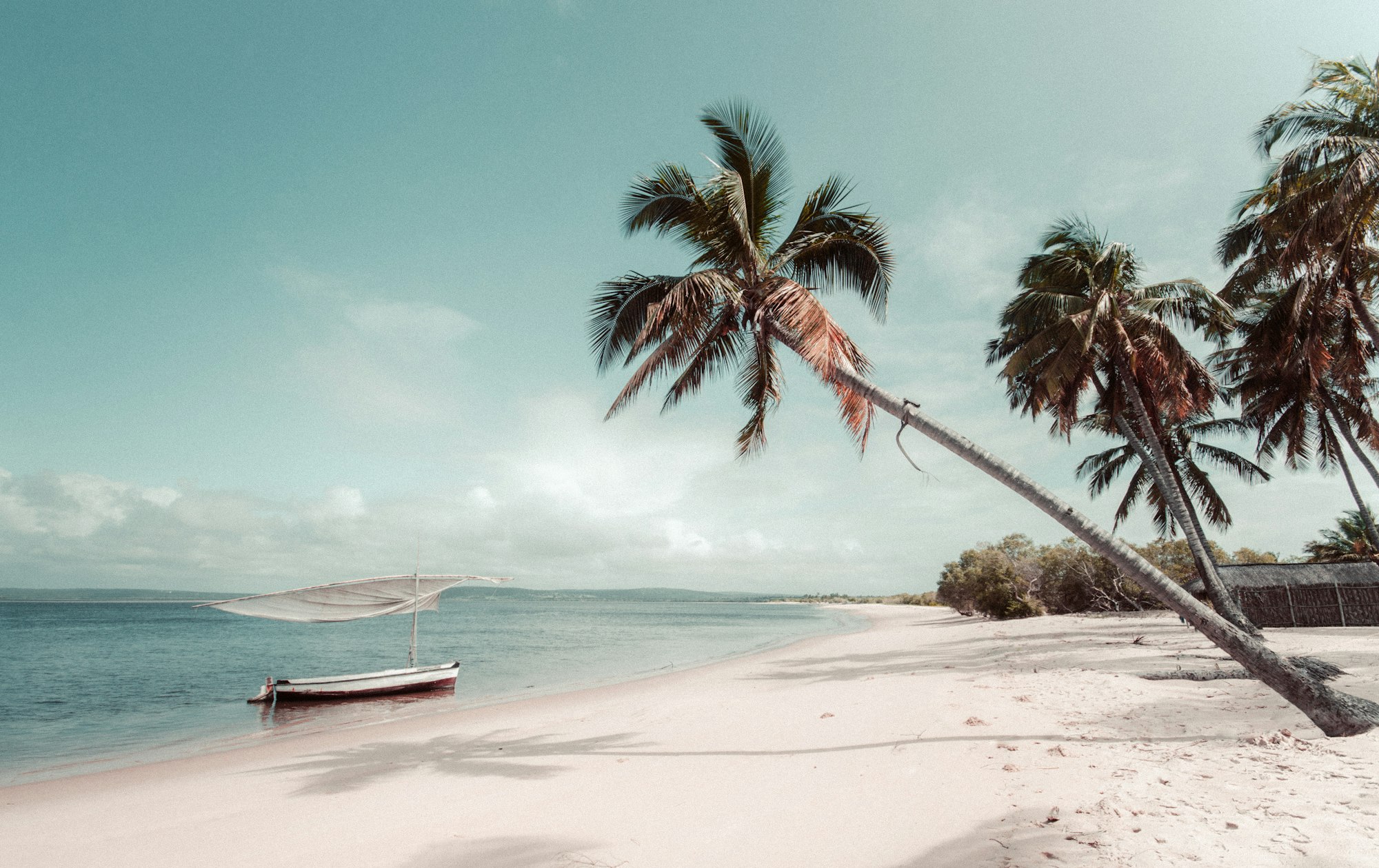
Mozambique has 2,500 km of Indian Ocean coast: whale sharks and manta rays off Tofo, dhow trips to the Bazaruto islands and the Swahili-Portuguese stone town of Ilha de Moçambique. Add Maputo's music and Portuguese cafés, and you have one of Africa's great slow beach trips, best done south to north over two or three weeks.
Mozambique is a long, thin country on the south-east coast of Africa, with one of the longest coastlines on the continent. Portuguese is the official language, and four centuries of Portuguese rule left their mark on the food, the architecture and the café culture, mixed with African, Arab and Indian influences.
Most travellers stick to the south and centre of the coast, which is the easiest and safest part of the country to explore. Maputo, the capital, is a lively city of jacaranda-lined avenues, art deco buildings, seafood markets and live music. A day or two north, Tofo is a small beach village famous for diving and snorkelling with whale sharks and manta rays. Further north, Vilanculos is the base for the Bazaruto Archipelago, a marine national park of dunes, reefs and turquoise water.
In the far north, Ilha de Moçambique, a small coral island and UNESCO World Heritage site, was the colonial capital for centuries. Its stone town of churches, palaces and a huge fortress is one of the most atmospheric places in East Africa.
Distances are long and transport is slow. Buses and chapas (minibuses) link the coastal towns, but a trip from Maputo to Tofo takes most of a day, and the north is best reached by domestic flight to Nampula.
Mozambique also has serious security problems in parts of the far north. The UK advises against all travel to most of Cabo Delgado province and parts of Nampula and Niassa, because of an Islamist insurgency. The southern and central coast, and Ilha de Moçambique, are outside those areas.
Two to three weeks lets you travel from Maputo up the coast to Tofo and Vilanculos, with a flight north to Ilha.
Most trips follow the southern coast from Maputo to Tofo and Vilanculos, with a flight north to Ilha de Moçambique. These are the stops that earn their place, with live hostel counts and dorm prices from Hostelworld.
The capital, with art deco streets, the fish market, live music and Portuguese cafés.
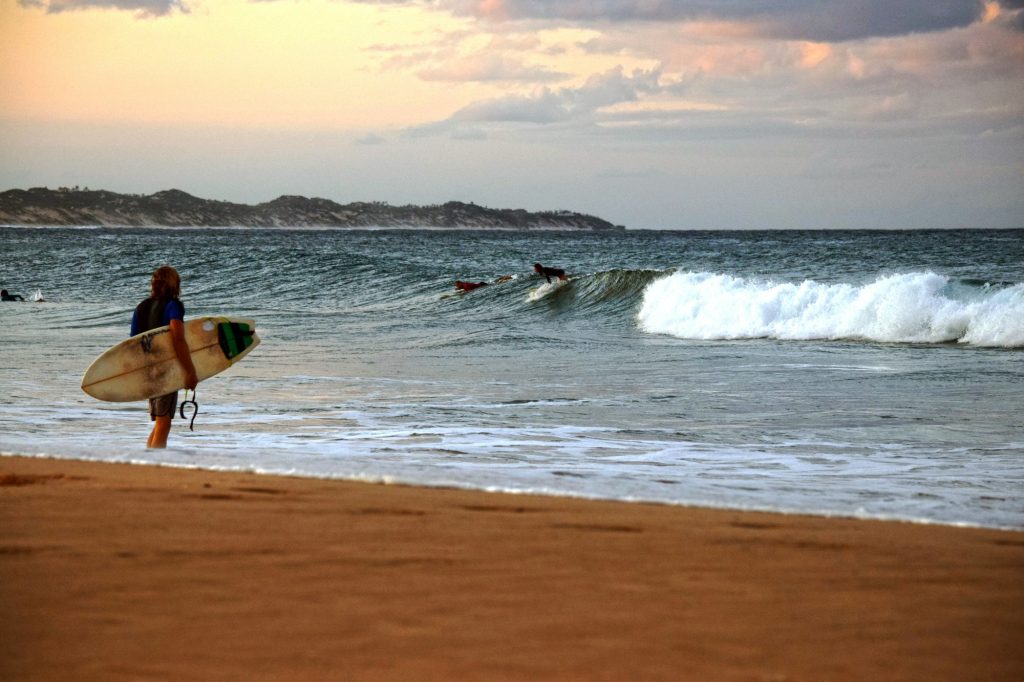
Beach village famous for whale sharks, manta rays, diving and surf.
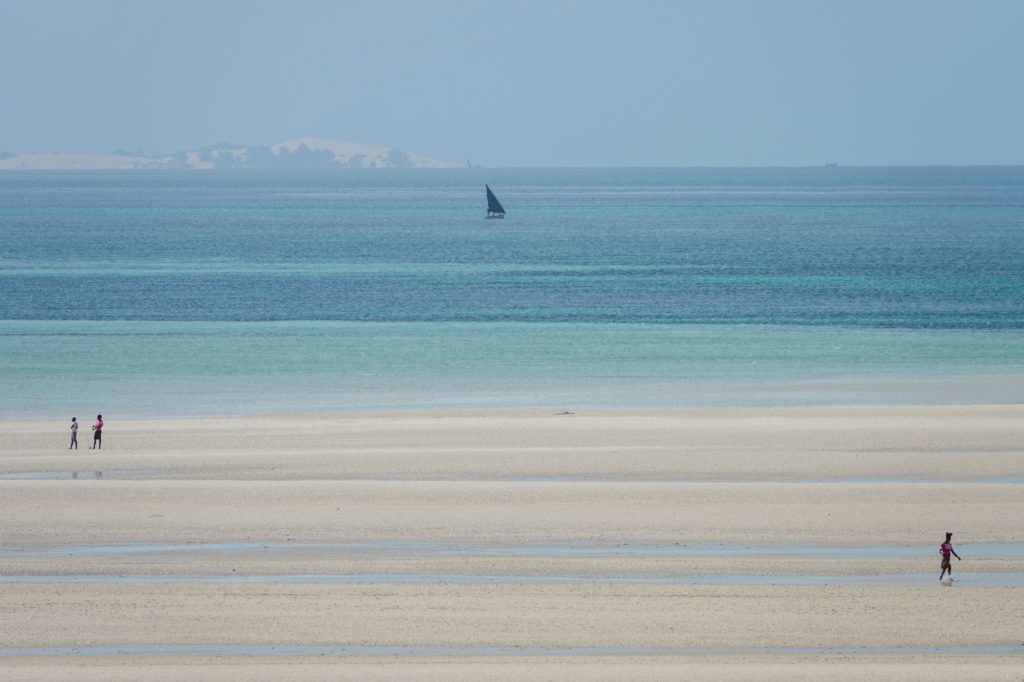
Beach town and gateway to the Bazaruto Archipelago's islands, dunes and reefs.
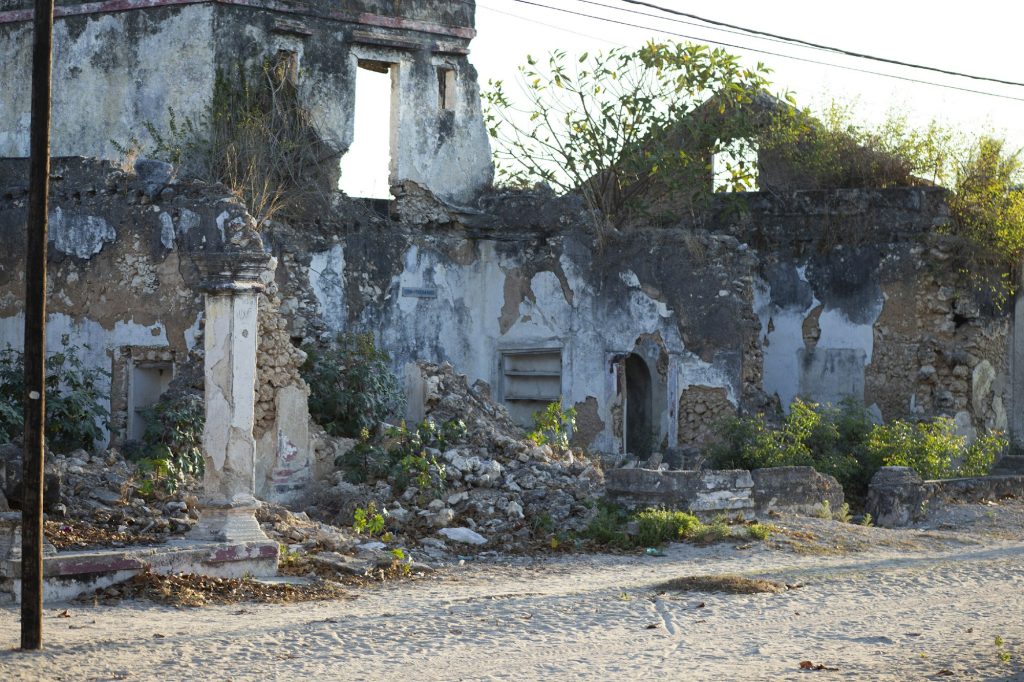
UNESCO-listed coral island with a colonial stone town and a huge fortress.
Mozambique is about the coast. Choose one or two of these and build the route around them, as overland travel takes time.
Snorkel with whale sharks on an ocean safari in Tofo, dive with mantas and watch humpbacks in season.
Sail a dhow from Vilanculos to the dunes and reefs of the Bazaruto islands.
Explore the stone town and fortress of Ilha de Moçambique and Maputo's art deco Baixa.
Eat grilled prawns at Maputo's fish market and dance to marrabenta in the capital's bars.
Visit Gorongosa's restored wildlife and spot dolphins off Ponta do Ouro.
Travel the EN1 north from Maputo by bus and chapa, stopping at beaches all the way to Vilanculos.
Tofo is the place for marine life. Whale sharks and manta rays live off this stretch of coast all year, and snorkel trips known as ocean safaris head out to find them. Humpback whales pass from about June to October. Tofo also has some of the best diving in southern Africa, with deep reefs famous for mantas, and a relaxed surf scene.
Vilanculos is the gateway to the Bazaruto Archipelago National Park, a chain of islands with huge sand dunes, coral reefs and clear water. Day trips by dhow or motorboat visit Bazaruto, Benguerra and Magaruque islands for snorkelling, beach time and a seafood lunch. The park is one of the last places in the western Indian Ocean with a population of dugongs.
Maputo, the capital, rewards a couple of days. Walk the Baixa, the old downtown, to see the domed railway station, the 18th-century fortress and the Mercado Central. The city's music scene, from marrabenta to jazz, plays out in bars and cultural centres, and the fish market is the place for grilled prawns.
Ilha de Moçambique, connected to the mainland by a 3.5 km bridge, has a stone town of colonial palaces, churches and the massive Fortress of São Sebastião, plus the lively Makuti town of reed houses at the other end. It is a UNESCO World Heritage site.
Further afield, Ponta do Ouro, near the South African border, has dolphins and diving. Gorongosa National Park, in central Mozambique, is a conservation success story, with lions, elephants and a rebuilt wildlife population. Inhambane, near Tofo, is one of the oldest towns on the coast.
Mozambique's food mixes African, Portuguese, Arab and Indian flavours. Seafood is the star: grilled prawns (camarão), crab, lobster and calamari, usually with piri-piri chilli sauce, garlic and lemon.
Frango à piri-piri, grilled chicken in a spicy marinade, is a national favourite. Matapa is a rich stew of cassava leaves cooked with peanuts and coconut milk, often with crab or prawns, and xima, a stiff maize porridge, is the everyday staple.
The Portuguese legacy shows in the bread. Pão, crusty bread rolls baked daily, is sold everywhere, and prego (steak) rolls and rissóis (fried pastries filled with shrimp) are popular snacks. Pastelarias serve coffee and custard tarts.
Local restaurants and market stalls serve plates of xima or rice with stew or fish for a few euros, while seafood restaurants in Maputo and the beach towns cost more.
2M and Laurentina are the local beers, and R&R, rum and raspberry soda, is a classic. Drink bottled water. Drinking alcohol on public beaches is illegal.
Maputo has the best nightlife in Mozambique. Live music is everywhere, from marrabenta, Mozambique's own dance music, to jazz and Afro-house. Bars along the Marginal, the seafront road, and in the Baixa and Polana areas fill up at weekends, and clubs stay open late.
The old railway station sometimes hosts live music at weekends, and cultural centres put on concerts and film nights.
In Tofo and Vilanculos, nightlife centres on the backpacker hostels and beach bars, with sundowners, fire pits and parties on weekends.
Take a taxi at night rather than walking, especially in Maputo, and keep your phone out of sight. Drinking alcohol on public beaches is illegal.
Long-distance buses run along the main coastal road, the EN1, from Maputo to Inhambane (for Tofo), Vilanculos and further north. Buses leave early, often before dawn, and Maputo to Inhambane takes most of a day. Some hostels in Maputo run shuttles to Tofo.
Chapas, the shared minibuses, cover shorter routes and link towns to beaches, such as Inhambane to Tofo. They are cheap but crowded, and the UK warns that public transport vehicles may be unsafe.
The distances are huge. Maputo to Ilha de Moçambique is over 2,000 km by road, so most travellers fly to Nampula with the national airline, LAM, then take a chapa to Ilha, about 3 to 4 hours.
Travel by road only in daylight. The UK advises travelling outside cities only during the day, sticking to main roads, and expecting police stops. Carry your passport at all times, as police don't accept copies.
From South Africa, buses and cars cross at Ressano Garcia, near Komatipoort, and the road to Ponta do Ouro crosses at Kosi Bay. From Malawi, routes run through Tete or into the north via Mandimba.
Mozambique uses the metical (MZN). In October 2026, €1 is about MZN 71.8. US dollars and South African rand are the main currencies for exchange, and are sometimes accepted in tourist areas.
ATMs work in the main towns, but not every card is accepted, and the UK notes that Mastercard isn't always taken. Use ATMs inside banks, by day. Carry cash for chapas, markets and smaller places.
Hostelworld lists dorm beds in Tofo and Vilanculos from about US$10 to US$14. Maputo has no hostel dorms listed right now.
Local meals cost a few euros, and a seafood meal in a beach restaurant around €10 to €20.
Marine activities are the big cost: ocean safaris, diving and Bazaruto trips each cost tens of euros or more, plus marine park fees.
On a budget, allow around €30 to €50 a day, before activities.
The UK advises against all travel to Cabo Delgado province, except Palma town and the area around Pemba and Afungi (where it advises against all but essential travel). It also advises against all travel to the districts of Memba and Eráti in Nampula province, and Mecula and Marrupa in Niassa province, because of attacks by the Islamist group IS-Mozambique. Check the latest advice before travelling north.
Elsewhere, street crime is common in Maputo and rising in other cities and tourist areas, sometimes with knives or guns. Don't walk alone, especially at night, keep phones and cash out of sight, and use ATMs inside banks.
You must carry your passport at all times, as police don't accept copies. Some visitors report bribe requests at police stops. If fined, ask for a written fine to pay at a police station.
Protests can start quickly and turn violent. Avoid gatherings, and don't travel by road after dark. Beaches and islands are not policed, so don't leave belongings unattended.
Same-sex sexual activity is legal, with more liberal attitudes in Maputo. Drug penalties are severe. Don't photograph government buildings, police or the military.
Malaria is present throughout the country. Cyclones and floods hit from November to April.
British passport holders, and many other nationalities, need an Electronic Travel Authorisation (ETA) for tourist visits of up to 30 days. Apply through the official Mozambique eVisa portal at least five working days before you travel. The fee is about US$47, paid online when you apply, not on arrival. Print your approved ETA and payment confirmation.
You may be asked for proof of accommodation, an onward ticket and enough money for your stay.
Your passport must be valid for at least six months after you arrive and have at least two blank pages.
Children under 18 need an unabridged birth certificate, and a parental consent affidavit if not travelling with both parents.
Declare cash of MZN 10,000 or more, or foreign currency worth US$5,000 or more.
You need a yellow fever certificate only if arriving from a country with yellow fever risk. Not all land borders are open 24 hours, so check times before you go.
May to November is the dry season, with warm days, calm seas and humpback whales from about June to October. December to April is hot and humid, with rain, cyclone risk and big groups of whale sharks off Tofo.
Temperatures are average daily highs in Maputo (weather2travel climate data). The coast further north is a degree or two warmer. Crowd levels are our own rough estimate, and South African school holidays fill the south.
Pick a travel style and the number of nights to see a rough total. Figures are per person per day in euros, based on hostels, local food, chapas and a mix of activities.
Rough figures for 2026, converted from meticais and US dollar prices. Diving, ocean safaris and island trips can add a lot.
National holidays, music festivals and the whale season shape the Mozambican calendar.
Public holiday.
Public holiday marking independence from Portugal in 1975.
Humpback whales pass along the coast, best seen from Tofo and Ponta do Ouro.
Public holiday.
Busy holiday period, with South African visitors filling the southern beaches.
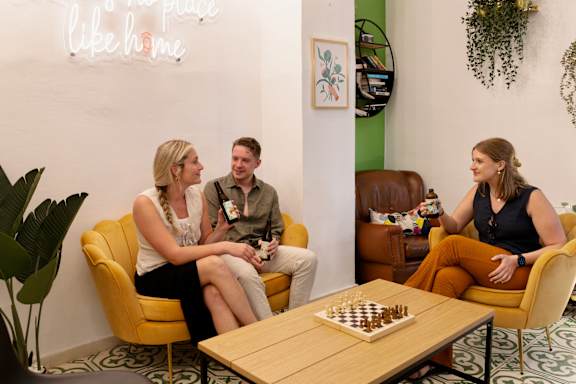
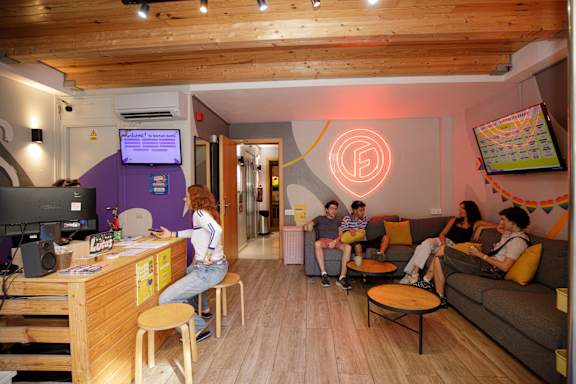
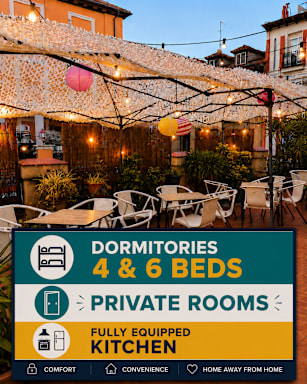
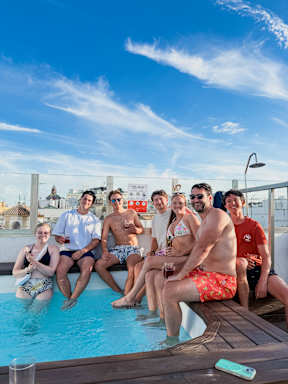
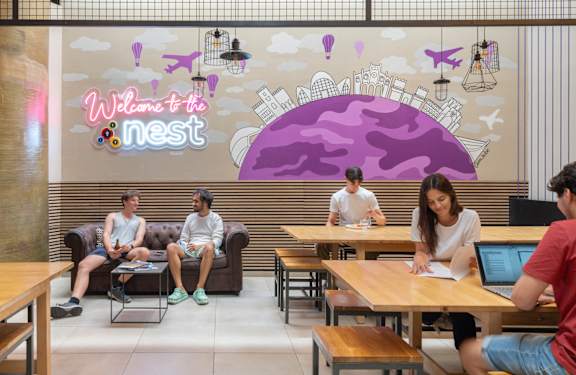
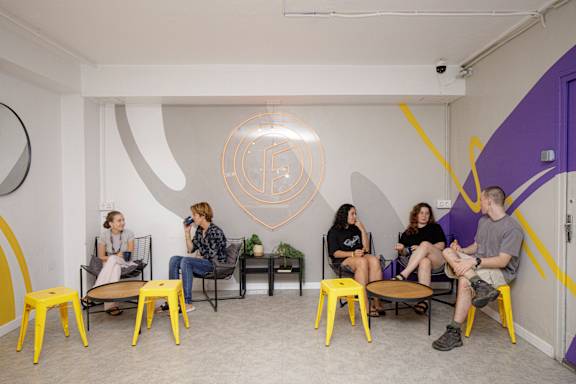
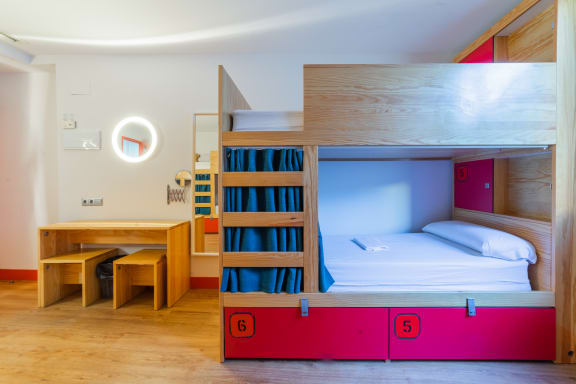
Mozambique's hostels are in the beach towns, Tofo and Vilanculos, with bars, dive desks and sea views. These are the best-rated right now, with live prices.
Visa, price and safety details were checked in October 2026. Rules change, so confirm with official sources before you travel.

Compare Mozambique hostels: live prices, real reviews and free cancellation on most bookings. Then meet the people already there in the app.

 Get the App.

 Get the App.