Cap Skirring village
Beach and campementsThe main beach, bars and simple campements.

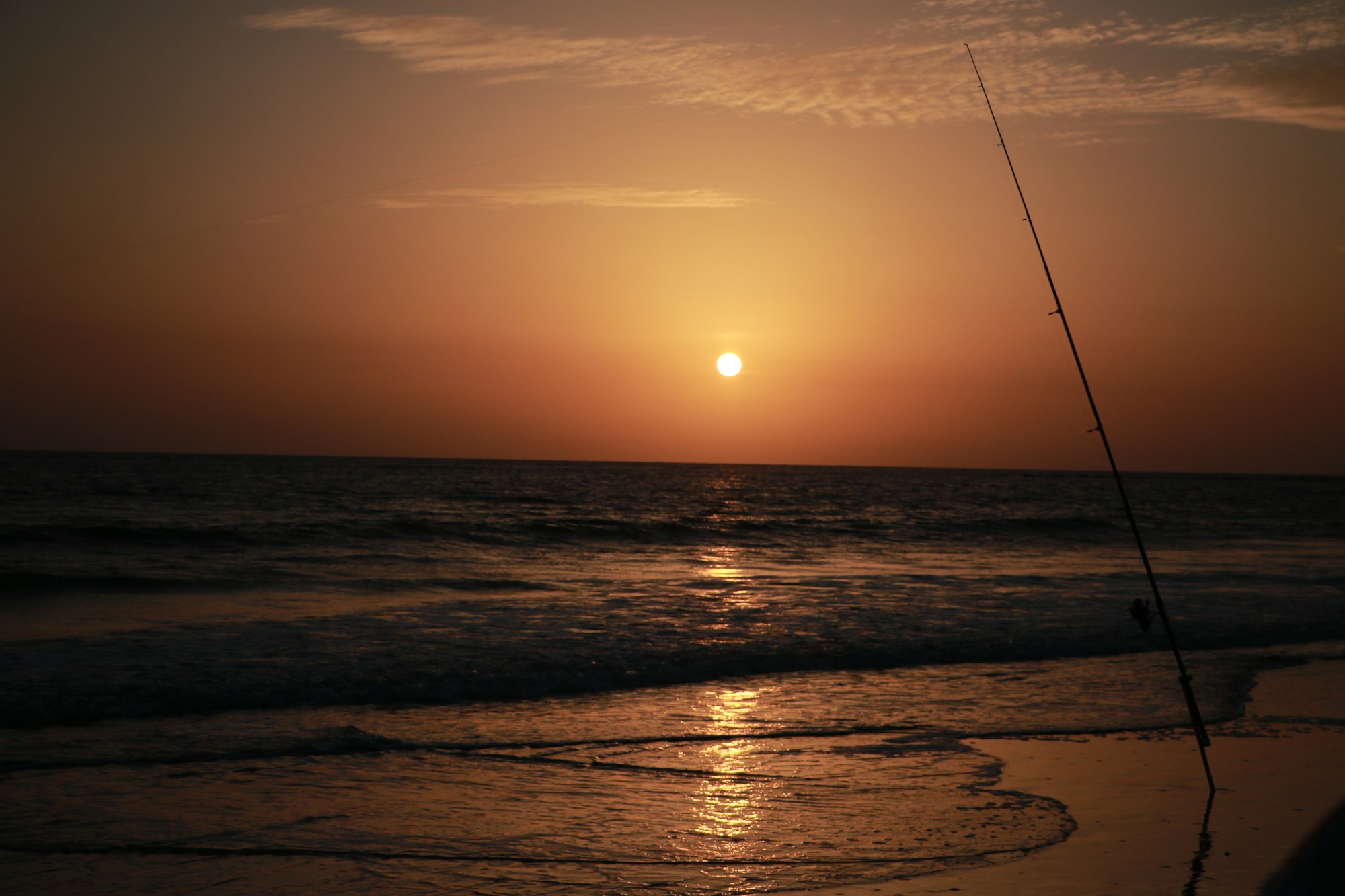
Cap Skirring is a laid-back beach village in Senegal's green, tropical Casamance, with what many call the best beach in the country: miles of white sand lined with palms and fishing pirogues. Add Diola villages, sacred forests and the island of Carabane, and it's the perfect slow end to a Senegal trip.
Cap Skirring sits on the Atlantic coast in the far south-west of Senegal, in the Casamance region, just north of the Guinea-Bissau border. It's about 70 km west of Ziguinchor, the regional capital.
The Casamance feels very different from the north of Senegal: greener, wetter and more tropical, with rice paddies, mangroves, palm forests and rivers. It's home to the Diola people, whose culture, including sacred forests, kings and traditional ceremonies, remains strong, especially around Oussouye.
Cap Skirring itself is a small village with a long, wide beach, beach bars, fishing boats and a mix of simple campements and resort hotels. It's calmer than the Petite Côte resorts north of Dakar.
The Casamance had a long-running separatist conflict, which has largely quietened. The UK doesn't advise against travel to the region, but advises being alert for clashes, especially near the Gambian and Guinea-Bissau borders, and notes that the risk is lower in the main tourist areas.
From Cap Skirring, you can explore Diola villages, visit Oussouye and its king, take a pirogue to the island of Carabane and travel through the mangroves.
Three to five nights is ideal for beach time and a couple of trips inland.
Stay in Cap Skirring village for the beach and campements, or at Boucotte or Kabrousse for quieter stretches of sand. Ziguinchor is the transport hub.
The main beach, bars and simple campements.
Quieter stretch of coast north of Cap Skirring.
Twin village to the south, near the Guinea-Bissau border.
Inland town at the heart of Diola traditions.
Map data from OpenStreetMap contributors.
The beach is the main draw: a long sweep of pale sand, warm water and fishing pirogues, with beach bars serving grilled fish. The quieter beaches at Boucotte and Kabrousse are a short ride away.
Oussouye, about 25 km inland, is the heart of Diola culture in the Casamance. It's home to a traditional king, sacred forests and villages with distinctive houses. Local guides can arrange respectful visits.
Carabane, an island at the mouth of the Casamance River, was an early French trading post, with colonial ruins, a church and a quiet beach. It's reached by pirogue, often from Elinkine.
The mangroves and creeks of the Casamance River are good for pirogue trips and birdwatching.
Ziguinchor, the regional capital, has a market, colonial buildings along the river and the ferry to Dakar.
Back in Cap Skirring, try surfing or kayaking, or simply relax in a hammock.
The beach is free and enormous, so walk for miles in either direction.
Watch the fishermen launch and land their pirogues in the morning and late afternoon.
Wander the village and the market, and stop for attaya tea.
Walk along the quieter beaches at Boucotte, where rock formations break up the sand.
Watch the sunset over the Atlantic from the beach.
The Casamance is known for its food. Grilled fish and prawns are served at beach bars, and oysters from the mangroves are a local speciality.
Rice is grown in the Casamance, and dishes such as rice with fish and onion sauce, or caldou, a fish stew with lemon, are typical.
Yassa, chicken or fish in lemon and onion, originated in the Casamance.
Palm wine, tapped from palm trees, is a local drink, especially in Diola villages. Bunuk is another local palm drink.
Campements often serve set meals. Drink bottled water.
Cap Skirring has a few beach bars and clubs, busiest in the high season from about December to April and at weekends.
Most evenings are relaxed, with dinner on the beach and drinks at your campement.
Take a taxi at night if you're going between villages, and don't walk on deserted beaches after dark.
Cap Skirring has a small airport with flights from Dakar, operated by Air Senegal and other airlines.
The overnight ferry from Dakar to Ziguinchor is a classic way to reach the Casamance, sailing along the coast. From Ziguinchor, sept-places run to Cap Skirring in about an hour and a half, for about CFA 2,200.
By road from Dakar, the route crosses The Gambia, via the Senegambia Bridge or the Banjul ferry, and enters the Casamance at Séléty.
In the area, taxis and shared cars link Cap Skirring with Oussouye, Ziguinchor and Elinkine, and pirogues go to Carabane.
The UK advises avoiding travel at night in the Casamance, sticking to main roads, travelling in convoy where possible, and not stopping if someone tries to flag you down.
Hostelworld has no listings in Cap Skirring right now. Campements offer simple rooms, often with meals, and resort hotels cost much more.
Grilled fish at a beach bar or a local meal costs a few euros.
The sept-place from Ziguinchor is about CFA 2,200, and pirogue trips to Carabane are priced per boat, so share them.
ATMs are limited, so bring enough CFA francs from Ziguinchor or Dakar.
On a budget, allow around €30 to €45 a day.
The UK doesn't advise against travel to the Casamance, but advises being alert for clashes in the region, especially near the Gambian and Guinea-Bissau borders. It says the risk is lower in the main tourist areas. Don't travel at night, stick to main roads, and don't stop if anyone tries to flag you down.
Cap Skirring is relaxed. Keep valuables secure and don't walk on deserted beaches at night.
The Atlantic has strong currents, so swim only where it's safe and supervised.
Malaria is present, especially in the rainy season, so use repellent and a net.
Respect Diola customs and sacred forests, and visit villages with a local guide.
From Cap Skirring, explore the Diola heartland, the island of Carabane and the mangroves of the Casamance River.
Diola villages, the king's compound and sacred forests, with a local guide.
Colonial ruins, a church and a quiet beach.
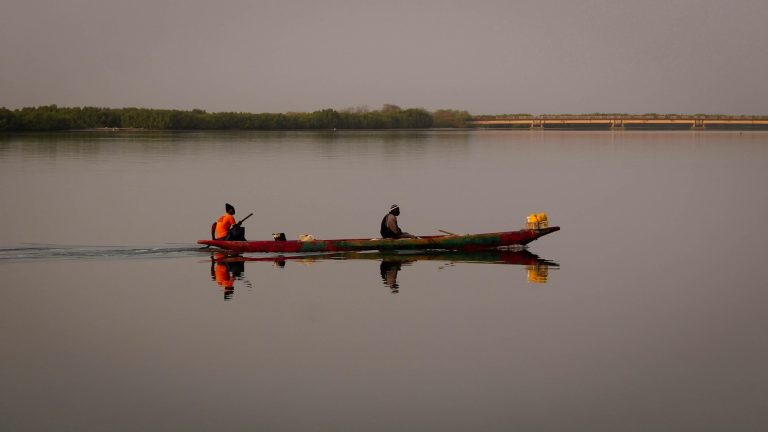
Regional capital with a market and river views.
Quieter beaches and rock formations.
Cap Skirring's calendar follows the high season and Diola traditional ceremonies in the Casamance.
Public holiday.
Busiest time on the beach.
Traditional ceremonies, including wrestling; ask locally and attend only if welcome.
November to May is the dry season and the best time to visit, with sunny days and highs of 31°C to 34°C. The rainy season runs from about June to October, with heavy rain in July to September.
Average daily highs from weather2travel's Cap Skirring climate data. Crowd levels are our rough guide.
Pick a style and a number of nights for a rough total, per person, in euros.
Estimates in euros, converted from CFA francs. Sleeping is based on campement prices, since Hostelworld has no listings here.
Prices and timetables change. Check before you travel.

Compare Cap Skirring hostels: live prices, real reviews and free cancellation on most bookings. Then meet the people already there in the app.

 Get the App.

 Get the App.