Plateau
Daytime sightseeingOld colonial centre with markets, Place de l'Indépendance and the Gorée ferry.

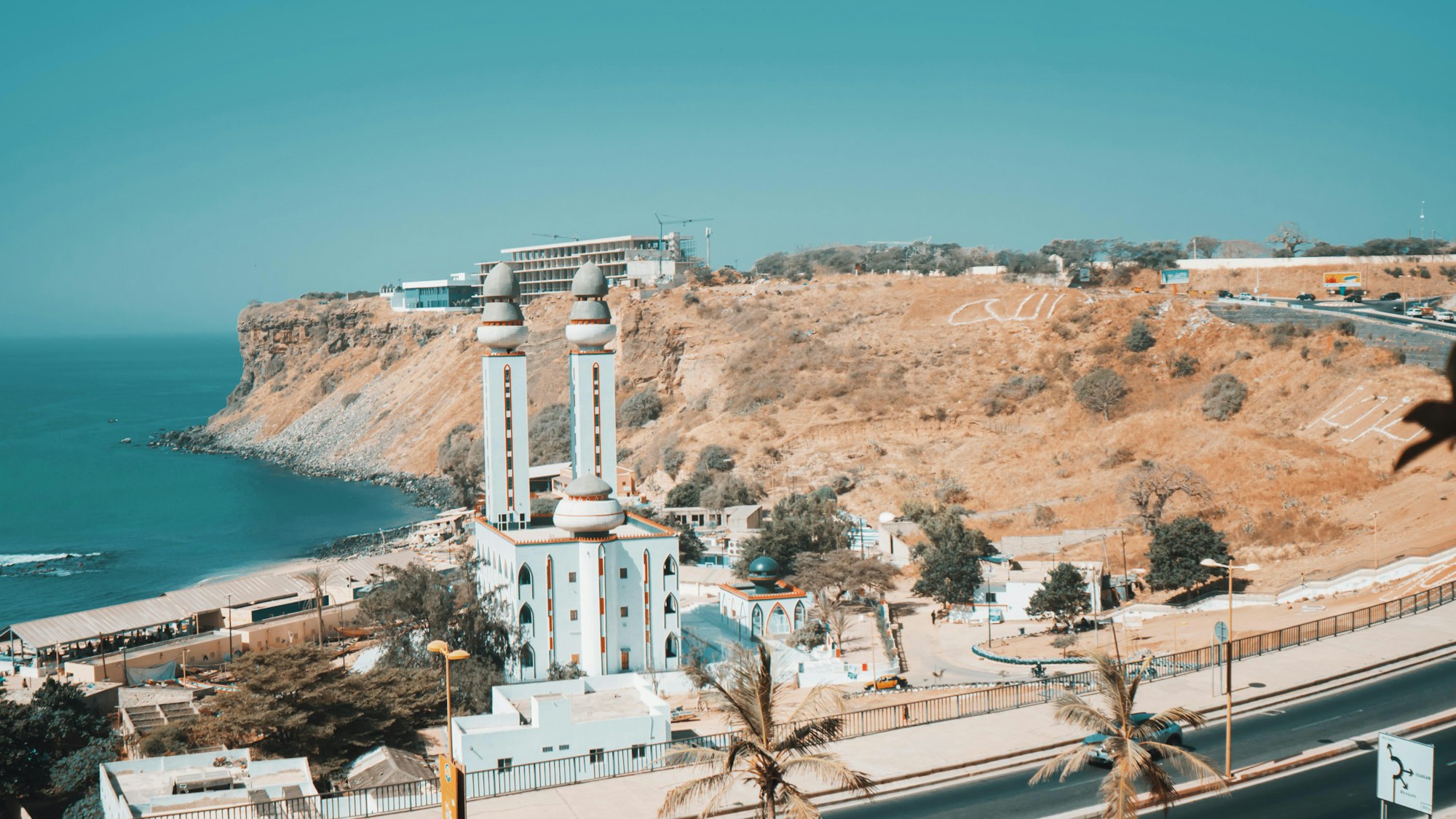
Dakar is a buzzing, sea-wrapped capital on Africa's westernmost tip. Catch the ferry to Gorée Island, surf at Ngor and Yoff, eat grilled fish at Soumbédioune at sunset and dance to mbalax until dawn. It's busy, loud and full of energy, and the best introduction to Senegal.
Dakar sits on the Cap-Vert peninsula, the westernmost point of mainland Africa, with the Atlantic on three sides. It's a city of about four million people, and one of West Africa's cultural capitals.
The Plateau, at the southern tip, is the old colonial centre and business district, with the presidential palace, Place de l'Indépendance, the Kermel market and the port for the ferry to Gorée Island. North and west, the city spreads through Médina, Fann and Point E to the Corniche, the coastal road lined with cliffs, beaches and the Soumbédioune fishing village.
At the western end, Ouakam, Ngor, Yoff and Les Almadies are old Lebou fishing villages, now surrounded by the city, with surf breaks, beach bars, hotels and restaurants. Ngor Island is a short pirogue ride offshore.
Dakar has a strong art and music scene, from galleries and the Dak'Art biennale to mbalax clubs, and the Museum of Black Civilisations is one of the most ambitious museums in Africa.
The city is hectic, with heavy traffic and pollution, and crime is rising, so it needs some care.
Two or three days is enough for Gorée, the museums, the Corniche and a night out, before heading north to Saint-Louis or south to the Sine-Saloum.
Stay in Ngor, Yoff or Les Almadies for beaches, surf and calm, or Mermoz and Point E for a central base. The Plateau is for daytime sightseeing and the Gorée ferry.
Old colonial centre with markets, Place de l'Indépendance and the Gorée ferry.
Residential areas with restaurants and nightlife between the centre and the coast.
Western tip with beach bars, surf breaks and the Ngor Island pirogues.
Lebou fishing village with a long beach, near the old airport.
Orange labels are neighbourhoods, dots are the 4 top-rated hostels. Map data from OpenStreetMap contributors.
Gorée Island, a 20-minute ferry ride from the port, is the essential visit. Its colourful colonial houses, bougainvillea and car-free lanes contrast with its history as a centre of the Atlantic slave trade. The House of Slaves, with its "Door of No Return", is a moving memorial. The ferry costs about CFA 5,000 for foreigners.
The African Renaissance Monument, a huge bronze statue on a hill in Ouakam, is free to visit outside, with views over the city. The Museum of Black Civilisations, opened in 2018, celebrates African and diaspora culture, and the IFAN Museum of African Arts, near Place Soweto, has masks, textiles and sculpture.
The Corniche, the coastal road, is good for walks, runs and sunsets. Soumbédioune, a fishing village on the Corniche, has a lively evening fish market, where pirogues land the day's catch, and a crafts village.
Ngor Island, reached by pirogue from Ngor beach for about CFA 500, has small beaches and a famous surf break. Yoff and Ngor are Dakar's surf hubs, with schools for beginners.
The Grand Mosque, Sandaga and Kermel markets and the Village des Arts, an artists' compound, are worth a look.
Lac Rose (Lake Retba), about an hour north-east, has pinkish water in the dry season and salt collectors at work.
Walk the Corniche for cliffs, sea views and sunsets, and watch the locals working out at the outdoor gyms.
Visit the African Renaissance Monument from the outside and climb the steps for views over Dakar.
Watch the pirogues come in at Soumbédioune in the late afternoon.
Wander the Plateau, Place de l'Indépendance and Kermel market.
Spend a day on the beaches at Yoff or Ngor, or watch the surfers at Ngor Right.
The Village des Arts is free to visit, and artists are often happy to show their work.
Dakar is a great food city. Try thieboudienne, fish and rice cooked with tomato and vegetables, at a local restaurant at lunchtime, when it's freshly made. Yassa (chicken or fish in lemon and onion) and mafé (peanut stew) are other classics.
In the evening, head to a dibiterie for dibi, grilled lamb with onions and mustard, served on paper.
Seafood is excellent: grilled fish, prawns and lobster at the beach restaurants in Ngor, Les Almadies and Soumbédioune.
Street snacks include fataya (fried pastries), accara (bean fritters) and baguette sandwiches. Café Touba and attaya tea are sold everywhere.
Dakar also has good Lebanese food, from shawarma to falafel.
A local meal costs a few euros, and a restaurant meal around €8 to €15. Drink bottled water.
Dakar's nightlife is one of the best in West Africa. Mbalax, Senegal's high-energy music, is played live in clubs and venues, with big names often performing at weekends. Nights start late, around midnight, and go on until dawn.
Les Almadies and Ngor have beach bars and lounges with sunset views, and the Plateau and Point E have clubs and live music venues.
The Grand Théâtre National hosts major concerts.
Take a taxi at night, and avoid walking on the Corniche or beaches after dark. Be discreet with alcohol in public, especially during Ramadan.
Blaise Diagne International Airport is about 50 km from Dakar. Dakar Dem Dikk shuttle buses run roughly hourly from about 6am to 9pm, for about CFA 6,000, and a taxi costs about CFA 20,000, agreed in advance, using the toll motorway. Be wary of bogus drivers who claim to know you.
In the city, taxis are cheap and everywhere, but have no meters, so agree the fare before you get in. Ride-hailing apps also operate. The Sunu BRT rapid bus crosses the city for CFA 400 to CFA 500, and the TER train runs from the centre to Diamniadio. Cars rapides, the painted minibuses, are cheap but crowded.
Sept-places to Saint-Louis, the Sine-Saloum, The Gambia and other towns leave from the Gare des Baux Maraîchers in Pikine, about CFA 4,000 to CFA 6,000 by taxi from the centre.
Ferries to Gorée leave from the port on the Plateau, and the overnight ferry to Ziguinchor, in the Casamance, also leaves from Dakar.
Pirogues to Ngor Island leave from Ngor beach.
Dakar is more expensive than the rest of Senegal, especially for accommodation. Hostelworld lists a few hostels, with dorm beds from about US$12 to US$13.
Food can be cheap: thieboudienne or yassa at a local restaurant costs a few euros, and street snacks very little. A restaurant meal costs around €8 to €15.
The Gorée ferry costs about CFA 5,000, the Ngor Island pirogue about CFA 500, and the airport shuttle about CFA 6,000.
Taxis are cheap if you bargain, and the BRT costs CFA 400 to CFA 500.
ATMs are common. Use bank ATMs and reputable bureaux, as fake notes are a risk.
On a budget, allow around €35 to €50 a day.
The UK says robbery, burglary and assault have become more common in Dakar, sometimes with weapons, and pickpocketing and bag-snatching are rising. Be careful after dark, don't walk alone and keep phones and valuables out of sight, especially in Sandaga market and crowded areas.
Avoid the beaches and the Corniche after dark, and take taxis at night.
At the airport, pre-arrange transport and ask anyone meeting you for ID.
Demonstrations are frequent in Dakar and can turn violent and block roads, including the airport road. Avoid them; foreigners have been prosecuted for joining unauthorised protests.
The sea has strong currents, so swim only at supervised beaches.
Same-sex sexual acts are illegal and the law is enforced, with sentences raised in 2026. Dress modestly away from the beach.
From Dakar, you can visit islands, a pink lake and a shell village, and the beaches of the Petite Côte.
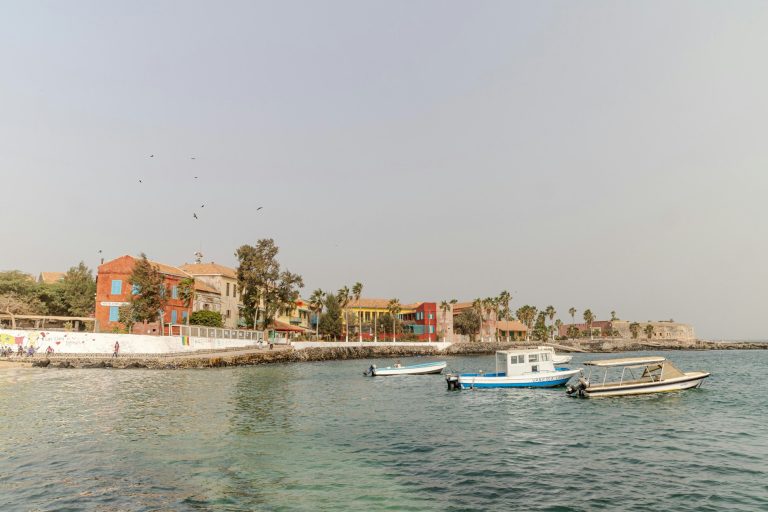
Colonial lanes and the House of Slaves.
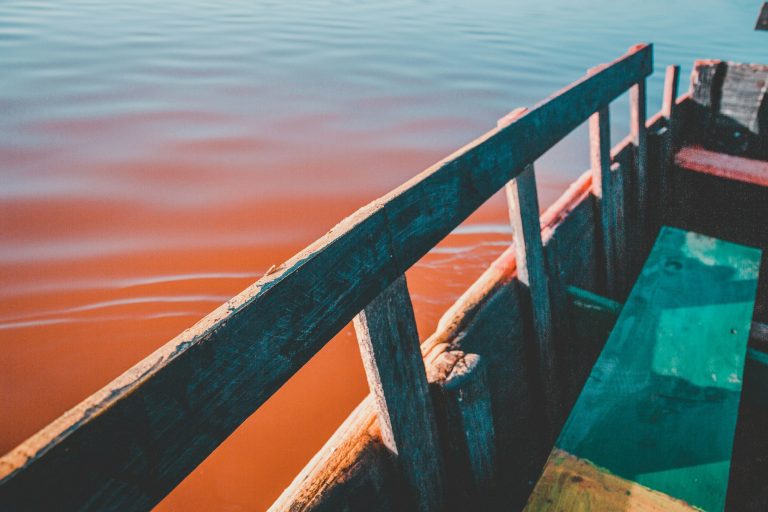
Pinkish salt lake and salt collectors.
Island village built on shells, reached by a wooden bridge.
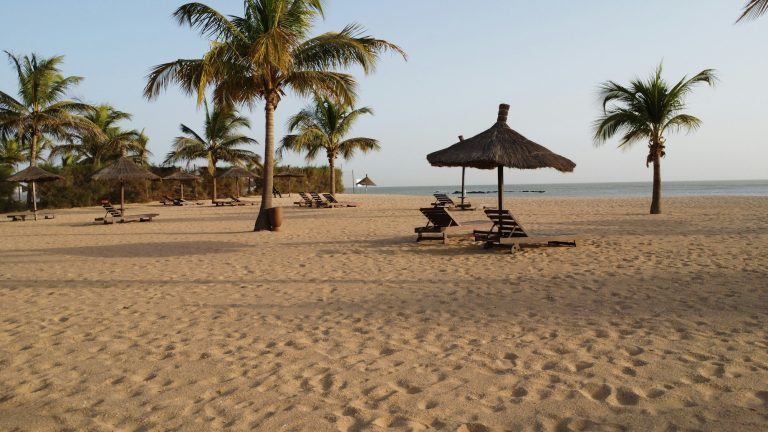
Beach resort with bars and a hostel.
Dakar's calendar includes Independence Day, the Dak'Art biennale and the big religious festivals.
Public holiday with parades.
Africa's leading contemporary art biennale; check the next edition.
Major Muslim festival; transport is very busy.
Marks the end of Ramadan.
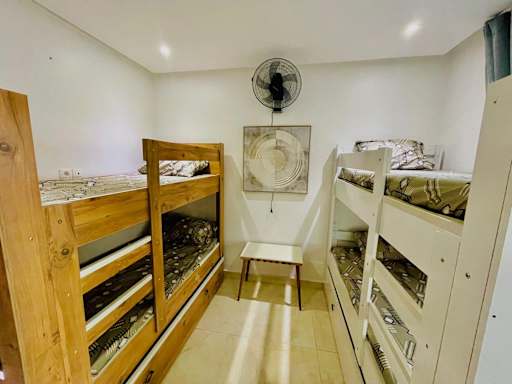
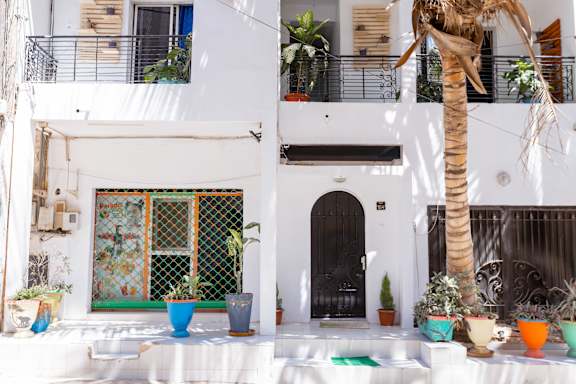
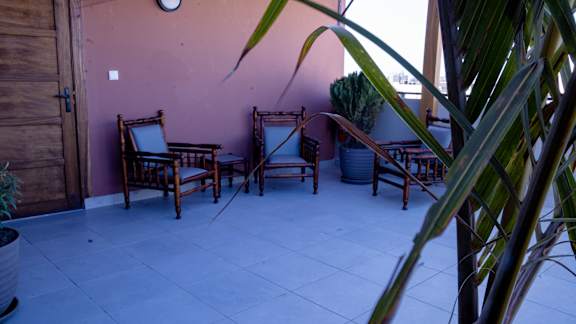
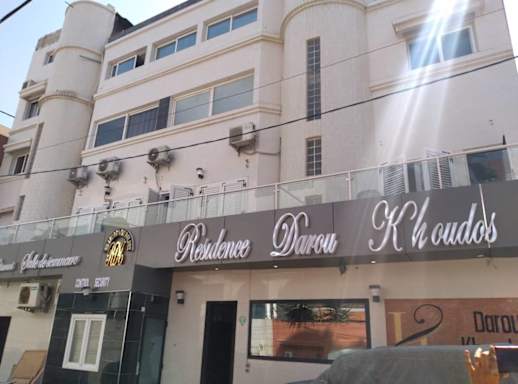
Dakar has a few hostels on Hostelworld, spread across the city.
Dakar is mild for West Africa, with highs of 26°C to 31°C thanks to the ocean breeze. November to May is dry and sunny, with the coolest weather from December to February. July to October is hot, humid and rainy.
Average daily highs from weather2travel's Dakar climate data. Crowd levels are our rough guide.
Pick a style and a number of nights for a rough total, per person, in euros.
Estimates in euros, converted from CFA francs. Beds are based on Hostelworld prices in October 2026.
Prices and timetables change. Check before you travel.

Compare Dakar hostels: live prices, real reviews and free cancellation on most bookings. Then meet the people already there in the app.

 Get the App.
 Get the App.