Medina
History and budget staysThe walled UNESCO old town with the Ribat, Great Mosque, souks and Kasbah museum, next to the station.

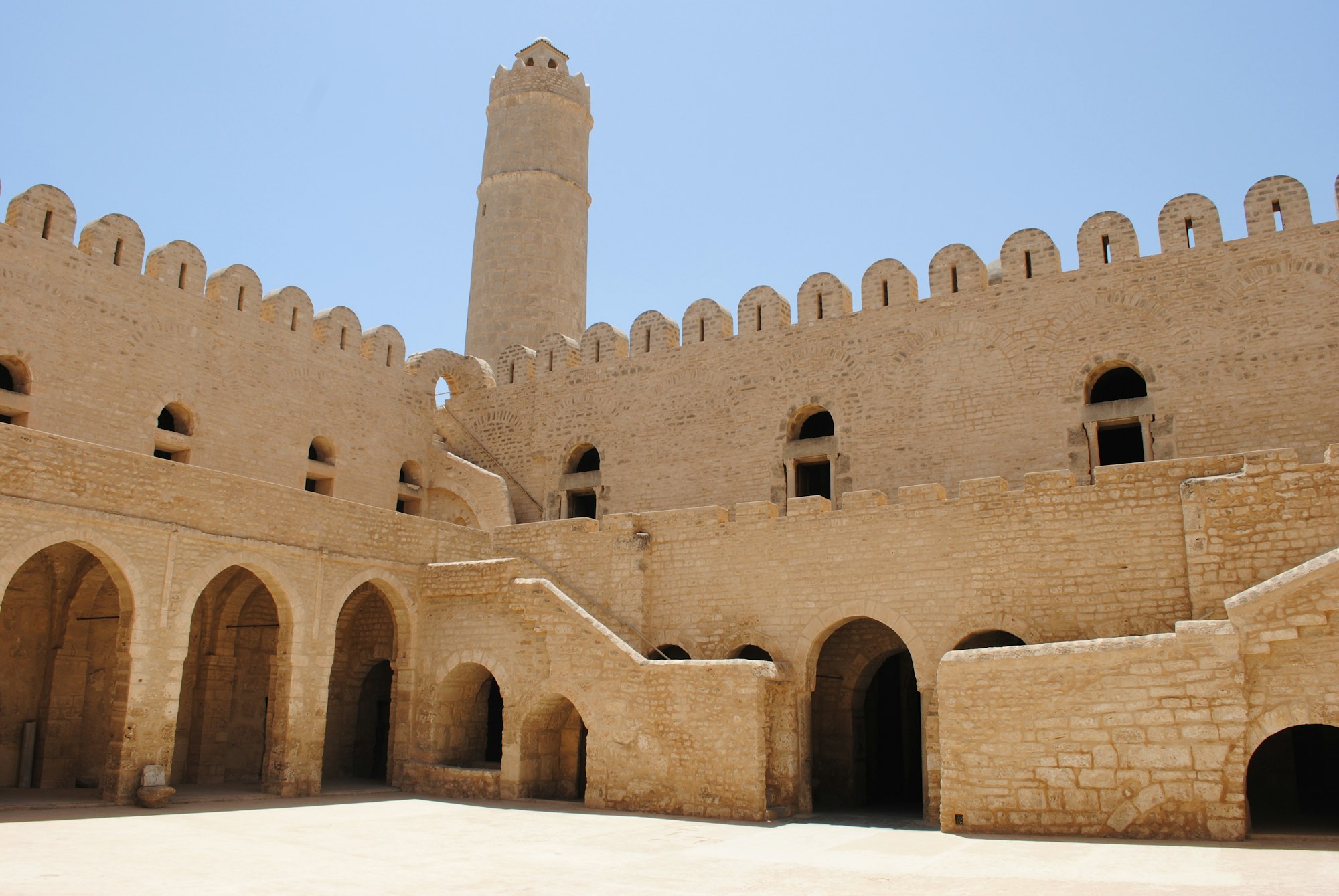
Sousse is Tunisia's third city and the easiest base on the coast: a walled UNESCO medina beside a long sandy beach, a superb mosaics museum and fast trains to El Jem and Monastir. Most people come for the resorts, but the old town and the day trips are the real reasons to stay.
Sousse lies on the Gulf of Hammamet about 140 km south of Tunis, and it has been a port since the Phoenicians founded Hadrumetum here around the 9th century BC. Under the Aghlabid dynasty in the 9th century AD it became one of the key ports of Islamic North Africa, and the walls, Ribat and Great Mosque of that era still stand. The medina was listed by UNESCO in 1988.
The town has two faces. The medina, a compact old city of white houses and souks inside honey-coloured walls, sits right next to the port and the train line. North of it, along the beach, stretches the resort zone, a long line of hotels, bars and restaurants that runs all the way to the marina of Port El Kantaoui.
For independent travellers, the medina side is the more interesting place to be. You can walk from the train station to the Ribat in five minutes, the Kasbah's museum holds one of the best mosaic collections in the country, and the souks are less touristy than they first look once you get past the main gate.
Sousse is also the best base in central Tunisia. The amphitheatre at El Jem is about an hour south by train, the holy city of Kairouan an hour inland by louage, and Monastir and Mahdia are along the coast on the Métro du Sahel.
Two to three nights is right: a day for the medina and the museum, a day trip to El Jem or Kairouan, and time on the beach.
Stay in or near the medina for history, transport and cheap beds, or along the beach for the sea. Port El Kantaoui is a resort marina 10 km north, and Monastir is an easy alternative base.
The walled UNESCO old town with the Ribat, Great Mosque, souks and Kasbah museum, next to the station.
The area by the port and the main medina gate, with the train station, cafés and cheap hotels.
The town beach and promenade starting just north of the medina, lined with hotels and cafés.
Long strip of hotels, bars and clubs along the beach north of the centre.
Purpose-built marina about 10 km north, with restaurants, boat trips and the bigger clubs.
Orange labels are neighbourhoods, dots are the 3 top-rated hostels. Map data from OpenStreetMap contributors.
Start at the Ribat, a fortified monastery built in the late 8th century to guard the coast, and climb the narrow steps of its watchtower for the best view over the medina, the Great Mosque and the sea. It is one of the oldest and best-preserved ribats in North Africa, and appeared in the film Monty Python's Life of Brian.
Next door is the Great Mosque, built in 851 with fortress-like walls. Non-Muslims can usually visit the courtyard in the morning, with a small ticket and modest dress, but not the prayer hall.
Walk up through the souks to the Kasbah, at the highest corner of the medina. Its Archaeological Museum is the second-best mosaic collection in Tunisia after the Bardo, with huge Roman floors of sea creatures, gods and hunting scenes from Hadrumetum. Allow at least an hour. Nearby, Dar Essid is a traditional house museum full of furniture, jewellery and tiles.
The medina walls run for more than 2 km, and walking around the outside, especially at the Bab el Gharbi gate and along the southern side, is a good way to understand the town. The Catacombs of Sousse, early Christian burial galleries west of the medina, are worth seeing if you like history.
For the beach, Boujaafar starts just north of the medina and runs for kilometres past the hotels. Further north, Port El Kantaoui is a purpose-built marina with boat trips, restaurants and the busier resort beaches.
Much of Sousse is free. The medina costs nothing to wander, and the lanes away from the main souk, towards the western walls, are quiet and residential, with blue doors and neighbourhood bakeries.
Walk the walls from the outside, starting at Place Farhat Hached by the port and heading west and north. The views of the Ribat and Kasbah towers are good, especially in the late afternoon.
The beach at Boujaafar is free and starts right beside the medina. Swim where others do and follow the flags.
Sunday is market day: the big weekly market south-west of the medina sells everything from clothes to livestock and is a lively free spectacle.
In the evenings, join the promenade along the seafront and the square by the port, where families walk, eat ice cream and drink coffee until late.
Sousse is a port, so fish is the thing to eat. Grilled sea bream and sea bass, fried calamari and fish couscous are on most menus. Look for the small restaurants around the medina and the port, where a grilled fish with salad and chips costs around 15 to 25 TND, depending on the fish and the weight.
For cheap eats, the medina's snack bars sell lablabi, brik and casse-croûte sandwiches of tuna, harissa and salad for a few dinars. Rotisserie chicken shops and pizzerias line the streets of the new town.
The resort strip has international restaurants at international prices, and they are fine but not why you came. Head into town for Tunisian food.
Try Sousse's sweets: zlabia and makroudh are sold in the medina, and Kairouan's famous makroudh is only an hour away. Mint tea with pine nuts and Turkish-style coffee are sold in every café.
A local meal costs around 8 to 15 TND, and a restaurant dinner around 25 to 40 TND. Alcohol is easy to find in the resort hotels and licensed restaurants, less so in the medina.
Sousse has more nightlife than most Tunisian towns, but it is concentrated in the resort zone. Hotels and bars along Boulevard du 14 Janvier and the beach have happy hours, live music and clubs, busiest from June to September.
Port El Kantaoui, 10 km north, has the bigger bars and clubs and a lively marina in summer. Taxis between the two are cheap.
In town, evenings are more Tunisian: cafés around the port and the medina gates fill with families and friends, shisha and mint tea, and the seafront promenade is busy until late.
In summer, the Sousse International Festival brings concerts to an open-air theatre, and late July usually brings the Aoussou carnival parade along the seafront.
Out of season, many resort bars close and the town is quiet. Take taxis at night, and insist on the meter.
Sousse is on Tunisia's main railway line. Trains from Tunis take about two hours and cost around 10 to 12 TND, and continue south to El Jem, Sfax and Gabès. Sousse's main station is right by the medina and the port.
Louages from Tunis cost around 10 to 14 TND and leave when full. From Sousse, louages run to Kairouan, Monastir, Mahdia and most other towns.
The Métro du Sahel, a suburban train, runs from Sousse Bab Jedid station along the coast to Monastir (about 30 minutes), its airport and Mahdia (about 1½ hours). It is cheap and frequent.
The nearest airports are Monastir, about 20 km south, and Enfidha-Hammamet, about 50 km north, which most charter flights use. From Monastir airport, the Métro du Sahel stops at the terminal. From Enfidha, take a taxi or a shuttle bus.
In town, walk the medina and use metered yellow taxis for the resort zone and Port El Kantaoui. A tourist "noddy train" also runs along the resort strip.
Sousse is cheap if you stay near the medina. Hostelworld lists dorm beds from about US$9 to US$16, and private rooms in small hotels from around US$7. Local guesthouses cost about 50 to 80 TND a room, and all-inclusive resorts can be surprisingly cheap out of season.
Food is cheap in town: a sandwich or brik for a few dinars, a local meal for 8 to 15 TND, a fish dinner for 25 to 40 TND. The resort strip costs more.
Transport is very cheap. The Métro du Sahel costs a few dinars to Monastir, a train to El Jem is a few dinars more, and most taxi rides in town are a few dinars.
The sights add up. Expect separate tickets for the Ribat, the museum and the Great Mosque, and 20 TND at El Jem.
At about 3.37 TND to €1, a budget day comes to around €20 to €30. Carry cash for louages, cafés and the medina, and remember you can't take dinars home.
Sousse is generally safe, with a strong security presence in the resort zone and around the medina. In 2015, a gunman killed 38 people at a beach resort at Port El Kantaoui, and security has been tight since. The UK and other governments still advise caution about terrorism, so stay aware in crowded places.
The main day-to-day problems are touts and petty theft. In the medina, "guides" may offer to show you a shortcut or a terrace, leading to a shop. Be polite but firm. Watch your bag in the souks and on the beach.
Taxi drivers in the resort zone may try to set high fixed prices, so insist on the meter.
Women may get unwanted attention on the beach and at night, particularly in summer. The UK notes more reports of harassment in summer, including at quiet beaches.
Swim at beaches with flags and lifeguards, and follow the flag system. Dress modestly in the medina and when visiting the mosque.
Sousse is the best base in Tunisia for day trips: the Roman arena of El Jem, the holy city of Kairouan, and the coastal towns of Monastir and Mahdia.
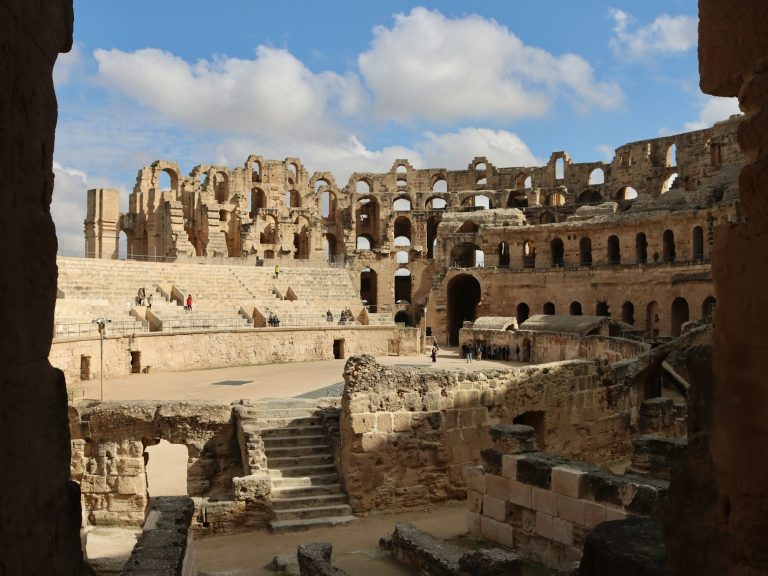
One of the world's best-preserved Roman amphitheatres, built for around 35,000 spectators. 20 TND entry.
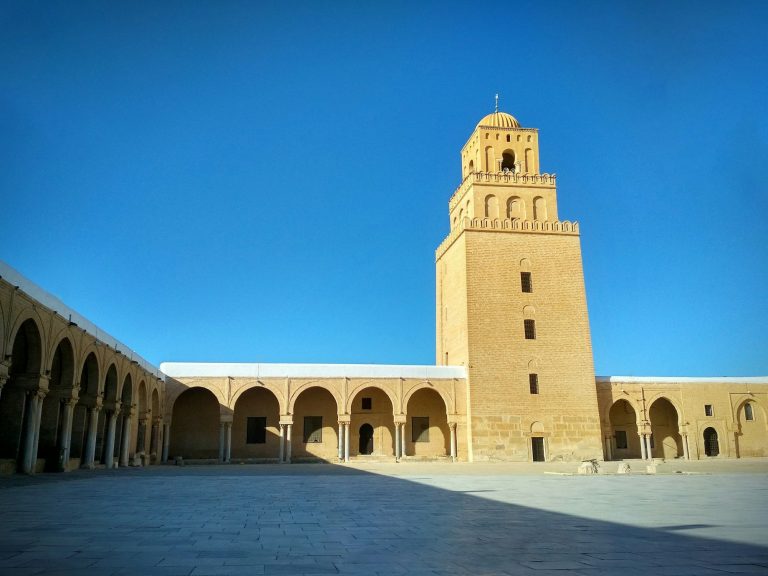
Holy city with the Great Mosque, a UNESCO medina, carpet shops and the best makroudh in Tunisia.
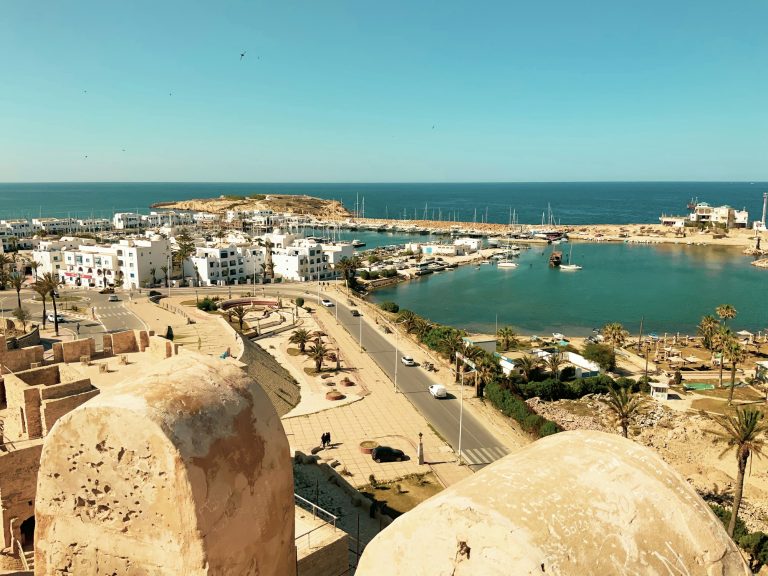
Coastal town with a grand Ribat, the Bourguiba Mausoleum and a marina.
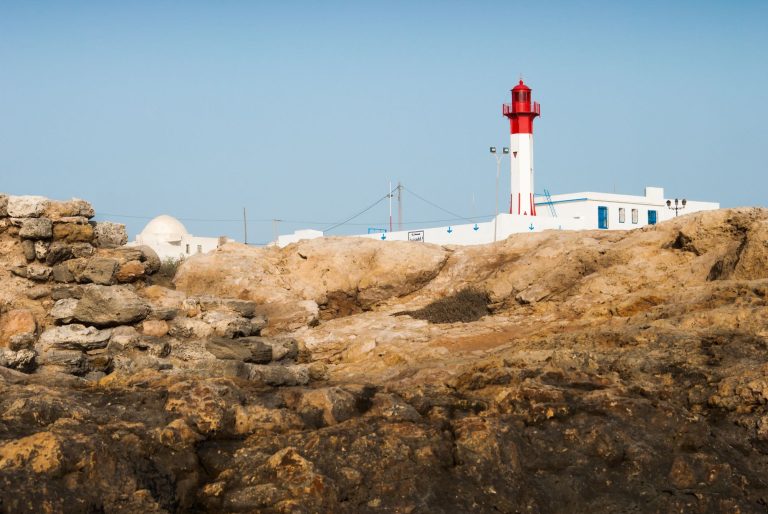
Fishing town on a headland with the Skifa el Kahla gate, a Fatimid mosque and fine beaches.
Summer is festival season in Sousse, with the Aoussou carnival and the Sousse International Festival. The rest of the year follows the national and religious calendar.
Quiet days, busy evenings in the medina and cafés after sunset.
Public holiday marking independence in 1956.
Public holiday marking the declaration of the republic in 1957.
Summer carnival with floats, music and dancing along the corniche.
Summer concerts and shows in an open-air theatre.
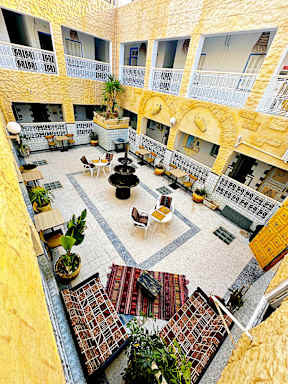
Sousse has only a few hostels and small hotels on Hostelworld, mostly near the medina. Most include breakfast, and some can arrange trips to El Jem and Kairouan.
Rated 9.8 from 16 reviews, under 1 km from the centre, with dorms and private rooms. The only classic hostel in town.
A small, friendly hotel rated 9.3 from over 100 reviews, close to the medina, with private rooms from about US$7.
A guesthouse about 5 km from the centre, rated 9.2 from over 80 reviews, with dorms from about US$9 and fishing trips, hammam and tours.
Sousse is warm from May to October, with highs from 25°C to 34°C and the sea warmest in August and September. Spring and autumn are best for sightseeing and day trips, and winter is mild but quiet, with many resort businesses closed.
Average daily highs from weather2travel's Sousse climate data. Crowd levels are our rough guide. Ramadan 2027 is expected from about 8 February to 9 March.
Pick a style and a number of nights for a rough total, per person, in euros.
Estimates. Beds are based on Hostelworld's listed prices for Sousse in October 2026; doing averages beach days with paid sights and a day trip.
Prices and timetables change. Check before you travel.

Compare Sousse hostels: live prices, real reviews and free cancellation on most bookings. Then meet the people already there in the app.

 Get the App.

 Get the App.