Town centre
Budget stays and transportMain street, market, bus offices and cheap guesthouses.

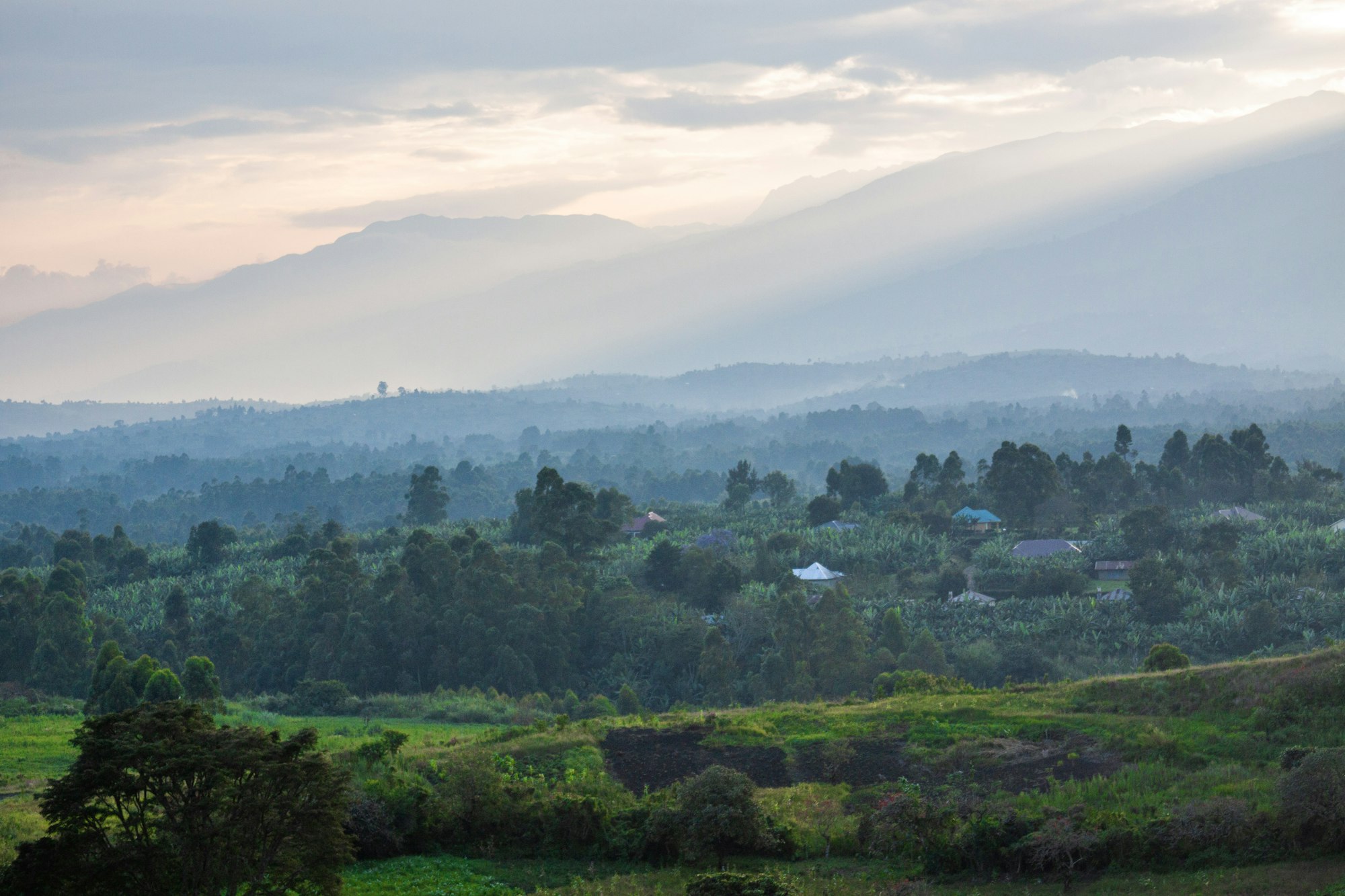
Fort Portal is a cool, green highland town in western Uganda, surrounded by tea estates, dozens of crater lakes and the forest of Kibale, where you can track wild chimpanzees. On a clear day, the snow-capped Rwenzori Mountains rise on the horizon. Give it three nights at least.
Fort Portal sits at about 1,500 m in western Uganda, roughly 300 km from Kampala, and its altitude makes it one of the most pleasant places in the country: warm days, cool nights and green hills in every direction. The town takes its name from Fort Gerry, a British fort built in the 1890s, and is the capital of the Tooro Kingdom, whose palace sits on a hill above the centre.
The town itself is small, tidy and easy-going, with a main street of shops and cafés, a busy market and a few colonial buildings. Most visitors use it as a base for what lies around it.
To the south, the volcanic landscape is pocked with crater lakes, deep blue or green and ringed with forest and banana plantations. Walking or cycling between them, past villages and tea fields, is one of the best things to do in Uganda, and lodges on the crater rims make lovely places to stay.
South-east of town, Kibale National Park has the highest density of primates in Africa, and its chimpanzee tracking is the best in East Africa. Next to it, the community-run Bigodi Wetland Sanctuary is a swamp walk full of monkeys and birds.
Beyond, the Rwenzori Mountains, the legendary "Mountains of the Moon", rise to 5,109 m on the border with DRC, and Queen Elizabeth National Park is a couple of hours to the south.
Three nights is the minimum: a day for Kibale and Bigodi, a day for the crater lakes, and time for the town, the caves and the palace.
Stay in town for cheap rooms and transport, in Boma for quieter lodges, or out on the crater lakes and near Kibale for the scenery. Distances are big, so choose by what you plan to do.
Main street, market, bus offices and cheap guesthouses.
Leafy residential area north of the centre, with mid-range lodges and guesthouses.
Crater lake about 10 km north-east of town, with a lodge on its rim.
Cluster of crater lakes south of town, with community campsites and lodges.
Lodges and campsites by the park and the Bigodi swamp, about 35 km south-east.
Orange labels are neighbourhoods, dots are the 1 top-rated hostels. Map data from OpenStreetMap contributors.
Kibale National Park is the highlight. It is home to around 1,500 chimpanzees and 13 primate species, and guided chimp tracking from the Kanyanchu visitor centre has some of the best success rates in Africa. Permits cost US$250 for foreign visitors, or US$200 in the low-season months of April, May and November 2026, and rise to US$300 from January 2027. The longer chimp habituation experience lets you spend most of a day with a group. Book permits ahead in peak season.
Next to the park, Bigodi Wetland Sanctuary is a community-run trail through a papyrus swamp, with red colobus and other monkeys, and over 100 species of birds, including the great blue turaco. Fees support local projects.
The crater lakes south of town are perfect for walking or cycling. Lake Nkuruba, Lake Nyabikere and the lakes of the Ndali-Kasenda area are ringed with forest and villages, and the "Top of the World" viewpoint looks over several of them at once. Closer to town, Lake Kyaninga is one of the most beautiful, with a lodge on its rim.
Near town, the Amabere ga Nyinamwiru caves have stalactites linked to a local legend, a small waterfall and walks to nearby crater lakes. The Tooro Kingdom's Karuzika Palace sits on a hill above town, with views over Fort Portal and the Rwenzori.
For a real challenge, multi-day treks in the Rwenzori Mountains start near Kasese, about 75 km south, and climb to glaciers and alpine valleys. Queen Elizabeth National Park, for game drives and boat trips, is also within reach.
Fort Portal is a lovely place to do very little. Walking around town, with its market, main street and views of the Rwenzori on clear mornings, costs nothing.
The road up to the Tooro Palace gives great views over the town and the hills, even if you don't go inside.
Walking between the crater lakes costs nothing beyond transport, and the villages, tea fields and forest edges are beautiful. Some lakes and viewpoints on private land ask a small fee.
The tea estates around town make for good walks, with workers picking leaves on the slopes. Ask before entering private estates.
Sunrise over the Rwenzori, when the clouds lift, is the best free show in the area.
Fort Portal's food is simple, fresh and cheap. Local restaurants serve matooke (steamed bananas), posho, rice, beans and groundnut sauce, with chicken, beef or fish stew, for a few euros. The fertile hills mean fruit and vegetables are excellent.
Fresh juices are a local pleasure: pineapple, passion fruit and mango are cheap and widely available. The area is also tea country, and you can buy local tea and coffee in town.
The rolex, Uganda's chapati and omelette roll, is sold on the street for a couple of thousand shillings.
Cafés and lodge restaurants serve pizzas, burgers and international food for travellers, usually for €5 to €10. Lodges on the crater lakes often serve set dinners using local produce.
Nile Special and other Ugandan beers are cheap in bars. Drink bottled water.
Fort Portal is a calm town, and nightlife is low-key. A few bars in town play music and show football, and they get livelier at weekends.
Most travellers spend evenings at their lodge or guesthouse, eating dinner with other guests and swapping chimp stories. Crater lake lodges are especially peaceful, with clear skies and the sounds of the forest.
Nights are cool at this altitude, so bring a warm layer.
If you go out, take a special hire taxi back rather than a boda boda, and avoid walking on unlit roads after dark.
Fort Portal is about 300 km west of Kampala. The quickest route is via Mubende, and buses take around five to six hours. Link Bus runs regular services from Kampala, with fares of 40,000 UGX from April 2026, and other companies run the route too. Buy tickets the day before for early departures.
From Fort Portal, buses and matatus continue south to Kasese (for the Rwenzori and Queen Elizabeth National Park), and the road south-west leads to Mbarara and Lake Bunyonyi. Many travellers hire a car and driver for the western circuit, because public transport doesn't reach the parks.
To get to Kibale, Bigodi and the crater lakes, take a matatu along the Kamwenge road, or hire a boda boda or special hire taxi for the day. Bodas are the easiest way to explore the crater lakes, but wear a helmet and agree the fare first.
Bikes can be rented in town and at some lodges, and cycling between the lakes is a great way to spend a day.
Distances look short on a map but roads are hilly and partly unpaved, so allow plenty of time.
Fort Portal is one of the cheapest places to stay in Uganda. Hostelworld lists only one property, with dorm beds from about US$15, but budget guesthouses in town start lower. Crater lake lodges range from simple bandas to expensive eco-lodges.
Food is very cheap: a local meal costs a few euros, a rolex a couple of thousand shillings, and lodge dinners €5 to €10.
The big cost is Kibale. Chimp tracking costs US$250 (US$200 in the 2026 low-season months), plus park entry. Bigodi swamp walks, the Amabere caves and the palace are much cheaper.
Transport is cheap by bus and matatu, but a taxi or boda for a full day of crater lakes, or a car and driver for the parks, adds up.
At about 4,650 UGX to €1, a budget day without permits comes to around €20 to €30. Carry cash: ATMs are in town, but not at the lakes or parks.
Fort Portal is calm and most visitors feel safe. The town is relaxed, people are friendly and crime against travellers is uncommon. Take normal care with valuables and don't walk on unlit roads at night.
The wider region needs more thought. Western Uganda near the DRC border has seen attacks, and the UK reports coordinated attacks by armed local groups in Kasese and Bundibugyo districts in November 2025, near tourist areas. Semuliki National Park and the Sempaya hot springs are in Bundibugyo, close to the border. Check the latest advice before going there or to the Rwenzori, and use registered operators and park guides.
Governments advise against all travel to the DRC, so don't take tours that cross the border.
Roads are the everyday risk. Boda bodas and matatus have poor safety records, so wear a helmet and avoid night travel. The roads to the crater lakes are steep and slippery after rain.
In Kibale, follow ranger instructions with chimps: keep your distance, don't eat near them and wear a mask if asked. Don't track if you are ill, as primates catch human diseases.
Fort Portal is surrounded by sights: chimps in Kibale, the Bigodi swamp, the crater lakes and the Amabere caves, with the Rwenzori and Queen Elizabeth National Park further south.
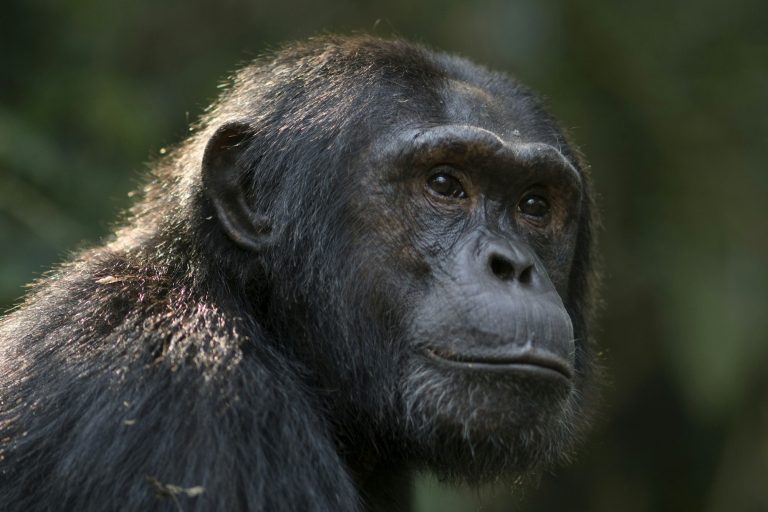
Chimp tracking from Kanyanchu, with some of the highest success rates in Africa. Book permits ahead.
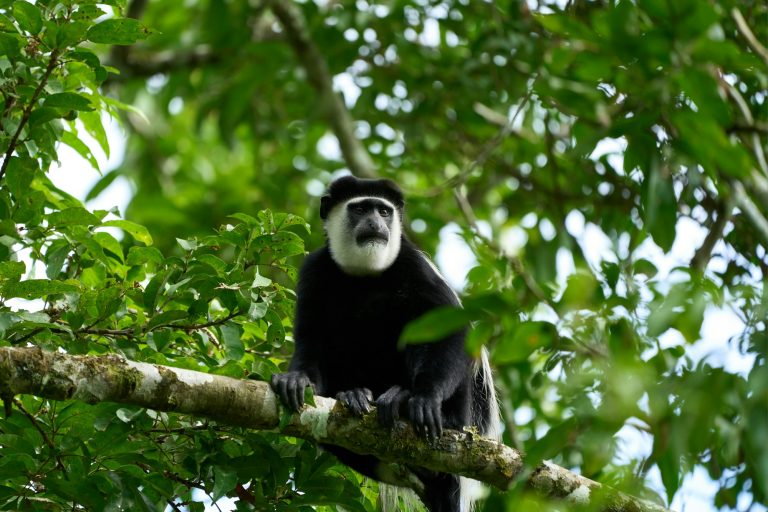
Community-run swamp walk with red colobus monkeys and over 100 bird species.
Walk or cycle between forest-ringed crater lakes and a viewpoint over several at once.
Caves with stalactites, a waterfall and short walks to nearby lakes.
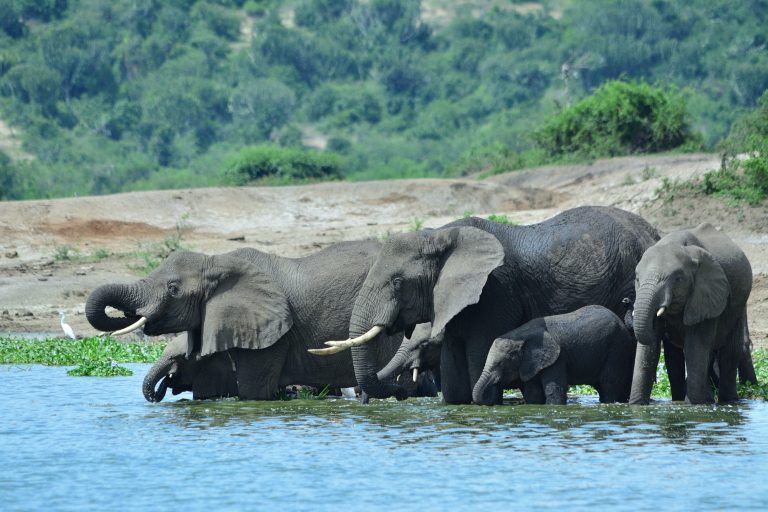
Game drives and Kazinga Channel boat trips. Better as an overnight.
Fort Portal's calendar follows the Tooro Kingdom and the national holidays, with the king's coronation anniversary the main local event.
Celebration of King Oyo's coronation, with traditional music, dance and ceremonies.
Public holiday and pilgrimage to Namugongo near Kampala.
Public holiday marking independence in 1962.
Family gatherings and busy lodges.
Fort Portal has budget guesthouses in town, lodges in Boma and beautiful crater lake lodges. Hostelworld lists only one property here so far.
Fort Portal is mild all year, with highs of 25°C to 27°C and cool nights. The drier months of December to February and June to August are best for chimp tracking and lake walks, while April and October are the wettest.
Average daily highs from weather2travel's Fort Portal climate data. Crowd levels are our rough guide.
Pick a style and a number of nights for a rough total, per person, in euros. Chimp permits are not included.
Estimates. Beds are based on Hostelworld and guesthouse prices in October 2026; doing covers cheaper activities like Bigodi and the caves. Chimp permits (US$250, or US$200 in the low season) are extra.
Prices and timetables change. Check before you travel.

Compare Fort Portal hostels: live prices, real reviews and free cancellation on most bookings. Then meet the people already there in the app.

 Get the App.

 Get the App.