Town centre
Budget and convenienceMain Street's colourful colonial shopfronts, the market, banks and cheap guesthouses, a short ride from the source.

Jinja is where the Nile begins its journey north from Lake Victoria, and it's the adventure capital of East Africa. Raft Grade 5 rapids, kayak, tube or bungee over the river by day, then watch the sunset from a riverside bar. It's two to three hours from Kampala, and most people stay longer than planned.
Jinja sits on the northern shore of Lake Victoria, about 80 km east of Kampala, at the point where the Nile flows out of the lake. In 1862 the British explorer John Hanning Speke reached this spot and declared it the source of the Nile, and a monument marks the place on the west bank. Today it is the start of one of the world's great white-water rivers.
The town itself is small and pleasantly faded. Its Main Street is lined with colonial-era shopfronts built by Indian merchants in the early 20th century, many of them painted in bright colours, and it has markets, cafés and banks. Uganda's beer, Nile Special, is brewed here.
Most travellers come for the river. Rafting companies run day trips through big rapids north of town, and there is kayaking, tubing, stand-up paddleboarding, bungee jumping, quad biking and horse riding along the banks. The rapids have changed since dams were built at Bujagali and Isimba, which flooded some famous sections, but the rafting is still world-class.
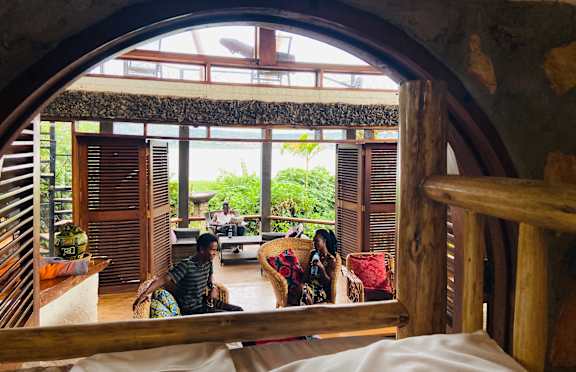
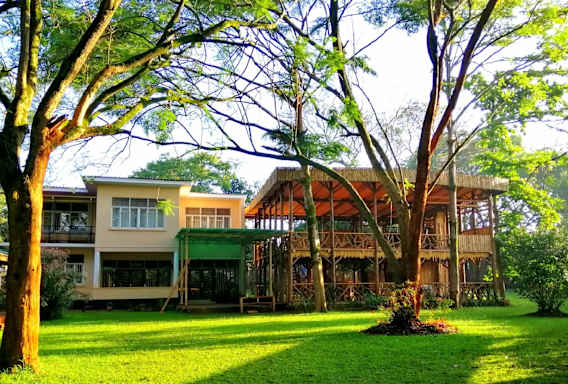
Jinja is also a good place to slow down. Riverside lodges and hostels have gardens and terraces over the water, and the sunset cruises on the Nile and Lake Victoria are calm and beautiful.
Two to three nights is the minimum: a day for rafting, a day for kayaking, the source and the town, and an evening on the river. In November, the Nyege Nyege music festival takes place nearby on the banks of the Nile.
Stay in town for markets and convenience, or on the river north of town for the rafting camps and sunset views. The east bank around the source is quiet and green.
Main Street's colourful colonial shopfronts, the market, banks and cheap guesthouses, a short ride from the source.
The point where the Nile leaves Lake Victoria, with the Speke monument on the west bank and landing sites on the east.
Riverside camps and lodges north of town, close to the rafting put-in points.
Leafy residential area east of the centre, with homestays and guesthouses.
Orange labels are neighbourhoods, dots are the 6 top-rated hostels. Map data from OpenStreetMap contributors.
Rafting is the main event. Full-day trips run through a series of Grade 3 to Grade 5 rapids north of Jinja, with calm stretches to swim, lunch on the riverbank and safety kayakers alongside. Expect to pay about US$120 to US$150, including equipment, lunch and transport from Jinja, and many companies also collect from Kampala. Half-day trips and gentler family floats are available for those who want less adrenaline. Book with an established operator such as Nile River Explorers or Adrift; a 2026 guide advises avoiding small operators with no safety record.
Kayaking is the other big draw. Schools such as Kayak the Nile run lessons and guided trips from about US$80, and tandem kayaking lets beginners tackle big rapids with an expert. Tubing and stand-up paddleboarding are slower ways to enjoy the river.
For a bigger thrill, the bungee jump drops about 45 m over the Nile, for about US$50 to US$70.
At the source of the Nile, you can take a short boat trip out to the point where the river leaves Lake Victoria, see the Speke monument and visit the memorial where some of Mahatma Gandhi's ashes were scattered in 1948. Sunset cruises on the river are a calm, beautiful end to the day.
In town, walk Main Street to see its colourful colonial-era shopfronts, and visit the central market. Further afield, Itanda Falls, a Grade 6 rapid too dangerous to raft, is spectacular from the bank, and Mabira Forest, on the road to Kampala, has forest walks, birdwatching and ziplining.
Jinja's best free thing is the river itself. Find a spot on the bank, or at a riverside lodge, for sunset over the Nile; the water, the birds and the light are worth the trip on their own.
Walk Main Street and the streets around it to see the colonial-era shopfronts built by Indian traders, then wander through the central market, full of fruit, fish and fabric.
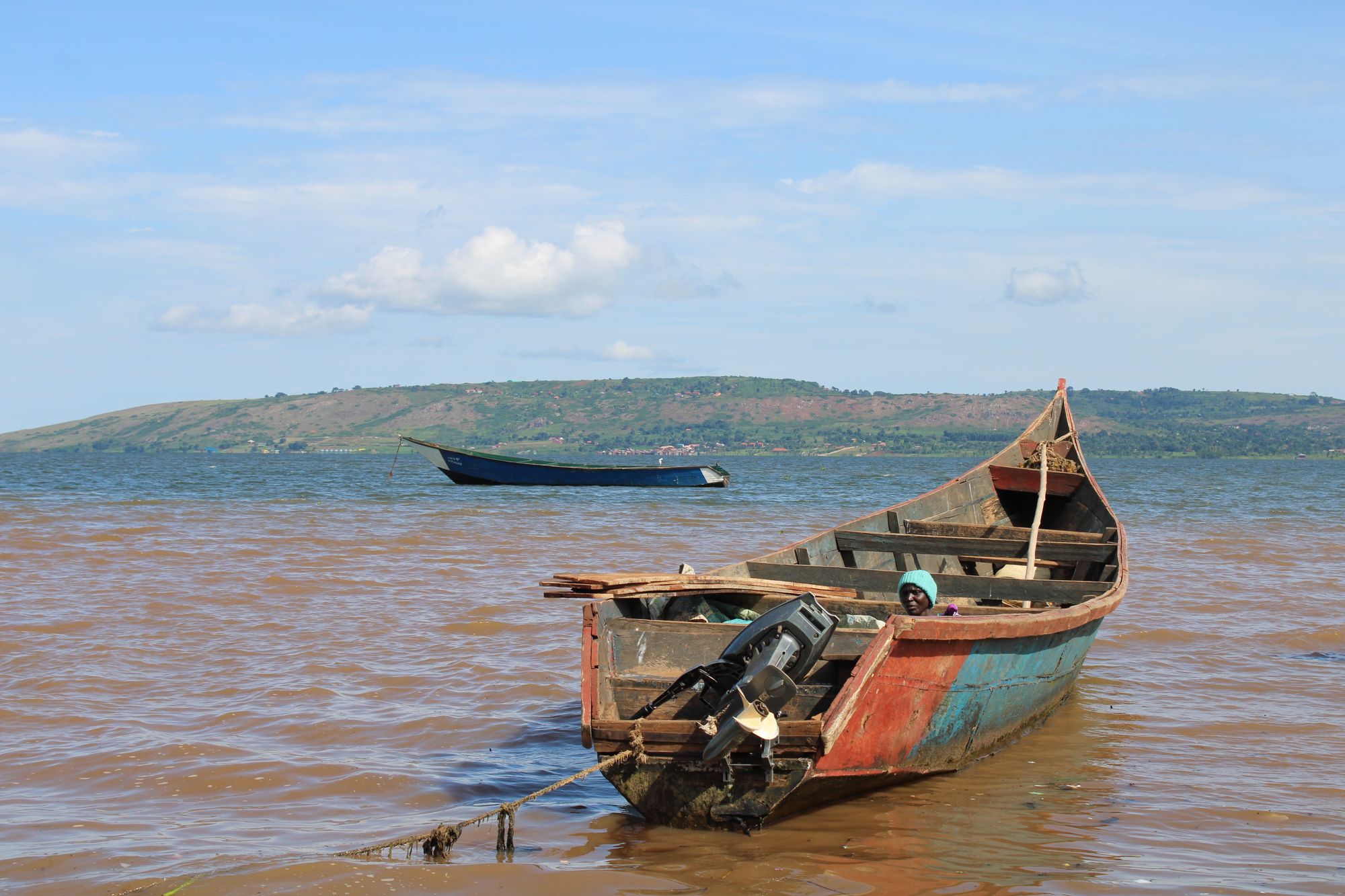
The east bank around the source has quiet roads and views over the water, and you can watch fishermen and boats heading out onto Lake Victoria in the early morning.
Itanda Falls can be seen from the bank for a small fee or a tip, and it is one of the most impressive sights on the river.
If you are here in November, the town fills with festival-goers for Nyege Nyege, and the atmosphere spreads into the bars.
Jinja claims to be the birthplace of the rolex, the chapati rolled around an omelette that is now sold across Uganda, and the street stalls in town make some of the best. They cost a couple of thousand shillings.
Local restaurants in town serve matooke, posho, rice, beans and stews, and tilapia or Nile perch from the lake, often fried whole with chips. A full plate costs a few euros.
The town's Indian heritage means there are good Indian restaurants, and the riverside lodges and hostels serve burgers, curries, pizzas and salads for travellers, usually around €5 to €10.
Nile Special, brewed in Jinja, is the drink to order, and it tastes best on a riverside terrace at sunset.
Drink bottled water and sealed drinks, and wash fruit before eating it.
Jinja's nightlife centres on the backpacker lodges and riverside bars, where rafters and kayakers swap stories over Nile Special after a day on the water. Rafting days often end with a party, especially at weekends.
In town, a few bars and clubs on and around Main Street stay open late, mostly at weekends, with a local crowd and loud music.
The biggest event of the year is Nyege Nyege, a four-day festival of electronic and African music on the banks of the Nile. In 2026, it runs from 19 to 22 November at Kalagala Falls, and beds in and around Jinja fill up fast.
Smoking in public places is banned, and shisha and e-cigarettes are illegal in Uganda. Take a taxi or arrange transport back to your lodge at night rather than walking or taking a boda boda.
Jinja is about 80 km east of Kampala, but traffic means the trip usually takes two to three hours. Buses and matatus leave Kampala's taxi parks regularly, and many rafting companies offer free transfers from Kampala hostels on rafting days.
From Entebbe airport, the drive takes three to four hours, depending on traffic. Many lodges can arrange a pick-up.
Jinja is also on the main road east to Kenya. Buses to Nairobi pass through, and the border at Busia or Malaba is a few hours away.
In town, boda bodas are the main transport, and they are cheap. As elsewhere in Uganda, the risks are real: wear a helmet, agree the fare and avoid them at night. Special hire taxis are safer for longer trips and evenings.
For the river, rafting and kayaking companies include transport from Jinja to the put-in points. For the source, take a boda or taxi to the east bank landing or the Speke monument on the west bank, and arrange a boat there.
Jinja is cheap to stay in and expensive to play in. Hostelworld lists dorm beds from about US$9 to US$15, and private rooms from about US$5 to US$20. Riverside camps cost a little more.
Food is cheap: a rolex costs a couple of thousand shillings, a local meal a few euros, and lodge meals around €5 to €10.
Activities are the big costs. Full-day rafting costs about US$120 to US$150 including lunch and transport, kayaking from about US$80, and the bungee about US$50 to US$70. Photos and videos of your rafting trip cost extra, around US$30 to US$50. Many lodges offer discounts if you book activities with them.
Boda rides around town cost little. A boat trip to the source of the Nile is a modest fee.
At about 4,650 UGX to €1, a day without activities comes to around €20 to €30. Bring US dollars printed after 2009 for activities, or check if the operator takes cards.
Jinja is relaxed and most visitors feel safe. The main risks are on the water and on the roads.
Rafting is safe with established operators, which use certified guides, safety kayakers, helmets and life jackets, and give a full briefing. A 2026 guide recommends avoiding small operators with no safety record, and advising non-swimmers, pregnant people and those with back, neck or heart problems not to raft. Listen to your guide, and never swim near the big rapids or falls, such as Itanda, on your own.
The Nile carries bilharzia (schistosomiasis), a parasite caught from fresh water. Many rafters accept the risk, but get tested and treated after your trip if you have been in the water.
On the roads, boda bodas are dangerous. Wear a helmet, avoid them at night and use special hire taxis after dark.
Don't photograph the Owen Falls Dam (Nalubaale) or other official sites: the UK says this is forbidden. As elsewhere in Uganda, carry little cash, keep valuables in your lodge and avoid walking alone at night.
Most trips from Jinja follow the river or the road to Kampala: Itanda Falls, the forest at Mabira, Sezibwa Falls and the islands of Lake Victoria.
A thundering Grade 6 rapid on the Nile, too dangerous to raft, with viewpoints on the bank.
Rainforest reserve with walks, birdwatching, monkeys and a zipline.
Small waterfall with deep cultural significance for the Baganda, on the road to Kampala.
Rapids and falls on the Nile, home of the Nyege Nyege festival in November.
Jinja's big event is Nyege Nyege in November, on the banks of the Nile. The rest of the year follows the national holidays.
National pilgrimage; expect busy roads to Kampala.
Public holiday marking independence in 1962.
Four days of electronic and African music on the banks of the Nile.
Busy lodges and riverside parties.
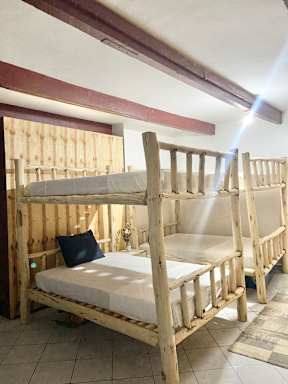
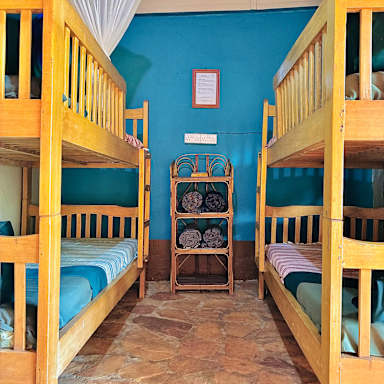
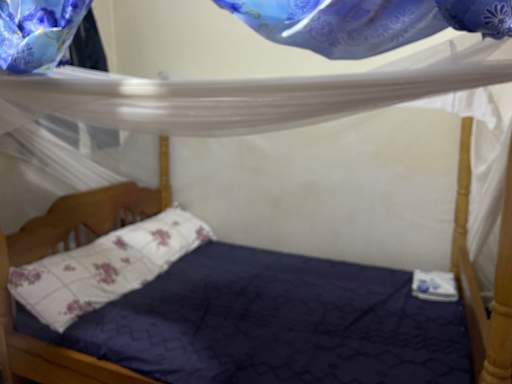
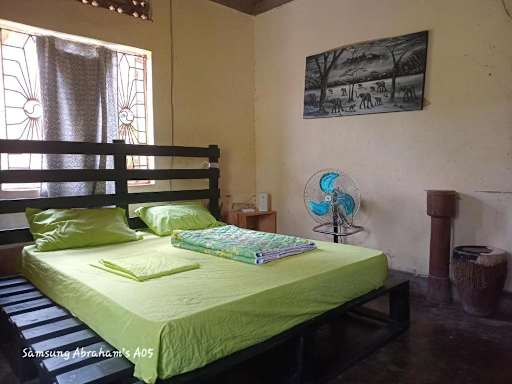
Jinja's hostels range from town-centre backpackers to riverside camps built around the rafting companies. Most can book activities, often with discounts or free transfers.
Rated 8.4 from 13 reviews, a B&B with dorm beds from about US$13 and breakfast included, close to the river.
In town, about a 10-minute walk to the source of the Nile, with free breakfast. Rated 7.7 from a handful of reviews.
A riverside camp set up as a base for rafting and other river trips, about 4 km from town. Rated 7.2.
Jinja is warm all year, with highs of about 26°C to 29°C. Rafting runs year-round, and river levels don't vary much because of the dams. June to August and December to February are drier, while March to May and October to November are wetter.
Highs are based on Kampala's weather2travel climate data, the nearest reliable reference. Crowd levels are our rough guide.
Pick a style and a number of nights for a rough total, per person, in euros. Rafting and other activities are not included.
Estimates. Beds are based on Hostelworld's listed prices for Jinja in October 2026; doing covers smaller costs like boat trips and entries. Rafting (US$120–150) and bungee (US$50–70) are extra.
Prices and timetables change. Check before you travel.

Compare Jinja hostels: live prices, real reviews and free cancellation on most bookings. Then meet the people already there in the app.

 Get the App.



 Get the App.