Kololo
First-timers and calm staysLeafy hill east of the centre with embassies, Acacia Avenue's restaurants and bars, and some of the city's best hostels.

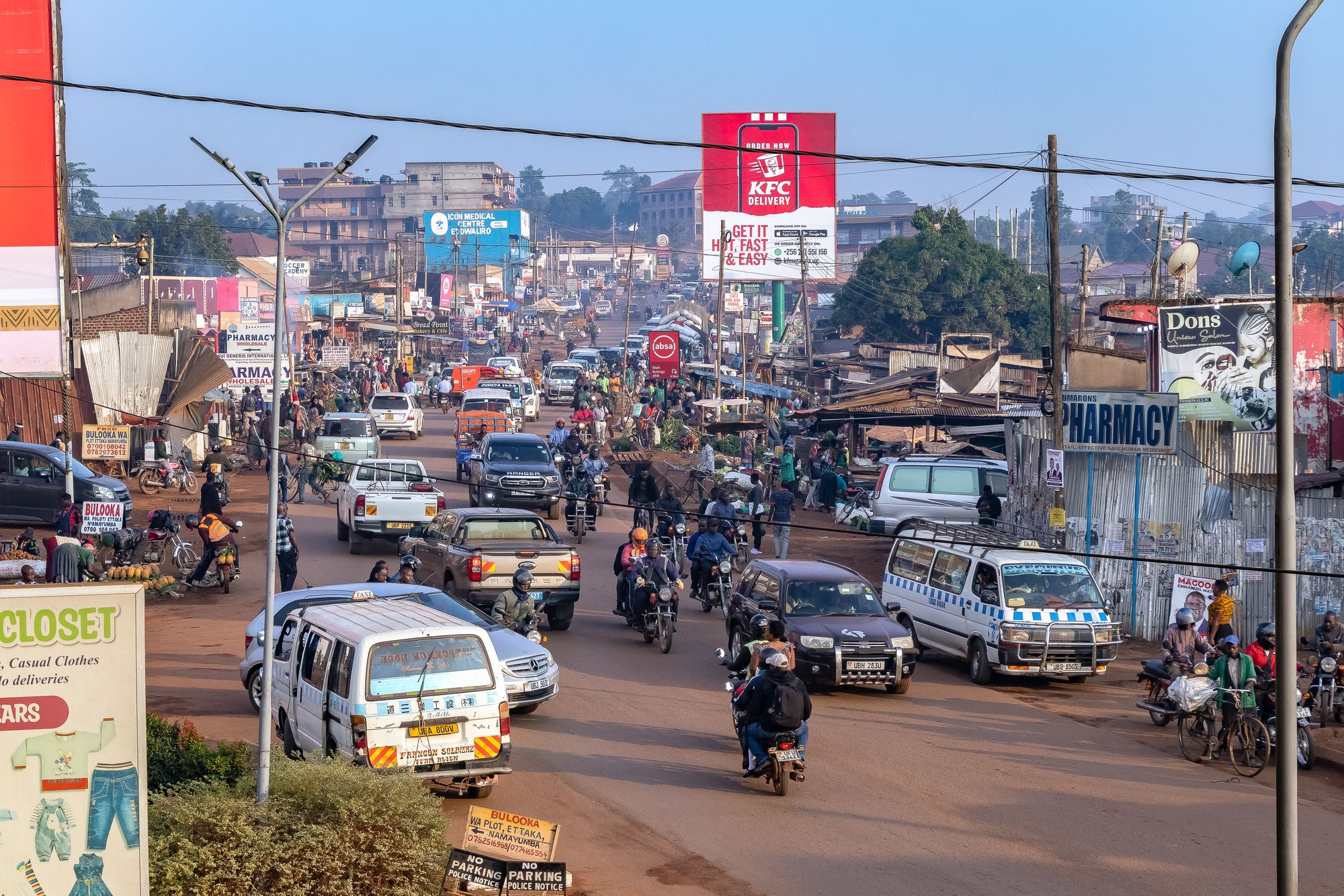
Kampala is loud, hilly, jammed with boda bodas and one of the friendliest capitals in Africa. Climb the minaret of the national mosque, visit the royal tombs of Buganda, eat rolexes from street stalls and stay out late in Kabalagala. Two or three nights is plenty before heading for the Nile or the gorillas.
Kampala grew up on seven hills on the northern shore of Lake Victoria, and each hill still has its own character. Mengo was the seat of the Kabaka, the king of Buganda, and his palace and parliament face each other along a royal mile. Namirembe and Rubaga are crowned by the Anglican and Catholic cathedrals, Old Kampala by the vast national mosque, and Nakasero and Kololo by government buildings, embassies and leafy streets.
Down in the valleys, the city is a crush of traffic, markets and taxi parks, where thousands of white matatus and motorbike taxis jostle for space. It is chaotic and noisy, but also good-humoured, and Ugandans are quick to help a lost visitor.
Kampala is the cultural centre of the Baganda, Uganda's largest ethnic group, and the best sights are tied to their kingdom: the Kasubi Tombs, where four Kabakas are buried in a huge thatched hut listed by UNESCO, and the Lubiri palace in Mengo. The Namugongo shrine, east of the city, honours the Uganda Martyrs and draws huge pilgrimages every June.
Most travellers stay in Kololo, Kabalagala or nearby, where hostels, restaurants and bars are concentrated, and use Uber, Bolt or a careful boda boda to get around.
Two or three nights is enough to see the sights, eat well and enjoy the nightlife, which is some of the best in East Africa. Many people also pass through again at the end of a trip, on the way back to Entebbe airport.
Kololo is the calm, central choice; Kabalagala and Kansanga suit nightlife lovers; and Namirembe and Mengo put you near the historic hills. Traffic is heavy, so stay close to what you want to do.
Leafy hill east of the centre with embassies, Acacia Avenue's restaurants and bars, and some of the city's best hostels.
The party strip south of the centre, with bars, street food and clubs open late every night.
The commercial heart, with Nakasero Market, banks and the taxi parks. Busy by day, quiet at night.
The historic hills of the cathedral and the Kabaka's palace, with a few guesthouses and hostels.
Residential areas east of the centre with malls, restaurants and quieter streets.
Orange labels are neighbourhoods, dots are the 7 top-rated hostels. Map data from OpenStreetMap contributors.
Start at the Uganda National Mosque, also known as the Gaddafi Mosque, on Old Kampala hill. Non-Muslim visitors pay about 25,000 UGX for a guided tour that includes the climb up the minaret, roughly 300 steps, for the best view of Kampala's seven hills. Women are given a headscarf and wrap.
Next, visit the Kasubi Tombs, the burial place of four Kabakas of Buganda and a UNESCO World Heritage site. The great thatched tomb, Muzibu Azaala Mpanga, burned down in 2010 and has been rebuilt using traditional methods. Guides explain the customs of the royal court and the women who still tend the site.
In Mengo, the Kabaka's Palace (Lubiri) costs about 35,000 UGX and includes a dark history: the underground cells used as torture chambers under Idi Amin. From the palace, the royal mile leads straight to the Bulange, the Buganda parliament building.
The Uganda Museum, the oldest museum in East Africa, has traditional instruments, ethnography and a village of traditional huts in its grounds. Entry is about 15,000 UGX for tourists, plus 5,000 UGX for a camera.
Kampala's markets are an experience. Owino (St Balikuddembe) Market is a sprawling maze of second-hand clothes, fabrics and electronics, with tens of thousands of people a day, while Nakasero Market, dating from 1927, is the place for fruit, vegetables and spices.
Further out, the Uganda Martyrs Shrine at Namugongo marks where Christian converts were killed in 1886, and the Bahá'í House of Worship on Kikaya Hill sits in peaceful gardens with views over the city. For an evening of music and dance from across Uganda, catch a show at the Ndere Centre.
Some of Kampala's best experiences cost nothing. Walking the markets, Owino, Nakasero and the streets around the taxi parks, is free and unforgettable, if overwhelming. Go in the morning and keep your bag in front of you.
Namirembe and Rubaga cathedrals sit on hilltops with great views, and you can usually visit outside service times. Sunday morning services, with choirs and drums, are an experience in themselves.
The Bahá'í House of Worship on Kikaya Hill is free to visit, with quiet gardens and views over the city.
The Uganda Martyrs Shrine at Namugongo is free, and on 3 June it fills with pilgrims, many of whom walk for days to get there.
Ggaba, on the shore of Lake Victoria south of the centre, has a busy fish market and landing site where you can watch the boats come in. Walk the royal mile between the Kabaka's palace and the Buganda parliament for free, and admire the Bulange from outside.
Kampala's signature dish is the rolex, a chapati rolled around an omelette with tomato, onion and cabbage, made to order on street corners across the city. It costs a couple of thousand shillings and is the city's favourite breakfast, lunch and late-night snack.
For a proper Ugandan meal, local restaurants serve buffets of matooke (steamed green bananas), posho, rice, beans, groundnut sauce and meat or fish stew. Luwombo, meat or groundnuts steamed in banana leaves, is the traditional dish of Buganda. Ask for it in local restaurants, especially at weekends.
Street grills sell muchomo, skewers of roast goat, beef or chicken, with roasted plantain (gonja) and cassava. At the lakeside in Ggaba, grilled or fried tilapia is the thing to order.
Kampala also has a big Indian community and some of the best Indian food in Africa, plus Ethiopian, Italian and international restaurants in Kololo and Bugolobi.
A local meal costs a few euros, and a restaurant meal in Kololo around €8 to €15. Nile Special and Club are the local beers, and many bars serve them ice-cold. Drink sealed water and drinks only.
Kampala's nightlife has a reputation across East Africa, and it deserves it. Nights start late, often after 10pm, and on Fridays and Saturdays many places stay open until sunrise.
Kabalagala and Kansanga, south of the centre, are the classic party area: a strip of bars, pork joints, street food and clubs that is busy every night of the week. It is fun, loud and a bit rough around the edges, so go with others and keep your phone safe.
Kololo, Bugolobi and the area around Acacia Avenue have more upmarket bars, rooftop lounges and clubs. Live music nights, from Afrobeats and dancehall to local Luganda pop, are common.
For something different, the Ndere Centre puts on evening shows of traditional music and dance from Uganda's many cultures.
Smoking is banned in public places, and shisha and e-cigarettes are illegal. Take an Uber or Bolt home rather than a boda boda at night, never leave drinks unattended and don't accept drinks from strangers.
Entebbe International Airport is about 40 km from Kampala, and the trip takes 60 to 90 minutes via the Entebbe Expressway, which has a toll. Uber and Bolt cost around 60,000 to 120,000 UGX according to a 2026 airport guide, and fixed-price airport taxis about 150,000 to 250,000 UGX. Many hostels arrange pick-ups.
In the city, Uber and Bolt cars are the safest and easiest way to get around. Traffic is very heavy at rush hour, so allow plenty of time.
Boda bodas, motorbike taxis, are everywhere and can cut through jams, but they are dangerous. The UK reports foreign visitors being mugged on boda bodas, and crashes are common. If you use one, book through an app such as SafeBoda, wear the helmet and avoid them at night.
Matatus, the white shared minibuses, run fixed routes from the Old and New Taxi Parks. They are very cheap but crowded, and finding the right one can be confusing.
For long-distance trips, buses leave from the central bus parks. Link Bus runs west to Fort Portal (40,000 UGX), Kasese and Hoima, and other companies serve Jinja, Kabale, Mbale and cross-border routes to Nairobi and Kigali. Buy tickets the day before for morning departures.
Kampala is cheap for a capital. Hostelworld lists dorm beds from about US$10 to US$22 a night, and private rooms from about US$10 to US$26, often with breakfast.
Food is very cheap if you eat local. A rolex costs a couple of thousand shillings, a plate of matooke and stew in a local restaurant a few euros, and a meal in a Kololo restaurant around €8 to €15. Beer in a local bar is cheap.
Getting around costs a little more than you might expect because of the distances. A short Uber or Bolt ride is a few euros, the airport around €13 to €26.
Sights are reasonable. The national mosque tour costs about 25,000 UGX (about €5.40), the Kabaka's Palace about 35,000 UGX (€7.50), and the Uganda Museum about 15,000 UGX plus a camera fee.
At about 4,650 UGX to €1, a shoestring day comes to around €25 to €30. ATMs are easy to find, but some only work with local cards, so carry a backup card. Bring US dollars printed after 2009 if you plan to change cash.
Most visitors enjoy Kampala without problems, but the city needs care. The UK warns that terrorist attacks are very likely in Uganda, including in Kampala, so avoid large crowds and choose venues with security checks.
Crime is the everyday risk. Muggings and bag snatches happen, sometimes violently, and foreign visitors have been robbed on boda bodas. Carry little cash, avoid expensive jewellery, use ATMs inside banks or malls, and don't walk after dark, even short distances. Use Uber, Bolt or a registered taxi at night.
Keep car doors locked in traffic, and watch your phone near open windows. Be wary of strangers who approach you with stories or ask for money, and of drink spiking in bars.
Avoid demonstrations, which turned violent after the January 2026 elections, and don't wear red or yellow near political events. On the last Saturday of each month, a national cleaning day restricts movement from 7am to 10am; tourists are exempt, but expect closures.
Giving money, food or clothing to street children in Kampala is illegal. Camouflage clothing is illegal, and you must not photograph government or military buildings. Same-sex relations are criminalised under the Anti-Homosexuality Act 2023, with very severe penalties.
From Kampala you can reach Entebbe and Lake Victoria, shoebill storks in Mabamba Swamp, a chimp sanctuary on Ngamba Island and the source of the Nile at Jinja.
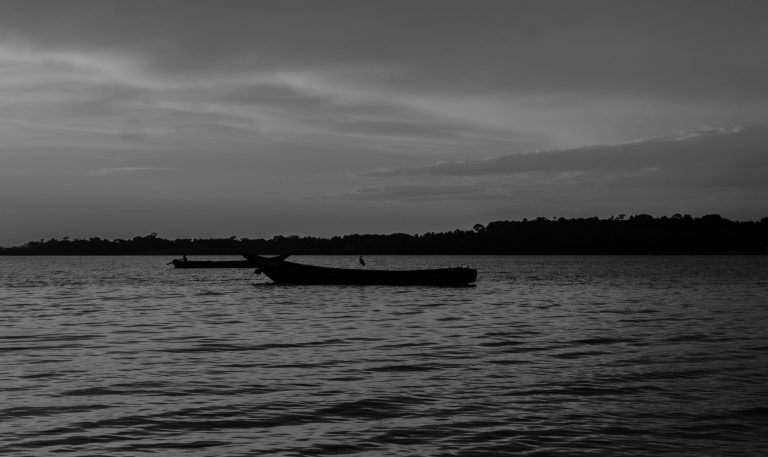
Lakeside town with botanical gardens, beaches and the Uganda Wildlife Education Centre.
Wetland on Lake Victoria where you can often see the rare shoebill stork from a canoe.
Chimpanzee sanctuary for orphaned and rescued chimps on an island in Lake Victoria.
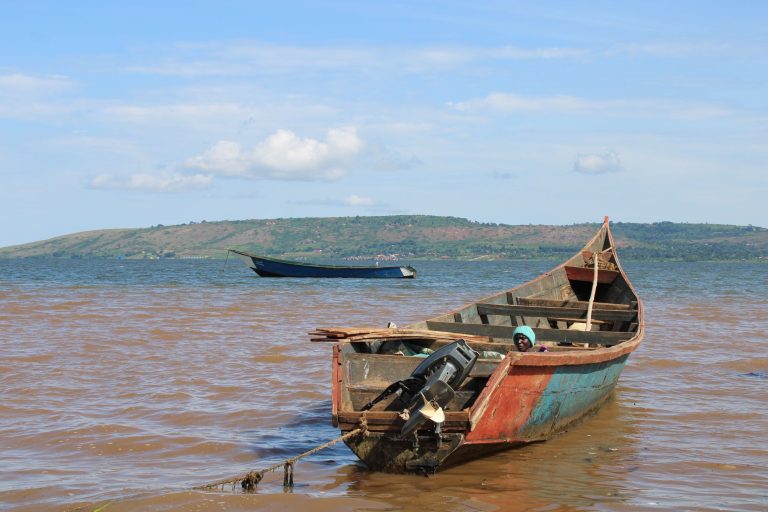
The source of the Nile, rafting and bungee. Better as an overnight.
The only place to see rhinos in the wild in Uganda, on guided walks. On the way to Murchison Falls.
Kampala's biggest date is Martyrs Day in June, when pilgrims fill Namugongo. October brings Independence Day and the city festival, and November the Nyege Nyege festival on the Nile.
Public holiday marking the NRM's 1986 takeover.
Huge pilgrimage honouring the Uganda Martyrs of 1886, with masses and processions.
Public holiday honouring national heroes.
Celebrations of independence from Britain in 1962.
Street parade, music, food and dance across the centre.
Four days of electronic and African music by the river. Buses run from Kampala.
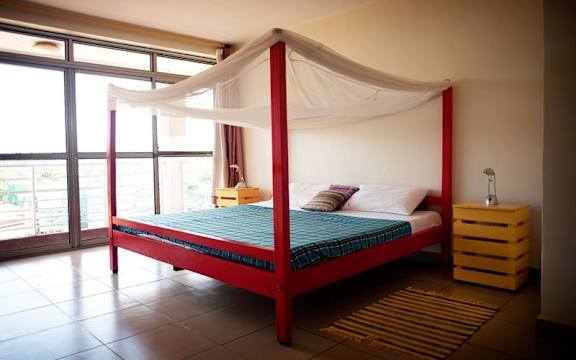
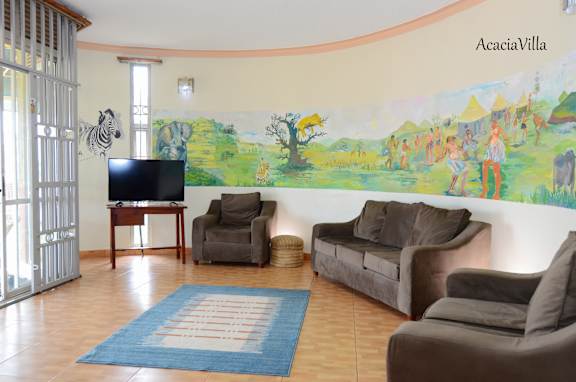
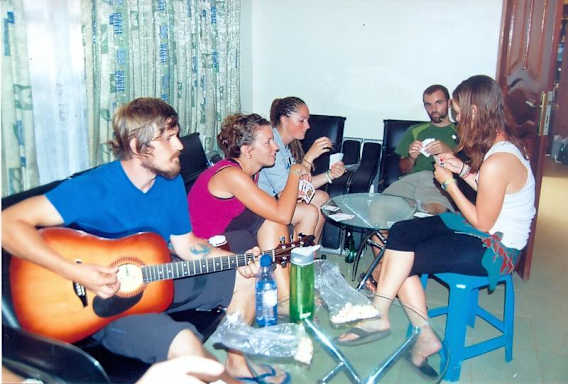
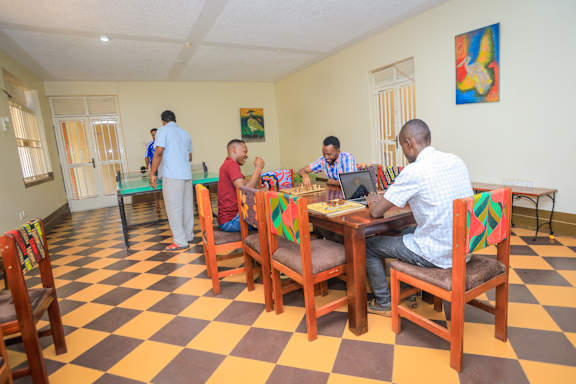
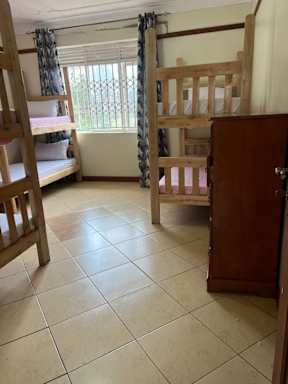
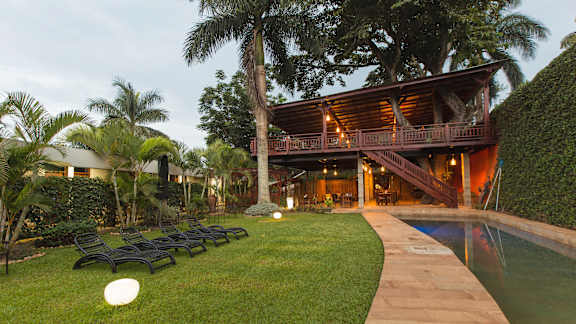
Kampala's hostels are mostly backpacker lodges in leafy residential areas, with gardens, bars and travel desks that book rafting, safaris and gorilla permits.
Rated 9.1 from about 60 reviews, on Acacia Avenue in Kololo, close to restaurants and bars, with hot showers and a helpful travel desk.
Rated 8.0 from over 30 reviews, with some of the cheapest dorm beds in the city, from about US$10.
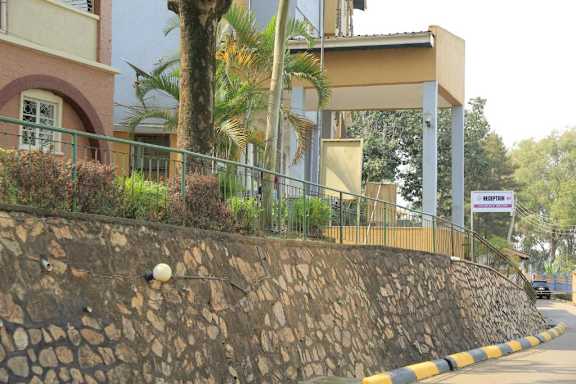
 Sustainable
Kampala is warm all year, with highs of 26°C to 29°C. It rains in every month, most heavily from March to May and in October and November, while June to August and December to February are drier and the best times to travel on to the parks.
Average daily highs from weather2travel's Kampala climate data (29°C in January and February, 26°C in July; other months rounded between those). Crowd levels are our rough guide.
Pick a style and a number of nights for a rough total, per person, in euros.
Estimates. Beds are based on Hostelworld's listed prices for Kampala in October 2026; transport assumes Uber or Bolt; doing averages free days with paid sights.
Prices and timetables change. Check before you travel.

Compare Kampala hostels: live prices, real reviews and free cancellation on most bookings. Then meet the people already there in the app.

 Get the App.

 Get the App.