City centre and Cairo Road
Buses and markets by dayShops, banks, the City Market and the Intercity Bus Terminus. Busy by day, avoid at night.

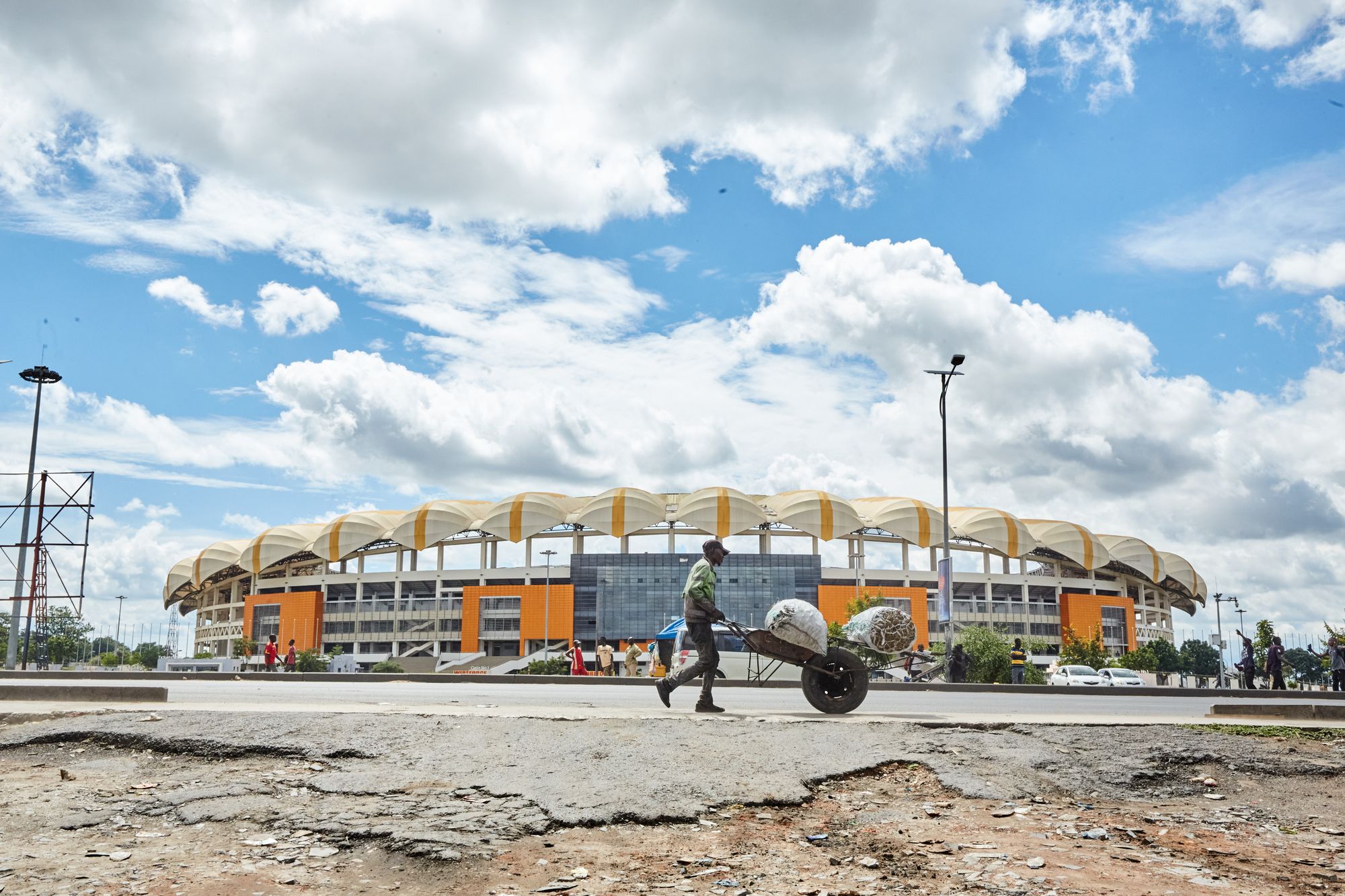
Lusaka is Zambia's fast-growing capital and the crossroads for every trip in the country. It isn't a classic sightseeing city, but a day or two here brings orphaned elephants at Lilayi, rhinos in Lusaka National Park, a big Sunday craft market and the bus and flight connections to Livingstone and South Luangwa.
Lusaka sits on a plateau in the middle of Zambia, at about 1,300 m, which keeps it warm but rarely too hot. It became the capital of Northern Rhodesia in 1935, taking over from Livingstone, and has grown into a sprawling city of a few million people.
The centre is Cairo Road, a long commercial street of shops, banks and offices, with the busy City Market and the Intercity Bus Terminus nearby. East of the centre are the leafy, wealthier suburbs, like Rhodes Park, Longacres, Kabulonga and Woodlands, with shopping malls, restaurants, guesthouses and most of the hostels.
Most travellers pass through Lusaka quickly, on the way between Livingstone, South Luangwa, the Lower Zambezi and Malawi or Tanzania. But the city rewards a day or two. The elephant orphanage at Lilayi, the white rhinos and giraffes of Lusaka National Park and the Sunday craft market are worth seeing, and the city has a good café and restaurant scene.
Lusaka is also where to sort out the practical things: cash, SIM cards, supplies and onward tickets. It is the main hub for buses across the country and for domestic and regional flights.
One or two nights is enough for most travellers, unless you are waiting for a bus or flight to the parks.
Stay in the eastern suburbs, around Rhodes Park, Longacres, Kabulonga and Woodlands, for hostels, guesthouses, malls and restaurants. The centre is for buses and markets by day.
Shops, banks, the City Market and the Intercity Bus Terminus. Busy by day, avoid at night.
Embassies, guesthouses and restaurants close to the centre.
Wealthy eastern suburbs with malls, restaurants and guesthouses.
Lilayi Elephant Nursery, Munda Wanga and the road to Lusaka National Park.
Orange labels are neighbourhoods, dots are the 6 top-rated hostels. Map data from OpenStreetMap contributors.
Lilayi Elephant Nursery, on the southern edge of the city, is run by Game Rangers International and cares for young elephants orphaned by poaching. Visitors can watch the orphans being fed and bathed at the daily public feeding, usually around midday. The money goes towards rescuing and releasing them back into the wild in Kafue.
Lusaka National Park, just south-east of the city, is a small park opened in 2015 where you can see white rhinos, giraffes, zebras and antelope on a self-drive or guided visit.
Munda Wanga Environmental Park, south of the centre, has a small wildlife sanctuary and botanical gardens, popular with local families.
In town, the Lusaka National Museum covers Zambian history, culture and contemporary art. The Kabwata Cultural Village is a craft market where artisans sell carvings, baskets and fabrics, and the Freedom Statue on Independence Avenue celebrates the struggle for independence.
The Sunday market, held every Sunday at the Arcades shopping centre car park, is one of the best places in Zambia to buy crafts, from carvings and paintings to chitenge fabric and jewellery.
The City Market and Soweto Market, near the centre, are huge, chaotic and fascinating, but go with a local or keep a close eye on your belongings.
Lusaka has a few good free and cheap things to do.
Browse the Sunday craft market at the Arcades shopping centre. Entry is free, and even if you don't buy, it's a good way to see Zambian art and crafts.
Walk Cairo Road and the City Market by day for a taste of everyday Lusaka life, keeping valuables out of sight.
The Freedom Statue and the area around Independence Avenue are free to visit, though don't photograph government buildings nearby.
Kabwata Cultural Village is free to wander, and the artisans are happy to chat.
Many cafés and malls host live music or events at weekends, and the parks in the eastern suburbs are pleasant for a stroll.
Lusaka is a good place to eat Zambian food. Local restaurants and market stalls serve nshima, the maize staple, with village chicken, beef stew, kapenta (small dried fish) and greens, for a few euros. The markets are the cheapest places to eat.
Look out for roasted maize and fried snacks on the street, and chikanda, sometimes called African polony, a savoury cake made from orchid tubers and groundnuts.
The eastern suburbs and shopping malls have Lusaka's best cafés and restaurants, serving coffee, brunch, burgers, pizza, Indian, Chinese and steak, with mains around €8 to €15.
The supermarkets in the malls are well stocked for self-catering before heading to the parks.
Mosi lager is the local beer, and munkoyo, a lightly fermented maize drink, is worth trying once. Drink bottled or filtered water.
Lusaka has Zambia's biggest nightlife. Bars, clubs and live music venues are spread across the eastern suburbs and around the malls, and Friday and Saturday nights are busiest.
Zambian music, from Zed beats and hip-hop to kalindula, plays in the clubs, and some venues host live bands.
The hostels have quieter bars where you can meet other travellers.
Always take a taxi at night, arranged by your hostel or venue, and don't walk around the centre after dark.
Kenneth Kaunda International Airport is about 25 km north-east of the city, with flights from across Africa and domestic flights to Livingstone and Mfuwe for South Luangwa. Arrange a taxi or a pickup with your hostel.
Buses leave from the Lusaka Intercity Bus Terminus, near the centre on Dedan Kimathi Road. Mazhandu Family Bus and other companies run to Livingstone in about six to seven hours, for around ZMW 250 to ZMW 400. Buses also run to Chipata for South Luangwa, to Siavonga for Lake Kariba, and across borders to Lilongwe, Harare and Dar es Salaam. Buy tickets in person, ideally a day ahead. The terminus is crowded, so watch your bags.
The TAZARA railway to Dar es Salaam starts at Kapiri Mposhi, north of Lusaka.
In the city, taxis are the easiest way to get around. Agree the fare before you get in, or use one recommended by your hostel. Minibuses are cheap but crowded and hard to navigate.
Traffic is heavy at rush hour, so leave extra time for buses and flights.
Lusaka is affordable. Hostelworld lists dorm beds from about US$8 at Panyumba to about US$12 at Natwange and Lusaka Backpackers, and private rooms from about US$14.
Food is cheap if you eat local: nshima and relish costs a few euros. Café and restaurant meals in the suburbs cost around €8 to €15.
Taxis are the main extra cost, as the city is spread out. Agree prices first.
The bus to Livingstone costs around ZMW 250 to ZMW 400. Entry to Lilayi's public feeding and Lusaka National Park costs extra, so check current prices.
ATMs and card machines are common in the malls. Carry kwacha for markets, buses and taxis.
On a budget, allow around €30 to €45 a day.
Lusaka is generally safe for visitors, but petty crime is common. Pickpocketing and bag-snatching happen in busy areas such as Cairo Road, the City Market and the Intercity Bus Terminus, so keep valuables out of sight and your bag in front of you.
Don't walk at night, even in the suburbs. Take a taxi arranged by your hostel.
Be careful with phones and laptops in cars at traffic lights, and keep doors locked.
Don't photograph government buildings, police, military sites or State House.
Same-sex sexual activity is illegal in Zambia, and public displays of affection can attract attention.
Lusaka has cholera outbreaks in some rainy seasons, so drink bottled water and wash your hands.
Lusaka is close to the elephant orphans at Lilayi and the rhinos of Lusaka National Park, and is the gateway to the Lower Zambezi.
Watch orphaned elephants being fed and bathed at the public feeding.
White rhinos, giraffes and zebras in a small park near the city.
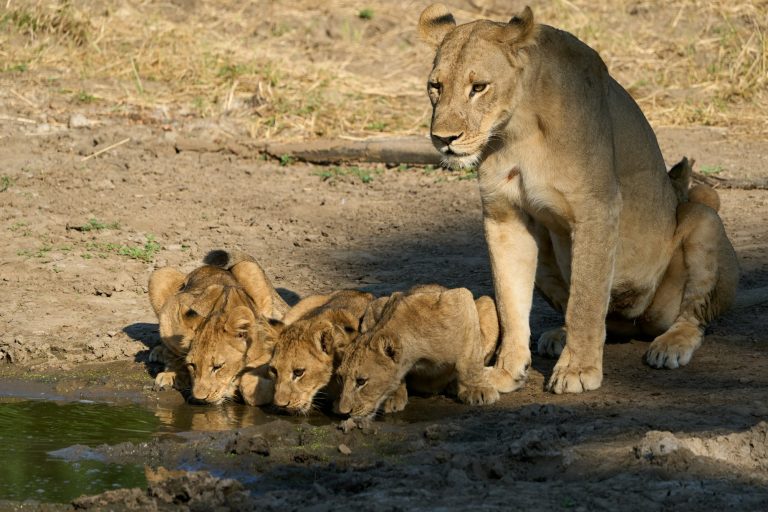
Canoe safaris among elephants and hippos. Best as an overnight trip.
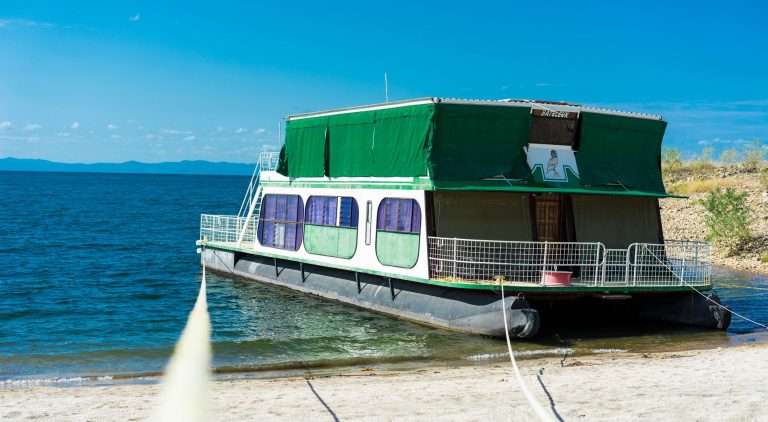
Lakeside town with boat trips, fishing and the Kariba Dam.
Lusaka's calendar includes the Lusaka July horse racing weekend, the agricultural show and the national holidays.
Horse racing and fashion weekend, one of the capital's biggest social events.
Big annual trade and farming show with stalls, food and entertainment.
Public holiday marking independence in 1964.
Public holiday.
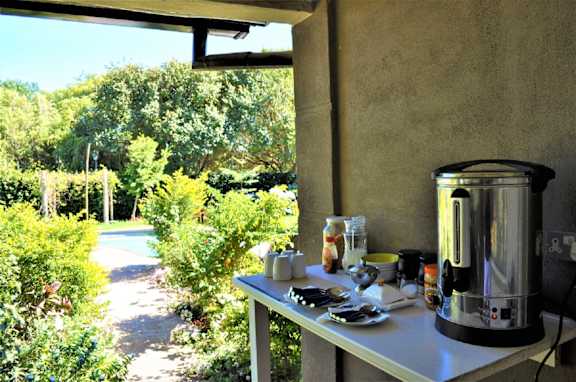
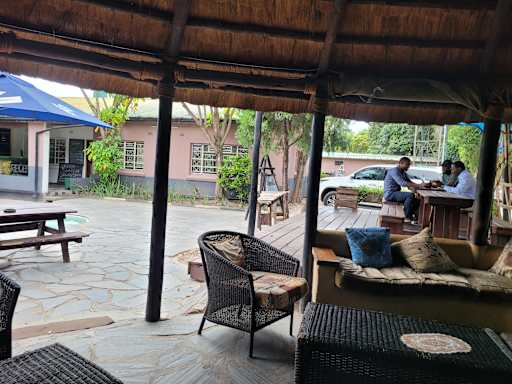
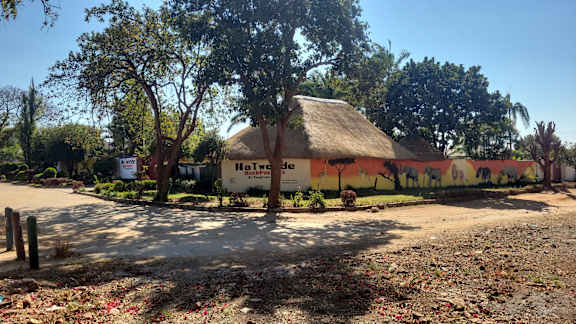
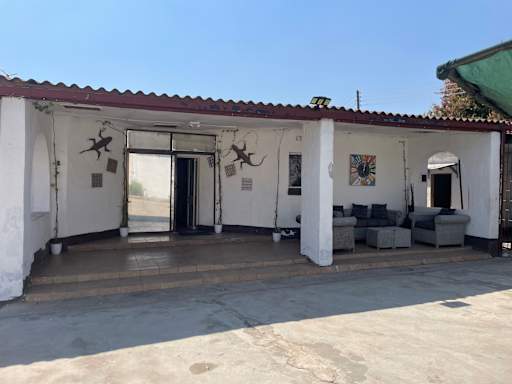
Lusaka's hostels are mostly in the quieter eastern and southern suburbs, handy for buses, flights and supplies before the parks.
Rated 8.6 from 86 reviews, the most reviewed hostel in Lusaka, about 4 km from the centre, with dorms from about US$12.
Rated 9.0 from 7 reviews, under 1 km from the centre, with dorms from about US$12 and private rooms from US$14.
Rated 9.7 from 6 reviews, with dorms from about US$8, about 4 km from the centre.
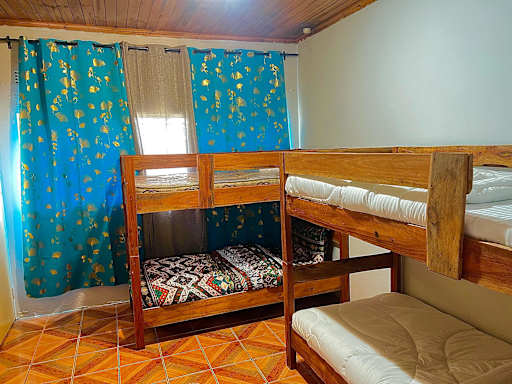
 Sustainable
Lusaka is mild all year, with highs of 23°C to 31°C. May to August is dry and cool, September and October are hot, and the rains run from November to March.
Average daily highs from weather2travel's Lusaka climate data. Crowd levels are our rough guide.
Pick a style and a number of nights for a rough total, per person, in euros.
Estimates in euros, converted from US dollar and kwacha prices. Beds are based on Hostelworld prices in October 2026.
Prices and timetables change. Check before you travel.

Compare Lusaka hostels: live prices, real reviews and free cancellation on most bookings. Then meet the people already there in the app.

 Get the App.

 Get the App.