Icherisheher
First-timersThe walled old city.

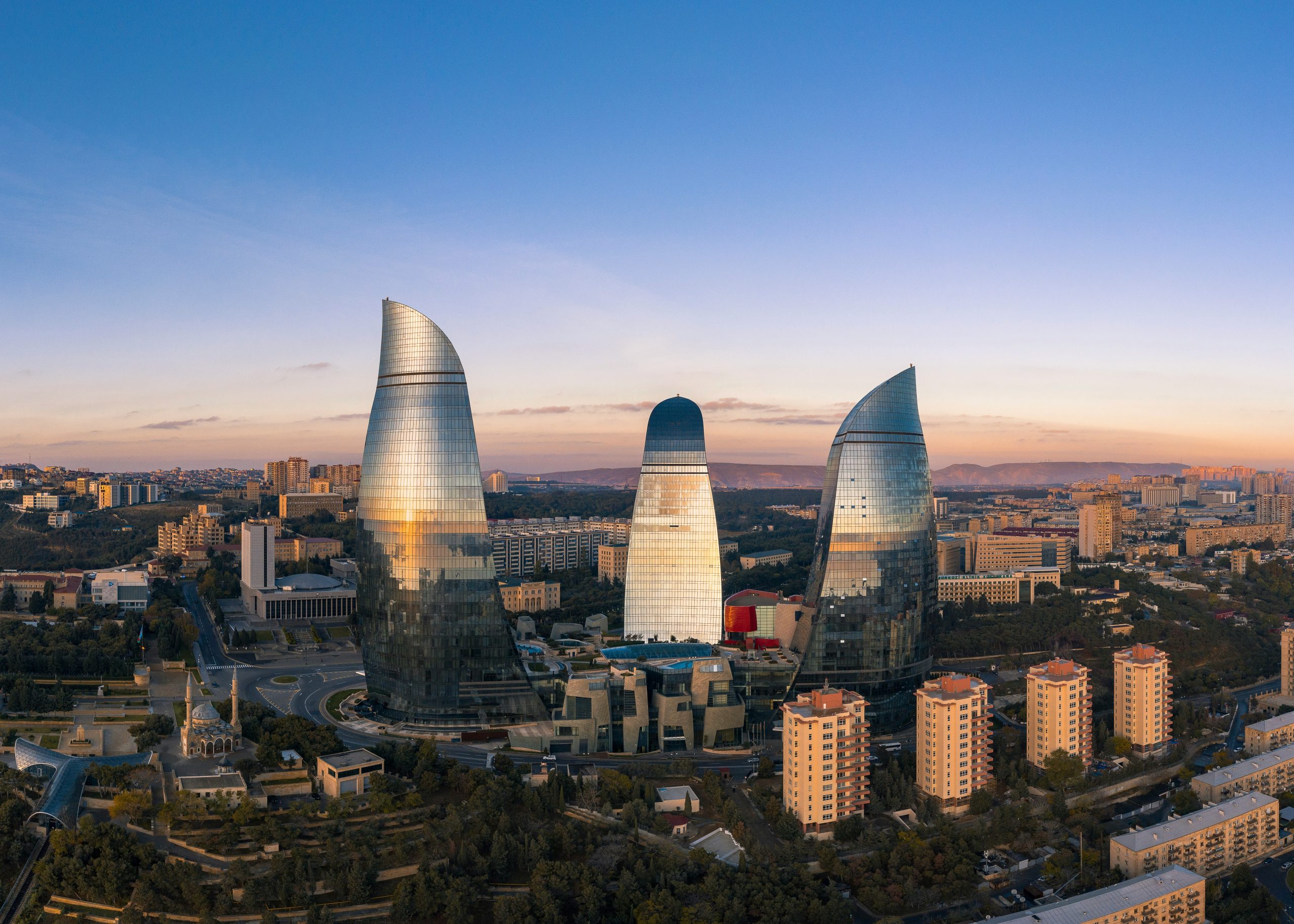
A walled medieval old city on the Caspian, oil-boom mansions, a seafront promenade, and the Flame Towers lit up above it all. The most surprising capital in the Caucasus.
Baku has been shaped by oil twice. The first boom, in the late nineteenth century, when the city produced half the world's oil, filled it with the grand mansions of oil barons. The second, after independence in 1991, brought the glass towers, the Flame Towers and Zaha Hadid's Heydar Aliyev Center.
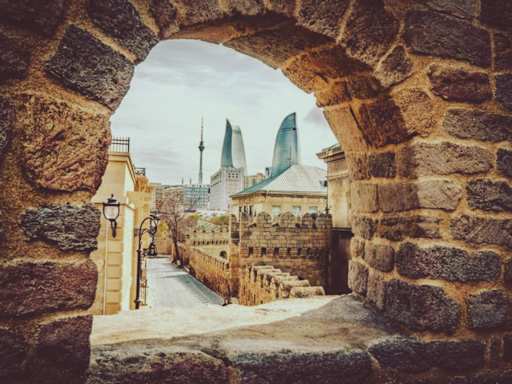
At its heart is Icherisheher, the old walled city, with the Palace of the Shirvanshahs and the Maiden Tower, a UNESCO World Heritage Site. Around it runs the Baku Boulevard along the Caspian, the world's largest lake.
The land of fire is all around: a hillside that has burned for decades, a Zoroastrian fire temple and mud volcanoes. Three days is right.
Icherisheher, the walled old city, is the most atmospheric base, with guesthouses in restored houses. Fountain Square and Nizami Street, just outside its walls, are the lively centre, with restaurants, bars and shops. The Boulevard, along the Caspian, has hotels with sea views.
The walled old city.
Around Nizami Street.
Along the Caspian.
Orange labels are neighbourhoods, dots are the 12 top-rated hostels. Map data from OpenStreetMap contributors.
Baku is a mix of a medieval walled city, the grand buildings of the first oil boom around 1900, when the region produced about half the world's oil, and futuristic modern architecture.
Walk through Icherisheher, the walled old city and a UNESCO World Heritage Site since 2000, to the fifteenth-century Palace of the Shirvanshahs, and climb the Maiden Tower for the view over the bay. The lanes are full of caravanserais, carpet shops and mosques.
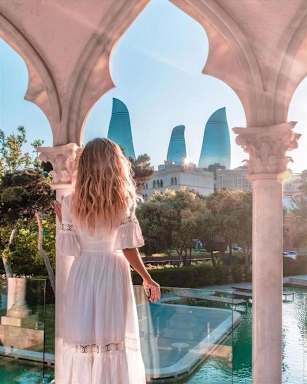
Stroll the Baku Boulevard along the Caspian at sunset, past the Carpet Museum, built in the shape of a rolled carpet, with one of the world's best collections. Take the funicular up to Highland Park and Martyrs' Lane for the view of the Flame Towers, three skyscrapers covered in LED screens that light up as flames after dark.
The Heydar Aliyev Center, a flowing white building by Zaha Hadid, is worth seeing from outside even if you skip the exhibitions.
Nearby, Gobustan has Stone Age rock art and bubbling mud volcanoes, a UNESCO site; Yanar Dag is a hillside that has burned from natural gas for decades; and Ateshgah is a Zoroastrian and Hindu fire temple on the Absheron peninsula.
Walking Icherisheher's lanes, the Boulevard and Fountain Square is free, and so are the views of the Flame Towers from Highland Park and Martyrs' Lane; the funicular costs very little.
The Heydar Aliyev Center's exterior and grounds, and Nizami Street, are free to wander. The Maiden Tower and the Shirvanshahs Palace charge small fees.
Azerbaijani food is rich and herby. Plov, saffron rice cooked with meat, chestnuts and dried fruit, is the centrepiece of celebrations; shah plov is baked in a crust of lavash bread. Dolma, vine leaves stuffed with meat and rice, qutab, thin flatbreads filled with greens, meat or pumpkin, and dushbara, tiny dumplings in broth, are everyday dishes.
Tea is the national drink, served in pear-shaped glasses with jams, sweets and lemon. Taza Bazaar sells fruit, nuts, caviar and herbs.
A meal is €5 to €15.
Baku has a lively nightlife: bars and pubs around Fountain Square and Nizami Street, rooftop bars with views of the bay and the Flame Towers, and clubs along the Boulevard. Alcohol is legal and widely available.
A beer is €2 to €5.
The centre is walkable, and the metro is cheap; buy a BakuKart, which also works on buses. Bolt and Uber are cheap.
The Aero Express bus runs from Heydar Aliyev Airport to the centre in about forty minutes.
Azerbaijan's land borders have been closed for entry since 2020, so plan to fly into Baku; the Tbilisi–Baku train, which resumed in May 2026, is the one overland exception. Trains and shared taxis reach Sheki, Quba and Ganja.
Baku is mid-priced. Dorms start around €10 and a careful day is €30 to €45.
The Maiden Tower, Shirvanshahs Palace and Carpet Museum charge a few euros each, and a Gobustan tour about €20 to €40. A metro ride is under €0.50.
The currency is the manat (AZN), at roughly 1.9 manat to the euro; prices here are euro equivalents. Cards work widely in Baku; carry cash in the regions, where small guesthouses and taxis are cash only.
Baku is safe, with low crime.
Avoid discussing politics or the Armenia conflict in public. Drivers are aggressive; cross roads with care.
Most visitors need an e-visa, applied for online through the ASAN portal. If your passport shows a past visit to Nagorno-Karabakh made without Azerbaijan's permission, you may be refused entry.
Emergency number is 112, or 102 police and 103 ambulance.
Rock art, burning hills, a fire temple and the mountains.
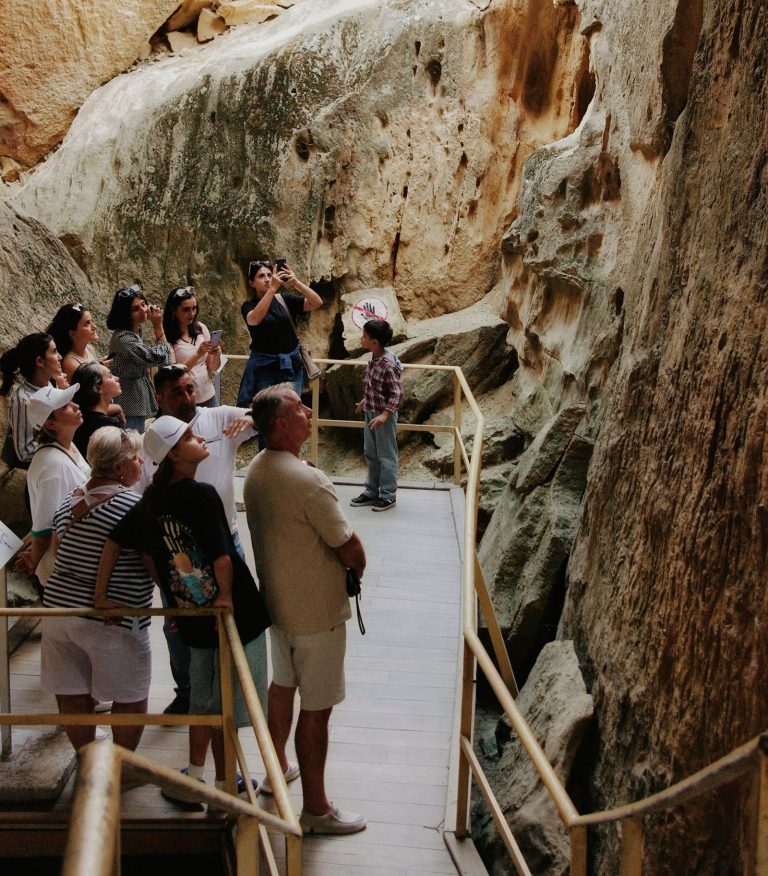
Stone Age rock art and mud volcanoes, a UNESCO site.
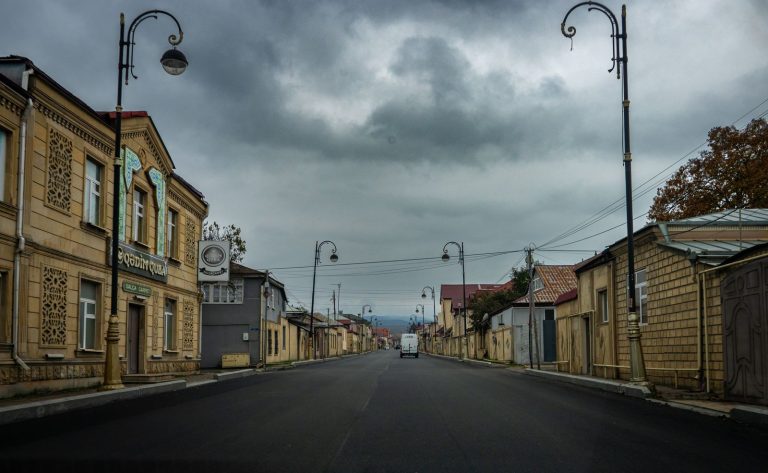
The northern mountains.
The Formula 1 street race runs past the old city walls.
The spring new year, with bonfires and sweets.
A street race past the old city walls.
Azerbaijan has a long jazz tradition.
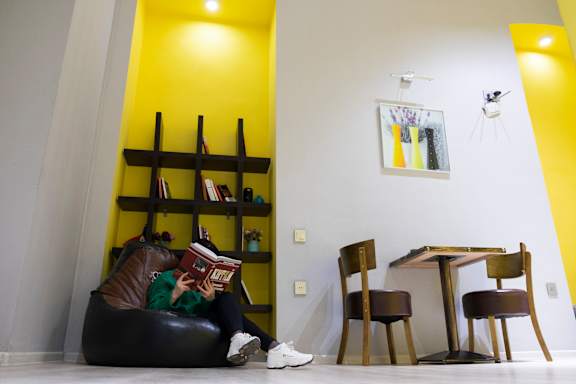
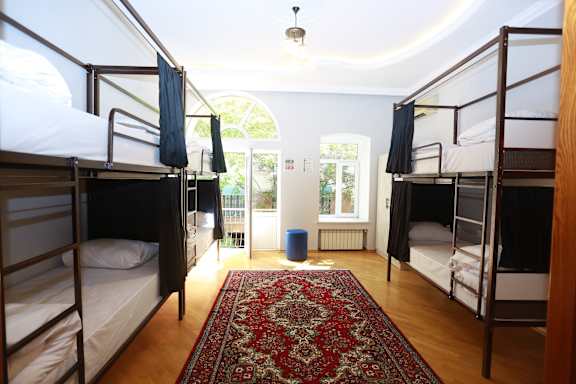
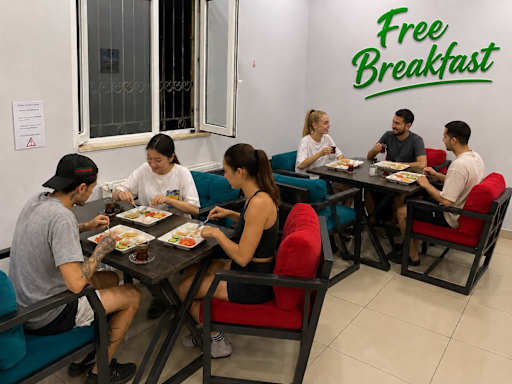
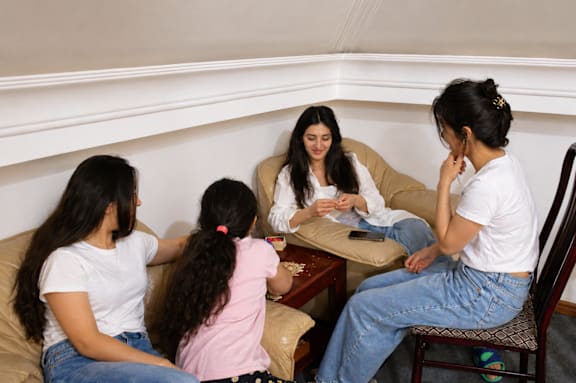
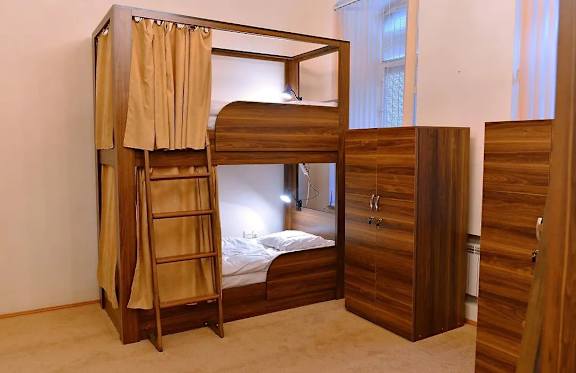
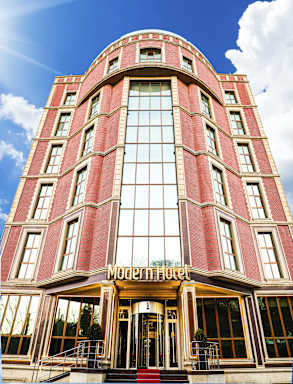
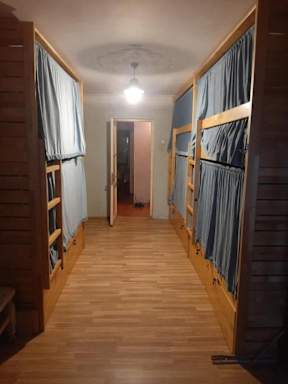
The top-rated places to stay in Baku right now, live from Hostelworld.
 Sustainable
 Sustainable
 Sustainable
 Sustainable
 Sustainable
 Sustainable
 Sustainable
 Sustainable
 Sustainable
April to June and September to October. Summers are hot, and the wind is famous.
Average highs. Baku means city of winds.
Pick how you travel. Per person per night, in euros.
Prices are in manat locally; these are euro equivalents.
The ones we get asked most.

Compare Baku hostels — live prices, real reviews and free cancellation on most bookings. Then meet the people already there in the app.

 Get the App.
 Get the App.