Fort and Pettah
TransportThe station, the markets and the colonial core. Busy by day, empty at night.

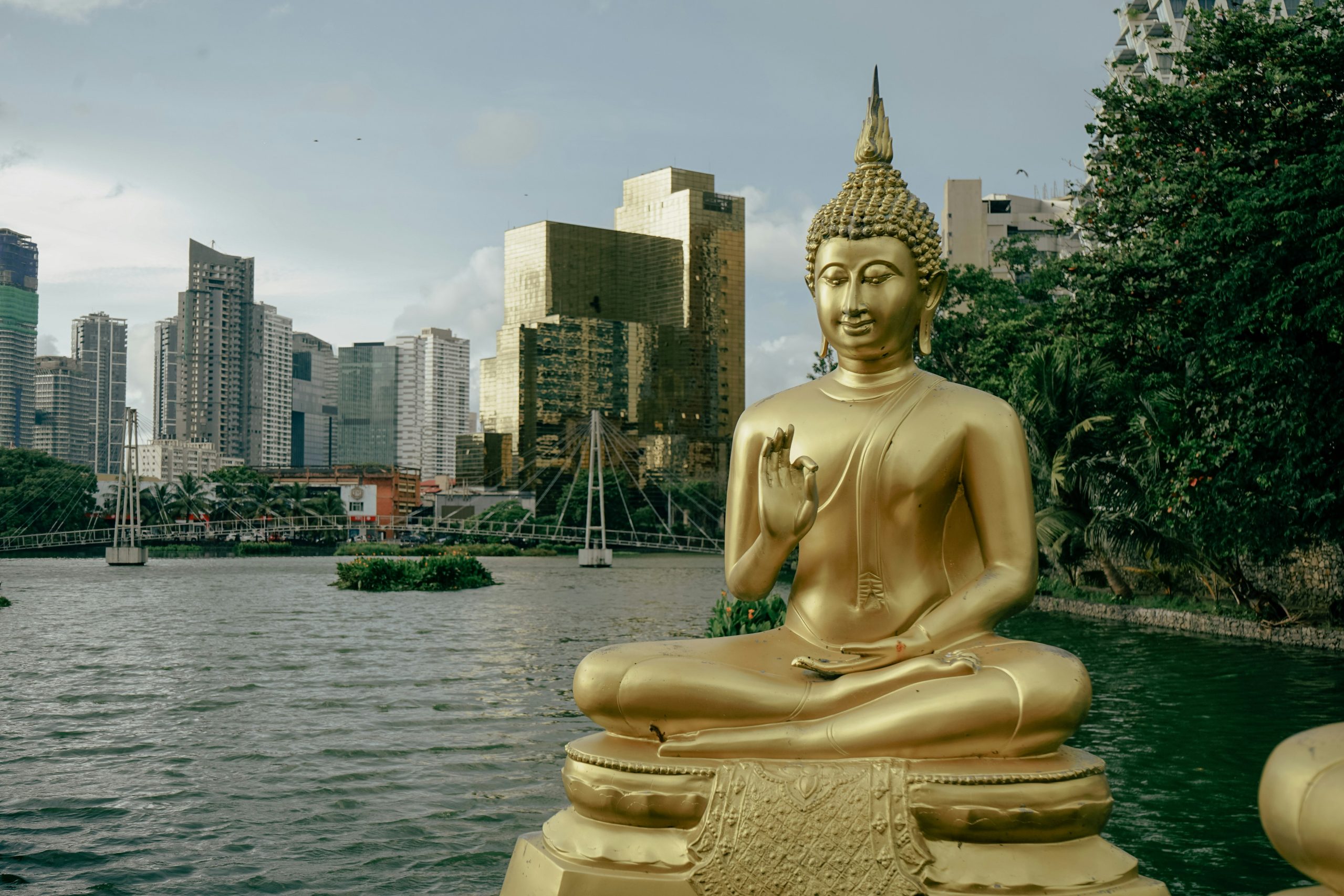
Sri Lanka's seafront capital: colonial buildings, the chaotic bazaars of Pettah, temples by Geoffrey Bawa and the best food scene on the island. The arrival point for most trips.
Colombo was a trading port for the Portuguese, Dutch and British in turn, and its colonial buildings stand among new towers and a fast-changing waterfront. It is Sri Lanka's biggest city and its commercial capital.
Most travellers pass through on the way from the airport, but Colombo rewards a day: the Pettah markets, the temples, the seafront at sunset and the food.
One or two days is right.
Fort and Pettah put you next to the station and the markets but empty out at night. Colombo 3 (Kollupitiya) and Colombo 7 (Cinnamon Gardens) are leafier, with the best cafés and restaurants. Mount Lavinia, in the south, puts you on a beach with the city a train ride away.
The station, the markets and the colonial core. Busy by day, empty at night.
Kollupitiya and Cinnamon Gardens: leafy streets, cafés, galleries and the best restaurants.
A beach suburb in the south, with the city half an hour away by train.
Orange labels are neighbourhoods, dots are the 12 top-rated hostels. Map data from OpenStreetMap contributors.
Start in Pettah, the old bazaar district, where each street sells one kind of thing: spices on one, fabric, hardware or plastic buckets on the next. In the middle stands the red-and-white striped Jami Ul-Alfar Mosque, built in 1909, which welcomes respectfully dressed visitors outside prayer times. Go in the morning, before the heat and the traffic peak.
Walk south through Fort, the colonial business district, to the Dutch Hospital, a seventeenth-century building now full of restaurants and bars, and on to Galle Face Green, a long seafront lawn where families fly kites and street-food stalls fry prawn fritters at sunset.
Gangaramaya Temple, a cluttered, fascinating mix of Buddhist shrine, museum and vintage car collection, sits beside Beira Lake. Its ticket also covers Seema Malaka, a calm meditation pavilion on the water designed by Geoffrey Bawa, Sri Lanka's most influential architect.
The National Museum, Sri Lanka's oldest, gives the best overview of the island's kingdoms before you head to Anuradhapura or Kandy. For views, the Lotus Tower, the tallest structure in South Asia, has an observation deck. In the south, Mount Lavinia has the nearest proper beach, and the colonial Mount Lavinia Hotel's terrace is a classic sunset stop.
Galle Face Green is the city's free evening out: the whole of Colombo seems to come here at sunset, and it costs nothing to walk, watch the kites and the waves.
Pettah's markets are free to wander, and the Jami Ul-Alfar Mosque does not charge. The colonial buildings of Fort, including the Old Parliament and the clock-tower lighthouse, line streets you can walk freely, as does Independence Square, a white colonnaded memorial with a shady park around it.
Viharamahadevi Park, opposite the Town Hall, is the city's main green space, and the Dutch Hospital precinct is free to walk through even if you do not eat there.
Colombo has the best food on the island and the widest range, from street stalls to some of Asia's best crab.
Kottu roti is the city's signature: flatbread chopped on a hot plate with vegetables, egg and meat, and you will hear the clatter of the blades before you see the stall. Hoppers, bowl-shaped rice-flour pancakes, often with an egg cooked into the base, are an evening food. Lunch is rice and curry, a plate of rice with several small curries, sambols and poppadoms. On Galle Face Green, try isso wade, crunchy lentil fritters topped with whole prawns.
For a splurge, Ministry of Crab in the Dutch Hospital is famous for its Sri Lankan lagoon crab. A street meal is €1 to €3; a restaurant meal €5 to €12.
Colombo has the only real nightlife in Sri Lanka, though it is still modest. Most of it is in hotel bars, rooftop terraces and a few clubs in Colombo 3 and 7, which get busy late on Fridays and Saturdays.
The Dutch Hospital precinct has bars that are easy for a first night, and rooftop bars give views of the sunset over the sea. Galle Face Green stays lively in the evening with families and street food rather than drinking.
A local Lion beer is €2.50 to €5; cocktails in rooftop bars are €6 to €10. Every full-moon day is a Poya holiday, when alcohol sales are banned and most bars close or serve only quietly; check the calendar before planning a night out.
Bandaranaike International Airport is in Katunayake, about 35 kilometres north. A taxi or PickMe car takes forty-five minutes on the expressway, or longer in traffic; airport bus 187 to Fort is much cheaper but takes over an hour.
In the city, PickMe and Uber cars and tuk-tuks are cheap and spare you haggling; street tuk-tuks should use the meter. Buses are crowded and confusing for visitors.
Colombo Fort station is the hub. Trains run down the coast to Galle in two to three hours, and the coastal line is fully working. The line inland to Kandy was badly damaged by Cyclone Ditwah in late 2025 and is due to reopen from October 2026; until then, buses and cars reach Kandy in three to four hours. Express buses use the Southern Expressway to Galle and Matara.
Colombo is mid-priced for Sri Lanka and the most expensive city on the island. Dorms start around €8 and a careful day is €20 to €35.
A PickMe tuk-tuk across the city is €1 to €3, a kottu €1.50 to €3, a museum ticket a few euros. The Lotus Tower and Gangaramaya charge foreigners more than locals, as do most sights in Sri Lanka.
The currency is the Sri Lankan rupee (LKR); prices here are euro equivalents. Colombo is the easiest place to use cards and find ATMs, so take out cash before heading to smaller towns.
Colombo is safe, with low violent crime. The main annoyance is the tuk-tuk scam: a friendly stranger, often near Galle Face or the Fort, tells you about a special festival at a temple today and puts you in a tuk-tuk that ends at a gem shop or a vastly overpriced ride. Politely walk away, and use PickMe or a metered tuk-tuk.
Traffic is the real danger: cross roads carefully and at signals. Women travelling alone may get unwanted attention on crowded buses.
Emergency: 119 police, 1990 ambulance (Suwa Seriya, free). Tourist Police: 1912.
The beach near the airport, the Dutch fort down the coast and the hill capital, all reachable without a flight.
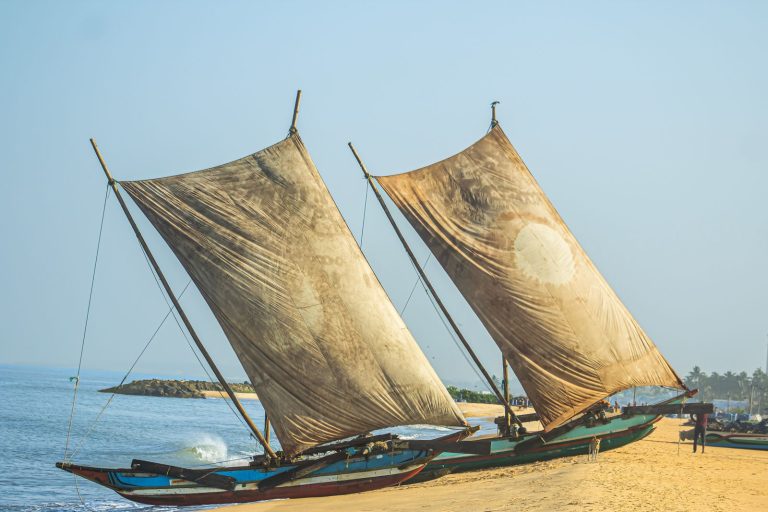
A beach town by the airport, handy for a first or last night.
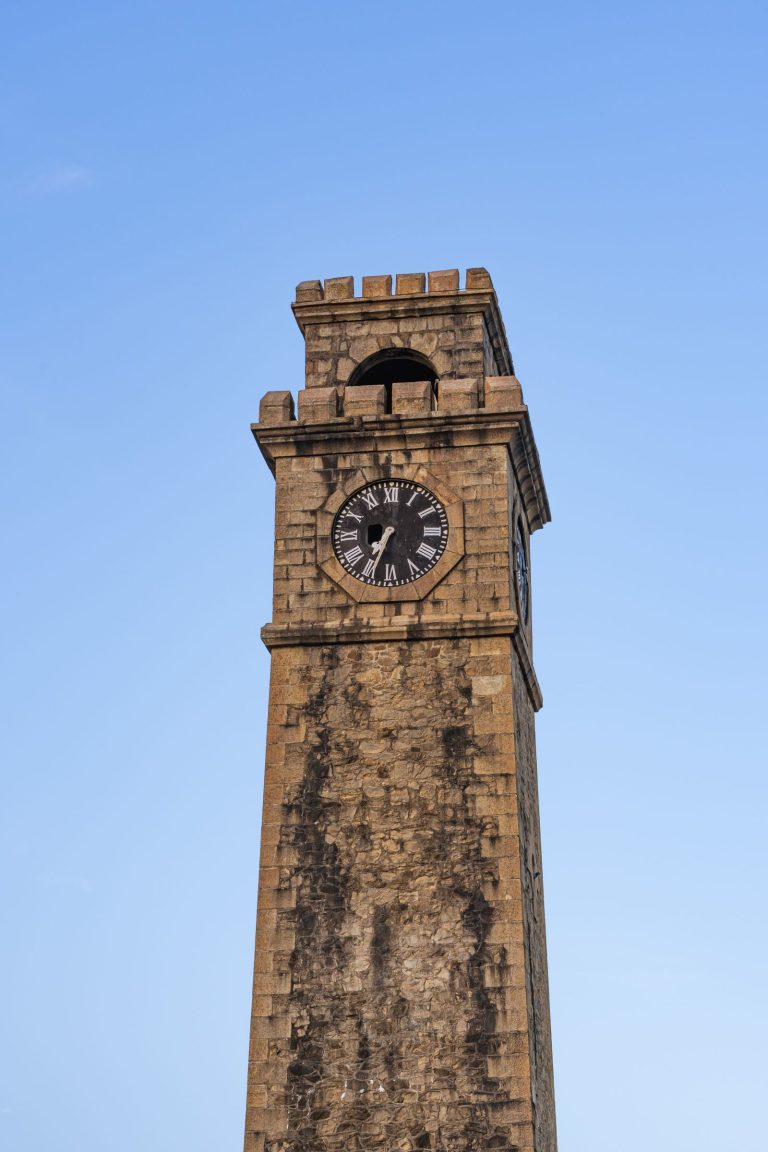
The Dutch fort, by one of the island's great train rides along the sea.
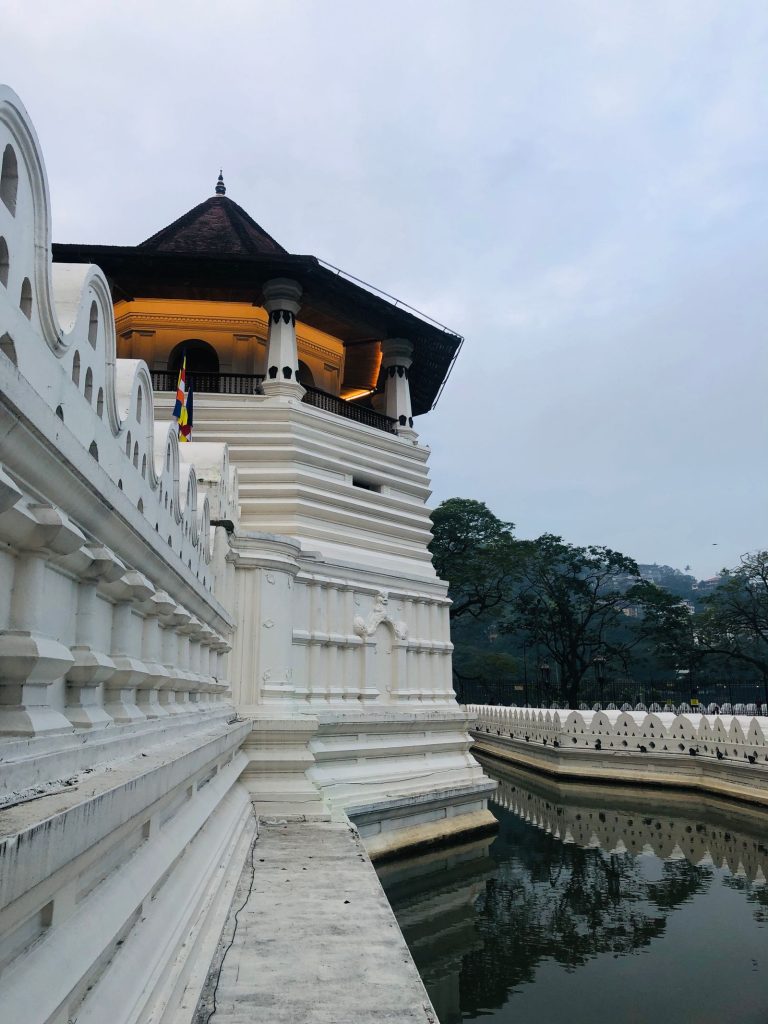
The hill capital and the Temple of the Tooth.
Vesak lanterns light up the city in May.
 Staff pick
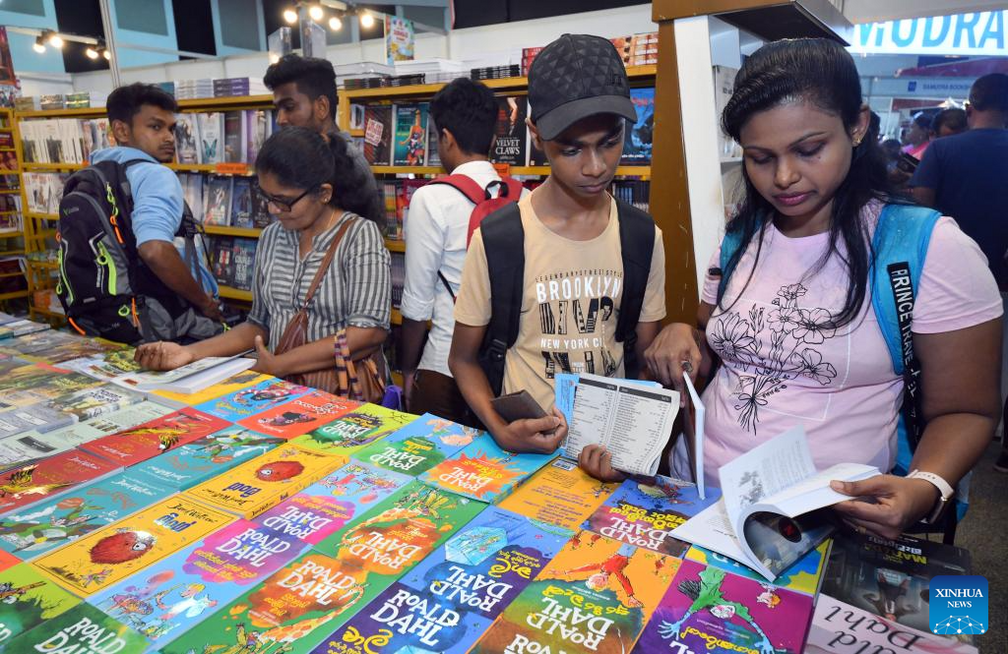
The Colombo International Book Fair is one of the country’s largest and most popular literary gatherings. With a history dating back to 1999, the…
 Staff pick
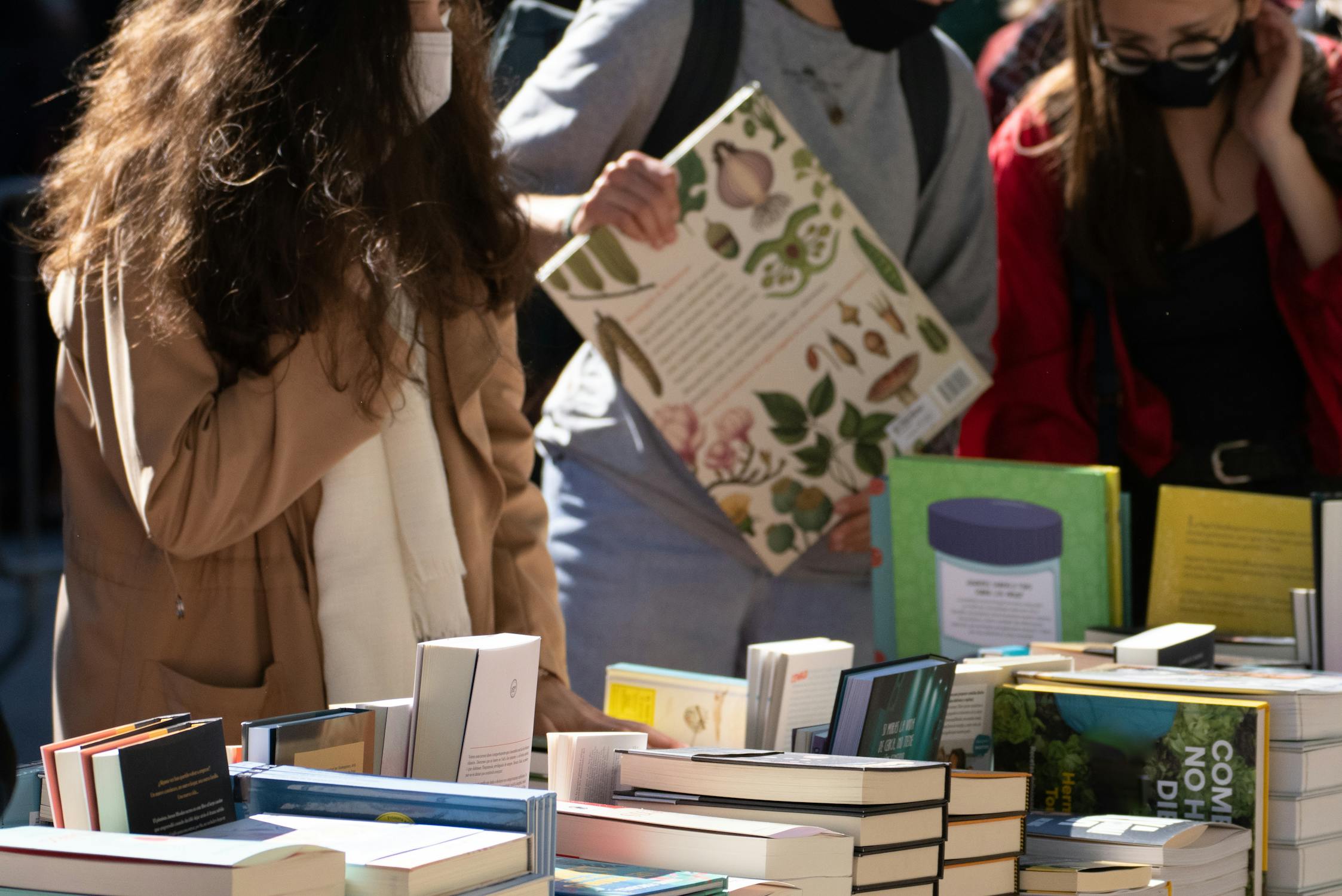
The Colombo International Book Fair is a literary extravaganza that draws book lovers from around the world to the Sri Lankan capital. With over…
 Staff pick
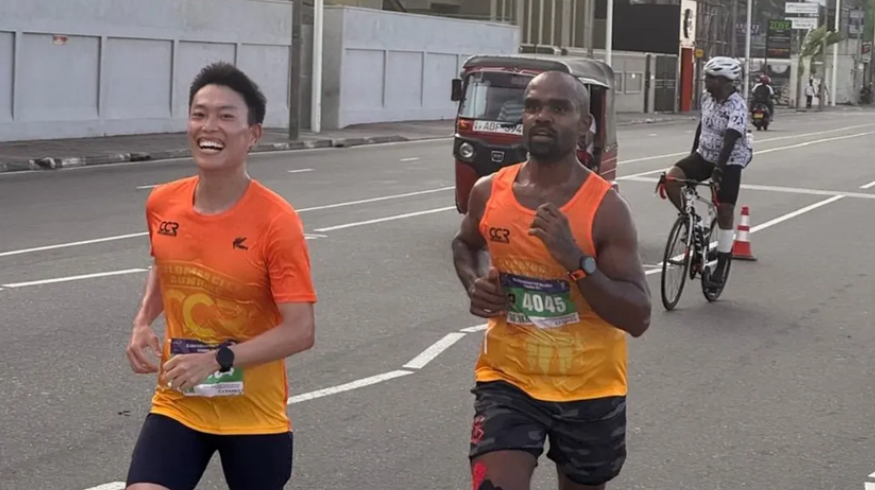
The ICA International Half Marathon in Colombo, Sri Lanka, invites runners to experience a scenic race along palm-fringed streets and oceanfront roads in the…
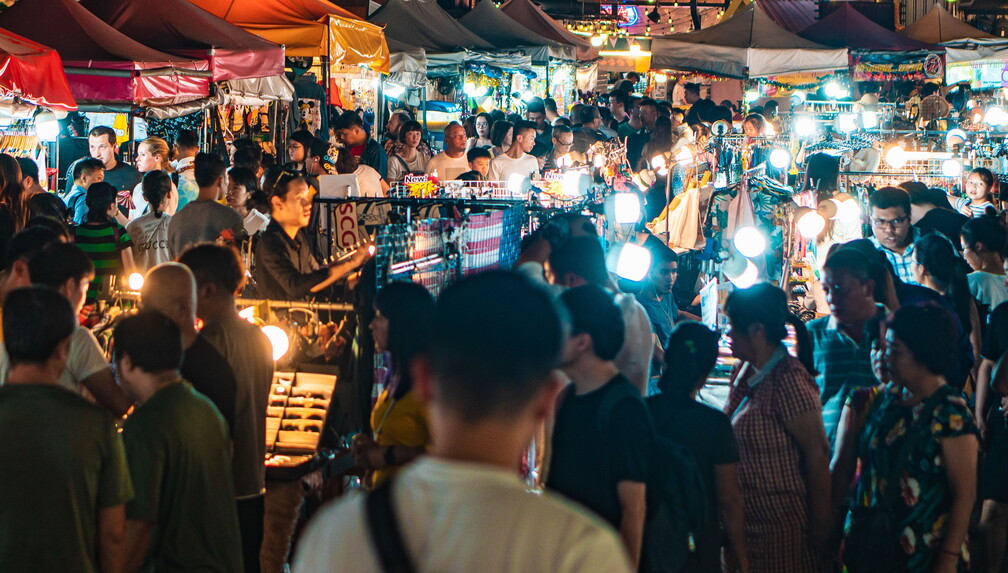
Wua Lai Road transforms into a sprawling evening market every Saturday, stretching just outside the Old City's Chiang Mai Gate. You can browse handmade…
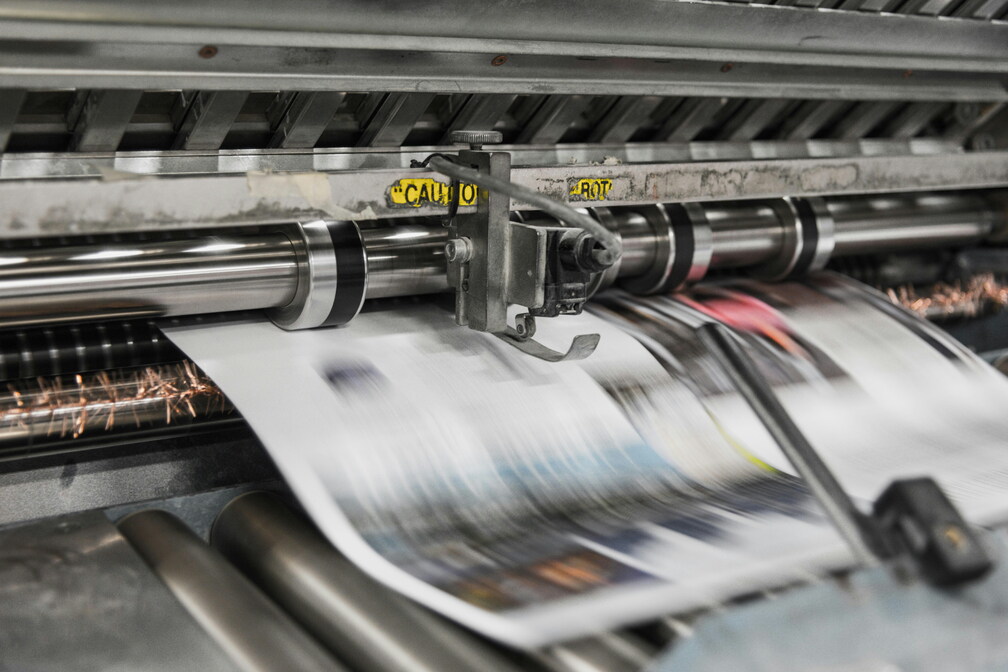
LANKAPAK 2026 Exhibition gathers Sri Lanka’s packaging, printing, processing, and plastics industries under one roof at BMICH in Colombo. You will find over 150…
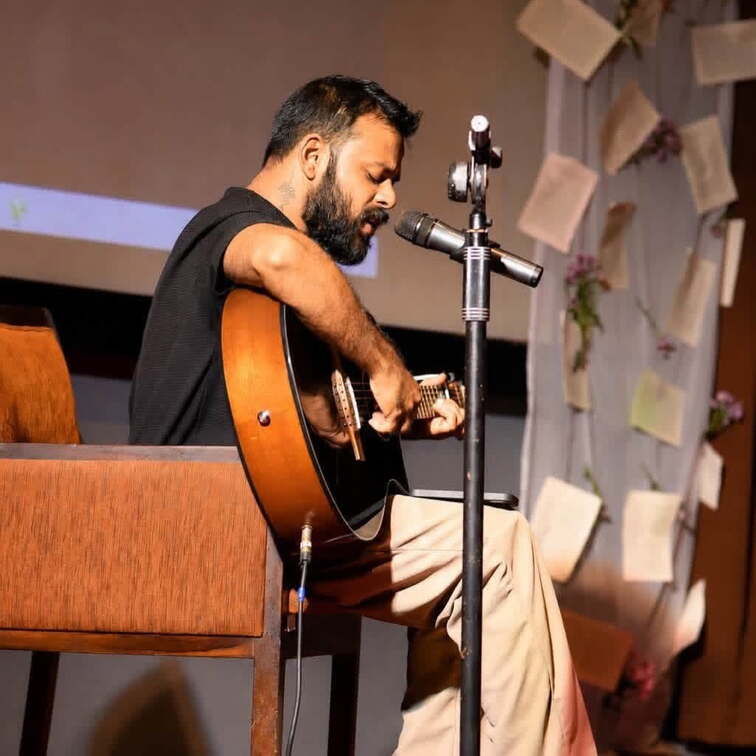
A poetic evening awaits at Nelum Pokuna Theatre, where you are invited to gather beneath yellow lanterns and city lights in what promises to…
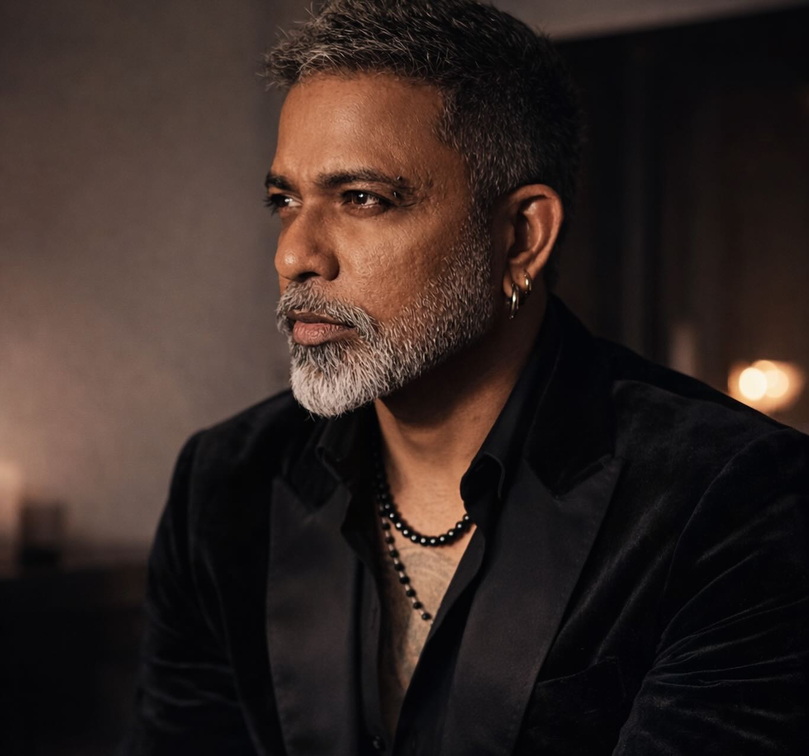
Beloved songs from Helawood, Kollywood, and Bollywood cinema take the stage at Musaeus College, performed live by saxophonist and singer Hector Dias, vocalist Nuwandhika,…
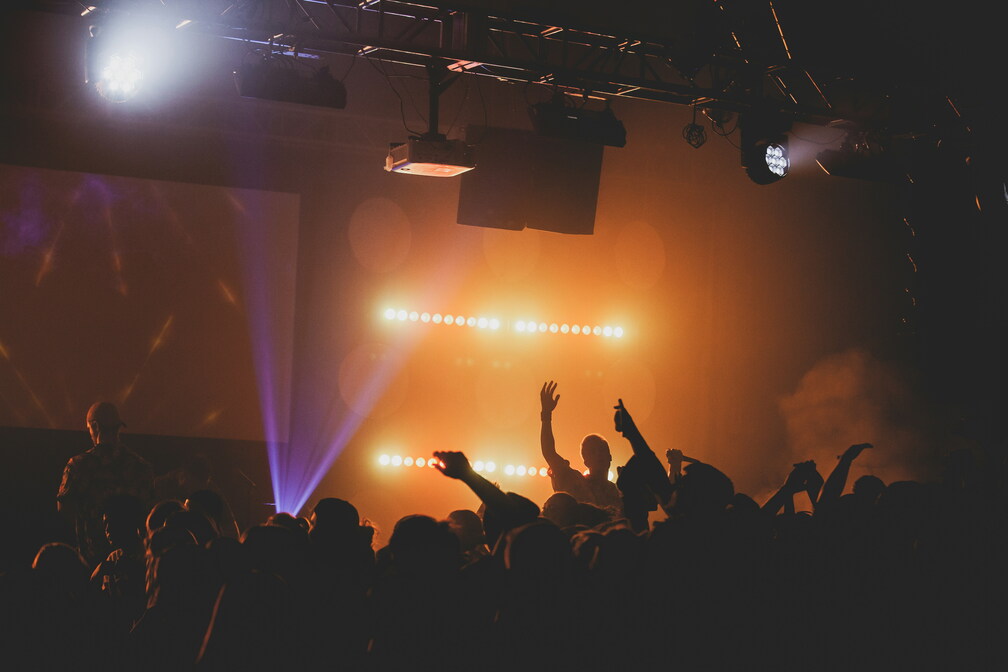
GETHRA 2026 is set to take place on October 10, 2026, at the Nelum Pokuna Mahinda Rajapaksha Theatre. The event promises a vibrant showcase…
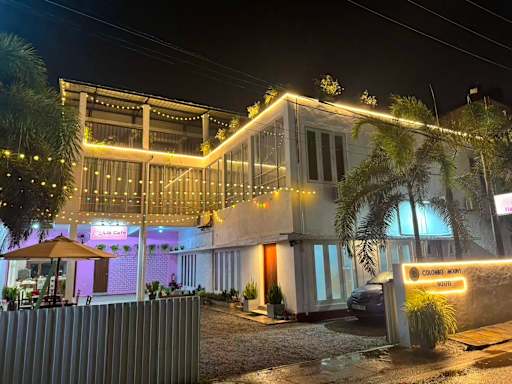
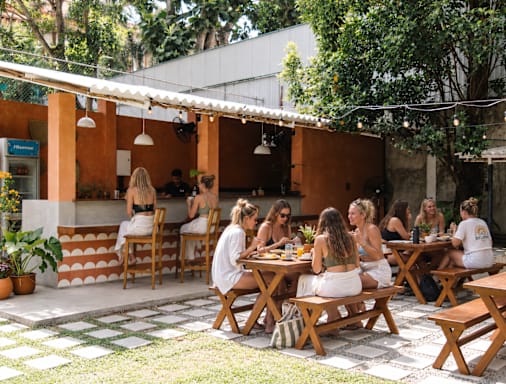
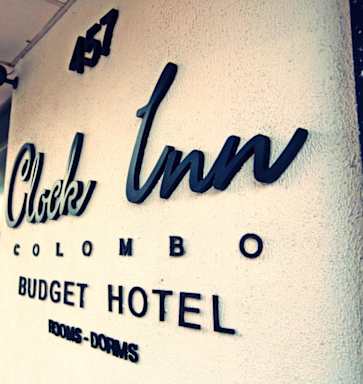
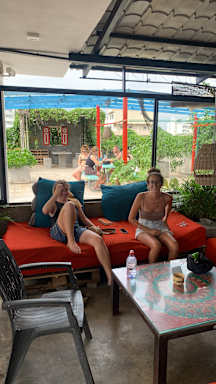
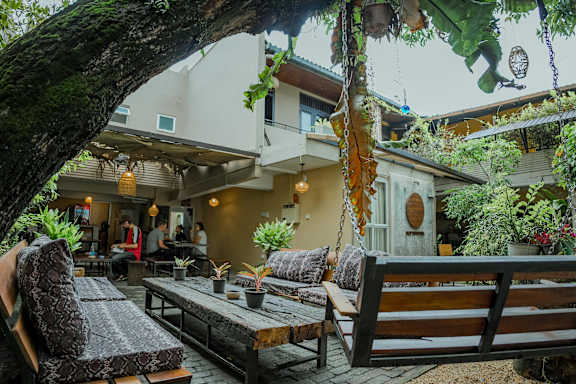
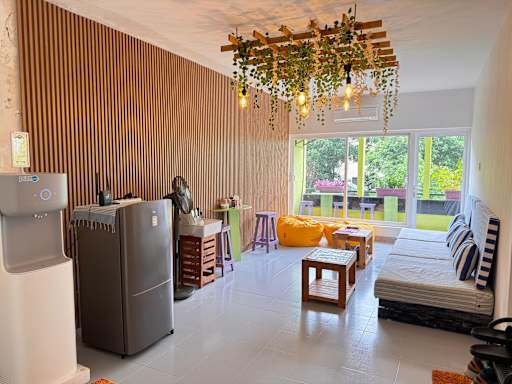
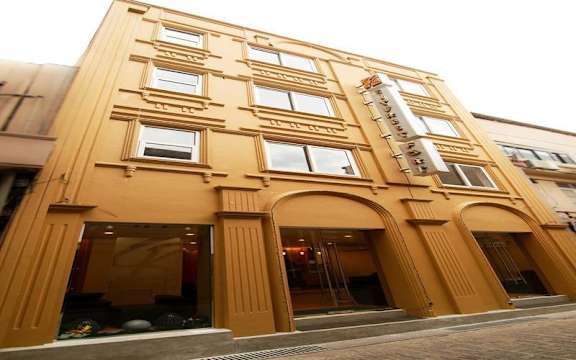
The top-rated places to stay in Colombo right now, live from Hostelworld.
 Sustainable
December to April is driest on the west coast.
Average highs. Hot and humid all year.
Pick how you travel. Per person per night, in euros.
Prices are in rupees locally; these are euro equivalents.
The ones we get asked most.

Compare Colombo hostels — live prices, real reviews and free cancellation on most bookings. Then meet the people already there in the app.

 Get the App.
 Get the App.