Old City
First-timersInside the moat.

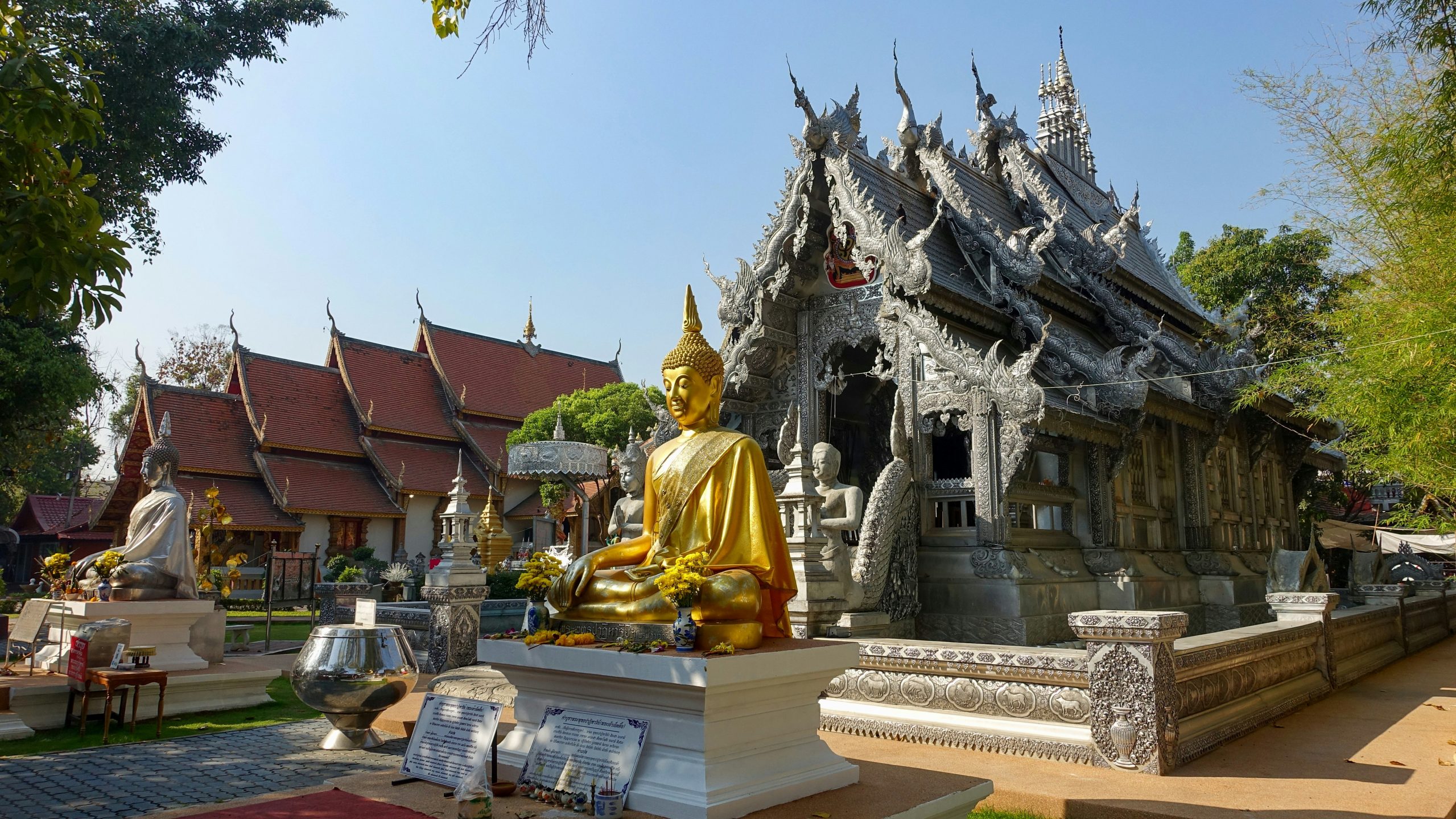
The capital of the north: a moated old city with three hundred temples, night markets, cooking schools, mountains on the edge of town and ethical elephant sanctuaries.
Chiang Mai was founded in 1296 as the capital of the Lanna kingdom, and its old city is still surrounded by a moat and the remains of brick walls. Inside and around it are more than three hundred temples.
It is Thailand's second city but feels much smaller and calmer than Bangkok, with cafés, markets, cooking schools and a big community of long-stay travellers. The mountains start at the edge of town, with Doi Suthep's temple above the city and Thailand's highest peak an hour away.
Three or four days is right, but many people stay much longer.
The Old City, inside the moat, has temples on every street and most guesthouses, all walkable. Tha Phae Gate, on its east side, is the backpacker hub near the night bazaar. Nimman, west of the old city, has cafés, bars and coworking spaces popular with digital nomads.
Inside the moat.
West of the old city.
The east gate.
Orange labels are neighbourhoods, dots are the 12 top-rated hostels. Map data from OpenStreetMap contributors.
Chiang Mai, founded in 1296 as the capital of the Lanna kingdom, is northern Thailand's cultural centre, with over 300 temples, mountains on its edge and a relaxed pace.
In the Old City, see Wat Chedi Luang, a vast ruined chedi damaged by an earthquake in the sixteenth century, and Wat Phra Singh, the most revered temple, with fine Lanna murals. At some temples, monk chats let you sit and talk with monks about Buddhism.
Wat Phra That Doi Suthep, on the mountain above the city, is reached up 309 steps flanked by naga serpents; go early for the view. Hike the Monk's Trail up to Wat Pha Lat, a jungle temple, on the way.
The Sunday Walking Street, along Ratchadamnoen Road, and the Saturday market on Wualai Road fill with crafts and food. Take a Thai cooking class, many with a market tour.
Visit an ethical elephant sanctuary, where you watch and feed elephants without riding them. Doi Inthanon, Thailand's highest mountain, is a day trip.
In November, Yi Peng and Loy Krathong fill the sky with lanterns and the river with floating offerings.
Most Old City temples are free, and so are the monk chats. The Sunday Walking Street and Saturday market are free to wander, as is the moat and the walk along the old walls.
The Monk's Trail to Wat Pha Lat is free. Doi Suthep charges a small fee.
Khao soi, egg noodles in a rich coconut curry broth, topped with crispy noodles, is Chiang Mai's signature dish. Sai ua, a herby northern sausage, and nam prik noi, green chilli dip with vegetables, are Lanna specialities.
The night markets and the North Gate's evening food stalls, including the famous cowboy-hat lady's pork leg rice, are the cheapest places to eat.
A street meal is €1 to €3.
Chiang Mai's nightlife is relaxed: live music bars around Nimman and the North Gate jazz bar, rooftop bars, and backpacker bars around the Old City and Loi Kroh Road. Bars close around midnight.
A beer is €2 to €4.
The Old City is walkable. Red songthaew trucks and Grab cover the rest. Chiang Mai Airport is ten minutes away.
The overnight train from Bangkok takes about twelve hours, a classic journey. Minibuses reach Pai in about three hours and Chiang Rai in about three.
Chiang Mai is cheap. Dorms start around €6 and a careful day is €20 to €30.
A cooking class is €25 to €35, an ethical elephant sanctuary €50 to €80, and Doi Suthep a few euros. A songthaew ride in town is about €1.
The currency is the baht (THB), at roughly 37 to 40 baht to the euro; prices here are euro equivalents. Thai ATMs charge foreign cards about 220 baht per withdrawal, so take out larger amounts. Cards work in cities and resorts; street food is cash or QR payment.
Chiang Mai is very safe.
From February to April, the burning season brings smoke and some of the worst air pollution in the world; people with breathing problems should avoid it.
Choose elephant sanctuaries that do not offer riding or shows. Scooter accidents injure more travellers in Thailand than anything else. Only ride if you are licensed and insured for it, and always wear a helmet.
At temples and palaces, cover shoulders and knees, take off your shoes, and never point your feet at a Buddha image.
Since June 2025, cannabis flower has been a controlled substance: visitors may not buy or use it without a prescription from a licensed Thai doctor, even though some shops still operate.
Since 15 September 2026, eligible visitors get 30 days visa-free, for tourism only, extendable once by 30 days at an immigration office, and fewer nationalities qualify, so check whether you now need a visa. All visitors must complete the Thailand Digital Arrival Card (TDAC) online within three days before arriving.
Tourist Police: 1155. Emergency: 191 police, 1669 ambulance.
The highest mountain, a mountain town and the White Temple.
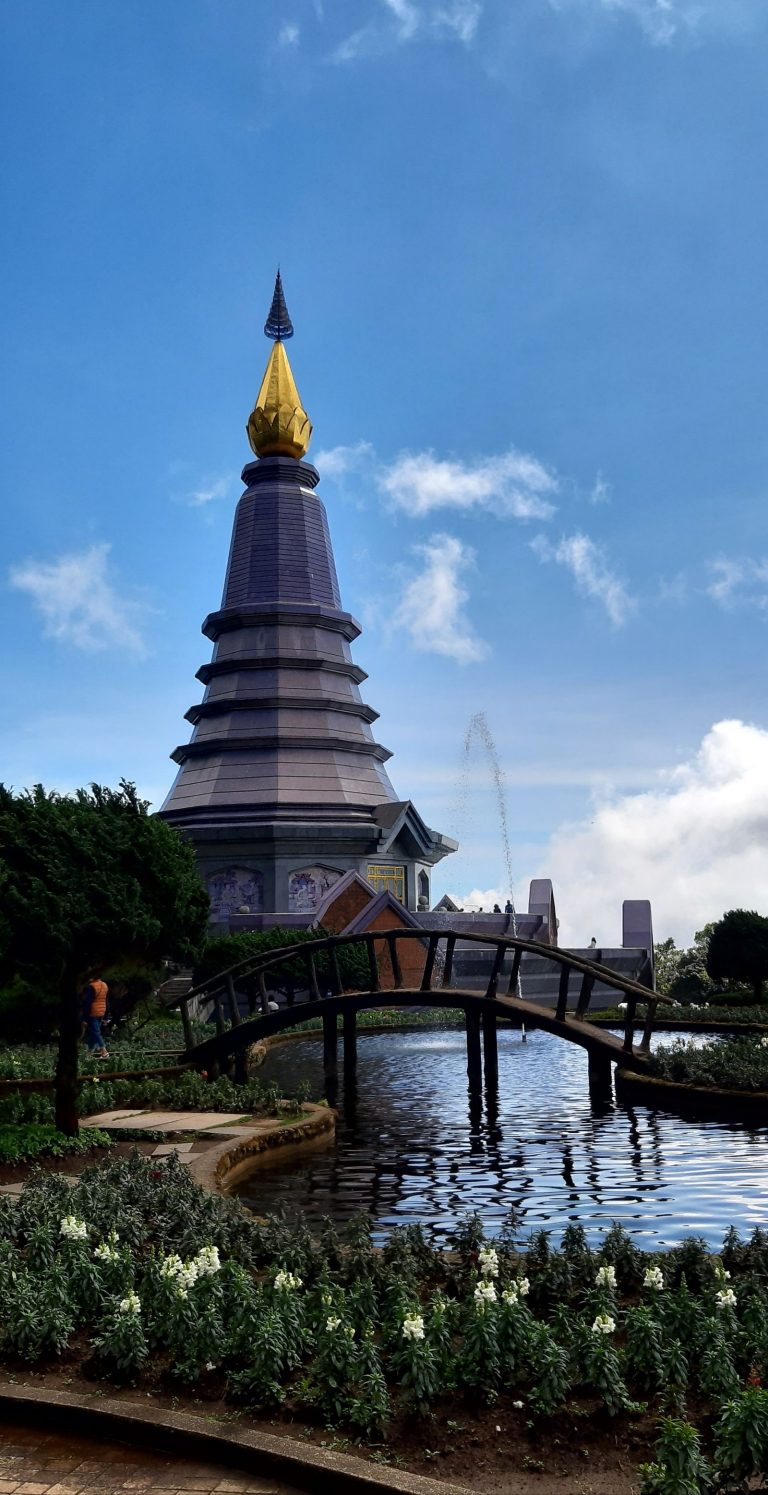
Thailand's highest mountain.
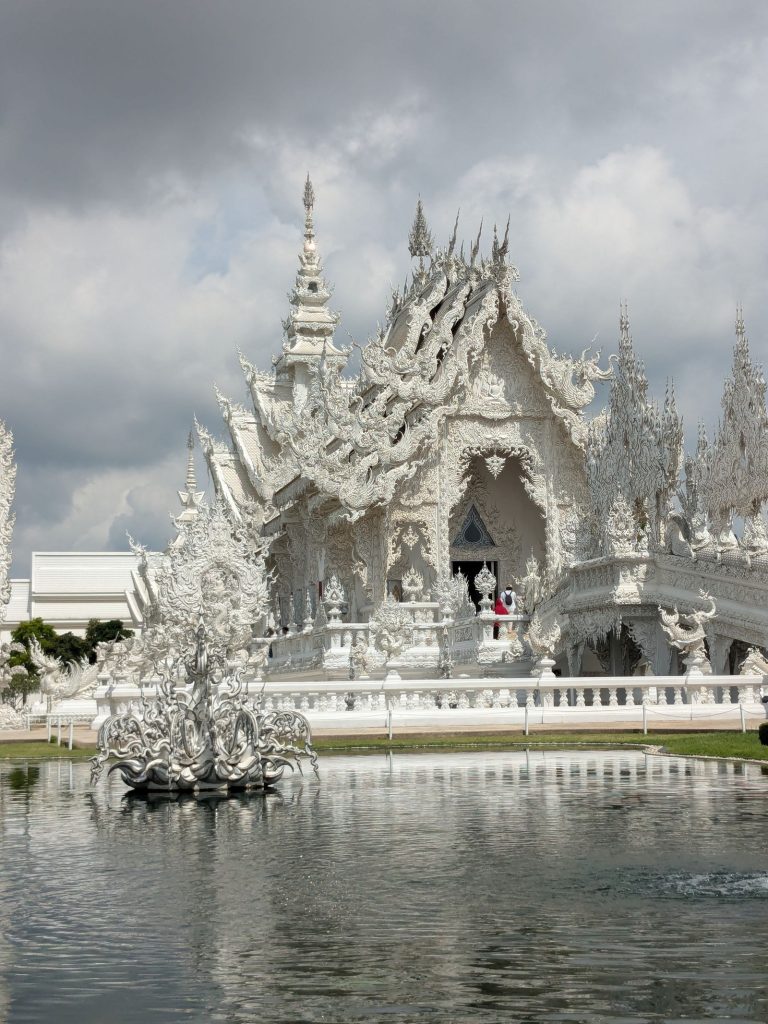
The White and Blue temples.
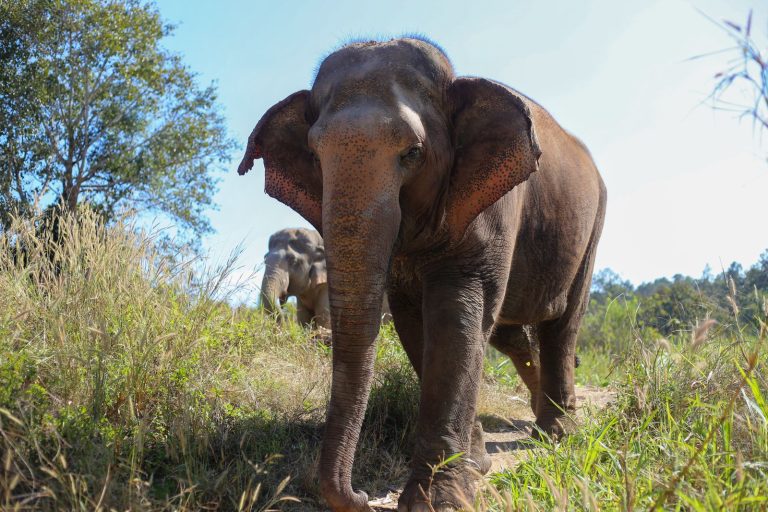
Ethical, no riding.
Yi Peng fills the sky with lanterns in November.
 Staff pick
HOKA Chiang Mai Thailand by UTMB is a premier trail running event and part of the UTMB World Series, held annually in the breathtaking…
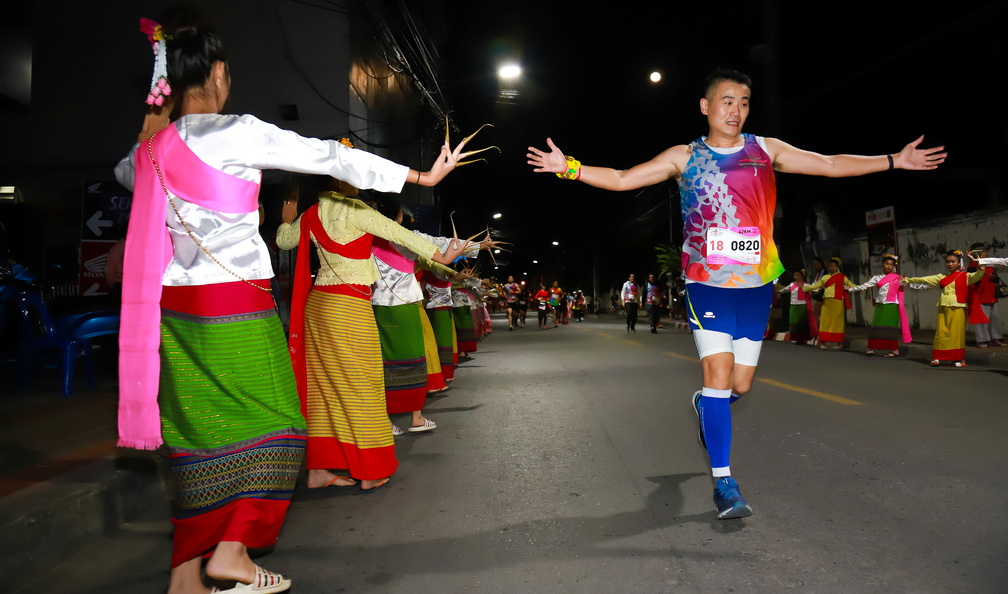 Staff pick
The Chiang Mai Marathon is a highly anticipated running event in Thailand that attracts athletes from around the world to compete in one of…
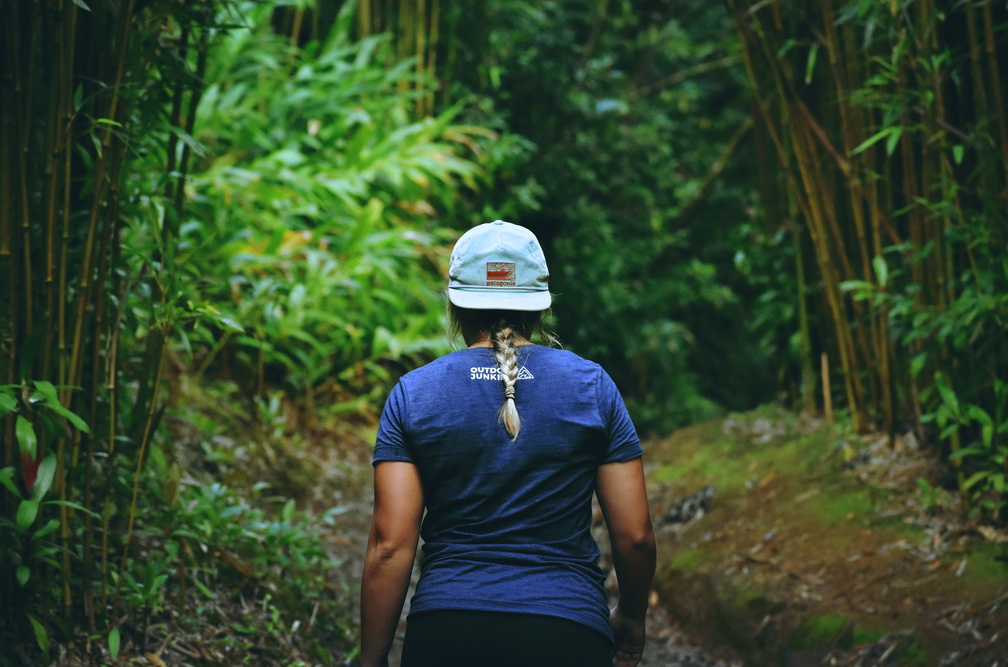
Embark on a five-day adventure to meet Thailands remote hilltribe communities, starting from the enchanting city of Chiang Mai. The journey includes exploring deep…
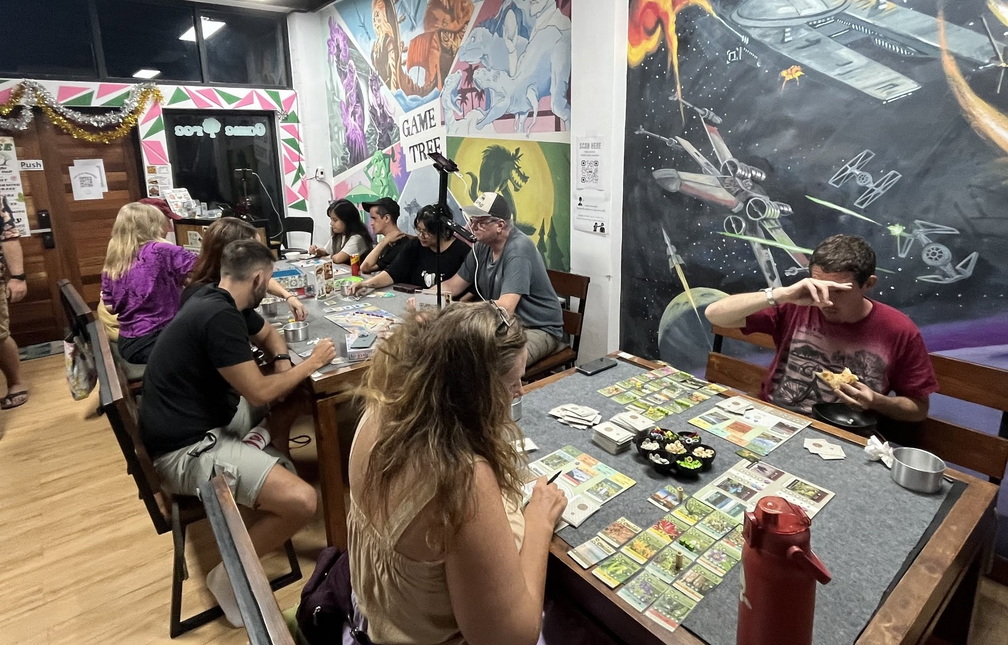
Friday's New Gamers Night is a welcoming space for everyone, regardless of gaming experience. Attendees can expect a night filled with meeting new people,…
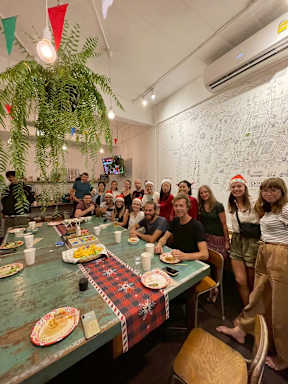
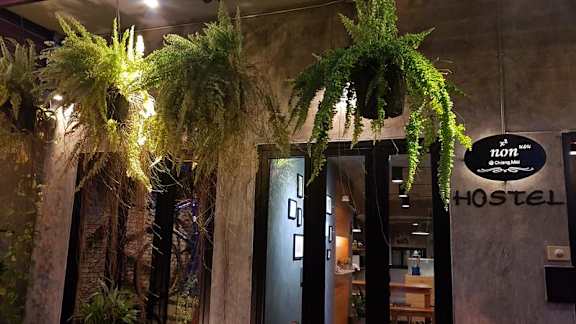
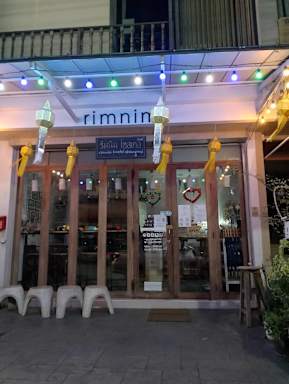
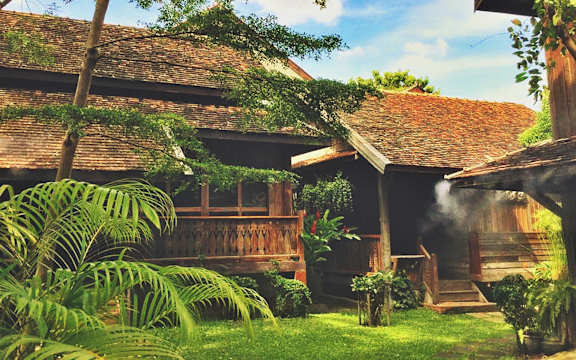
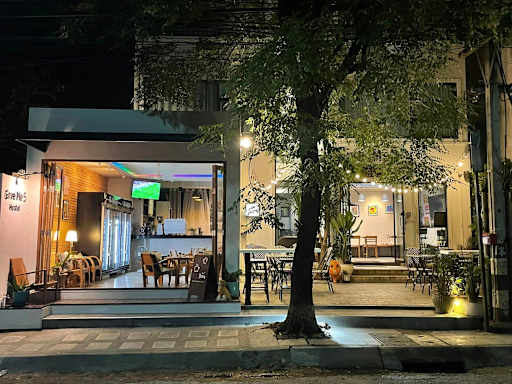
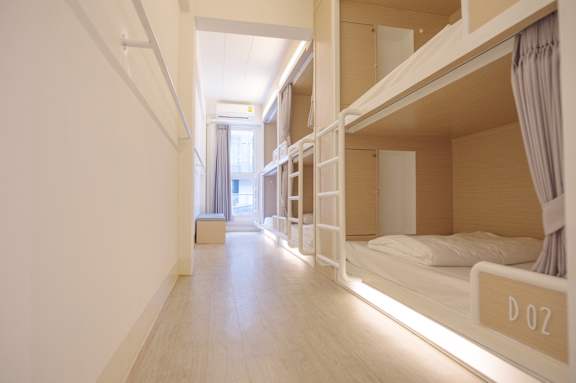
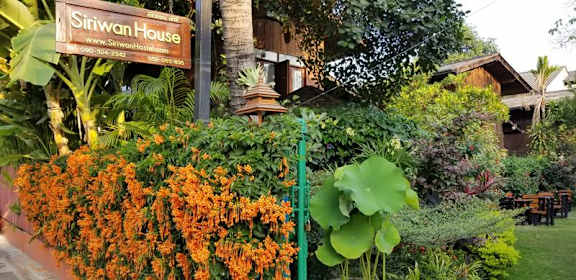
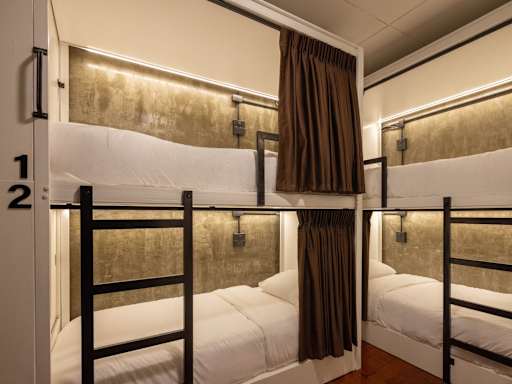
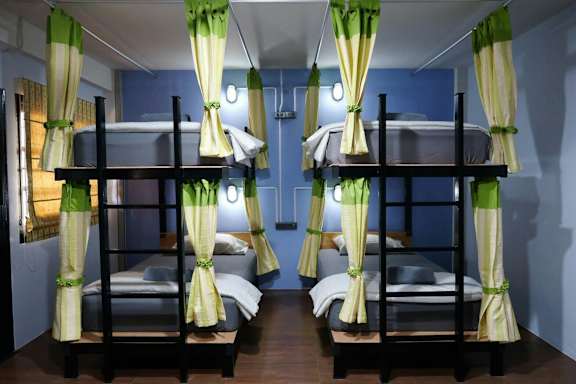
The top-rated places to stay in Chiang Mai right now, live from Hostelworld.
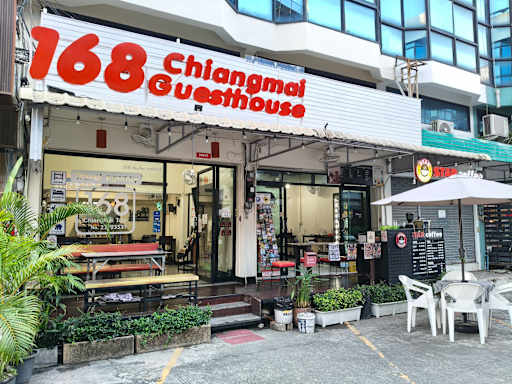
 Sustainable

 Sustainable
November to February is cool and clear. Avoid the burning season from February to April.
Average highs. Nights are cool in the cool season.
Pick how you travel. Per person per night, in euros.
Prices are in baht locally; these are euro equivalents. Excludes elephant sanctuaries and cooking classes.
The ones we get asked most.

Compare Chiang Mai hostels — live prices, real reviews and free cancellation on most bookings. Then meet the people already there in the app.

 Get the App.
 Get the App.