Ha Giang town
First-timersThe start of the loop, with hostels, bike rental and tour companies.

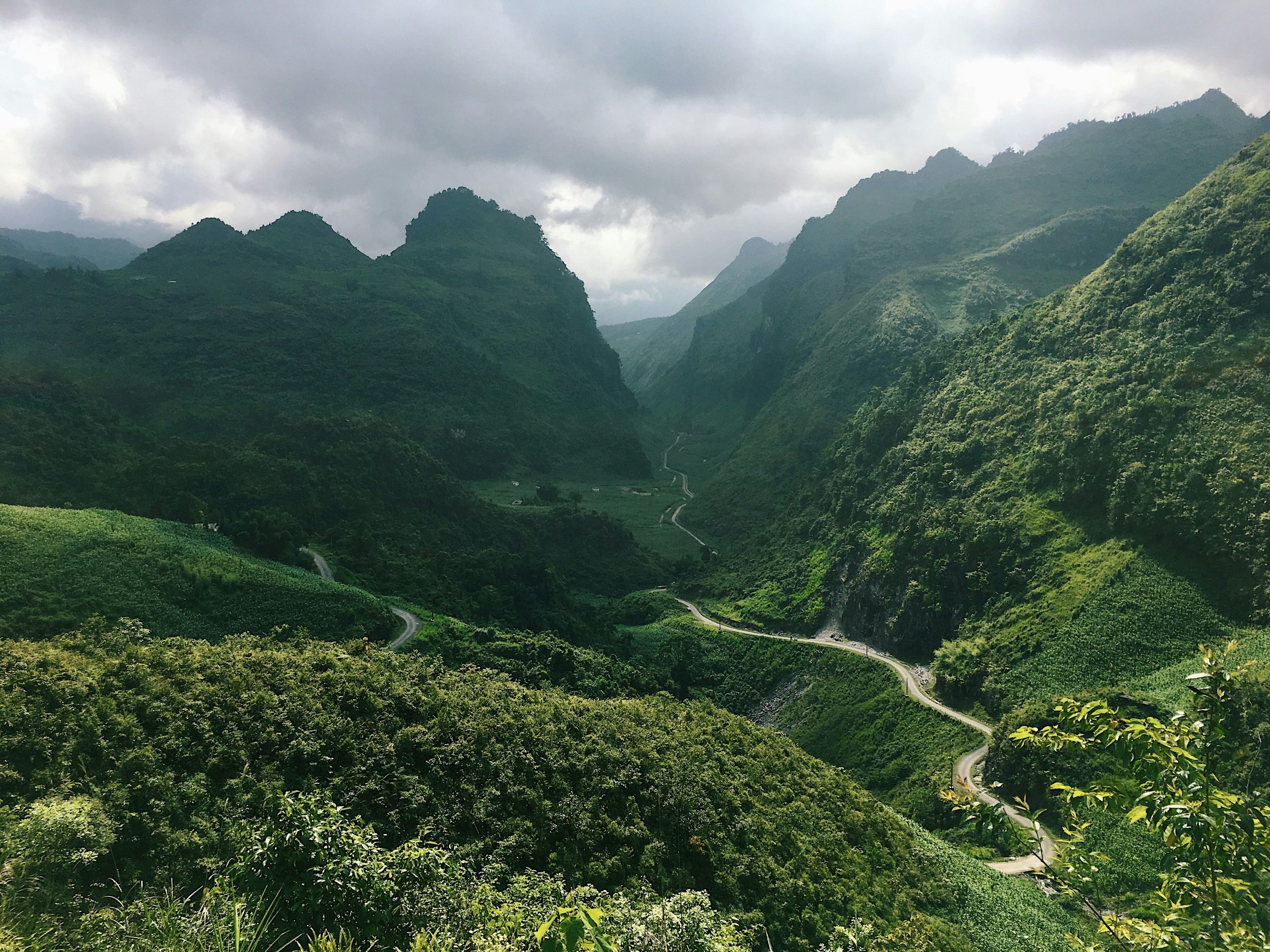
The start of the Ha Giang Loop, a three- or four-day ride through the limestone mountains of Vietnam's far north, over the Ma Pi Leng Pass and along the Chinese border.
Ha Giang is a small town in Vietnam's far north and the starting point of the Ha Giang Loop, a road trip of about 350 kilometres through some of the most spectacular mountain scenery in Southeast Asia, much of it in the Dong Van Karst Plateau, a UNESCO Global Geopark.
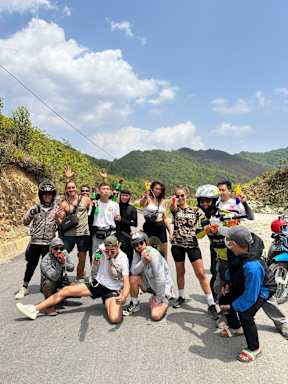
Most travellers ride the loop over three or four days, either on their own bike or on the back of a local rider's, stopping in villages of Hmong and other minority peoples.
It is the highlight of many trips to Vietnam.
Ha Giang town is where the loop starts and ends, with the hostels, bike rentals and easy-rider companies. On the loop itself, travellers stay in homestays in Yen Minh, Dong Van, Meo Vac and Du Gia.
The start of the loop, with hostels, bike rental and tour companies.
An old town of stone houses near the border, the usual second night.
Orange labels are neighbourhoods, dots are the 5 top-rated hostels. Map data from OpenStreetMap contributors.
The Ha Giang Loop is a road trip of about 350 kilometres through some of the most dramatic mountain scenery in Southeast Asia, usually done in three or four days. The route climbs from Ha Giang town through Quan Ba, where Heaven's Gate looks over the Twin Mountains, to Yen Minh, then on to Dong Van, an old town of stone houses near the Chinese border.
The highlight is the Ma Pi Leng Pass between Dong Van and Meo Vac, a road cut into the cliff high above the emerald Nho Que River; a boat trip on the river through the gorge below is worth adding. Lung Cu flag tower marks the northernmost point of Vietnam.
The Dong Van Karst Plateau is a UNESCO Global Geopark of grey limestone peaks, where Hmong, Lo Lo and Dao communities farm corn in pockets of soil between the rocks. Sunday markets in Dong Van, Meo Vac and other towns are where villages come to trade.
Most travellers ride with an easy rider, a local driver who takes you on the back of their motorbike, which is safer and lets you look at the view; others ride themselves. Many tours add a detour to Du Gia, a quiet valley with a waterfall.
The road itself is free, and almost every viewpoint on the loop, from Heaven's Gate to the Ma Pi Leng lookout, costs nothing.
Sunday markets are free to walk around, and Dong Van's old quarter is free to explore. Some sights charge small fees, including the Lung Cu flag tower and the Nho Que river boats.
Food on the loop is simple and filling: rice, pork, greens and eggs at homestays, where dinner is often a shared meal with the family and plenty of corn wine, a strong local spirit.
Try thang co, the Hmong stew, at a Sunday market, and banh cuon, steamed rice rolls, for breakfast in Ha Giang town. Buckwheat cakes are a plateau speciality.
A meal is €2 to €5.
Nightlife on the loop is the homestay dinner, which in the backpacker homestays often turns into a long evening of corn-wine toasts, karaoke and dancing with the other riders.
Ha Giang town has a few bars at the hostels before and after the loop.
A beer is €1 to €2.
Sleeper buses and limousine vans run from Hanoi to Ha Giang town in about six hours, many overnight; there is no railway. Buses also run from Sapa.
The loop is done by motorbike. Easy-rider tours include the driver, the bike, homestays and most meals. To ride yourself, rent a semi-automatic or manual bike in Ha Giang town; the roads are steep, winding and shared with trucks.
Foreigners need a permit for some border areas on the loop; tour companies and most bike-rental shops arrange it.
Ha Giang is cheap, and the loop is good value. Dorms in town start around €5. A three- or four-day easy-rider tour, including the driver, homestays and most meals, typically costs around €120 to €200; self-riding with a rented bike is cheaper.
Homestays are €5 to €10 a night, and meals €2 to €5. Fuel, river boats, the flag tower and drinks are the extras.
The currency is the Vietnamese dong (VND); prices here are euro equivalents, at roughly 30,000 VND to the euro. There are ATMs in Ha Giang town and a few larger towns on the loop; carry enough cash.
The loop's danger is the road. Accidents involving foreign riders are common: steep descents, blind corners, gravel, rain and trucks. If you have not ridden a manual or semi-automatic motorbike on mountain roads before, ride with an easy rider.
Check your travel insurance: most policies do not cover motorbike accidents if you ride without a valid licence for that class of bike, and Vietnam requires a local or recognised international licence.
Wear a proper helmet, avoid riding after dark or after corn wine, and allow extra time in rain.
Emergency: 113 police, 115 ambulance, 114 fire.
The loop's highlights, from the northernmost point to a hidden valley.
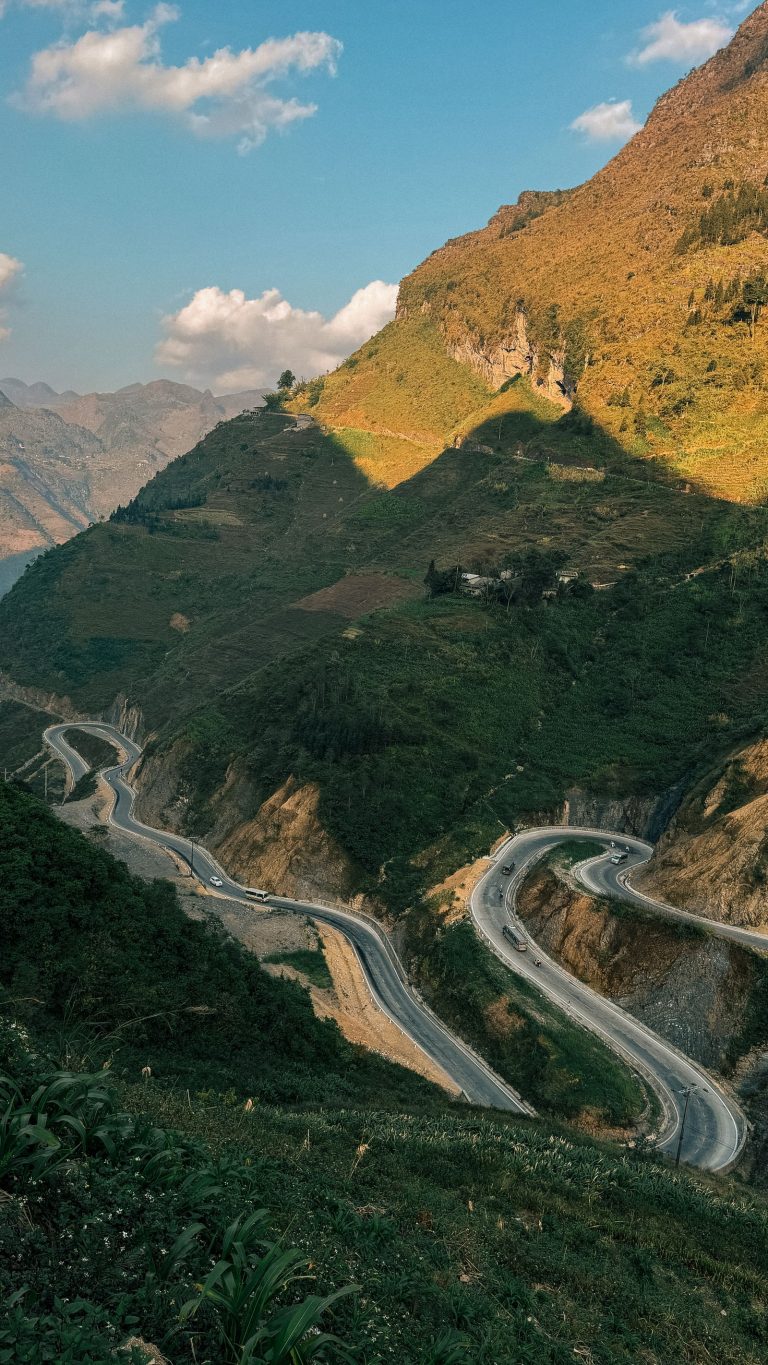
About 350 km through the limestone mountains of the Dong Van plateau.
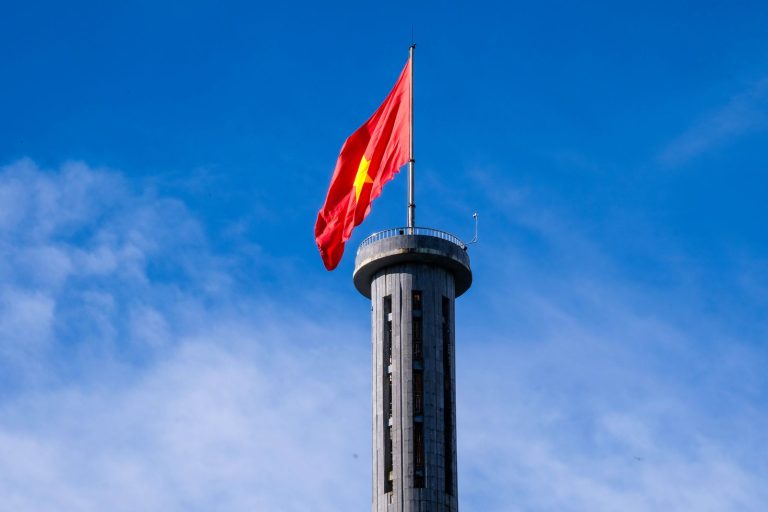
The flag tower at the northernmost point of Vietnam.
Buckwheat flowers colour the hills in autumn.
Pink and white flowers.
Minority markets.
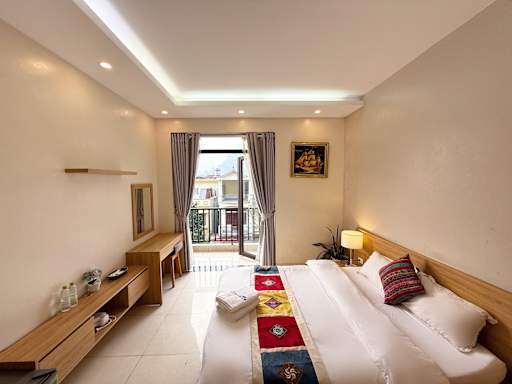
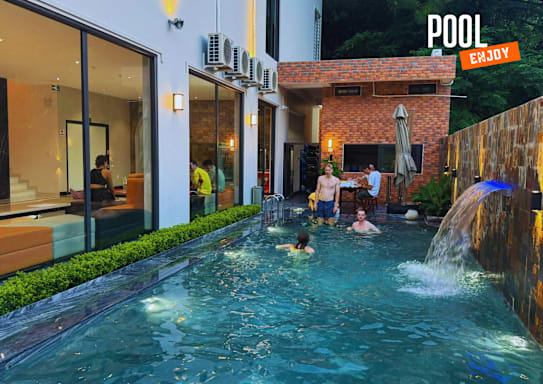
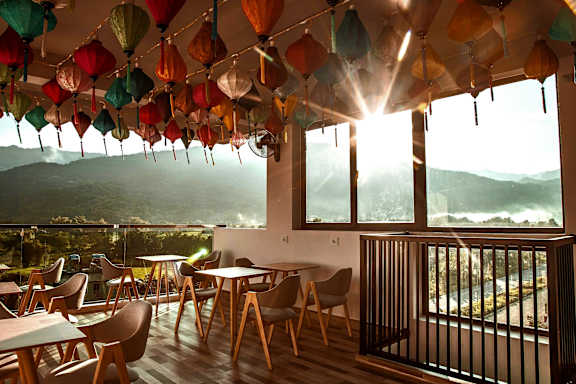
The top-rated places to stay in Ha Giang right now, live from Hostelworld.
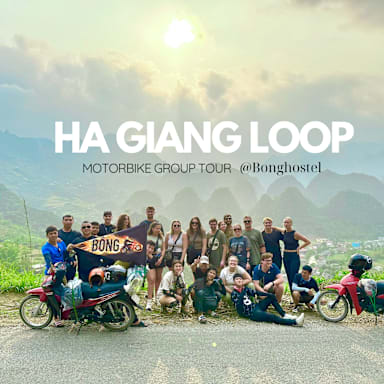
September to November, when buckwheat flowers bloom in October and November. March to May is also good.
Average highs in Ha Giang town. The plateau is colder.
Pick how you travel. Per person per night, in euros.
Prices are in dong locally; these are euro equivalents. Excludes the loop.
The ones we get asked most.

Compare Ha Giang hostels — live prices, real reviews and free cancellation on most bookings. Then meet the people already there in the app.

 Get the App.
 Get the App.