Old Quarter
First-timersThe Thirty-Six Streets: food, bars and hostels, all walkable.

A thousand-year-old capital of lakes, temples and a dense old quarter where every street once sold one trade, with street food on plastic stools and egg coffee in hidden cafés.
Hanoi has been Vietnam's capital, on and off, for a thousand years, and its old quarter, the Thirty-Six Streets, still packs shops, temples and tube houses into narrow lanes, each once dedicated to a single trade.
Around it are lakes, the colonial French quarter and the monuments of modern Vietnam.
Hanoi is the base for the north: Ha Long Bay, Ninh Binh, Sapa and Ha Giang. Three days is right.
The Old Quarter is where most travellers stay: crowded, loud and full of food, with everything walkable. The French Quarter, south of Hoan Kiem Lake, is calmer, with wide boulevards and grand buildings. Tay Ho, around West Lake, is the expat district, with cafés and a slower pace, twenty minutes from the centre.
The Thirty-Six Streets: food, bars and hostels, all walkable.
Boulevards, the Opera House and grand old hotels south of the lake.
Cafés and lakeside paths around West Lake, 20 minutes from the centre.
Orange labels are neighbourhoods, dots are the 12 top-rated hostels. Map data from OpenStreetMap contributors.
Start at Hoan Kiem Lake, the city's heart, with the red Huc Bridge leading to Ngoc Son Temple on its island. From Friday to Sunday evenings, the streets around the lake close to traffic and fill with families, street performers and food. North of the lake, the Old Quarter's Thirty-Six Streets were each named after the trade practised there, and some, such as Hang Ma with its paper goods, still sell one thing.
The Temple of Literature, founded in 1070, was Vietnam's first university; its courtyards and stone stelae, carved with the names of doctoral graduates, are a calm escape. Hoa Lo Prison, built by the French and later the 'Hanoi Hilton' for American pilots, tells both stories. The Vietnam Museum of Ethnology, a short Grab ride west, is the best introduction to the country's 54 ethnic groups.
The Ho Chi Minh Mausoleum opens on weekday mornings except Mondays and Fridays, and closes for a few months each year for maintenance; dress modestly and expect a queue. A water puppet show at the Thang Long theatre is a uniquely northern Vietnamese art form.
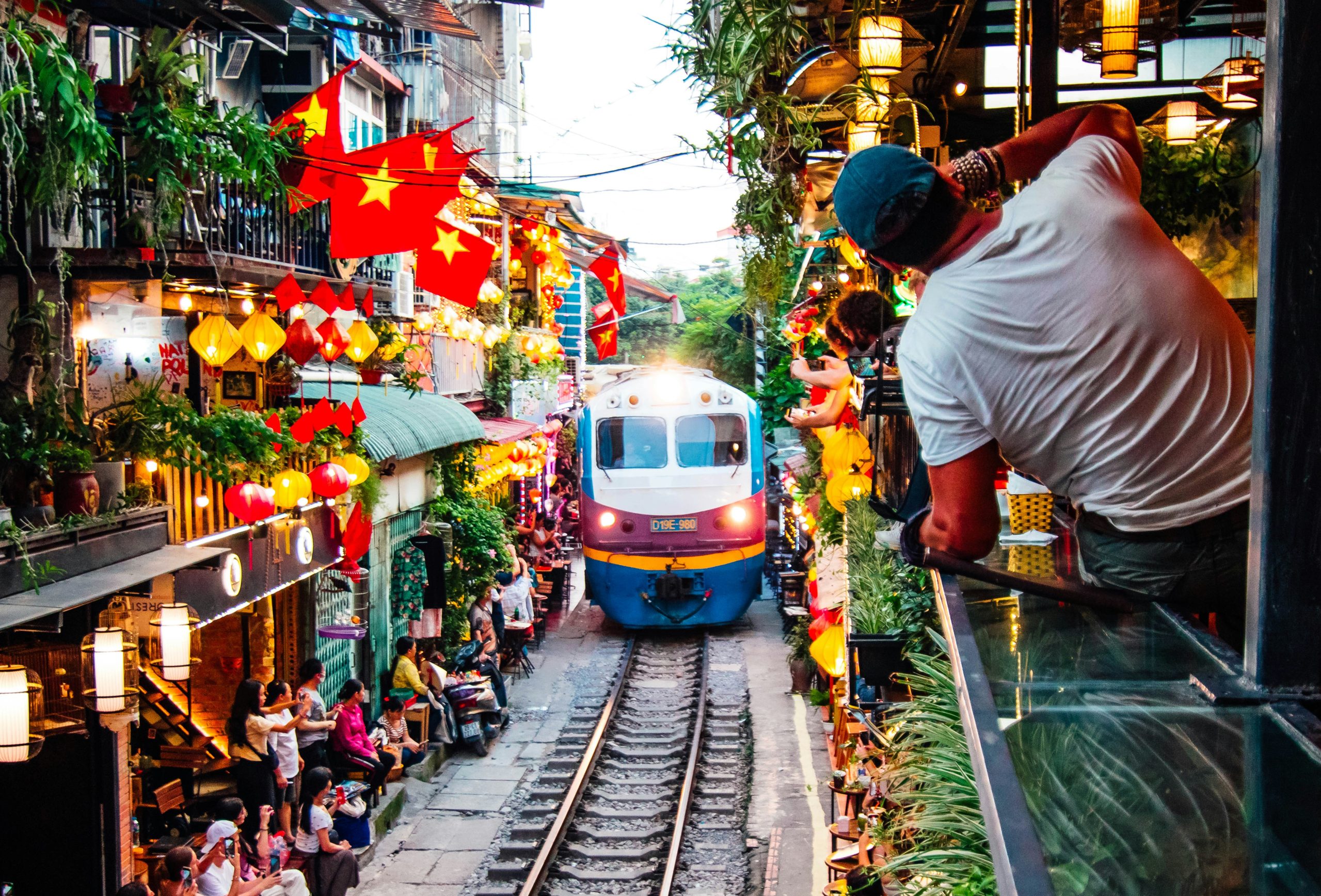
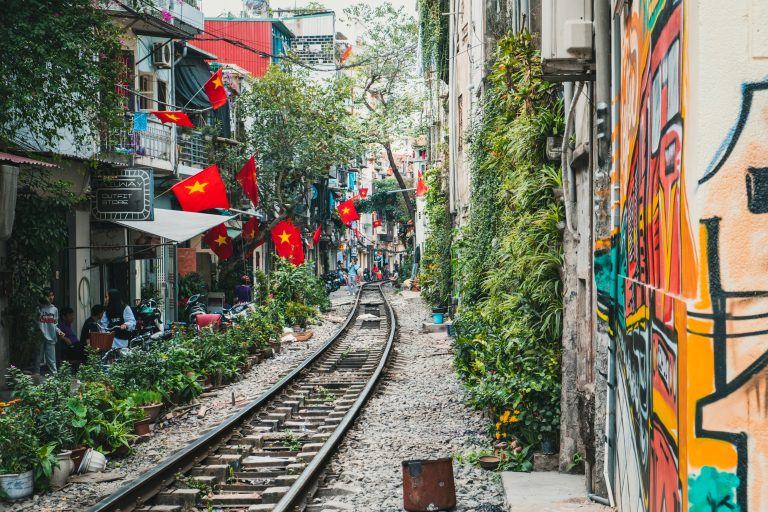
Train Street, where trains pass inches from houses, has had its cafés repeatedly closed by the police; access depends on the current rules.
Hoan Kiem Lake is free to walk around, and on Friday to Sunday evenings the walking streets around it become a free street party. Early in the morning, the lakeside is full of people doing tai chi, dancing and running.
The Old Quarter's streets, Dong Xuan Market and Long Bien Bridge, an old French steel bridge you can walk across beside the trains, cost nothing. West Lake has a long lakeside path and the Tran Quoc Pagoda, the city's oldest, which is free.
The outside of the Ho Chi Minh Mausoleum and the Presidential Palace grounds' Ba Dinh Square are free to see, and the Mausoleum itself is free to enter.
Hanoi is the home of pho: a bowl of rice noodles in beef broth eaten for breakfast at street stalls on tiny plastic stools. Bun cha, grilled pork patties and belly in a sweet broth with cold noodles and herbs, is the lunch dish; Barack Obama and Anthony Bourdain ate it together here. Cha ca, turmeric fish fried at the table with dill, is the city's other classic.
Try banh mi, egg coffee, a rich, whipped yolk-and-sugar coffee invented in Hanoi in the 1940s, and bia hoi, fresh draught beer brewed daily and served for under €1 a glass on street corners.
The Old Quarter is the easiest place to eat; stalls specialise in one dish, so follow the crowds. A street meal is €1.50 to €3; a restaurant meal €4 to €8.
Bia hoi corner, at Ta Hien and Luong Ngoc Quyen streets in the Old Quarter, is where the night starts: plastic stools on the pavement, cheap fresh beer and a mix of locals and travellers. Ta Hien itself fills with bars and music later on.
For something calmer, rooftop bars around Hoan Kiem Lake have views over the city, and West Lake has cocktail bars. Hanoi has a curfew culture: police often move people off the pavements around midnight, though some bars stay open later.
A glass of bia hoi is under €1; a bottled beer in a bar €1.50 to €3.
Noi Bai Airport is about 45 minutes from the Old Quarter by Grab or taxi. Airport bus 86 runs to the Old Quarter and the railway station for a fraction of the price.
The Old Quarter is best on foot. Grab, for cars and motorbikes, is cheap and avoids haggling; two metro lines run but are of limited use to most visitors.
Hanoi is the hub of the north. Trains run south along the coast to Hue, Da Nang and Ho Chi Minh City, and overnight to Lao Cai for Sapa. Buses and limousine vans reach Ninh Binh in about two hours, Ha Long Bay and Cat Ba in three to four, and Sapa and Ha Giang in five to six, often as sleepers.
Hanoi is cheap. Dorms start around €5 and a careful day is €18 to €28.
A bowl of pho is €1.50 to €2.50, a bia hoi under €1, and a Grab motorbike across the centre about €1. The Temple of Literature and Hoa Lo Prison charge a couple of euros each; a water puppet show is a few euros more.
The currency is the Vietnamese dong (VND); prices here are euro equivalents, at roughly 30,000 VND to the euro. Cards work in hotels and bigger restaurants; street food and markets are cash only. ATMs are everywhere in the Old Quarter.
Hanoi is safe, with little violent crime. The traffic is the real hazard: cross roads at a slow, steady pace so motorbikes can flow around you, and never stop or run.
Common scams are minor: shoeshiners who start cleaning your shoes uninvited and then demand money, fruit sellers who charge for a photo with their carrying pole, and taxis with fast meters. Use Grab, agree prices first, and keep a hand on your phone near the road, where bag snatchers on motorbikes occasionally operate.
Emergency: 113 police, 115 ambulance, 114 fire.
Karst landscapes, the famous bay and a cave pagoda, all within a few hours.

Boat trips through flooded karst valleys and rice paddies.
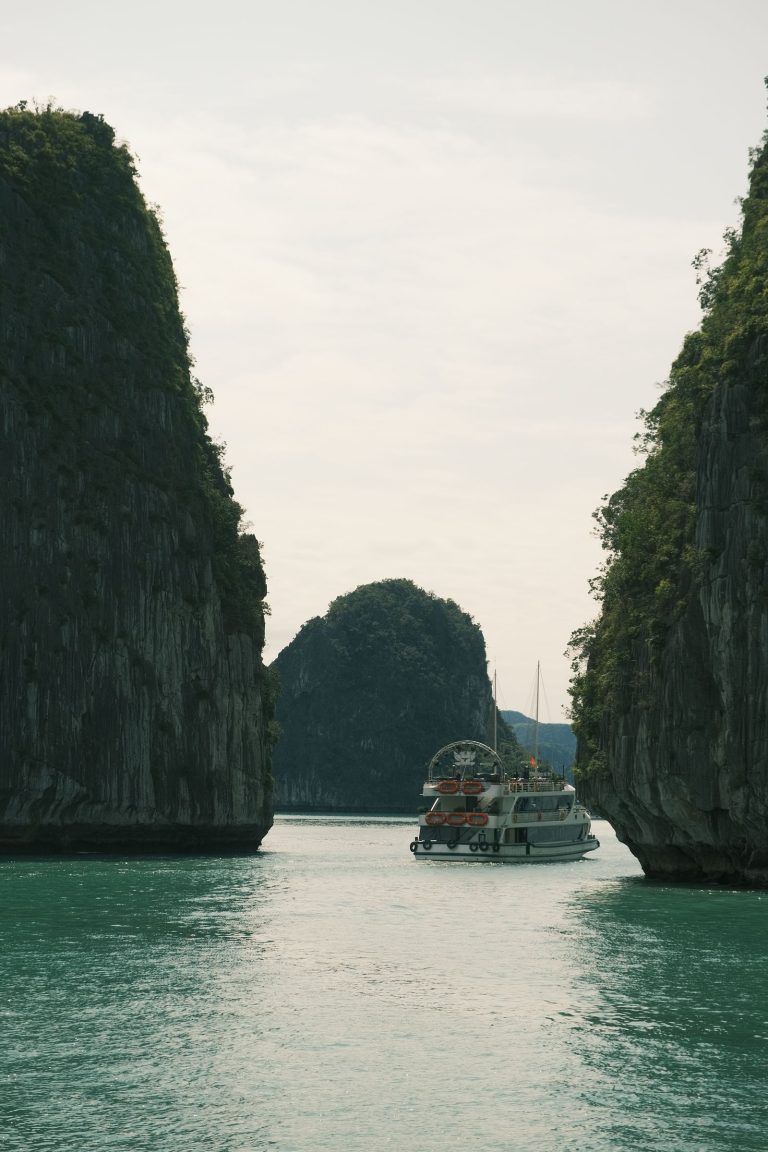
Limestone islands in the sea, best on an overnight cruise.
Tet, the lunar new year, transforms the city.
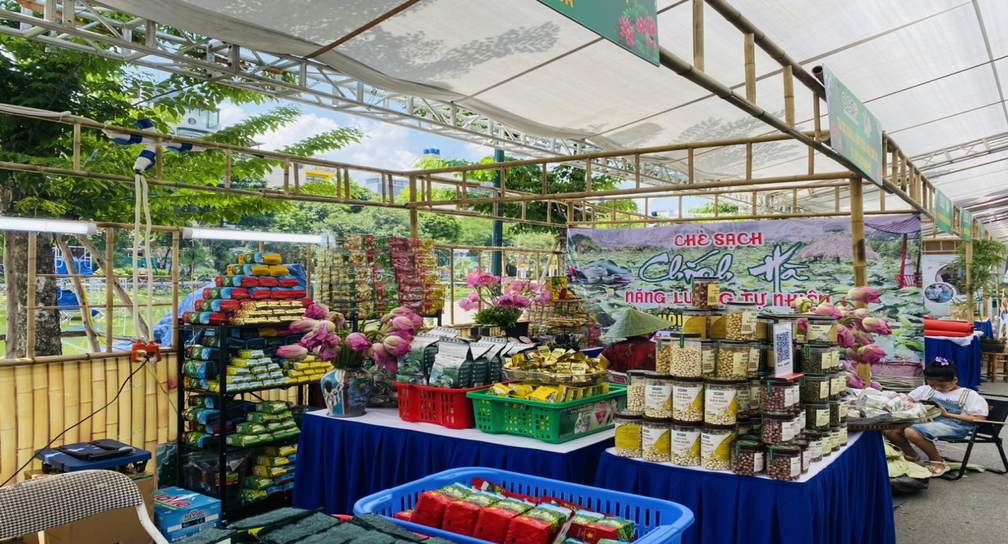
Hanoi is home to more than 1,300 craft villages, accounting for roughly one-quarter of Vietnam's national total, and this festival brings that heritage into…

Runners from around the world gather in Hanoi for this major marathon event, with distances ranging from a full 42.195 km marathon down to…

Runners from around the world gather each October to race through Hanoi's historic streets and past its most iconic landmarks. The 2026 edition on…

Michael Learns to Rock returns to Vietnam with a concert celebrating their greatest hits. The event takes place at Trung Tâm Hội Nghị Quốc…

Hoang Ton brings his powerful R&B voice to Au Co Art Center alongside Casper and Bon Nghiêm for an evening built around "Words Left…
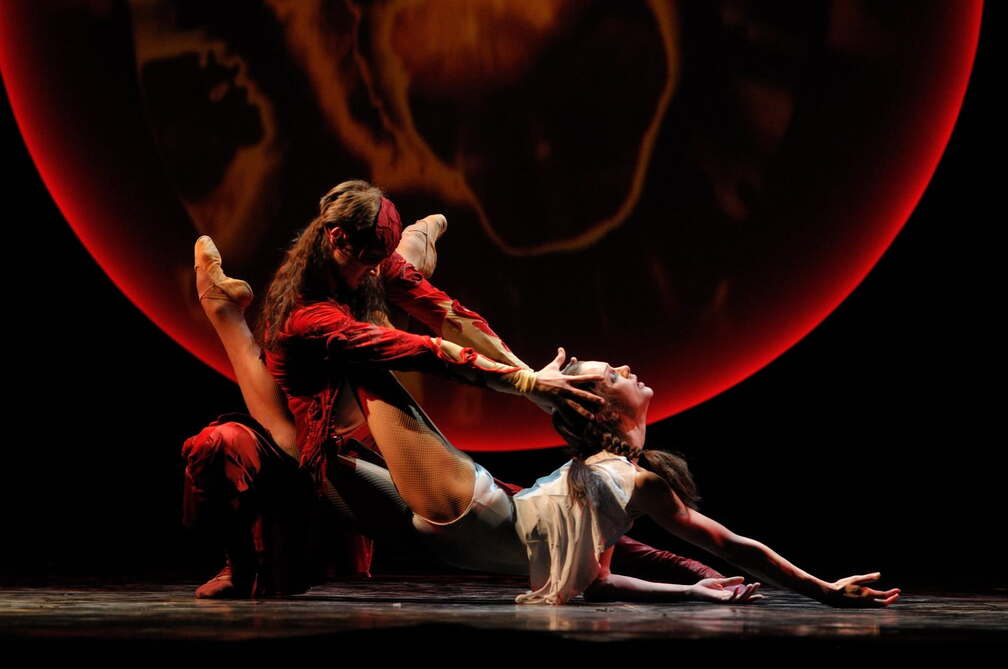
Boris Eifman's contemporary ballet adaptation of Pushkin's classic novel brings the Eifman Ballet of St. Petersburg to Vietnam for the first time ever. The…

Five of Vietnam's most distinctive voices share one stage when Đỗ Hoàng Hiệp, Tăng Phúc, Hà Lê, Cheng, and the Bỉnh Văn Band come…
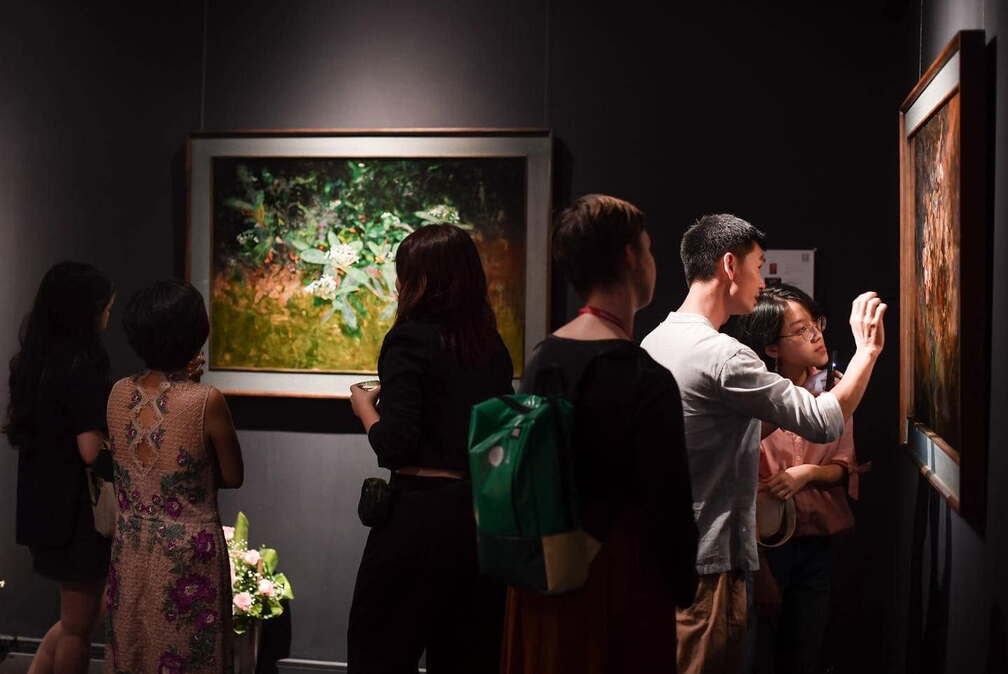
Three artists with distinct paths converge here around a shared question: what comes after Indochina's artistic legacy? Phan Cam Thuong draws on ancient Vietnamese…
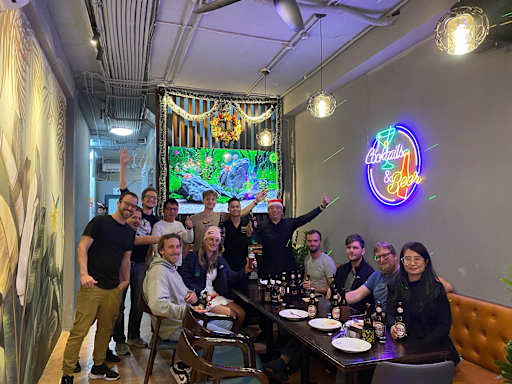
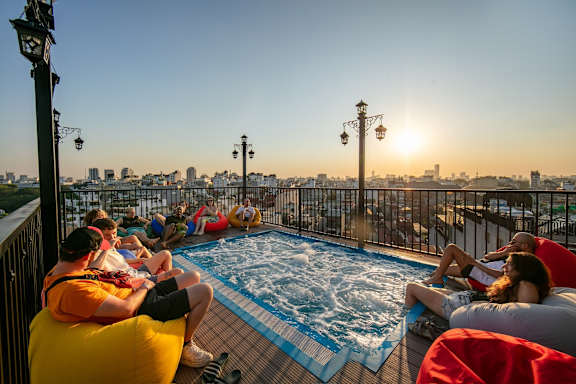
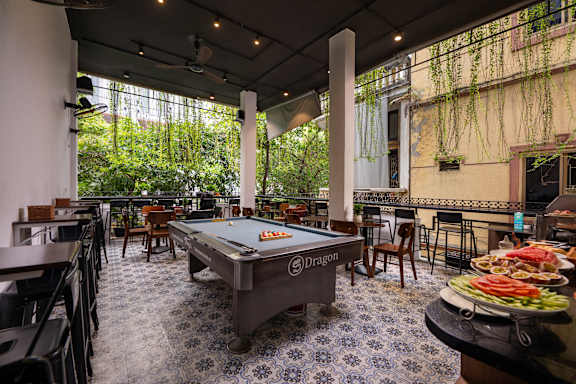
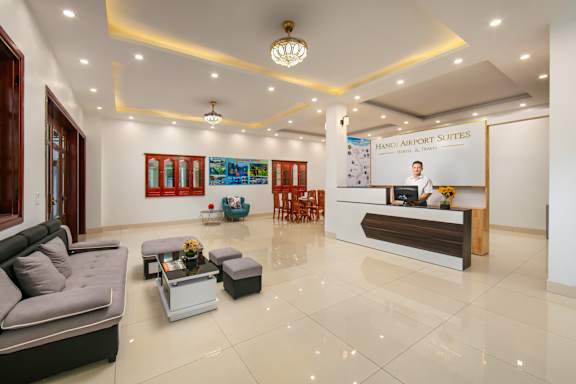
The top-rated places to stay in Hanoi right now, live from Hostelworld.
 Sustainable
 Sustainable
 Sustainable

October to December and March to April. Winters are cool and grey.
Average highs. Winters are cooler than people expect.
Pick how you travel. Per person per night, in euros.
Prices are in dong locally; these are euro equivalents.
The ones we get asked most.

Compare Hanoi hostels — live prices, real reviews and free cancellation on most bookings. Then meet the people already there in the app.

 Get the App.
 Get the App.