
Best Places to Visit in Croatia: Islands, Old Towns & Coastline
Croatia has a way of exceeding expectations even when those expectations are already high. The pictures don’t lie: the Adriatic really is that blue, the old towns really are that well-preserved, and the islands really do keep getting better the further you go. The best places to visit in Croatia stretch along one of Europe’s most dramatic coastlines, from the Roman ruins of Split to the medieval walls of Dubrovnik, from the art installations of Zadar to the lavender-covered hills of Hvar.
What makes Croatia work so well for travellers is that it layers beautifully. You can do it as a beach trip, a history trip, an island-hopping adventure, or all three at once. The hostel scene is strong across the coast, with over 600 properties on Hostelworld alone, meaning budget travel here is genuinely enjoyable rather than a compromise.
This guide covers the essential stops and the best Hostelworld-listed hostels at each one. Croatia is best explored slowly, but if you’re short on time, this is where to put your energy.

🏛️ Split: Where History Meets the Sea
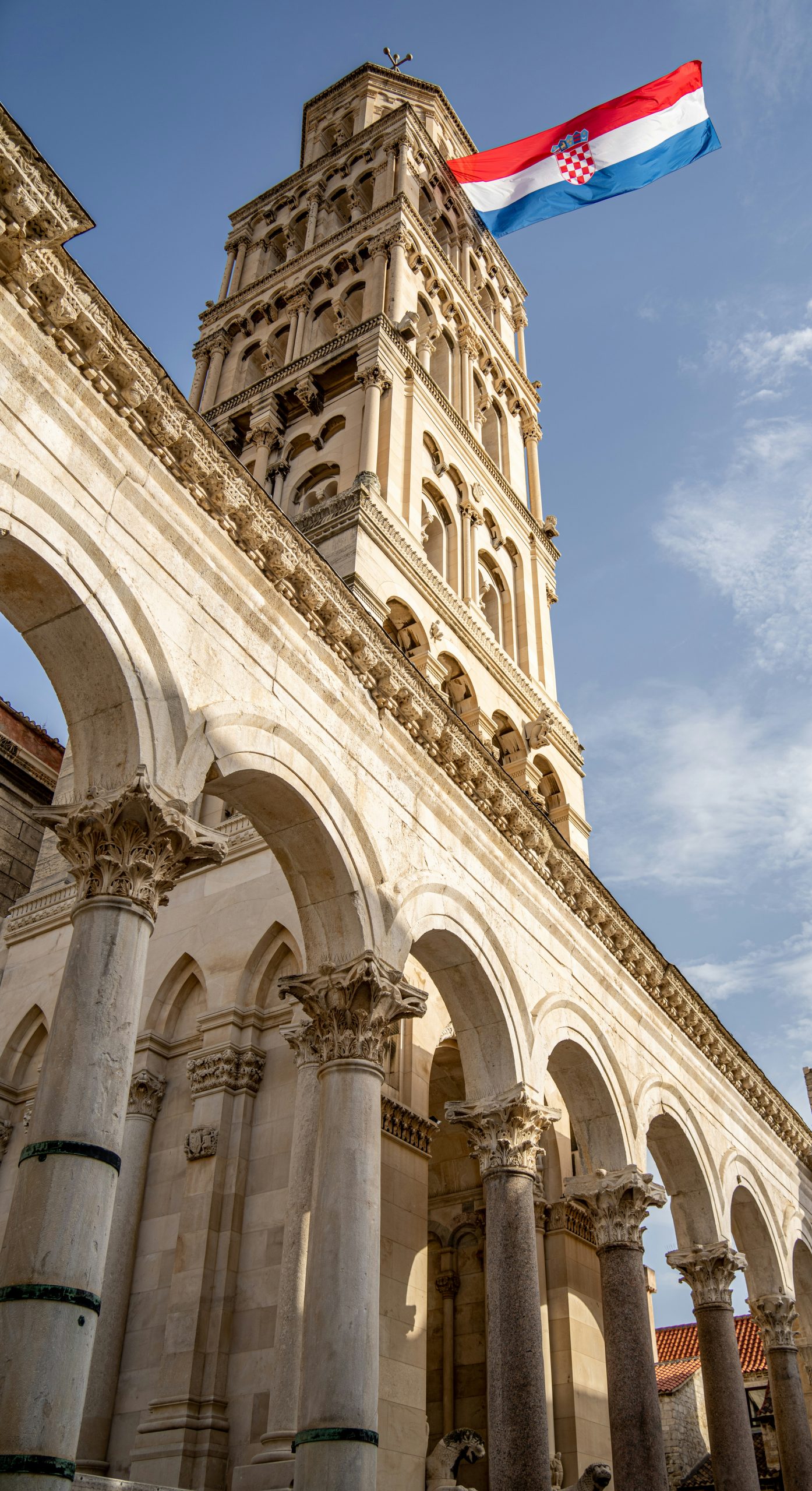
Split is the beating heart of the Dalmatian coast and the starting point for most Croatian itineraries, and for good reason. The old town is built inside Diocletian’s Palace, a Roman emperor’s retirement home constructed around 305 AD that now contains restaurants, bars, hostels, and apartments within its ancient walls. You don’t visit the palace in Split. You live inside it.
Beyond the palace walls, the city spills out along a beautiful waterfront promenade (the Riva), past the market at Pazar, and down to Bačvice beach where locals play picigin, a traditional game played in ankle-deep water that’s completely inexplicable until you’ve watched it for ten minutes.
Split is also the ferry hub of the Adriatic. From here you can reach Brač, Hvar, Šolta, and Vis in under two hours. Most backpackers use it as a base and end up staying far longer than planned.
Quick tip: The local ferry to Hvar costs a fraction of the organized day trip price and gets you there just as fast. Buy your ticket at the Jadrolinija booth at the ferry terminal and go independently.
🏨 Best Hostels in Split
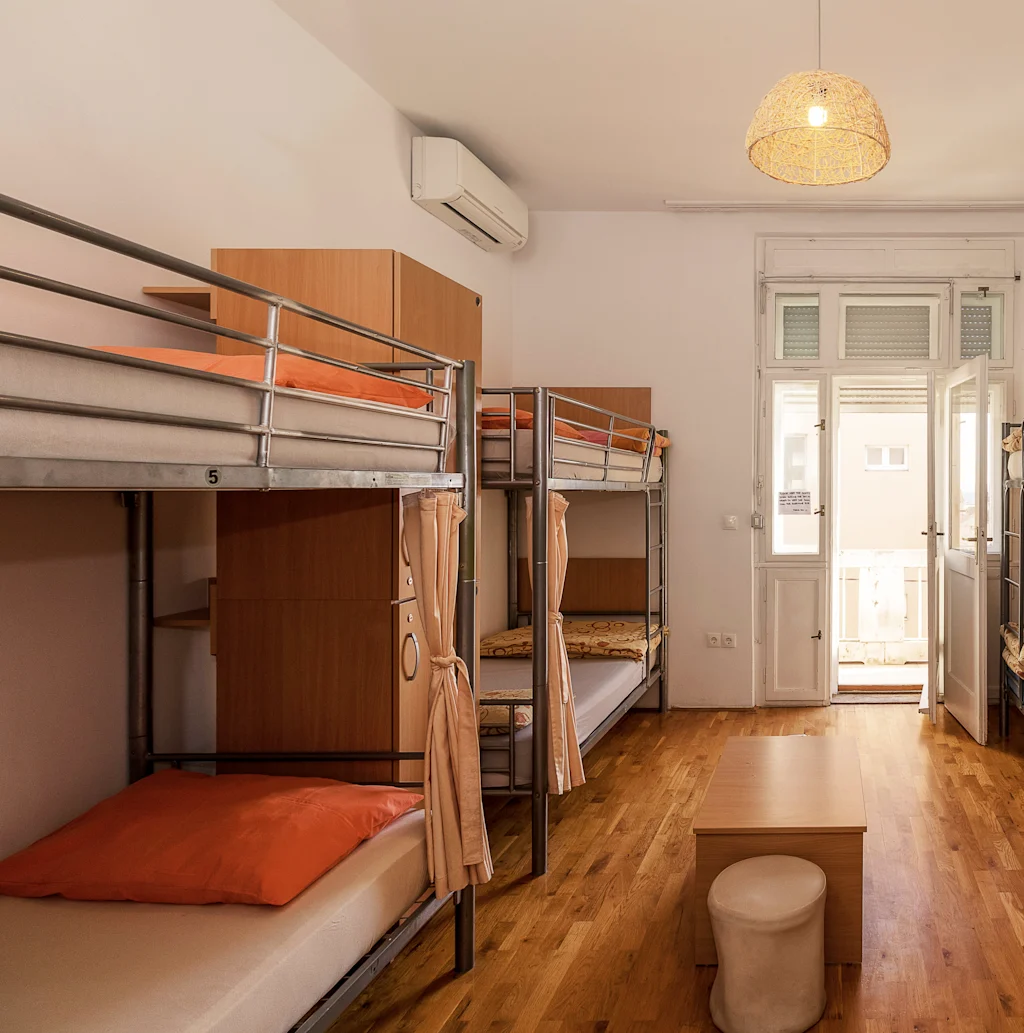
Split Backpackers
Rated a perfect 10 from over 1,500 reviews, Split Backpackers is one of the highest-rated hostels in all of Croatia. Five minutes from Bačvice beach and the Diocletian’s Palace area, with a social vibe that makes meeting people effortless from day one. Eight hosted events weekly, a balcony made for morning coffee and evening catch-ups, and staff who organize dinner plans, island trips, and nights out. The go-to for solo travellers.
Privates from €17, dorms from €14
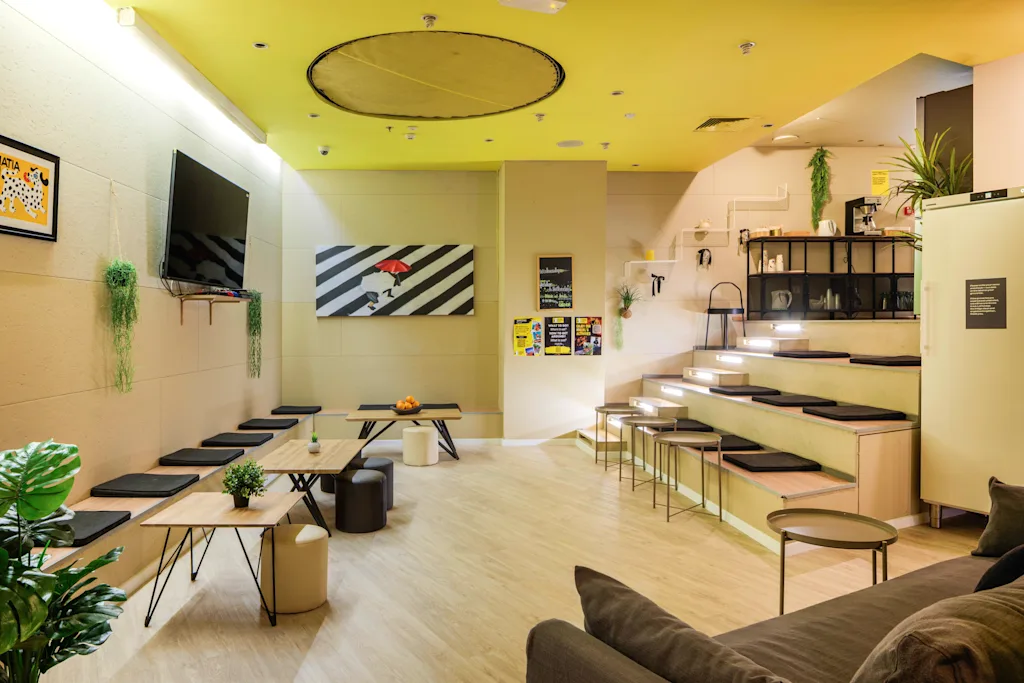
Hostel One Split
2026 Hoscars Country Winner. Rated 9.2 from nearly 700 reviews, Hostel One is 0.26km from the city centre with four organized events per week, free WiFi, and a reputation for genuine warmth. Reviews consistently highlight the staff and the community atmosphere. A strong alternative to Split Backpackers for travellers who want a social stay with slightly more comfort.
Privates from €24, dorms from €18
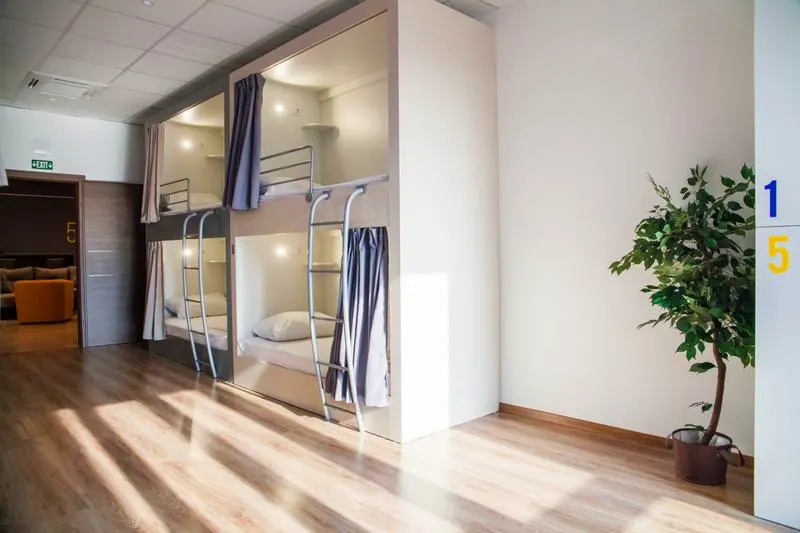
En Route Hostel
Rated 9.0 from over 2,600 reviews and one of the most consistently praised hostels in the city. Perfect location, friendly staff, and a memorable experience according to the hostel itself, which the reviews bear out. Dorm-only, well-priced, and within easy reach of both the palace area and the waterfront. A reliable, well-run choice for budget-focused travellers.
Dorms from €15
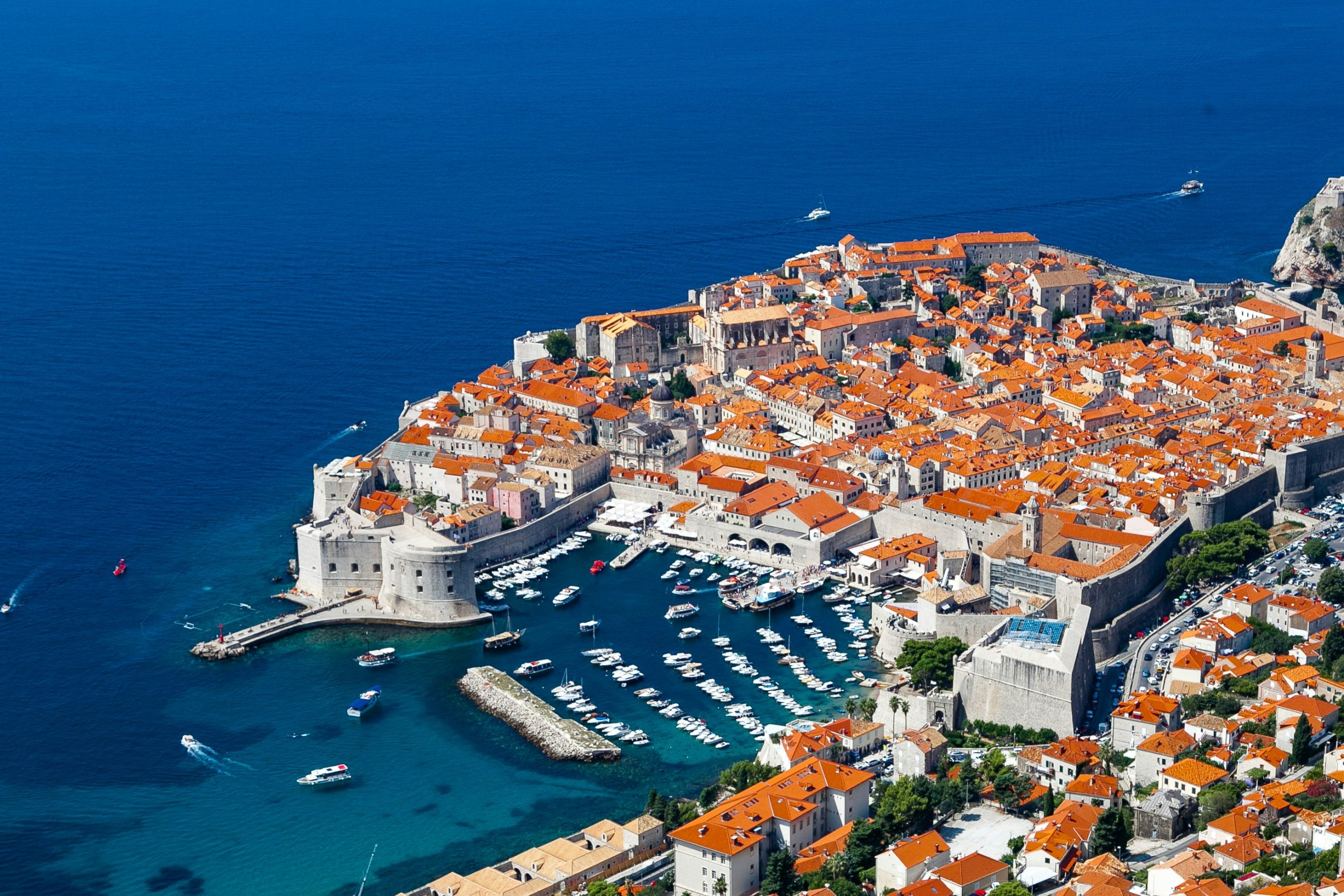
🏰 Dubrovnik: The Pearl of the Adriatic
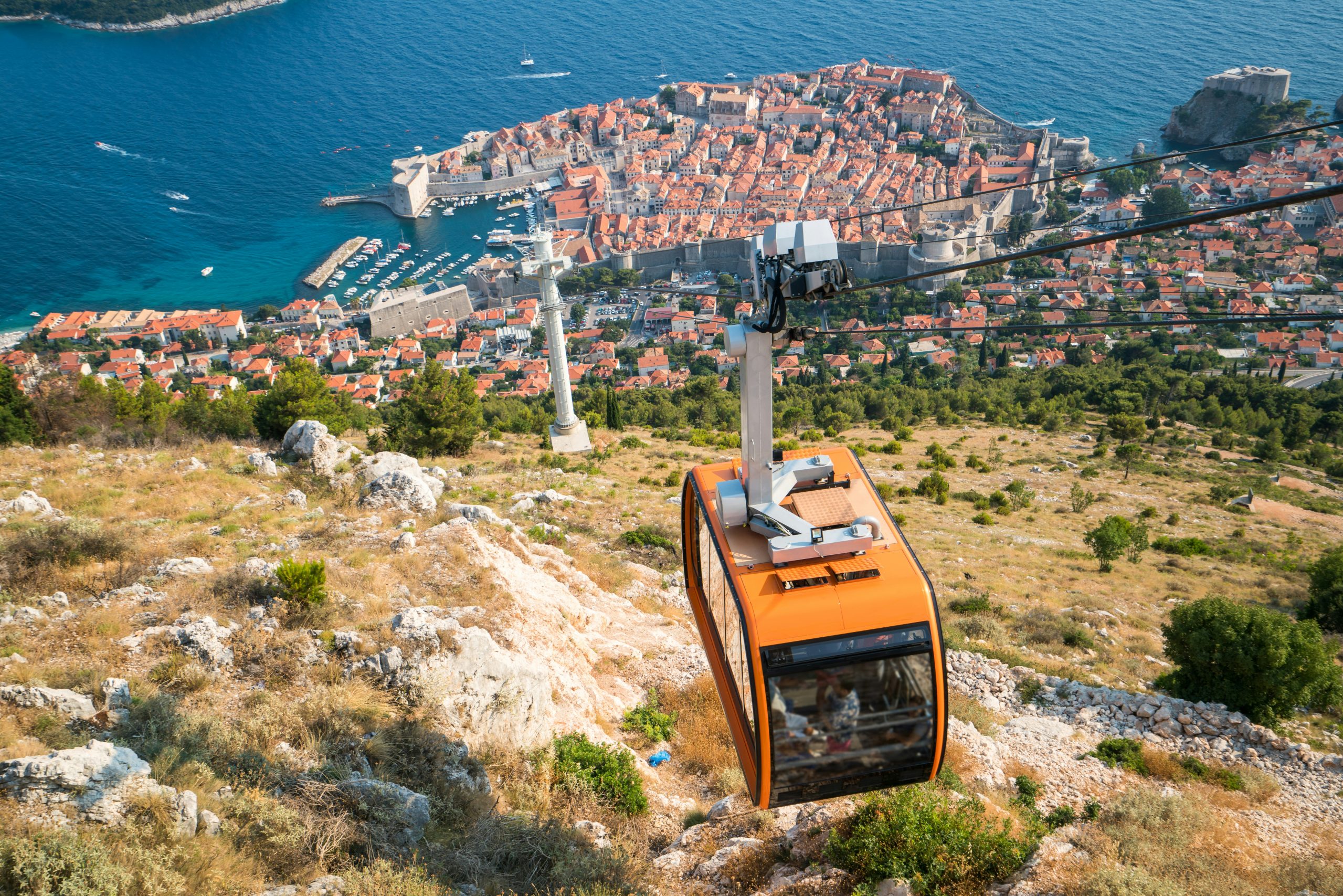
Dubrovnik earns every superlative. The medieval old town, encircled by 13th-century walls that you can walk in their entirety in under two hours, is one of the most dramatically preserved city centres in Europe. The marble streets, baroque churches, and views from the walls over the Adriatic are genuinely breathtaking, even accounting for the crowds.
It’s expensive and it’s busy in summer. Both things are true. But no Croatia itinerary is complete without it, and a good hostel makes the budget side very manageable. The trick is to arrive early in the day, walk the walls before 9am when they’re quiet and the light is soft, and retreat to a beach or the islands in the afternoon heat.
Lokrum Island, a short boat ride from the old town, offers shaded walking trails, a botanical garden, and swimming spots away from the main tourist flow. The island of Mljet, two hours by catamaran, has two saltwater lakes inside a national park that is one of the quietest and most beautiful places in Croatia.
🏨 Best Hostels in Dubrovnik
Book Hostel Angelina Old Town Dubrovnik
Hostel Angelina Old Town Dubrovnik
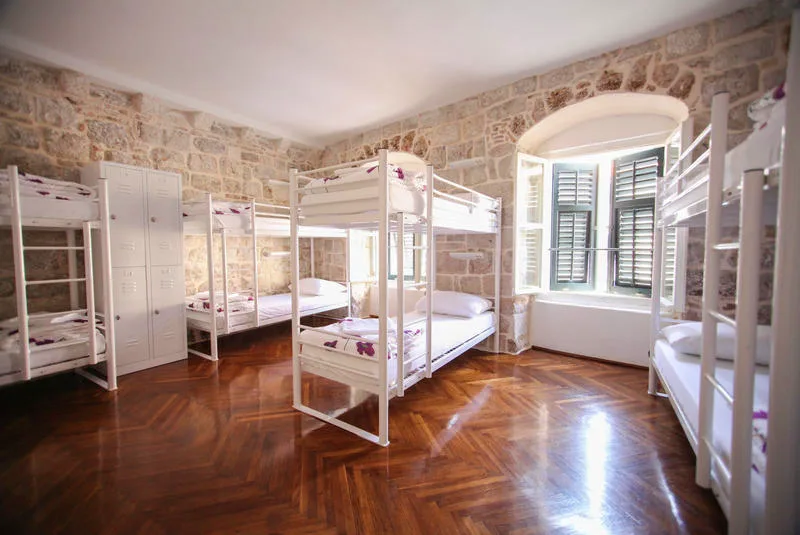
Rated 8.96 and consistently listed among the best hostels in Croatia overall, Hostel Angelina sits inside the old town itself with a terrace that has earned its own reputation. 4, 8, and 12-bed dorms plus private rooms, a fully equipped kitchen, lounge area, and a staff team that organizes sunset tours, cliff jumping, and kayaking. Groups capped at 8 to maintain the social atmosphere. The most popular budget option in Dubrovnik, and deservedly so.
Privates from €35, dorms from €30
Book Old Town Hostel Dubrovnik
Old Town Hostel Dubrovnik
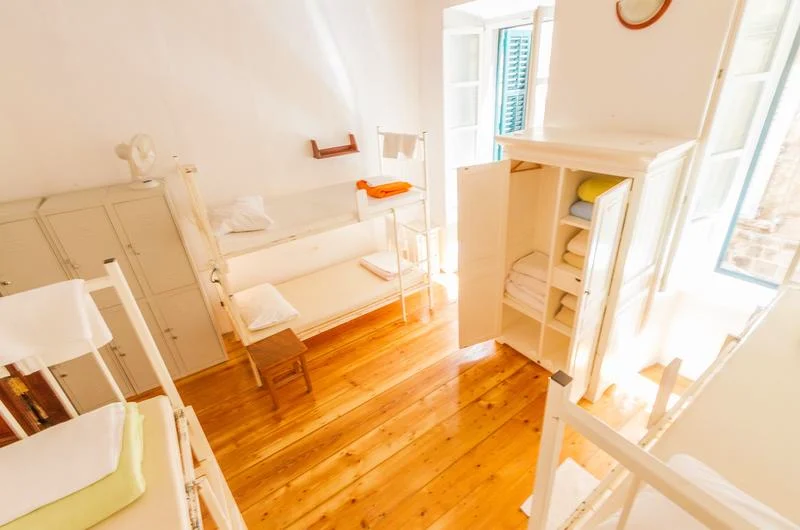
Rated 8.9, a boutique hostel set within the UNESCO World Heritage Site of Dubrovnik’s old town. Free breakfast included, reliable WiFi, and a setting that puts you inside the city walls rather than outside them looking in. Slightly pricier than other Dubrovnik options, but the location and the free breakfast close the gap quickly. Ideal for travellers who want comfort alongside the old town atmosphere.
Privates from €35, dorms from €27
Book Hostel and Rooms Ana Old Town Dubrovnik
Hostel and Rooms Ana Old Town Dubrovnik
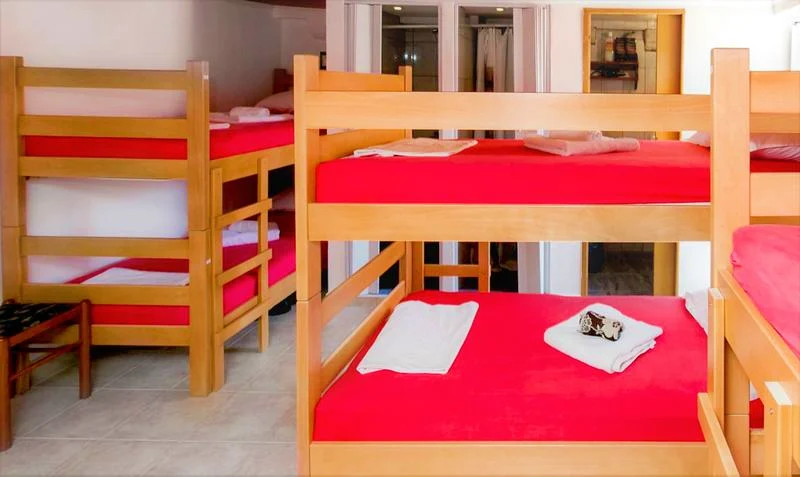
Right on Stradun, Dubrovnik’s main historic street, with free WiFi, free lockers, free linen and towels, a fully equipped kitchen, and exclusive discounts at local restaurants. The location doesn’t get more central than this. A well-run, friendly option that gets consistent praise for the staff and the value-for-money, given what you get for the price and where you’re sleeping.
Privates from €47, dorms from €25
🌊 Zadar: Croatia’s Most Underrated City
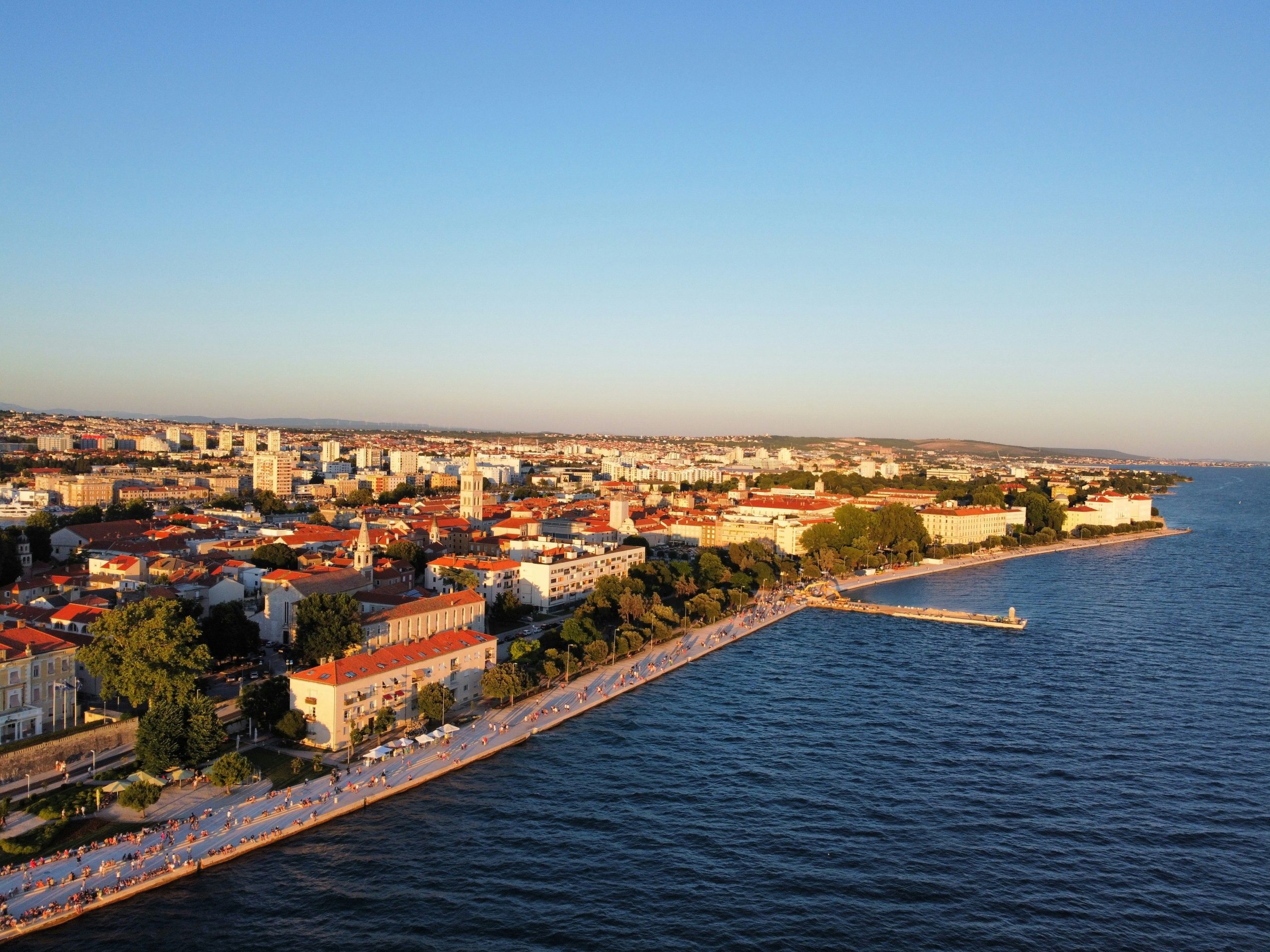
Zadar is the stop that surprises people most on the Croatian coast. It has a genuinely beautiful old town on a narrow peninsula jutting into the Adriatic, a mix of Roman, medieval, and Venetian architecture layered on top of each other, and two of the most unusual public art installations in Europe.
The Sea Organ, built into the stone steps of the waterfront promenade, uses wave action to produce musical notes through a series of pipes beneath the marble. The Greeting to the Sun, a circle of solar panels beside it, collects energy during the day and produces a light show at night. Both sound gimmicky. Both are genuinely moving in person, especially at sunset.
Zadar is also a practical base. Krka National Park, with its famous travertine waterfalls, is around an hour inland. Saharun Beach on Dugi Otok island, one of the finest beaches in Croatia, is reachable by ferry. And the city itself has a growing food and coffee scene that rewards slow exploration.
Worth knowing: Alfred Hitchcock reportedly called the sunset in Zadar the most beautiful in the world. Whether or not that’s apocryphal, the light from the promenade at dusk is extraordinary.
🏨 Best Hostels in Zadar
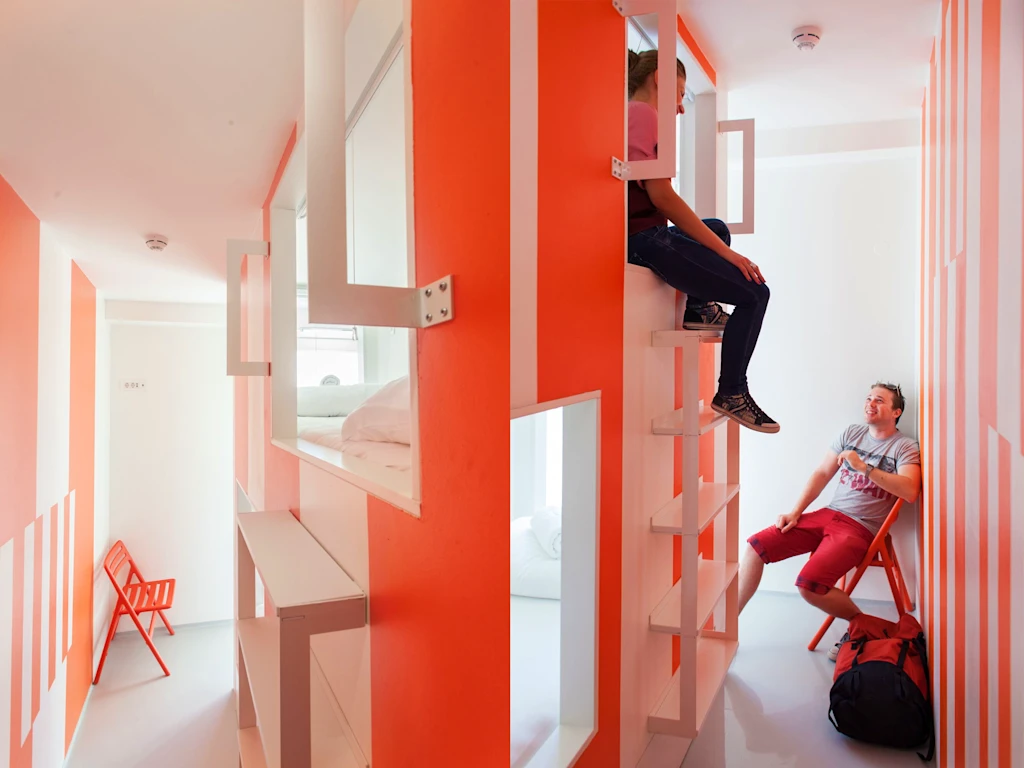
Boutique Hostel Forum
The standout option in Zadar, located right in the old town beside the Roman Forum that gives it its name. Bright, modern design with flashes of blue and orange, curtained dorms for privacy, indoor and outdoor lounges, and a central location that makes everything walkable. Consistently praised for cleanliness and atmosphere. The pick for travellers who want to be in the heart of the old town.
Privates from €28, dorms from €15
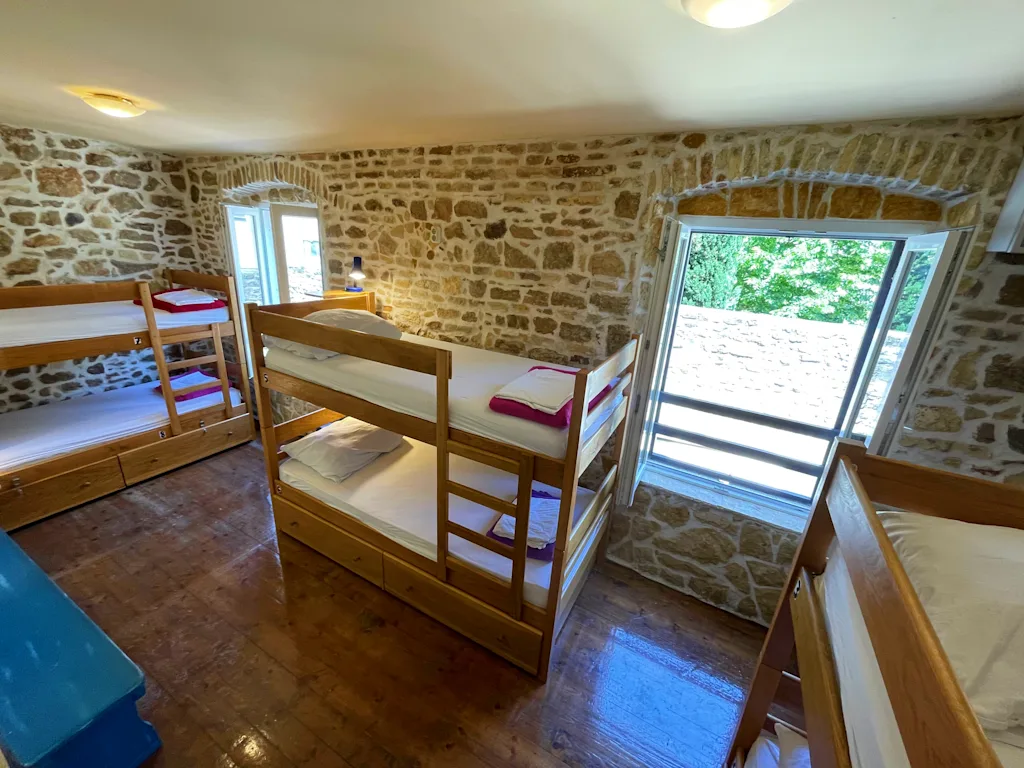
Tequila Bar Hostel
In the city centre with an on-site bar (Zlatni Kutić) that has a good selection of beers and cocktails and acts as the natural social hub for an evening in. The hostel itself is decorated in an old Dalmatian style that feels authentic rather than themed. Staff point guests toward excursions, and the bar makes meeting other travellers completely effortless. Good for travellers who want a social atmosphere without commuting to the nightlife.
Dorms from €19

🌺 Hvar: Sun, Lavender and the Adriatic’s Best Island Energy
Hvar Island gets more sunshine than almost anywhere in Europe, more than 2,700 hours per year, and it wears that light well. The town of Hvar is medieval, whitewashed, and positioned around a beautiful harbour with a 16th-century Venetian loggia and a fortress above it that turns golden at sunset. The island’s interior is covered in lavender fields and vineyards. The south coast has some of the most secluded swimming spots in Croatia.
It’s also one of the most social islands in the Adriatic. The nightlife in Hvar Town is well-established, the hostel scene is genuinely fun, and the Pakleni Islands just offshore provide a ready-made afternoon of taxi boats and swimming coves. But Hvar rewards people who look beyond the harbour too. A 30-minute bus to Stari Grad or Jelsa finds a completely different pace: fishing harbours, Renaissance palaces, local wine in restaurants where the menu is whatever was caught that morning.
🏨 Best Hostels in Hvar
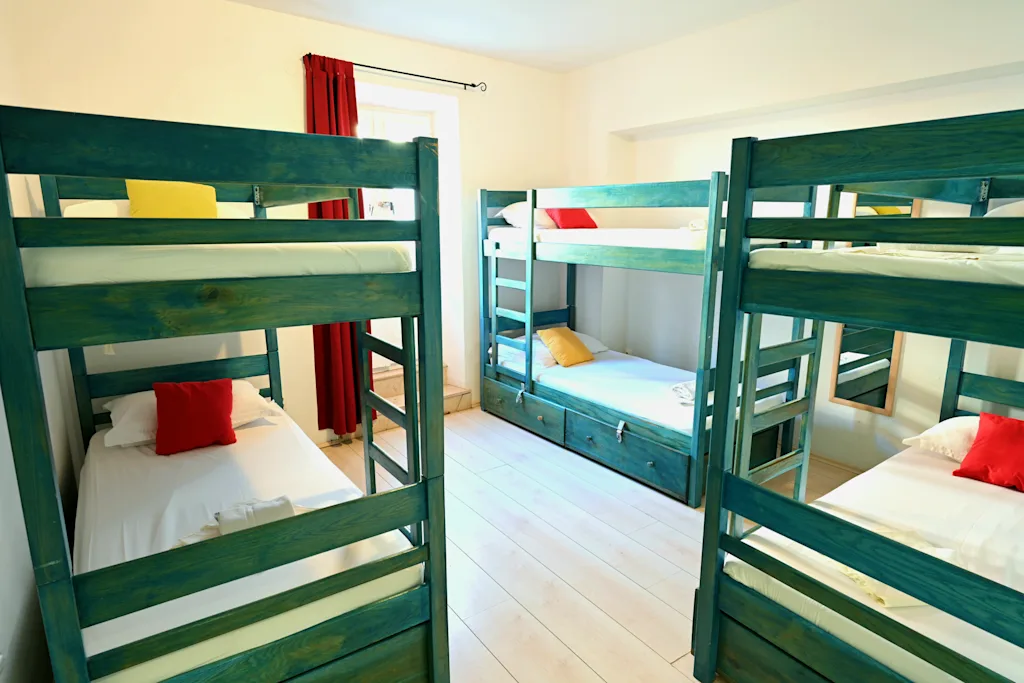
The White Rabbit Hostel
Right in the centre of Hvar Town, run by two travellers who built it around what they actually wanted from a hostel. Reliable WiFi, a social atmosphere, and a team that knows the island inside out. A favourite among solo travellers and digital nomads for the community feel and the quality of the local tips. Consistently praised across reviews for being welcoming and well-run.
Privates from €33, dorms from €28
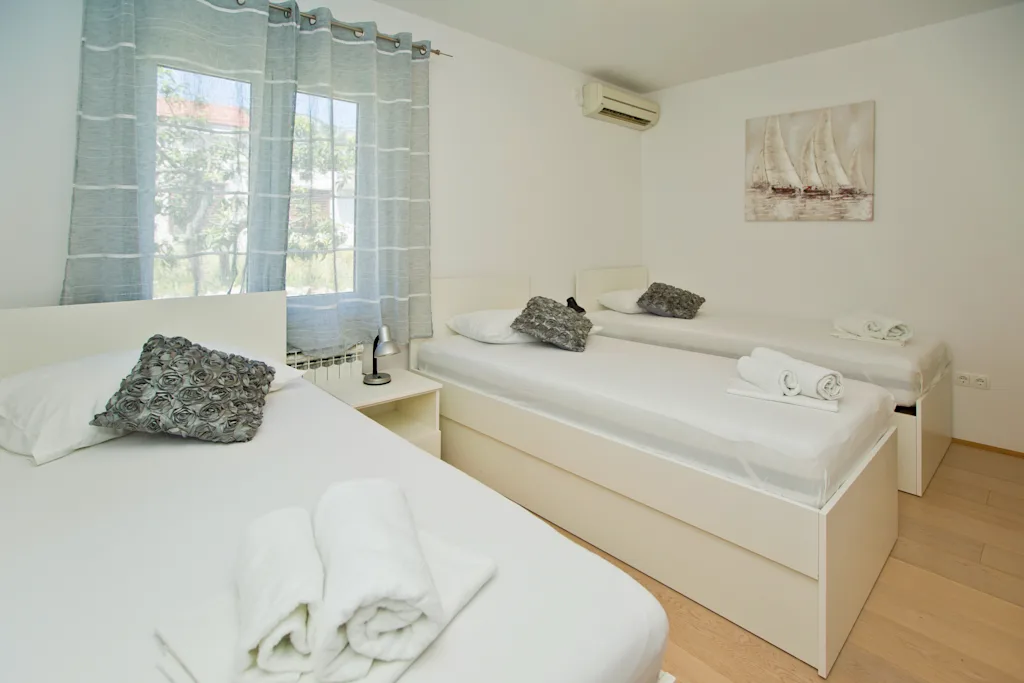
Luka’s Lodge
One of the longest-running and most beloved hostels on Hvar, with an owner (Luka) who has been welcoming backpackers for years and built a genuinely loyal following. Free homemade food, a patio bar that catches the sunset, a pub crawl, and the kind of hostel atmosphere that makes you want to extend your stay. Less than 10 minutes from the port, with easy access to ferry connections.
Dorms from €28
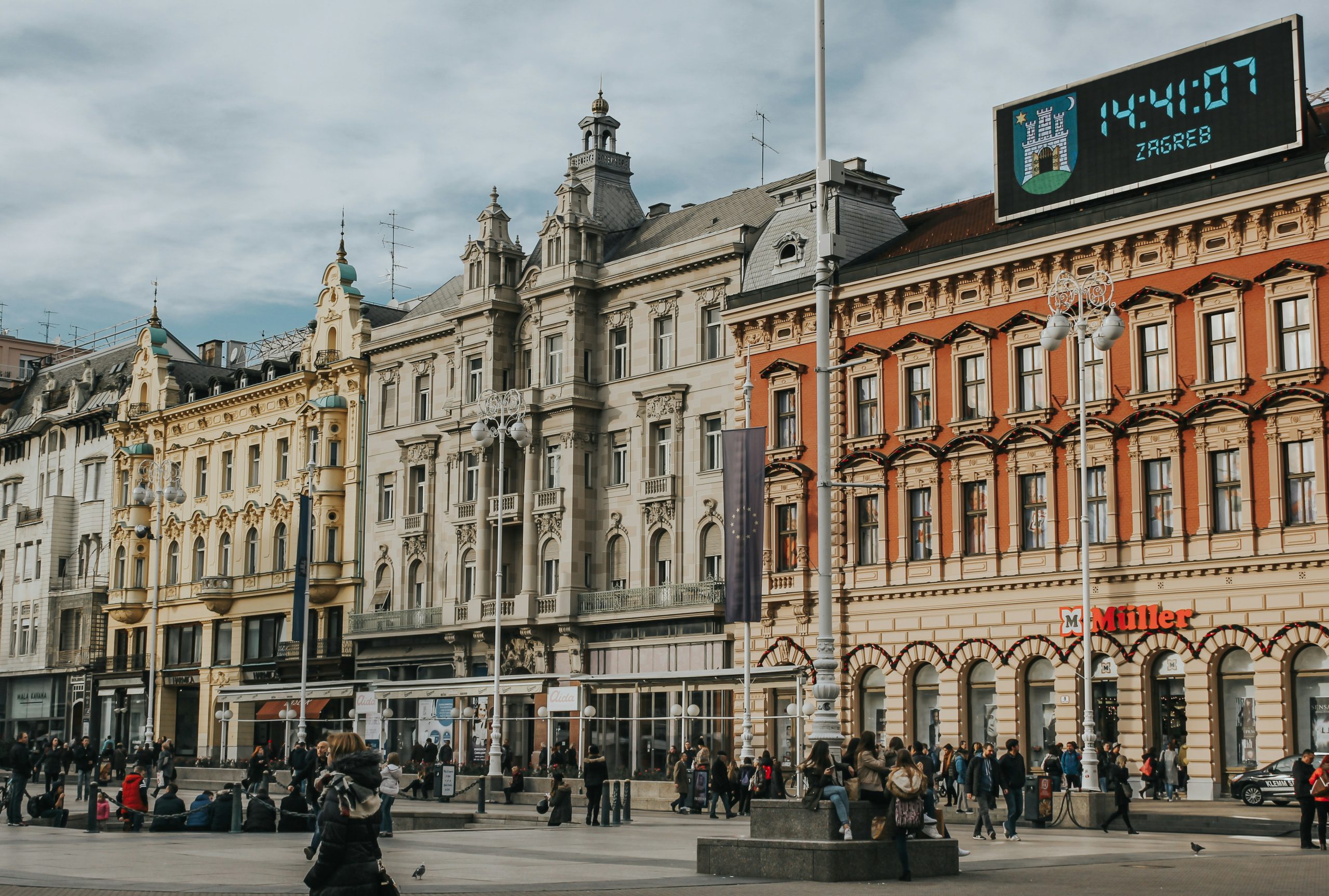
🏙️ Zagreb: The Capital Worth Stopping For
Zagreb is often skipped by travellers focused on the coast, and that’s their loss. The Croatian capital has a genuinely excellent café culture, an Upper Town (Gornji Grad) of cobblestoned streets and terracotta roofs, and a Lower Town (Donji Grad) of Austro-Hungarian boulevards lined with galleries and markets. The Museum of Broken Relationships, a collection of objects donated by people from ended relationships around the world, is one of the most unexpectedly moving museums in Europe.
🏨 Best Hostels in Zagreb
Zagreb also has one of the best hostel scenes in Croatia, anchored by a property that has become something of a legend in the European backpacker circuit.
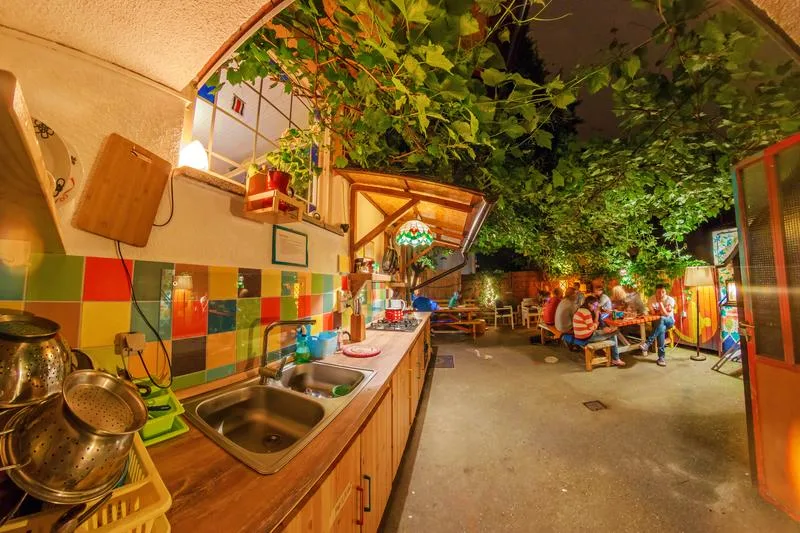
Hostel Mali Mrak Zagreb
The highest-rated hostel in Zagreb on Hostelworld, with a remarkable 9.8 from over 3,000 reviews. Mali Mrak sits 3.68km from the city centre in a quieter residential setting, which is reflected in the atmosphere: calm, personal, and exceptionally well-run. Reviews are consistently effusive about the staff and the home-away-from-home feel. The pick for travellers who prioritise quality and warmth over a central party atmosphere.
Privates from €25, dorms from €21
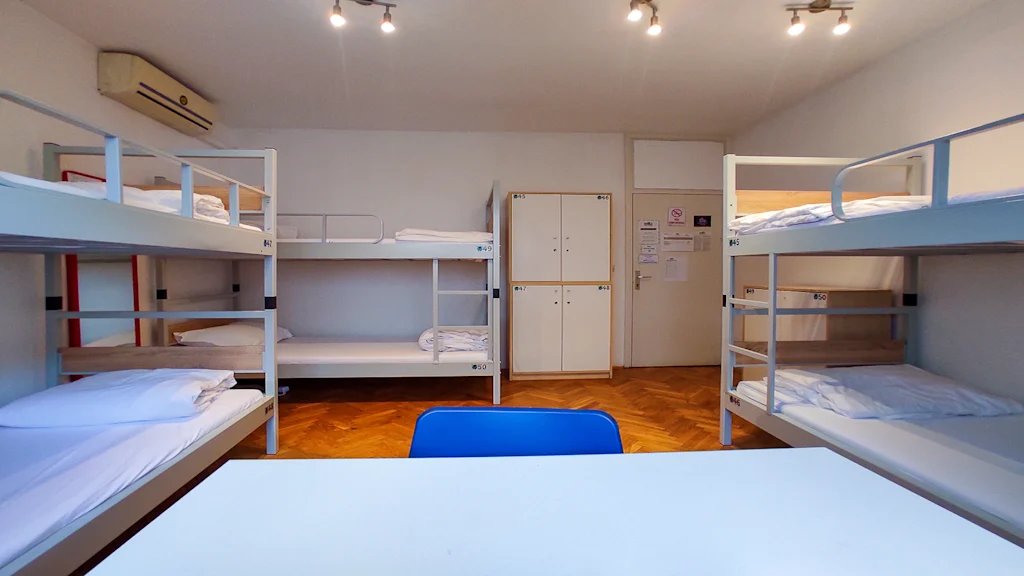
Book Whole Wide World Hostel & Bar
Whole Wide World Hostel & Bar
2025 HOSCAR Country Winner, first place in Croatia. Rated 9.0 from over 3,200 reviews, with five organized events per week, free breakfast, and an on-site bar that makes evenings genuinely social. The hostel is upfront about what it is: a party hostel where noise past midnight is part of the deal. If you want to meet people, drink well, and explore Zagreb with a group, this is where you should be.
Privates from €33, dorms from €26
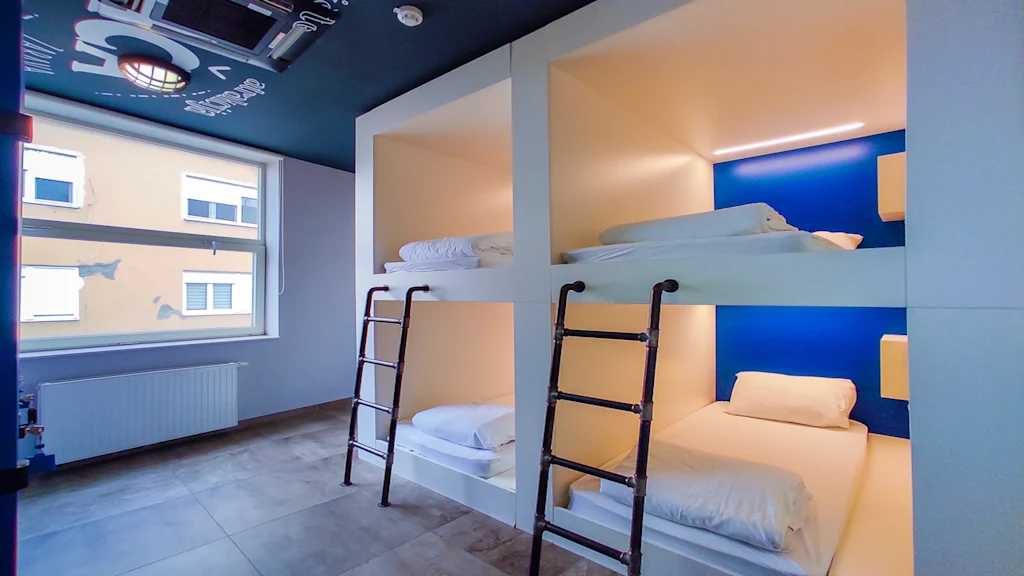
Main Square
Rated 9.3 from nearly 2,000 reviews and located 0.08km from Zagreb’s main square, it doesn’t get more central than this. A great starting point for first-time visitors who want to walk out the door and immediately be in the city. Well-reviewed for cleanliness, helpful staff, and easy access to Zagreb’s café culture, Upper Town, and the Museum of Broken Relationships.
Privates from €29, dorms from €25
💸 Croatia on a Budget: What to Expect
Croatia is not the cheapest destination in Europe, but budget travel is very manageable with the right approach.
| Category | Approximate Cost |
|---|---|
| Hostel dorm | €15-32/night |
| Local lunch (konoba) | €8-14 |
| Coffee and pastry | €3-5 |
| Local ferry (Split to Brač) | €5-8 |
| City-to-city bus (Split to Dubrovnik) | €15-25 |
| Walk the Dubrovnik walls | €35 (book online) |
| Beer at a local bar | €3-5 |
| Gelato from a side street | €2-3 |
Money-saving tip: The local Jadrolinija ferries are significantly cheaper than private speedboats and catamarans for island transfers. They’re slower and more scenic. For most island hops on the Dalmatian coast, they’re the right choice.
🚢 Getting Around Croatia
Croatia’s geography is its greatest asset and its main logistical challenge. The coastline stretches for nearly 1,800km including islands, and most of the best destinations are not on the same road.
By bus: Flixbus and local operators connect all major coastal cities. The Split to Dubrovnik route runs several times daily and takes around three hours, passing through Bosnia and Herzegovina at Neum (bring your passport). Book ahead in July and August when buses fill weeks in advance.
By ferry: Jadrolinija is the main operator connecting the mainland to the islands. Catamarans are faster, ferries are cheaper and can carry vehicles. A full schedule is available at jadrolinija.hr. Split is the main hub for island connections south of Zadar.
By car: Gives you the most flexibility, particularly for the islands of Brač and Korčula where villages are spread out. Parking in old towns is expensive or impossible, but the coastal drives are spectacular.
Flying in: Zagreb, Split, and Dubrovnik all have international airports. Split is the most convenient entry point for a Dalmatian coast trip. Dubrovnik’s airport is worth knowing about for one-way fly-in, fly-out itineraries.
🗓️ Best Time to Visit Croatia
| Season | What to Expect |
|---|---|
| June | Warm, beautiful, busy but not overwhelming. The sweet spot. |
| July and August | Peak season. Crowds, high prices, extraordinary energy. Book everything weeks in advance. |
| September | The best month. Sea still warm, crowds thinning, prices dropping. Locals reclaim their city. |
| October | Quiet, cheap, some businesses close on islands. Good for cities, less ideal for beaches. |
| May | Shoulder season. Warm enough for swimming, genuinely relaxed. |
For first-time visitors: aim for June or September. For backpackers who don’t mind crowds and want the full summer energy: July and August deliver it completely.
✅ Final Thoughts: Planning Your Croatia Trip
The best Croatia itinerary connects the dots between these destinations rather than rushing through them. Split needs at least three days, ideally more if you’re using it as a base for island trips. Hvar deserves two nights minimum. Dubrovnik rewards a slower pace than most people give it. And Zadar, which most travellers slot in as a quick stop between Split and Zagreb, has a habit of holding people for longer than expected.
The islands are the part that stays with people longest. Vis, the most remote of the main Dalmatian islands and the last to open to tourism (it was a Yugoslav military base until 1989), is the one that feels most genuinely undiscovered. Korčula has a medieval old town that rivals Dubrovnik’s without the crowds. Mljet is a national park. Brač has Zlatni Rat, one of the most photographed beaches in the Mediterranean, and the stone quarried there was used to build the White House in Washington.
Croatia rewards the traveller who leaves the main route. Take the local ferry. Book the hostel. Stay an extra day.
Download the Hostelworld app to start booking now


❓ FAQs: Best Places to Visit in Croatia
Is Croatia expensive?
It's mid-range by European standards. The coast and islands cost more than inland Croatia, and July and August prices are significantly higher than shoulder season. Budget backpackers can manage on €50-70 per day including accommodation, food, and a ferry or two.
How do I get from Split to Dubrovnik?
By bus (3 hours, €15-25), catamaran (around 3 hours in summer, scenic and popular), or the coastal road by car. The bus route passes briefly through Bosnia, so carry your passport.
How many days do I need in Croatia?
Ten to fourteen days is a comfortable minimum for Split, one or two islands, Dubrovnik, and Zadar. A week covers the highlights but feels rushed. Three weeks lets you slow down and explore properly.
Is Hvar worth visiting?
Yes. It's one of the most beautiful islands in the Adriatic and the combination of old town, beaches, interior villages, and nightlife is genuinely hard to find elsewhere in Croatia.
What is the best island in Croatia?
It depends on what you want. Hvar for social energy and beauty. Vis for authenticity and seclusion. Brač for Zlatni Rat beach. Korčula for history and wine. Mljet for national park landscapes and quiet.
When should I book Croatian hostels?
For July and August, book at least four to six weeks in advance, especially in Dubrovnik and Hvar where the best hostels fill very early. For June and September, two to three weeks ahead is usually sufficient.
Do I need a visa for Croatia?
Croatia joined the Schengen Area in 2023. EU citizens and nationals of many other countries, including the UK, US, Australia, and Canada, can enter without a visa for short stays. Always verify current requirements before travelling.


 Get the App.