
Free Things to Do in Porto
Porto has a reputation for being one of Western Europe’s better bargains, and it earns it. The city’s best moments tend to be the ones nobody charges you for: the walk across the top deck of the Dom Luís I Bridge, the smell of grilled sardines drifting out of a Bonfim side street, the slow slide of the sun behind the Douro while somebody plays guitar badly and everyone claps anyway.
That said, Porto has changed. Ticket prices at the headline attractions have climbed fast, and it’s easy to spend €60 before lunch if you follow the crowd. So this guide skips the queues and focuses on the free things to do in Porto that actually feel worth your time, along with the cheap food, the parks, the museums with free entry windows, and the best hostels in Porto for keeping your nightly spend low.
Bring comfortable shoes. Porto is steep, and the good stuff is uphill.
🧭 What are the best free things to do in Porto?
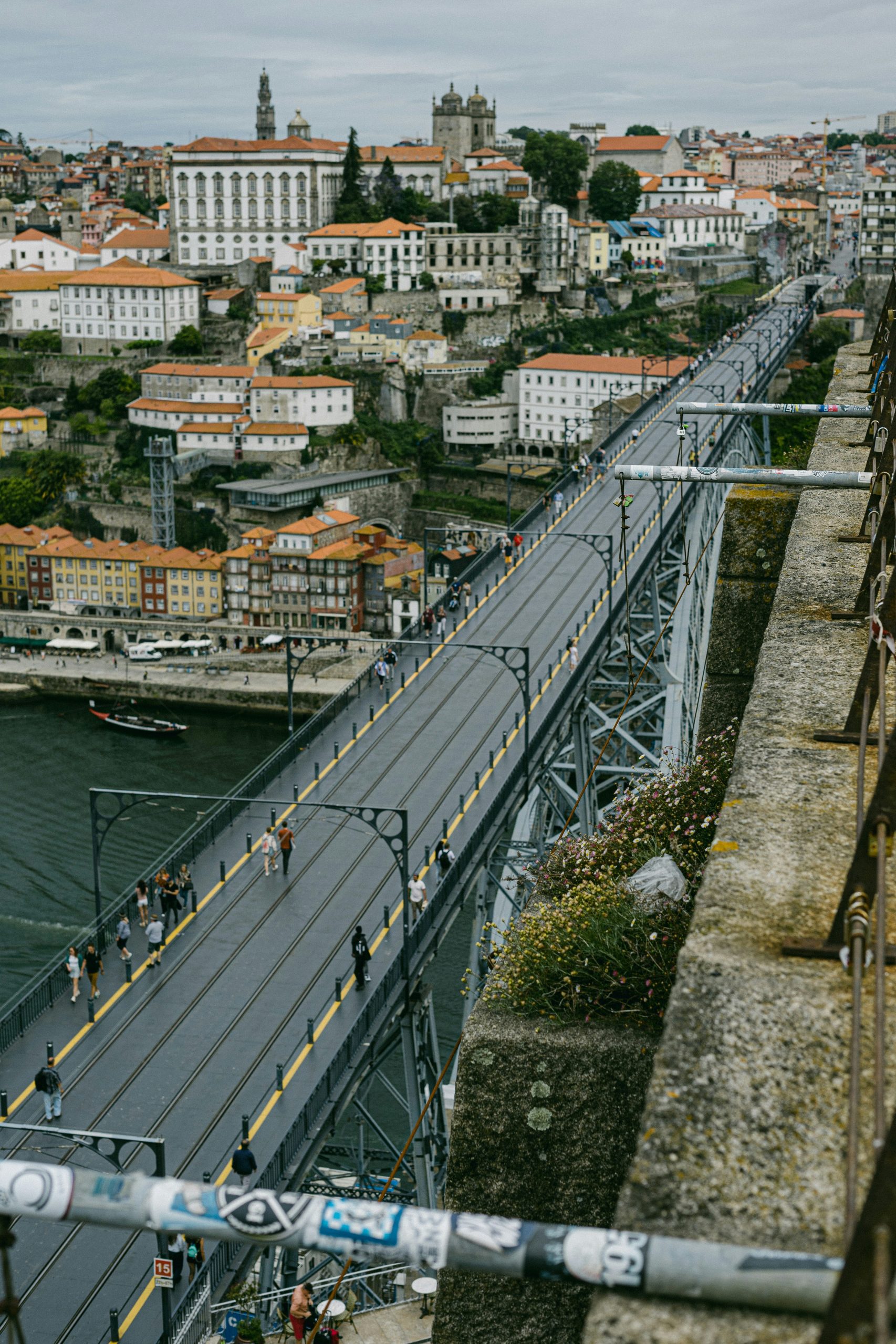
The short answer: walk, climb, and look at things. Porto’s historic centre is UNESCO-listed and most of it is outdoors, which means the city’s greatest hits cost nothing at all.
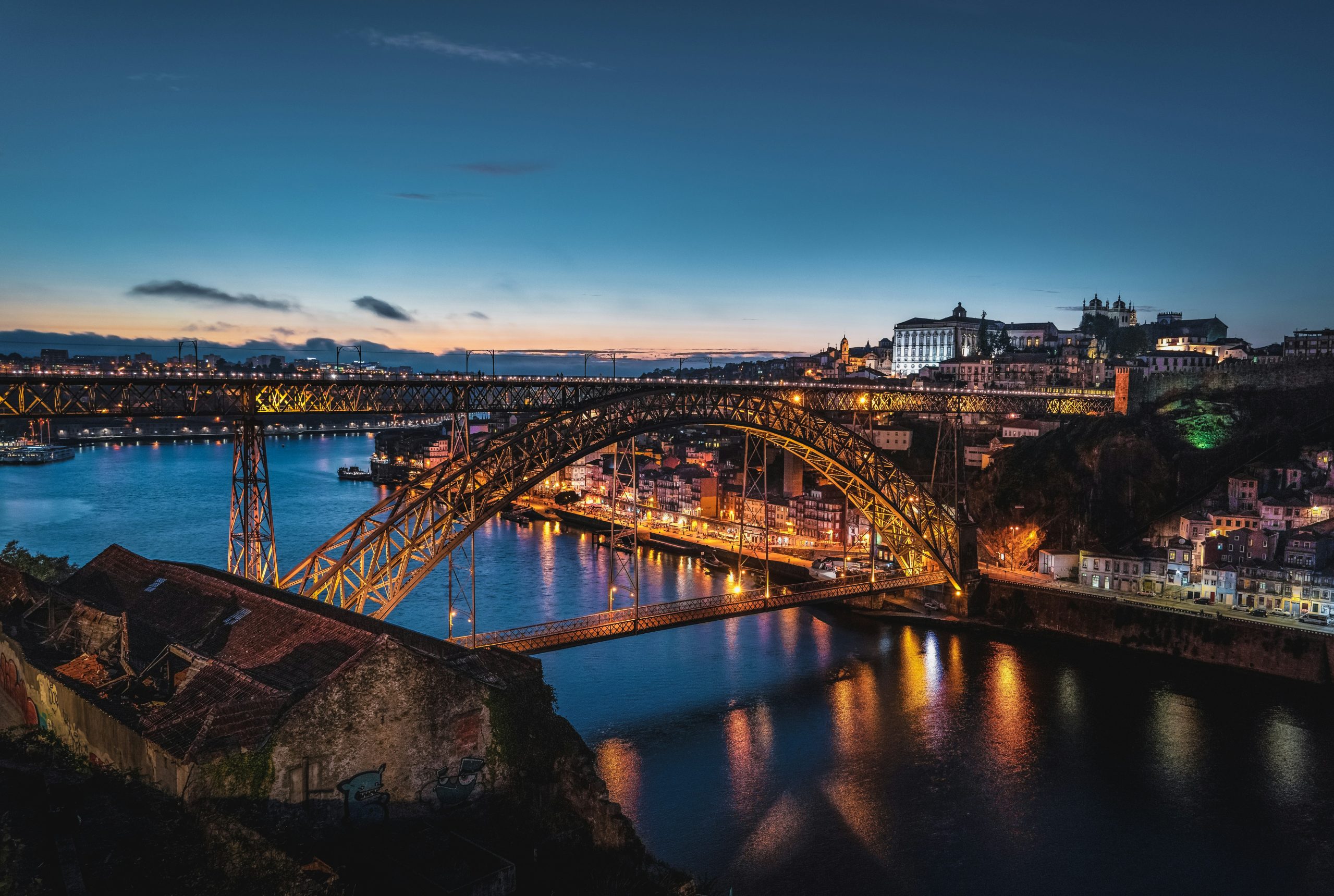
- The upper deck of the Dom Luís I Bridge. The single best free view in the city, and you can walk it in ten minutes. Go early if you want photos without other people’s elbows in them.
- Cais da Ribeira. Tiled facades, laundry lines, rabelo boats. Touristy, yes. Still gorgeous.
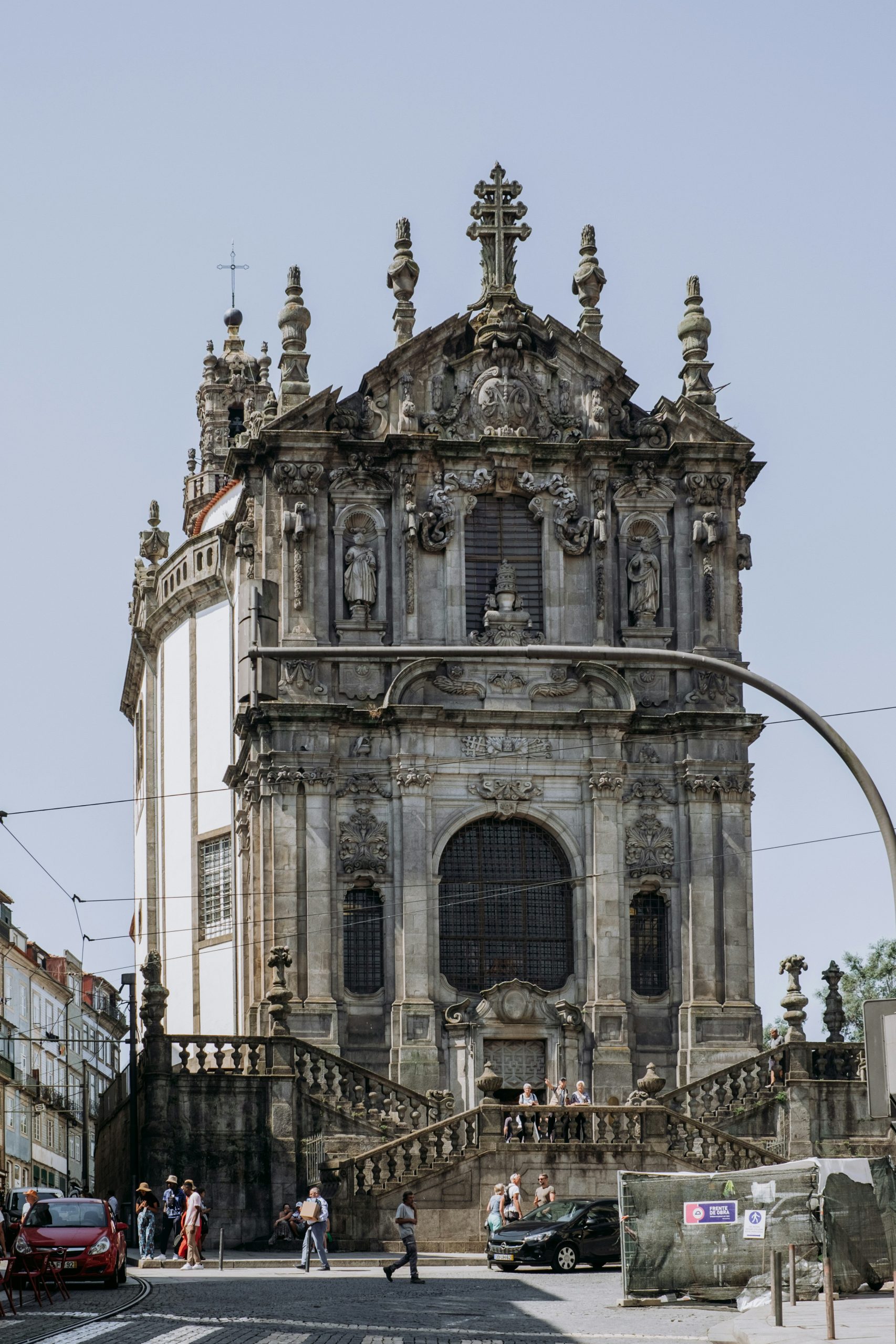
- São Bento railway station. Roughly 20,000 hand-painted azulejos in the entrance hall, and you don’t need a ticket to stand there staring at them.
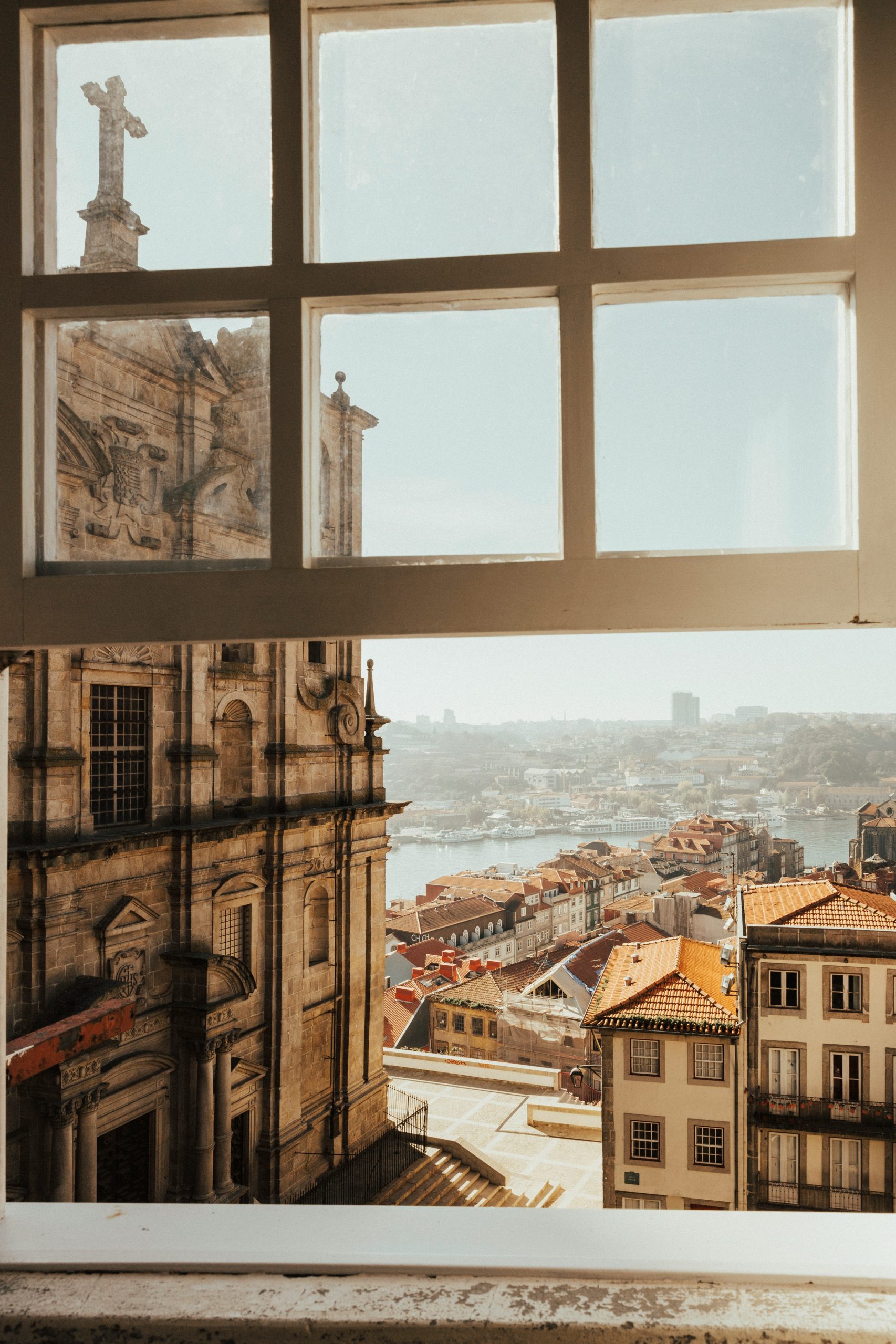
- Terreiro da Sé. The terrace beside the cathedral gives you rooftops, river and bridge in one sweep.
- Jardim do Morro, across in Gaia. Porto’s unofficial sunset amphitheatre.
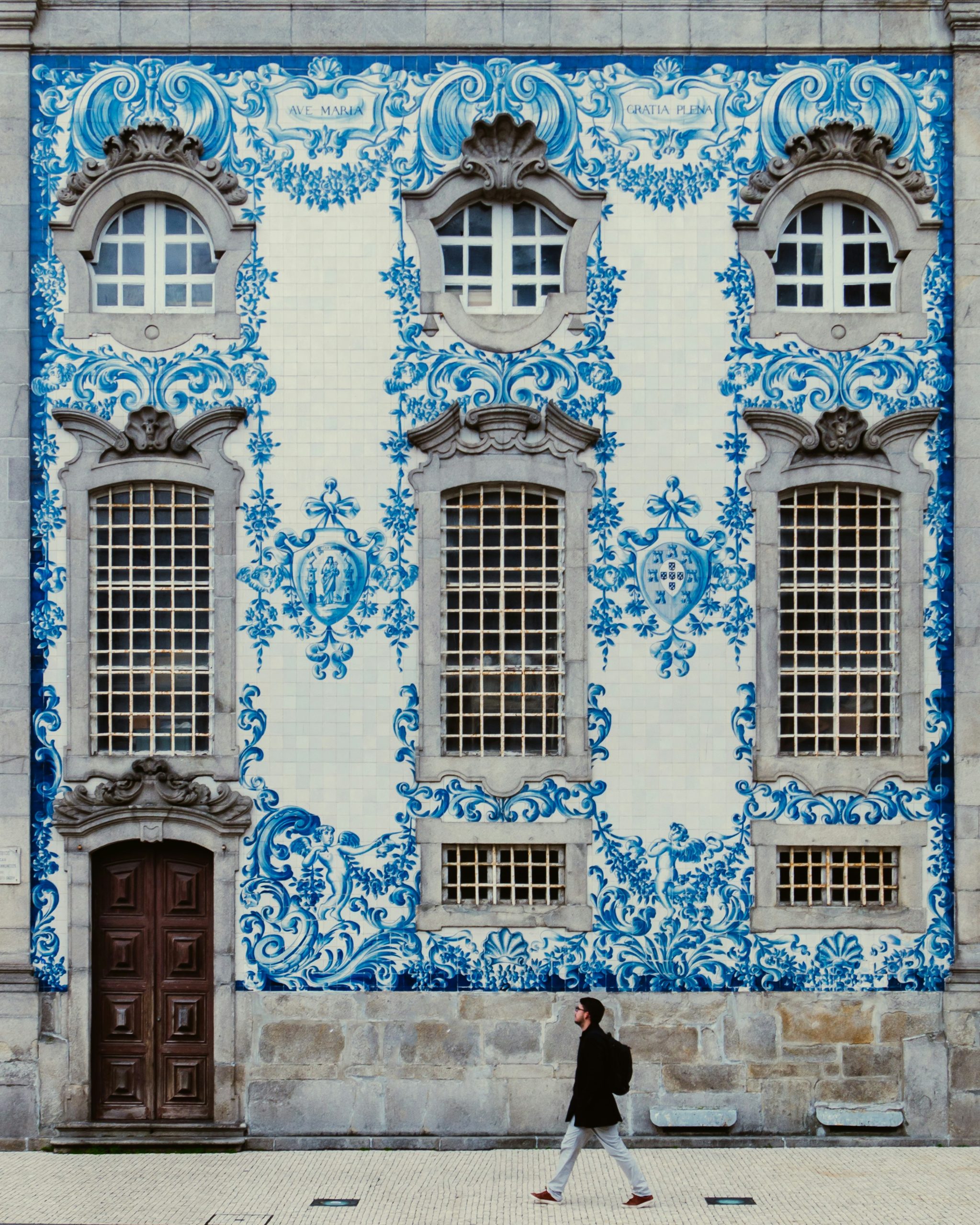
- Capela das Almas. A church wrapped entirely in blue tile, right on Rua de Santa Catarina.
Worth knowing before you budget: Clérigos Tower (around €10), Livraria Lello (around €8, redeemable against a book) and Palácio da Bolsa are all paid entry, despite what half the internet implies. Our wider guide to things to do in Porto covers which ones justify the spend.
🚶 Are free walking tours in Porto actually free?
Sort of. Free walking tours in Porto run on a tip-based model, so there’s no ticket price and no card machine, but there is a guide standing in front of you at the end who has just worked for three hours.
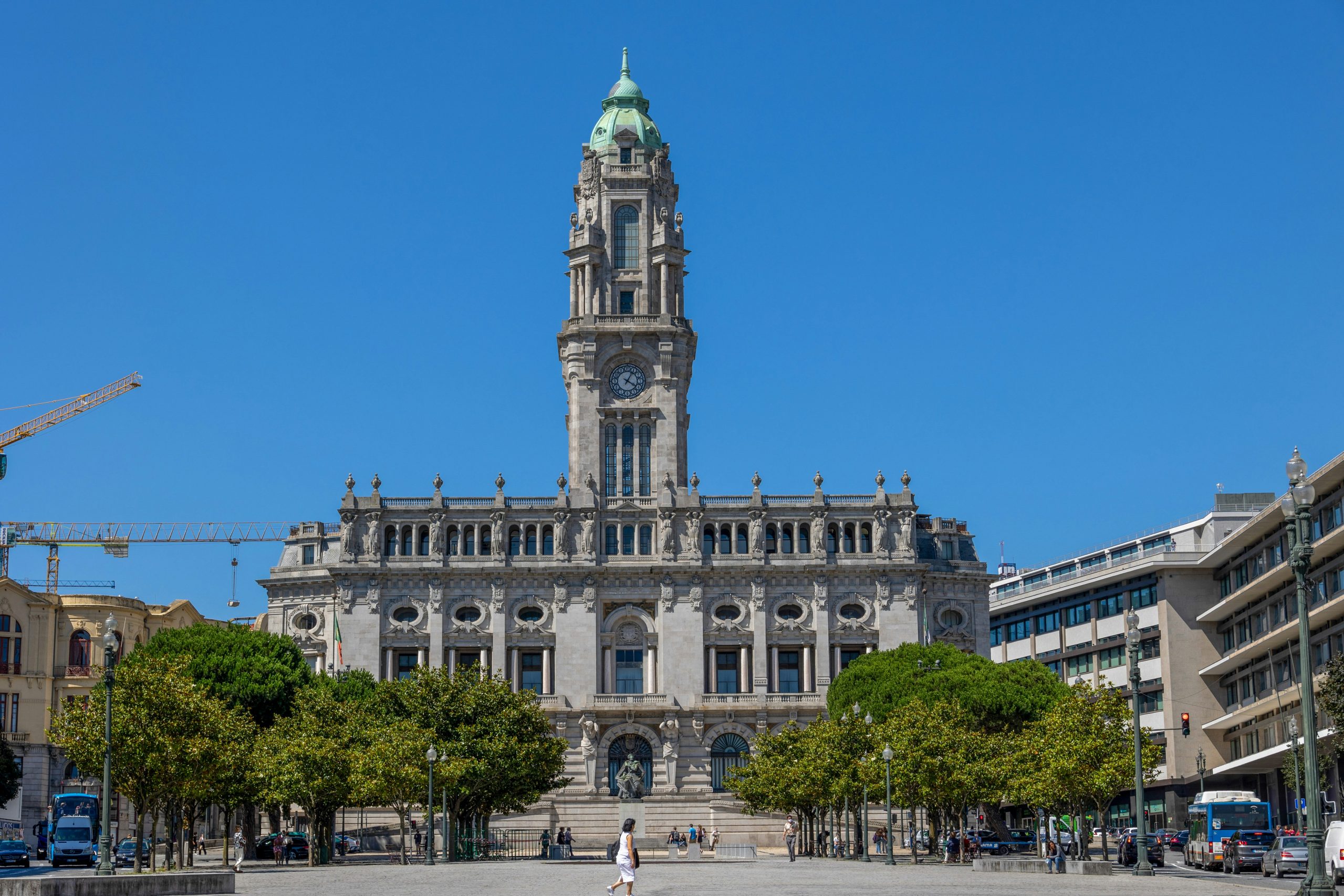
Most travellers hand over €5 to €10 per person, and that’s a fair rate for a guided introduction to the old town, the tile churches and the Gaia riverfront. Groups usually gather around Praça da Liberdade or the Clérigos area in the morning, and operators like Porto Free Walking Tour and Feel Porto run daily departures.
Quick tip: Book online the night before between June and September. Free tours cap group sizes now, and walk-ups get turned away more often than people expect.
Plenty of Porto hostels also run their own tours, pub crawls and family dinners, listed as Linkups on Hostelworld hostel pages and inside the app. You can also check out all events happening in Porto. If you’re travelling alone, joining one on night one is by far the fastest way to end up with a group, as our guide to finding hostel events and meetups in any city explains.
🍮 Where can you eat and drink cheaply in Porto?
Porto is still one of the cheapest food cities in Western Europe, as long as you stay out of the restaurants with laminated menus in six languages.
| What you’re ordering | Typical price |
|---|---|
| Espresso at the counter | €0.80 to €1.20 |
| Pastel de nata | €1.20 to €1.80 |
| Bifana (pork sandwich) | €3 to €5 |
| Prato do dia lunch, drink included | €8 to €12 |
| Francesinha | €10 to €14 |
| Glass of vinho verde | €2 to €3 |
| Supermarket picnic for two | around €8 |
Two habits will save you the most money. First, eat your big meal at lunch, when almost every neighbourhood tasca runs a prato do dia. Second, use your hostel kitchen at least every other night, because Continente and Pingo Doce are absurdly cheap. A kitchen is worth filtering for when you book, and our notes on choosing a genuinely social hostel explain why communal dinners are usually where the food budget quietly drops.
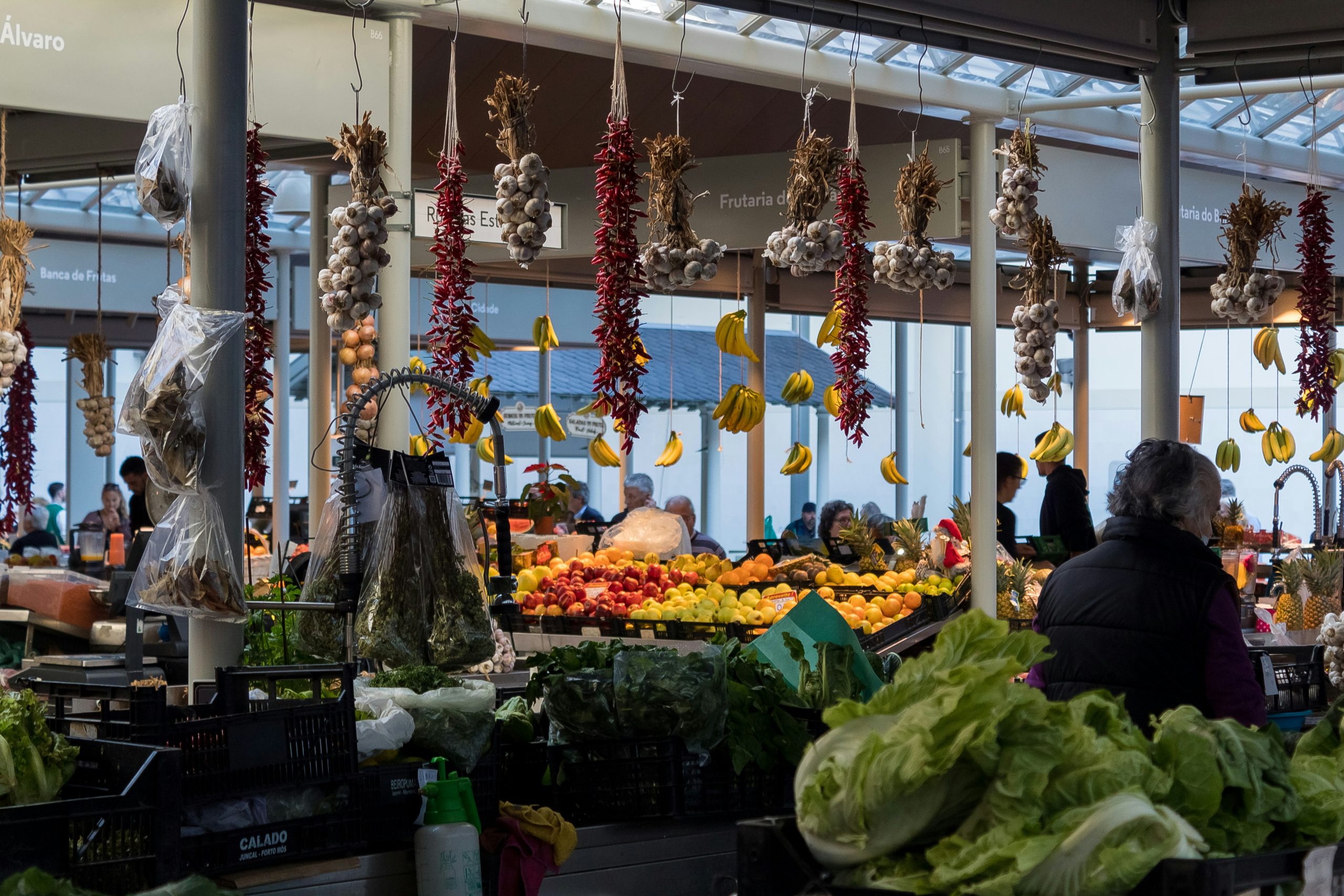
For market shopping, Mercado do Bolhão is the atmospheric option and Mercado Bom Sucesso the practical one. Bolhão is closed on Sundays, so plan around it.
🌳 Which parks, neighbourhoods and outdoor spaces are free to explore?
Porto’s green spaces are all free to enter, and a few of them are genuinely world-class.
Jardins do Palácio de Cristal. Formal gardens, peacocks wandering about like they pay rent, and a series of small viewpoints looking down at the Douro and the Arrábida Bridge. Easily the best free hour in the western half of the city.
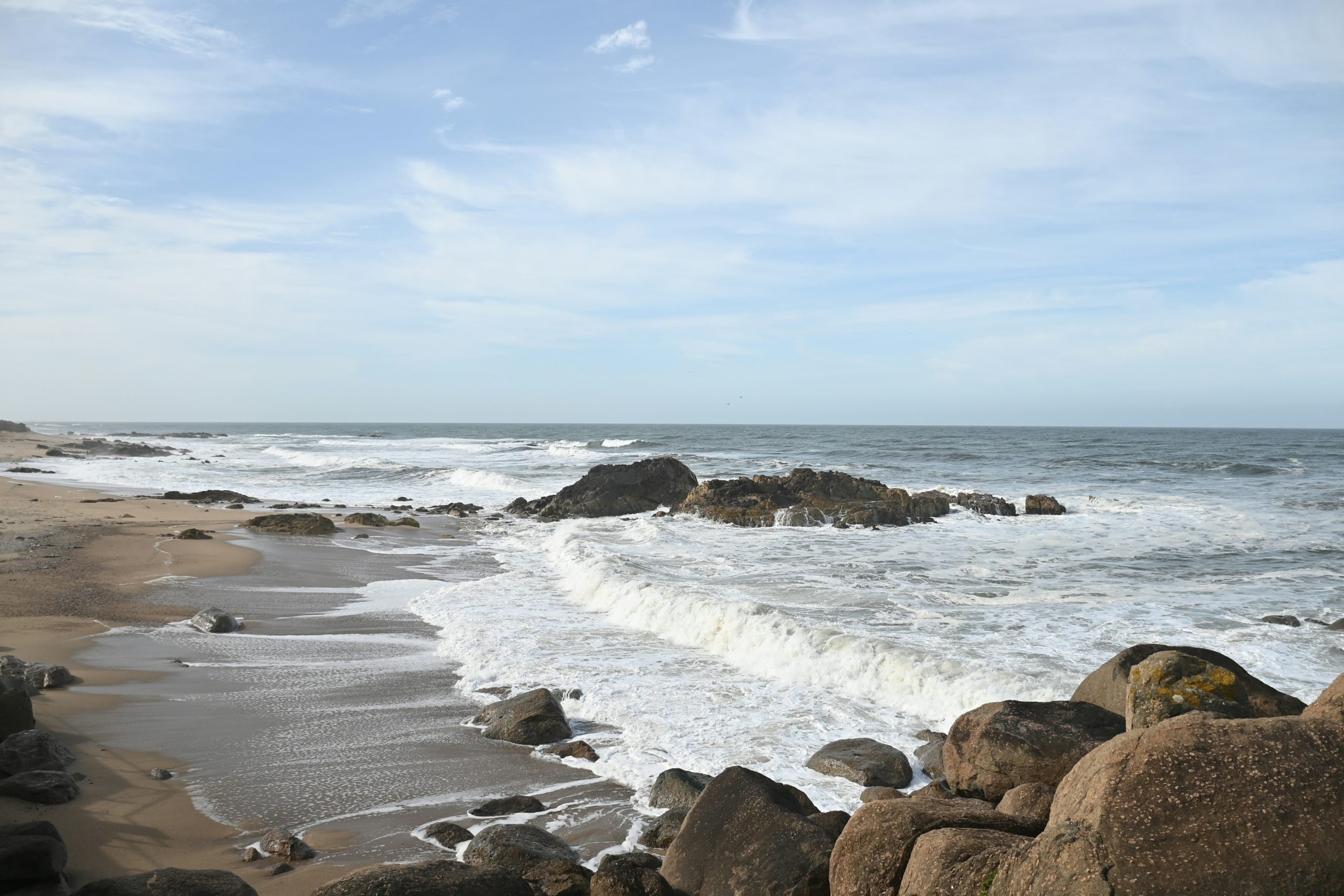
Parque da Cidade. The largest urban park in Portugal, and it runs all the way to the Atlantic. Walk east to west and you finish on a beach.
Foz do Douro. Follow the river out from Ribeira along Passeio Alegre and you’ll trade medieval alleys for salt air and Atlantic swell. It’s about 7km, mostly flat, and completely free.
Then there are the neighbourhoods worth simply wandering:
- Miragaia for crumbling riverside charm
- Bonfim for the version of Porto that locals actually live in
- Cedofeita and Rua de Miguel Bombarda for galleries, vintage shops and street art
- Vila Nova de Gaia’s waterfront for the postcard view back at the city
Heading down the coast afterwards? Our backpacking Portugal route guide picks up where Porto ends.
🎨 Which museums and cultural experiences in Porto are free?
There are genuinely free museums in Porto, but the rules are fiddlier than most guides admit, so it pays to know the detail before you build a day around it.
Centro Português de Fotografia is the reliable one. Housed in a former prison, it usually has free entry to its exhibitions, and you can peer into the old cells while you’re there.
Museu Nacional Soares dos Reis and Fundação de Serralves both operate free-entry Sundays, but these are generally reserved for residents of Portugal, who need to show ID at the desk. International visitors normally pay full price, so check the museum’s own site before you turn up expecting a freebie.
Culture that never charges anyone:
- Street art, including Hazul’s ghostly faces around Miragaia and Bordalo II’s giant Half Rabbit in Gaia
- Gallery openings on Rua de Miguel Bombarda, which cluster on Saturday afternoons and often come with free wine
- Church exteriors, from Igreja do Carmo to Capela das Almas, which are the real tile museums
Hostels often build free culture walks into their own calendars too, something we dig into in how hostels connect you with the city.
💶 How much does Porto on a budget actually cost per day?
Doing Porto on a budget is refreshingly straightforward, mostly because the city hasn’t priced out its own residents yet.
| Daily spend | Realistic range |
|---|---|
| Hostel dorm bed | €11 to €16 |
| Food and coffee | €15 to €20 |
| Transport (Andante trips) | €2 to €4 |
| Sights and activities | €0 to €10 |
| Daily total | €30 to €50 |
The lower end assumes you’re cooking one meal a day, walking most places, and leaning on the free sights listed above. The higher end covers a couple of paid attractions and a proper sit-down dinner with wine.
Where the money actually leaks: port wine cellar tours in Gaia (€15 to €25 each), river cruises, and taxis up the hills when your legs give out. Skip two of those three and the trip stays cheap.
Dorms also beat the alternatives once fees are counted, which we break down in Hostelworld vs hotels vs Airbnb.
🛏️ Which budget hostels should you book in Porto?
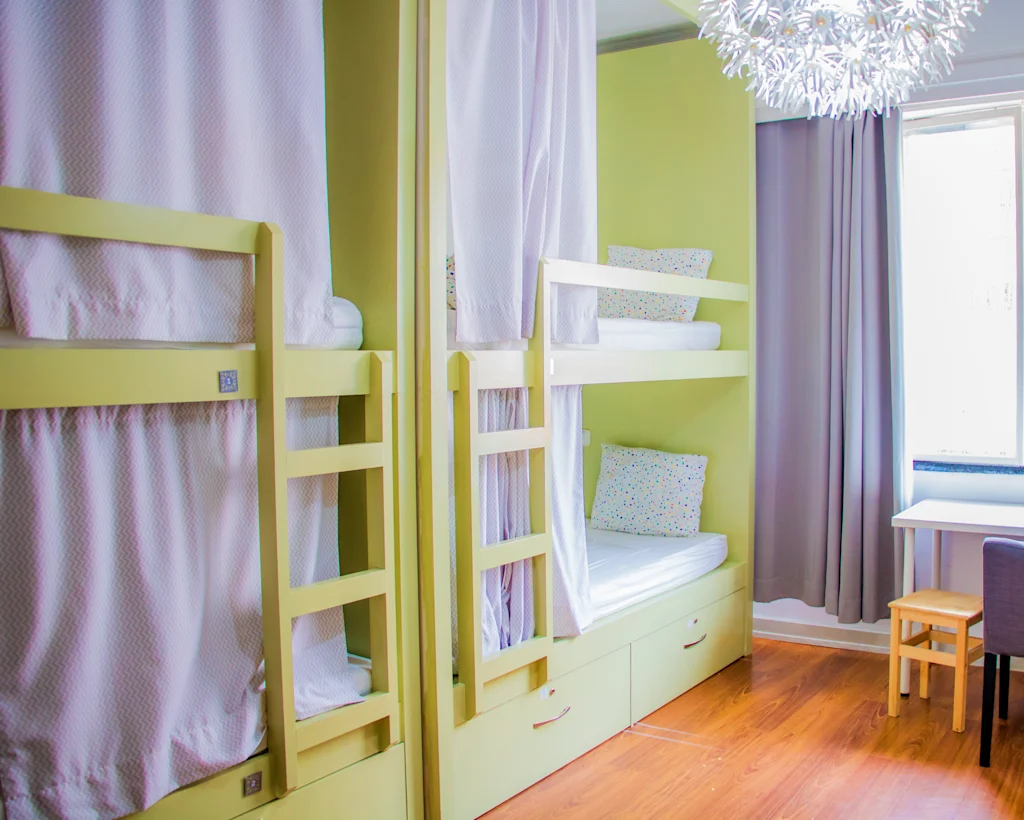
Porto’s hostel scene is one of the strongest in Europe. The prices below are dorm starting rates on Hostelworld, and every property runs its own events calendar in the app.
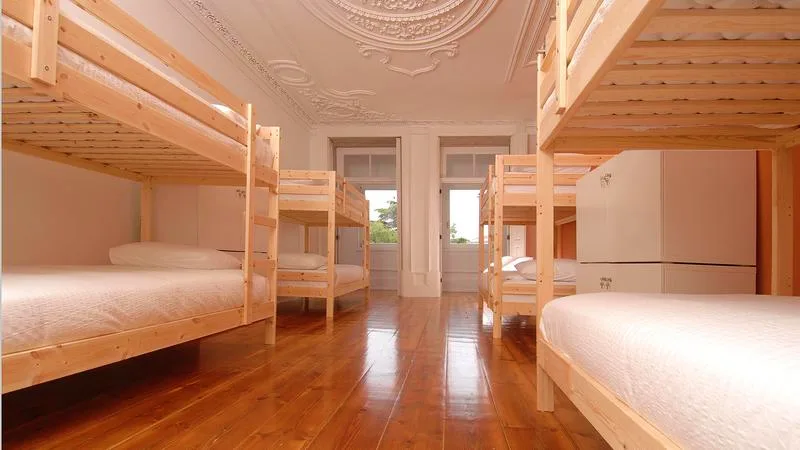
Travel & Live Hostel
Rated 8.8 and sitting on Rua de Santa Catarina, this is about as cheap as central Porto gets, with dorms from around €9.
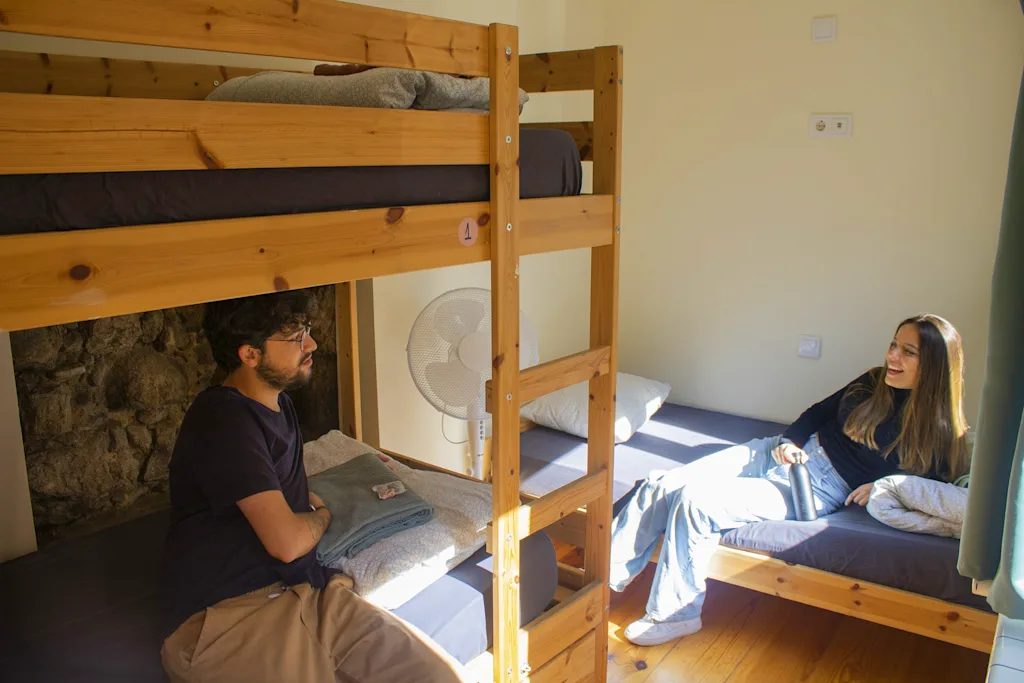
So Cool Hostel Porto
A restored pre-1890 building with free breakfast included, which quietly knocks a few euros off your daily food budget. Dorms from around €11.
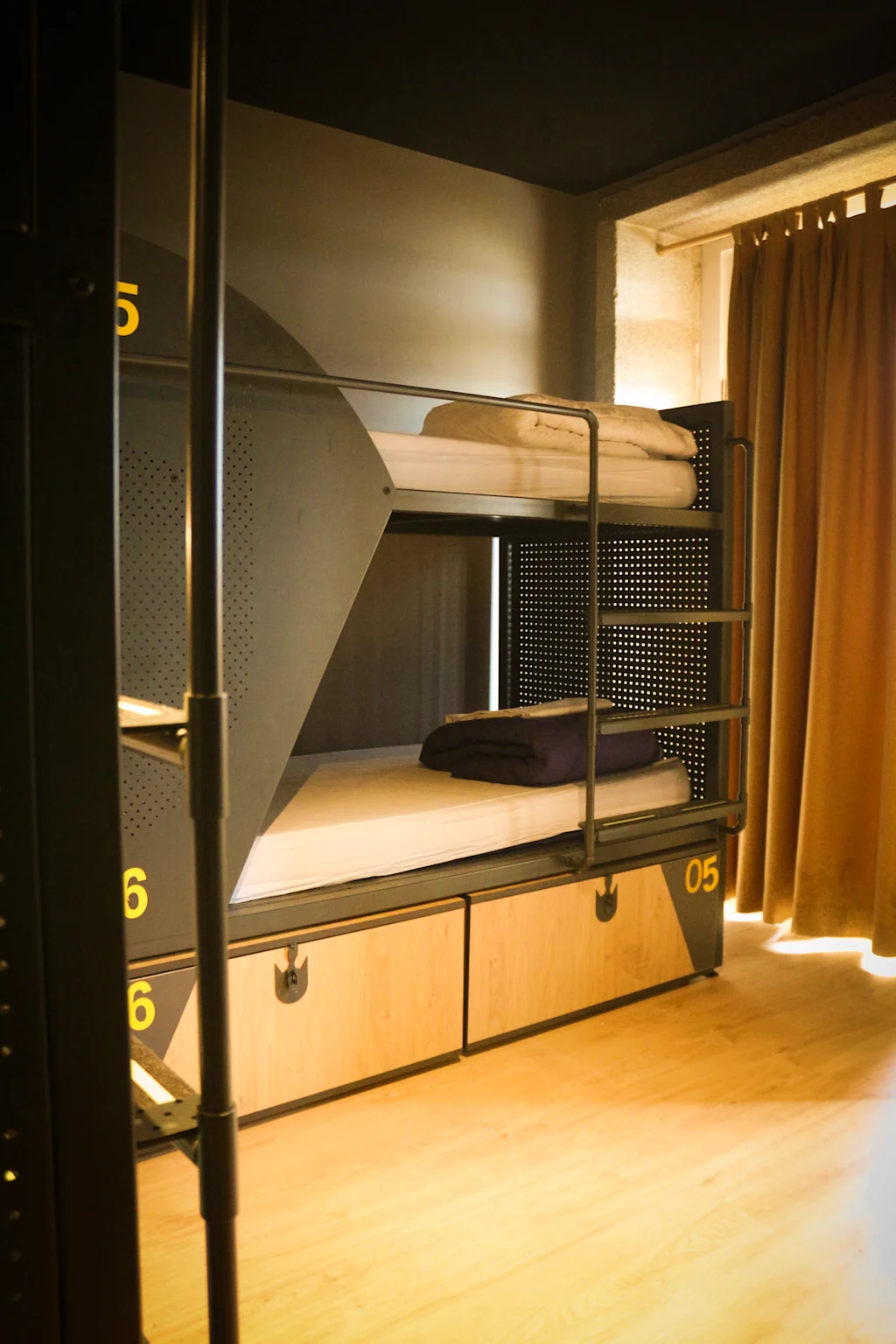
Onefam Ribeira
Rated 9.8 with over 3,700 reviews and more than 30 events on the calendar. Ages 18 to 39 only. Dorms from around €14.
Cats Hostel Porto
Inside the UNESCO zone, 50m from the metro. Dorms from around €14.50.
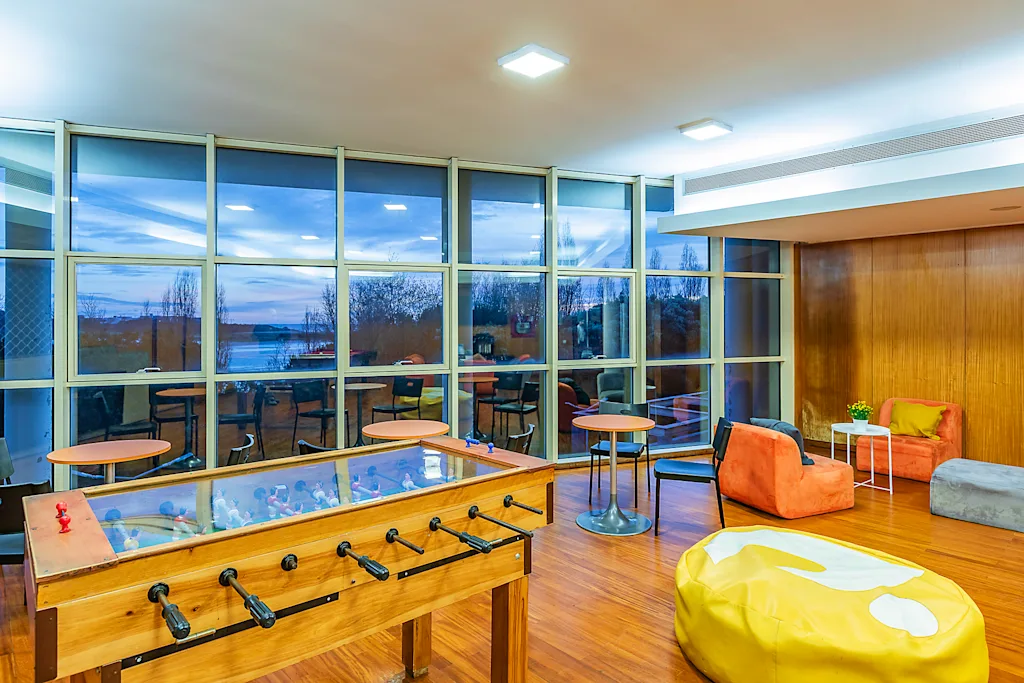
HI Porto – Pousada de Juventude
Rated 9.7, further out at 3.5km but with Douro estuary views and free breakfast. Dorms from around €13.
Final thoughts
Porto rewards the cheap traveller more than the expensive one, which is not something you can say about most European cities anymore. The bridge, the river, the tiles, the viewpoints and the long walk out to the Atlantic are all free, and they’re also the things you’ll still be describing to people a year later.
Spend your money on food instead. A prato do dia in a Bonfim tasca will teach you more about the city than any ticketed attraction, and it’ll cost you €10.
Build your days around the free stuff, book a dorm bed for €11 to €16, and download the Hostelworld app so you can see who else is in town on your dates and join City Chat before you land. Not booked a bed yet, or staying with friends? The Hostelworld Social Pass unlocks the same chats and linkups without a reservation, which is handy if you’re doing Porto as one stop on a longer solo trip.
Porto is a city where three days becomes a week. Plan accordingly.
Download the Hostelworld app to start booking now


❓FAQs: Free Things to Do in Porto


 Get the App.