

Binoculars are having a moment. GetYourGuide saw birdwatching bookings rise 65% year on year between 1 January and 27 August 2026, and French operator Voyageurs du Monde reckons 2027 is set to be the year of birdwatching, Euronews reports.
The good news if you’re on a backpacker budget: birdwatching in Europe doesn’t have to mean a pricey lodge or a guided tour. Several of the continent’s best-ranked sites sit a train or bus ride from a city with hostels. Below are seven of them, from Swedish migration hotspots to Iceland’s puffin cliffs, each with a hostel base, how to get there and what you’re likely to spot. For more ideas across the continent, browse our Europe travel guides.
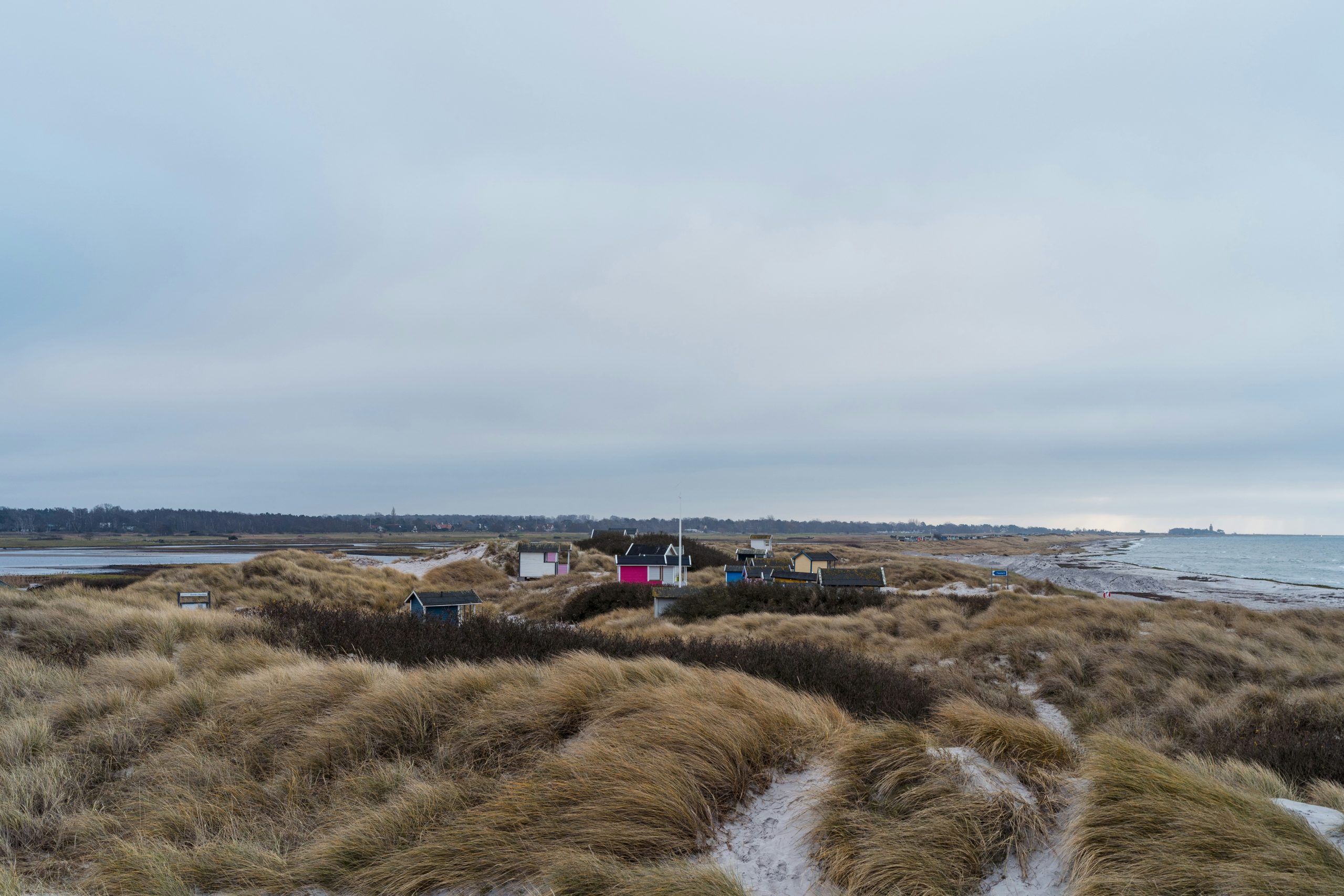
Falsterbo, Sweden: Europe’s top-ranked birding spot
Start at the top. Falsterbo, on the southwestern tip of Sweden, comes first in Europe and 19th in the world in AllClear’s ranking of birding sites, as reported by Euronews. Its secret is geography: it’s the last stop before the sea for birds flying south out of Scandinavia, so in autumn they funnel over the peninsula in huge numbers.
The big show is the raptor migration. Thousands of buzzards, hawks and harriers pass over between roughly mid-August and mid-October, according to Birdingplaces, and the wind decides where they cross, so check the forecast and be flexible.
You don’t need a car. From Malmö, the yellow regional buses 100 (or 300 from Hyllie) run out to the peninsula: hop off at Haga roundabout for the Ljungen heath, or Ljunghusen Elvabovägen for the Falsterbo Canal. Check times with Skånetrafiken before you go. Back in the city, there are plenty of things to do in Malmö, and our Sweden travel guides cover the rest of the country.
Beds are limited: Malmö has one hostel on Hostelworld (checked October 2026), so book early for peak migration.
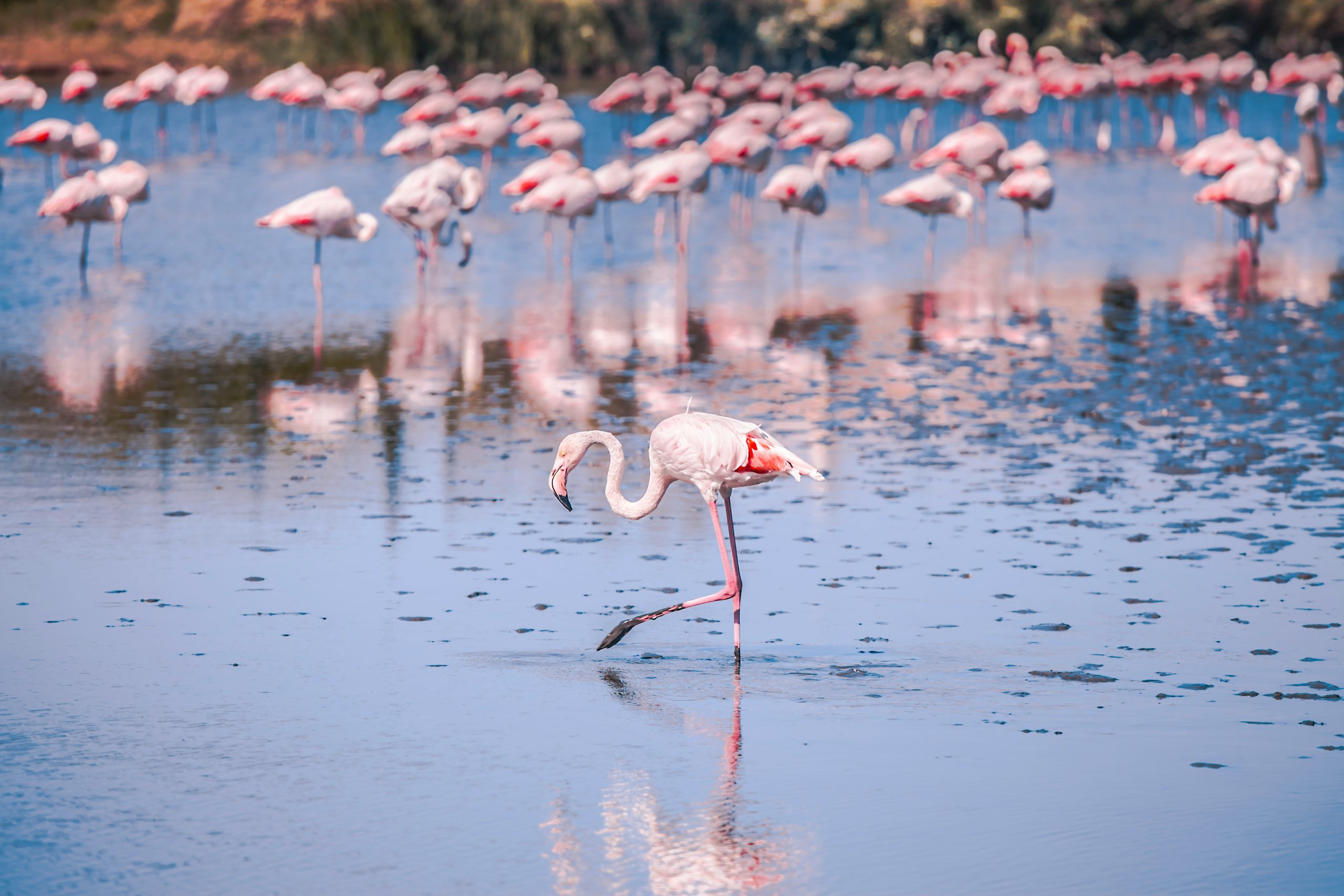
The Camargue, France: where can you see flamingos in Europe?
Right here. The Camargue, the wild wetland where the Rhône meets the Mediterranean, is home to hundreds of greater flamingos, and it’s on AllClear’s list of Europe’s best birding sites, Euronews reports. Add white horses, black bulls and huge skies, and it’s the most photogenic stop on this list.
The easiest place to start is the Parc Ornithologique du Pont de Gau, about 5 km north of Saintes-Maries-de-la-Mer, where flat, unshaded trails take you close to the flamingos. Entry was €8.50 for 2026, according to Birdingplaces. Give yourself at least a couple of hours, and bring a hat and water in summer.
Base yourself in Arles, a Roman town with hostels and regional buses to Saintes-Maries-de-la-Mer; check the Zou! timetables before you go, as services are limited outside summer. Our guide to the best places to visit in France has more ideas for the region.
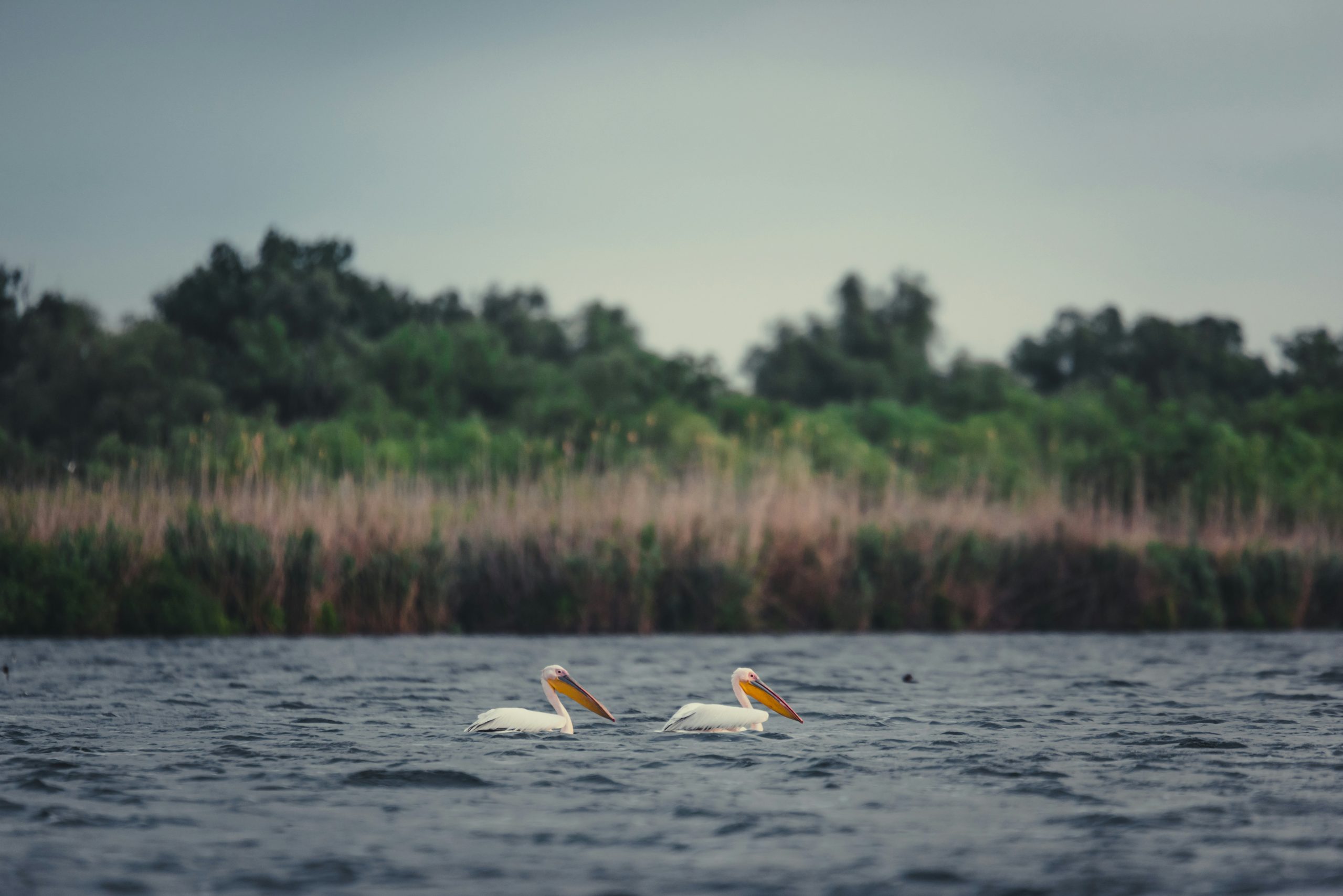
The Danube Delta, Romania: 300-plus species in one trip
For sheer numbers, nowhere on this list comes close. The delta, where the Danube splits into channels, lakes and reed beds before reaching the Black Sea, hosts more than 300 bird species, Euronews reports, including great white and Dalmatian pelicans. It sits on a major flyway between Europe, the Middle East and Africa, and April and May are the best months for birds, according to World Heritage Site.
This is the one pick that takes more planning. Tulcea, the gateway town, has no hostels on Hostelworld (checked October 2026), so most budget travellers start in Bucharest and travel on by bus or train. Private boat tours booked online can cost a lot, so compare shared boat trips with local operators in Tulcea once you arrive, and book a guesthouse in the delta itself for a night or two.
Passing through the capital first? Here’s what to do in Bucharest tonight, and our Romania travel guides cover the rest.
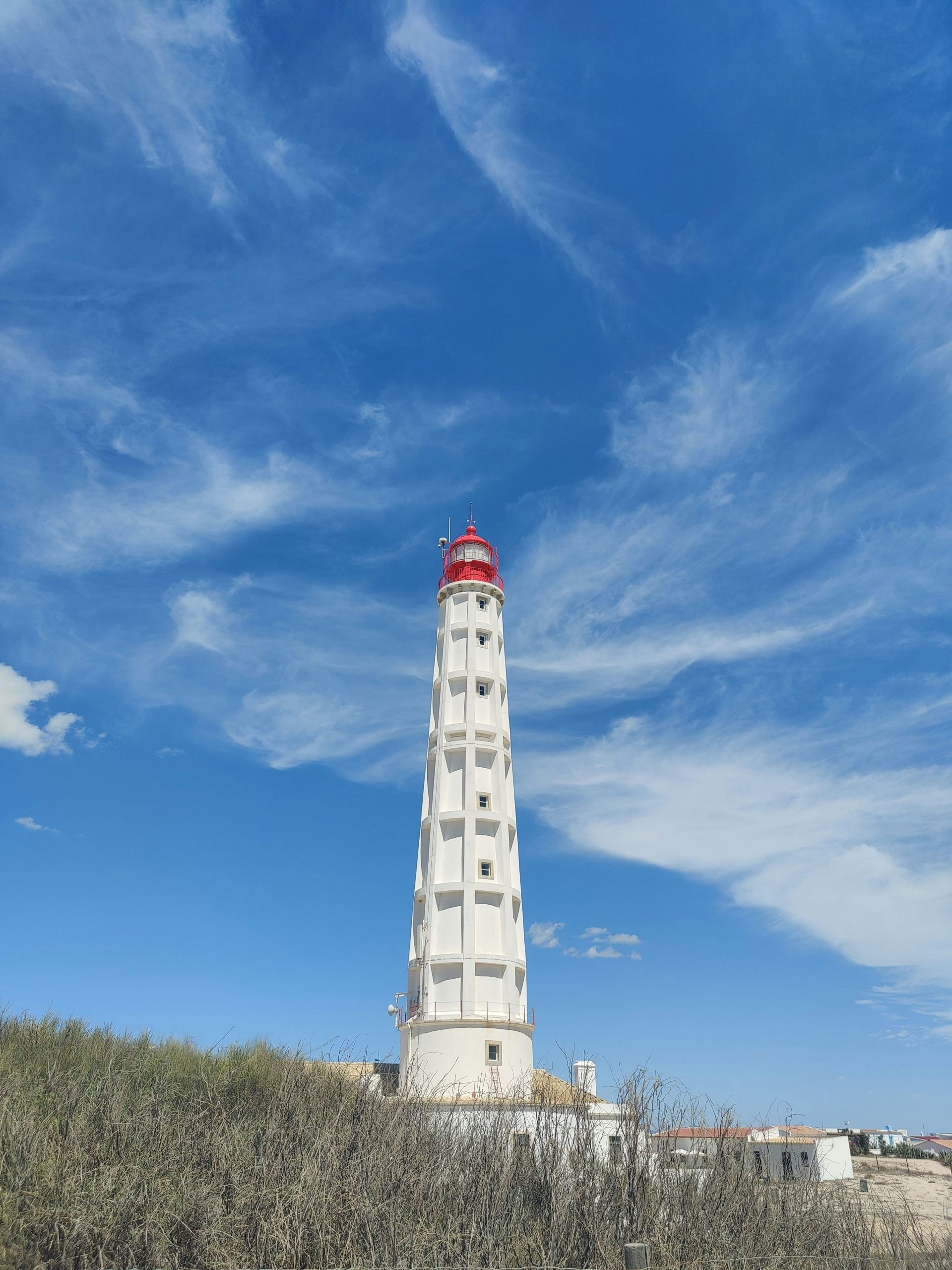
Ria Formosa, Portugal: birding from the Algarve’s budget base
This is the easiest pick on the list: the lagoons of Ria Formosa Natural Park start right on Faro’s doorstep, and the park is on AllClear’s ranking of Europe’s best birding sites, Euronews reports. Fly into Faro, drop your bag at a hostel and you can be watching birds the same afternoon, no tour needed.
Look out for greater flamingos, spoonbills, avocets and black-winged stilts on the mudflats, and the purple swamphen, the park’s star bird, which lives here all year, according to Formosamar. Spring and autumn migration bring the most variety, while July and August are busiest with beachgoers. Go early in the morning and stick to the boardwalks.
Want more of the coast? Ferries run from Faro and Olhão to the barrier islands, and our Algarve beaches road trip takes you further west.
Ebro Delta, Spain: a wetland day trip from Tarragona
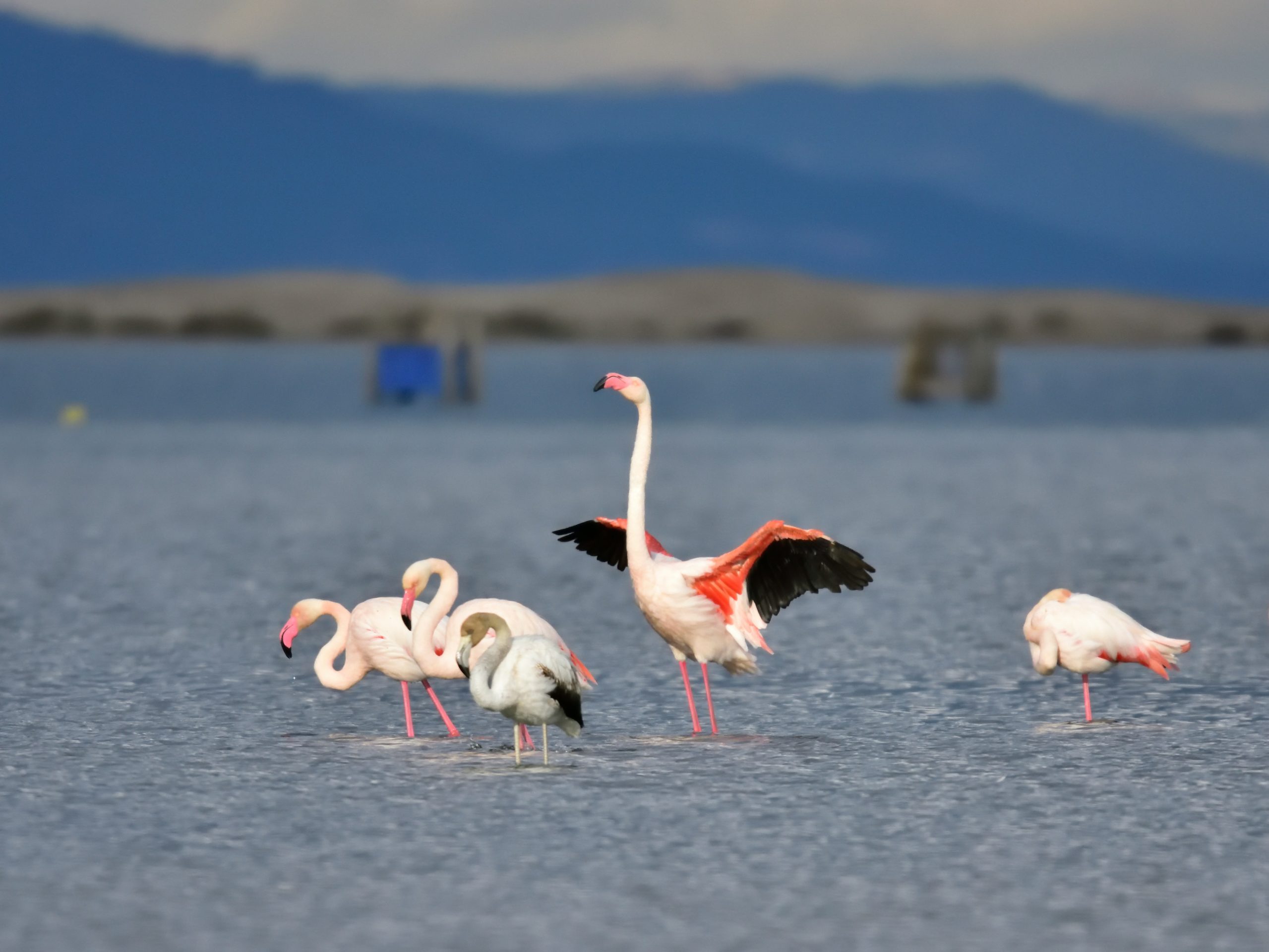
Where the Ebro meets the Mediterranean, south of Tarragona, the land flattens into rice fields, lagoons and sand spits, and it’s on AllClear’s list of Europe’s top birding sites, Euronews reports. Flamingos gather on lagoons such as La Tancada, and herons, egrets and waders work the flooded paddies.
Getting there: take the train from Tarragona to L’Aldea-Amposta-Tortosa, then a HIFE bus to Deltebre, which takes about 17 minutes and costs €2.40, according to Barcelona Urbana. Buses are infrequent, especially at weekends, so check the timetable before you set off.
Getting around: the delta is pancake-flat, so a bike is the cheapest way to cover it. You can rent one in Deltebre, including at the Ecomuseu, which doubles as the park’s information centre. Pack water and sun cream, as there’s little shade. More of the country is in our Spain travel guides.
Lake Kerkini, Greece: pelicans in the shoulder season
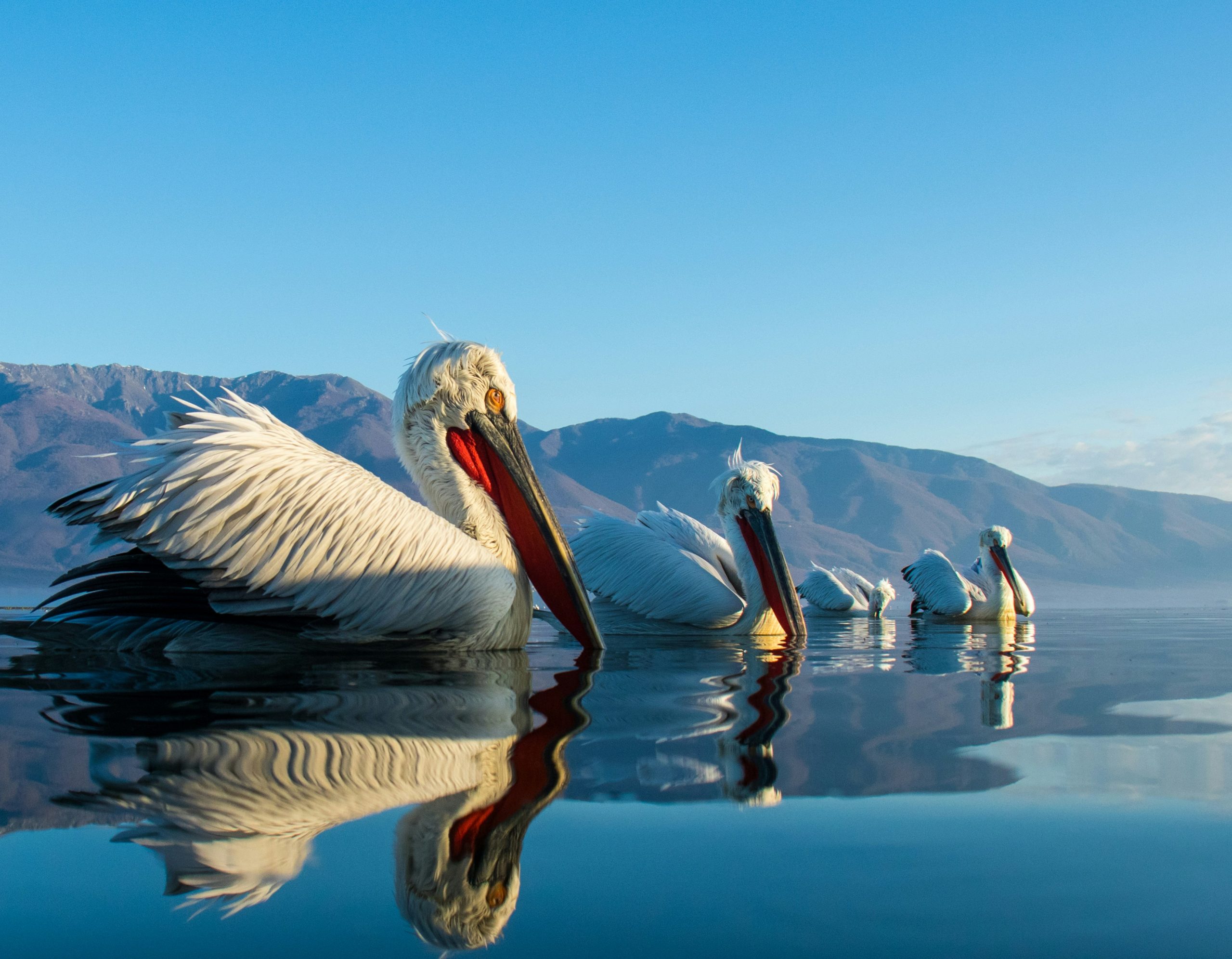
Lake Kerkini, a reservoir near the Bulgarian border in northeast Greece, is one of Europe’s best places to see Dalmatian pelicans up close, and it’s on AllClear’s list of top European birding sites, Euronews reports. The same report picks out northeast Greece as a good shoulder-season choice, when it’s quiet and the light is soft.
The pelicans are here in winter too: a January tour report from Wildlife Worldwide describes groups photographing them from boats on the lake. Local boatmen take small groups out, so ask in Kerkini village.
Getting there: base yourself in Thessaloniki, then take a KTEL bus to Serres and a local bus on to Kerkini village. The whole trip costs about €11, according to Greek Trip Planner. There are only two or three buses a day to the lake, so check KTEL Serres times or stay overnight. Our guide to backpacking Greece covers the rest of the mainland.
Westman Islands, Iceland: where can you see puffins?
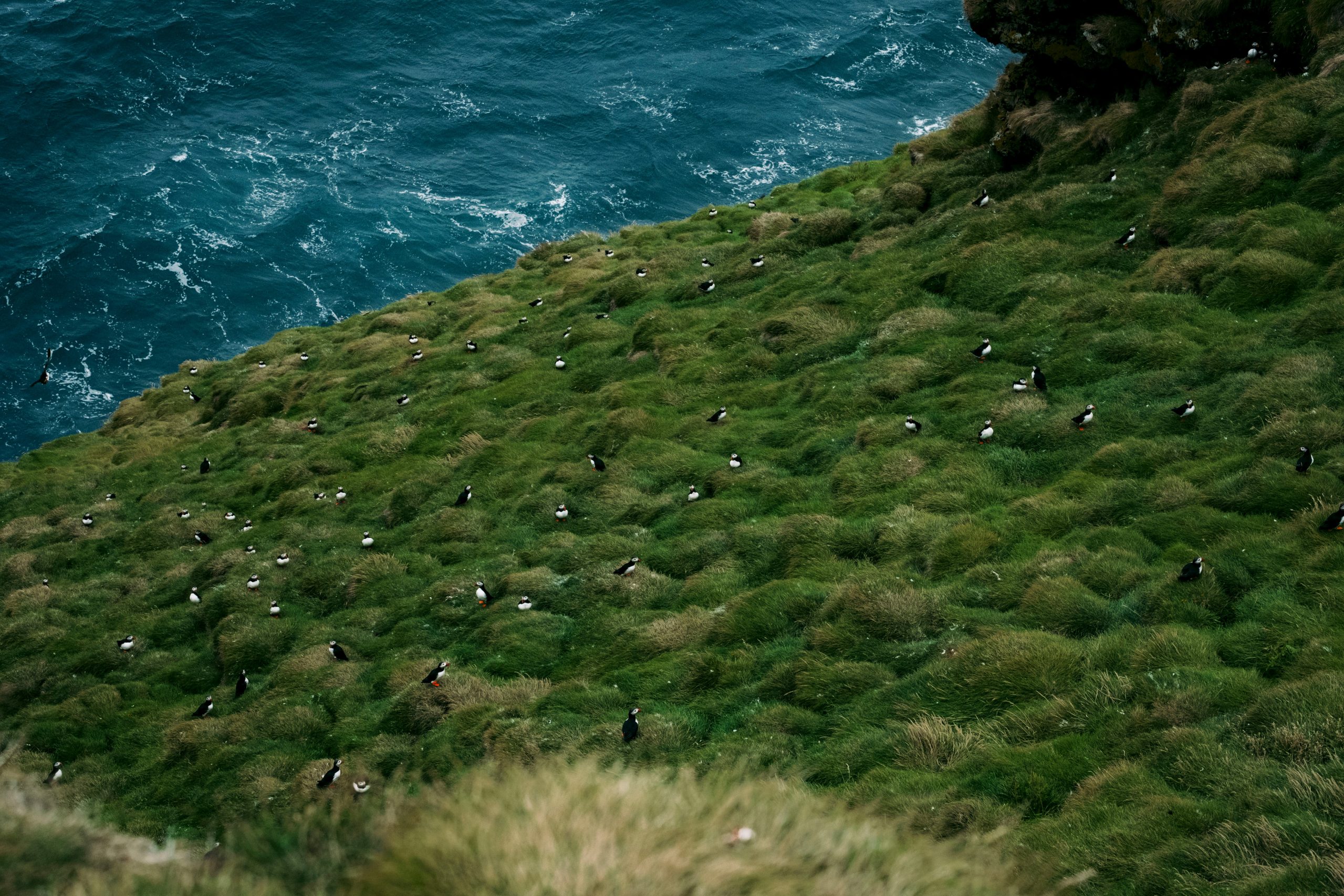
Off Iceland’s south coast, the Westman Islands (Vestmannaeyjar) have some of the largest puffin colonies anywhere, Euronews reports. Puffins nest on the cliffs of Heimaey, the only inhabited island, from roughly mid-May to August, according to Go Campers, so plan a summer trip. Sunset is the best time to watch them coming home from the sea.
Getting there: the Herjólfur ferry from Landeyjahöfn takes about 35 minutes, per Reykjavik Cars. Book ahead in summer, as sailings fill up, and in bad weather the ferry can switch to a much longer route from Þorlákshöfn. Base yourself in Reykjavik and make it a day trip or an overnight stay.
Summer is also Iceland at its most affordable for outdoor trips, with near-endless daylight. See why in our guide to Iceland in summer, and keep costs down with these tips for Iceland on a budget.
How do you start birdwatching on a budget?
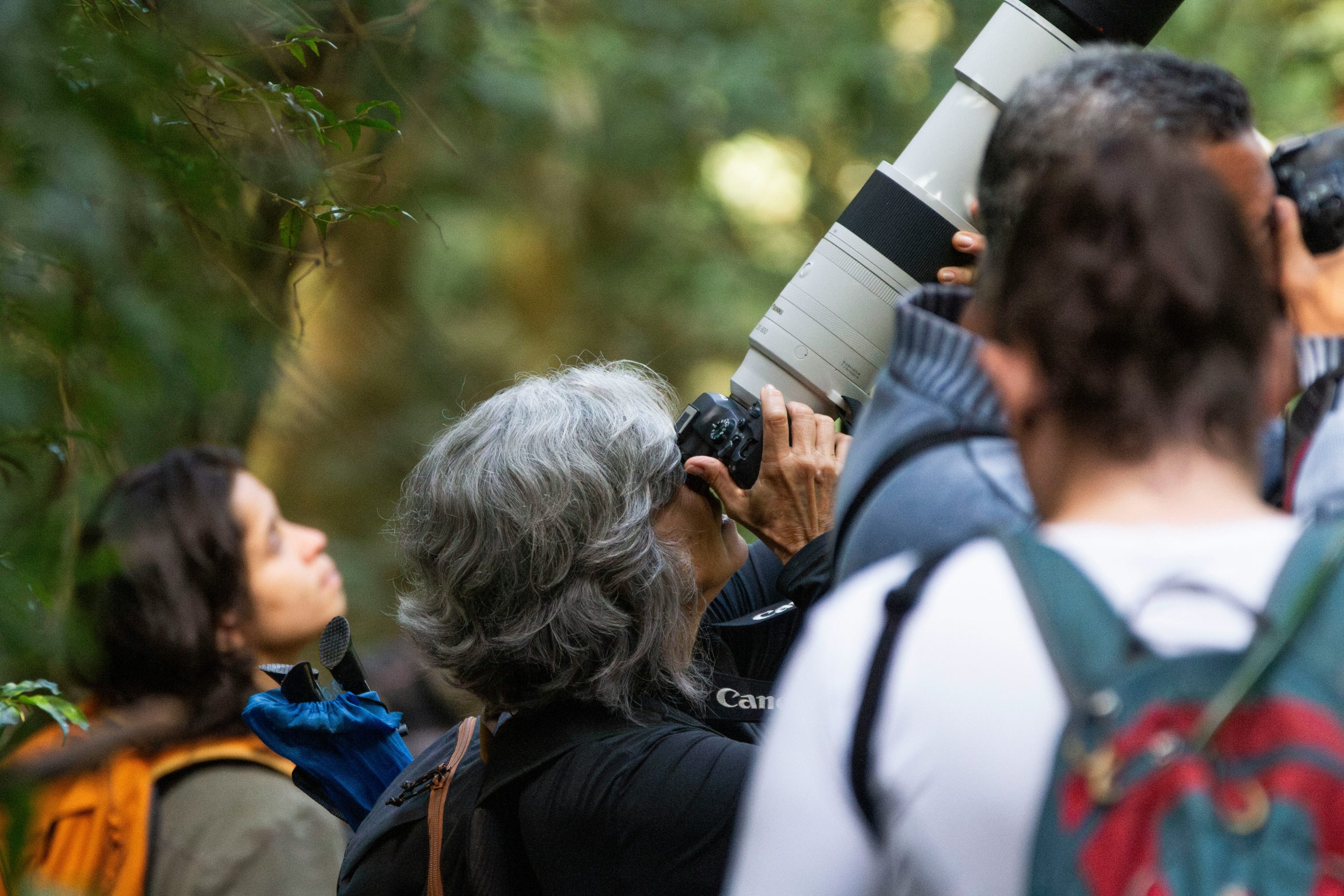
You need less kit than you think. Here’s the starter list:
- Binoculars and a free app. Any decent pair of binoculars will do to start, and the free Merlin Bird ID app from the Cornell Lab of Ornithology identifies birds from a photo or their song. Download the European bird pack before you go so it works without signal.
- Go early. Birds are most active in the first hours after sunrise, and you’ll have hides and boardwalks to yourself.
- Give birds space. Stick to paths, keep your distance from nests and never flush birds for a photo.
- Find your flock. Ask in the City Chats whether anyone’s heading to the reserve, or join a Linkup such as a sunrise walk, and split the bus fare or bike hire.
Conclusion: Where will you go birding in 2027?
Birdwatching in Europe doesn’t need a lodge, a guide or a long lens. Pick the spot that fits your route and the season, whether that’s flamingos in the Camargue, pelicans on Lake Kerkini or puffins on the Westman Islands. Book a hostel in the nearest city, pack your binoculars and head out early, when the birds are busiest and the hides are quiet. Our France, Greece and Iceland travel guides cover the rest of your trip.

 Get the App.
Comments