Sarajevo
Ottoman bazaar, Austro-Hungarian boulevards, and the most affecting recent history in Europe.
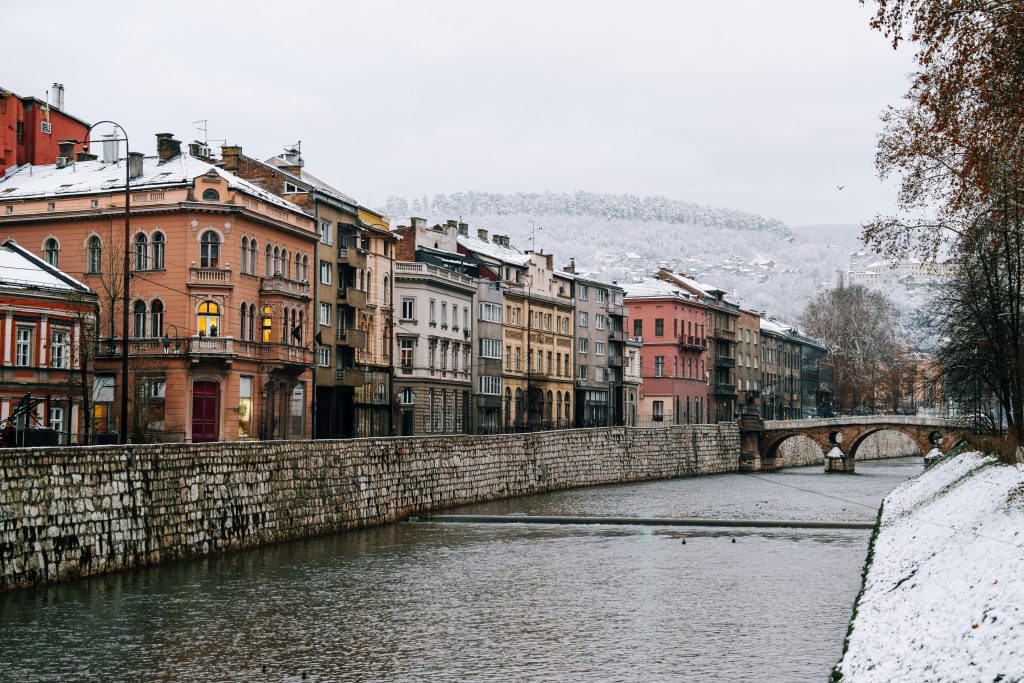
Sarajevo is a beautiful Balkan city in Bosnia. You’ll love the pace and all the sights to take in
A traveller, on Hostelworld
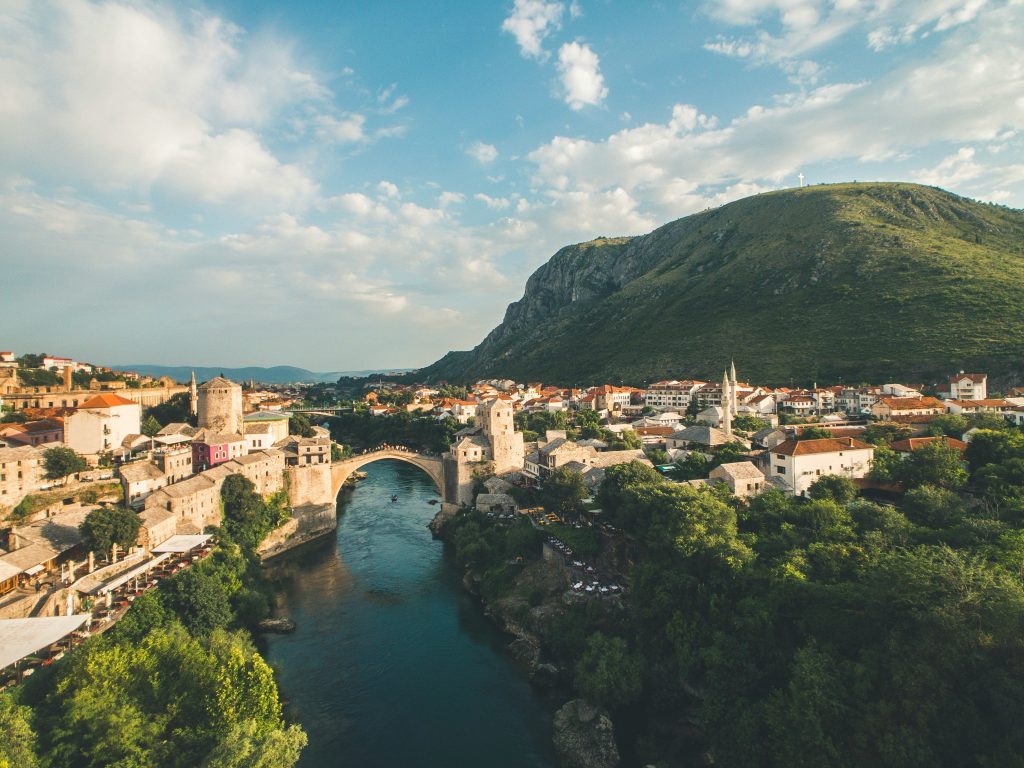
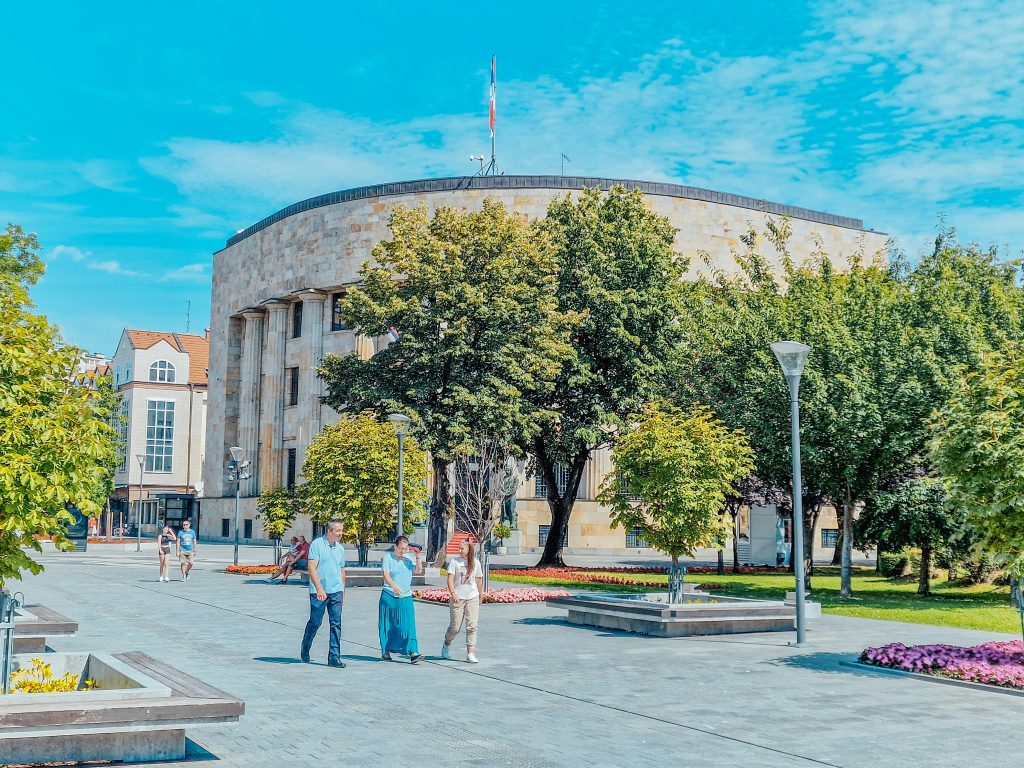
Ottoman bridges, Austro-Hungarian streets and a war that ended in 1995 and is still visible on the walls. One of the cheapest and most affecting countries in Europe.
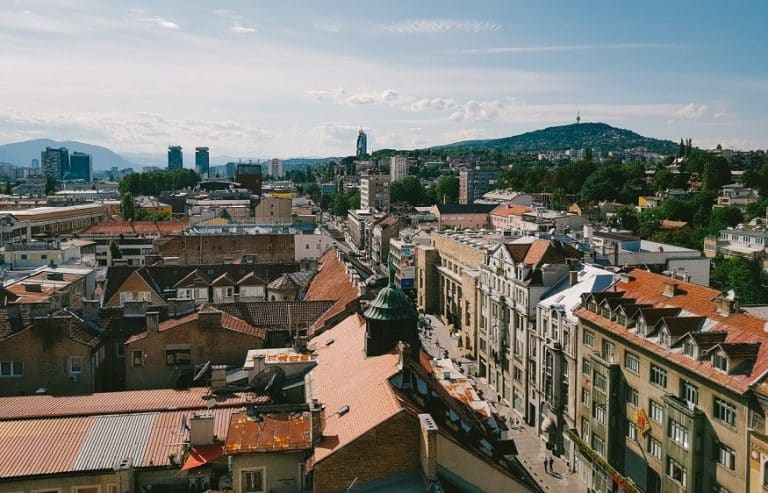
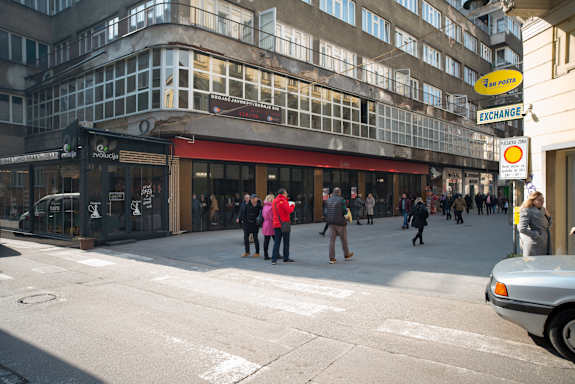
Sarajevo has a line in the pavement marking where the Ottoman town ends and the Austro-Hungarian one begins. Stand on it and you can look one way at wooden shopfronts and a copper bazaar, and the other at nineteenth-century apartment blocks. Few cities make their history so legible.
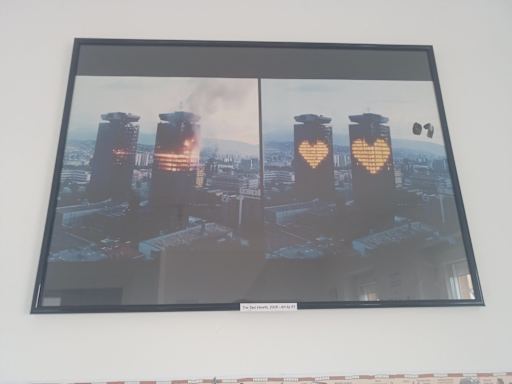
The recent history is equally present. The city endured the longest siege of a capital in modern warfare, from 1992 to 1996, and the evidence is in the buildings, the cemeteries on the hillsides and the Sarajevo roses — mortar scars filled with red resin. It is not hidden and locals will talk about it if you ask respectfully.
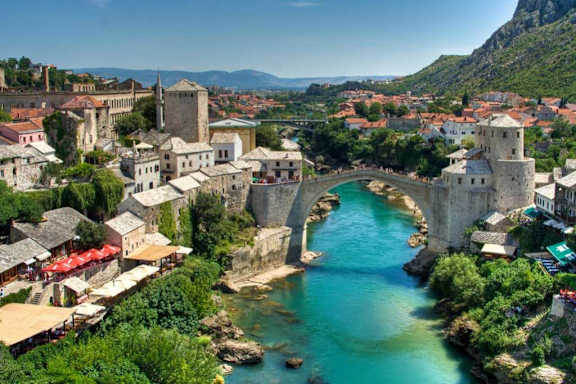
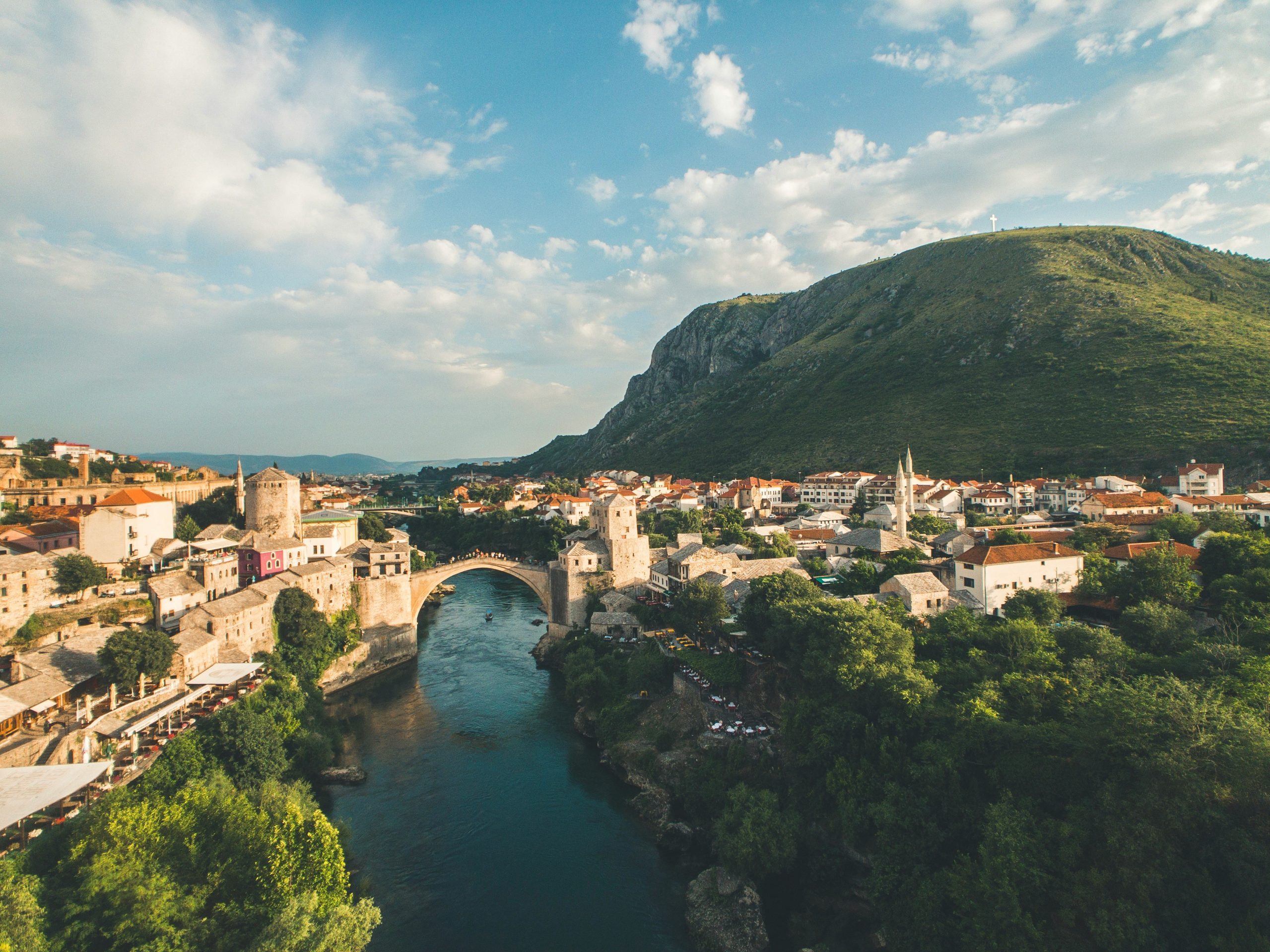
Mostar, two hours south, has the rebuilt Ottoman bridge that men dive from into the Neretva. Beyond both, the country is mountains, rivers and villages, with rafting on the Una and Tara and some of the last unlogged forest in Europe.
Buses link everything, and the country is small enough that nothing takes a full day.
Ottoman bazaar, Austro-Hungarian boulevards, and the most affecting recent history in Europe.
Sarajevo is a beautiful Balkan city in Bosnia. You’ll love the pace and all the sights to take in
A traveller, on Hostelworld
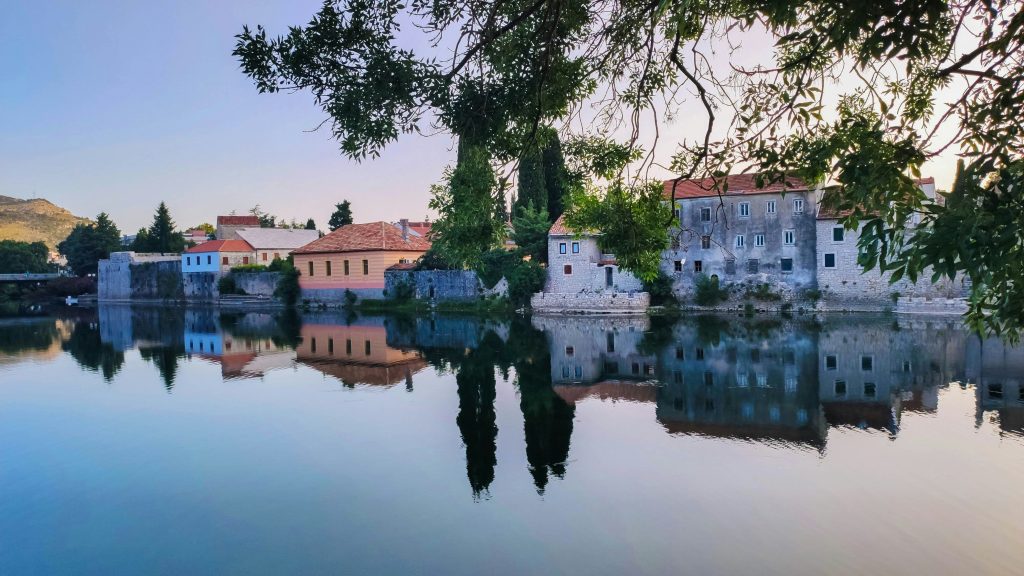
The rebuilt sixteenth-century bridge, divers, and an old town that empties beautifully in the evening.
Lovely intimate city among the mountains. Short drive from beautiful waterfalls and hikes, great people and cheap food.
A traveller, on Hostelworld
The second city, on the Vrbas river, with rafting above it and almost no foreign visitors.
Southern, sunny and wine-growing, an hour from Dubrovnik and a fraction of the price.
Bosnia is a history trip and an outdoors trip, and most people find it is both.
Ottoman, Habsburg and Yugoslav layers, and a recent war.
Among the cheapest countries in Europe.
Rafting, mountains and the 1984 Olympic slopes.
Sarajevo in three days, and it will stay with you.
Grilled meat, burek and coffee rituals.
Sarajevo's essentials are its history. The Tunnel of Hope, dug under the airport runway to supply the besieged city, is the single most powerful site in the country. The Baščaršija bazaar is Ottoman and still working, and the yellow fortress above the city looks over the hillside cemeteries at sunset.
Walking tours led by people who lived through the siege are widely available and are the best money you will spend here. They are frank, personal and not performative.
Mostar's bridge is the postcard and it is genuinely beautiful, particularly before the coach parties arrive from the Croatian coast around eleven. Blagaj and the Kravice waterfalls are a half day each from it, and the Una river in the northwest is where the country goes to raft and swim.
Ćevapi — small grilled minced-meat sausages served in flatbread with onion and kajmak — are the national dish and cost €3 to €5 for a portion that will defeat most people. Sarajevo and Banja Luka argue about who does them best.
Burek here means specifically a meat-filled pastry, and the cheese, spinach and potato versions have their own names. Any bakery sells them for a euro or two.
Bosnian coffee is a ritual: served in a džezva with a copper tray, a cube of sugar and a piece of Turkish delight, and it is meant to take an hour. Doing it quickly misses the point entirely, and at about €1 it is the cheapest hour in Europe.
Sarajevo's nightlife is cheap, friendly and spread along Ferhadija and the streets off it. A beer is around €2, the bars mix students with an older crowd, and live music is common rather than occasional.
The city is culturally mixed, so alcohol is served openly in most places and not at all in some — both are unremarkable and neither needs comment.
Mostar has a smaller scene along the river, and in summer the old town bars stay busy after the day visitors leave, which is when the town is at its best anyway.
Buses are the network and they are cheap and frequent between the main towns. Sarajevo to Mostar is about €10 and two and a half hours. Note that Sarajevo has two bus stations serving different entities of the country — check which one your ticket uses.
The Sarajevo to Mostar train runs a couple of times a day, takes a little longer and follows the Neretva canyon, which makes it one of the most scenic cheap rides in Europe.
A car helps for the national parks and the villages, and roads are mountainous and slow. Journey times are considerably longer than distances suggest, and satellite navigation underestimates them.
This is one of the cheapest countries in Europe. Dorms start around €11, a portion of ćevapi is €4, a beer €2, and a coffee that occupies an hour costs about a euro.
Mostar in peak summer is the only place prices climb noticeably, driven by day trips from the Croatian coast, and even then it remains inexpensive by Adriatic standards.
The convertible mark is pegged to the euro at a fixed rate, which makes mental arithmetic easy. Cash is still used widely outside the cities, and ATMs are common in towns.
Bosnia is safe for travellers and crime against visitors is rare. Sarajevo and Mostar are comfortable to walk around at night.
The one genuine, country-specific hazard is landmines. Areas near former front lines are still being cleared, they are marked with signs and tape, and the rule is absolute: stay on paved roads and marked paths in rural areas, and never enter an abandoned building or field that has not been explicitly cleared.
Beyond that, mountain weather and driving are the usual cautions. Medical facilities in rural areas are limited, so insurance matters.
Bosnia and Herzegovina is not in the EU or Schengen, so time spent here does not count against the 90-day Schengen allowance.
EU, UK, US, Canadian and Australian citizens enter visa-free for 90 days in a 180-day period. Passports should be valid for the duration of the stay.
The country has a complex internal structure — the Federation and Republika Srpska — but travel between them is unrestricted and you will only notice it in signage, alphabets and occasionally which bus station you need.
Spring and autumn are best for the cities, summer for rafting and swimming, and winter for skiing on the 1984 Olympic mountains.
Average highs for Sarajevo, which sits in a valley at 500m and is colder than Mostar. Mostar in July and August regularly passes 35°C.
Pick how you travel and how long for. Per night, for one person, at Bosnian prices.
Prices are in convertible marks locally; these are euro equivalents at the fixed peg. Buses between towns are €7–15.
Sarajevo's film festival is the big one, and the bridge diving in Mostar is genuinely worth timing for.
Staff pick
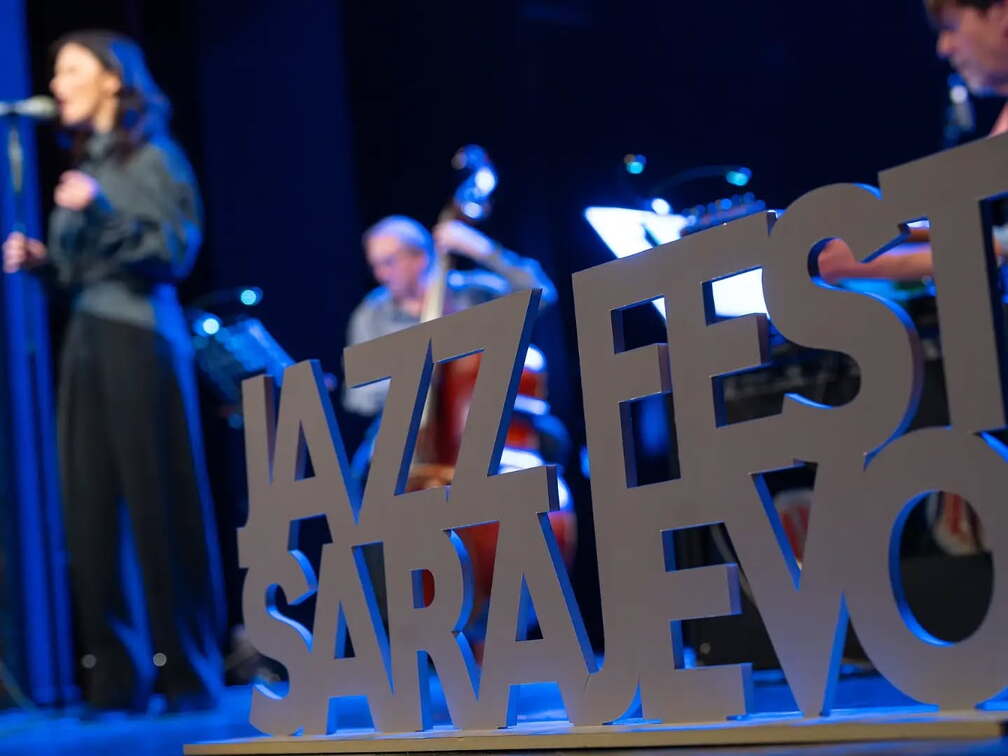
Jazz Fest Sarajevo, held in Sarajevo, Bosnia and Herzegovina, is the country’s oldest international music festival and a cornerstone of its cultural scene since…
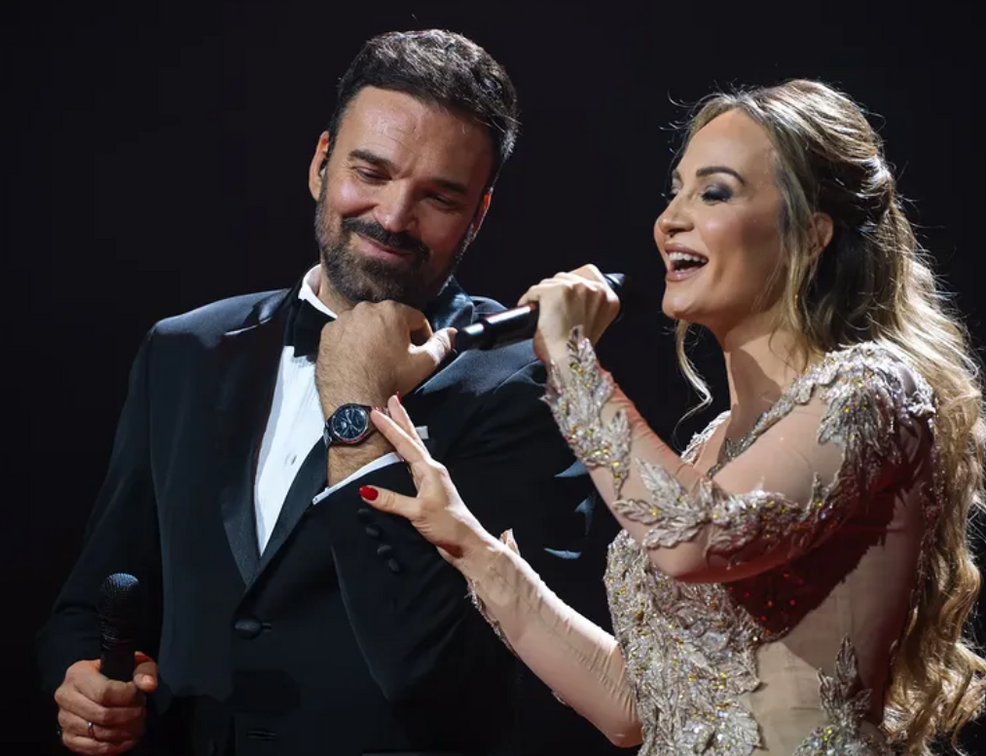
Jelena Tomašević and Ivan Bosiljčić bring their celebrated joint concert to Mostar, blending her acclaimed vocal performances with his theatrical artistry in a program…
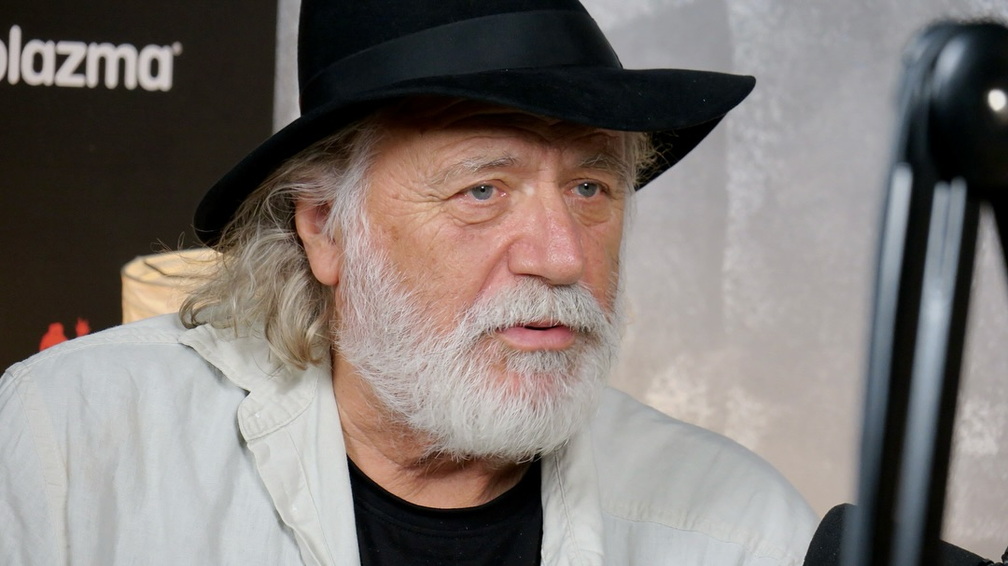
Rade Šerbedžija, one of the most respected artists from this region, brings his band West Station to Mostar for an evening that blends music,…
Tucked inside a 10-meter-high cavity carved out of rock in the 15th century, Pecina (Ali Baba Pećina) is a nightclub unlike anything else in…
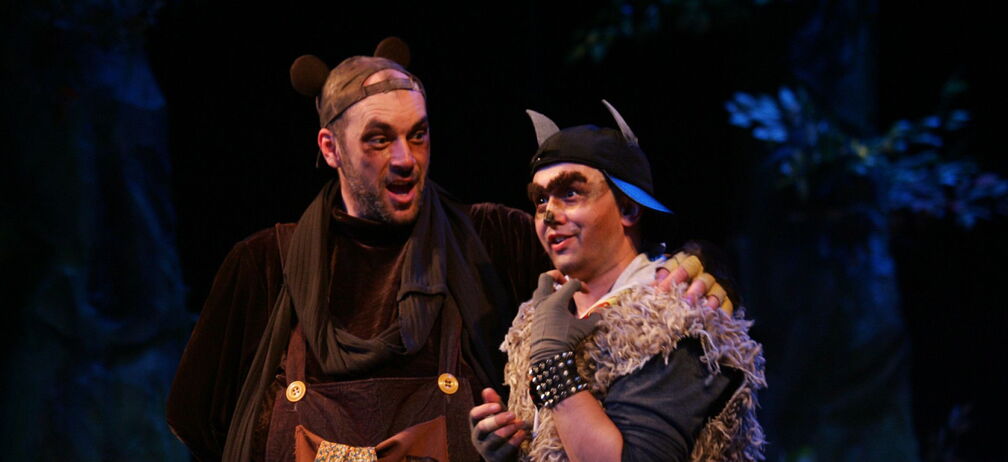
Ježeva Kuća Opera tells the story of a brave hedgehog named Ježurka Ježić who defends his humble home against cunning foes. The opera features…
Jazz Fest Sarajevo celebrates its 30th anniversary this year, having brought over 1,000 musicians from 65 countries to perform in the heart of the…
Jadranko Hodak, better known as Blogger Krule, brings his sharp comedic voice to Mostar for an evening of laughter. He has built a loyal…
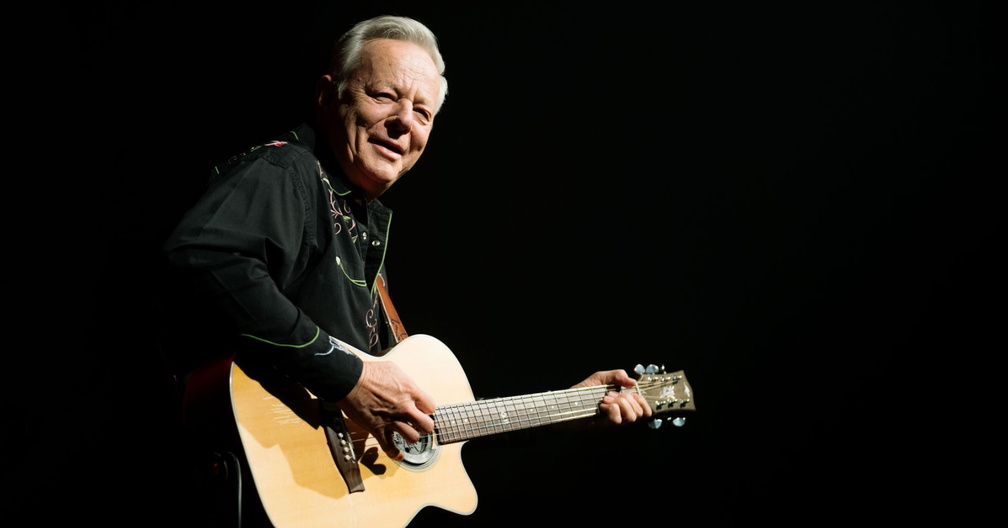
Tommy Emmanuel brings his legendary fingerstyle technique to Sarajevo, playing melody, bass, and rhythm simultaneously in a way that sounds like multiple guitarists at…
The highest-rated hostels in the country, live from Hostelworld. Sarajevo has the most, and many owners run the walking tours themselves.
The ones we get asked most.
Compare hostels across Bosnia and Herzegovina — live prices, real reviews and free cancellation on most bookings. Then meet the people already there in the app.