Old town
First-timersAround Stari Most and the Kujundžiluk bazaar: cobbles, guesthouses, restaurants and the crowds by day.

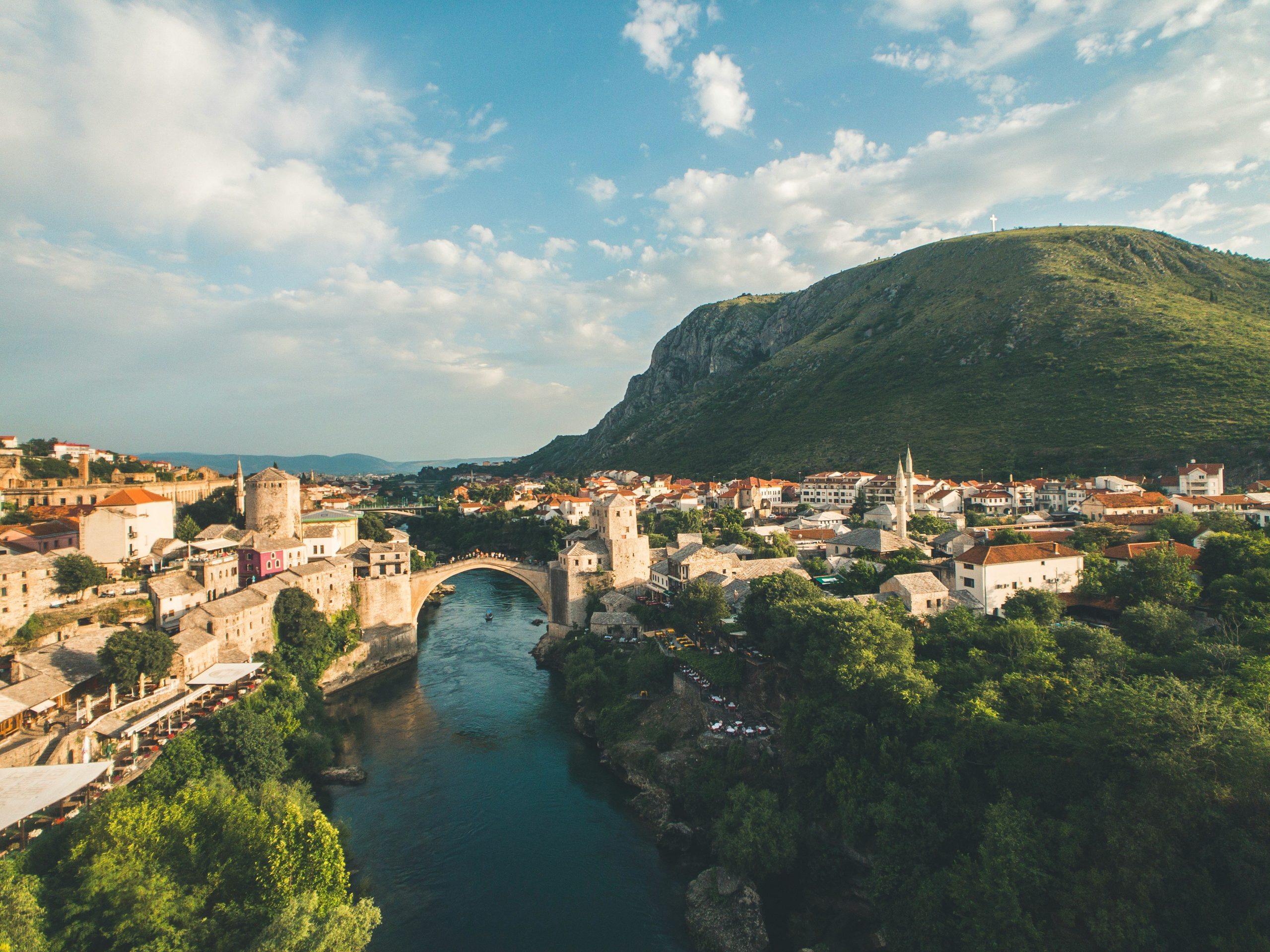
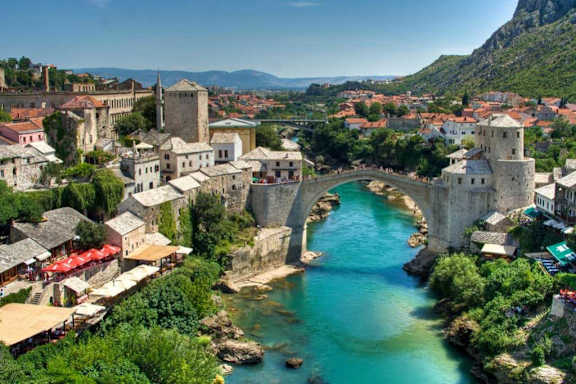
A sixteenth-century bridge that was destroyed in 1993 and rebuilt stone by stone, with men diving 24 metres off it into freezing green water all summer.
Stari Most was built in 1566 by an Ottoman architect and stood for 427 years. In November 1993 it was shelled into the Neretva during the war between Croat and Bosniak forces, and its destruction became one of the defining images of the conflict.
It was rebuilt using the original techniques, with stone from the same quarry and pieces recovered from the river, and reopened in 2004. It is now UNESCO-listed, and the divers who have jumped from it since the seventeenth century are back doing so for tips.
The old town around it is cobbled, Ottoman and very busy between ten and five, when the coaches come up from the Croatian coast. It empties in the evening and becomes something else entirely.
The city is still divided in ways that are not obvious to visitors — two school systems, two bus stations, and a line where the front once ran. That is worth understanding before you arrive.
Two days, or one night after the day trippers leave.
The old town is small. Everything else is a ten-minute walk from it.
Around Stari Most and the Kujundžiluk bazaar: cobbles, guesthouses, restaurants and the crowds by day.
North of the old bridge near the Austro-Hungarian quarter, quieter, cheaper and where people actually live.
East of the river, ten minutes from the bridge, useful for early buses to Sarajevo or the coast.
Orange labels are neighbourhoods, dots are the 10 top-rated hostels. Map data from OpenStreetMap contributors.
Stand on the bridge early. At eight in the morning the old town is empty, the light is on the stone and you can hear the river — by eleven it is shoulder to shoulder.
The divers jump from the parapet, 24 metres into water that stays around 10 degrees all summer. They collect tips first and jump when the pot is full, so watching costs a couple of euros and takes patience. Tourists can be trained to jump by the diving club, which is expensive and not remotely a casual undertaking.
The Muslibegović House and the Koski Mehmed Pasha Mosque both give the classic view of the bridge — the mosque minaret is the photograph everyone takes, and entry is a few euros.
The Sniper Tower, a derelict bank on the former front line covered in graffiti, and the bombed-out buildings along the Bulevar are a plainer reminder than any museum.
Crossing the bridge is free, as is standing on it at any hour — early morning and after nine at night are the two windows worth setting an alarm for.
The Kujundžiluk bazaar costs nothing to walk, though the copper and carpets are for sale.
The Bulevar and the former front line, with the Sniper Tower and shell-scarred facades, are free and are as much of the story as the bridge.
The Neretva riverbank paths and the small beaches downstream are free, and swimming is possible in summer if you can stand the cold.
The Partisan Memorial Cemetery, a brutalist monument on the hillside, is free, derelict and extraordinary.
Herzegovinian food is Bosnian with more Mediterranean in it — this is wine and fig country rather than plum country.
Ćevapi and burek are the staples at €3 to €6, and japrak, vine leaves stuffed with rice and meat, is the regional version of dolma.
The restaurants with terraces directly overlooking the bridge charge for the view — €18 to €25 for a main that costs €10 to €14 two streets back.
Herzegovina makes serious wine from Žilavka and Blatina grapes, and a glass is €2 to €4. The vineyards are twenty minutes away around Čitluk and Ljubuški.
Bosnian coffee is the same ritual as Sarajevo and costs about a euro.
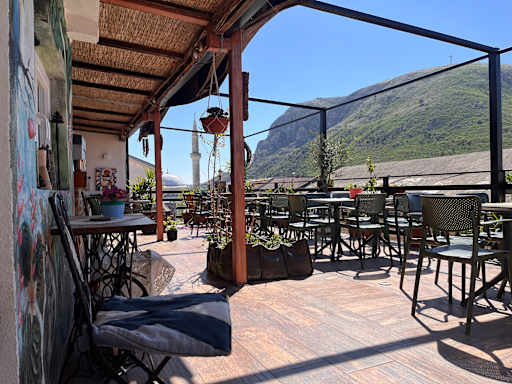
Small, and better than expected once the day trippers have gone. A handful of bars in the old town and along the river open late in summer, and the terraces above the water are lovely at ten at night.
The student area around the university north of the centre has cheaper and livelier places in term time.
A beer is €1.50 to €2.50 and wine €2 to €4.
This is not a nightlife destination and nobody pretends otherwise — the evening here is a terrace, a bottle of Žilavka and a bridge lit below you.
The old town is small and entirely walkable, on cobbles that are steep, polished and genuinely slippery when wet.
Buses to Sarajevo take two and a half hours for about €10 through the Neretva gorge. Dubrovnik is three hours and Split three and a half, both crossing an EU border — bring your passport and allow for queues in summer.
Note that Mostar has more than one bus station, a legacy of the division of the city, and departures differ between them. Check which one your ticket uses.
The train to Sarajevo is slower, cheaper and more scenic than the bus when it is running, and schedules change seasonally.
Cheap, with a tourist premium in the fifty metres around the bridge. Dorms are €10 to €20, a meal €10 to €14 away from the water, and a beer €1.50 to €2.50.
A day is €25 to €45.
The mosque viewpoints are a few euros each, and watching the divers costs whatever you put in the pot.
Euros are often accepted but at rates that favour the seller — pay in marks where you can, and remember the peg is about 1.96, so halving gets you close.
Mostar is safe for visitors, with petty theft in the crowded bazaar the main risk.
The cobbles on and around the bridge are worn to a polish and steeply cambered, and people fall on them regularly, particularly in rain.
Do not jump from the bridge. It is 24 metres into water around 10 degrees with rocks and currents, people have died attempting it untrained, and the diving club exists for exactly this reason.
Landmines remain in some rural areas of the country — not in the city, but stay on marked paths if you head into the hills.
The city's divisions are real but not dangerous to visitors. Emergency numbers are 122 police, 124 ambulance.
Waterfalls, a dervish house and a wine region, all within an hour.
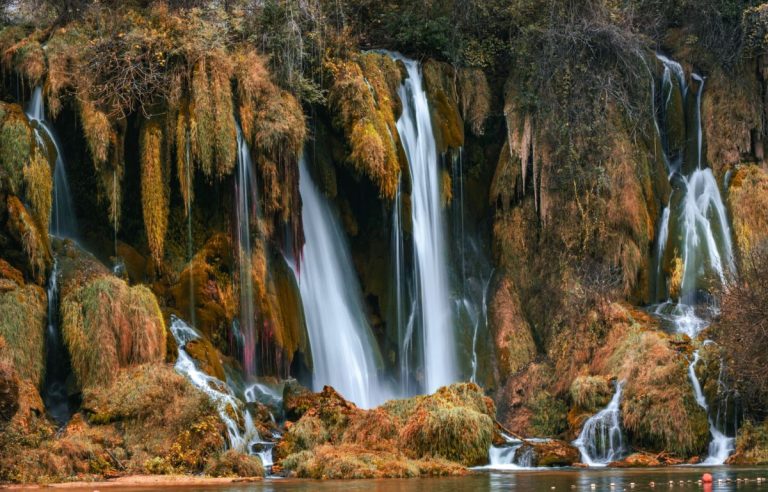
A 25-metre curtain of waterfalls into a green pool you can swim in. Busy in August, beautiful in June.
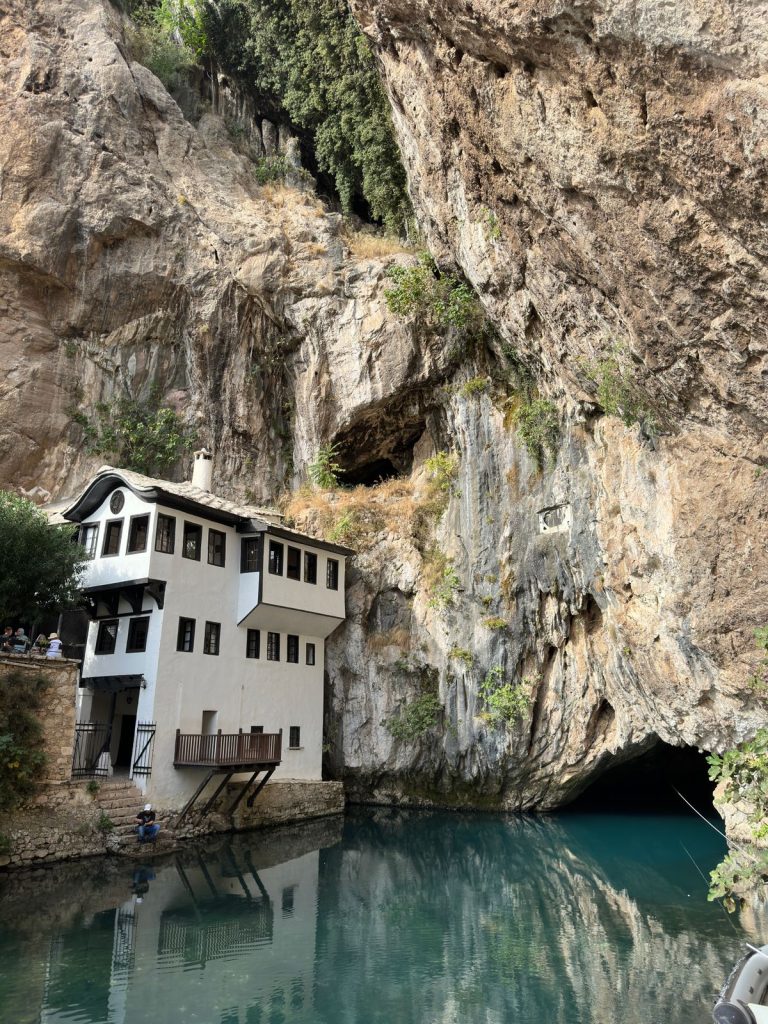
A dervish monastery built against a cliff at the source of the Buna, where the river comes out of the rock.
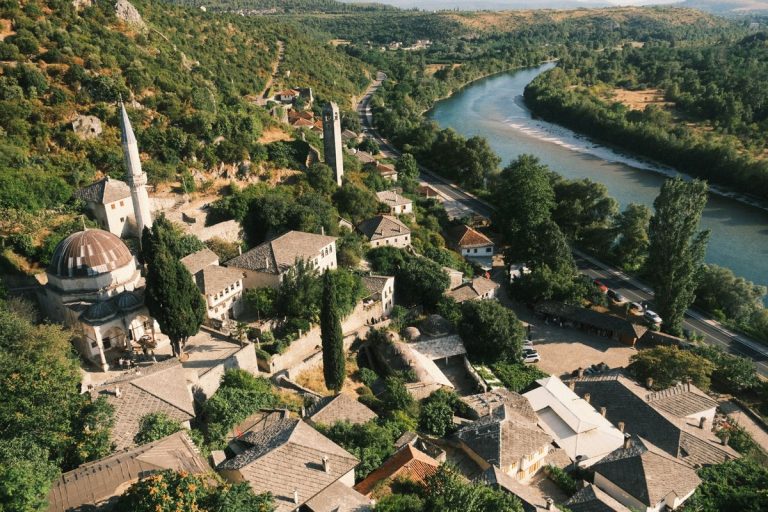
A stepped Ottoman village on a hillside above the Neretva, with a fort at the top and almost nobody there.
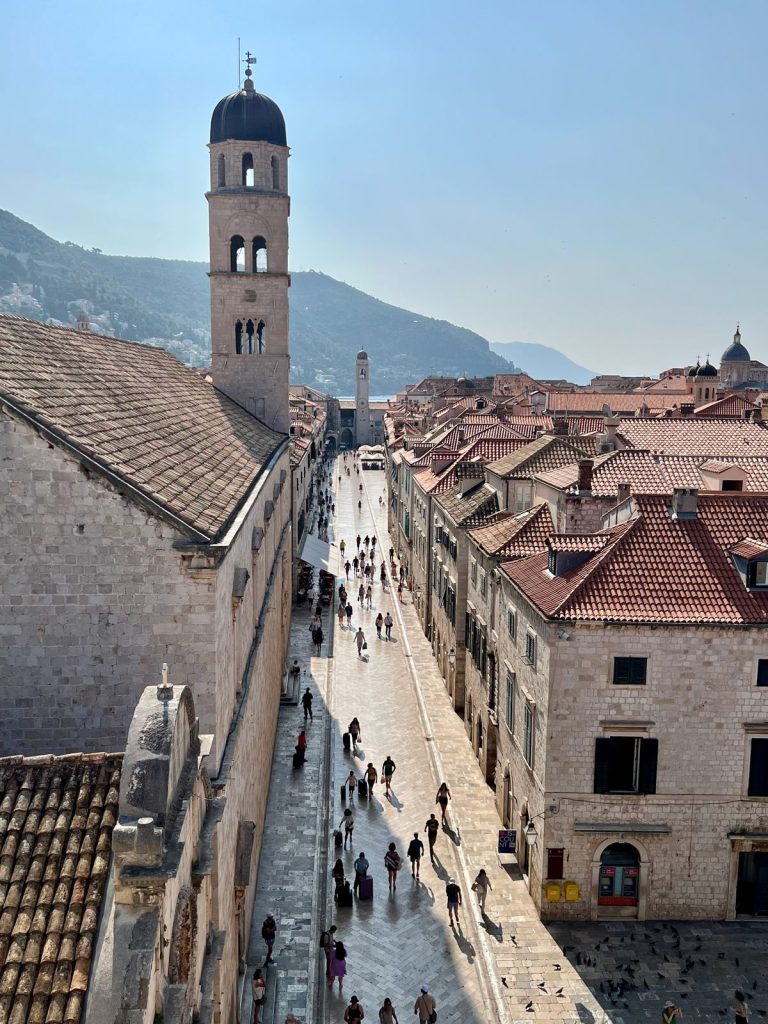
A long day, and an EU border crossing. Better as the next stop than as a return trip.
The diving competition in July is the event the city is known for.
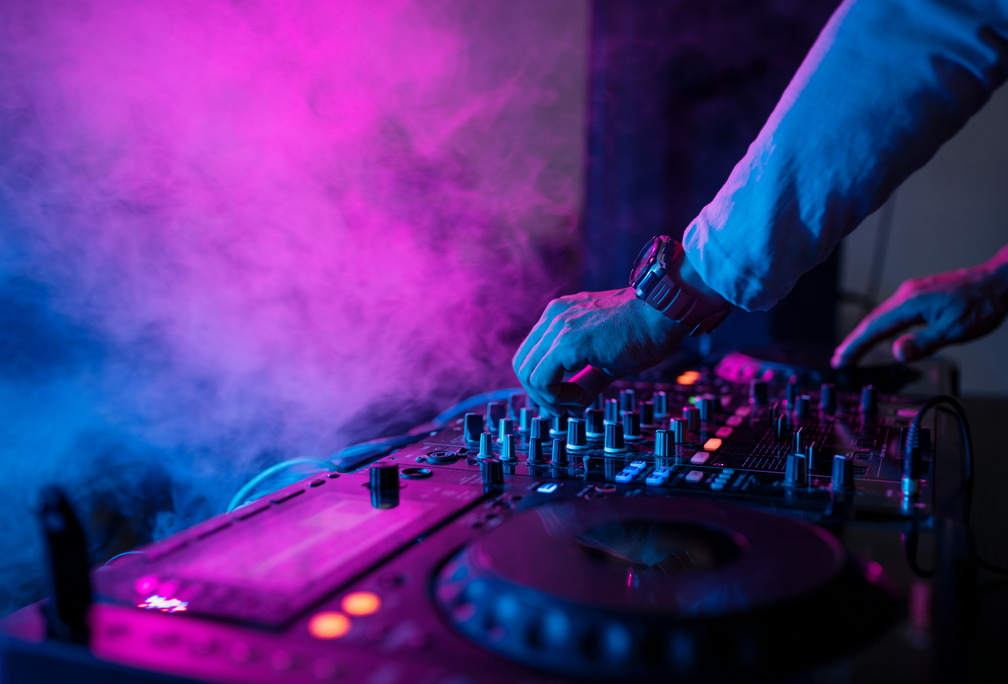
Tucked inside a 10-meter-high cavity carved out of rock in the 15th century, Pecina (Ali Baba Pećina) is a nightclub unlike anything else in…
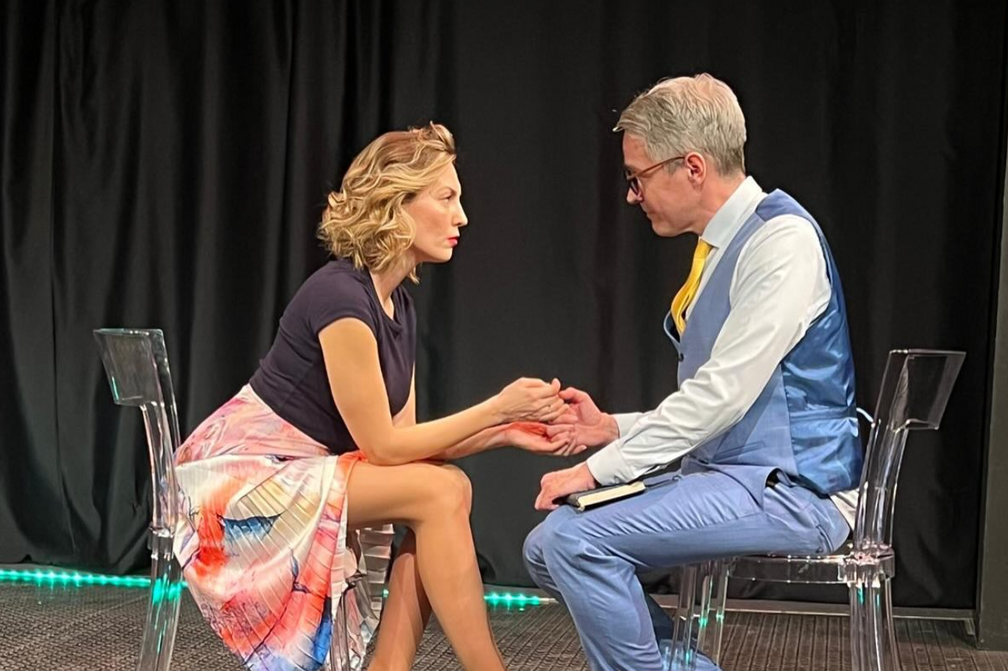
The event MOSTAR - "Jel slobodno?" brings a hit comedy to the stage at Hrvatski dom Herceg Stjepan Kosača in Mostar. You will experience…
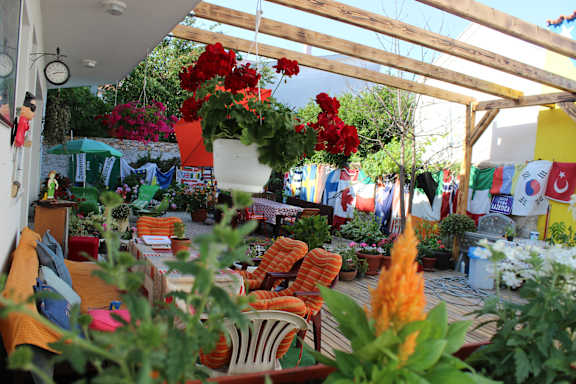
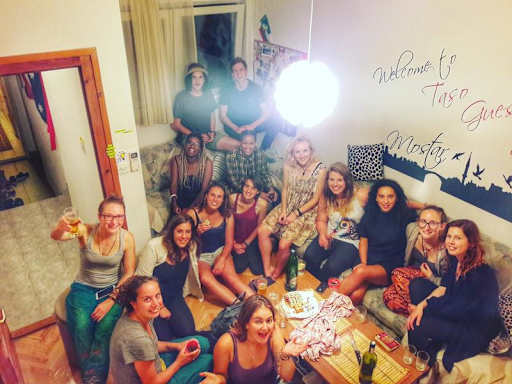
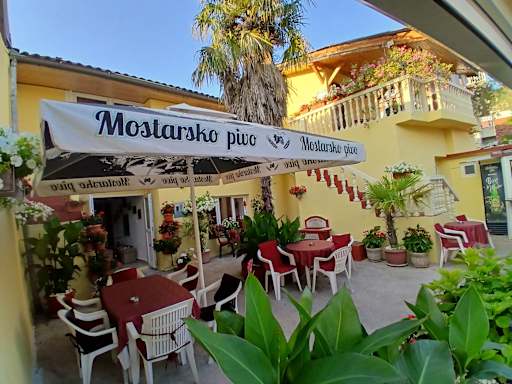
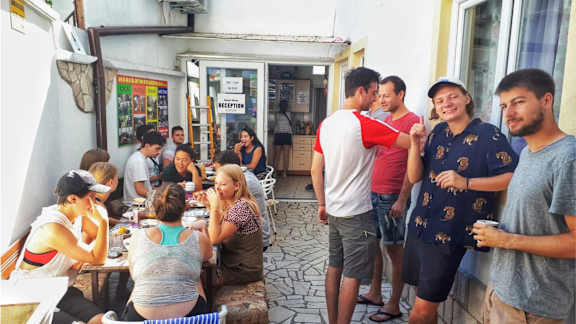
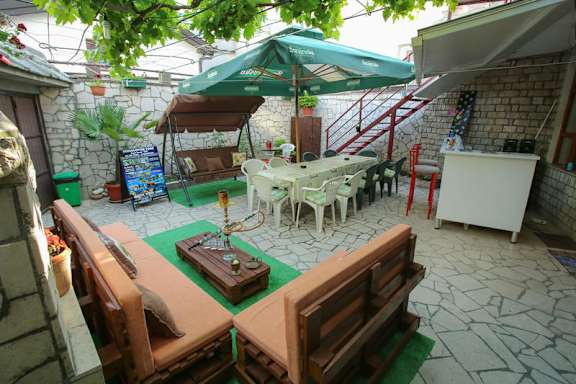
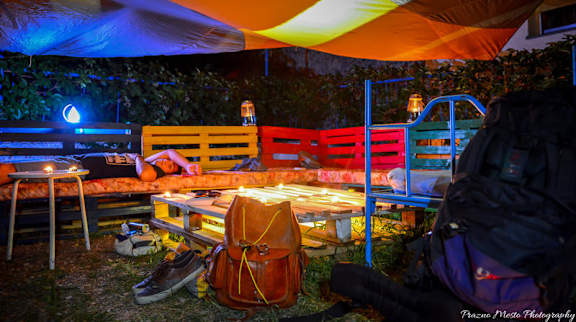
Small family-run guesthouses and hostels, most within five minutes of the bridge. Live from Hostelworld.
May, June and September. Mostar is one of the hottest places in Europe in July and August.
Average highs. Mostar regularly records the highest temperatures in Bosnia and passes 40°C in July and August, when the stone old town holds the heat well into the evening.
Pick how you travel. Per person per night, in euros.
Prices are in convertible marks, pegged at about 1.96 to the euro. Kravice and wine tours at €20–55 are the main extras.
The ones we get asked most.

Compare Mostar hostels and guesthouses — live prices, real reviews and free cancellation on most bookings. Then meet the people already there in the app.

 Get the App.
 Get the App.