Old Town
AtmosphereThe car-free oval of lanes up to St Euphemia, with sea on three sides and the highest prices.

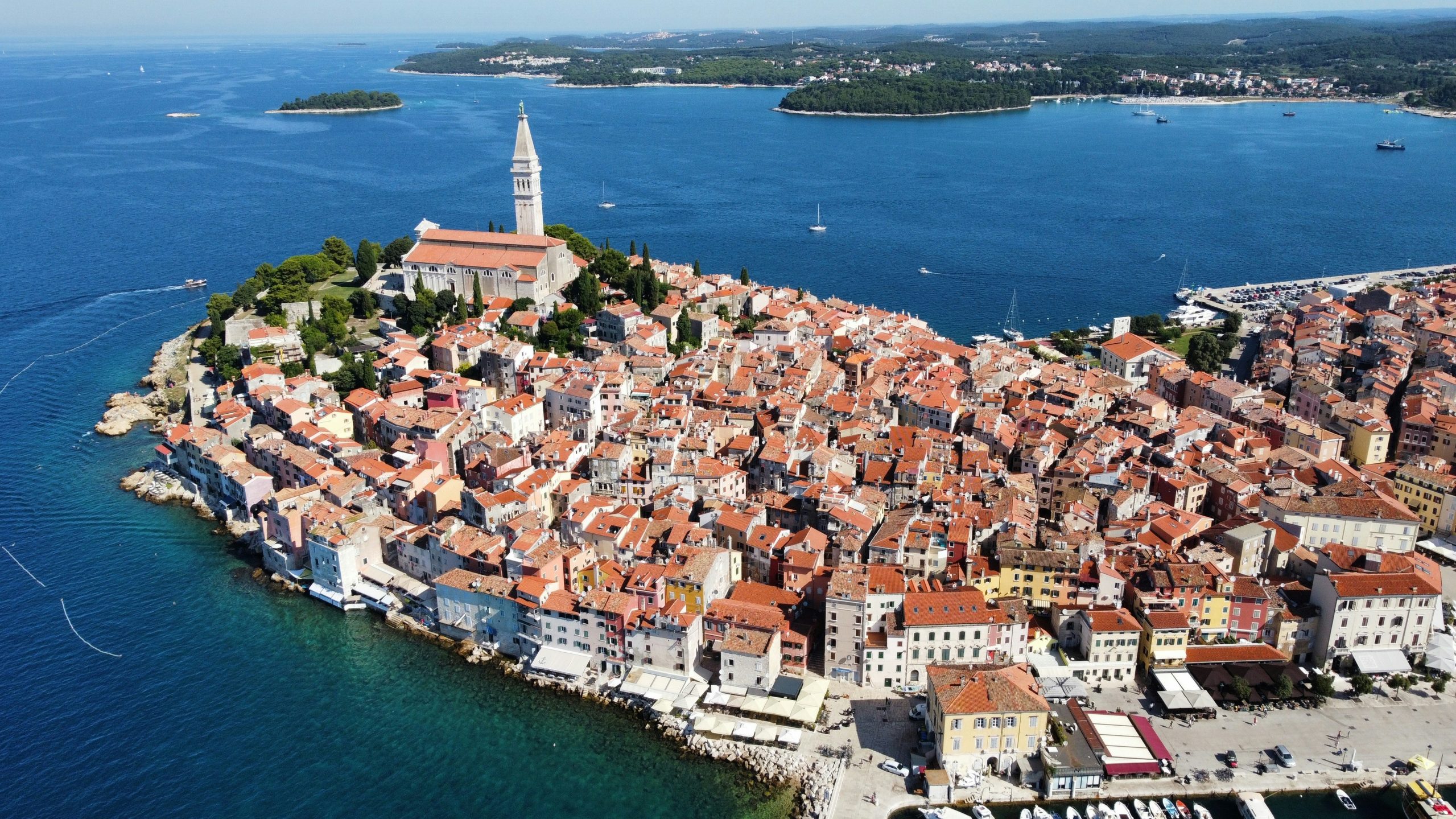
An Italian-looking town on an Istrian peninsula, where the streets are still signed in two languages, the truffles come from the forest inland and Venice is across the water.
Rovinj was Venetian for five centuries, and it shows in everything — the campanile modelled on St Mark's, the shuttered houses stacked to the water's edge, and street signs in Croatian and Italian because both are official here.
The old town sits on what was an island until the channel was filled in 1763, which is why it is a tight oval of lanes climbing to the church of St Euphemia at the top.
Istria generally is the part of Croatia that feels closest to Italy: hill towns, truffles from the Motovun forest, olive oil that wins international awards, and Malvazija white wine.
It is busy in July and August with Italian, Austrian and German visitors rather than the party crowd, and it is quieter and more expensive than the Dalmatian coast in character.
Two days, or a base for inland Istria.
The old town oval, the harbour around it, and the pine coast south.
The car-free oval of lanes up to St Euphemia, with sea on three sides and the highest prices.
The waterfront and the streets behind it, with restaurants, the market and the bus station ten minutes away.
The pine forest park and coast south of town, with swimming spots, campsites and cheaper rooms.
Orange labels are neighbourhoods, dots are the 1 top-rated hostels. Map © MapTiler © OpenStreetMap contributors.
Climb the bell tower of St Euphemia. It is 60 metres, modelled on the campanile in Venice, the stairs are wooden and alarming, and the view over the red roofs and the islands is the best in Istria. A few euros.
Walk Grisia, the lane that climbs from the harbour to the church, which fills with artists' work every August in a one-day open-air exhibition that has run since 1967.
Zlatni Rt, the Golden Cape, is a forest park of pines and holm oaks south of town with rocky swimming spots, cycling paths and no development at all.
Take a boat to the islands — Sveta Katarina and Crveni Otok are minutes offshore with swimming and far fewer people.
Inland, the hill towns of Motovun, Grožnjan and Hum are within an hour, and the truffle forests are under them.
The old town costs nothing and is the attraction — the lanes, the harbour, the washing over the streets and the sunset from the western rocks.
Zlatni Rt park is free to walk and cycle, and its swimming spots are rocky, clear and open to everyone.
The church of St Euphemia is free to enter; only the tower charges.
The harbour market in the morning sells truffles, olive oil and produce, and costs nothing to look at.
Swimming anywhere along the coast is free, and the rocks below the old town are where locals go.
Istrian food is the best in Croatia and the most Italian. Truffles from the Motovun forest go on fuži pasta and eggs — white truffle season runs from October and is expensive, black is cheaper and available most of the year.
Fish is grilled and sold by weight, and Istrian olive oil regularly ranks among the world's best, with producers running tastings inland.
Malvazija is the white wine and Teran the red, both local, at €4 to €6 a glass.
A konoba meal is €18 to €30, which is above Dalmatian prices, and the harbourfront restaurants are higher again. One street inland is noticeably better value.
Quiet and civilised. Cocktail bars on the rocks below the old town — Mediterraneo and Valentino among them — serve drinks on cushions above the water at sunset, which is the town's signature evening.
A few bars around the harbour stay open late in summer, and there is a small club scene, but this is not a party town and the crowd skews older and more Italian.
A beer is €4 to €5 and cocktails €10 to €14, reflecting the Istrian premium.
For a bigger night, Pula is 45 minutes away and has the student and festival scene.
The old town is car-free and small, and walking covers the town in twenty minutes.
Buses connect to Pula in 45 minutes, Poreč in an hour, Trieste in about three and Zagreb in four and a half. There is no passenger rail service to Rovinj.
In summer, catamarans run to Venice in three to four hours, which is the most interesting way to arrive or leave.
Boats to the offshore islands leave from the harbour every half hour in season for a few euros.
Bikes are the best way to reach Zlatni Rt and the coast south, with rental at €10 to €15 a day.
Istria is the most expensive part of Croatia after Dubrovnik, and Rovinj is the most expensive town in Istria. Dorms are €22 to €45, a konoba meal €18 to €30, and a beer €4 to €5.
A day is €55 to €95 in season.
The savings are inland and offshore: eat a street back from the harbour, buy at the market, swim at Zlatni Rt rather than a beach club, and take the boat to an island rather than a tour.
Truffle dishes carry a premium, particularly in white truffle season from October.
Rovinj is very safe and quiet, with minimal crime.
The old town lanes are steep, polished stone and slippery in rain, and the bell tower stairs are wooden, open and not for anyone unsteady.
Swimming is off rocks rather than sand along most of this coast, and sea urchins are common — water shoes are worth the few euros.
The bura wind can blow hard in winter and spring and makes boat trips uncomfortable or cancelled.
Summer heat is moderate by Croatian standards. Emergency number is 112.
Hill towns, truffles and a Roman amphitheatre, all within an hour.
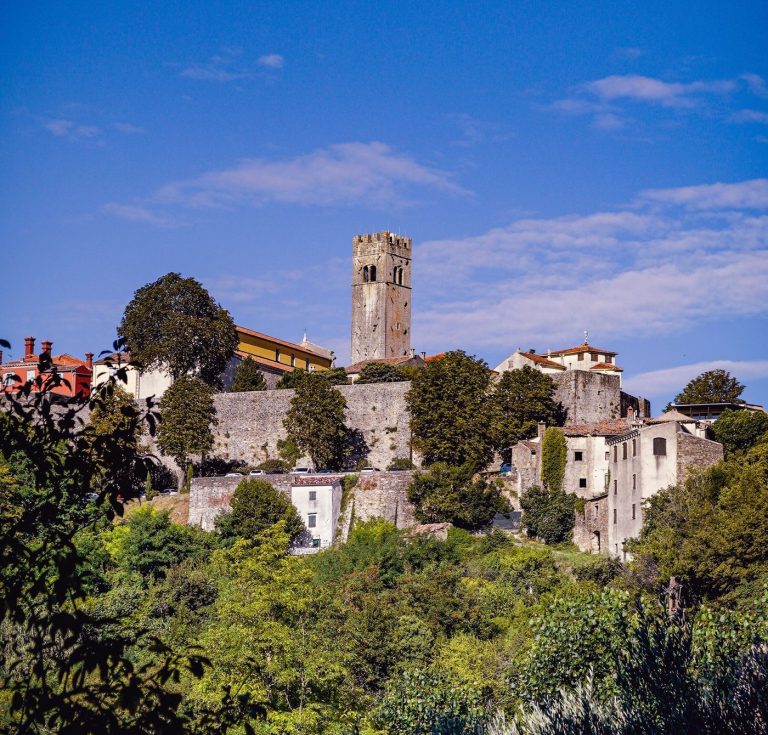
Hill towns above the truffle forest, one with a film festival and one full of artists' studios.
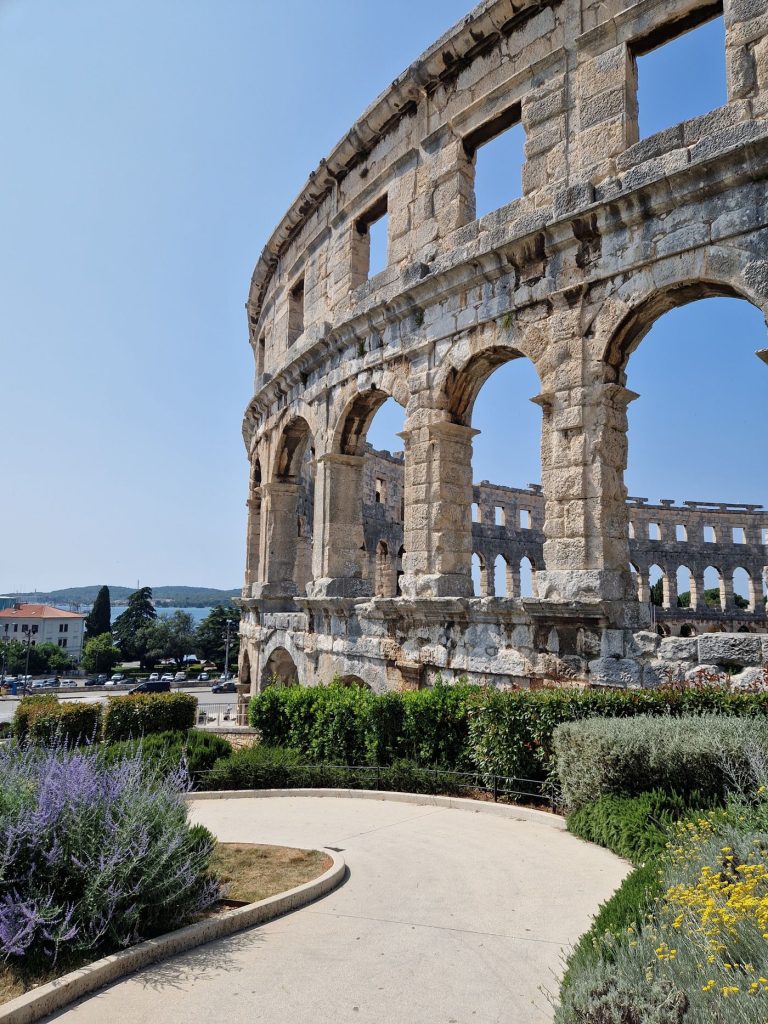
A Roman amphitheatre almost intact, at the tip of the peninsula, with a summer concert season inside it.
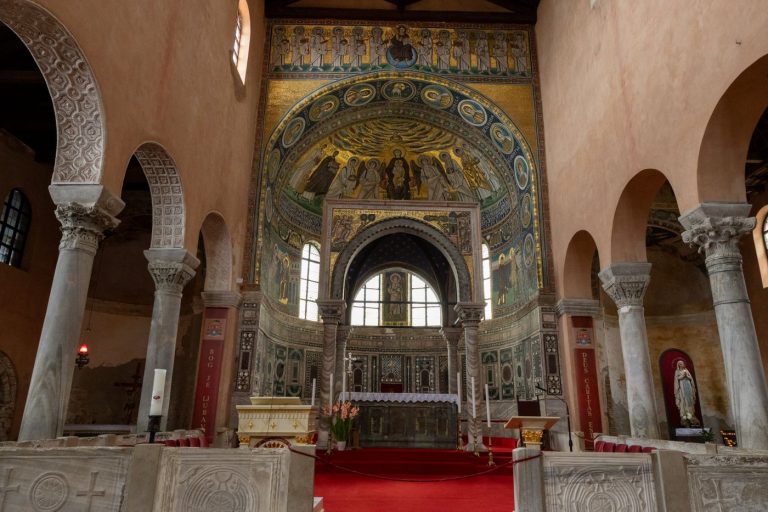
Sixth-century Byzantine mosaics in a UNESCO-listed basilica, in a busier resort town.
One day in August turns the main lane into an open-air gallery.
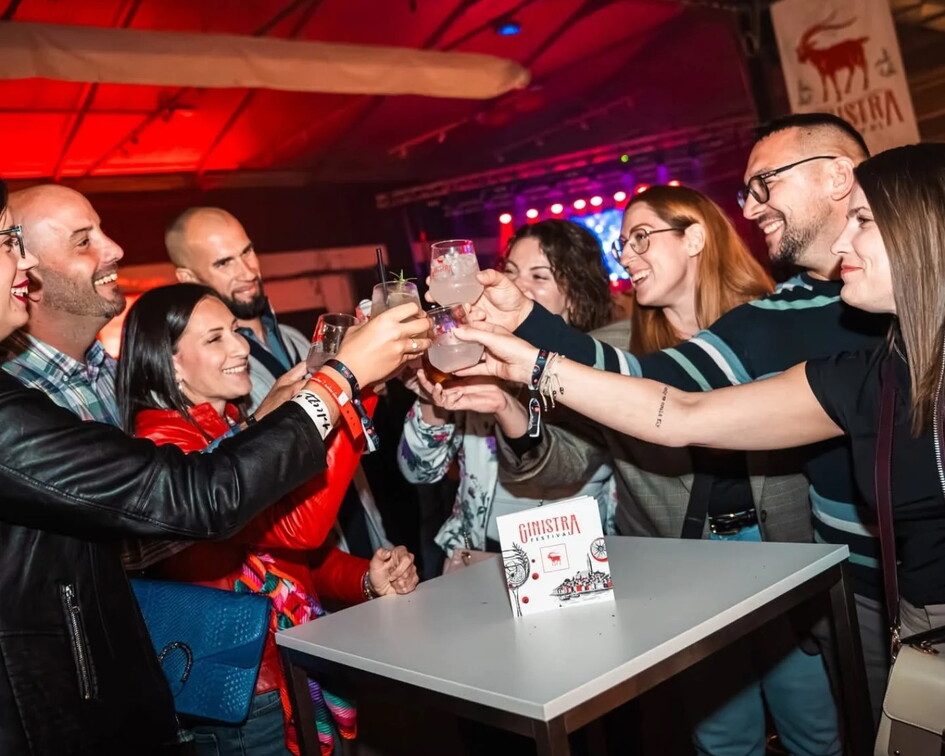
Craft gin takes center stage at this festival set inside Rovinj's atmospheric former tobacco factory. GinIstra brings together premium spirits, local gastronomy, and the…
A small scene at Istrian prices, mostly around the harbour rather than inside the old town. Live from Hostelworld.
May, June and September. October is truffle season and worth planning around.
Average highs. Istria is cooler and greener than Dalmatia, and the white truffle season from October is a genuine reason to come in autumn.
Pick how you travel. Per person per night, in euros, in season.
Truffle dishes and Istrian wine push the food line up. One street back from the harbour cuts it noticeably.
The ones we get asked most.

Compare Rovinj hostels — live prices, real reviews and free cancellation on most bookings. Then meet the people already there in the app.

 Get the App.
 Get the App.