Old Town
First-timersThe stone peninsula: Roman forum, the Sea Organ, bars and restaurants, walkable end to end in fifteen minutes.

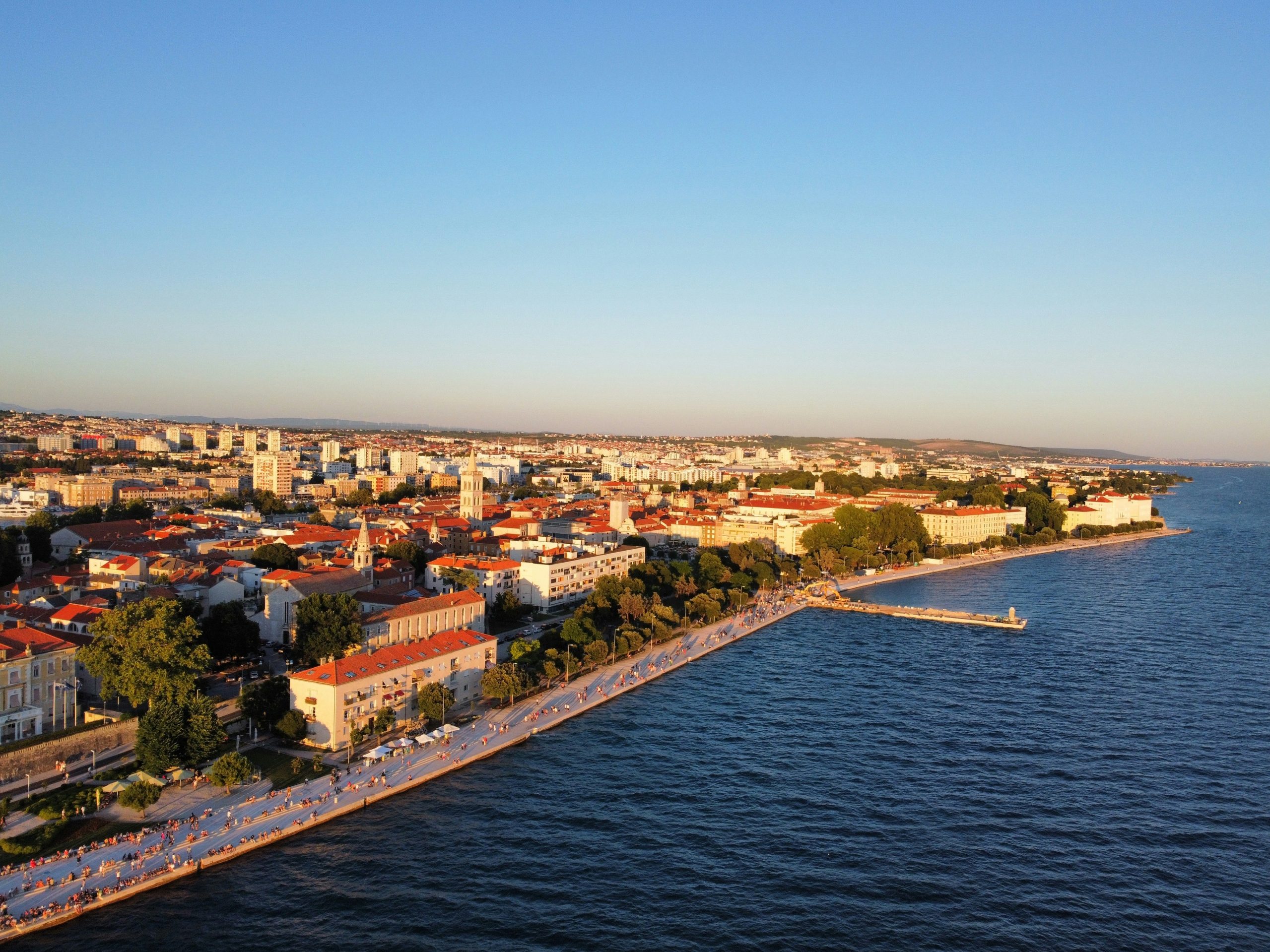
Roman ruins lying where they fell, an organ played by the sea through holes in the promenade, and the sunset Alfred Hitchcock called the most beautiful in the world.
Zadar is a peninsula of Roman and Venetian stone that was bombed heavily in the Second World War and rebuilt around what survived, which is why Roman columns lie in the middle of the main square and a ninth-century church stands on the old forum floor.
At the tip of the peninsula are two installations by the architect Nikola Bašić: the Sea Organ, which plays through 35 pipes as waves push air through holes in the marble steps, and the Greeting to the Sun, a solar disc that lights up after dark. Both are free, and both are better than they sound on paper.
Hitchcock came here in 1964 and said the sunset was the most beautiful in the world, which the city has repeated ever since and which is not far off.
It is also the best base on the coast: five national parks — Plitvice, Krka, Paklenica, Kornati and North Velebit — are all within reach.
Two days, more as a base.
The old town is a peninsula. Everything else is across the bridge or along the coast.
The stone peninsula: Roman forum, the Sea Organ, bars and restaurants, walkable end to end in fifteen minutes.
Across the footbridge, residential and much cheaper, with a five-minute walk into the old town.
Four kilometres north-west, with the main beaches, campsites and a bus into the centre.
Orange labels are neighbourhoods, dots are the 9 top-rated hostels. Map © MapTiler © OpenStreetMap contributors.
Sit on the Sea Organ steps at sunset. Waves push air up through 35 pipes cut under the marble, and the sound is genuinely musical and never the same twice. Next to it, the Greeting to the Sun charges through the day and puts on a light show after dark. Both are free, and at sunset the whole city is there.
The Roman forum is the largest on this side of the Adriatic, and the columns and paving are simply lying where they were left — there is no fence and no ticket.
St Donatus, a circular ninth-century church built directly on the forum with Roman stones visibly reused in its walls, is a few euros and has famous acoustics.
The Museum of Ancient Glass and the gold and silver collection at St Mary's are both better than expected, and the Kalelarga, the main street, has been the main street since Roman times.
The Sea Organ and the Greeting to the Sun are both free and both are the highlights.
The Roman forum is open ground with no ticket, and the Kalelarga and the peninsula streets cost nothing.
The city beaches at Kolovare and along the Borik coast are free, as are the rocky swimming spots off the peninsula itself.
The sunset from the western tip is free and is the city's nightly event, with the organ playing underneath it.
The morning market by the walls is free to wander and is where to buy for a picnic.
Dalmatian, and better value than Split or Dubrovnik. A konoba meal is €12 to €20, grilled fish by weight, and pašticada — beef marinated for days in wine and prunes — is the dish to order.
Maraschino, a cherry liqueur, has been made in Zadar since 1821 and was a favourite of several European courts; a bottle from a shop is a few euros and it is poured everywhere.
Pag cheese from the island up the coast is the best in Croatia, sharp and salty from sheep that graze on herbs in sea spray.
The morning market by the walls has the produce, and a beer is €3 to €4.
The old town has a good, manageable scene: bars in stone courtyards, the Arsenal in a Venetian warehouse, and terraces along the waterfront.
The university keeps it going outside summer, which is unusual on this coast.
A beer is €3 to €4 and cocktails €7 to €10, noticeably below Split and Dubrovnik.
In summer the beach clubs at Borik and the Zrće party beach on Pag — about an hour north, and one of the biggest open-air club strips in Europe — take over. Zrće is a very different proposition from Zadar itself and worth knowing about either way.
The old town is a small peninsula and walking covers it in fifteen minutes end to end. A footbridge links it to the eastern side of the harbour.
City buses cost about €1.50 and reach Borik and the beaches.
The airport shuttle takes 25 minutes for about €6, timed to flights.
Buses are the intercity option: Zagreb three and a half hours, Split three, Plitvice two and a half, Šibenik an hour and a half.
Ferries from the old town harbour reach the Zadar archipelago — Ugljan, Dugi Otok and the Kornati — and catamarans run in summer.
Cheaper than Split and much cheaper than Dubrovnik. Dorms are €18 to €35, a konoba meal €12 to €20, and a beer €3 to €4.
A day is €45 to €75 in season.
The best things — the Sea Organ, the forum, the sunset, the beaches — are free, which keeps a day here low if you want it to be.
The costs that add up are national park entries, which vary sharply by season and are highest at Plitvice and Krka in July and August.
Zadar is a safe, relaxed city with low crime, and the peninsula is comfortable at night.
The marble and stone paving in the old town is polished and slippery in rain.
The rocky swimming spots off the peninsula have sea urchins, and water shoes are worth the few euros.
The bura, a fierce northeasterly wind off the Velebit mountains, hits this coast hard in winter and can cancel ferries and close the coastal road and the Pag bridge at short notice.
If you head into Paklenica or Velebit, that is proper mountain terrain. Emergency number is 112.
Five national parks are within reach, which is the main argument for basing here.
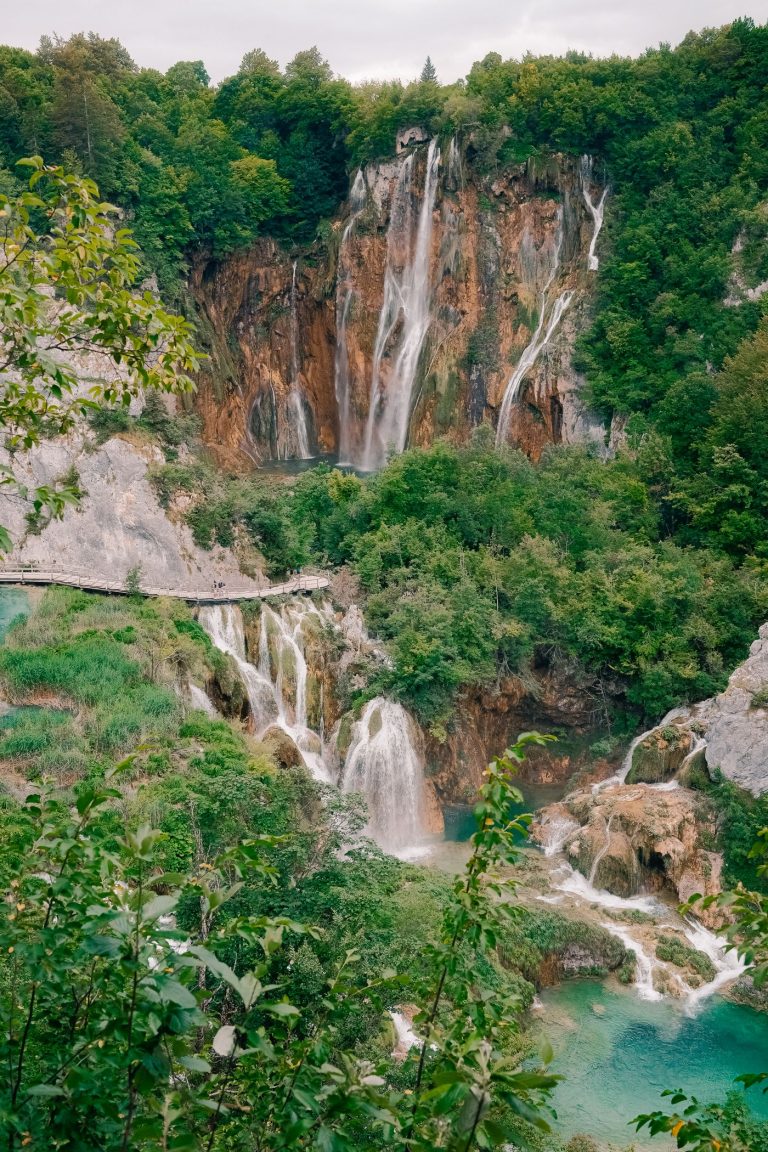
Sixteen terraced lakes linked by waterfalls, on boardwalks through a gorge. Book entry online in summer and go early.
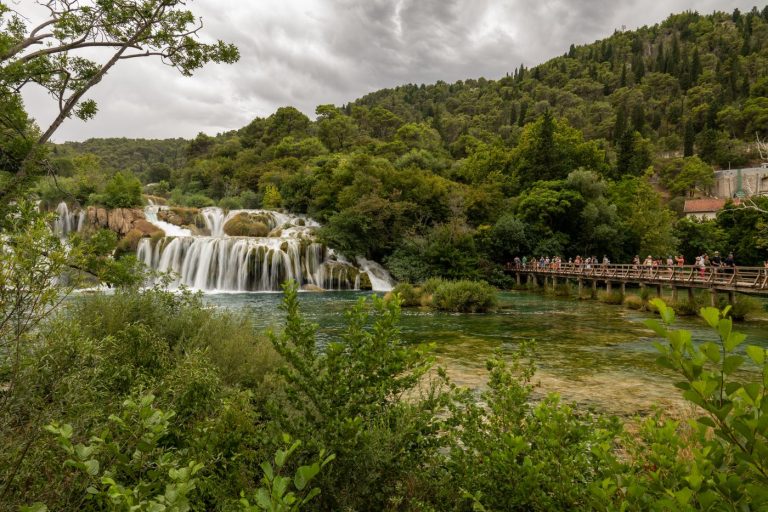
Waterfalls and boardwalks, closer and usually less crowded than Plitvice.
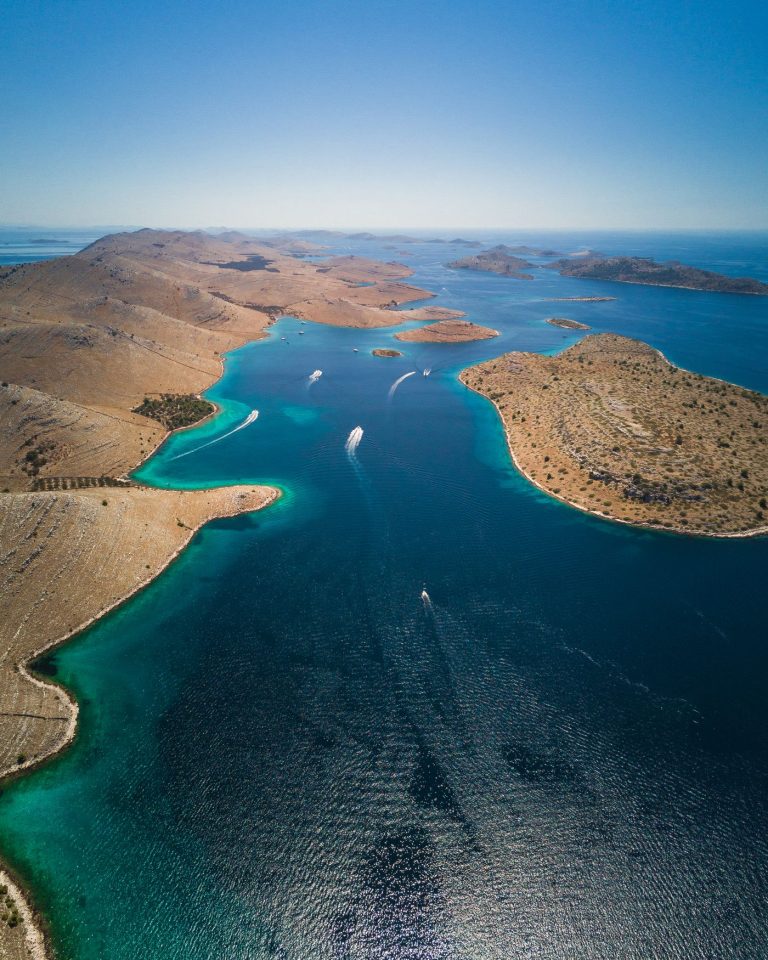
Eighty-nine largely bare islands in a national park archipelago, reached by boat with lunch included.
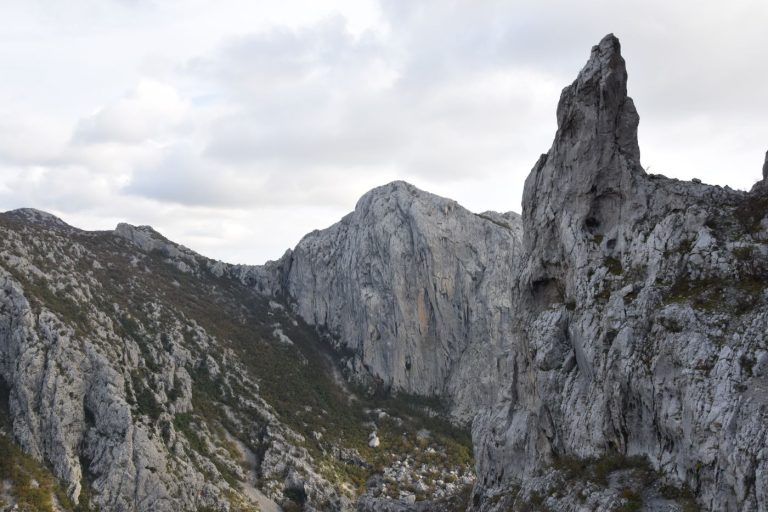
Two gorges cut into the Velebit range, with the best rock climbing in Croatia and walking trails for everyone else.
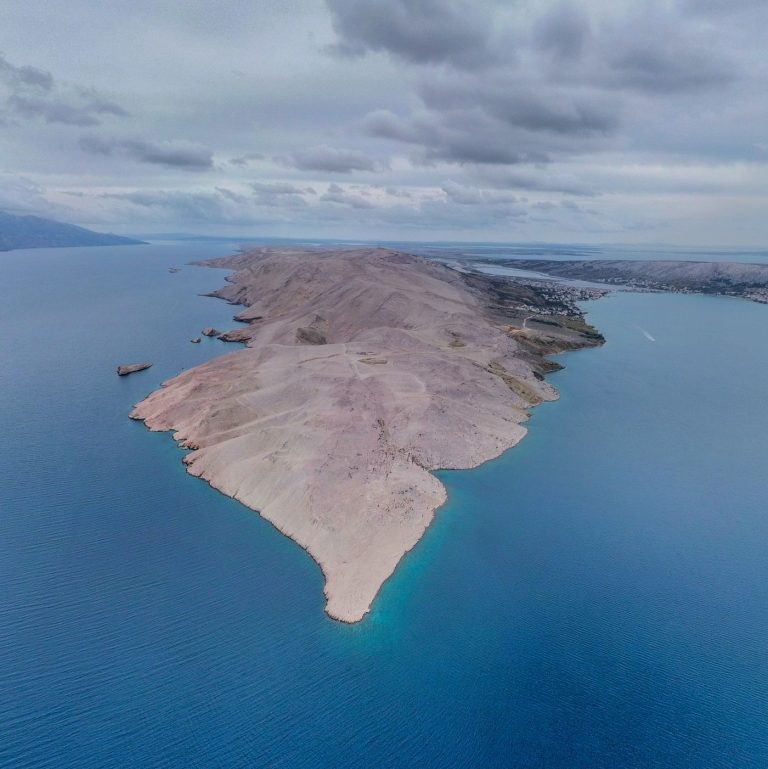
A lunar-looking island famous for sheep's cheese, salt and one of Europe's biggest open-air club strips.
A summer of festivals, and a sunset every evening.
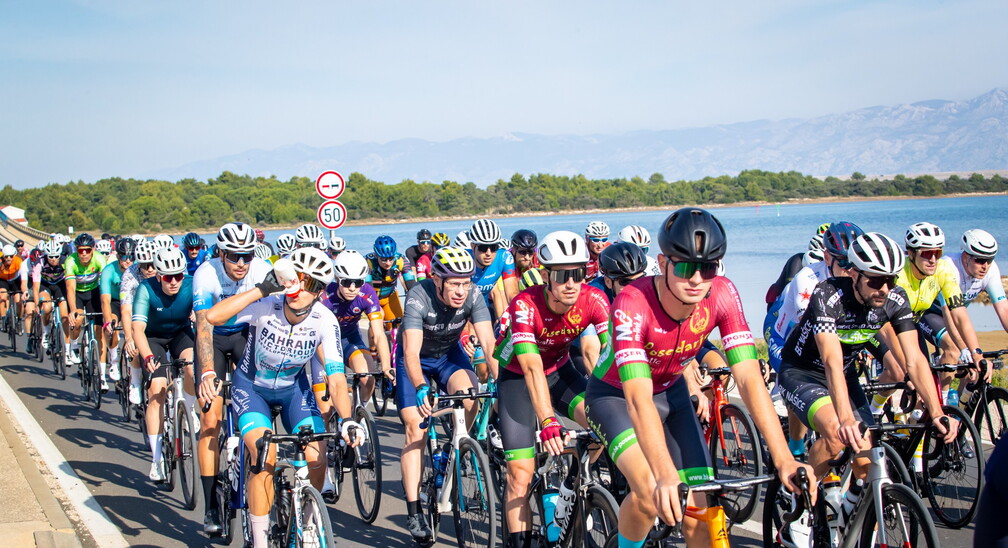 Staff pick
The Zadar GranFondo Falkensteiner Borik in Zadar, Croatia, invites cyclists to challenge themselves on a scenic route that showcases the region’s stunning coastline, mountains,…
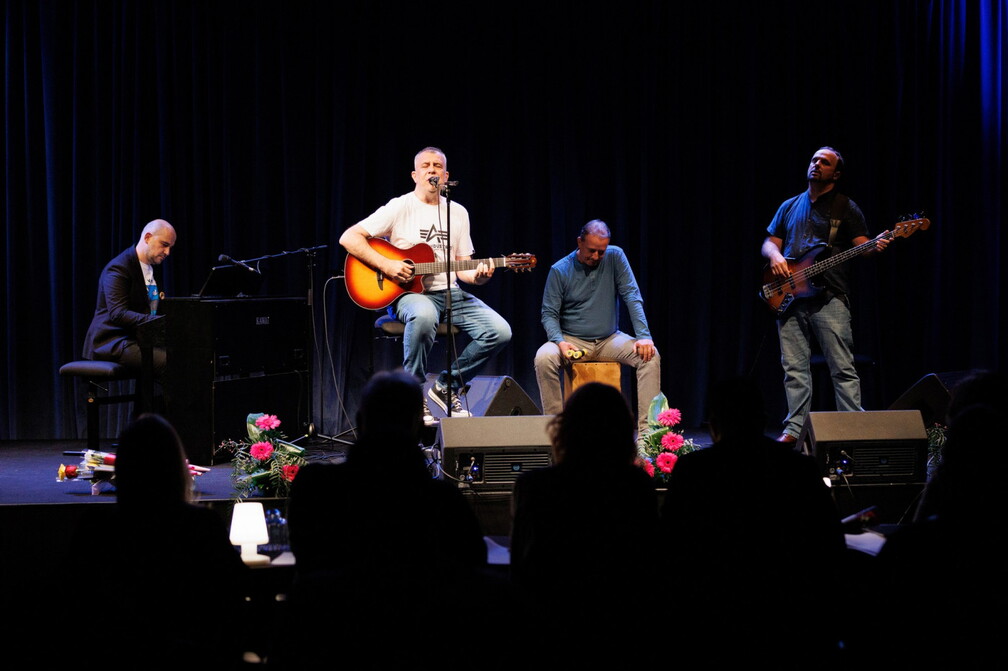
The 4th Music Festival Glas Kantautora Zadar 2026 is a music festival scheduled to take place in Zadar. The event is set for October…
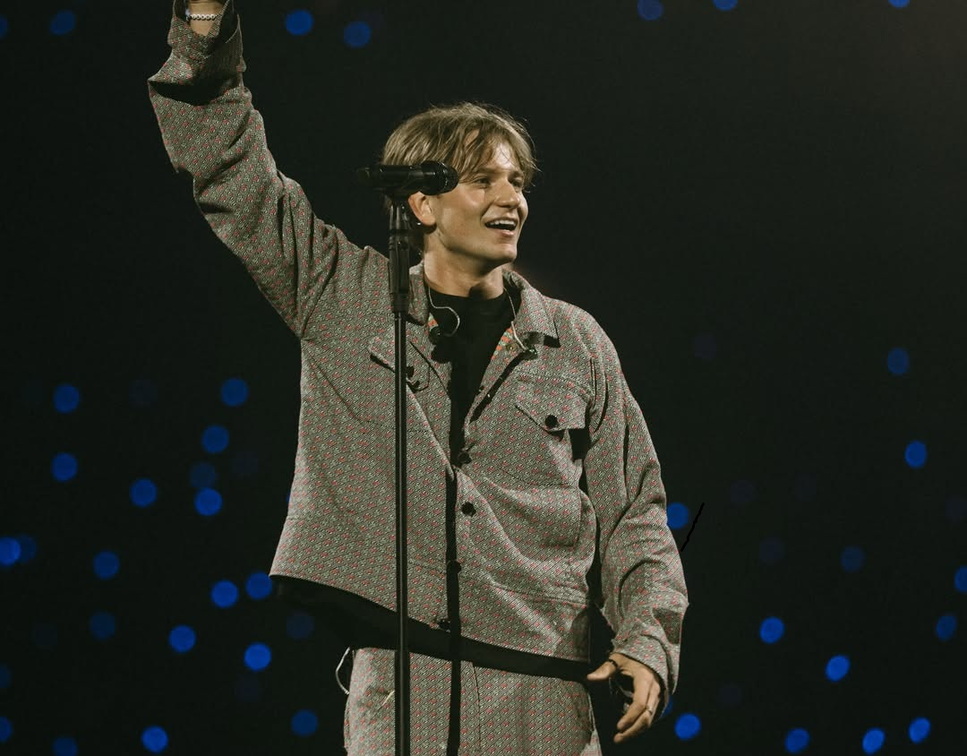
Jakov Jozinović brings his debut chapter to Zadar, offering a live performance built on heartfelt lyrics and warm, expressive vocals. The Croatian artist blends…

A medieval tower turned gallery, the Captain's Tower at Five Wells Square hosts rotating exhibitions throughout the 2026 art season. The space showcases work…

Archipelago Trail Run 2026 invites you to a late-summer island-hopping trail run across the Dalmatian archipelago. You can choose from multiple stages and distances,…

Marijana Mikulić presents a personal story that candidly explores relationships between men and women, marriage, and motherhood. The performance reflects on the challenges of…
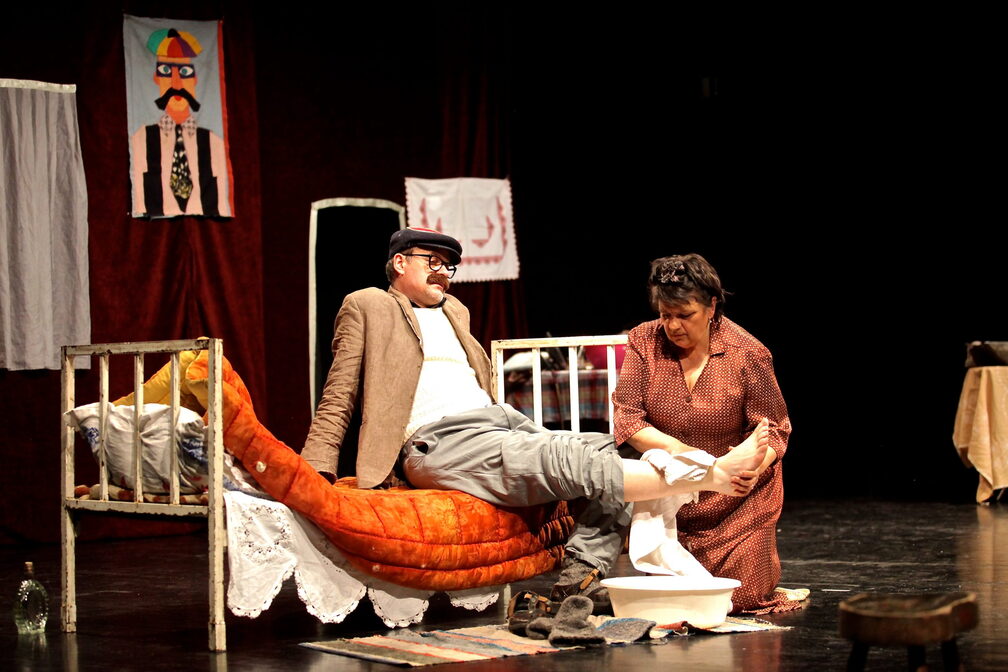
A Montenegrin couple's everyday life takes center stage in this beloved comedy that has been drawing packed houses across the region for over a…
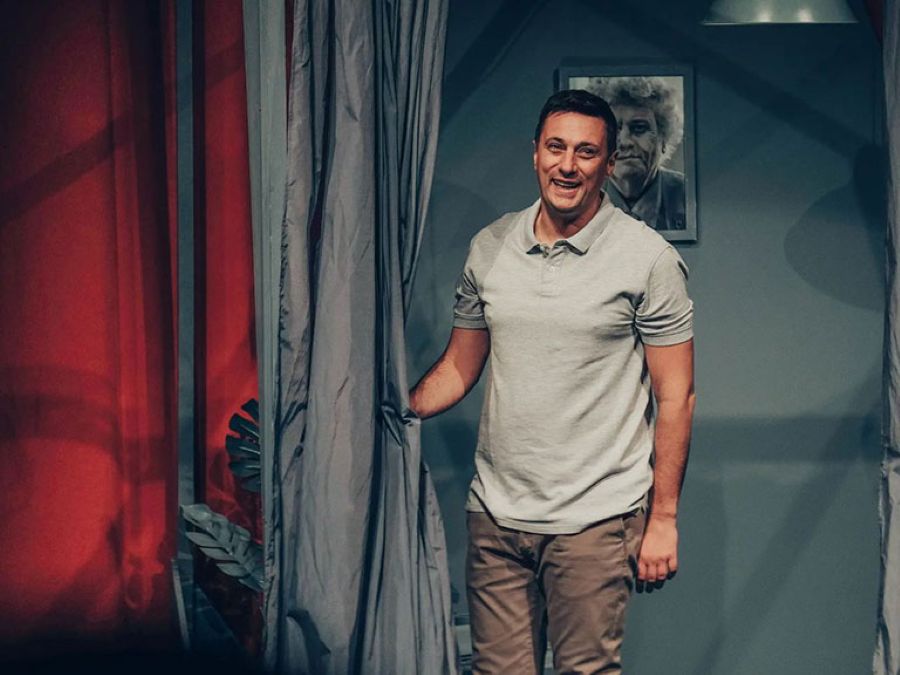
Kostadin, nicknamed Lale, came to Belgrade with dreams but spent years chasing easy living instead of finishing his education or building a real career.…
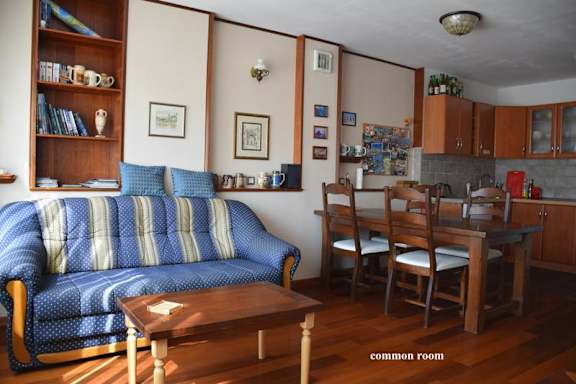
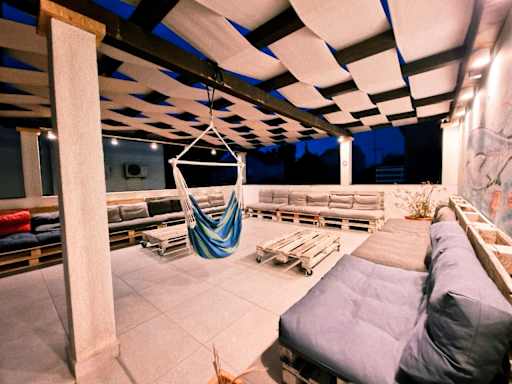
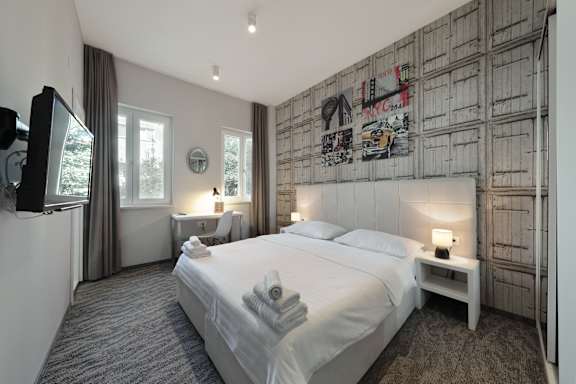
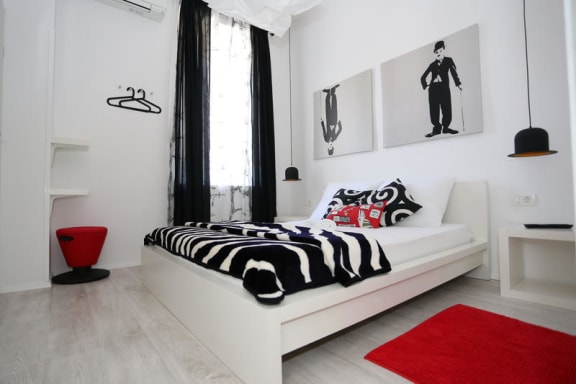
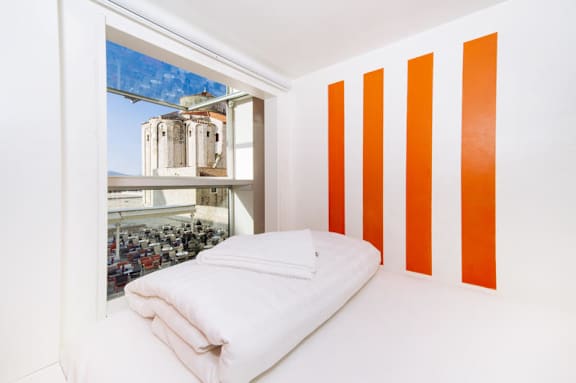
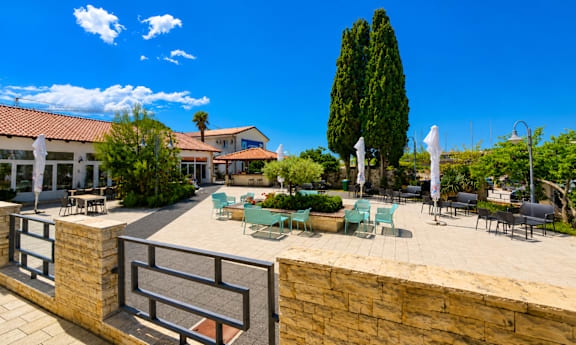
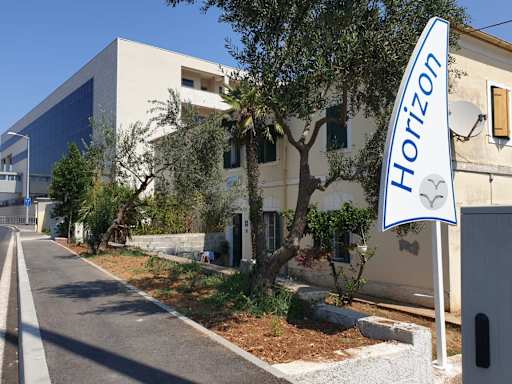
A decent scene on the peninsula and across the footbridge, at prices well below Split. Live from Hostelworld.
May, June, September and October. The parks are best outside the July and August peak.
Average highs. The bura wind can drop the felt temperature sharply in winter and spring, and the waterfalls at Plitvice and Krka are at their most dramatic in April and May.
Pick how you travel. Per person per night, in euros, in season.
National park entries are the main variable and rise steeply in July and August. Plitvice and Krka both cost considerably less outside peak season.
The ones we get asked most.

Compare Zadar hostels — live prices, real reviews and free cancellation on most bookings. Then meet the people already there in the app.

 Get the App.
 Get the App.