Inner town
First-timersInside the river bend: the square, the lanes, the restaurants and most of the guesthouses.

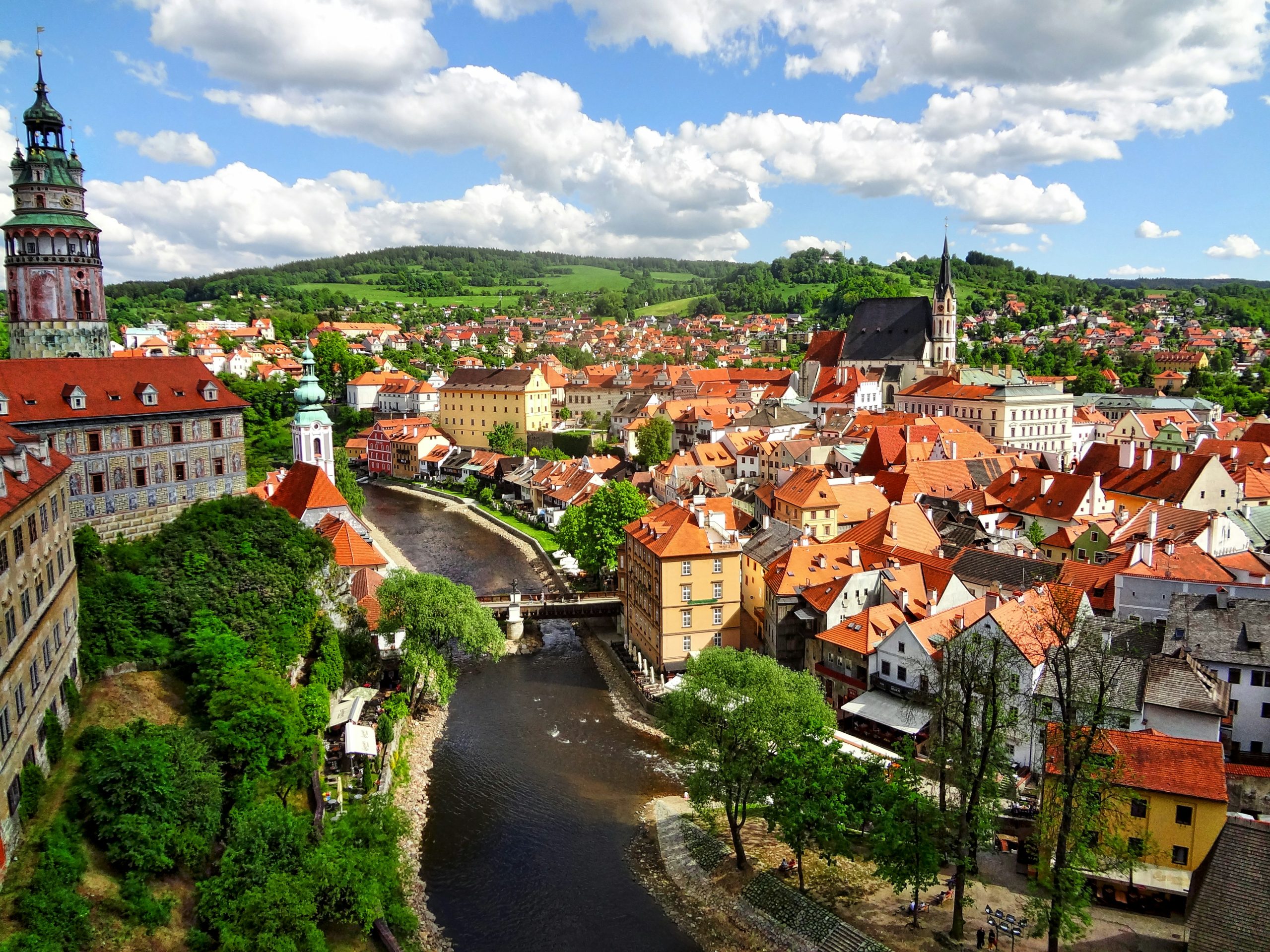
A medieval town wrapped inside a double bend of the Vltava, under a castle with a baroque theatre and bears in the moat. Stay the night, after the coaches leave.
Český Krumlov sits inside a tight double bend of the Vltava, which is why the layout looks impossible from above — a red-roofed medieval town almost entirely surrounded by water, with a castle on a rock ridge above it.
The castle is the second largest in the country and has a baroque theatre from 1682 with its original stage machinery, scenery and props still working, one of only a handful in the world. It is shown a few times a year.
Bears have been kept in the castle moat since the sixteenth century, which is exactly as odd as it sounds and which the town does not intend to stop.
The day-trip traffic from Prague and Austria is heavy between eleven and five, and the town has about 13,000 residents against well over a million visitors a year. Stay over and it is a different place entirely.
A night, or two with rafting.
Inside the river loop, under the castle, or across the water.
Inside the river bend: the square, the lanes, the restaurants and most of the guesthouses.
The strip below the castle across the river, with the brewery, the bears and a quieter feel.
Across the water south, residential, cheaper, and a five to ten-minute walk in.
Map © MapTiler © OpenStreetMap contributors.
The castle complex is free to walk through — the courtyards, the bridges and the terraces cost nothing, and the view from the cloak bridge over the town is the one everyone photographs.
The baroque theatre from 1682 is the remarkable part: original machinery, painted scenery, props and costumes, all functioning, and one of only two or three such theatres left anywhere. Tours are limited and run a few times a year, so check well ahead.
The castle tower is a few euros and gives the view down into the river loop.
The Egon Schiele Art Centrum holds work by the painter, who lived here briefly in 1911 until the town ran him out.
In summer, rafting or canoeing the Vltava through the middle of town is the local activity, from about €15.
The castle courtyards, bridges and terraces are all free, and the cloak bridge view over the red roofs costs nothing.
The bears in the moat can be seen for free from the bridge.
The town itself — the square, the lanes, the riverbanks — is free, and walking it at eight in the morning or after seven at night is the whole point of staying over.
The castle gardens above are free and are almost empty compared with the town below.
Swimming and paddling in the Vltava is free in summer.
The square and the main lanes are priced for day visitors — €14 to €22 a main. A few streets out and in Plešivec, the same Czech food is €8 to €13.
Eggenberg is brewed in the town, in a brewery below the castle, and a half litre is €2 to €3.
South Bohemian food is carp, freshwater fish and the usual Czech roasts and dumplings, and there are medieval-themed taverns which are as touristy as they sound but reasonably fun.
Trdelník stalls are everywhere and, as in Prague, the pastry is not Czech.
Guesthouse breakfasts are usually included and generous.
Small, and it changes completely after five. When the coaches leave, the town empties of visitors and the bars fill with the people who live and work here.
There are a handful of good places — a cellar bar or two, the brewery, and riverside terraces in summer.
A beer is €2 to €3.
This is not a nightlife destination and nobody claims otherwise. The evening here is dinner, a beer by the river and a walk through empty medieval lanes, which is a considerably better night than it sounds.
The Five-Petalled Rose festival in June turns the whole town into a medieval fair for three days.
The town is small and entirely walkable, and steep — cobbled lanes, steps and a castle ridge above. Wheeled luggage is a mistake on these streets.
Buses from Prague take three hours for about €10, with student agency coaches the most comfortable option. České Budějovice is 40 minutes away and connects to the train network.
Vienna is about four hours and Salzburg five, with direct shuttle buses running in season.
There is a train station, but it is a twenty-minute walk uphill from the centre and the bus is generally better.
In summer, rafting companies run shuttles up and down the river.
More expensive than Czech cities of its size because of the visitor volume, and still cheap. Dorms are €14 to €28, a main €14 to €22 on the square or €8 to €13 outside it, and a beer €2 to €3.
A day is €35 to €60.
The castle grounds are free, the tower and the museums a few euros each, and the baroque theatre tour more.
Rafting is €15 to €30 depending on the stretch, and it is the best value activity here.
A very safe small town where the hazards are the ground and the water.
The lanes are steep cobbles, worn smooth and slippery in rain, and there are steps everywhere.
The Vltava looks gentle and moves faster than it appears, particularly after rain — rafting operators know the conditions and going out independently after heavy rain is a bad idea.
The castle has unfenced drops in places along the ridge.
In winter the cobbles ice over and the town is genuinely slippery. Emergency number is 112.
South Bohemia, and Austria over the hill.
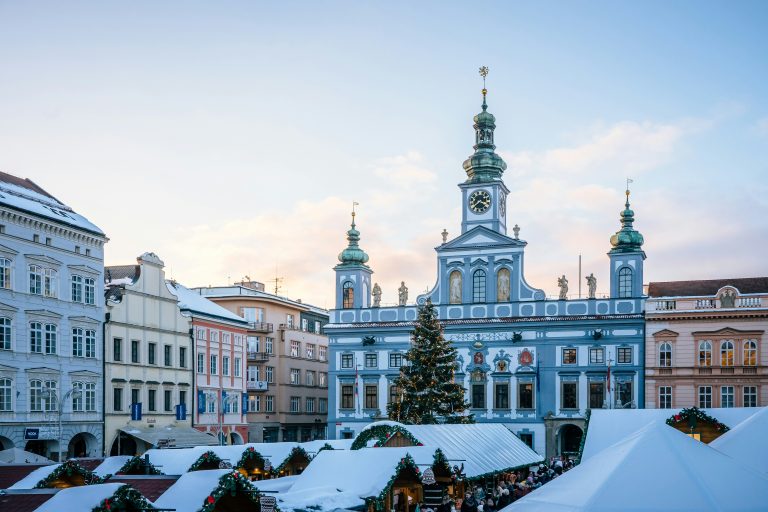
The regional capital with an enormous arcaded square and the original Budweiser brewery.
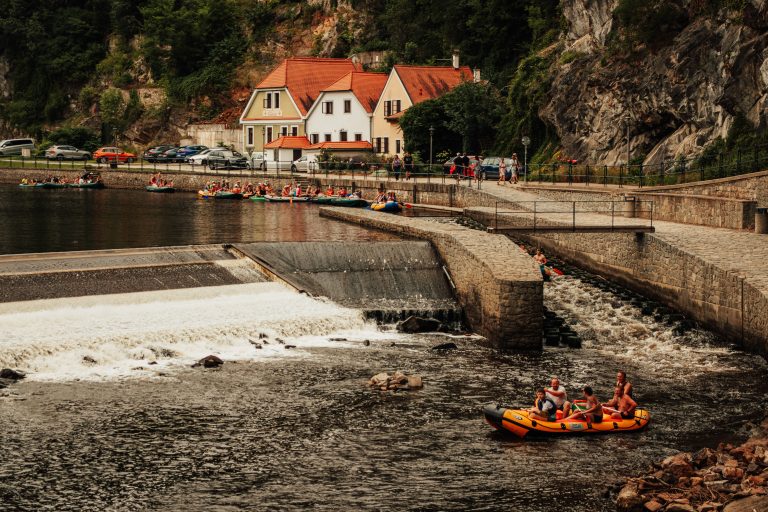
Canoes and rafts down the river through the town and the valley beyond, with pubs along the bank.
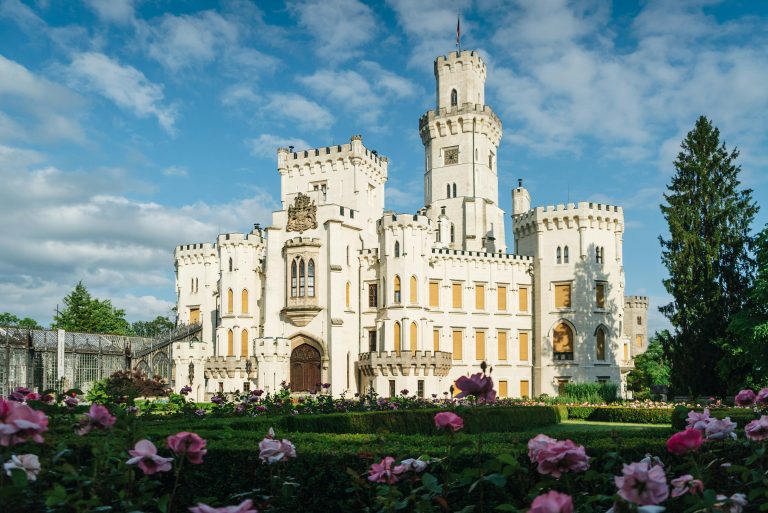
A white neo-Gothic castle modelled on Windsor, above the river north of here.
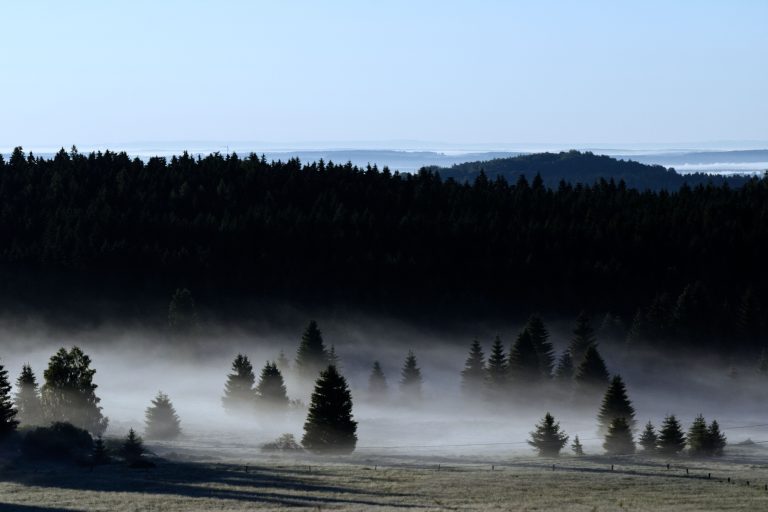
Forest, peat bogs and glacial lakes along the German and Austrian border, with walking and cycling trails.
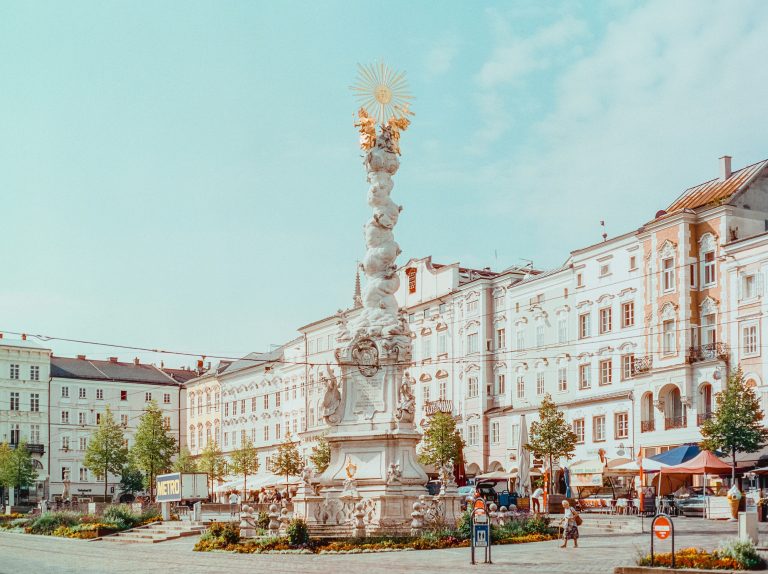
The nearest Austrian city, with a modern art museum and a different country for the day.
Three days in June turn the whole town medieval.
Three days of medieval costume, jousting, music and fire, with the whole town taking part. Book accommodation months ahead.
Classical concerts in the castle riding hall and the gardens.
Canoes and rafts through the town and down the valley.
A small market under the castle, with carp sold live from tubs before Christmas Eve.
The 1682 theatre with its original machinery, shown rarely to protect it. Check dates well ahead.
May, June and September. Winter is cold, quiet and genuinely lovely in snow.
Average highs. The town is at 500m in South Bohemia and properly cold in winter, when it also looks its best and has almost no visitors.
Pick how you travel. Per person per night, in euros.
Rafting at €15–30 is the main activity cost. The castle grounds and the best views are free.
The ones we get asked most.

Compare Český Krumlov hostels — live prices, real reviews and free cancellation on most bookings. Then meet the people already there in the app.

 Get the App.
 Get the App.