Inside the walls
First-timersThe medieval centre: the Minster, the Shambles, the snickelways and most of the pubs.

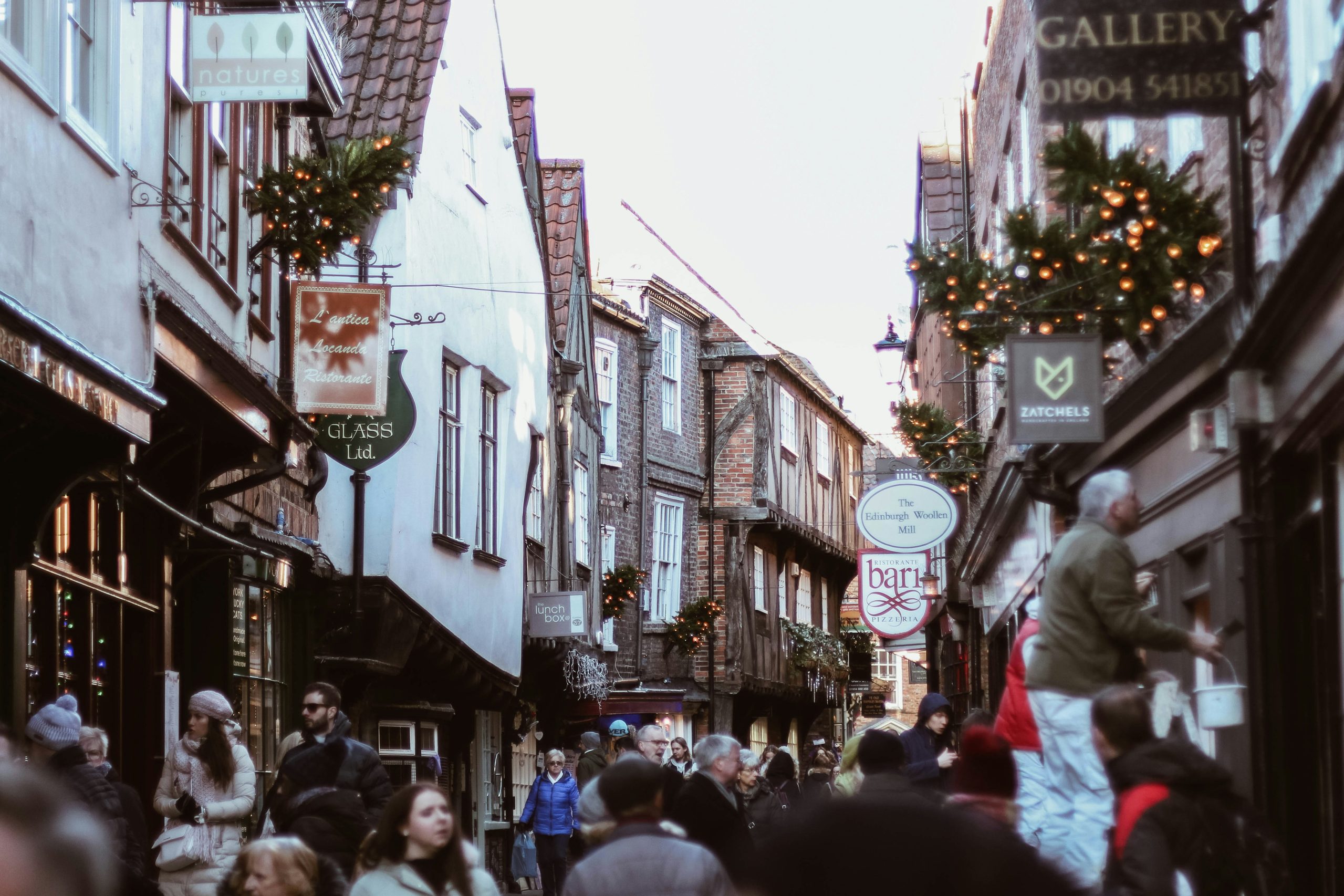
Roman fortress, Viking capital, and one of the great Gothic cathedrals, inside two miles of medieval walls you can walk in an hour.
York was a Roman legionary fortress, then the Viking capital of northern England, then a medieval wool city, and the layers are all still visible within a circuit of walls you can walk in about an hour.
York Minster is the largest Gothic cathedral in northern Europe, with the Great East Window — the biggest expanse of medieval stained glass anywhere in one window.
The Shambles is the famous street: overhanging timber-framed butchers' shops from the fourteenth century, leaning in until the upper floors nearly touch. It is also mobbed from mid-morning, so go early.
The city is small, extremely walkable and gets a lot of day visitors from Leeds and Manchester, which means evenings are far calmer than afternoons.
Two days.
Inside the walls, or just outside them and five minutes' walk in.
The medieval centre: the Minster, the Shambles, the snickelways and most of the pubs.
Just west across the Ouse, five minutes from the centre, with cheaper beds and fast trains.
South of the walls: an independent high street, a good market and residents rather than visitors.
Orange labels are neighbourhoods, dots are the 3 top-rated hostels. Map © MapTiler © OpenStreetMap contributors.
Walk the walls. Two miles, free, open dawn to dusk, and the best introduction to how the city is laid out — the stretch between Bootham Bar and Monk Bar gives the classic view of the Minster.
York Minster is about £20 including the undercroft, where excavations show the Roman fortress and Norman cathedral beneath the current one. The Great East Window is the largest single expanse of medieval stained glass in the world. The tower climb is extra and 275 steps.
The Shambles is free and best at eight in the morning, before the day visitors arrive — by midday it is shoulder to shoulder.
The Jorvik Viking Centre, built over an excavation that found preserved timbers and even Viking-era latrine contents, is about £15 and worth booking.
The National Railway Museum, beside the station, is free and enormous.
The walls are free and are the single best thing here.
The National Railway Museum by the station is free, holds the Mallard and a Japanese bullet train, and takes a couple of hours.
The Shambles, the snickelways — the narrow medieval alleys threading the centre — and the Museum Gardens with the ruined St Mary's Abbey are all free.
The York Art Gallery's permanent collection and the Minster's exterior cost nothing, and the riverside walk along the Ouse runs out of the city in both directions.
The Bishopthorpe Road market and the independent shops there are free to browse and where locals actually go.
A pub main is £14 to £19, and York has an unusual density of good old pubs — the city claims a pub for every day of the year, which is not true but not wildly off.
Yorkshire puddings are taken seriously, and a Sunday roast here is the meal to build a day around at £16 to £22.
Bettys is the institution: a 1930s tea room where people queue for an hour for afternoon tea at about £28. The queue is real and the cakes are good.
Bishopthorpe Road and Fossgate have the independent restaurants and better value than the streets around the Minster.
A pint is £4.50 to £6, and the Yorkshire breweries are well represented.
Pub-led rather than club-led. The old pubs are the point — Ye Olde Starre Inne, the Blue Bell, the House of the Trembling Madness — and several are genuinely medieval.
Micklegate is the main strip and gets busy and loud at weekends, with a substantial stag and hen trade that the city has mixed feelings about.
The university keeps term time livelier, and there are a couple of clubs, but nobody comes to York for them.
A pint is £4.50 to £6.
Ghost walks leave most evenings from the Minster and elsewhere — York claims to be the most haunted city in England, and the walks are entertaining whatever you make of the claim.
Walk. The walled city is about a mile across and largely pedestrianised, and the station is five minutes from the centre.
Buses cover the suburbs at about £2.50, and park-and-ride serves drivers.
Trains are the main thing: London in two hours, Edinburgh in two and a half, Manchester in an hour and a half, and Leeds in 25 minutes. Book weeks ahead for the London fare.
York is on the East Coast Main Line, which makes it an easy stop between London and Scotland rather than a detour.
Bikes work well on the riverside paths, and rental is £15 to £20 a day.
More expensive than the northern cities because of the visitor numbers, and still below London. Dorms are £20 to £38, a pub main £14 to £19, and a pint £4.50 to £6.
A day is £50 to £90.
The walls, the Railway Museum, the snickelways and the gardens are free. The Minster at about £20 and Jorvik at about £15 are the main entries, and the York Pass bundles several if you plan a heavy day.
Eating on Fossgate or Bishopthorpe Road rather than beside the Minster makes a clear difference.
York is a safe, small city and the centre is comfortable at any hour.
Micklegate at weekends carries the usual drunken crowd, and the stag and hen trade concentrates there.
The walls have uneven medieval steps, no handrails in places and drops on the inner side — they close at dusk for a reason.
The Ouse and the Foss flood, sometimes seriously, and the riverside paths and some pubs go under in winter. Flood warnings are posted and worth checking in December and January.
Emergency number is 999, or 112.
Two national parks, a ruined abbey and the coast.
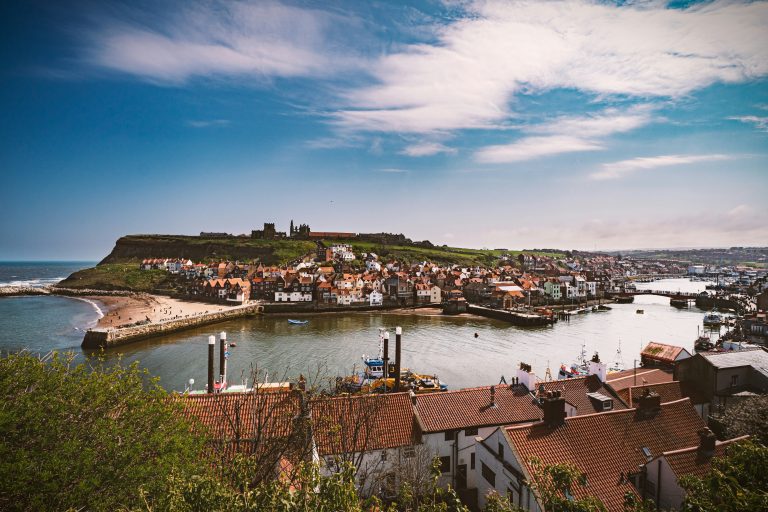
A harbour town under a ruined abbey that inspired Dracula, with the best fish and chips in England by common claim.
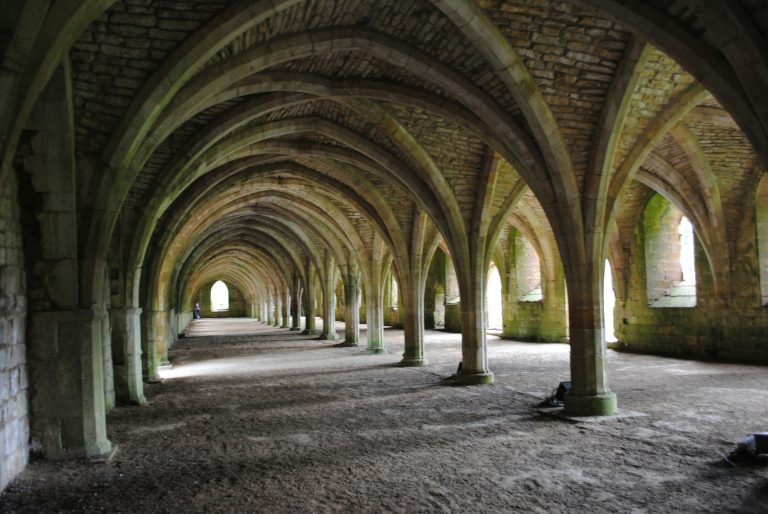
The largest monastic ruin in the country, in a Georgian water garden. UNESCO-listed.
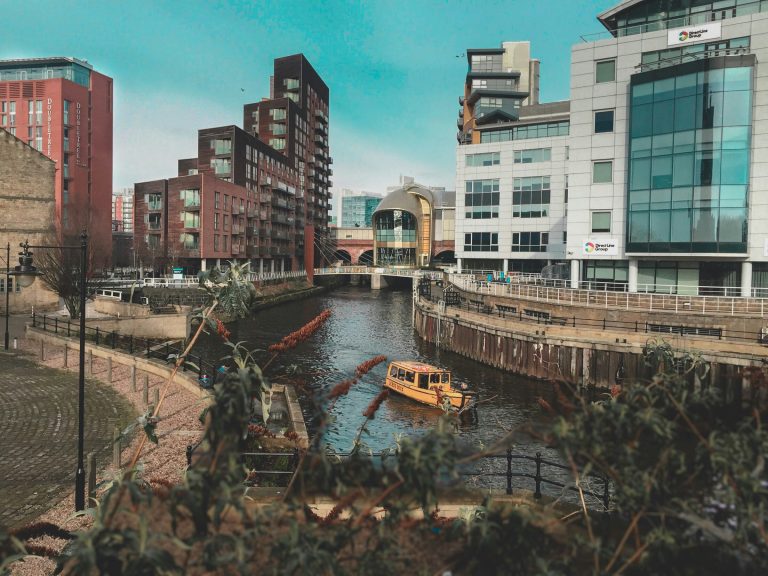
Victorian arcades, a serious night out and the Royal Armouries.
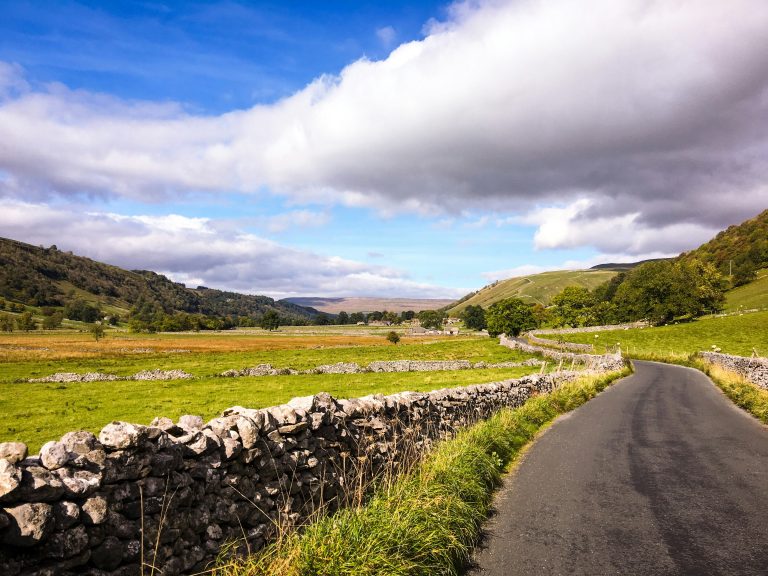
Limestone country: Malham Cove, drystone walls and the Settle to Carlisle railway.
A Viking festival in February and a Christmas market the city is built for.
 Staff pick
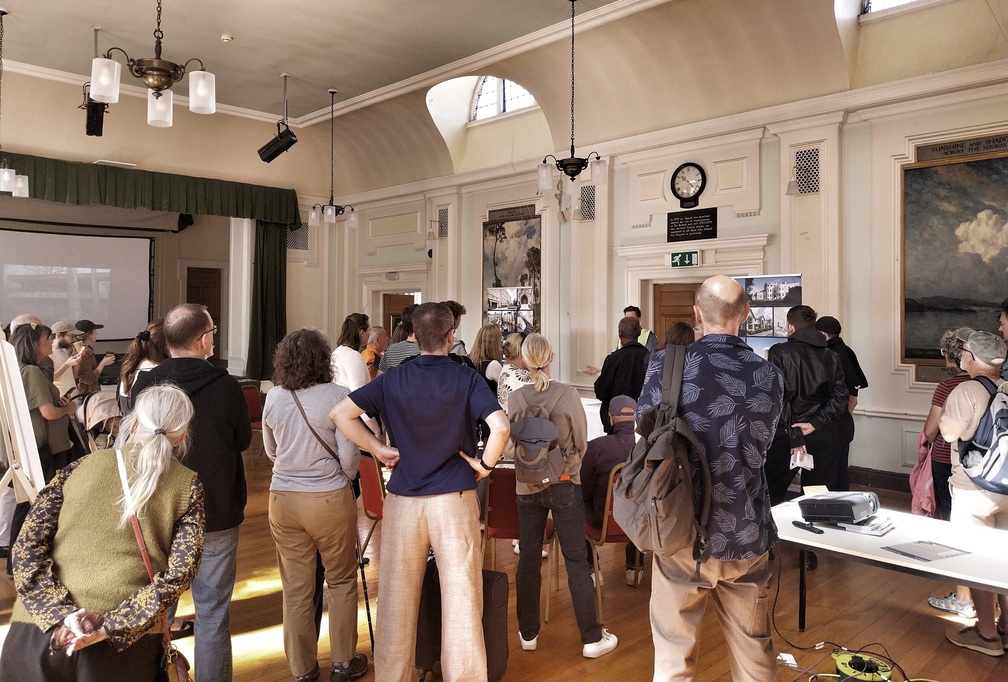
York Unlocked invites the public to step inside some of York, United Kingdom’s most fascinating and historically significant buildings, many of which are usually…
 Staff pick
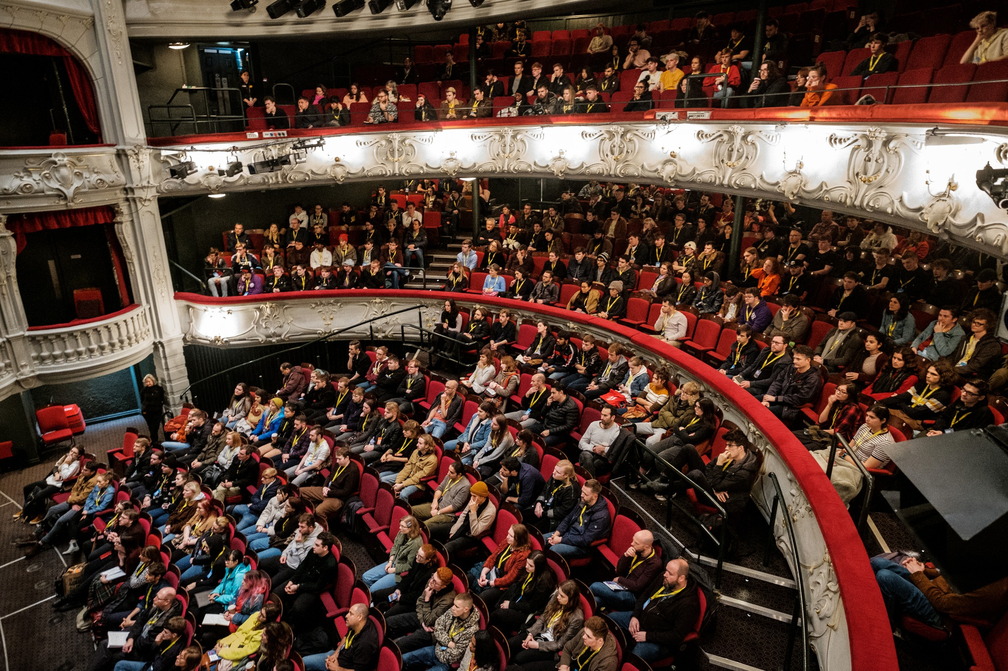
Aesthetica Short Film Festival in York, United Kingdom, is a BAFTA and BIFA Qualifying film festival celebrating independent cinema, digital culture, and creative storytelling.…
 Staff pick
Scott Bennett is a stand-up comedian praised for his observational humor and quick wit. His performances offer sharp takes on everyday life delivered with…
 Staff pick
Avatar – The Last Airbender live event features a full orchestra performing music from the beloved animated series, paired with scenes from the show.…
 Staff pick
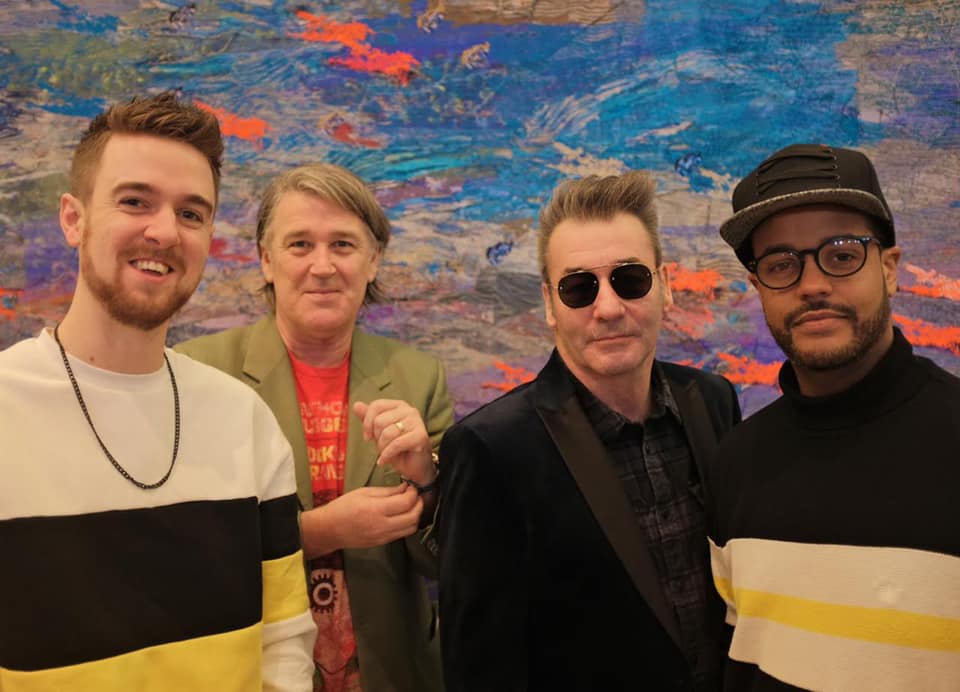
China Crisis is a new wave and synth-pop band from England, formed in 1979. They built a global fandom, achieving commercial success in the…
 Staff pick
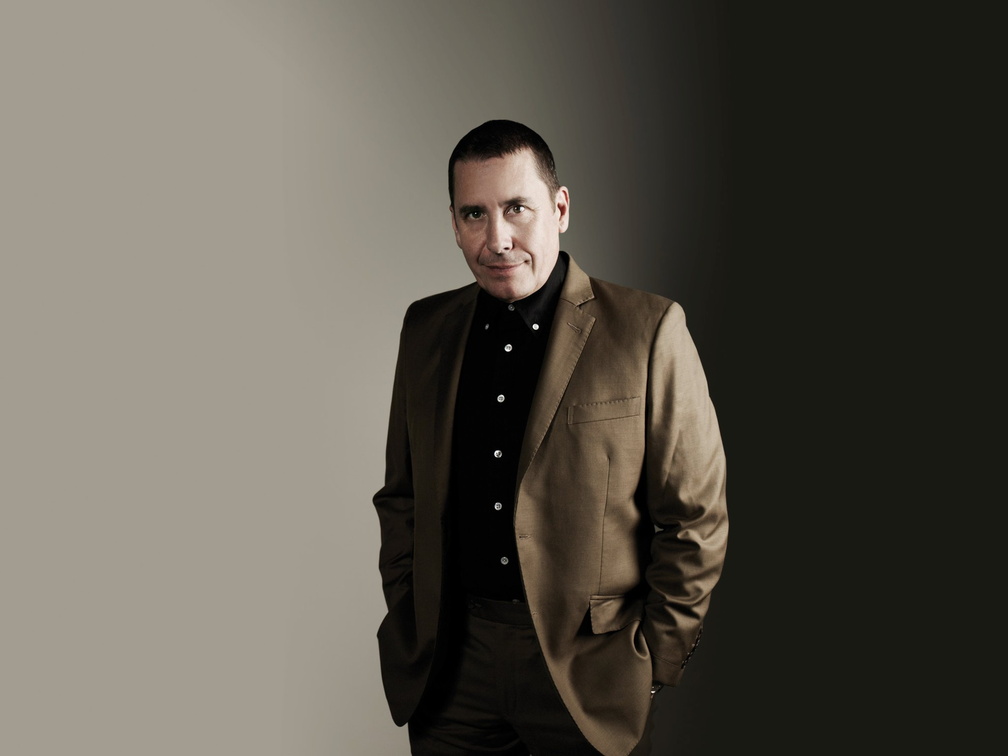
Jools Holland and His Rhythm & Blues Orchestra deliver lively shows filled with boogie-woogie piano, classic covers, and swinging brass. Led by the acclaimed…
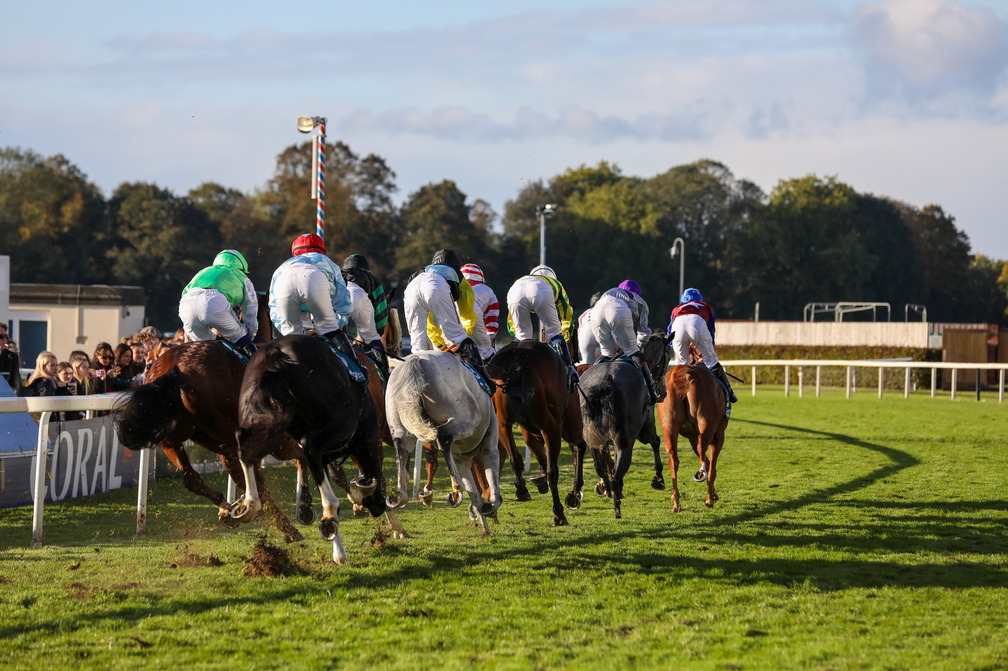
October Meeting 2026 is your last chance to visit York Races this year. The event spans two days, with a lively Friday to catch…

Ice-Free Curling in York brings the fun of curling without the ice, letting you slide stones toward the target with skill and strategy. You’ll…
A small scene inside and just outside the walls, with prices rising sharply for race meetings and December. Live from Hostelworld.
May, June and September. December is beautiful and packed.
Average highs. The daffodils on the walls in March are a genuine local event, and the flood risk along the Ouse is real from November through February.
Pick how you travel. Per person per night, in pounds.
Transport is low because you walk. The Minster and Jorvik are the two main entries at about £20 and £15.
The ones we get asked most.

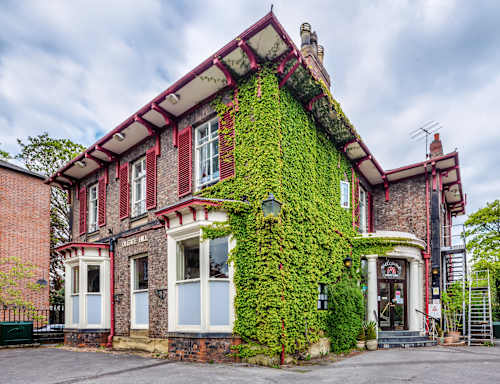
Compare York hostels — live prices, real reviews and free cancellation on most bookings. Then meet the people already there in the app.

 Get the App.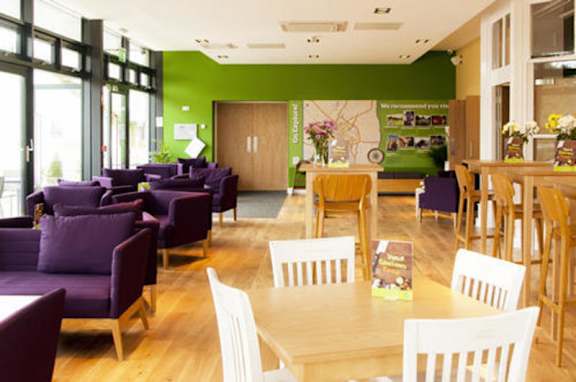
 Get the App.