Grande Île
First-timersThe UNESCO island: the cathedral, the squares, the restaurants and most of the beds.

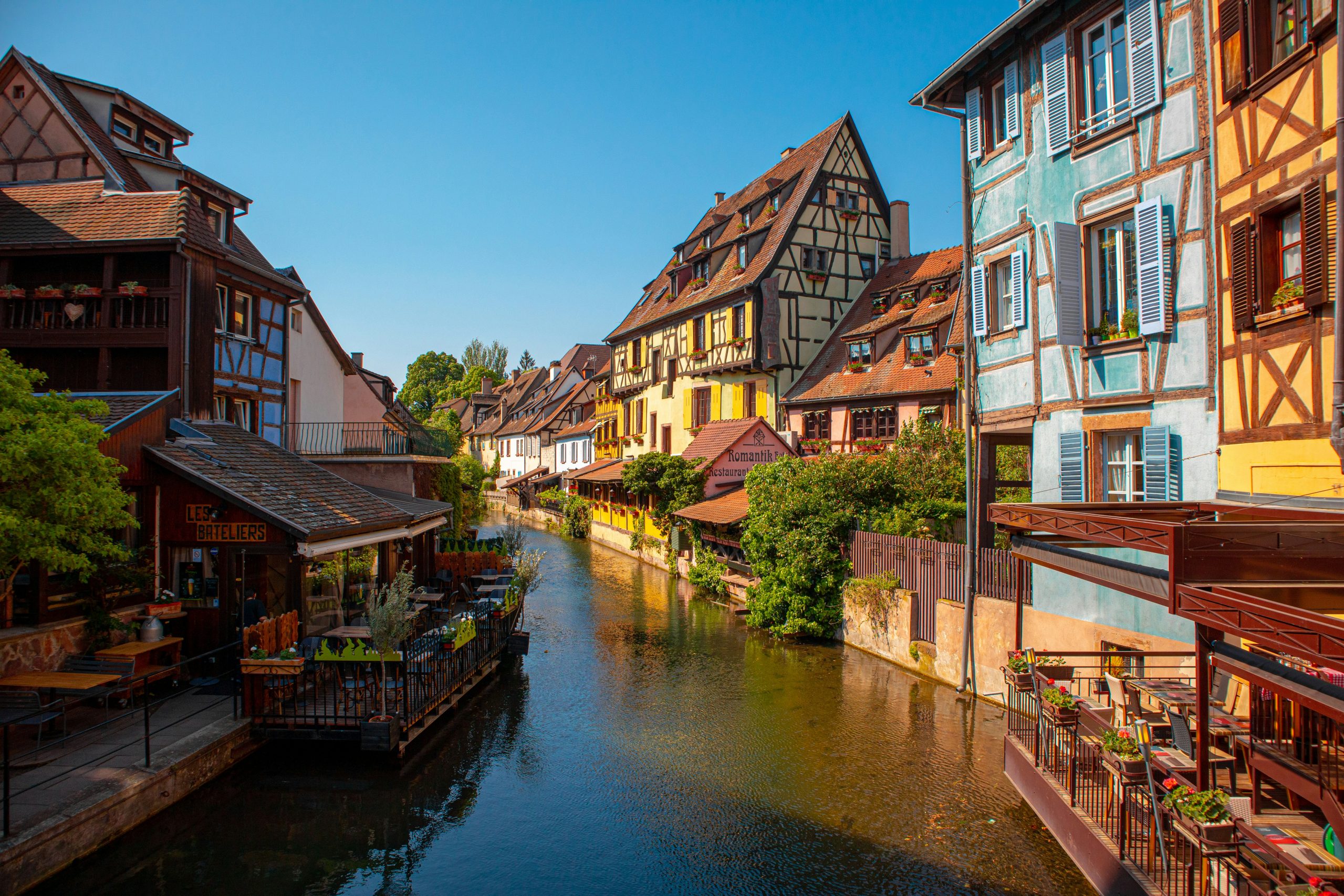
German and French at once: a sandstone cathedral that was the tallest building on earth for centuries, canals and timber houses, and the oldest Christmas market in France.
Alsace changed hands four times between 1871 and 1945, and Strasbourg carries both cultures without resolving them: French administration, Germanic architecture, a dialect closer to German, winstubs serving choucroute, and street names in two languages.
The cathedral is the centrepiece — pink Vosges sandstone, one finished spire at 142 metres, and the tallest building in the world from 1647 until 1874. The astronomical clock inside performs at half past twelve each day.
Grande Île, the island in the middle formed by the river Ill, is UNESCO-listed, and Petite France at its western end is the postcard: timber-framed houses, canals, locks and covered bridges.
It is also a capital of the European Union, with the Parliament sitting here, which gives the city a large international population and a good deal of money.
Two days, and three in December if the Christmas market is why you are coming.
An island city centre with the university and the EU quarter around it.
The UNESCO island: the cathedral, the squares, the restaurants and most of the beds.
The western end of the island: half-timbered houses, locks, covered bridges and the most photographed streets.
South-east: the university quarter, cheap bars, good cheap food and a younger crowd.
West around the station: cheaper beds, fast trains and ten minutes on foot into the centre.
Orange labels are neighbourhoods, dots are the 4 top-rated hostels. Map © MapTiler © OpenStreetMap contributors.
The cathedral is free to enter and is the reason to come. Pink sandstone, a single completed spire at 142 metres, and the tallest building in the world for over two centuries. The astronomical clock performs at 12.30 each day for a small charge, and the platform climb — 332 steps, about €8 — gives the view across to the Black Forest.
Walk Petite France: canals, locks, covered bridges and the timber-framed houses of the old tanners' quarter. Free, and best before ten in the morning.
A boat trip round the island, about €15, covers the old centre and the European quarter and is the easiest way to see both.
The European Parliament offers free visits when in session, with ID and advance booking, and the Parlamentarium exhibition is free.
Then eat in a winstub — the Alsatian tavern, wood-panelled and heavy — which is the real local institution.
The cathedral is free to enter, though the clock performance and the tower climb are charged.
Petite France, the covered bridges and the Barrage Vauban — whose roof terrace is a free viewpoint over the canals and the timber houses — cost nothing.
The whole Grande Île is a UNESCO site and is simply walked.
The Parc de l'Orangerie, the city's oldest park, is free and has storks nesting in it, which are the emblem of Alsace and had nearly disappeared before a reintroduction programme.
The European quarter can be walked freely, and Parliament visits are free when it is sitting, with ID and a booking.
Museums on the Grande Île are free on the first Sunday of the month.
Alsatian food is German in weight and French in execution. Choucroute garnie — sauerkraut with sausages and pork — is the regional plate at €16 to €24 and is enormous.
Tarte flambée, or flammekueche, is the thing to order otherwise: thin dough with cream, onion and bacon, cooked fast, at €10 to €15 and designed for sharing.
Baeckeoffe, a slow-baked meat and potato casserole, and bretzels from any bakery round it out.
A winstub is the traditional tavern — wood-panelled, small and serving the above with Alsatian wine from a pot.
Alsace makes excellent white wine — riesling, gewürztraminer, pinot gris — and a glass is €4 to €6. Beer matters here too, unusually for France, since Alsace has the country's brewing tradition.
Krutenau, the student quarter south-east of the cathedral, is where the cheap bars and the young crowd are.
The Grande Île has the winstubs and the tourist-facing terraces, and the streets around Place du Marché Gayot are busy in summer.
Beer is taken more seriously here than anywhere else in France, and the Alsatian brewing tradition means proper choice at €4 to €6 a glass. Cocktails are €8 to €12.
The university and the EU institutions together give the city an international crowd that shifts with the Parliament's sitting weeks.
Trams run to about half past midnight, later at weekends.
Trams cost about €1.90 with day tickets, and six lines cover the city including a route across the Rhine into Kehl in Germany.
The centre is flat, compact and walkable, and the Grande Île is closed to most traffic.
Strasbourg is one of the best cycling cities in France, with hundreds of kilometres of separated lanes and Vélhop hire at low daily rates. Cycling here is genuinely the local default.
TGV reaches Paris in an hour forty-five at €30 to €90, and trains run into Germany and Switzerland — Basel is an hour and a half.
The airport is 10 minutes by shuttle train for about €5.
Mid-range for France, except in December. Dorms are €22 to €38 most of the year and €45 to €80 during the Christmas market, when the whole city books out.
A lunch formule is €14 to €19, a tarte flambée €10 to €15, and a beer €4 to €6.
A day is €50 to €90, and considerably more in December.
The cathedral, Petite France, the Barrage Vauban terrace and the Parliament visits are all free.
If the Christmas market is the reason you are coming, book months ahead or stay across the river in Kehl, which is on the tram and substantially cheaper.
Strasbourg is a safe city and the crime affecting visitors is petty theft.
Pickpocketing concentrates in the Christmas market crowds in December, which are dense enough to be genuinely difficult to move through, and around the station.
The market is heavily policed with bag checks and vehicle barriers at the entrances, and the crowds on the Grande Île in the evenings are the main practical difficulty rather than any danger.
The canals run through the middle of the old town with low or no railings in places, directly beside bars and market stalls.
December is cold and often below freezing, and the cobbles ice over. Emergency number is 112.
The Alsace wine route, a castle on a ridge, and Germany across the river.
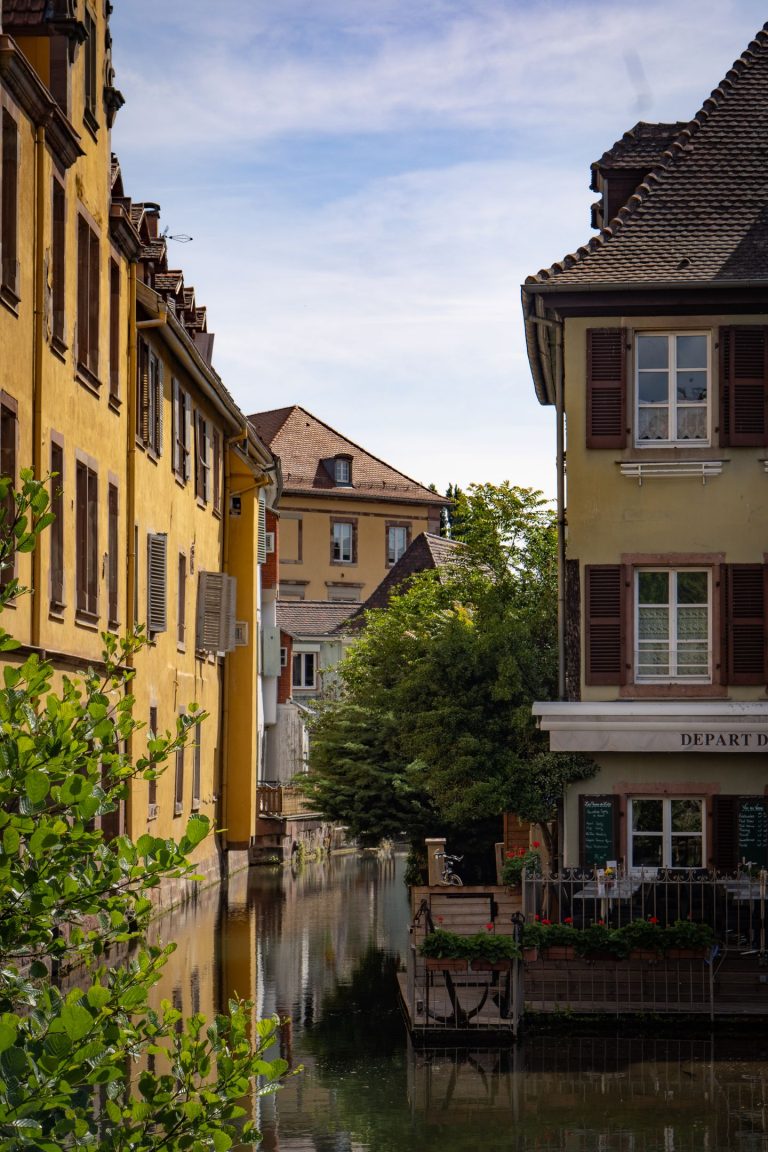
Timber houses, canals and a smaller, prettier version of Strasbourg's old town. Very busy in December.
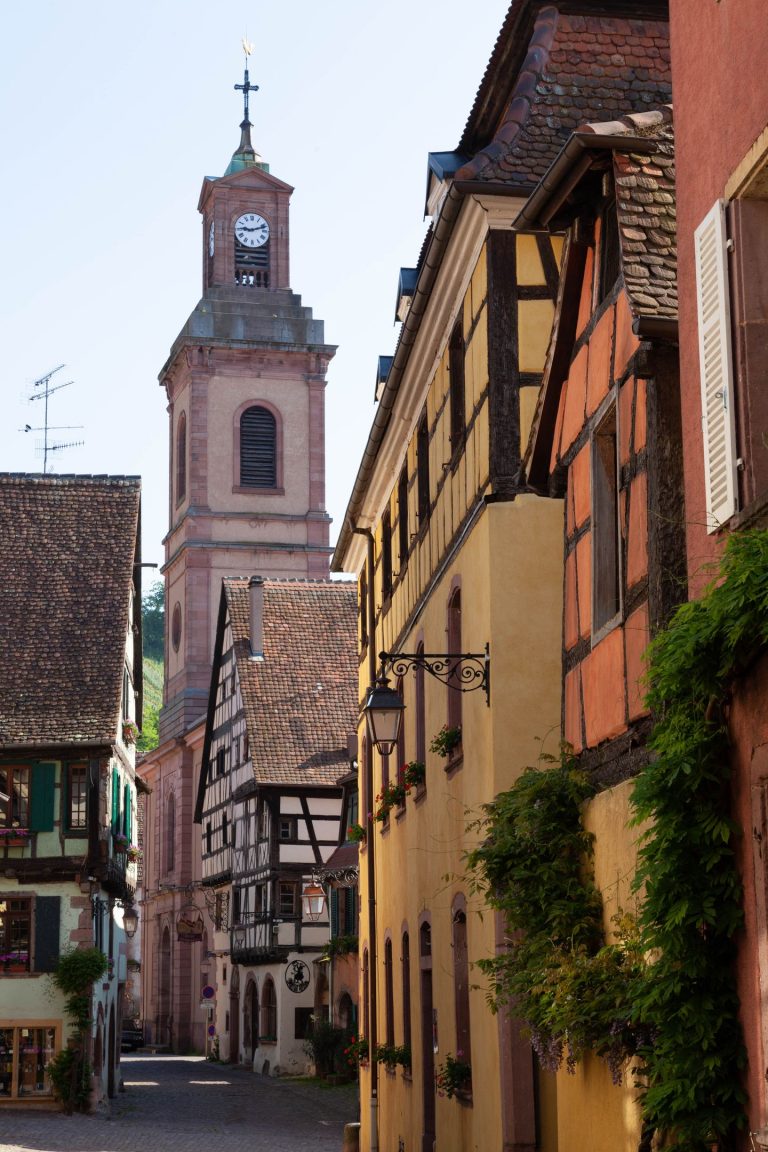
A 170km road through vineyard villages — Riquewihr, Eguisheim, Kaysersberg — with riesling and gewürztraminer throughout.
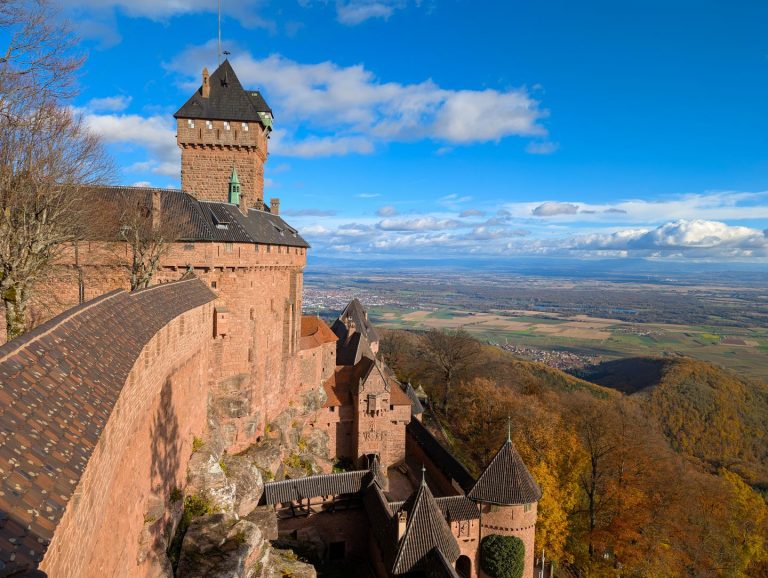
A restored medieval castle on a ridge 750 metres up, with the Rhine plain and the Black Forest below.
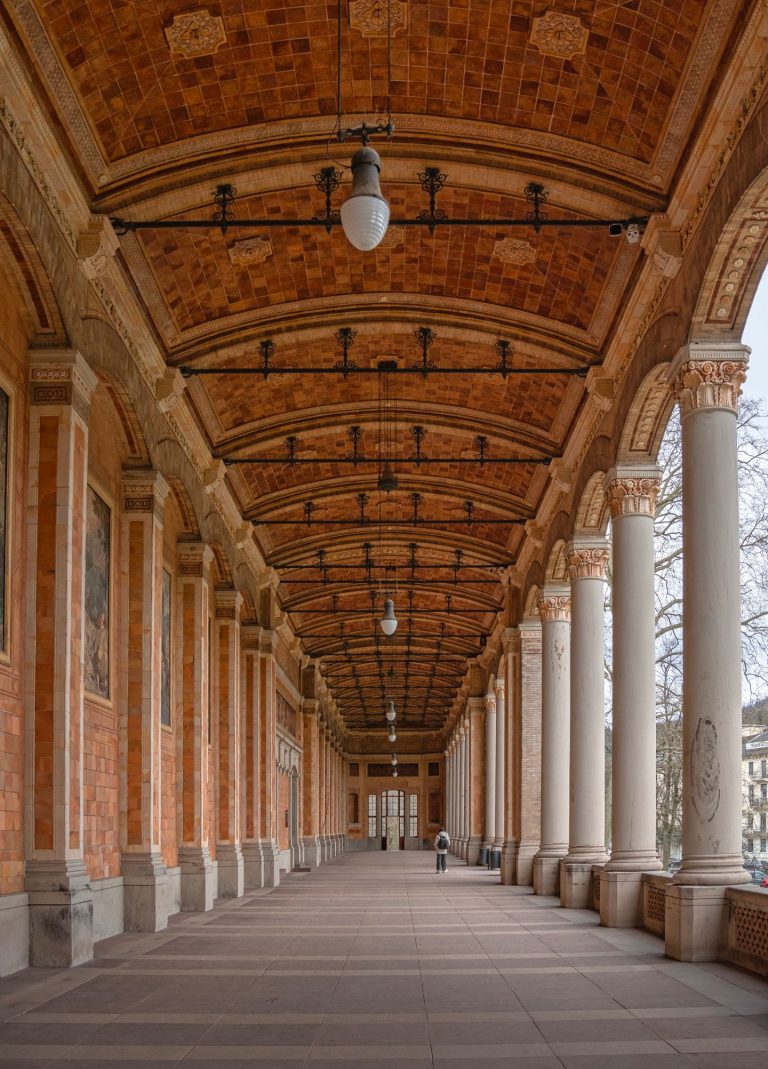
A German spa town with thermal baths in the Black Forest foothills.
The oldest Christmas market in France, running since 1570.
 Staff pick
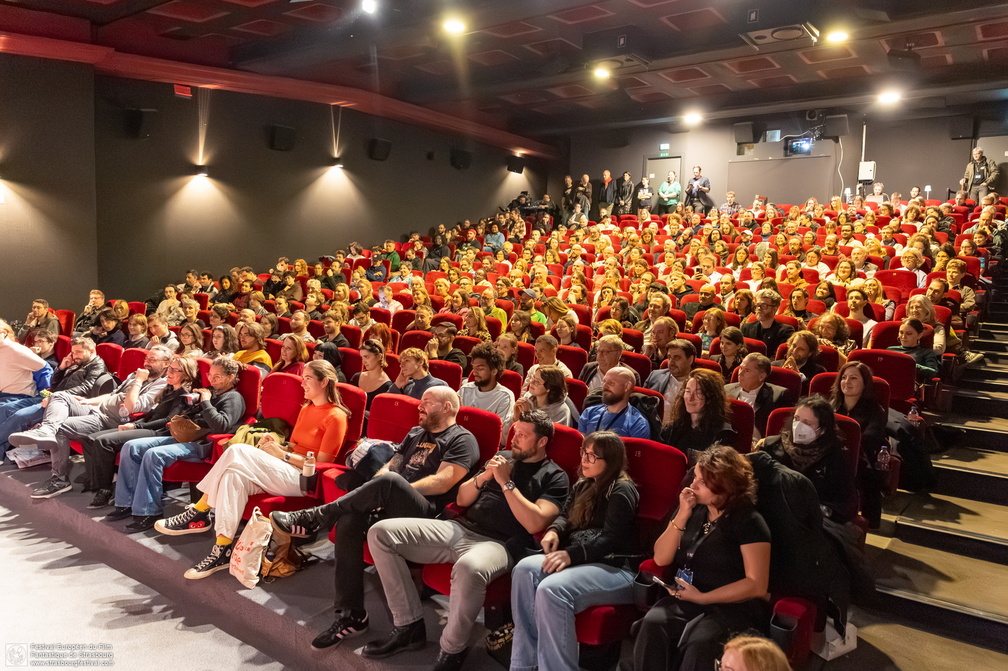
The Festival Européen du Film Fantastique de Strasbourg in Strasbourg, France, is a celebrated annual event dedicated to fantasy, horror, science fiction, and thriller…
 Staff pick
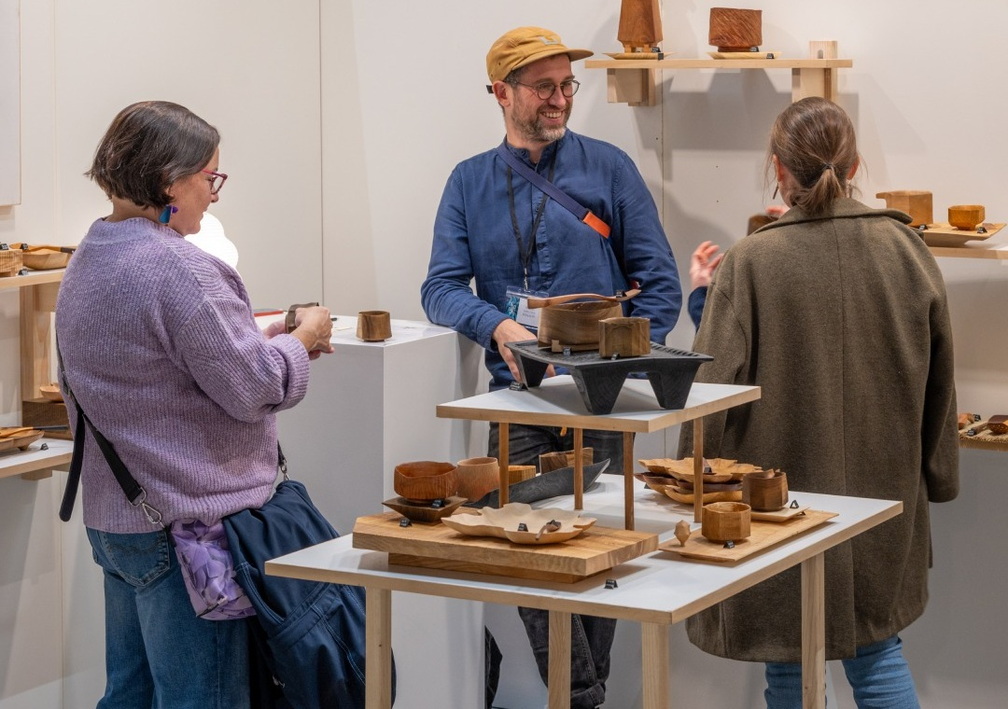
Résonances in Strasbourg, France is a leading European fine crafts fair that brings together talented artisans from across the continent to showcase exceptional handmade…
 Staff pick
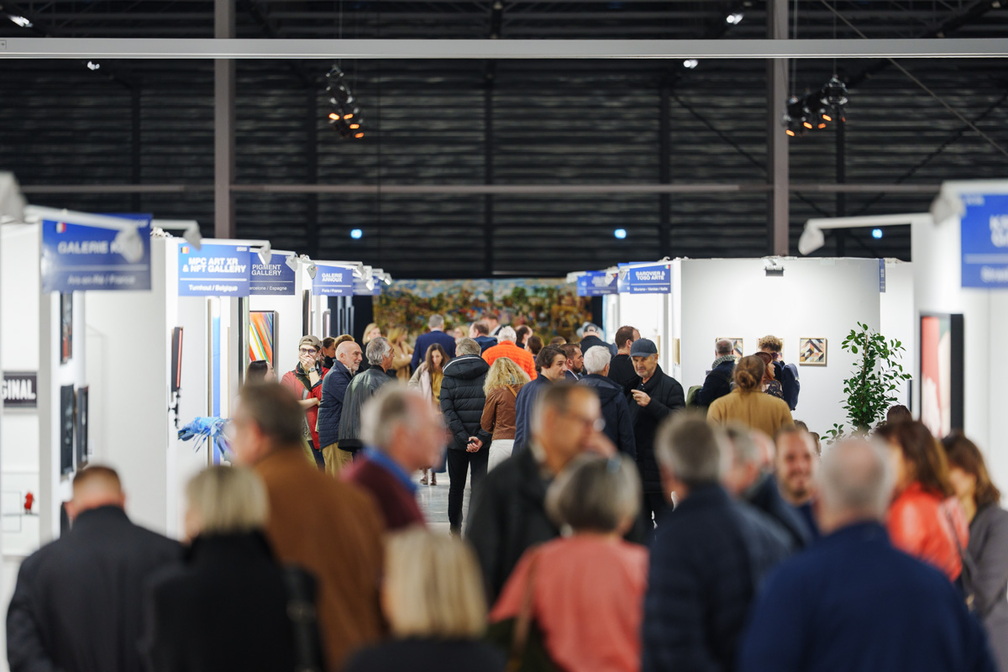
ST-ART in Strasbourg, France, is a leading contemporary art fair that brings together 23 galleries showcasing a wide range of artistic expressions, including photography,…
 Staff pick
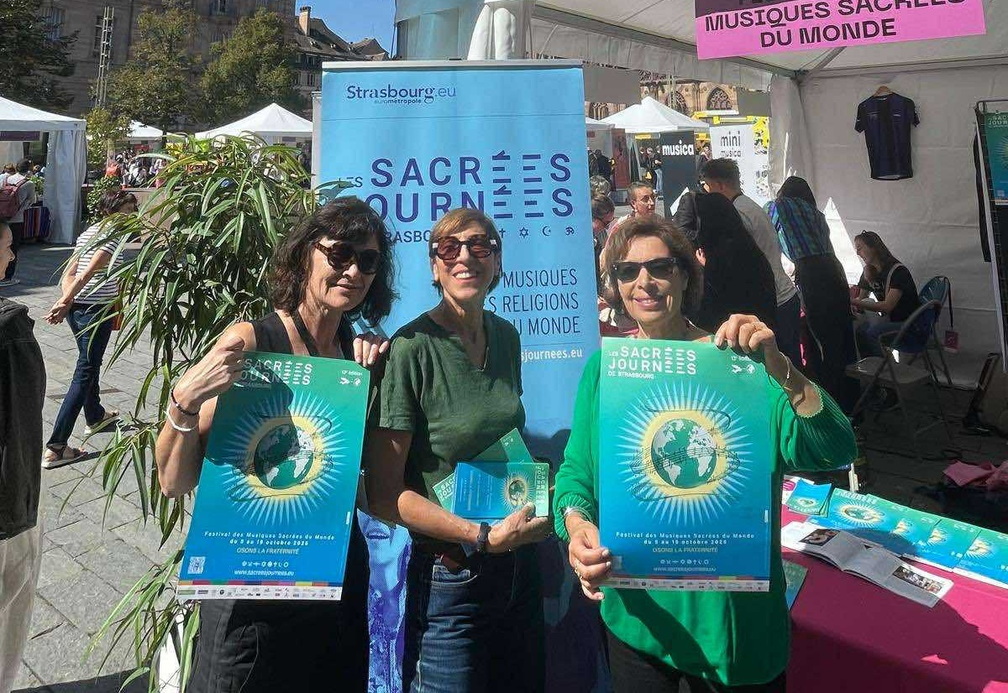
Les Sacrées Journées de Strasbourg in Strasbourg, France, is a renowned festival celebrating sacred and spiritual music from diverse cultures and faiths. Audiences can…
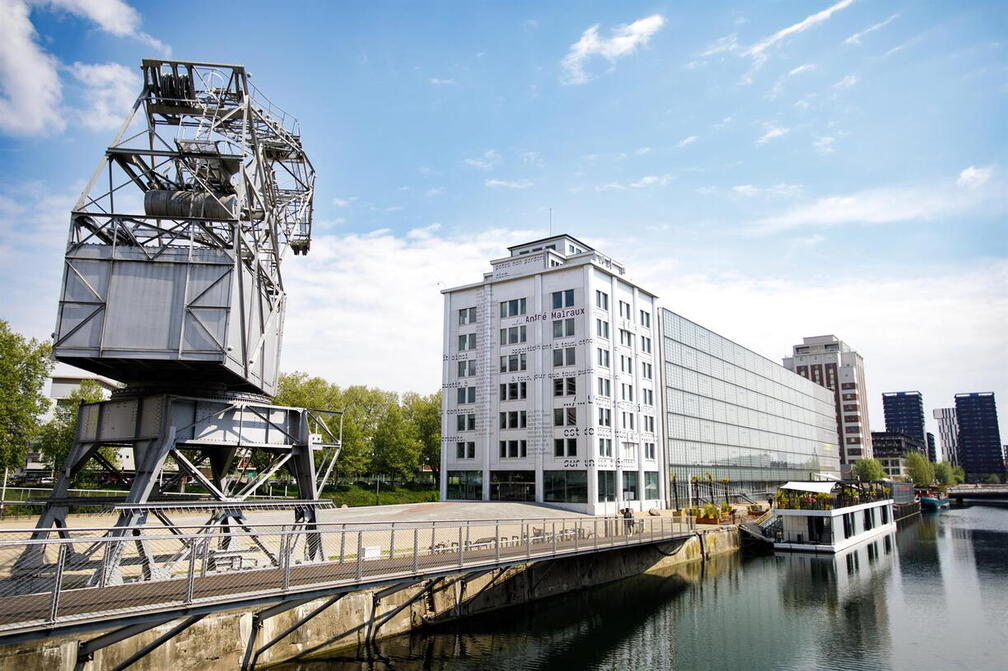
Architecture Days is a unique transnational event that brings together key players from the Rhine region across France, Switzerland, and Germany. You can explore…
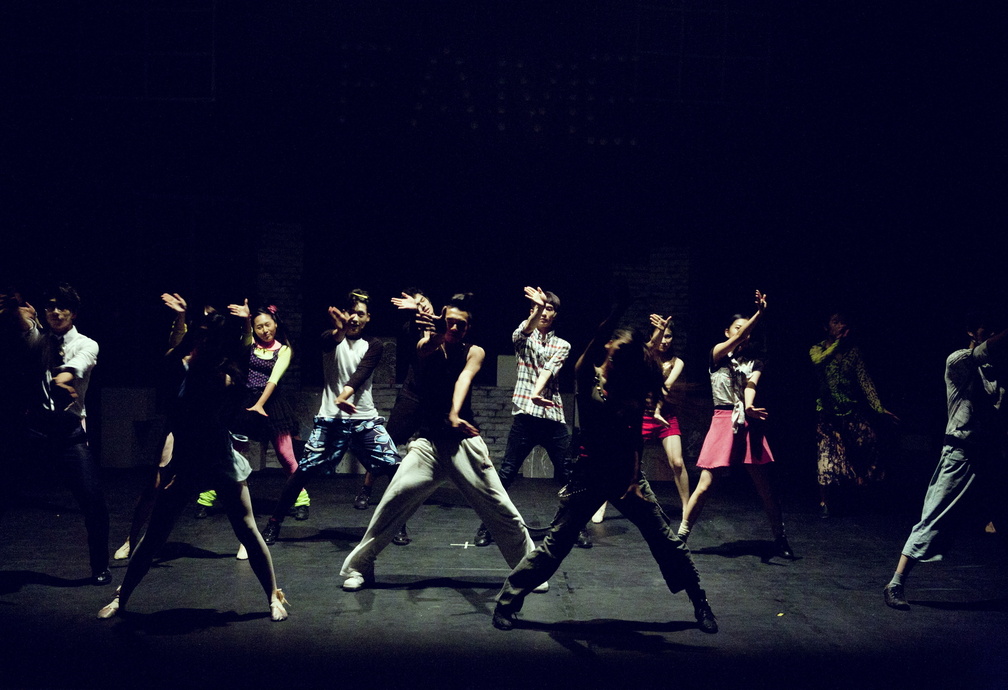
Le Mur is a contemporary dance performance created by Mathilde Monnier and Ève Risser, featuring twelve dancers. The show blends live improvised music with…
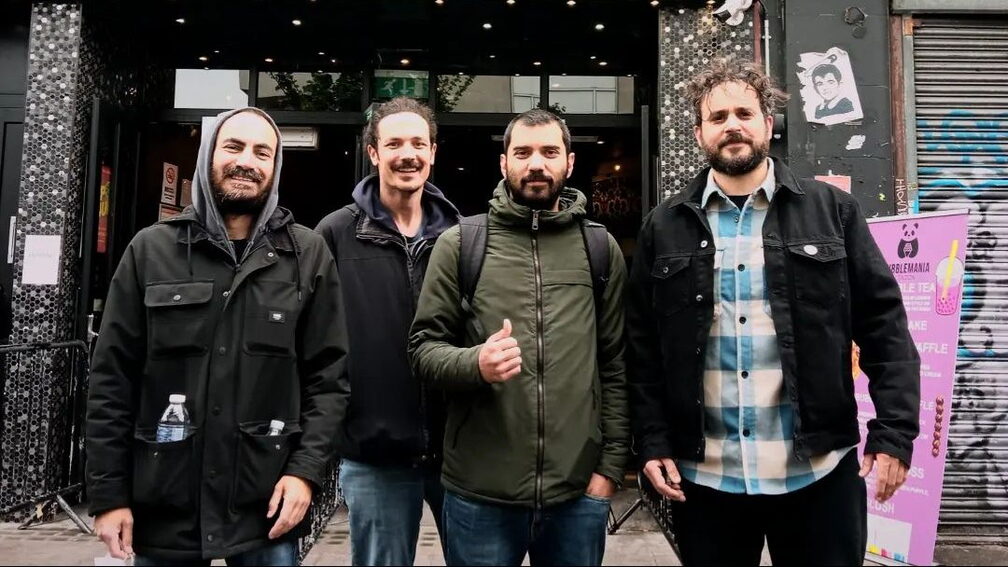
The Greek band 1000MODS brings their heavy stoner psychedelic rock to the stage with a powerful new album full of metal and punk influences.…
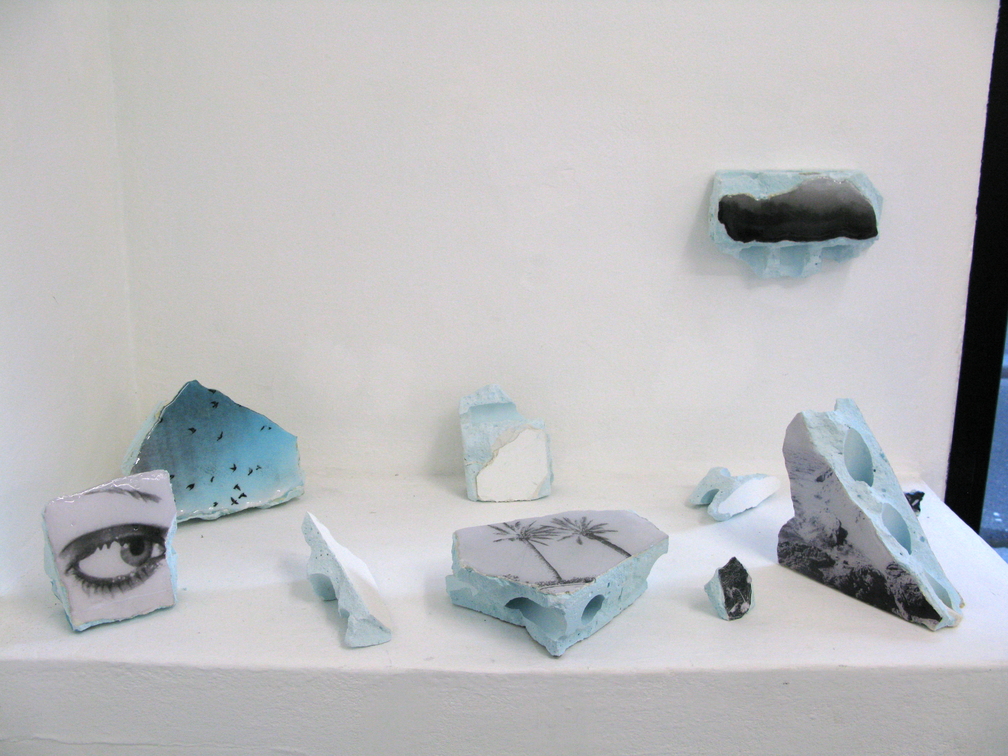
Neo-Analog is a collective exhibition showcasing contemporary photography that explores the materiality of the medium beyond traditional image creation. You will encounter works by…
A modest scene that tightens severely for the Christmas market, so book months ahead for December. Live from Hostelworld.
May, June and September. December is the Christmas market, which is the whole point for many and unbearable for others.
Average highs. The Christmas market runs from late November to 24 December and transforms both the atmosphere and the prices — a bed costs roughly double and the Grande Île is shoulder to shoulder every evening.
Pick how you travel. Per person per night, in euros.
These are ordinary-season figures. December runs roughly double on beds, and staying in Kehl across the river is the standard way around it.
The ones we get asked most.

Compare Strasbourg hostels — live prices, real reviews and free cancellation on most bookings. Then meet the people already there in the app.

 Get the App.
 Get the App.