Luxembourg
Luxembourg country guide

Things To Do In Luxembourg

A fortress city built across two gorges, free public transport across the entire country, and three languages before breakfast. Small, wealthy, and better on foot than its reputation suggests.

€28
Dorm bed, from
Free
All public transport, nationwide
3
Official languages
17km
Of tunnels under the old town

A fortress, a gorge and free buses

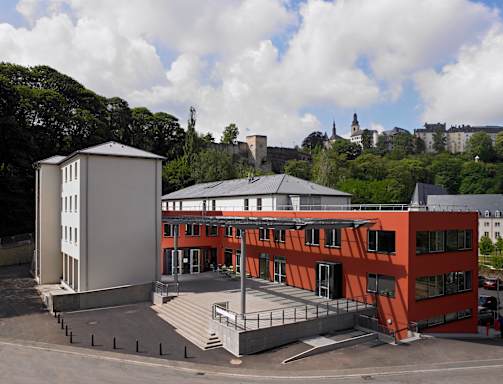
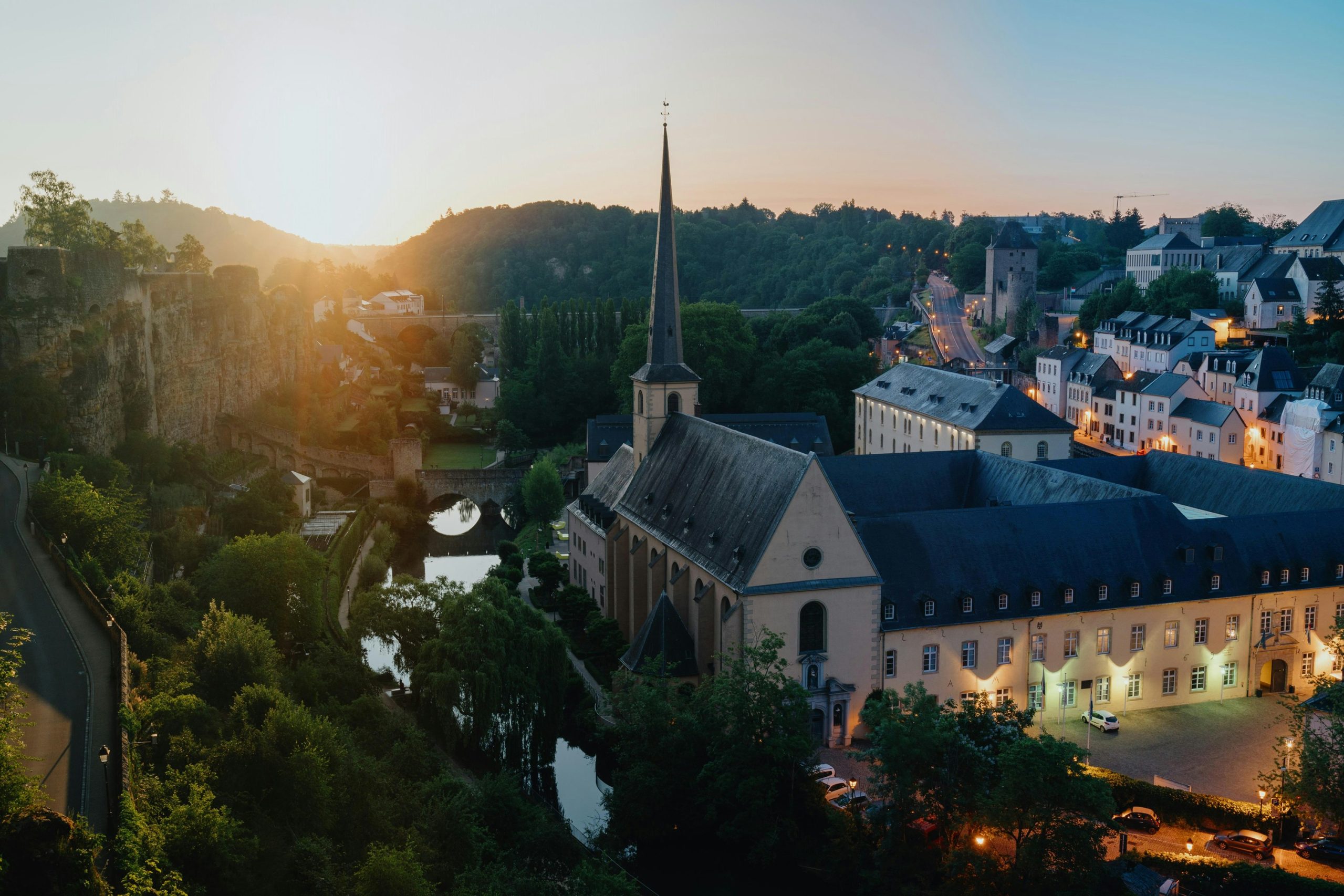
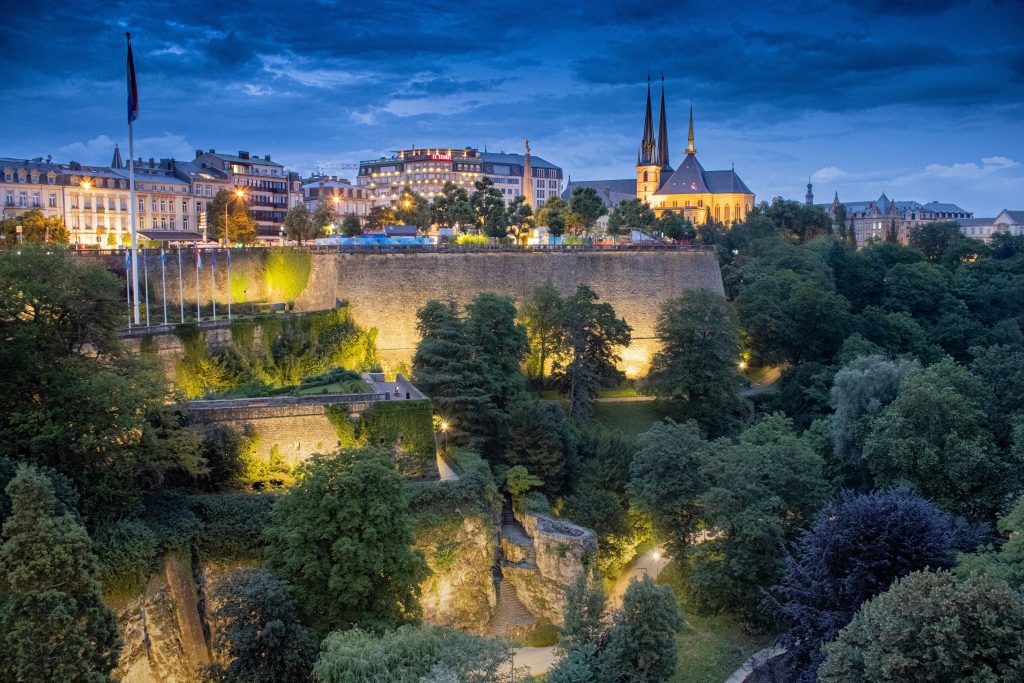
Luxembourg City is built on a plateau split by two river gorges, with the old town on top and the Grund quarter far below, connected by lifts, staircases and a cliff-face path called the Chemin de la Corniche that gets called Europe's most beautiful balcony. It is UNESCO-listed, walkable in a day, and much more dramatic than most people expect.

Underneath it are the Bock casemates, 17km of tunnels cut into the rock when this was one of the most fortified places in Europe.

In 2020 Luxembourg made all public transport free nationwide, for everyone including visitors, the first country in the world to do so, which changes how a short trip works — you can reach Vianden's castle, the Mullerthal hiking trails or the Moselle vineyards without paying a fare.

Where to go

Everything is within an hour of the capital, and all public transport in the country is free.

Luxembourg City

Luxembourg City

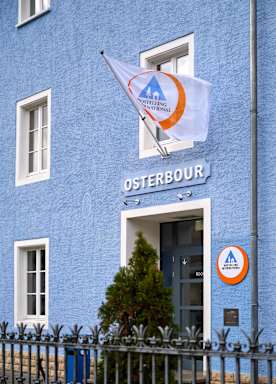
1 hostel · dorms from €38

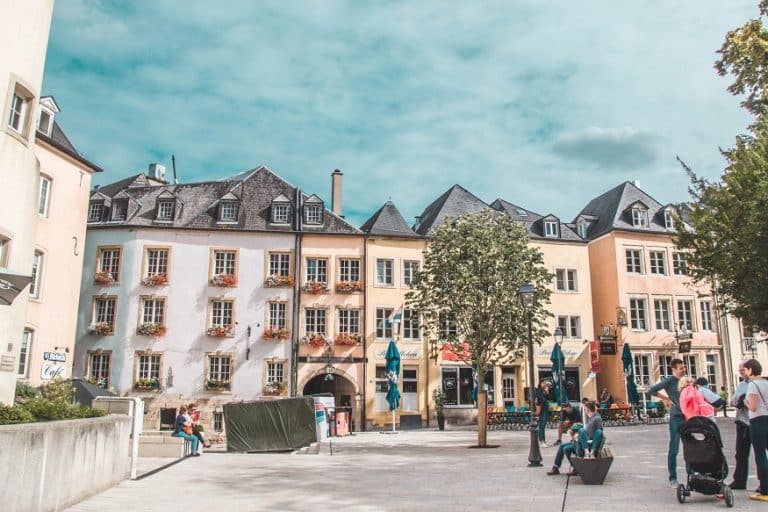
A fortress city across two gorges, UNESCO-listed, with tunnels underneath and lifts between levels.

Great place to visit. Plenty to see and do and Great views. Be aware it is built on a rock so if you walk it is normal uphill from the Youth hostel. Free public transport. Do a walking tour

A traveller, on Hostelworld
The Luxembourg City guide
Echternach

Echternach

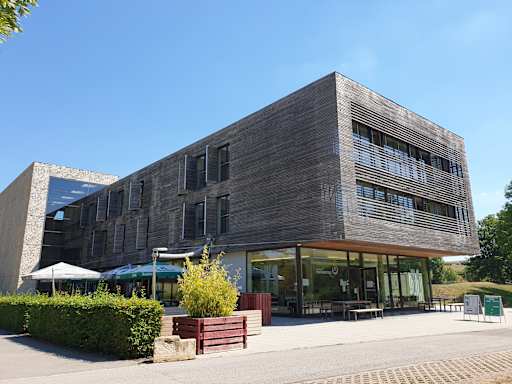
1 hostel · dorms from €36

The oldest town in the country, and the gateway to the Mullerthal rock formations.

The Echternach guide
Vianden

Vianden

1 hostel

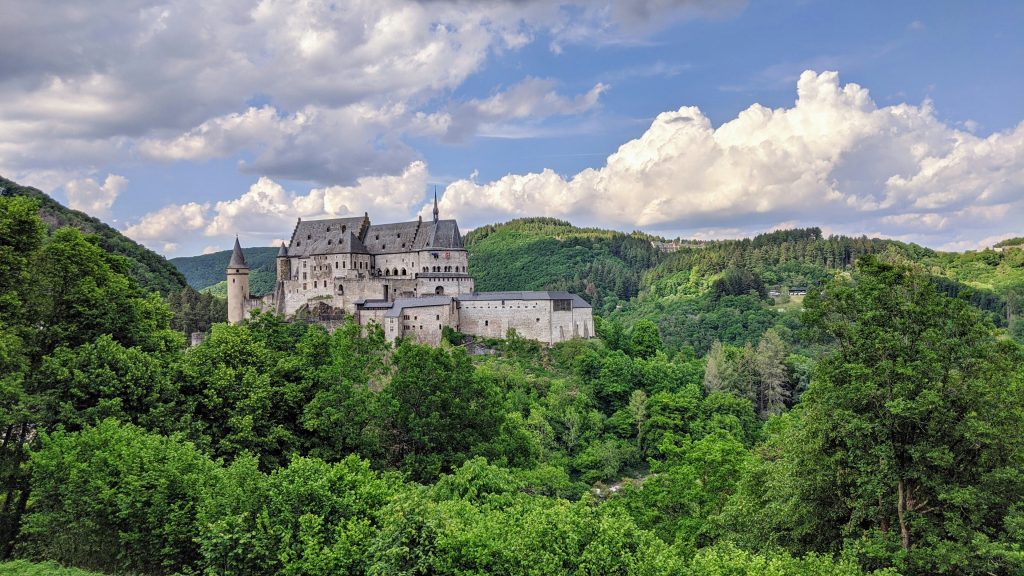
A restored hilltop castle above a river town, and the country's best day trip.

The Vianden guide

What kind of trip is this?

Luxembourg is a city break with castles and hiking attached, and the transport costs nothing.

City break in Luxembourg

Two days, all on foot and by free lift.

What to do

  • Walk the Chemin de la Corniche
  • Take the free Pfaffenthal lift
  • The Bock casemates

Spots to visit

  • Old town
  • Grund
  • Kirchberg

Best cities for it

Things to do

Things to do in Luxembourg

The city is the main event and it is compact enough for a day. Walk the Chemin de la Corniche along the cliff edge, drop into the Grund quarter below — the free Grund lift does it in under a minute, and the Pfaffenthal panoramic lift does the same for the other valley — and go into the Bock casemates, the tunnel network cut into the rock that once made this the Gibraltar of the North.

Vianden is the day trip: a large restored castle on a hill above a river town, reachable by free bus in about an hour, with a chairlift up the opposite slope for the view back.

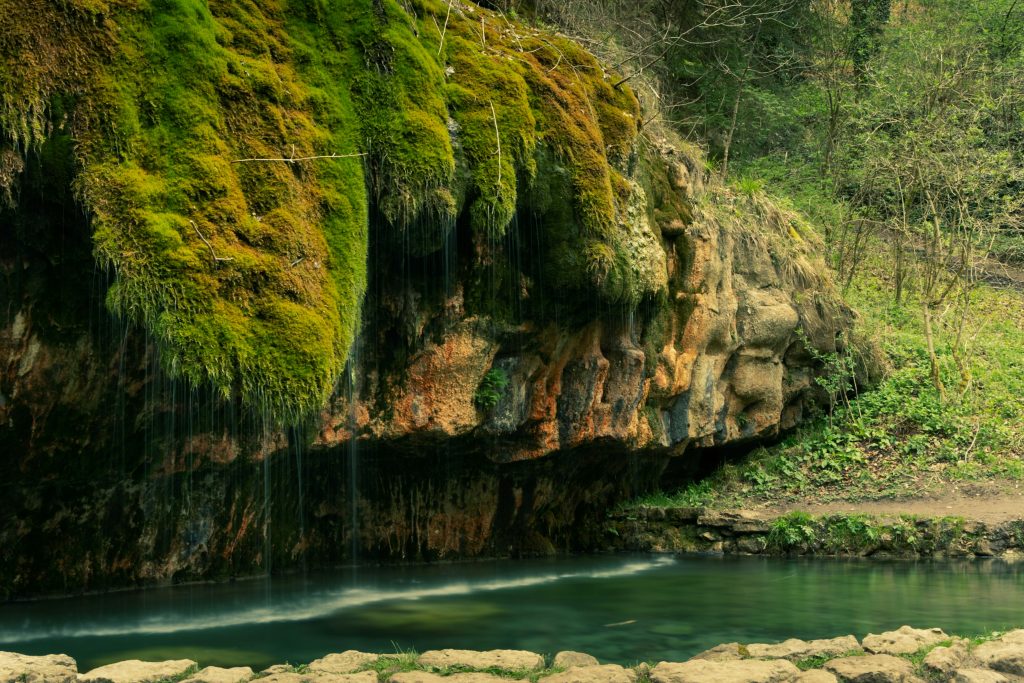
The Mullerthal, called Little Switzerland locally, has sandstone formations, mossy gorges and a 112km waymarked trail, with Echternach as the base. The Moselle valley in the south east does riesling and crémant, and the village of Schengen sits on it.

Food and drink

Eating in Luxembourg

Luxembourgish cooking sits between French and German: judd mat gaardebounen, smoked pork collar with broad beans, is the national dish, and gromperekichelcher are fried potato cakes sold at markets and festivals.

Restaurants are expensive — €20 to €35 for a main — because this is one of the wealthiest countries in the world. The lunch menu at €15 to €22 is the way around it, and bakeries and market stalls are far cheaper.

The Moselle produces riesling, pinot gris and crémant, the local sparkling wine, and tastings along the valley are inexpensive and easy to reach on free transport.

Nightlife

Going out in Luxembourg

The Grund, at the bottom of the gorge by the river, is the most atmospheric place for a drink in the country, and Rives de Clausen, a converted brewery, holds most of the city's bars and clubs in one place.

It is expensive: a beer runs €5 to €7 and cocktails more, in line with the general cost of living. The crowd is international, because a large share of the working population is.

Esch-sur-Alzette has a student scene and lower prices, and the city empties somewhat at weekends when cross-border workers go home, which makes Friday the better night.

Getting around

Getting around Luxembourg

All public transport in Luxembourg has been free since 2020 — trains, trams and buses, nationwide, for residents and visitors alike, with no ticket required. It was the first country in the world to do this, and it is the single best thing about travelling here.

That means the castles, the Mullerthal and the Moselle are all reachable at no cost from the capital, usually in under an hour. First class on trains still costs money; everything else does not.

The city itself has free funiculars and panoramic lifts linking the upper town to the Grund and Pfaffenthal, which saves a good deal of climbing. Cross-border trains to Trier, Metz and Brussels charge normally once you leave the country.

Costs

What Luxembourg costs

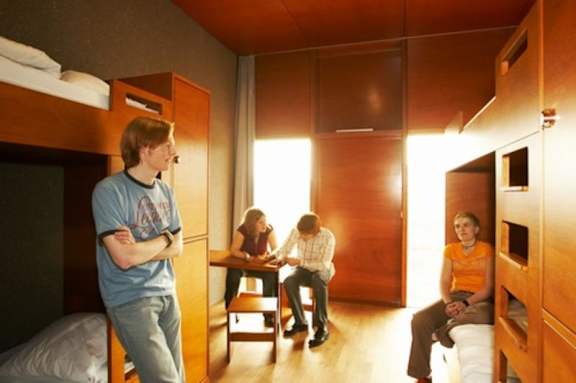
Luxembourg is one of the wealthiest countries in the world and the prices reflect it: dorms from around €28 and hostel supply is very limited, with a handful of well-run HI properties covering most of the country.

Eating out is the expense at €20 to €35 for an evening main, and the lunch menu at €15 to €22 is the standard way around it.

The counterweight is free transport nationwide, which removes a cost that would otherwise be significant, and a city whose best features — the Corniche walk, the gorge, the lifts, the views — cost nothing at all.

Safety

Staying safe in Luxembourg

Luxembourg is one of the safest countries in Europe with very low crime, and the city is comfortable at any hour.

The only area with any reputation is around the station, which is scruffier than the rest of the city and has an open drug scene, though it is more unpleasant than dangerous and the ordinary precautions are enough.

Otherwise the hazards are physical: the gorge paths and cliff-edge walks have long drops, the steps between levels are steep and slippery in rain, and the Mullerthal trails involve scrambling over wet sandstone.

Entry and documents

Entry and documents

Luxembourg is in the EU, the Schengen area and the eurozone — and the agreement itself is named after a village on its Moselle border, where it was signed aboard a boat in 1985.

EU citizens need an ID card; UK, US, Canadian and Australian passport holders get 90 days in any 180 across the whole Schengen zone.

Passports need three months' validity beyond departure and to have been issued within the last ten years. ETIAS has been delayed repeatedly — check the official EU site. Borders with Belgium, France and Germany are unmarked and crossed constantly by commuters.

When to go

Mild and wet, with a short good summer. May to September is when the hiking and the terraces work, and December brings the Christmas markets.

4°
Jan
Cold and quiet. Cheapest month
5°
Feb
Still winter, and very little on
9°
Mar
Spring beginning. Buergbrennen bonfires
14°
Apr
Green and pleasant, and quiet
18°
May
Excellent. Terraces open and the gorge walks at their best
21°
Jun
The best month. Long evenings in the Grund
23°
Jul
Warm, and the Moselle wine villages busy
23°
Aug
Peak, though it never gets truly crowded
19°
Sep
Superb. Wine harvest on the Moselle
14°
Oct
Autumn in the Mullerthal. Quiet and good value
8°
Nov
Grey and wet. Lowest prices
5°
Dec
Christmas markets across the old town squares
Bar height is temperature. Colour is how busy it gets: quiet busy peak

Average highs for Luxembourg City. The Ardennes in the north are cooler and wetter, and it rains in every month.

What your trip will cost

Pick how you travel and how long for. Per night, for one person. The transport line is zero because all public transport is free.

All trains, trams and buses inside Luxembourg are free for everyone, so the only transport cost is getting into and out of the country.

—
  • Beds—
  • Food and drink—
  • Getting around—
  • Doing things—
What's on

What is on while you are there

Small country, small calendar, and two events that take over the whole capital.

Luxembourg travel questions

The ones we get asked most.

Is public transport really free in Luxembourg?
Yes. Since 2020 all trains, trams and buses inside the country have been free for everyone, including visitors, with no ticket required. It was the first country in the world to do it, and it makes day trips cost nothing.
How many days do you need in Luxembourg?
Two days for the city, which is compact and dramatic. Three lets you add Vianden castle and the Mullerthal hiking trails, both under an hour away and free to reach.
Is Luxembourg expensive?
Yes for beds and restaurants — dorms from €28 and evening mains at €20 to €35. Lunch menus at €15 to €22, free transport and free walks through the gorge bring a day to around €55 to €75.
Are there many hostels?
Only a handful, mostly well-run HI properties in the city and a few towns. Supply is genuinely limited, so book earlier than you would elsewhere, particularly in summer.
What is worth seeing outside the capital?
Vianden, a restored hilltop castle an hour away by free bus, and the Mullerthal — sandstone gorges and forest with a 112km waymarked trail from Echternach. The Moselle valley does riesling and crémant.
What languages are spoken?
Luxembourgish, French and German are all official and used in different settings, often in the same conversation. English is widely spoken, particularly in the capital, where a large share of the workforce is international.
Is Schengen actually a place?
Yes, a small wine village on the Moselle in Luxembourg where the agreement was signed aboard a boat in 1985. There is a small museum, and it is reachable by free bus.

Say yes to hostels, meet the world

Compare hostels across Luxembourg — live prices, real reviews and free cancellation on most bookings. Then meet the people already there in the app.

Get the App. QRGet the App.
Get the App. QR  Get the App.
Scroll to Top