Ville Haute
First-timersThe old town on the plateau, with the palace, the cathedral and the squares.

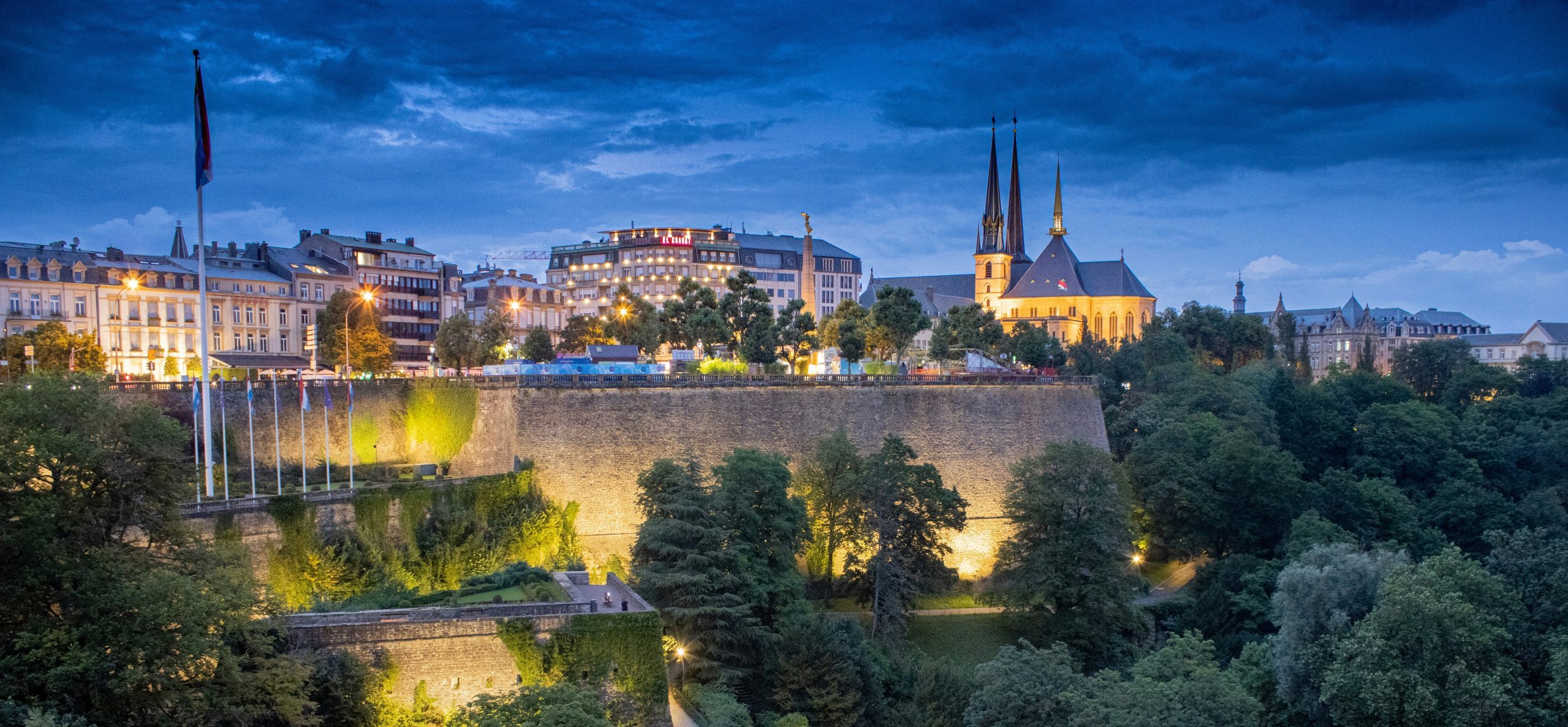
A fortress capital split across two river gorges, with tunnels in the rock, free lifts between the upper and lower towns and free public transport for everyone. Small, rich and far more dramatic than people expect.
Luxembourg City was once one of the strongest fortresses in Europe, fought over by Spain, France, Austria and Prussia for centuries and nicknamed the Gibraltar of the North. Most of the walls were pulled down after 1867, but the cliffs, the bastions and kilometres of tunnels cut into the rock remain, and the old quarters and fortifications are a UNESCO World Heritage Site.
The city is built on two levels. The Ville Haute, the old town, sits on a plateau above the gorges of the Alzette and the Pétrusse; the Grund, Clausen and Pfaffenthal lie in the valley below, with the river, old stone houses and the best pubs. Free public lifts and a funicular connect them.
Across the valley, the Kirchberg plateau holds the European institutions and the modern city. Two days covers the capital, and free trains and buses make the rest of the country an easy day trip.
The upper and lower towns are joined by free lifts, so anywhere central works. The only hostel is in Pfaffenthal, in the valley.
The old town on the plateau, with the palace, the cathedral and the squares.
The old town in the valley, by the Alzette, reached by free lift.
The valley district with the Rives de Clausen bars.
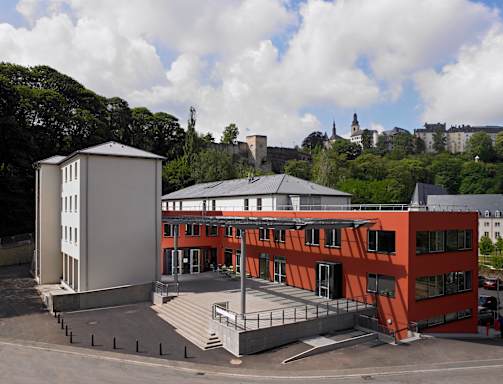
The valley district below the old town, where the youth hostel is.
Around the central station. Convenient, rough at night.
The plateau of European institutions and museums, on the tram.
Orange labels are neighbourhoods, dots are the 1 top-rated hostels. Map © MapTiler © OpenStreetMap contributors.
Walk the Chemin de la Corniche, the rampart walk along the top of the old walls, often called the most beautiful balcony in Europe, with the Grund and the river spread out below. At its end is the Bock, the rock where the city was founded, and the Bock Casemates, the tunnels cut into it in the seventeenth century. They reopened after a long closure and are the city's best sight.
In the old town, Place Guillaume II hosts the market on Wednesday and Saturday mornings. The Grand Ducal Palace, the head of state's official residence, opens for guided tours in summer. The Notre-Dame Cathedral and the National Museum of History and Art are a short walk away.
Take the free lift down to the Grund and walk along the Alzette to Clausen. The Pfaffenthal panoramic lift, a glass lift down the cliff, has the best view in the city.
On the Kirchberg plateau, MUDAM, the modern art museum, is in a building by I. M. Pei built into an old fort.
Public transport is free everywhere in the country, and that includes the lifts and the funicular between the upper and lower towns.
The Chemin de la Corniche, the Wenzel and Vauban circular walks through the fortifications, and the valley walks along the Alzette and the Pétrusse are free.
The Pfaffenthal panoramic lift, with its glass viewing platform, is free. So are the Saturday and Wednesday markets on Place Guillaume II.
The Adolphe Bridge has a pedestrian and cycle bridge suspended underneath it, with views up and down the Pétrusse valley.
Luxembourg's cooking sits somewhere between France and Germany, with good bread, rich stews and a lot of pork. Judd mat Gaardebounen, smoked pork collar with broad beans, is the national dish. Gromperekichelcher, crisp potato fritters, are sold at markets and fairs.
The Moselle valley produces riesling, pinot gris and crémant, a sparkling wine. Luxembourg also brews its own beers.
Eating out is expensive: evening mains run €20 to €35. The lunch menus, the plat du jour at €15 to €22, are the way to eat well for less. Supermarkets and bakeries keep costs down.
Luxembourg City's nightlife is small but concentrated. The Grund has pubs by the river, busy with the city's large international workforce after work and on weekends.
The Rives de Clausen, an old brewery converted into bars and clubs, is the main late-night spot. The old town has cocktail bars and wine bars, and Hollerich, near the station, has clubs.
Drinks are pricey: a beer is €5 to €7. The city is quiet on Sundays.
All public transport in Luxembourg is free, for everyone, visitors included: buses, the tram and second-class trains. No ticket is needed. First class on trains and journeys across the border are not free.
The tram runs from the airport through Kirchberg and the old town to the central station and beyond. The free lifts and the Pfaffenthal–Kirchberg funicular link the upper and lower parts of the city.
Trains reach Trier in Germany in under an hour, Metz in France in about an hour, and Brussels in about three hours; you need a ticket for the part of the journey outside Luxembourg. High-speed trains go to Paris.
Within the country, trains and buses reach Vianden, Echternach and the Moselle in about an hour, for free.
Luxembourg City is expensive. There is only one hostel, the youth hostel in Pfaffenthal, and dorms there start around €28 to €35. Book ahead, especially in summer and during the Schueberfouer.
A careful day is €55 to €75. The costs that add up are beds and restaurant dinners.
The big saving is transport, which is free. Eat the lunch menus rather than dinner, and use the free walks, lifts and viewpoints.
Luxembourg City is very safe. The area around the central station has some petty crime and drug dealing, and feels rough late at night.
The paths in the gorges are steep and can be slippery in the rain.
Emergency number is 112.
Free trains and buses make the whole country a day trip.
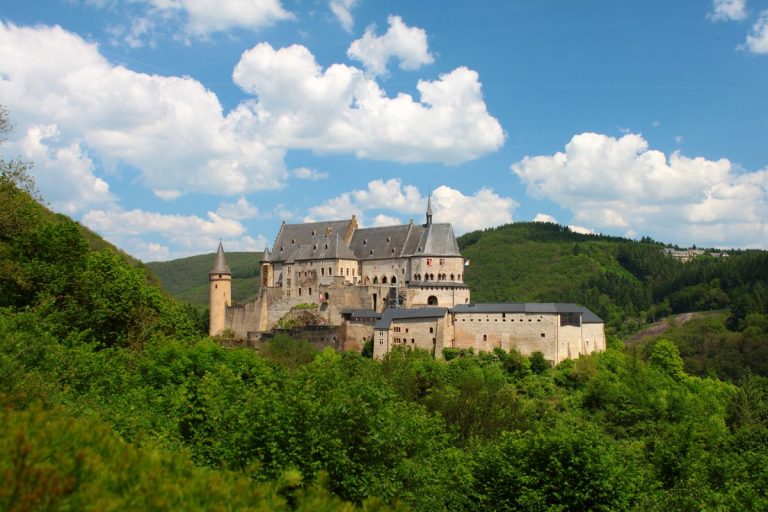
A restored hilltop castle over a river town.
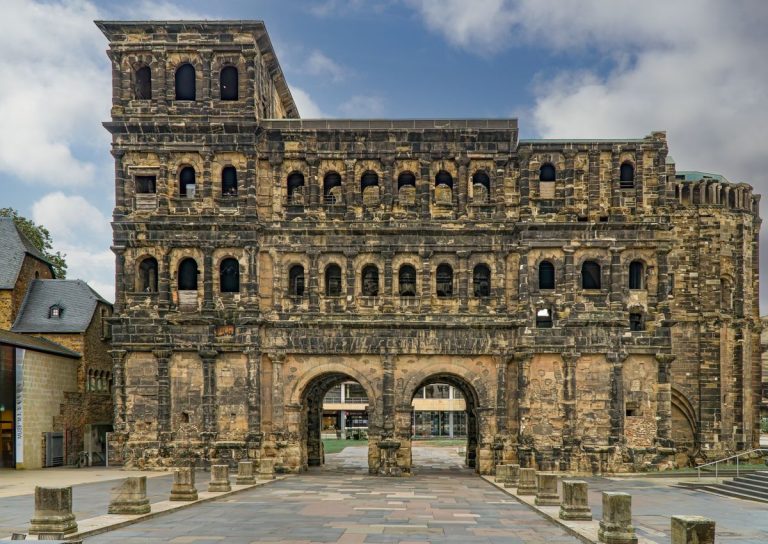
Germany's oldest city, with the Roman Porta Nigra.
National Day and the Schueberfouer are the two biggest events of the year.
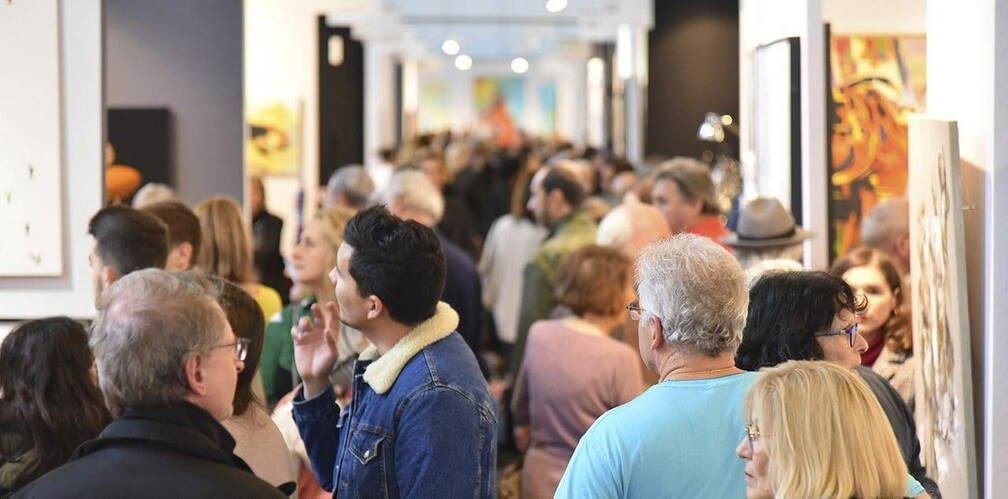
Luxembourg Art Fair 2026 is an art fair featuring a selection of international galleries presenting original artworks. The event promotes accessible contemporary art and…
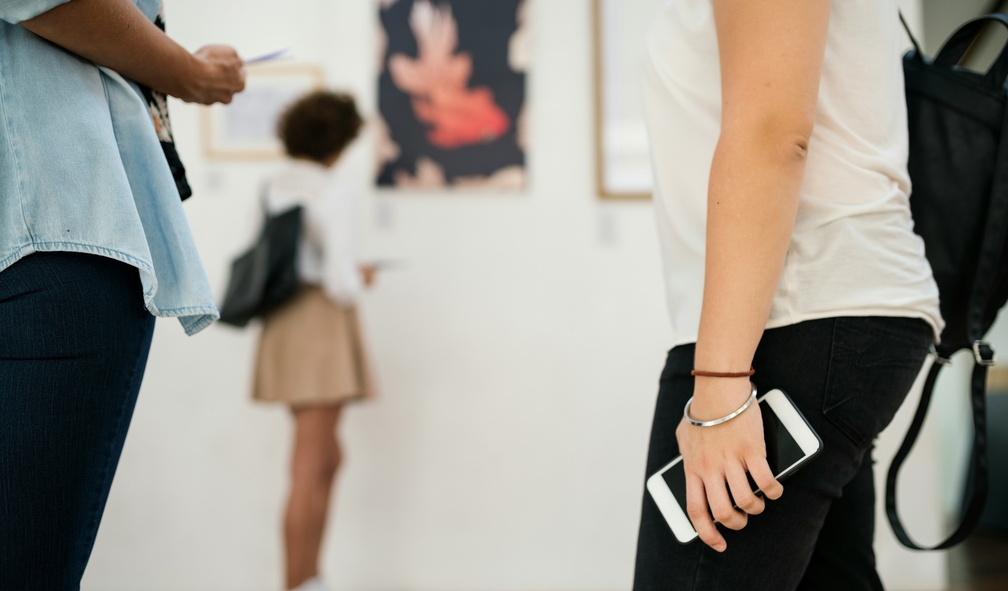
The Night of Museums invites you to explore museums after hours with a lively program of dance, music, and live performances. Museums open their…

The Harlem Globetrotters celebrate a century of basketball magic with their 100 Year Tour in Luxembourg. Expect a blend of sport, comedy, and interactive…
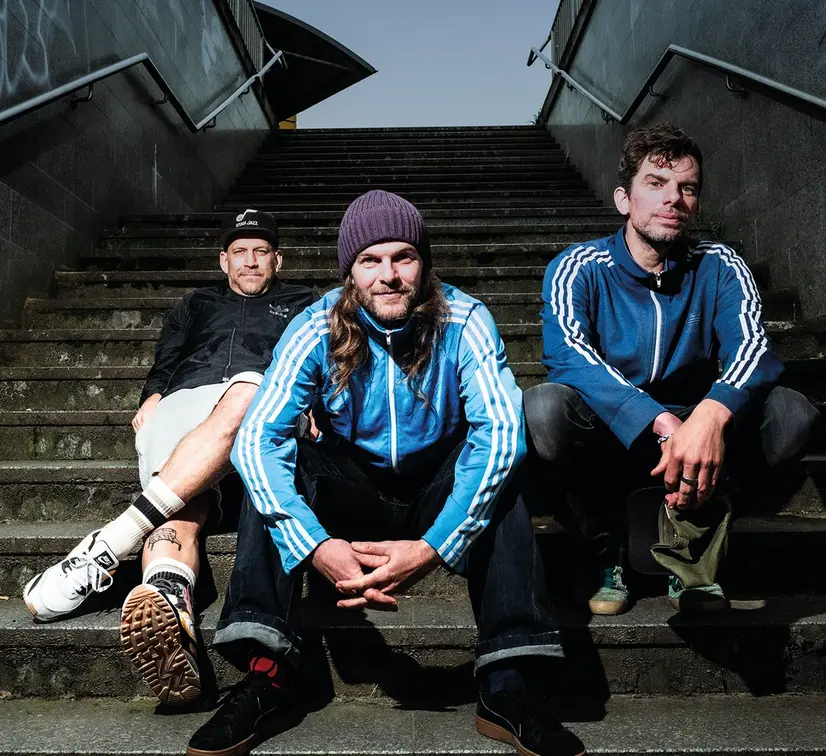
Sportfreunde Stiller celebrate 30 years of making music rooted in friendship and life on tour. Their journey from humble beginnings to sold-out halls and…

Badmómzjay is one of the defining voices of the new generation in German-language rap, known for her clear attitude and unique style. In 2026,…
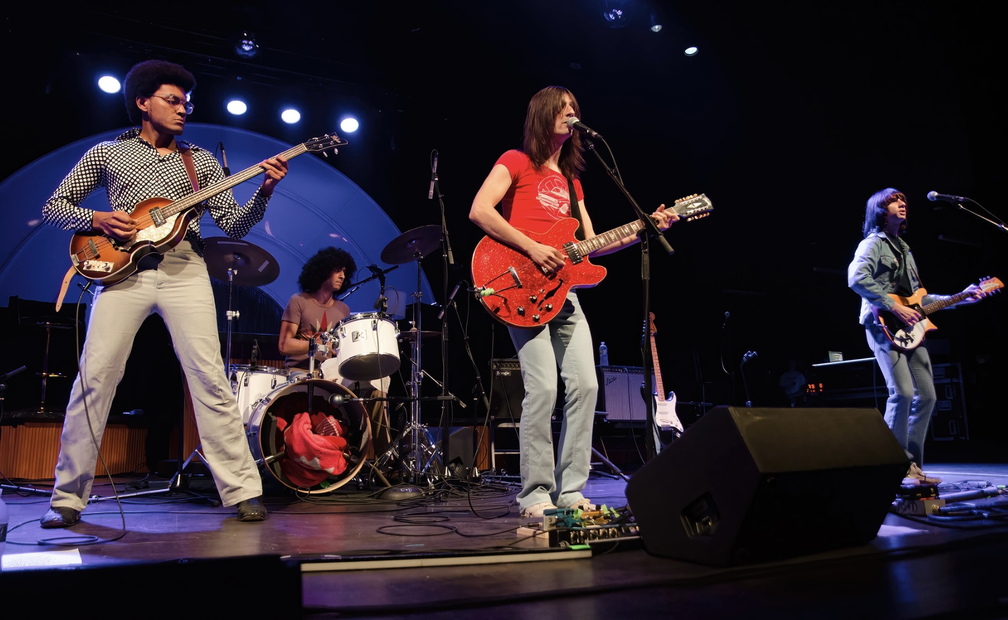
The Lemon Twigs bring their latest album Look For Your Mind! to den Atelier, showcasing a richer, more collaborative sound with a full band.…

The Luxembourg Ladies Tennis Masters 2026 brings together top female tennis players including the defending champion Angelique Kerber. You will also see notable competitors…
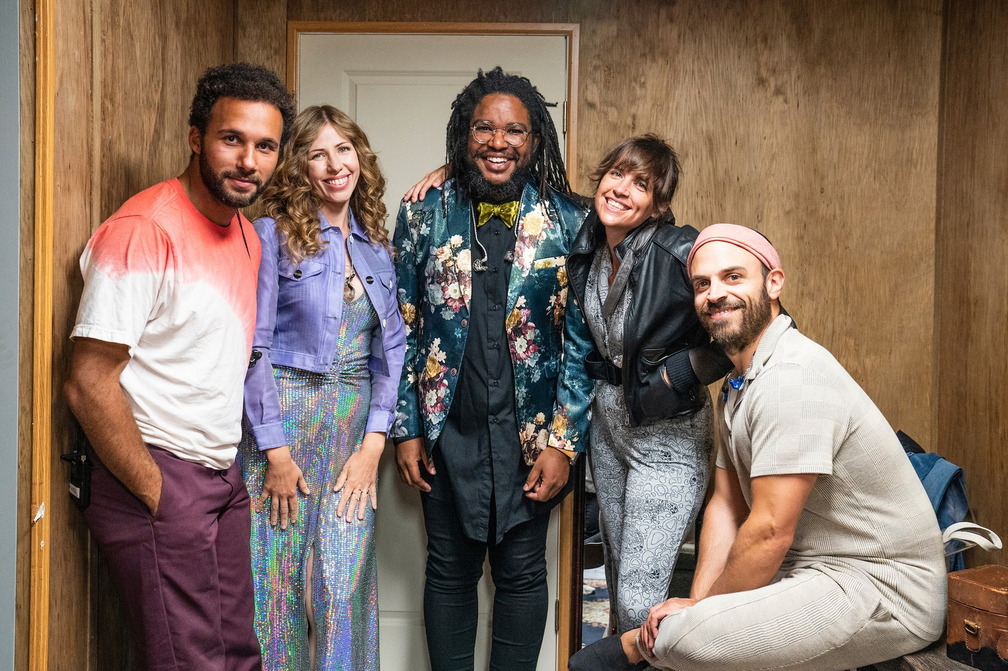
Lake Street Dive brings a soulful blend of pop, jazz, rock, and R&B with vibrant, retro-inspired sounds. Their live performances showcase lead singer Rachael…
Luxembourg City has one hostel, the large youth hostel in Pfaffenthal, below the old town. It is shown here live from Hostelworld.
May to September is best. Winter is cold and grey, but the Christmas markets are good.
Average highs. Luxembourg has a cool, wet climate, and the valleys are often misty in autumn.
Pick how you travel. Per person per night, in euros.
Transport is free. Beds are the biggest cost, and supply is very limited.
The ones we get asked most.

Compare Luxembourg City hostels — live prices, real reviews and free cancellation on most bookings. Then meet the people already there in the app.

 Get the App.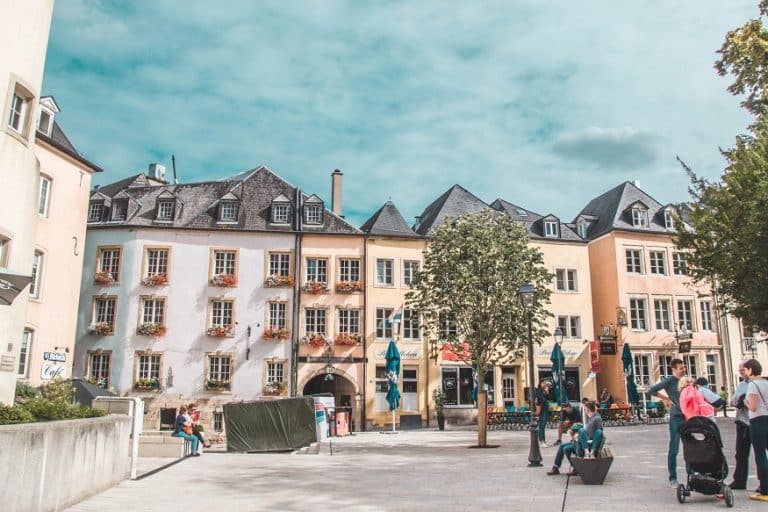
 Get the App.