Baixa
First-timersThe centre around Aliados and São Bento: everything walkable, most of the hostels, and flat by Porto standards.

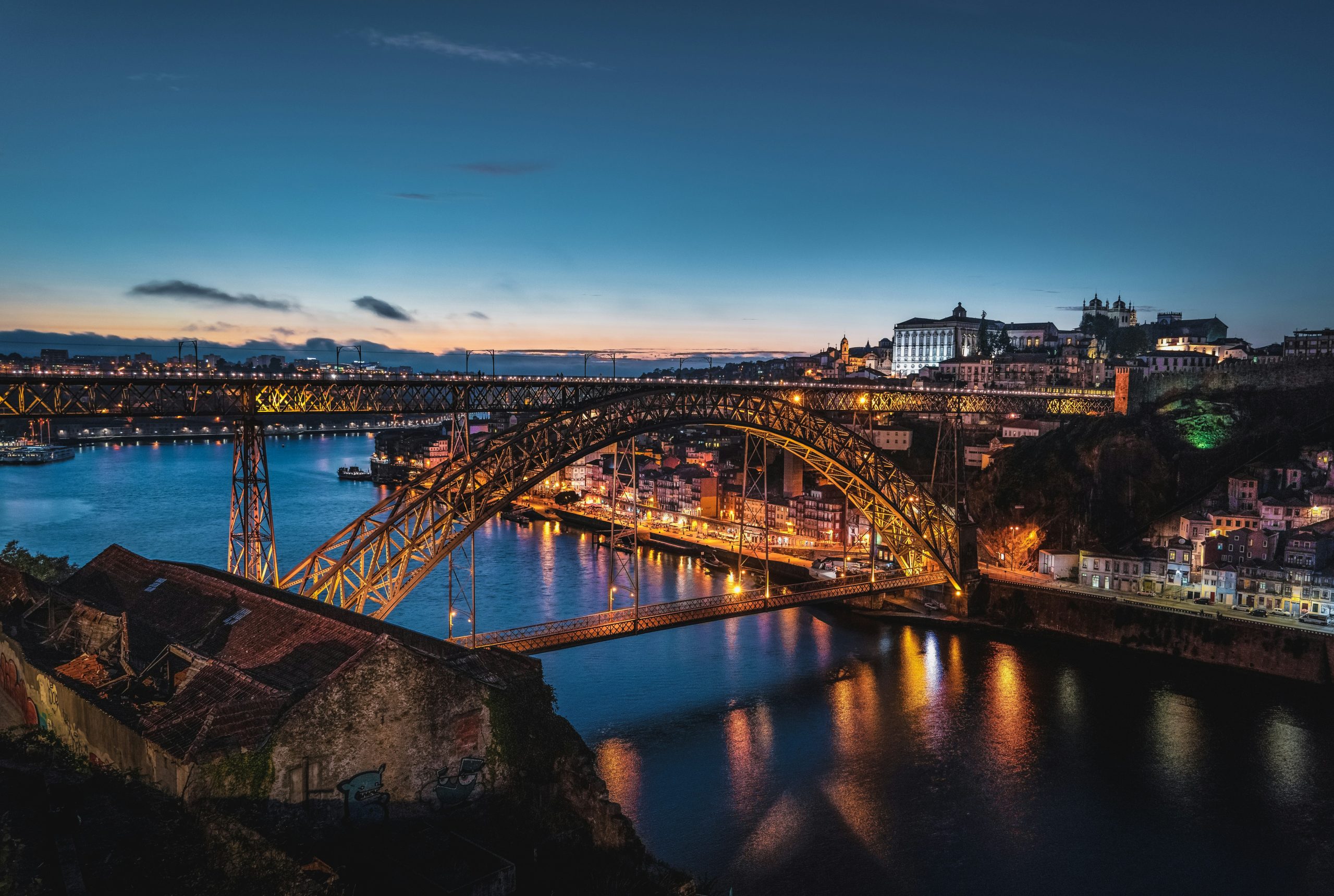
Granite, tiles and port cellars stacked up both banks of a gorge. Smaller and steeper than Lisbon, and most people who do both end up preferring it.
Porto sits where the Douro meets the Atlantic, built up both sides of a gorge steep enough that the bridges cross at roof level. The centre is granite and azulejo tiles, half of it beautifully restored and half of it still falling down, which is the character of the place.
The port houses are all on the other bank, in Vila Nova de Gaia, which is technically a different city. The wine comes down from the Douro valley, sixty miles inland, where the terraced vineyards are the oldest demarcated wine region in the world.
Two or three days does the city. Add a day for the Douro valley, which is the best thing in northern Portugal and which most people skip because they have not left enough time.
The centre is small and vertical. Staying near the river means climbing home.
The centre around Aliados and São Bento: everything walkable, most of the hostels, and flat by Porto standards.
The riverfront arcades under the bridge. Postcard-pretty, packed by day, and a climb back up to everything else.
Galleries, record shops and Rua Miguel Bombarda, ten minutes uphill from the centre and much quieter.
Across the bridge: every port house, a cable car, and the best view back at Porto.
West of the centre around the Casa da Música, residential, well connected and noticeably cheaper.
Where the river meets the Atlantic: a promenade, surf beaches and a tram that takes half an hour from the centre.
Orange labels are neighbourhoods, dots are the 12 top-rated hostels. Map © MapTiler © OpenStreetMap contributors.
Cross the Dom Luís I bridge on the top deck, on foot, at sunset. It is free, it is the best view in the city, and the metro runs beside you.
Livraria Lello charges for entry and refunds it against a book, and the queue is long because of a Harry Potter link that J.K. Rowling has said is not true. Go at opening or skip it — the Igreja do Carmo tiles and São Bento station's 20,000 azulejos are free and more impressive.
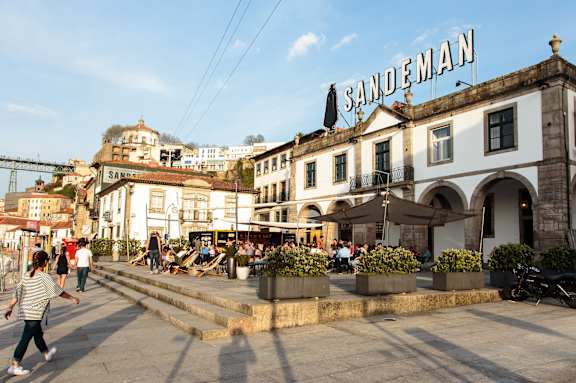
Port cellars are all in Gaia. Taylor's, Graham's and Sandeman do the polished tours at €18 to €25; the smaller houses charge less and pour more generously.
Clérigos tower is 225 steps for the best rooftop view, and the Serralves museum and its park are worth the tram ride west.
The best of Porto costs nothing. Walking the top deck of the bridge, São Bento's tile hall, the Igreja do Carmo facade, and the whole Ribeira waterfront are all free.
The Jardins do Palácio de Cristal are free and give you the river view without the Ribeira crowds. The Serralves park is free on the first Sunday of the month, until one.
Mercado do Bolhão reopened after a long restoration and costs nothing to wander. And the beach at Matosinhos is at the end of a metro line, with the best grilled fish in the city along one street behind it.
The francesinha is Porto's own: a sandwich of steak, sausage and ham under melted cheese, drowned in a beer and tomato sauce, usually with chips in the bowl. It costs €9 to €14 and it is a commitment rather than a lunch.
Everyday eating is better value here than in Lisbon. A prato do dia runs €7 to €11, and the tascas around Bolhão and Cedofeita serve it to people on lunch breaks rather than tourists.
Tripas à moda do Porto is the historic dish and the reason locals are called tripeiros. Grilled sardines and bacalhau are everywhere, and Matosinhos is where to eat fish properly, at the end of the metro line.
Port comes in white, tawny and vintage, and white port with tonic is what people actually drink on a summer evening.
Galerias de Paris is the centre of it: a couple of streets of bars where everyone drinks outside, cheaper and smaller-scale than Bairro Alto in Lisbon and busier on a Thursday than most cities are on a Saturday.
Ribeira is where tourists drink and Gaia is where the sunset crowd goes, both with a premium for the view.
A beer is €1.50 to €3, and Super Bock is the local one — ordering a Sagres here is a mild insult and everyone will let you know.
Things start late but not as late as Lisbon: bars fill around eleven and clubs from one.
The centre is walkable and the hills are the reason people still use the metro for two stops. An Andante card costs €0.60 and journeys are about €1.60 by zone, with a day pass at €4.80.
The metro reaches the airport in 30 minutes and Matosinhos beach at the other end of the same system.
Tram 1 runs along the river to Foz for €4 and is a genuine old tram rather than a tourist one. The Gaia cable car costs €7 and saves the climb from the bridge to the upper deck.
Uber and Bolt are cheap, which matters at two in the morning when you are at the bottom of the gorge.
Porto is cheaper than Lisbon across the board. Dorms are €15 to €30, a prato do dia is €7 to €11, a beer is €1.50 to €3, and most of the best things are free.
A careful day is €40 to €55.
What adds up is port tastings at €15 to €25 each, Douro valley tours at €60 to €110, and eating on the Ribeira waterfront, where you pay double for the view.
Porto is a safe city and feels it, including late at night in the centre. Pickpocketing exists around São Bento, Ribeira and on busy metro trains, at a level well below Lisbon's.
The hills and the pavement are the real hazard: granite and calçada are slippery in the rain, and Porto gets a lot of rain between November and March.
The Douro has strong currents and people do drown swimming near the bridges. The beaches at Matosinhos and Foz are Atlantic, cold and have rip currents; swim where the flags are.
Emergency number is 112.
The Douro valley is the one to make time for. Everything else is an hour by train.
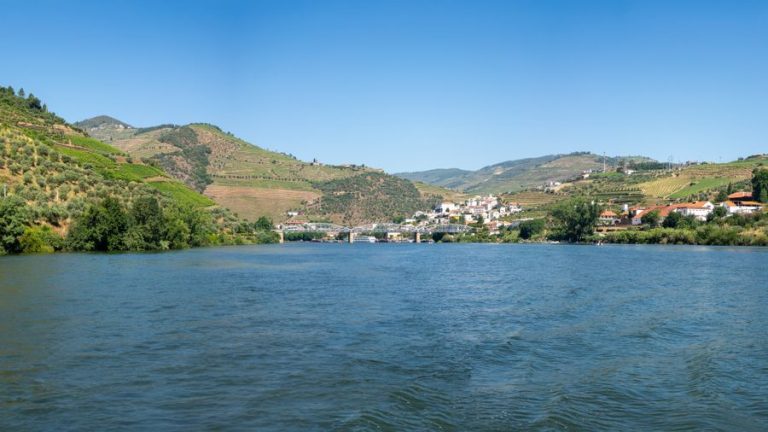
Terraced vineyards down a river gorge, the oldest demarcated wine region in the world. The train line hugs the water for the last hour and is worth the trip on its own.
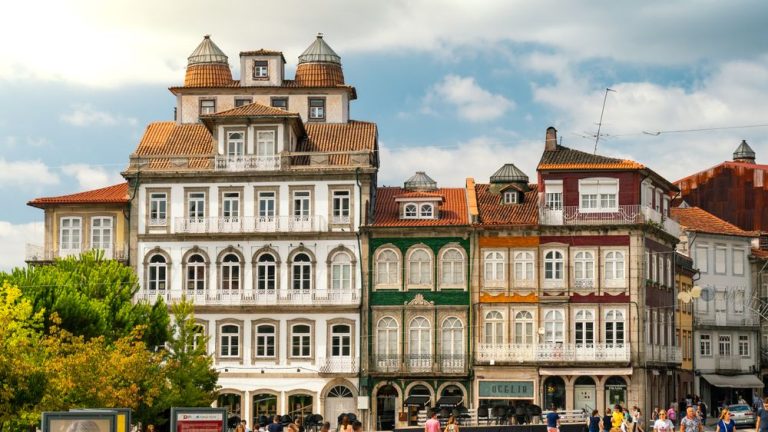
Where Portugal was founded, with a castle, a palace and a medieval centre that is UNESCO-listed.
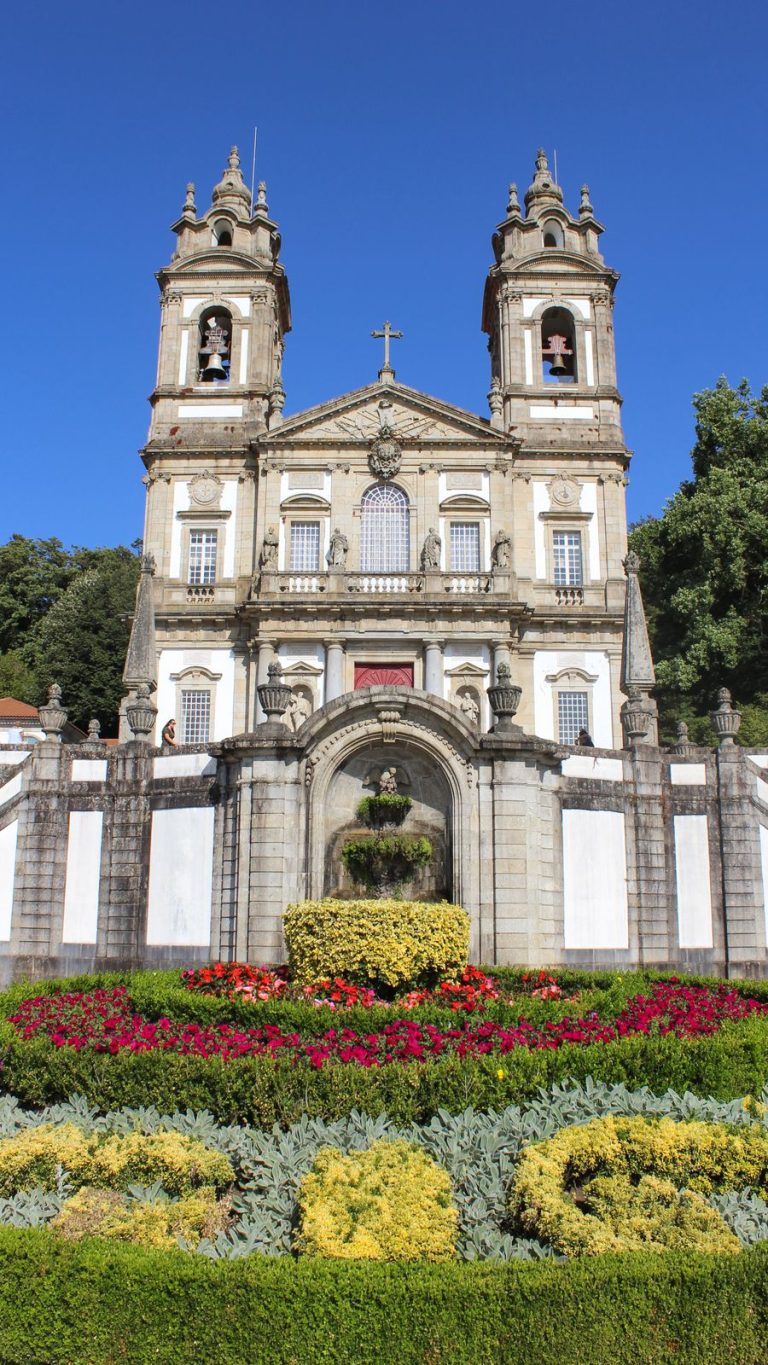
The religious capital, older than the country, with a baroque stairway climbing to a hilltop sanctuary.
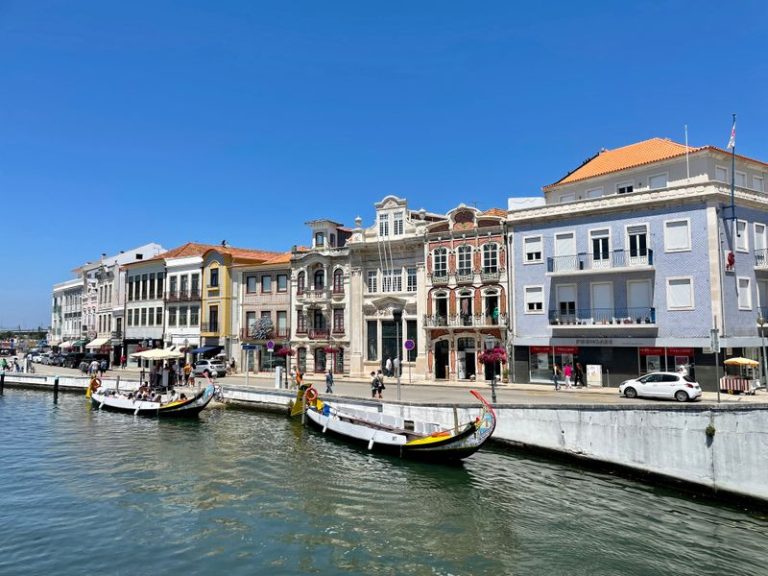
Canals, painted boats, art nouveau and a long beach at Costa Nova with striped houses.
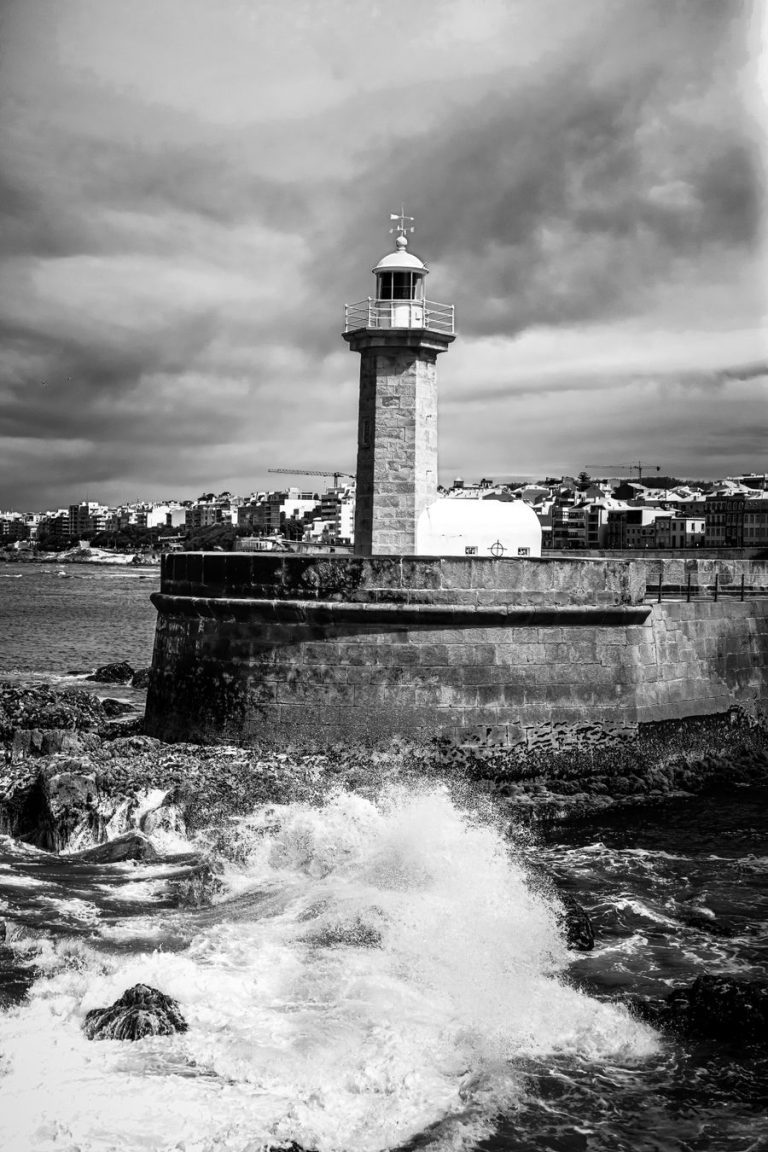
Not really a day trip: a beach, a surf school and a street of grilled fish restaurants at the end of the line.
One night in June involves the entire city hitting each other with plastic hammers.
 Staff pick
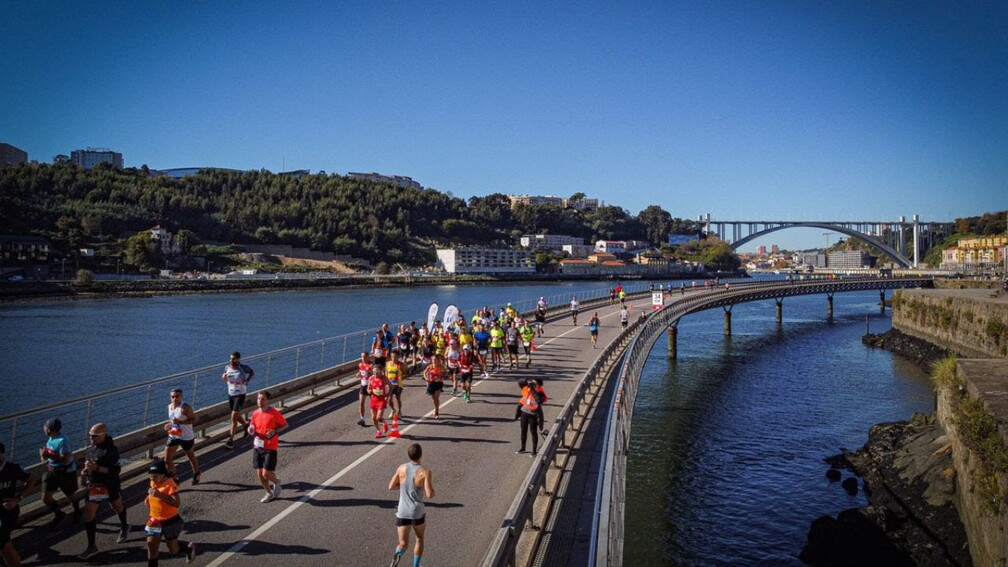
The EDP Porto Marathon invites runners from around the world to experience a scenic race through the historic streets and along the Douro River…
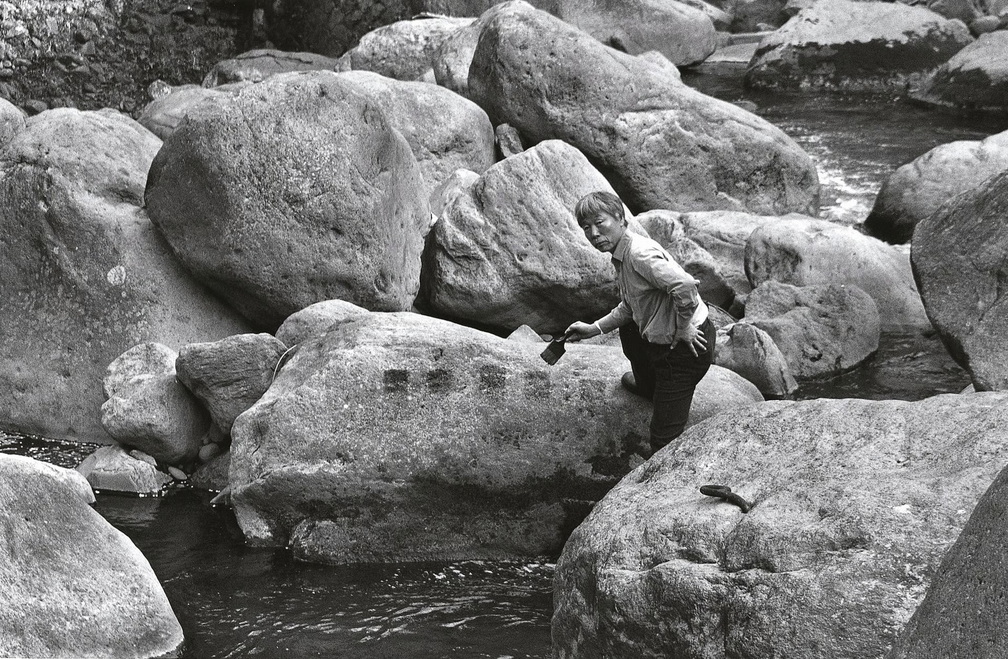
Lee Ufan is a South Korean artist known for redefining material, space, and perception in post-war art. His exhibition at Casa e Parque de…

A UEFA Nations League match between Portugal and Norway is scheduled at Estadio do Dragao in Porto. The game kicks off on October 4th…

A football match between FC Porto and Academico de Viseu FC is scheduled as part of the Taca da Liga competition. The game will…
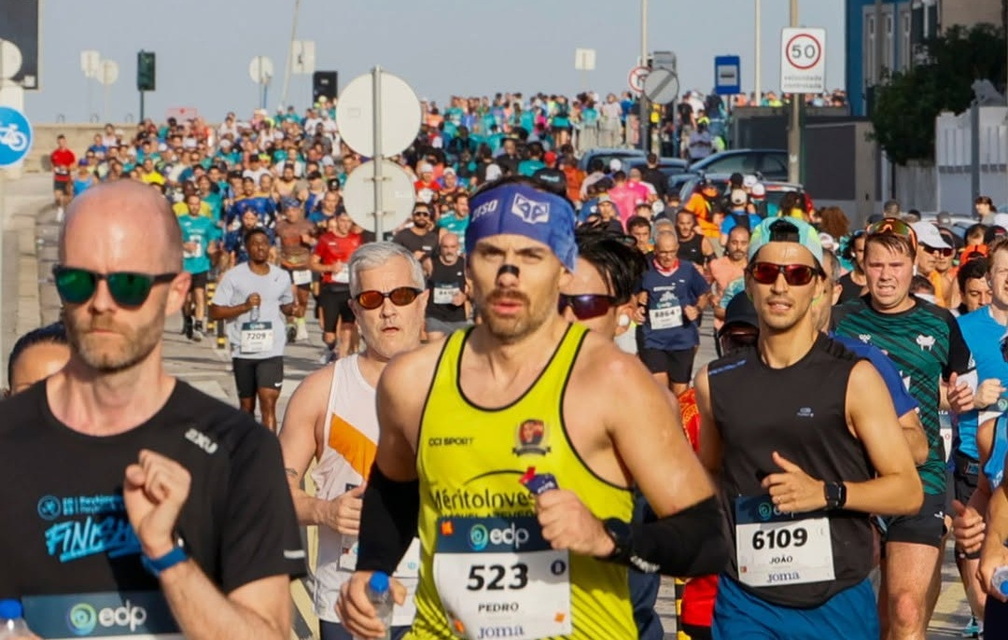
The EDP Marathon of Porto invites you to a weekend full of fun and competition in one of the most important athletic events. It…
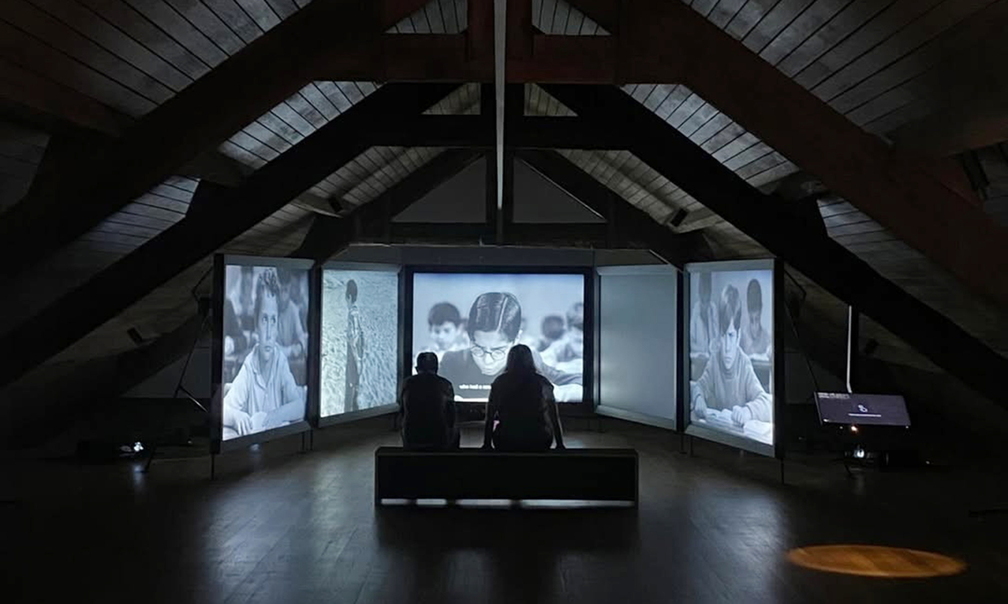
Miguel Gomes is a renowned Portuguese filmmaker known for blending documentary and fiction, influenced by the Nouvelle Vague and Italian Neorealism. His work challenges…

Simone Mendes returns to Portugal for a concert at Super Bock Arena. The event promises an emotional night featuring her greatest hits. The performance…
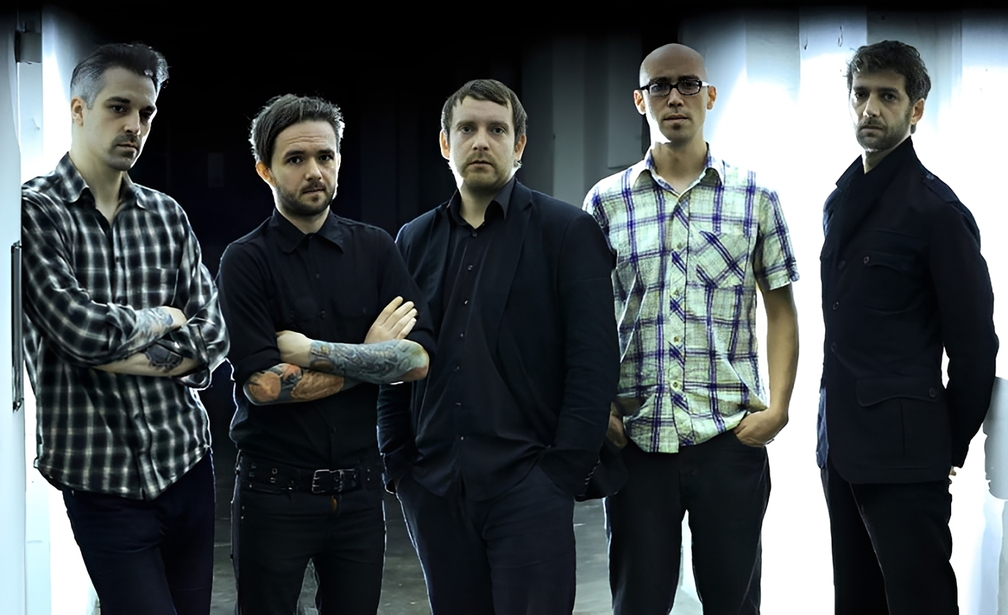
The legendary Brazilian rock band IRA is coming to Portugal for a series of shows in 2026. Known for their iconic hits since the…
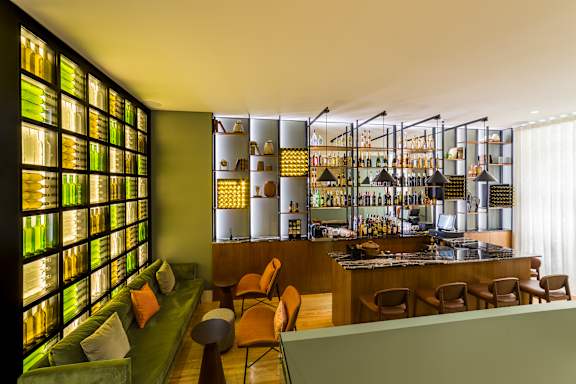
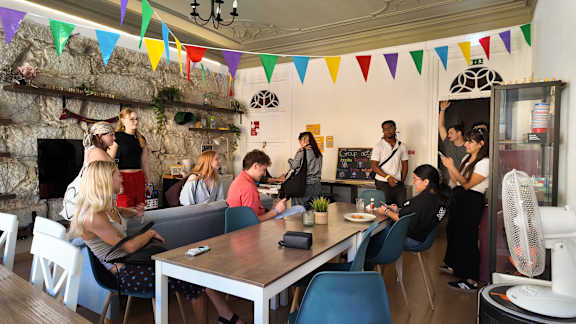
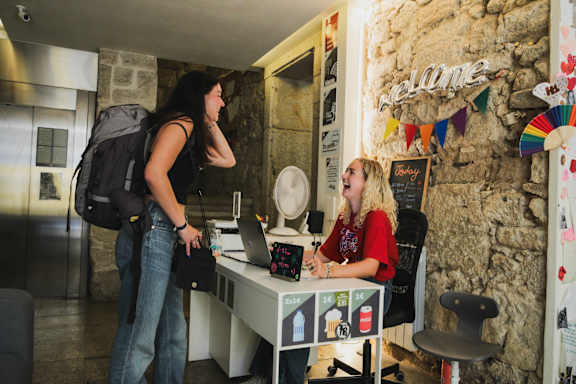
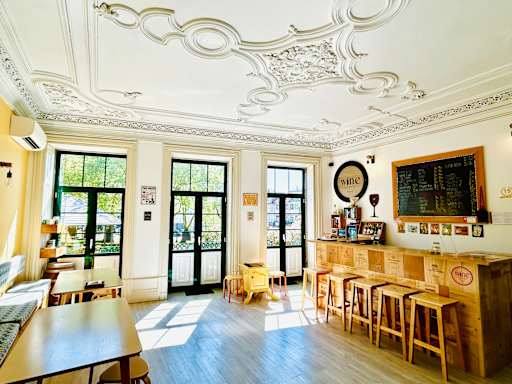
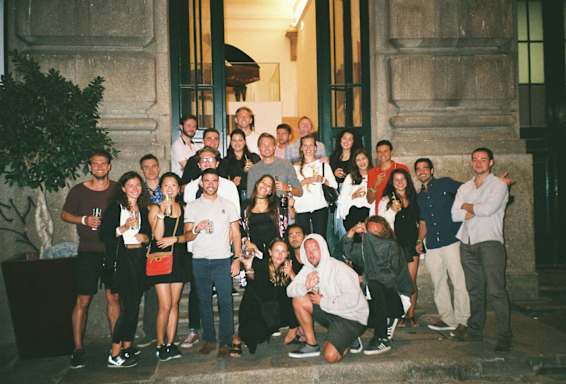
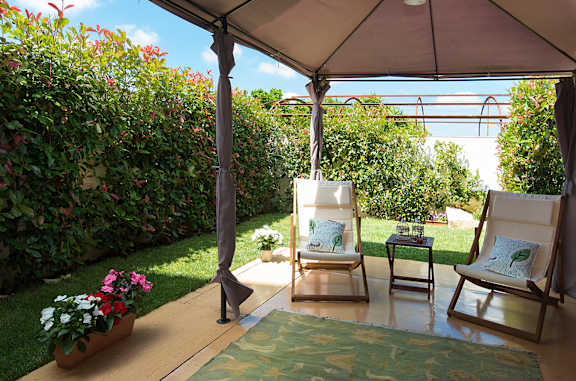
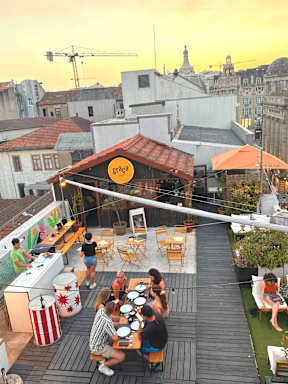
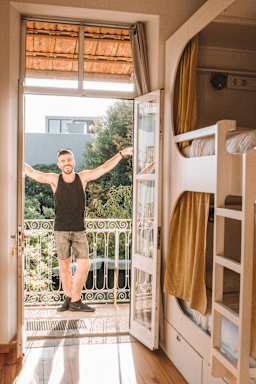
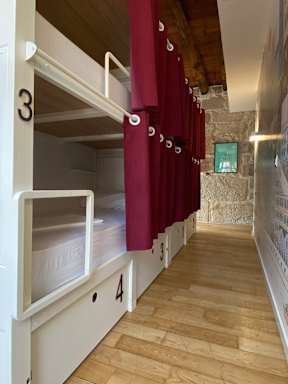
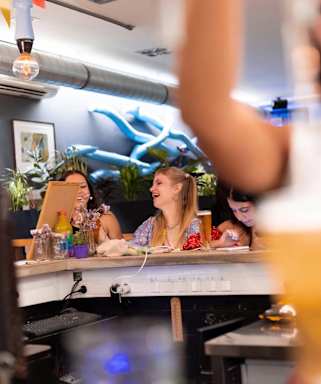
Porto has an unusually good hostel scene for a city this size, and several of Europe's highest-rated. Live from Hostelworld.
 Sustainable
 Sustainable
Porto is wetter and cooler than Lisbon. May, June and September are the sweet spot.
Average highs. Porto is noticeably cooler and considerably wetter than Lisbon, and the Atlantic keeps summer in the mid-twenties.
Pick how you travel. Per person per night, in euros.
Port tastings at €15–25 and a Douro valley day at €60–110 sit outside these figures.
The ones we get asked most.

Compare Porto hostels — live prices, real reviews and free cancellation on most bookings. Then meet the people already there in the app.

 Get the App.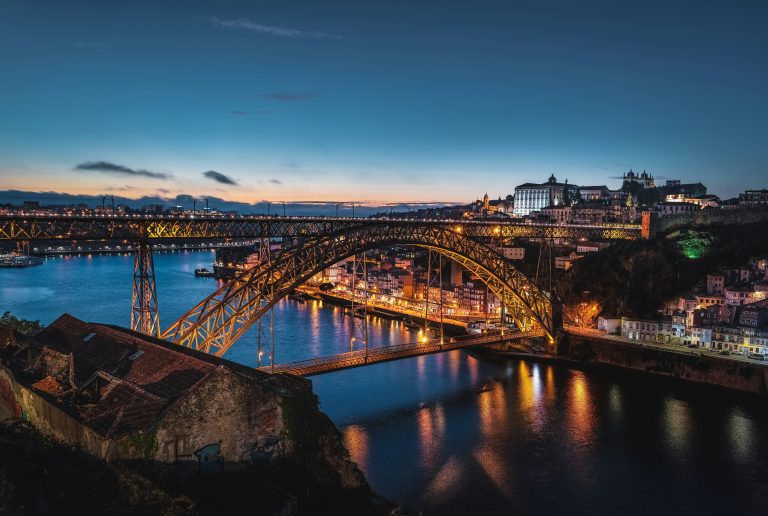


 Get the App.