Altstadt
First-timersBoth banks of the Limmat: the churches, the lanes, the lake and the main station.

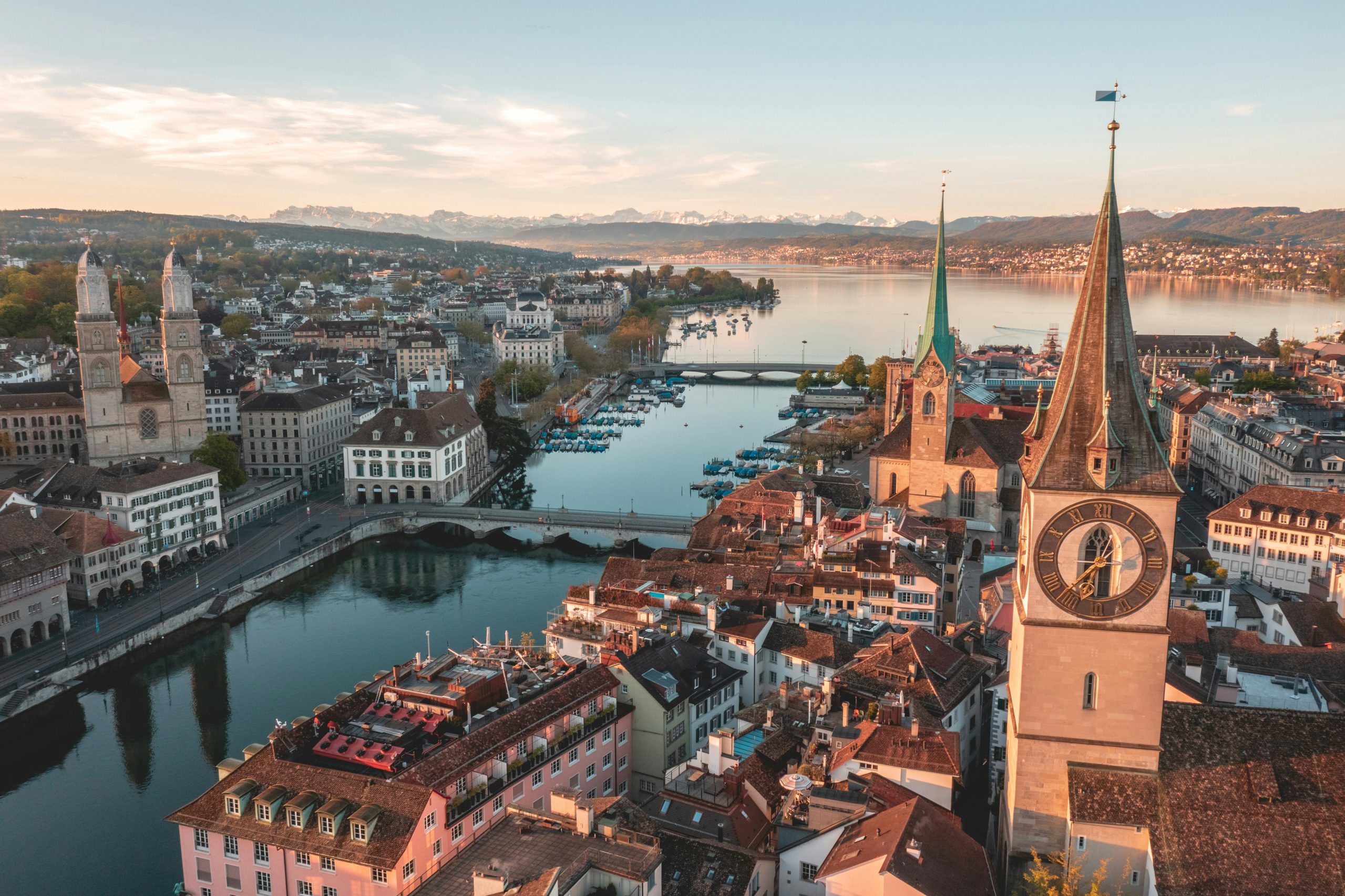
Switzerland's biggest city: a lake and a river you can swim in from the middle of town, 1,200 fountains of drinkable water, and the best nightlife in the country — at some of the highest prices in the world.
Zurich has a reputation as a sober financial centre, and parts of it are exactly that. But the city's real character shows in summer, when half of it seems to be in the lake or the Limmat river.
The badis — traditional public bathing places built out over the water — are the Zurich institution. Some date from the nineteenth century, several turn into bars after dark, and entry is cheap or free. Swimming in the middle of a major city is ordinary here.
The old town lines both banks of the Limmat, with the twin towers of the Grossmünster, where the Protestant Reformation in Switzerland began under Zwingli, and the Fraumünster, whose choir windows were made by Marc Chagall.
Kreis 4 and Kreis 5, the former red-light and industrial districts, are now where the city goes out.
It is one of the most expensive cities on earth. Tap water is free and excellent — drink from the fountains. Two or three days.
An old town on the river, and the nightlife districts west of the station.
Both banks of the Limmat: the churches, the lanes, the lake and the main station.
West of the station: bars, clubs, international food and the cheapest beds in the city.
The former industrial district: converted factories, clubs and the Viadukt arches.
Orange labels are neighbourhoods, dots are the 6 top-rated hostels. Map © MapTiler © OpenStreetMap contributors.
Swim. In summer, the badis are the heart of the city. Frauenbadi on the Limmat is women-only by day and a bar at night; Oberer Letten is where the young crowd swims and drinks on the river; Seebad Enge and the lakeside baths look out over the water and the Alps. Entry is a few francs or free.
The Fraumünster has five stained-glass choir windows by Marc Chagall, around CHF 5 (about €5).
The Grossmünster, where the Swiss Reformation began, lets you climb one of its towers for the view.
The Kunsthaus holds one of the strongest art collections in Switzerland, expanded with a large new building in 2021.
Take the train up the Uetliberg, the city's hill, for a view over the lake to the Alps on a clear day.
Walk Lindenhof, a leafy square on the site of a Roman fort, for the classic view over the old town.
The fountains are free and drinkable, which matters here — you never need to buy water.
Several river and lake badis are free, including the Oberer Letten stretch.
Lindenhof, the lakeside promenade and the old town lanes cost nothing.
Walking up the Uetliberg on foot is free, rather than taking the train.
The main station has a free exhibition of the Swiss rail network and is itself a grand nineteenth-century building.
Very expensive. A restaurant main is CHF 30 to 45 (about €32–48) and a beer CHF 8 to 10 (about €8.50–10.50).
Zürcher Geschnetzeltes — veal strips in a cream and mushroom sauce with rösti — is the local dish.
The cheapest good eating is at the supermarkets. Coop and Migros have hot food counters and restaurants at a fraction of restaurant prices, and locals use them.
Kreis 4 has the cheapest international food.
Tap water is free in restaurants on request, and service is already included in the bill, so tipping is optional.
The best in Switzerland. Kreis 4 around Langstrasse is the densest and most mixed; Kreis 5 and Zürich West have the clubs in converted industrial buildings.
In summer the river badis turn into bars, and the Oberer Letten stretch is packed on warm evenings.
A beer is CHF 8 to 10 and cocktails CHF 18 to 25 (about €19–26). Club entry is often CHF 20 to 30.
Street Parade in August is one of the largest techno parades in the world, drawing crowds of up to around a million along the lake.
Trams, trains, buses and lake boats all run on one ZVV ticket, and the network is excellent.
The airport is ten to fifteen minutes from the main station by train.
The centre is walkable.
Swiss trains are precise and fast: Lucerne is about forty-five minutes, Bern about an hour, Basel an hour, and Geneva under three.
A Swiss Travel Pass covers trains, buses, boats and many museums across the country, and gives discounts on most mountain railways. It usually pays for itself if you are making three or more longer journeys. The Half Fare Card is the cheaper alternative for slower trips.
One of the most expensive cities in the world. Dorms are CHF 45 to 70 (about €48–74), a restaurant main CHF 30 to 45, and a beer CHF 8 to 10.
A day is €100 to €170.
You pay in Swiss francs. Euros are accepted in some places but the rate is poor and change comes back in francs. Cards are accepted almost everywhere.
The savings that work: the free fountains, supermarket restaurants at Coop and Migros, free and cheap badis, and walking the old town.
Zurich is one of the safest cities in Europe.
Petty theft happens around the main station and Langstrasse at night, at low levels.
The river is the real hazard. The Limmat has a strong current in places, and people drown in Swiss rivers every summer. Swim at the badis and designated stretches, and never swim drunk or at night.
The lake is cold in early summer, and cold-water shock is a risk.
Emergency number is 112, or 117 for police and 144 for ambulance.
A mountain, a waterfall and two lake cities, all within an hour.
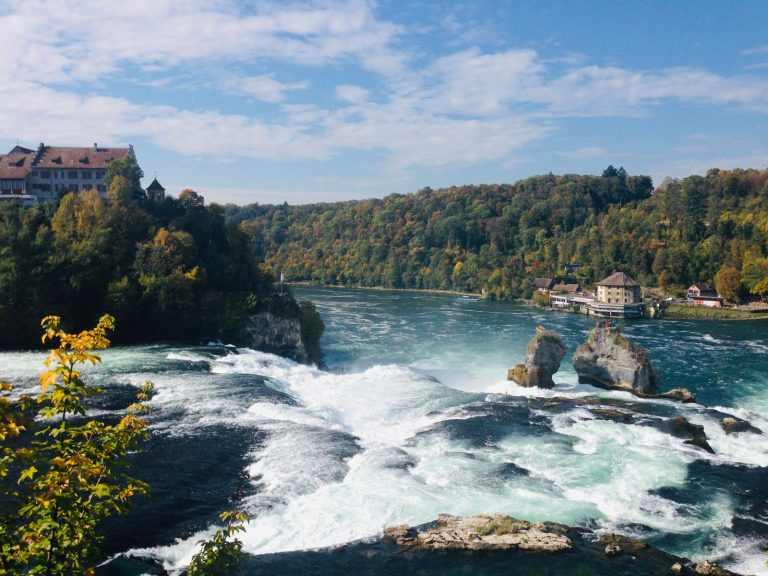
The largest waterfall in Europe by volume, with boats to a rock in the middle.
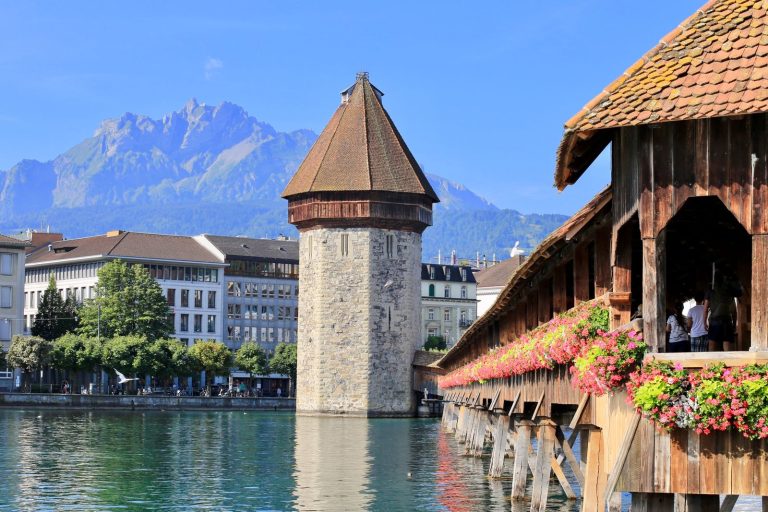
A covered wooden bridge, a lake and mountains behind the old town.
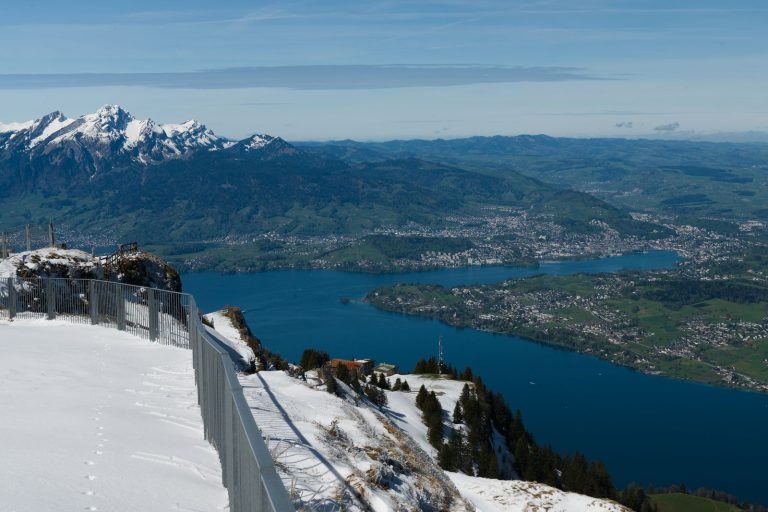
The Queen of the Mountains, with Europe's first mountain railway.
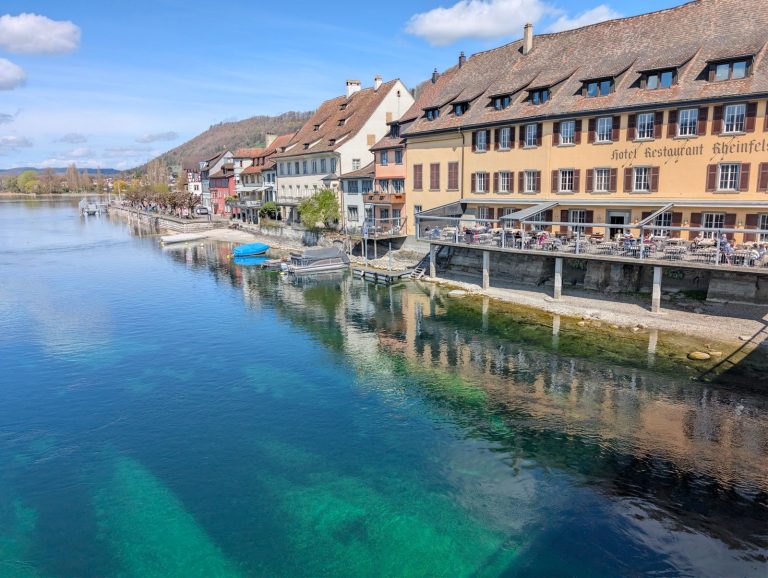
A medieval town with painted facades on the Rhine.
One of the largest techno parades in the world, along the lake.
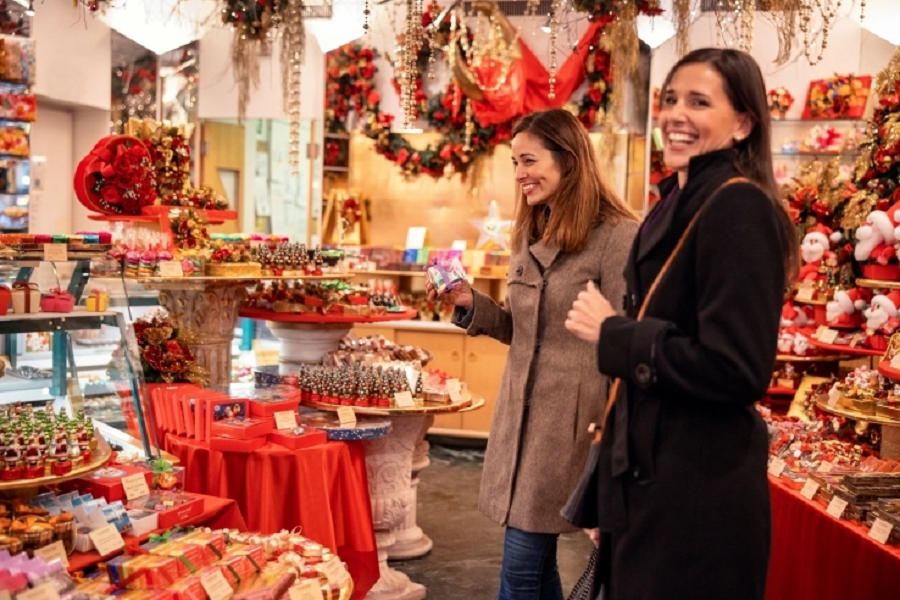 Staff pick
Zurich, Switzerland, transforms into a festive wonderland each winter, with Christmas markets scattered throughout the city. Visitors can explore a variety of unique gifts…
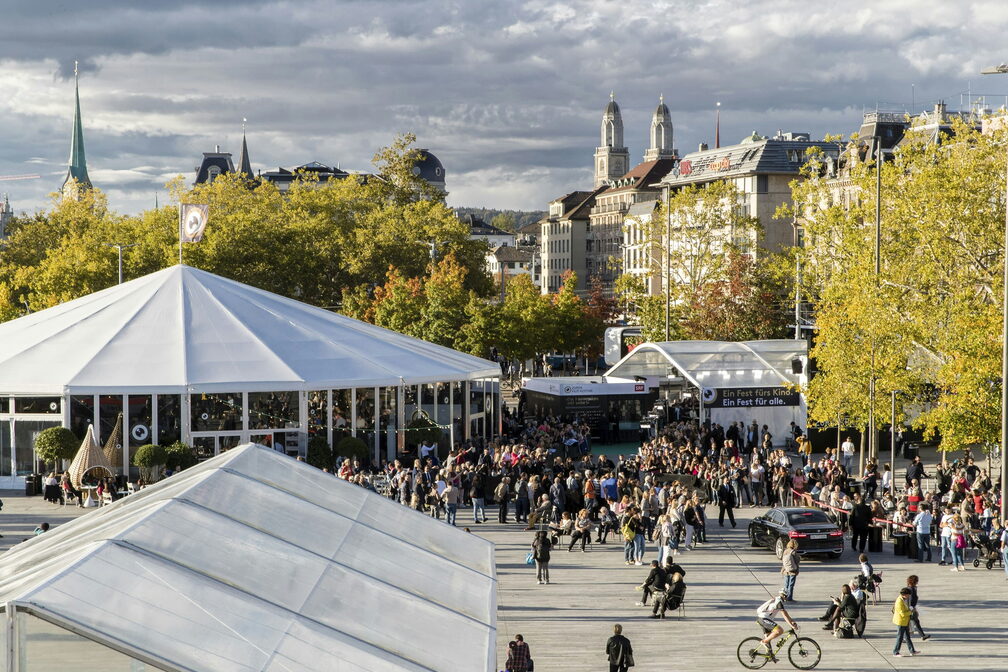 Staff pick
The Zurich Film Festival is a premier cinematic event showcasing an exciting blend of emerging talents and internationally acclaimed filmmakers. Held annually in Zurich,…
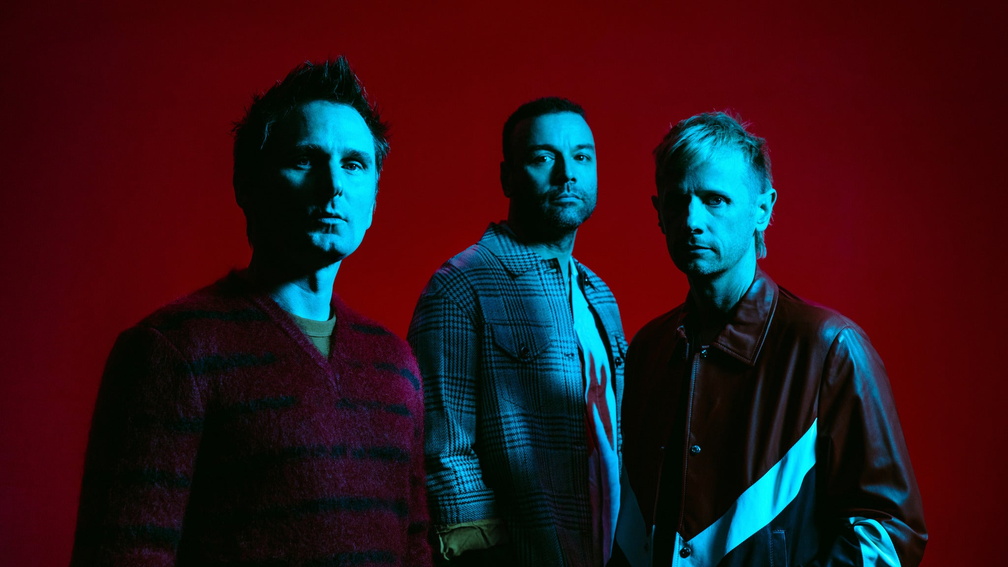 Staff pick
Muse is a globally acclaimed British rock band known for their electrifying live performances and genre-blending sound that fuses alternative rock, electronic, and symphonic…
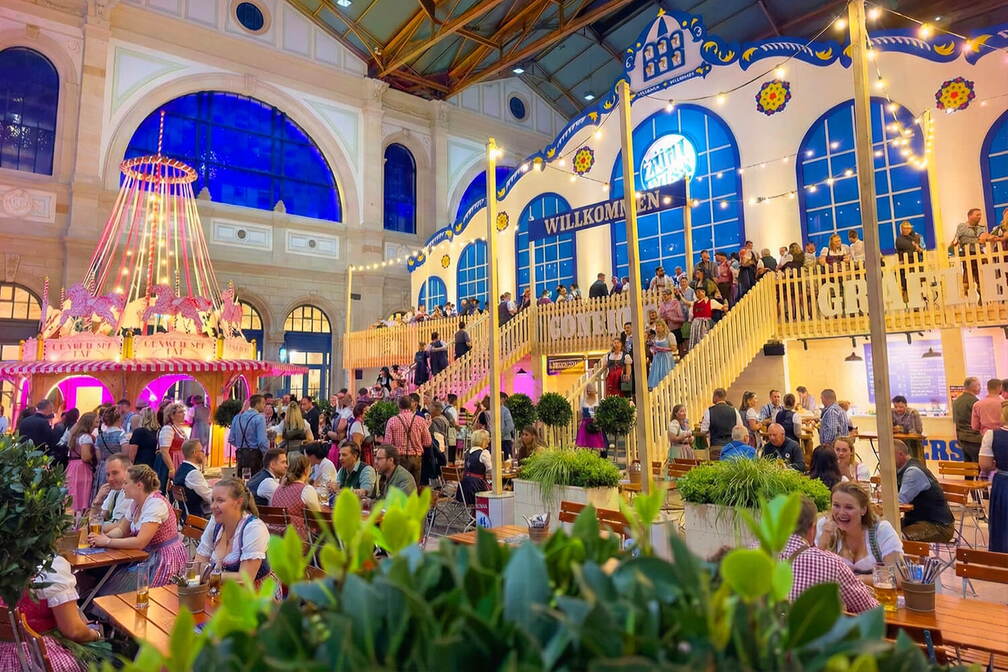
The 20th Züri-Wiesn brings Bavarian festival culture to Zurich's main station for three and a half weeks. You can enjoy traditional treats like Weisswurst…
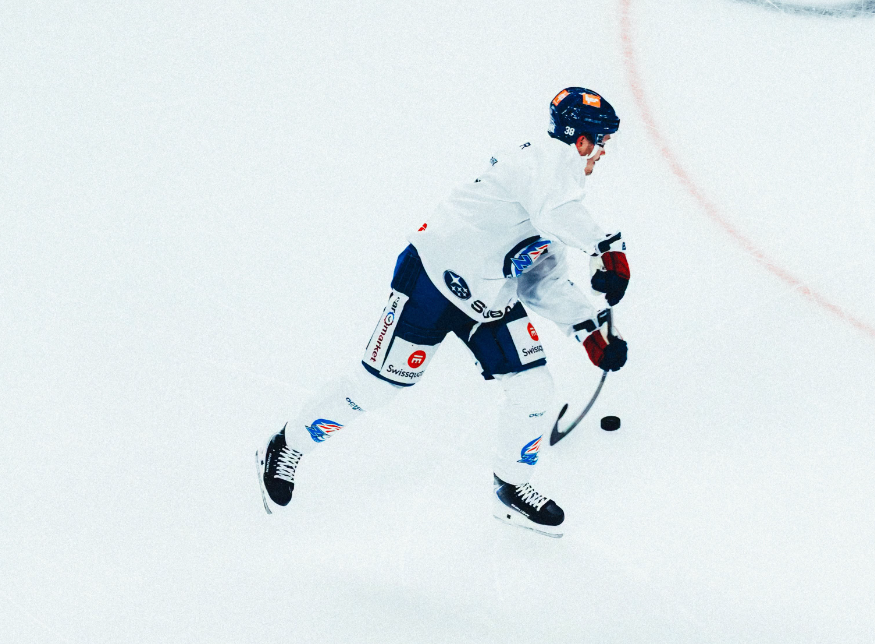
A thrilling ice hockey match between the ZSC Lions and Lausanne HC is scheduled for October 3, 2026. You can experience the fast-paced action…
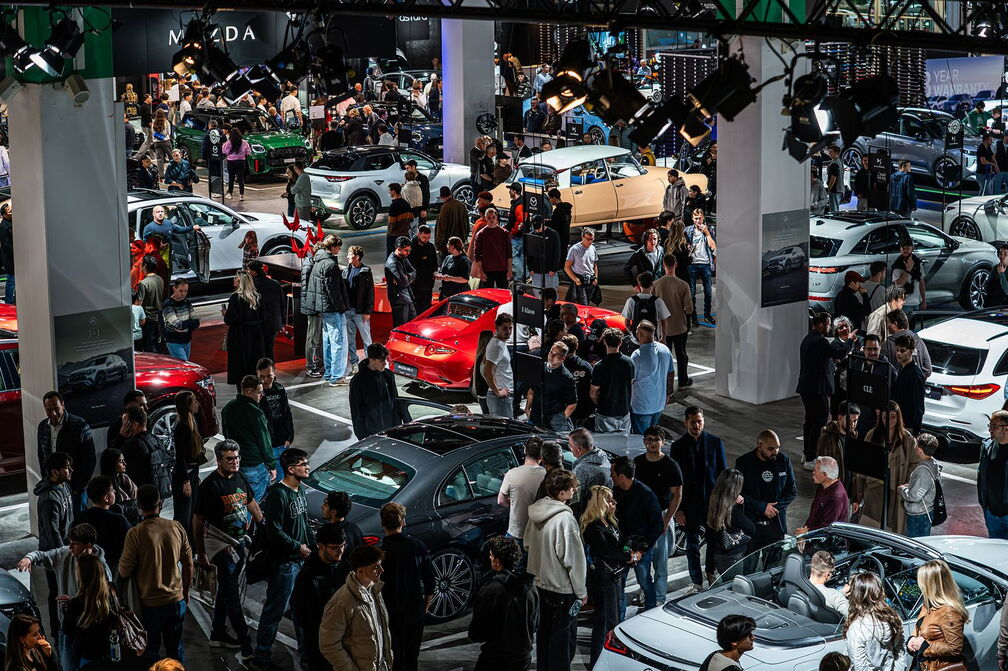
Switzerland’s largest live automotive event takes place from November 5 to 8 at Messe Zürich, showcasing around 70 brands and numerous model highlights. You’ll…
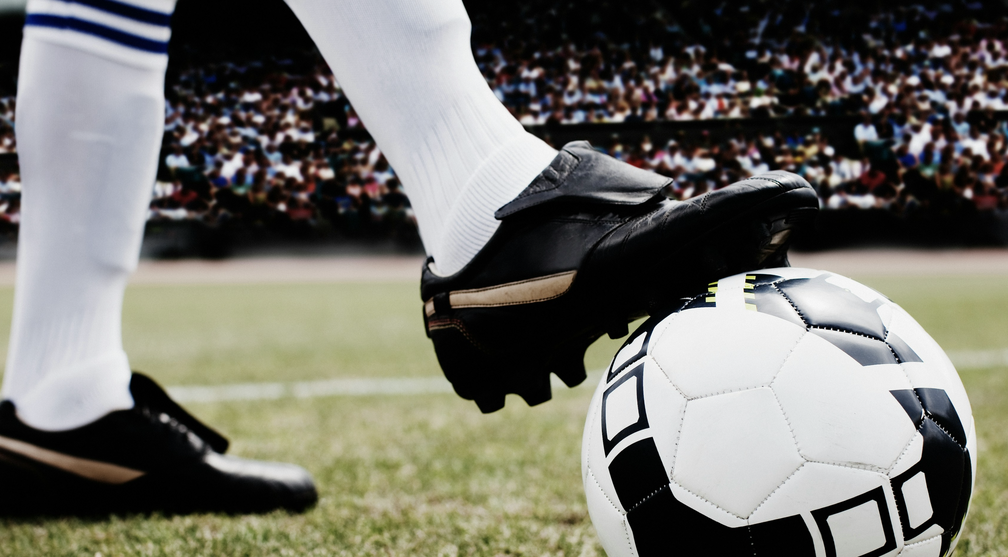
The Zurich All-Star Game 2026 brings international football legends to Zurich for a memorable evening at Stadion Letzigrund. On Friday, November 6, 2026, Ronaldinho…

Tokio Hotel will perform a concert at Hallenstadion in Zürich, Switzerland. The event is part of their ongoing live shows following their extensive tours…
A modest scene, mostly in Kreis 4 and near the station. Live from Hostelworld.
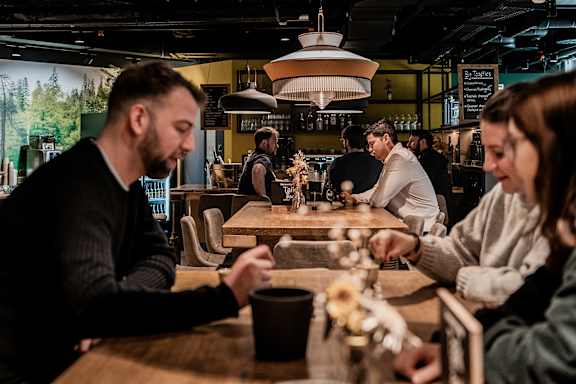 Sustainable
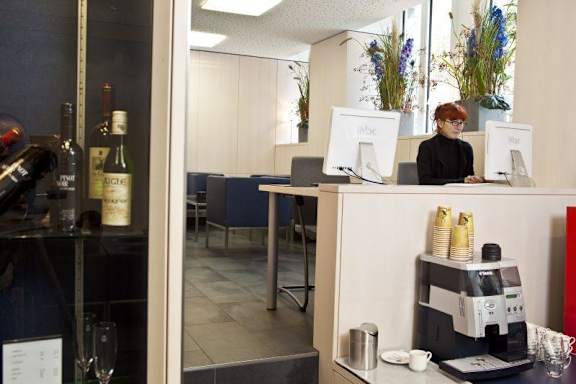
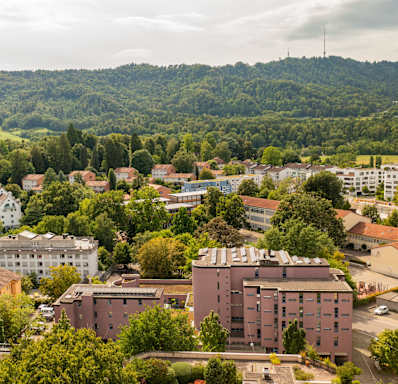 Sustainable
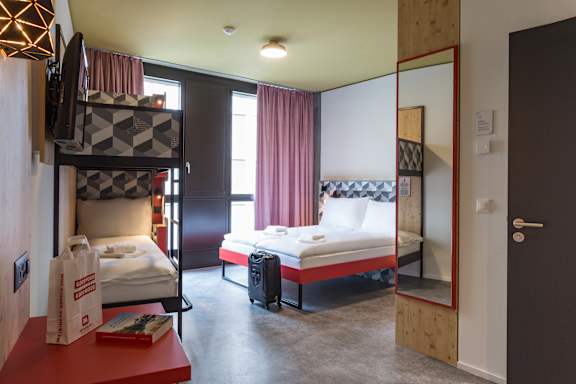
June to September for the lake and the badis. December for markets.
Average highs. The badis generally open from May or June to September.
Pick how you travel. Per person per night, in euros — you will pay in Swiss francs, at roughly 1.06 euros to the franc.
Shown in euros for comparison; you pay in Swiss francs. The food line assumes supermarket restaurants and self-catering.
The ones we get asked most.
Compare Zurich hostels — live prices, real reviews and free cancellation on most bookings. Then meet the people already there in the app.

 Get the App.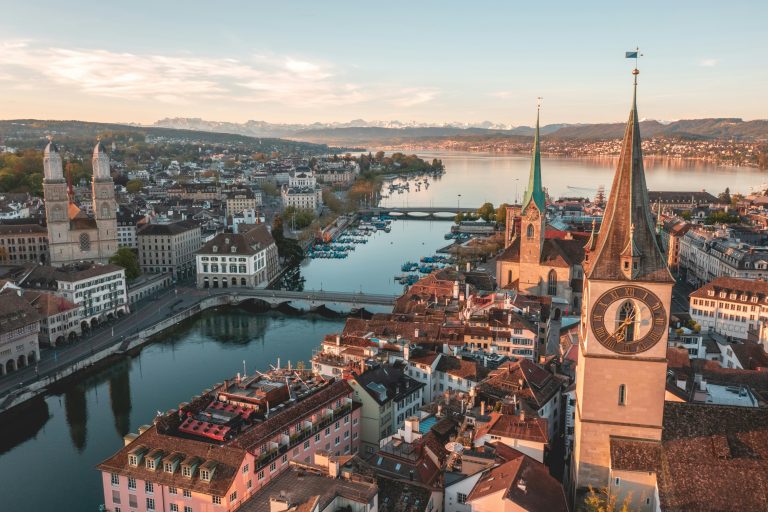
 Get the App.