Bosnia And Herzegovina
Back to Europe
Bosnia and Herzegovina country guide

Bosnia and Herzegovina Travel Guide

Ottoman bridges, Austro-Hungarian streets and a war that ended in 1995 and is still visible on the walls. One of the cheapest and most affecting countries in Europe.

€11
Dorm bed, from
1984
Sarajevo hosted the Winter Olympics
€2
A beer
2.5h
Sarajevo to Mostar by train

Where east and west meet, literally

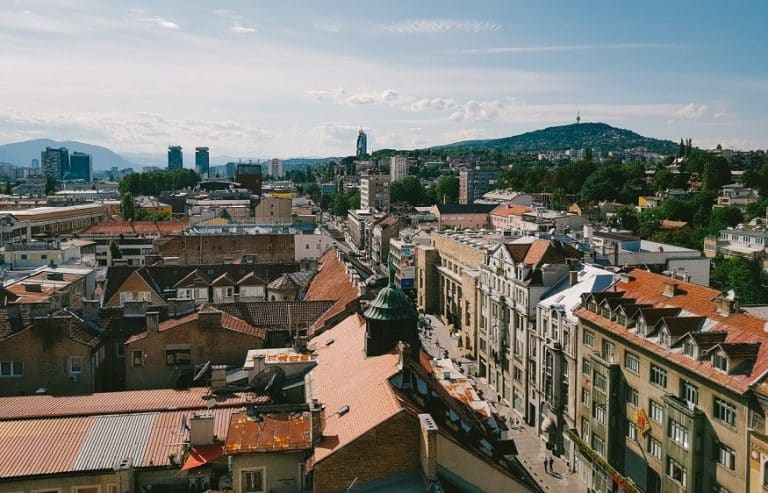
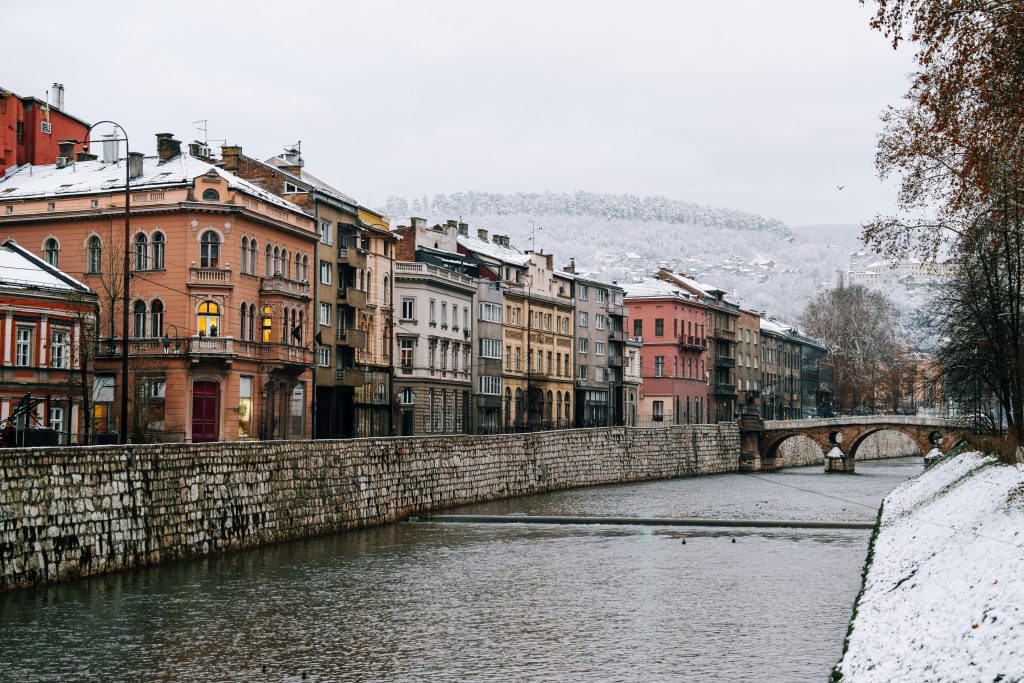
Sarajevo has a line in the pavement marking where the Ottoman town ends and the Austro-Hungarian one begins. Stand on it and you can look one way at wooden shopfronts and a copper bazaar, and the other at nineteenth-century apartment blocks. Few cities make their history so legible.

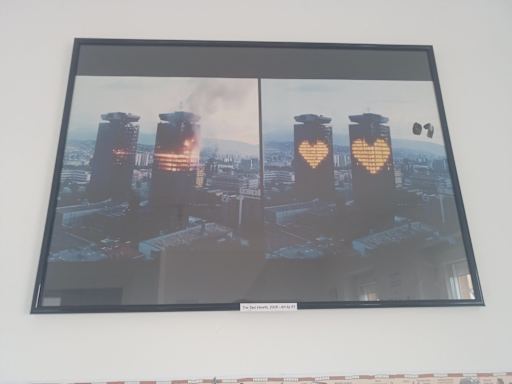
The recent history is equally present. The city endured the longest siege of a capital in modern warfare, from 1992 to 1996, and the evidence is in the buildings, the cemeteries on the hillsides and the Sarajevo roses — mortar scars filled with red resin. It is not hidden and locals will talk about it if you ask respectfully.

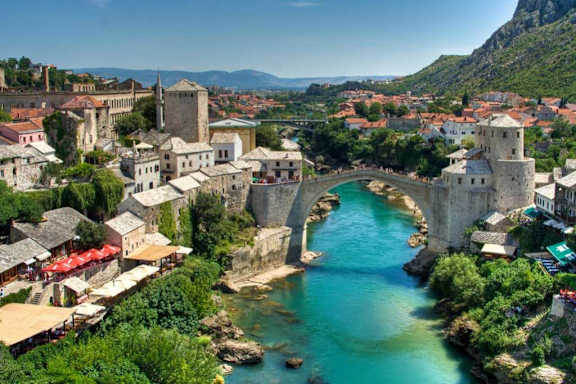
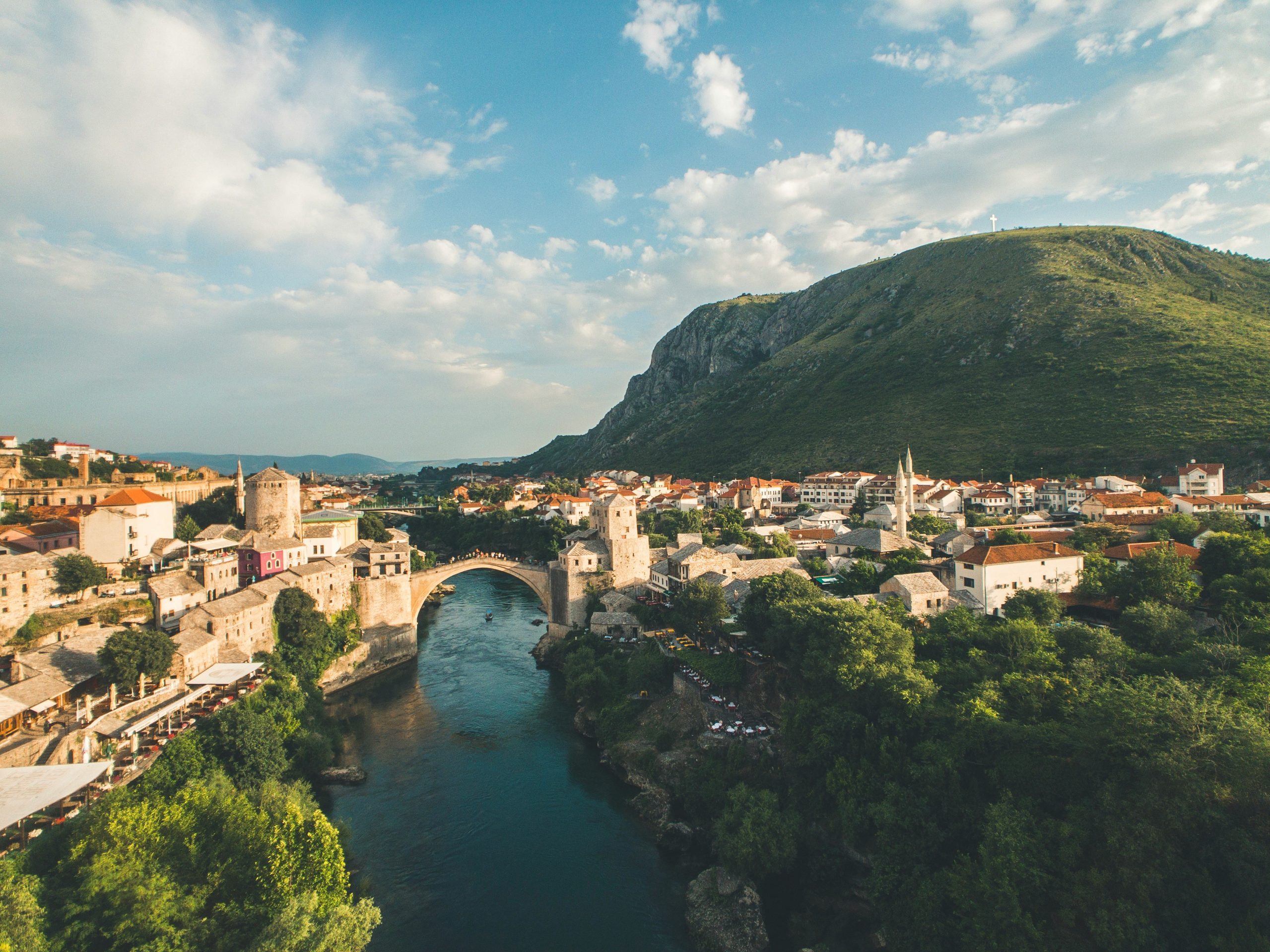
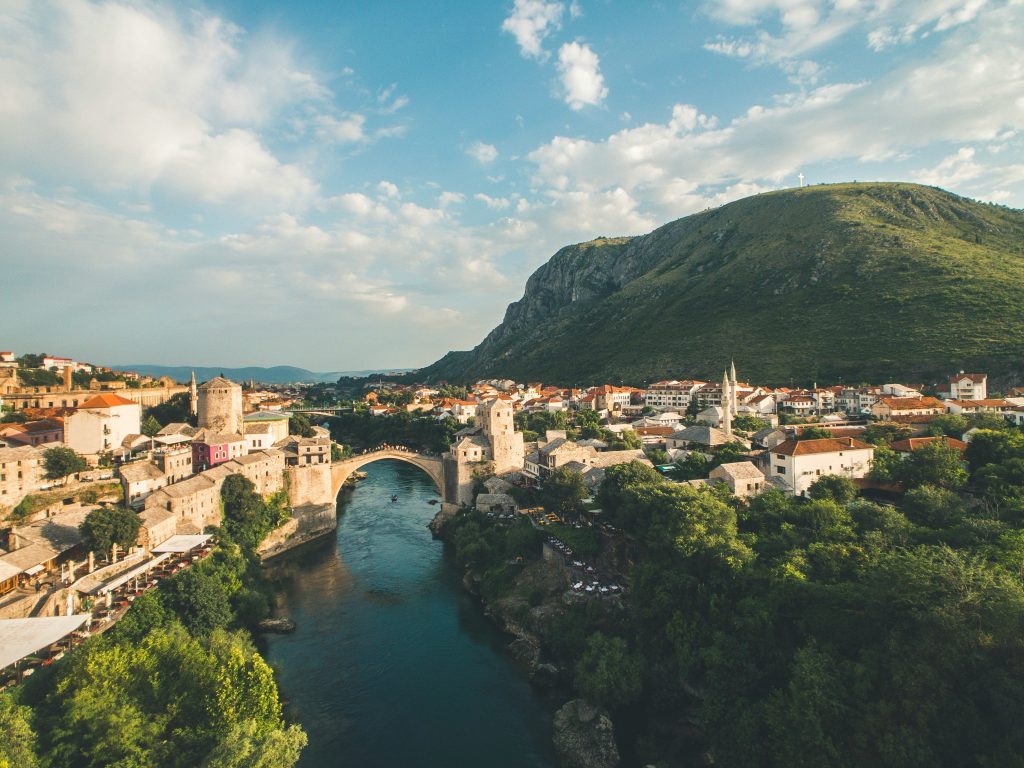
Mostar, two hours south, has the rebuilt Ottoman bridge that men dive from into the Neretva. Beyond both, the country is mountains, rivers and villages, with rafting on the Una and Tara and some of the last unlogged forest in Europe.

Where to go

Buses link everything, and the country is small enough that nothing takes a full day.

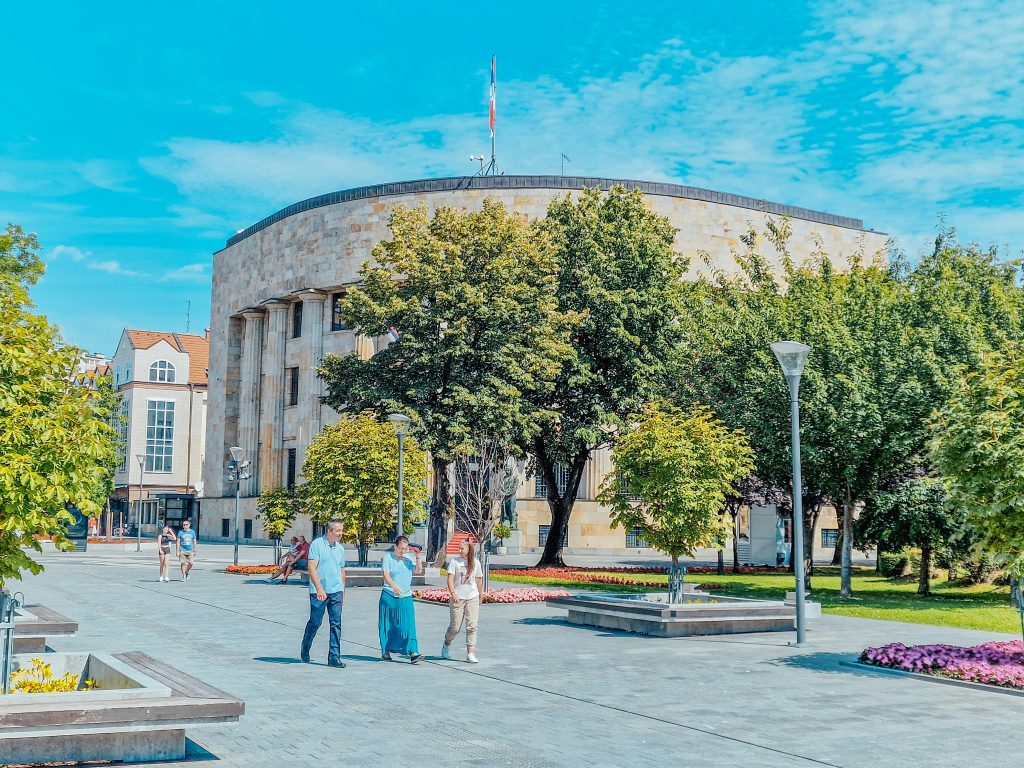
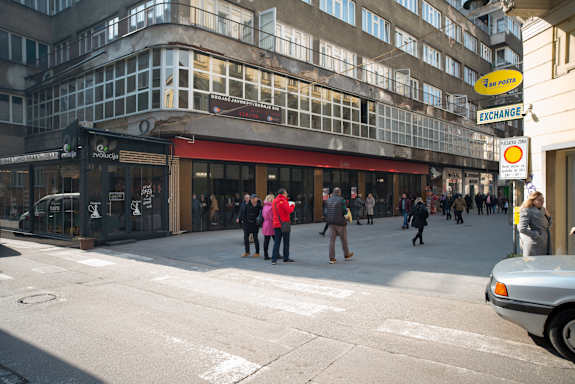
Sarajevo

Sarajevo

17 hostels · dorms from €10

Ottoman bazaar, Austro-Hungarian boulevards, and the most affecting recent history in Europe.

Sarajevo is a beautiful Balkan city in Bosnia. You’ll love the pace and all the sights to take in

A traveller, on Hostelworld
The Sarajevo guide
Mostar

Mostar

13 hostels · dorms from €8

The rebuilt sixteenth-century bridge, divers, and an old town that empties beautifully in the evening.

Lovely intimate city among the mountains. Short drive from beautiful waterfalls and hikes, great people and cheap food.

A traveller, on Hostelworld
The Mostar guide
Banja Luka

Banja Luka

1 hostel

The second city, on the Vrbas river, with rafting above it and almost no foreign visitors.

The Banja Luka guide
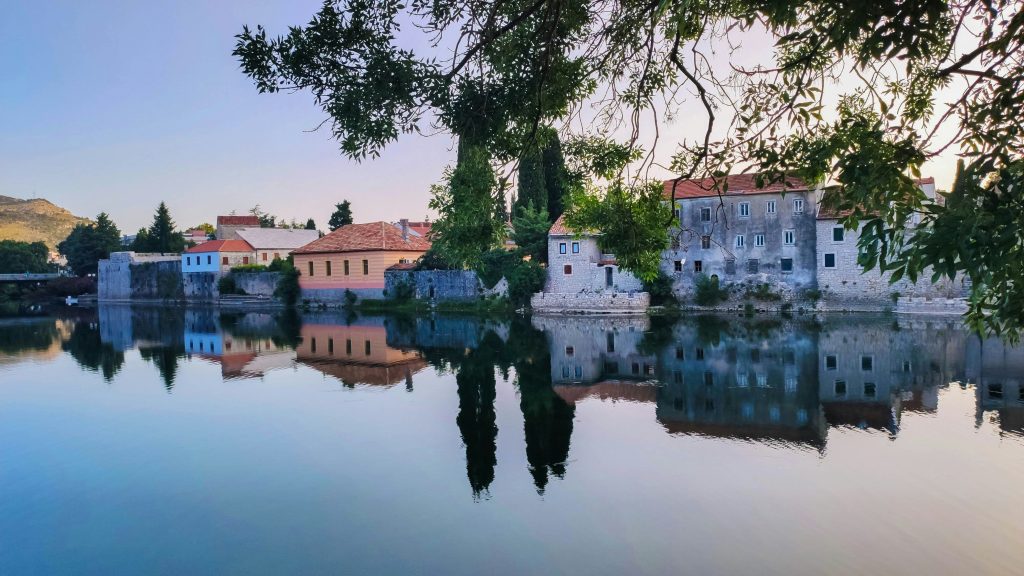
Trebinje

Trebinje

Southern, sunny and wine-growing, an hour from Dubrovnik and a fraction of the price.

The Trebinje guide

What kind of trip is this?

Bosnia is a history trip and an outdoors trip, and most people find it is both.

Culture in Bosnia And Herzegovina

Ottoman, Habsburg and Yugoslav layers, and a recent war.

What to do

  • The Tunnel of Hope museum
  • Baščaršija bazaar
  • Mostar bridge at dawn

Spots to visit

  • Baščaršija
  • Tunnel Museum
  • Stari Most

Best cities for it

Things to do

Things to do in Bosnia and Herzegovina

Sarajevo's essentials are its history. The Tunnel of Hope, dug under the airport runway to supply the besieged city, is the single most powerful site in the country. The Baščaršija bazaar is Ottoman and still working, and the yellow fortress above the city looks over the hillside cemeteries at sunset.

Walking tours led by people who lived through the siege are widely available and are the best money you will spend here. They are frank, personal and not performative.

Mostar's bridge is the postcard and it is genuinely beautiful, particularly before the coach parties arrive from the Croatian coast around eleven. Blagaj and the Kravice waterfalls are a half day each from it, and the Una river in the northwest is where the country goes to raft and swim.

Food and drink

Eating in Bosnia and Herzegovina

Ćevapi — small grilled minced-meat sausages served in flatbread with onion and kajmak — are the national dish and cost €3 to €5 for a portion that will defeat most people. Sarajevo and Banja Luka argue about who does them best.

Burek here means specifically a meat-filled pastry, and the cheese, spinach and potato versions have their own names. Any bakery sells them for a euro or two.

Bosnian coffee is a ritual: served in a džezva with a copper tray, a cube of sugar and a piece of Turkish delight, and it is meant to take an hour. Doing it quickly misses the point entirely, and at about €1 it is the cheapest hour in Europe.

Nightlife

Going out in Bosnia and Herzegovina

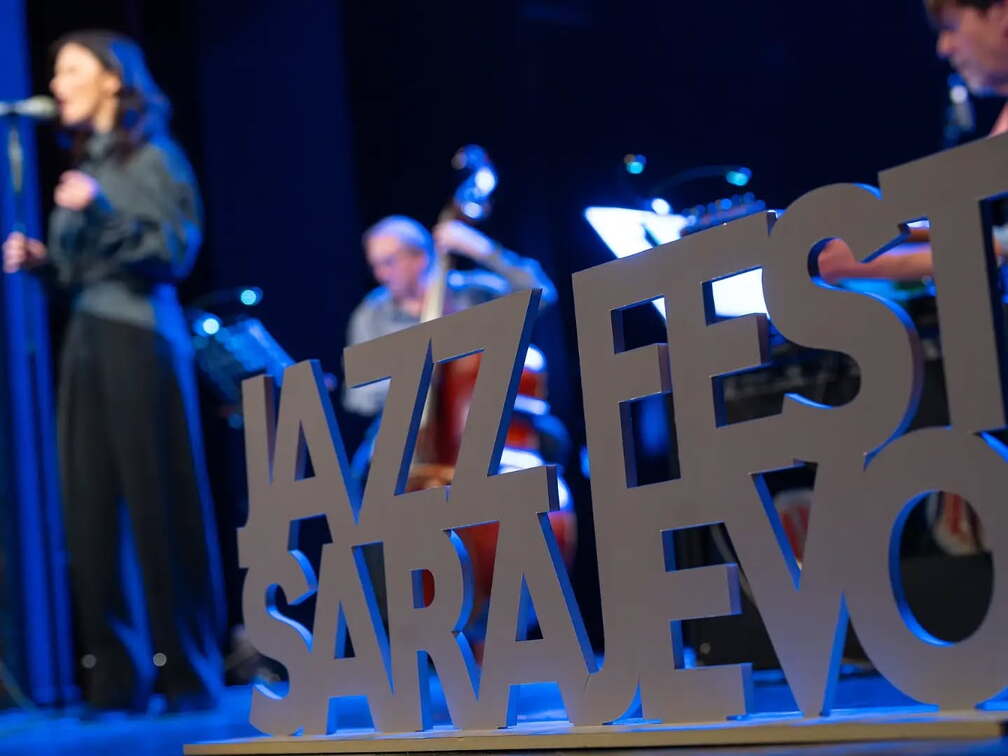
Sarajevo's nightlife is cheap, friendly and spread along Ferhadija and the streets off it. A beer is around €2, the bars mix students with an older crowd, and live music is common rather than occasional.

The city is culturally mixed, so alcohol is served openly in most places and not at all in some — both are unremarkable and neither needs comment.

Mostar has a smaller scene along the river, and in summer the old town bars stay busy after the day visitors leave, which is when the town is at its best anyway.

Getting around

Getting around Bosnia and Herzegovina

Buses are the network and they are cheap and frequent between the main towns. Sarajevo to Mostar is about €10 and two and a half hours. Note that Sarajevo has two bus stations serving different entities of the country — check which one your ticket uses.

The Sarajevo to Mostar train runs a couple of times a day, takes a little longer and follows the Neretva canyon, which makes it one of the most scenic cheap rides in Europe.

A car helps for the national parks and the villages, and roads are mountainous and slow. Journey times are considerably longer than distances suggest, and satellite navigation underestimates them.

Costs

What Bosnia and Herzegovina costs

This is one of the cheapest countries in Europe. Dorms start around €11, a portion of ćevapi is €4, a beer €2, and a coffee that occupies an hour costs about a euro.

Mostar in peak summer is the only place prices climb noticeably, driven by day trips from the Croatian coast, and even then it remains inexpensive by Adriatic standards.

The convertible mark is pegged to the euro at a fixed rate, which makes mental arithmetic easy. Cash is still used widely outside the cities, and ATMs are common in towns.

Safety

Staying safe in Bosnia and Herzegovina

Bosnia is safe for travellers and crime against visitors is rare. Sarajevo and Mostar are comfortable to walk around at night.

The one genuine, country-specific hazard is landmines. Areas near former front lines are still being cleared, they are marked with signs and tape, and the rule is absolute: stay on paved roads and marked paths in rural areas, and never enter an abandoned building or field that has not been explicitly cleared.

Beyond that, mountain weather and driving are the usual cautions. Medical facilities in rural areas are limited, so insurance matters.

Entry and documents

Entry and documents

Bosnia and Herzegovina is not in the EU or Schengen, so time spent here does not count against the 90-day Schengen allowance.

EU, UK, US, Canadian and Australian citizens enter visa-free for 90 days in a 180-day period. Passports should be valid for the duration of the stay.

The country has a complex internal structure — the Federation and Republika Srpska — but travel between them is unrestricted and you will only notice it in signage, alphabets and occasionally which bus station you need.

When to go

Spring and autumn are best for the cities, summer for rafting and swimming, and winter for skiing on the 1984 Olympic mountains.

4°
Jan
Cold, snowy, and ski season on Bjelašnica and Jahorina
7°
Feb
Still winter. Cheapest month in the cities
12°
Mar
Thawing. Sarajevo pleasant and quiet
17°
Apr
Spring. Green, cheap and almost empty
22°
May
Excellent. Rafting season opens on the Una
26°
Jun
The best month. Warm, rivers high, mountains open
29°
Jul
Hot. Mostar is very busy with coach trips
29°
Aug
Peak, and the hottest weeks in Mostar
24°
Sep
Superb. Warm, quiet, and the light is good
18°
Oct
Autumn colour in the mountains, very good value
11°
Nov
Wet and cheap
5°
Dec
Cold, atmospheric Sarajevo, ski season starting
Bar height is temperature. Colour is how busy it gets: quiet busy peak

Average highs for Sarajevo, which sits in a valley at 500m and is colder than Mostar. Mostar in July and August regularly passes 35°C.

What your trip will cost

Pick how you travel and how long for. Per night, for one person, at Bosnian prices.

Prices are in convertible marks locally; these are euro equivalents at the fixed peg. Buses between towns are €7–15.

—
  • Beds—
  • Food and drink—
  • Getting around—
  • Doing things—
What's on

What is on while you are there

Sarajevo's film festival is the big one, and the bridge diving in Mostar is genuinely worth timing for.

Bosnia and Herzegovina travel questions

The ones we get asked most.

Is Bosnia safe to visit?
Yes. Crime against visitors is rare and the cities are comfortable at night. The one country-specific hazard is landmines near former front lines: stay on paved roads and marked paths in rural areas, and never enter abandoned buildings.
How many days do you need?
Five days covers Sarajevo and Mostar with a day trip or two. A week lets you add the Una river, Jajce or the mountains, all of which see very few foreign visitors.
Is Bosnia cheap?
One of the cheapest countries in Europe. Dorms from €11, ćevapi at €3 to €5, a beer for €2, and a day around €30 to €40. The currency is pegged to the euro, so prices are easy to read.
Is it appropriate to ask about the war?
Generally yes, if asked respectfully — many people are willing to talk, and the walking tours are often led by people who lived through the siege. Read the room, do not press, and treat cemeteries and memorials as you would anywhere.
How do I get from Sarajevo to Mostar?
Buses take about two and a half hours and cost around €10. The train runs a couple of times a day, takes slightly longer and follows the Neretva canyon, which makes it one of the best value scenic rides in Europe.
When should I see Mostar?
Early morning or late afternoon. Coach parties arrive from the Croatian coast around eleven and leave by four, and the old town is a different place either side of that.
Does time in Bosnia count towards Schengen?
No. Bosnia is outside the EU and Schengen, so it is a useful place to spend time while the 90-day clock is paused.

Say yes to hostels, meet the world

Compare hostels across Bosnia and Herzegovina — live prices, real reviews and free cancellation on most bookings. Then meet the people already there in the app.

Get the App. QRGet the App.
Get the App. QR  Get the App.
Scroll to Top